
Vomiting or diarrhea can be scary. Learn common causes, vet red flags, and safe at-home steps like hydration and bland meals—plus what not to do and when t...
Article
•
Designer Mixes
Dog Vomiting Yellow Foam

Shari Shidate
Designer Mixes contributor
Seeing your dog vomit yellow foam can be scary, especially when it seems to come out of nowhere. As a veterinary assistant in Frisco, Texas, I have talked with many worried pet parents about this exact issue. The good news is that yellow foam is commonly tied to stomach irritation or an empty stomach and is sometimes fixable with simple routine changes. The important part is knowing when it is truly urgent.
Quick note: This article is educational and cannot diagnose your dog. If you are concerned or your dog seems unwell, call your veterinarian.
What yellow foam can mean
That yellow, sometimes frothy liquid is often bile mixed with stomach fluid. Bile is made by the liver, stored in the gallbladder, and released into the small intestine to help digest fats. When a dog’s stomach is empty or irritated, bile can reflux upward and trigger vomiting.
That said, yellow vomit is not always bile. It can also be stomach fluid, mucus, food coloring, or something your dog ate. Yellow foam is a description, not a diagnosis.
Vomiting or regurgitation
Pet owners often use “vomiting” for both, but they can mean different things.
- Vomiting is usually forceful and may include retching, drooling, and a tight belly before it happens. The material may look foamy, liquid, or partially digested.
- Regurgitation is often more passive, with undigested food coming back up soon after eating. Regurgitation can point to esophagus issues and is worth a veterinary call, especially if it repeats.
Common causes
1) Empty stomach or hunger pukes
This is one of the most common patterns and is often called bilious vomiting syndrome. Dogs vomit yellow foam in the early morning or late at night, often before breakfast or when dinner was early. Many dogs act normal right afterward and want to eat.
2) Eating something irritating
Grass, sticks, fatty table scraps, new treats, compost, trash, or a sudden diet change can irritate the stomach lining. You may see vomiting once or a few times and then it resolves, or it can progress to diarrhea.
3) Gastritis or reflux
Some dogs have sensitive stomachs or inflammation that makes reflux more likely. You might notice lip smacking, swallowing, burping, pacing, or nausea before vomiting.
4) Parasites (especially in puppies)
Intestinal parasites can cause vomiting, diarrhea, poor growth, and a pot-bellied look. Even adult dogs can pick up parasites from soil, parks, and wildlife.
5) Pancreatitis
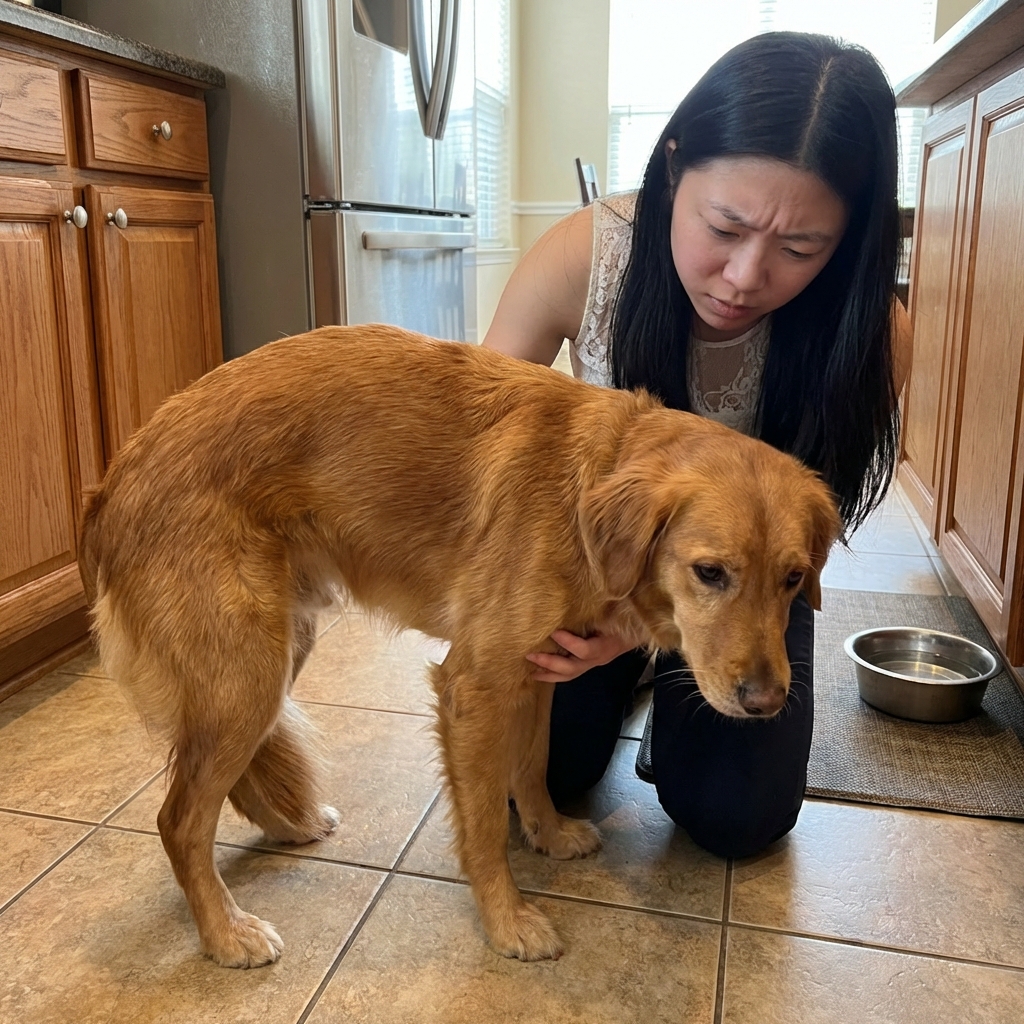
This is inflammation of the pancreas and can be very painful. It is often triggered by high-fat foods. Red flags include repeated vomiting, belly pain, hunched posture, refusal to eat, and lethargy.
6) Foreign body (something stuck)
Socks, toys, corn cobs, bones, and chews can cause a blockage. Vomiting may start as food and progress to foam as the stomach empties. Dogs may also gag, drool, strain, or be unable to keep water down.
7) Other illness
Liver disease, kidney disease, diabetes, Addison’s disease, and other conditions can cause nausea and bile-type vomiting. These typically come with other symptoms like increased drinking and peeing, weight loss, weakness, or ongoing appetite changes.
8) Ongoing GI disease
If yellow foam vomiting keeps coming back, your vet may consider issues like food intolerance, inflammatory bowel disease (IBD), or chronic gastritis, especially if there is weight loss, frequent diarrhea, or a poor appetite.
When it is urgent
The causes above range from mild to serious. If you are seeing any red flags, do not wait it out.
Call your veterinarian or an emergency clinic right away if you notice any of the following:
- Repeated vomiting (more than 2 to 3 times in a day, or vomiting that continues)
- Cannot keep water down or vomiting after drinking
- Blood in vomit (red or coffee-ground appearance) or black, tarry stool
- Severe lethargy, collapse, weakness, pale gums
- Swollen or painful abdomen, unproductive retching, or a “tight” belly (concern for bloat)
- Possible toxin exposure (xylitol, rodent bait, medications, grapes or raisins, onions, cannabis products, etc.)
- Suspected foreign body (missing toy, chewed socks, string, corn cob, bones)
- Puppies, seniors, or dogs with chronic illness who vomit even once and seem “off”
- Signs of dehydration (tacky gums, sunken eyes, skin that does not snap back quickly)
If your dog is trying to vomit but nothing is coming up, seems restless, drools, or the belly looks distended, treat it as urgent. Time matters with bloat.
What to do at home
If your dog vomits yellow foam one time, is otherwise bright, and you are not seeing the urgent signs above, these are reasonable first steps. When in doubt, call your veterinarian because every dog is different.
Step 1: Follow your vet on food timing
Some vets recommend a short break from food for otherwise healthy adult dogs. Others recommend offering a small bland meal sooner rather than later. If you have not been given specific instructions, a conservative approach is to pause food briefly and check in with your vet if you are unsure.
- Puppies and toy breeds can get low blood sugar quickly. Do not fast them without veterinary guidance.
- Dogs with diabetes or other medical conditions should not be fasted without a plan from your veterinarian.
Step 2: Offer small amounts of water
Hydration is key, but too much water too fast can trigger more vomiting.
- Offer a few tablespoons at a time every 30 to 60 minutes.
- If your dog gulps water, try ice chips or a slow feeder bowl.
Step 3: Reintroduce a bland meal
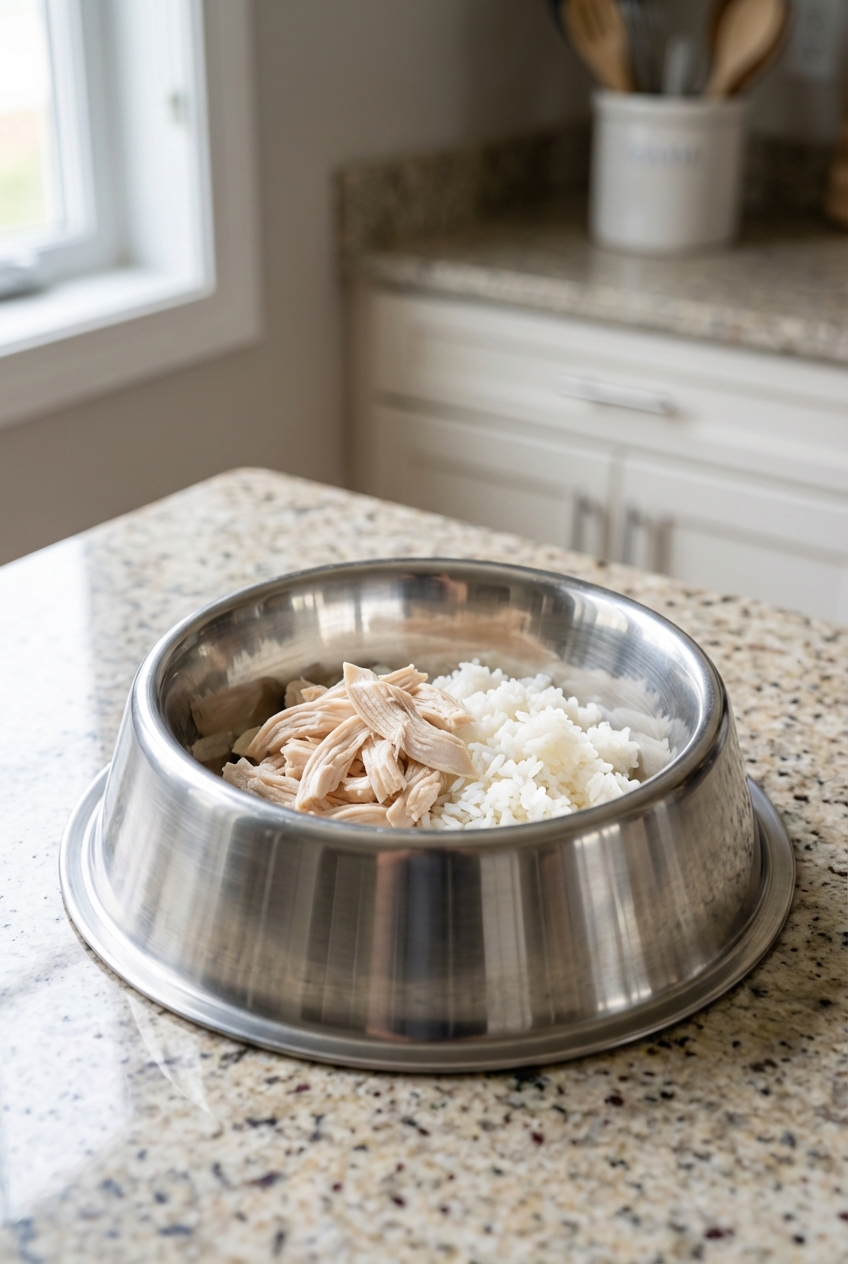
If vomiting stops and your dog seems hungry and normal, offer small bland meals for 24 to 48 hours. Common vet-approved bland options include:
- Boiled skinless chicken breast with white rice
- Boiled turkey with white rice
- Plain pumpkin (small amount) for some dogs
Feed smaller portions more often, like 3 to 5 mini-meals in the day.
Step 4: Prevent the empty-stomach cycle
If this seems like classic early-morning bile vomiting, ask your vet about adjusting feeding times. Many dogs do better with:
- A small bedtime snack
- Splitting meals into 3 smaller meals per day
- A consistent routine with fewer long gaps between meals
Step 5: Transition back to normal food
Once your dog has been symptom-free on bland food for about a day, many dogs can transition back to their regular diet over 2 to 3 days by gradually mixing in more of the usual food. If vomiting returns during the transition, call your vet.
What not to do
- Do not give human medications (like Pepto-Bismol, ibuprofen, acetaminophen) unless your veterinarian specifically instructed it for your dog. Bismuth products can be unsafe for some dogs and can also darken stools, which may confuse the picture if your vet is watching for intestinal bleeding.
- Do not force feed a nauseated dog.
- Do not give a large meal right after vomiting. Big meals can restart the cycle.
- Do not ignore repeat episodes. A “sometimes” problem can turn into a dehydration problem fast.
When to book a regular visit
If your dog seems okay but the pattern keeps happening, it is worth scheduling a non-emergency appointment.
- Morning bile vomiting that happens more than once in a week
- Episodes that are showing up weekly or are increasing over time
- Any vomiting paired with chronic loose stool, weight loss, picky appetite, or frequent gassiness
These patterns can still be treatable, but they often benefit from a plan instead of repeated home resets.
What your vet may recommend
Depending on your dog’s age, history, and symptoms, your veterinarian might suggest:
- A physical exam and abdominal palpation
- Fecal testing for parasites
- Bloodwork to check liver, kidneys, pancreas, electrolytes, and hydration
- X-rays or ultrasound if a foreign body or pancreatitis is suspected
- Anti-nausea medication, stomach protectants, probiotics, and a prescription GI diet
- A diet trial if food intolerance is suspected
Evidence-based care matters here because yellow foam can be simple bile reflux, or it can be the first visible sign of something that needs treatment.
Quick tracking checklist
If you need to call your vet, these details help tremendously:
- How many times did your dog vomit, and over what time period?
- Is your dog eating and drinking normally?
- Any diarrhea, straining, or black stools?
- Any chance of eating toys, bones, trash, plants, or medications?
- What does the vomit look like (yellow foam, food, mucus, blood)?
- Any behavior changes (lethargy, shaking, hunched posture)?
- Diet changes in the last 7 to 14 days?
Long-term support
If your dog tends to vomit bile off and on, talk with your veterinarian about a long-term plan. Many dogs benefit from:
- Consistent meal timing with fewer long fasting periods
- A high-quality diet that fits their needs, avoiding frequent abrupt switches
- Measured treats and lower-fat options if pancreatitis risk is a concern
- Slow transitions when introducing new foods
- Routine wellness exams and parasite prevention
Trust your instincts. If your dog is not acting like themselves, even one episode of vomiting can be worth a call to your veterinary team.
Bottom line
Yellow foam vomit is often linked to an empty stomach and refluxed bile, but it is not something to brush off if it repeats or comes with other symptoms. Start with safe, gentle steps at home only if your dog seems otherwise well, and loop in your veterinarian if the vomiting continues, your dog cannot hold down water, or anything feels not right.