Worried about a vomiting dog? Learn when vomiting is an emergency, how to offer small sips safely, and the best bland foods (chicken/rice, turkey, pumpkin, e...
Article
•
Designer Mixes
Dog Vomiting White Foam: Causes and Fixes

Shari Shidate
Designer Mixes contributor
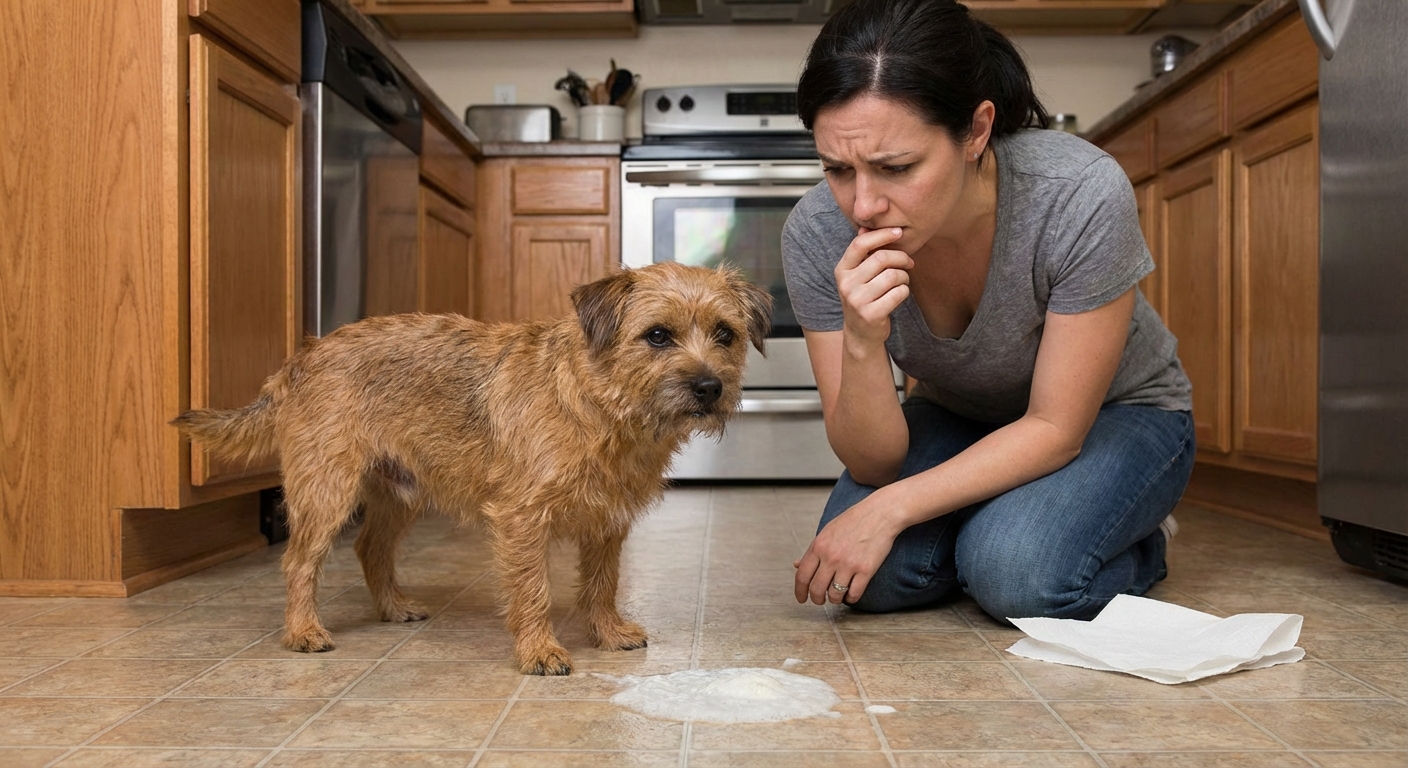
If you have ever walked into the room and found a little puddle of white, bubbly foam, your heart probably dropped. I have been there, both as a pet parent and as a veterinary assistant. The good news is that white foamy vomit can be related to stomach irritation, an empty stomach, mild nausea, or even extra saliva and mucus. The less good news is that, in some cases, it can signal an emergency, especially if it keeps happening or your dog seems unwell.
This guide will help you sort out what is most likely going on, what you can safely do at home, and when it is time to call your veterinarian right away.
Quick definition: “Foam” is usually a mix of saliva plus small amounts of stomach fluid that gets whipped into bubbles during retching.
What does white foam mean?
White foam often happens when a dog brings up saliva and stomach fluid instead of a full meal. If the stomach is empty (or nearly empty), there may be little more than froth and bubbles.
One tricky part is that foam can show up with vomiting, regurgitation, or coughing. These can look similar, but the “how it happens” is different.
Vomit vs regurgitation vs cough
- Vomiting: active retching, belly muscles working, nausea signs (lip licking, drooling), food may be partially digested.
- Regurgitation: more passive, sudden “burp up” of undigested food or foamy fluid, often tubular in shape, usually no retching.
- Coughing up foam: hacking or honking, triggered by activity or excitement, foam/mucus may come up at the end of a coughing spell.
Common causes
1) Empty stomach (hunger pukes)
This is one of the most common patterns, often early in the morning or late at night. When the stomach sits empty too long, dogs can develop nausea and bring up foam. In some dogs, this is linked to bilious vomiting syndrome or reflux, where bile and stomach fluid irritate the stomach lining.
- Typical clues: happens before breakfast, dog acts mostly normal afterward, appetite returns.
- Often helps: a small bedtime snack or splitting meals into smaller portions.
- If it keeps happening: recurring morning foam should be discussed with your vet.
2) Mild gastritis (stomach irritation)
Dogs explore the world with their mouths. Eating grass, rich treats, table scraps, trash, new chews, or sudden diet changes can irritate the stomach and cause foamy vomit.
- Typical clues: one or two episodes, lip smacking, swallowing, mild lethargy.
- Watch for: repeated vomiting, diarrhea, or blood, which changes the urgency.
3) Eating too fast
Fast eaters swallow air, and that extra air can come back up with saliva or stomach fluid as foam. Also, some “right after eating” episodes are actually regurgitation rather than true vomiting.
- Typical clues: happens soon after meals, gulping, burping, undigested food coming up, little to no retching.
- Often helps: slow feeder bowl, feeding puzzles, smaller meals.
4) Motion sickness or stress
Car rides, boarding, fireworks, new visitors, and schedule changes can trigger nausea. Some dogs vomit foam when they are anxious, especially if they also refuse food.
- Typical clues: vomiting around stressful events, pacing, drooling, whining.
- Often helps: gradual desensitization, predictable routines, vet-approved anti-nausea options for travel.
5) Reflux
Reflux can irritate the throat and stomach. Some dogs bring up small amounts of white foam, especially overnight or first thing in the morning.
- Typical clues: gulping, licking lips, swallowing repeatedly, signs worse when the stomach is empty.
6) Respiratory causes (foam from coughing)
Sometimes what looks like vomiting is actually coughing up foamy fluid. Kennel cough and other respiratory infections can cause gagging and hacking that ends with white foam. Foam can also be seen with other airway and heart related problems (for example, tracheal collapse in small breeds, or fluid in the lungs).
- Typical clues: dry honking cough, gagging after excitement, symptoms worsen with activity.
- Call your vet: especially for puppies, seniors, or dogs with heart or airway issues.
7) Parasites
Intestinal parasites can irritate the GI tract and cause nausea, appetite changes, and vomiting. You may also see diarrhea or weight changes. Scooting is more commonly linked to anal gland irritation, but it can occur with some parasites (tapeworms are a classic example).
- Typical clues: soft stool or diarrhea, weight changes, pot-bellied look (often in puppies), worms or rice-like segments in stool.
8) Pancreatitis
Pancreatitis is inflammation of the pancreas, often associated with fatty foods, sudden diet changes, and certain risk factors. It can start with vomiting (sometimes foam) and progress quickly.
- Typical clues: repeated vomiting, belly pain, hunched posture, refusing food, lethargy.
- Needs vet care: do not wait this out at home.
9) Foreign body or blockage
If a dog swallows a toy piece, sock, corn cob, chew fragments, or bones, they may vomit foam when nothing can pass through normally.
- Typical clues: repeated vomiting, cannot keep water down, reduced appetite, straining, abdominal pain, no stool or very small stool.
- Emergency risk: obstruction can become life-threatening.
10) Bloat (GDV)
Bloat is one of the biggest emergencies we worry about in veterinary medicine. Dogs may retch and bring up white foam or saliva, but not produce real vomit.
- Typical clues: unproductive retching, distended abdomen, restlessness, drooling, pacing, rapid decline.
- Emergency: go to an emergency vet immediately.
11) Underlying disease (when it keeps happening)
If foamy vomiting is recurring or your dog is not acting like themselves, your vet may want to rule out underlying issues like Addison’s disease, kidney or liver disease, inflammatory bowel disease, and food sensitivities.
When it is an emergency
Call your veterinarian or an emergency clinic right away if you notice any of the following:
- Repeated vomiting (more than 2 to 3 times in a day) or vomiting that will not stop
- Vomiting that persists longer than 12 to 24 hours
- Cannot keep even small sips of water down for 4 to 6 hours
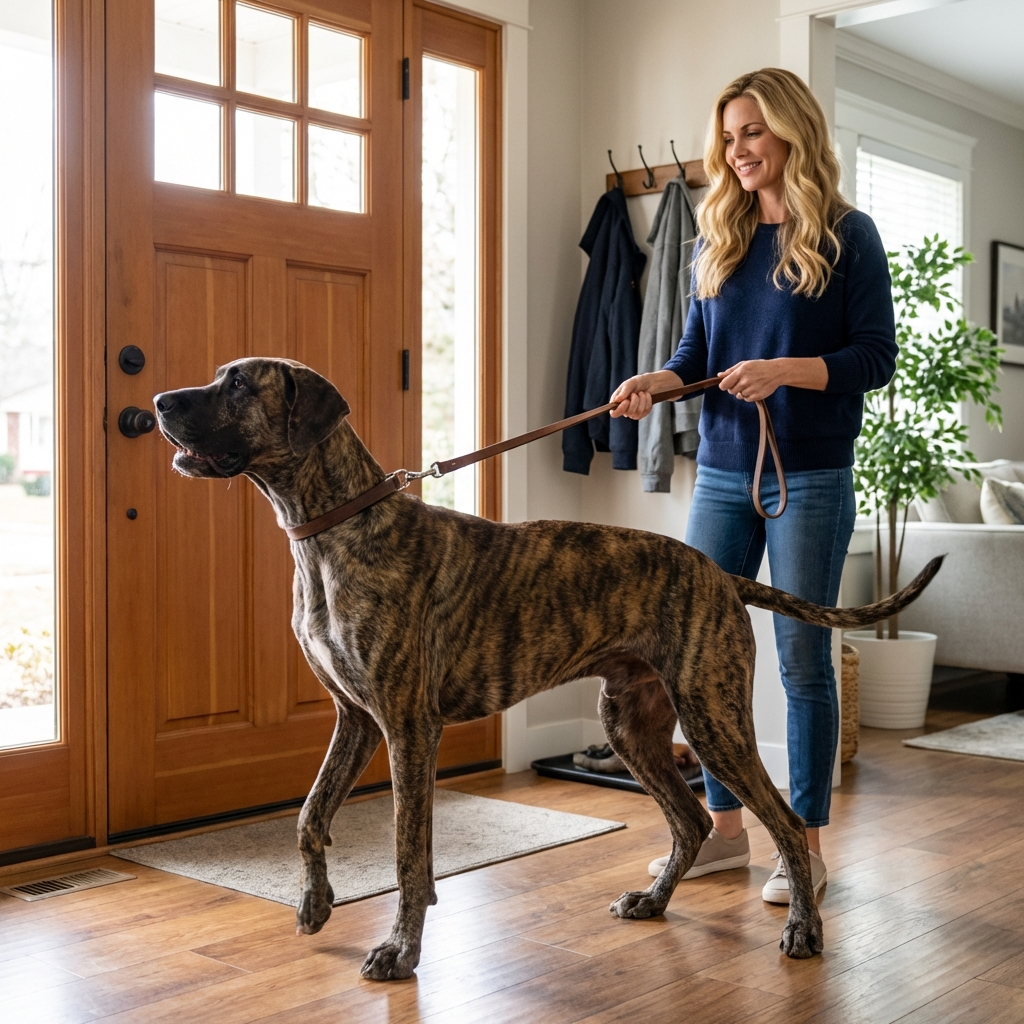
- Unproductive retching (trying to vomit but little comes up), especially in large deep-chested breeds
- Blood in vomit (red or coffee-ground appearance)
- Severe lethargy, collapse, weakness, or pale gums
- Swollen or painful abdomen, prayer position, or obvious discomfort
- Diarrhea plus vomiting, especially watery diarrhea
- Possible toxin exposure (xylitol, grapes or raisins, rodent bait, medications, marijuana, household cleaners)
- Puppy, senior, pregnant dog, or dog with chronic disease (kidney disease, diabetes, Addison’s, heart disease)
Extra puppy note: very young puppies can become dehydrated and hypoglycemic quickly. Vomiting in an unvaccinated puppy, especially with lethargy or diarrhea, can be urgent (parvo is one reason vets take this so seriously).
If your gut says “this is not my dog,” trust that instinct. It is always okay to call and describe what you are seeing.
What you can do at home
For a healthy adult dog who vomited white foam once or twice and is otherwise acting normal, these steps are commonly recommended. When in doubt, call your vet for guidance specific to your dog.
Step 1: Pause and assess
- Is your dog alert and responsive?
- Are they interested in water?
- Any diarrhea, pain, bloating, coughing, or repeated retching?
- Any chance they ate something dangerous or swallowed a toy?
Step 2: How long to monitor
If it was a single episode and your dog is acting normal, it is reasonable to monitor closely for the next 12 to 24 hours. If vomiting repeats, your dog seems painful or unusually tired, or they will not eat and drink normally, call your vet the same day.
Step 3: Rest the stomach briefly (only if your vet agrees)
Many clinics recommend a short food break for mild stomach upset in otherwise healthy adult dogs. Do not fast puppies, toy breeds, diabetic dogs, or dogs prone to low blood sugar without veterinary direction. Very young puppies can crash quickly.
Instead of a long fast, you can often transition to small, bland meals sooner.
Step 4: Offer water in small amounts
Dehydration is a big concern with vomiting. Offer small sips. If your dog gulps and vomits again, remove the bowl and offer a few tablespoons at a time every 20 to 30 minutes.
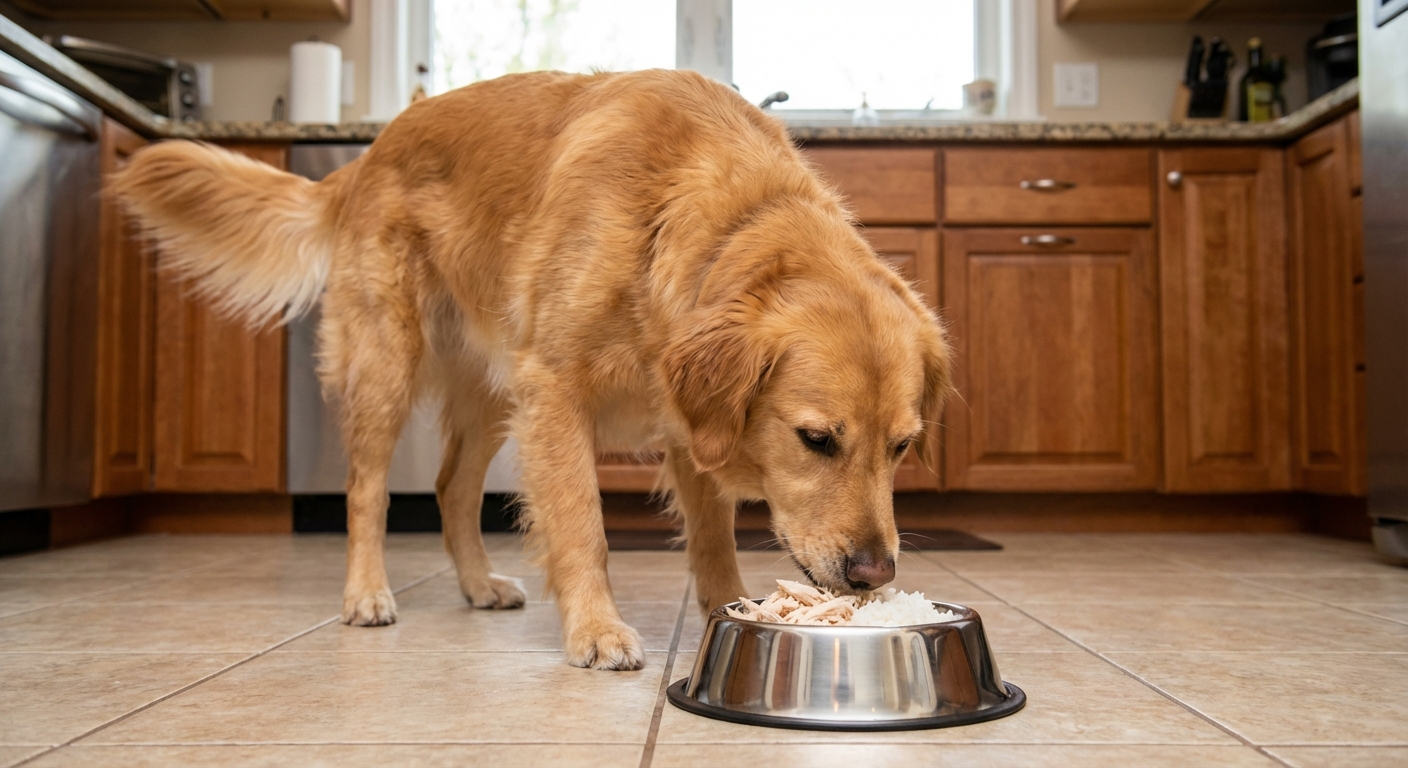
Step 5: Try a bland diet for 24 to 48 hours
If vomiting has stopped and your dog seems comfortable, feed small meals of bland food:
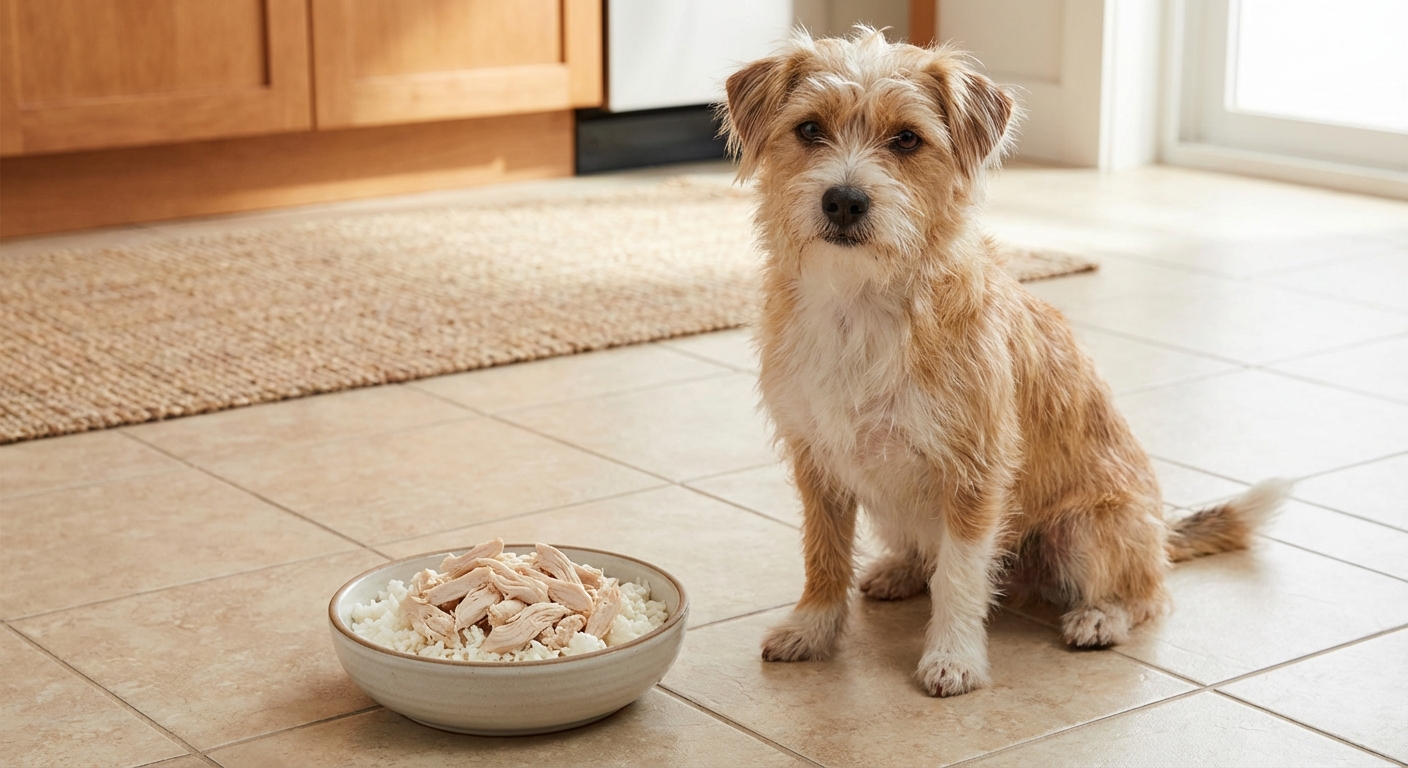
- Boiled chicken breast (no skin, no seasoning) with white rice, or
- Lean ground turkey with rice, or
- Plain white fish with rice (helpful for some dogs who do not tolerate chicken), or
- Vet-approved GI diet if you have it on hand
Avoid fatty foods and rich treats during this time, since fat can worsen GI upset in some dogs.
Start with a small portion, then gradually increase over the day if it stays down.
Step 6: Slowly transition back to normal food
Once stools and appetite are normal, mix bland food with the regular diet over a few days.
A note on OTC meds
Please avoid giving human medications like Pepto-Bismol, Tums, or Pepcid unless your veterinarian tells you the correct product and dose for your dog. Some OTC meds can be unsafe depending on your dog’s size, health conditions, and what they may have ingested (for example, bismuth products like Pepto-Bismol contain salicylates).
Prevention tips
Feed on a schedule
If your dog tends to vomit foam early in the morning, try:
- Splitting daily food into 2 to 3 smaller meals
- Adding a small bedtime snack
Slow down fast eaters
- Use a slow feeder bowl
- Try a food puzzle or snuffle mat
- Feed multiple small portions instead of one big meal
Keep trash and chew hazards out of reach
Foreign bodies are incredibly common. Puppy-proofing and using safe chews can prevent a stressful emergency visit.
Transition foods slowly
Any diet change should be made gradually over 7 to 10 days to reduce stomach upset.
Stay current on parasite prevention
Use vet-recommended preventatives and bring in stool samples as directed, especially for puppies and newly adopted dogs.
Talk to your vet about recurring foam vomiting
If your dog vomits white foam more than occasionally, there may be treatable causes like reflux, food sensitivity, inflammatory bowel disease, pancreatitis risk, or metabolic conditions like Addison’s disease or kidney disease. Recurrent vomiting should not become normal.
Quick FAQ
Why is my dog vomiting white foam but acting normal?
Common reasons include an empty stomach, mild stomach irritation, eating too fast (sometimes regurgitation), or stress. If it happens once and your dog is otherwise normal, you can monitor closely. If it repeats or you see other symptoms, call your vet.
Is white foam the same as bloat?
No, but bloat can include foamy drool and unproductive retching that looks similar. If your dog is trying to vomit but nothing comes up, has a tight belly, seems panicked, or is declining quickly, treat it as an emergency.
Should I withhold food?
Not always, and not for every dog. Puppies, toy breeds, and dogs with medical conditions need special caution. When in doubt, call your veterinarian for individualized advice.
Bottom line
White foam can be a sign of nausea with an empty or irritated stomach, and many mild cases improve with rest, hydration support, and a temporary bland diet. But if you see repeated vomiting, unproductive retching, abdominal pain, blood, weakness, breathing or coughing concerns, or any toxin exposure, it is time to seek veterinary care right away.
Your dog cannot tell you what hurts, but their symptoms can. When you pay attention early, you give them the best chance to feel better fast.