Vomiting or diarrhea can be scary. Learn common causes, vet red flags, and safe at-home steps like hydration and bland meals—plus what not to do and when t...
Article
•
Designer Mixes
Dog Vomiting White Foam: Care Tips and When to Worry

Shari Shidate
Designer Mixes contributor
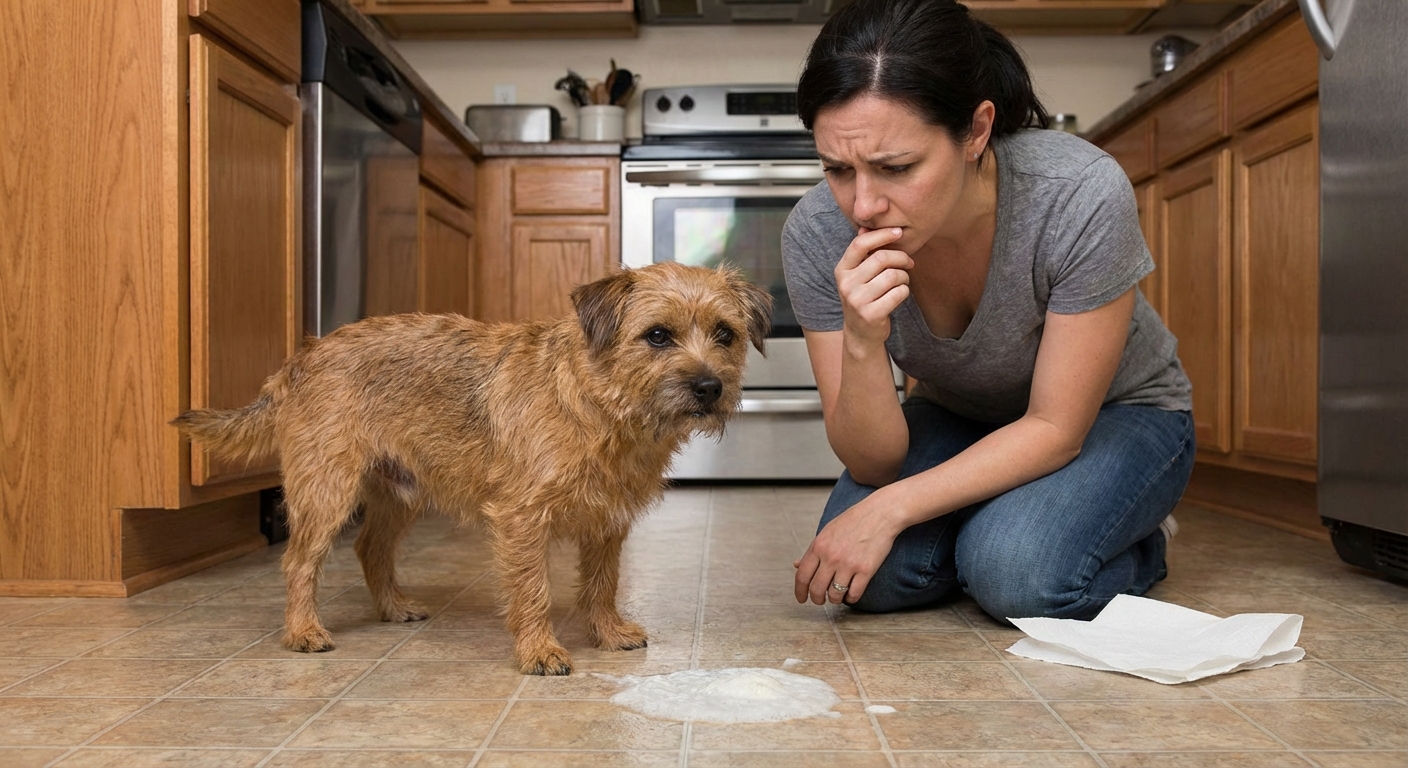
If you have ever walked into the room and found a little puddle of white, bubbly foam, your stomach probably dropped right along with your dog’s. The good news is that white foam vomit can be common, especially with mild stomach upset or an empty stomach. The downside is that it can also be an early clue that something more serious is going on.
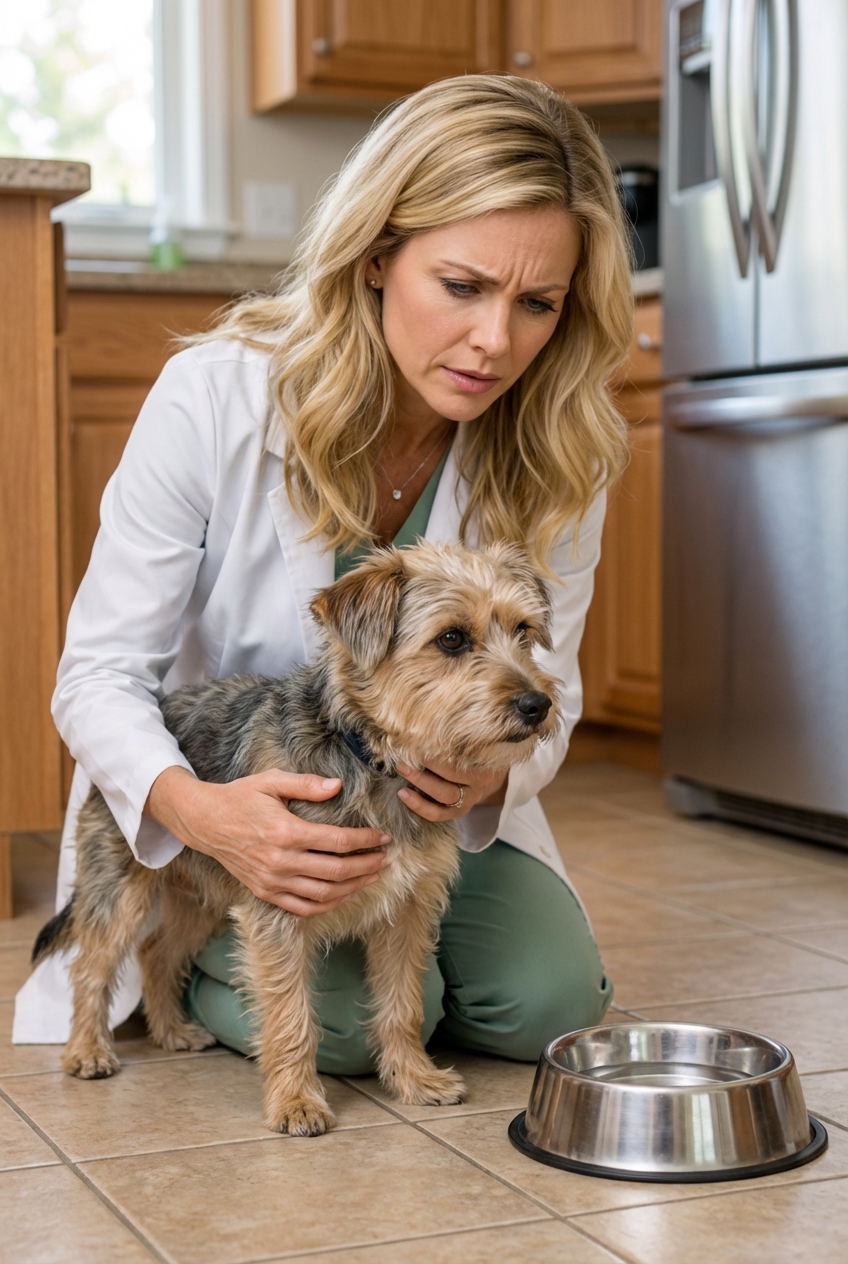
As a veterinary assistant in Frisco, Texas, I always tell families the same thing: focus on what else is happening with your dog, not just the foam itself. That context is what helps you decide whether to monitor at home, call your vet, or head to an emergency clinic. And a quick note up front: I cannot diagnose your dog at home, but I can help you think through safe next steps.
What white foam usually is
That white, bubbly foam is typically a mix of saliva, mucus, and a small amount of stomach fluid. Dogs can produce foam when the stomach is irritated, when they are nauseated and drooling, or when they are retching without much food to bring up.
It can happen after a single upset stomach, but it can also show up with conditions that need medical attention. Look for patterns and red flags.
Not always vomiting
Owners often tell me “he threw up,” when what they really saw was coughing froth, regurgitation, or true vomiting. The difference matters.
- Vomiting: often includes nausea signs (lip licking, drooling), then abdominal heaving, then stomach contents or foam.
- Regurgitation: more sudden and effortless, often food or froth comes up without heaving. This is common in dogs with esophagus issues, and owners of brachycephalic breeds (like Bulldogs and Pugs) sometimes see this more.
- Coughing or gagging: abrupt hacking or a honking cough, sometimes followed by white froth. It can look like vomit, but it is coming from the airway irritation, not the stomach.
Common causes of white foam
1) Empty stomach or acid buildup
Many dogs bring up white foam early in the morning or late at night when their stomach is empty. This can happen with mild reflux or a pattern often called bilious vomiting syndrome. Classic cases involve yellow bile after fasting, but the vomit can look pale or even white when bile is diluted by saliva and mucus, or when only small amounts come up.
2) Eating too fast, excitement, or mild nausea
Fast eaters can swallow air. Add drool and a little stomach irritation, and you can see foamy vomit. Some dogs also drool heavily with nausea and then vomit foam.
3) Gastritis from something they ate
Garbage snacking, fatty table food, new treats, or scavenging outside can inflame the stomach lining and trigger vomiting. Sometimes foam comes up first, then food later.
4) Coughing or respiratory irritation
Dogs that are coughing or gagging can bring up white, frothy fluid. This is not always true vomiting. If you are hearing honking or hacking, or the episode is abrupt without abdominal heaving, think respiratory too.
5) Pancreatitis
Pancreatitis can start with vomiting and progress quickly. It often follows a high-fat meal, but it can happen without an obvious trigger.
6) Parasites
Roundworms, hookworms, and other intestinal parasites can cause stomach upset, poor appetite, and vomiting. Puppies are especially at risk.
7) Bloat (GDV) or a blockage
These are emergencies. Dogs with bloat or an obstruction may retch repeatedly and bring up only foam or saliva because nothing can pass. This is one of the most important reasons to take foamy vomiting seriously when it repeats or is paired with other symptoms.
Other possible causes
If the problem is frequent or keeps returning, your vet may also consider motion sickness, diet intolerance, esophagitis or reflux-related irritation, liver or gallbladder issues, and endocrine disease (Addison’s, for example). Most of the time, the pattern and your dog’s overall condition help narrow this down.
Quick checklist: Emergency?
Go to an emergency vet now if any of the following are true:
- Repeated retching or vomiting, especially unable to keep water down
- Bloated or tight-looking abdomen, pacing, drooling, signs of pain
- Weakness, collapse, pale gums, or trouble breathing
- Vomiting with blood (red or coffee-ground appearance)
- Suspected toxin exposure (human meds, rodent bait, xylitol, grapes or raisins, chocolate, etc.)
- Possible foreign body (chewed toy pieces, socks, corn cobs)
- A puppy, senior dog, or dog with chronic disease (kidney disease, diabetes, Addison’s, heart disease)
When in doubt, call your veterinarian or an ER clinic. A quick phone triage can save you hours of worry and, in some cases, save your dog’s life.
If you suspect a toxin and cannot reach a clinic quickly, you can also contact ASPCA Animal Poison Control or Pet Poison Helpline for guidance (fees may apply).
At-home care for mild cases
If it was a single episode of foamy vomit and your dog is bright, alert, breathing normally, and willing to drink small amounts, many vets will recommend supportive care at home. Always follow your own clinic’s guidance.
Step 1: Give the stomach a short break
For adult dogs with mild vomiting, a short pause from food may help. Water should still be offered, but in small, frequent amounts to avoid triggering more vomiting.
- As an example, offer a small measured amount of water every 30 to 60 minutes to start, adjusted for your dog’s size.
- If your dog gulps, offer a few ice chips or remove the bowl between small offerings so they cannot chug.
Step 2: Reintroduce food slowly
Once your dog has gone several hours without vomiting and can keep water down, you can trial a small bland meal. Typical vet-approved options include:
- Boiled skinless chicken breast with plain white rice
- Lean turkey with white rice
- Plain canned pumpkin (100% pumpkin, not pie mix) in small amounts
Start with small portions, then gradually work back up to normal meal sizes over 24 to 48 hours if your dog remains stable.
Step 3: Watch hydration and energy
Even mild vomiting can dehydrate dogs faster than many people realize.
- Hydration check: gums should feel slick and moist, not tacky.
- Energy check: your dog should be able to settle comfortably and respond normally to you.
- Bathroom check: watch for diarrhea, black stool, or straining.
Step 4: Avoid common mistakes
- Do not give human antacids, Pepto-Bismol, or other over-the-counter meds unless your veterinarian tells you to. Some can be unsafe, interact with prescriptions, or hide important symptoms.
- Never give human pain medications like ibuprofen, naproxen, aspirin, or acetaminophen unless your veterinarian specifically instructs you. Toxicity can be life-threatening.
- Keep in mind that bismuth products can turn stool dark, which may mask a serious problem like GI bleeding.
- Do not switch foods abruptly right after vomiting. Keep it simple and gradual.
- Do not assume foam means “nothing.” If vomiting continues, your dog needs veterinary care.
When to call your vet
Contact your primary veterinarian soon (same day or within 24 hours) if:
- Vomiting happens more than once in a day
- Your dog refuses food for a full day, or you have a small dog or puppy who stops eating and seems off
- There is diarrhea, especially watery diarrhea
- Your dog seems nauseated: lip licking, drooling, hiding, gulping
- The vomiting keeps happening at the same time of day (pattern matters)
- You notice weight loss, increased thirst, or a pot-bellied look (especially in puppies)
- Your dog cannot keep water down, even if vomiting is “only foam”
What your vet may recommend
Your veterinarian will tailor care to your dog’s age, breed, history, and exam findings. Depending on the situation, they may suggest:
- Anti-nausea medication to stop vomiting and protect hydration
- GI protectants if stomach irritation or reflux is suspected
- Fecal testing and deworming if parasites are possible
- Bloodwork to evaluate dehydration, infection, pancreatitis, kidney or liver issues
- X-rays or ultrasound if a blockage, bloat, or organ problem is suspected
- Fluids under the skin or IV fluids if dehydration is present
If your dog is retching repeatedly with little coming up, imaging is especially important because it can help rule out emergencies like obstruction or GDV.
How to help prevent it
Feed smaller, more frequent meals
If foam vomiting happens when your dog’s stomach is empty, offering a small bedtime snack or splitting meals can reduce acid buildup.
Slow down fast eaters
Use a slow feeder bowl, puzzle feeder, or scatter feeding to reduce gulping and swallowed air.
Lock up trash and toxins
Many vomiting cases start with “one quick bite.” A secured trash can and safe storage for medications can prevent a scary night at the ER.
Transition foods gradually
When changing diets, aim for a 7 to 10 day transition to help the gut adjust.
Use parasite prevention
Your veterinarian can recommend the right deworming schedule and monthly preventives for your area and your dog’s lifestyle.
What to track before you call
Having clear details helps your veterinarian make faster, better decisions. If you can, write down:
- How many times your dog vomited and when it started
- What it looked like (foam only, food, yellow fluid, blood)
- Any diarrhea and what it looks like
- What your dog ate in the past 24 hours (including treats and table food)
- Access to toys, bones, socks, trash, compost, or yard items
- Current medications and preventives
- Energy level and whether water stays down
Bottom line
White foam vomit is often a sign of mild stomach irritation or an empty stomach, but it can also be a warning sign of serious problems. If your dog has repeated retching, looks painful, cannot keep water down, or seems weak, treat it as urgent.
When it is mild and isolated, supportive care, a bland diet, and close observation can help. And if you are ever unsure, calling your veterinarian is never “overreacting.” It is responsible, loving pet parenting.