Yellow foam vomit is often bile from an empty or irritated stomach. Learn common causes, safe step-by-step home care, red-flag emergencies, and prevention tips.
Article
•
Designer Mixes
Dog Vomiting Bright Yellow

Shari Shidate
Designer Mixes contributor
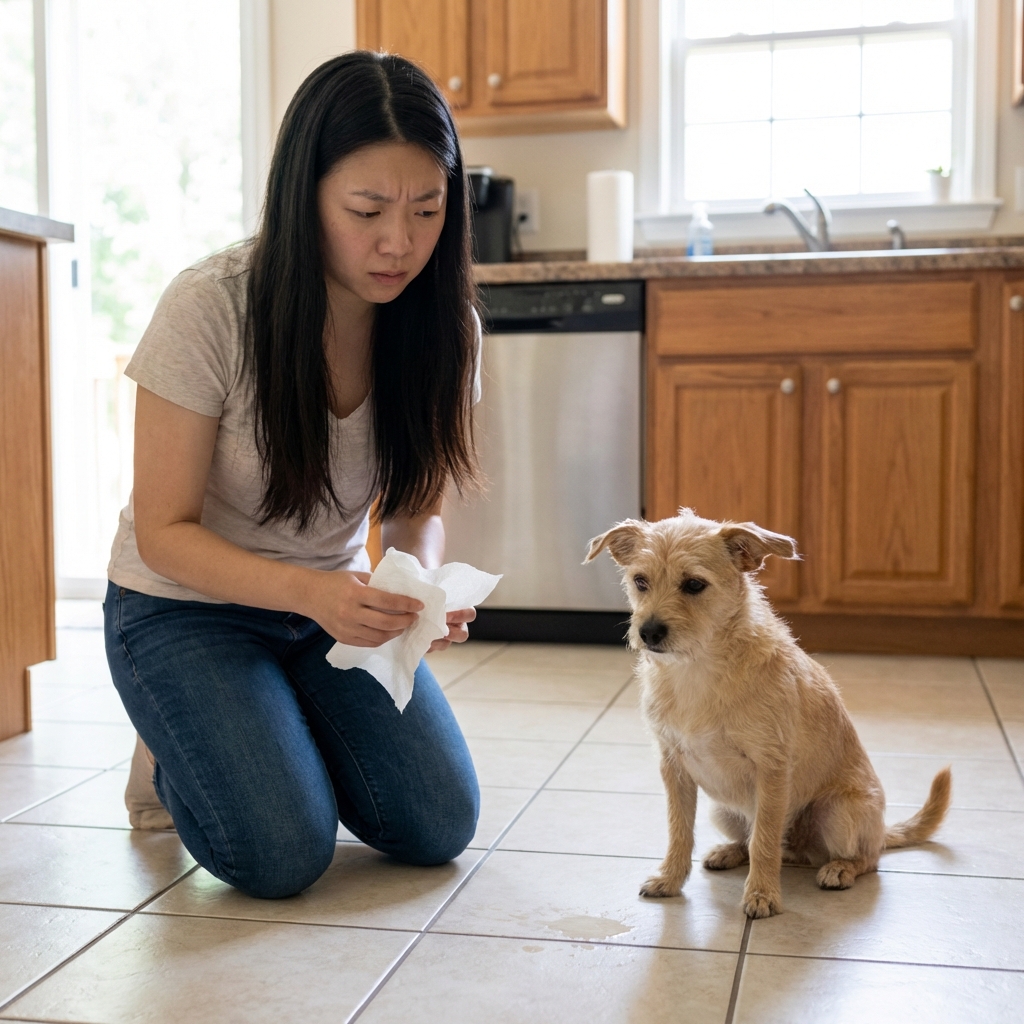
Seeing bright yellow vomit on the floor can feel scary, especially when it seems to come out of nowhere. As a veterinary assistant here in Frisco, Texas, I have talked with many worried pet parents about this exact thing. The good news is that yellow vomit is often bile, and in many cases it is related to an empty stomach or mild stomach irritation. The concern is that sometimes it can point to a bigger issue that needs a veterinarian’s help.
This handbook will walk you through what bright yellow vomit often means, what to watch for, what you can safely do at home, and when it is time to call your vet.
What “bright yellow” vomit often is
Bright yellow vomit is often bile, but not always. Yellow can also be stomach fluid mixed with small amounts of food pigments, refluxed intestinal fluid, or (less commonly) something diet or toxin related.
Bile is a yellow to yellow-green digestive fluid made continuously by the liver. It is stored and concentrated in the gallbladder between meals, then released into the small intestine to help digest fats. When a dog’s stomach is empty or irritated, bile can reflux into the stomach and then be vomited up.
Common ways bile vomit looks:
- Thin, watery, foamy, or slightly mucousy liquid
- Bright yellow or yellow-green
- Small puddle, sometimes with a little clear fluid
- Often happens early morning or late at night
Vomiting vs regurgitation
This is a quick but important distinction, because it changes what your vet worries about.
- Vomiting usually includes nausea, lip licking, drooling, heaving, and then stomach contents coming up.
- Regurgitation is more passive. Food or liquid comes up without much warning or abdominal effort, often soon after eating or drinking. It can point to an esophagus problem and should be discussed with your veterinarian.
Why dogs vomit yellow fluid
Yellow vomit is a symptom, not a diagnosis. Here are common causes I hear discussed in veterinary settings.
1) Empty stomach (bilious vomiting)
This is a very common pattern: a dog goes many hours without eating, bile irritates the stomach lining, and the dog vomits yellow foam or liquid. It often happens in the early morning before breakfast.
Bilious vomiting can overlap with things like reflux, gastritis, and motility issues, so if it is recurrent, your vet may still want to rule out other causes.
2) Mild stomach upset
New treats, table scraps, rich foods, sudden food transitions, or getting into the trash can trigger nausea and vomiting. Even a healthy dog can vomit yellow fluid if their stomach is unsettled and there is not much food in it.
3) Eating grass or leaves
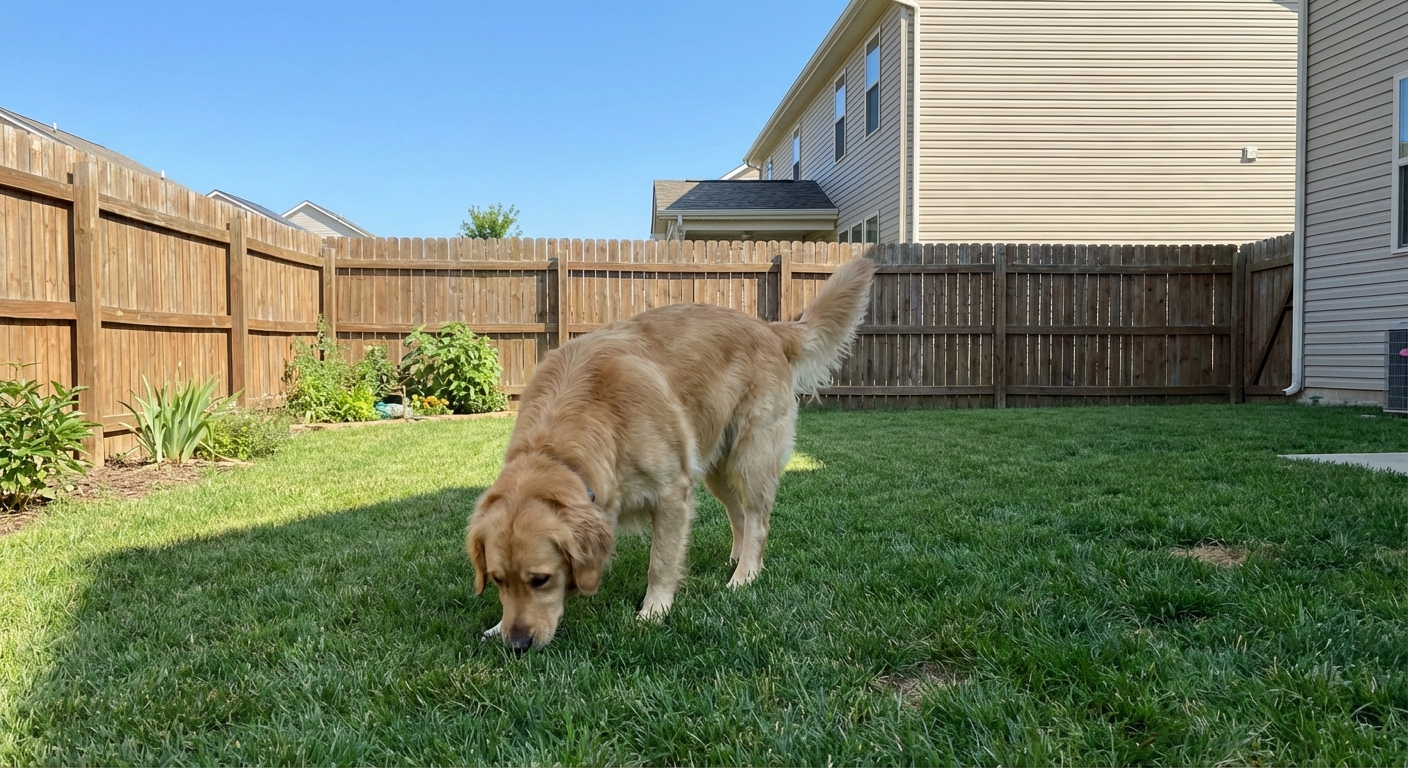
Some dogs nibble grass when they feel nauseated, and then vomit soon after. The vomit may look yellow if there is little food present.
4) Motion sickness or stress
Car rides, boarding, fireworks, and routine changes can lead to nausea and vomiting, including bile.
5) Parasites or GI infection
Intestinal parasites, viral gastroenteritis, or bacterial gastroenteritis can cause repeated vomiting. Bile may show up because the stomach empties quickly and keeps trying to vomit.
6) Pancreatitis
Pancreatitis can cause severe vomiting, abdominal pain, reduced appetite, and lethargy. It is more common after fatty meals and in certain breeds, but any dog can be affected.
7) Foreign body or obstruction
If a dog swallows a toy, sock, bone fragments, corn cob, or other object, vomiting can become frequent and serious. Bile may be present, and the dog may be unable to keep water down.
8) Liver, gallbladder, or metabolic disease
Less commonly, yellow vomiting can be associated with liver or gallbladder disease or other internal problems. Usually there are additional signs, such as appetite changes, weight loss, increased thirst and urination, or jaundice (yellowing of the gums or whites of the eyes).
Quick checklist before you call
If you can, take 60 seconds to gather details. It really helps your veterinary team triage and make safer recommendations.
- How many times did your dog vomit in 24 hours?
- When did it happen, especially early morning vs after meals?
- Amount and appearance: watery, foamy, thick, any food present?
- Anything unusual: blood (red or coffee-ground), worms, foreign material?
- Appetite: normal, decreased, refuses food?
- Water intake and ability to keep water down
- Energy level: normal, quieter than usual, weak, collapse?
- Stool (poop): normal, diarrhea, black/tarry, straining, no stool?
- Possible exposure: trash, fatty food, toxins, medications, plants
- Risk factors: puppy, senior, small dog, chronic disease, diabetes, on NSAIDs or steroids
If possible, bring a photo of the vomit to your appointment. It sounds a little gross, but it is genuinely useful.
When it is an emergency
Please seek urgent veterinary care if any of the following are true. These are the scenarios where “wait and see” can become risky.
- Repeated vomiting (more than 2 to 3 times in a day) or vomiting that will not stop
- Cannot keep water down or vomits immediately after drinking
- Blood in vomit (bright red or dark, coffee-ground material)
- Swollen belly, unproductive retching, or signs of bloat (this is a true emergency)
- Severe lethargy, collapse, weakness, pale gums
- Abdominal pain (tense belly, “prayer position,” cries when picked up)
- Suspected toxin exposure (xylitol, grapes/raisins, chocolate, rodent bait, antifreeze, human medications)
- Possible foreign body (missing toy, chewed fabric, string, bone pieces)
- Puppy, senior, small, or medically fragile dog vomiting at all, especially with diarrhea
- Dehydration signs: tacky or dry gums, sunken eyes, decreased urination, weakness, skin that tents and stays up
Trust your gut. If your dog “just isn’t right,” it is always okay to call your vet or an emergency clinic.
If you are worried about a possible poisoning, you can also contact ASPCA Animal Poison Control or Pet Poison Helpline for guidance (fees may apply). Your vet may recommend them, too.
When you can monitor
If your dog vomited once, is otherwise bright and alert, wants to eat, is drinking normally, and has no concerning symptoms, it is often reasonable to monitor closely for 12 to 24 hours.
Even in mild cases, keep a closer eye on smaller dogs since dehydration can happen faster.
Safe at-home steps
These are general, conservative tips that are commonly recommended for mild stomach upset in otherwise healthy adult dogs. If your dog has diabetes, is very small, is a puppy, is a senior, or has ongoing medical issues, check with your vet before making changes.
Step 1: Offer small amounts of water
If your dog is not vomiting repeatedly, allow access to water. If they gulp and vomit, try offering small sips every 15 to 30 minutes instead of a full bowl.
Step 2: Food pause only if advised
In the past, “fasting” was common advice. These days, many veterinarians prefer gentle nutrition sooner, but every case is different. If your dog vomited once and seems fine, you can ask your vet whether a brief pause from food makes sense.
Step 3: Restart with a bland, low-fat meal
If your dog is keeping water down and seems hungry, feed a small bland meal. Common options include:
- Boiled skinless chicken breast with plain white rice
- Lean ground turkey, well cooked and drained, with rice
- Optional: a small amount of plain canned pumpkin (100% pumpkin, not pie filling) for some dogs
Pumpkin is not required and it can worsen diarrhea in some dogs. If stools get looser, skip it.
Feed small portions 3 to 4 times a day for 1 to 2 days, then transition gradually back to the normal diet.
Step 4: Bedtime snack for morning bile
If the pattern is yellow foam early in the morning and your dog is otherwise healthy, a simple fix is often:
- A small snack right before bedtime
- Or splitting dinner into two smaller meals (evening meal plus later snack)
This helps keep the stomach from being completely empty overnight.
Step 5: Avoid common aggravators
- No fatty foods, greasy treats, or table scraps
- No sudden diet changes
- Prevent trash access and “counter surfing”
- Pause new supplements or chews until your dog is stable, unless prescribed

What not to do
- Do not give human medications like ibuprofen, naproxen, or acetaminophen unless your veterinarian specifically instructs you. These can be dangerous.
- Use extra caution with Pepto-Bismol (bismuth subsalicylate). It can be risky in some situations (including bleeding concerns and salicylate sensitivity), and it can darken stool, which may complicate evaluation for GI bleeding. Only use it if your vet tells you to.
- Do not ignore repeated vomiting, even if it looks “just yellow.” Frequency and your dog’s overall condition matter.
- Do not force food into a nauseated dog. Start small and go slow.
Yellow vomit in puppies
Puppies dehydrate faster and can crash quicker than adult dogs. Yellow vomit in a puppy can still be bile, but it can also happen with parasites, parvovirus, dietary indiscretion, or low blood sugar.
Call your veterinarian the same day if a puppy vomits, especially if there is diarrhea, lethargy, poor appetite, or your puppy is not fully vaccinated.
Yellow vomit with diarrhea
Vomiting with diarrhea raises the concern for GI infection, parasites, dietary indiscretion, pancreatitis, or toxin exposure. Mild cases can improve with supportive care, but combined symptoms also increase the risk of dehydration.
More urgent signs include watery diarrhea, bloody diarrhea, black tarry stool, or your dog acting weak.
What your vet may do
Depending on your dog’s symptoms, your veterinarian may recommend:
- Physical exam and abdominal palpation
- Fecal test for parasites
- Bloodwork to check hydration, infection, and pancreas and liver values
- X-rays or ultrasound to look for foreign body, obstruction, pancreatitis, gallbladder issues
- Anti-nausea medication and stomach protectants
- Fluids, especially if dehydrated
- A prescription gastrointestinal diet for a short period
If your dog is vomiting yellow fluid frequently, the goal is not just to stop the vomiting. The goal is to find and treat the underlying cause.
When to book a non-urgent visit
Even if your dog seems mostly okay, it is smart to schedule a regular vet visit if:
- Yellow vomiting keeps happening for more than 24 to 48 hours
- It becomes a pattern, such as more than once a week
- Your dog is slowly eating less, losing weight, or just not acting like themselves
Your vet can help you decide if this is likely an empty-stomach issue, reflux, diet intolerance, parasites, or something else that needs treatment.
Prevention
- Keep a consistent feeding schedule, especially for dogs prone to morning bile vomiting
- Make diet changes slowly over 7 to 10 days
- Use puzzle feeders or slow feeders for dogs that inhale their food
- Limit rich treats and avoid fatty leftovers
- Parasite prevention and regular fecal testing, especially for dogs that visit dog parks
- Pet-proof your home for socks, toys, string, and trash access
FAQ
Is yellow vomit always bile?
Often, yes. But yellow vomit can also be stomach fluid mixed with small amounts of food or refluxed intestinal contents. If it is frequent, painful, or paired with other symptoms, let your vet evaluate.
My dog vomits yellow foam in the morning but is fine after. What does that mean?
This pattern commonly fits bilious vomiting due to an empty stomach. Many dogs improve with a bedtime snack or adjusted meal timing. If it continues, your vet can rule out other causes like reflux, parasites, or diet intolerance.
Should I switch to homemade food?
For some dogs, a thoughtfully balanced, vet-approved homemade diet can be a great option, especially if food sensitivity is suspected. The key is balance and consistency. If you want to try homemade, start slowly and ask your veterinarian about meeting nutritional requirements for protein, calcium, essential fatty acids, vitamins, and minerals.
Bottom line
Bright yellow vomit is often bile, and bile vomiting is frequently connected to an empty stomach or mild GI upset. But the context matters: how often it happens, whether your dog can keep water down, and whether there are red-flag symptoms like lethargy, pain, blood, or diarrhea.
If you are unsure, call your veterinarian. You are not overreacting. You are advocating for your dog, and that is exactly what a loving pet parent does.