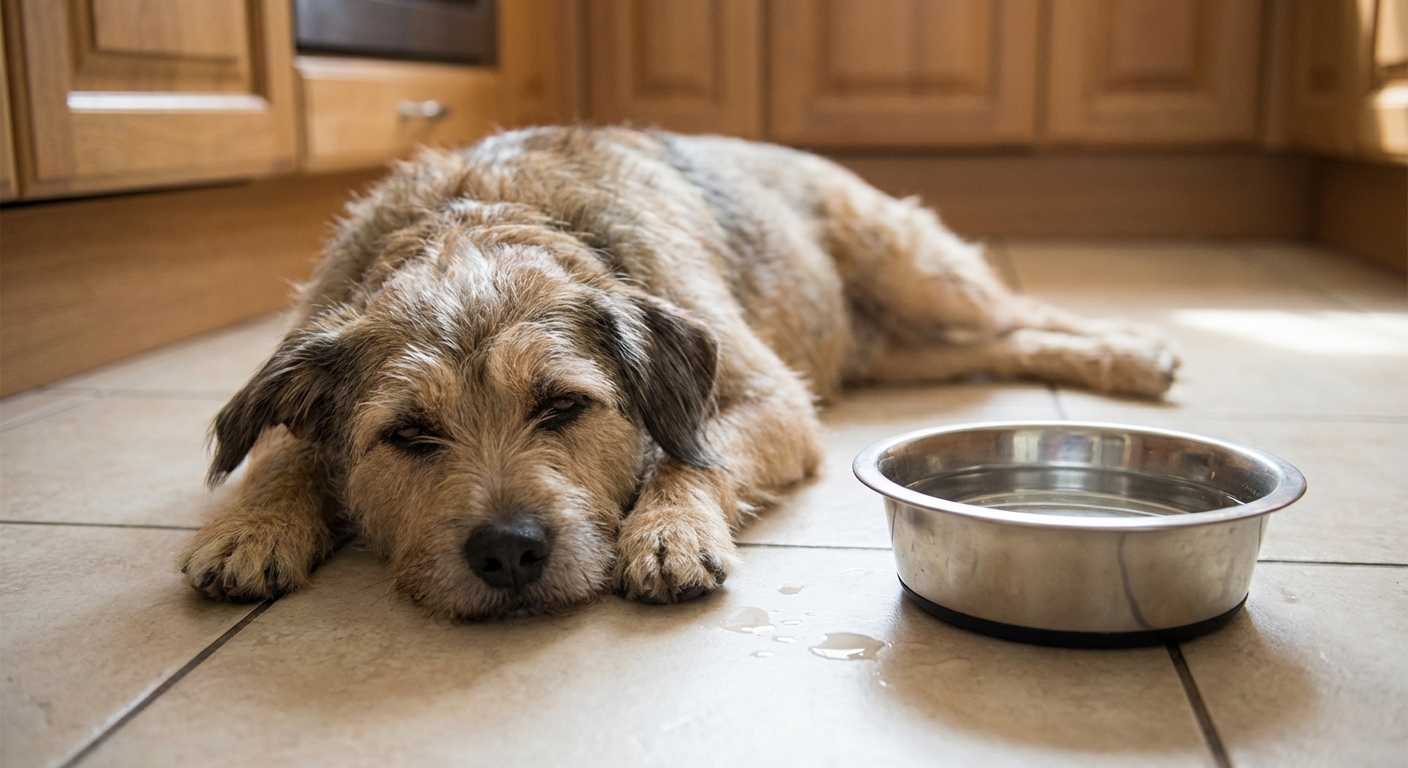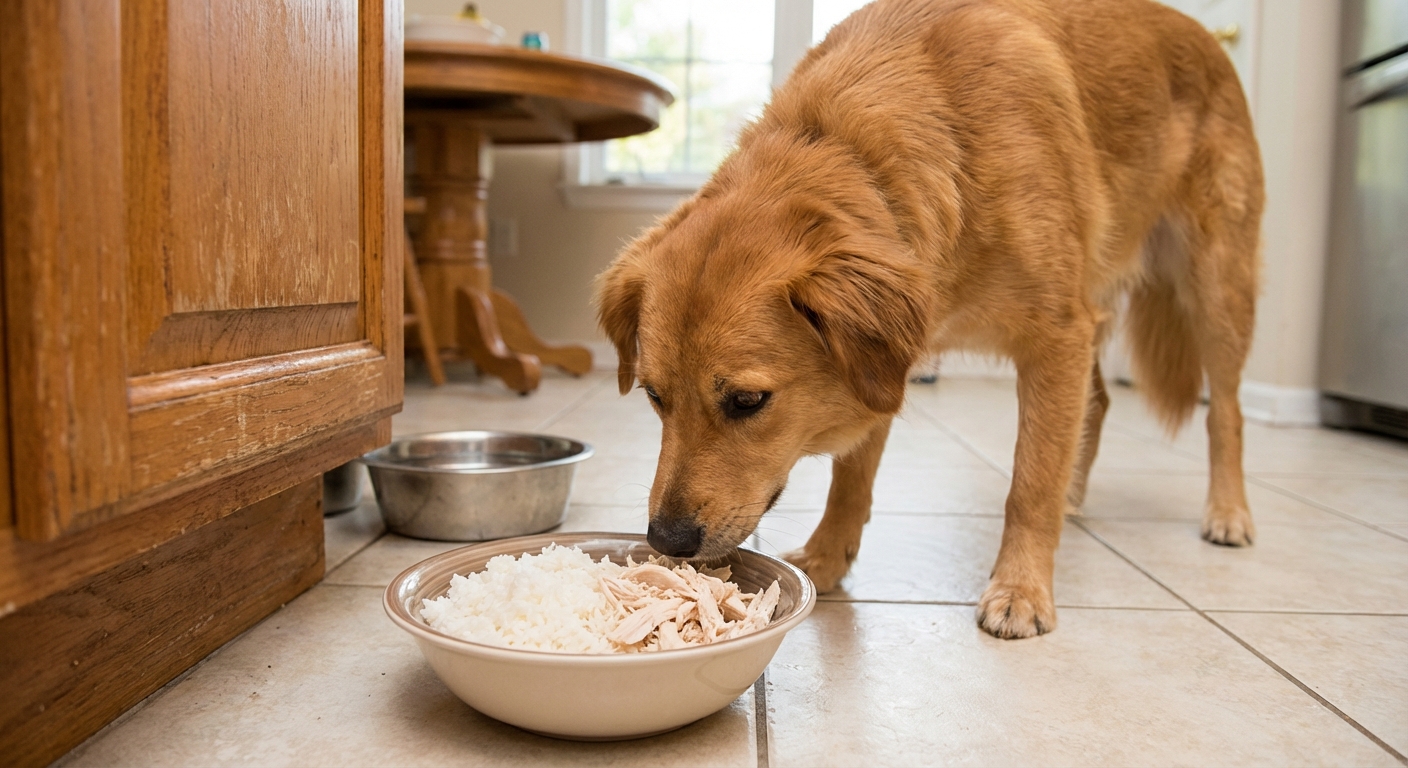
Vet-informed guide to a short-term bland diet for dogs: chicken and rice 1:2 ratio, daily cup ranges by weight, how many meals to split into, and red flags t...
Article
•
Designer Mixes
Dog Vomiting Bile in the Morning

Shari Shidate
Designer Mixes contributor
If your dog wakes up, trots over, and vomits a small puddle of yellow or foamy fluid, it can be scary. I see this a lot in veterinary settings, and the good news is that morning bile vomiting can often be manageable once you understand the pattern. Still, a pattern is not the same as a diagnosis, and there are important times when this is a true medical red flag.
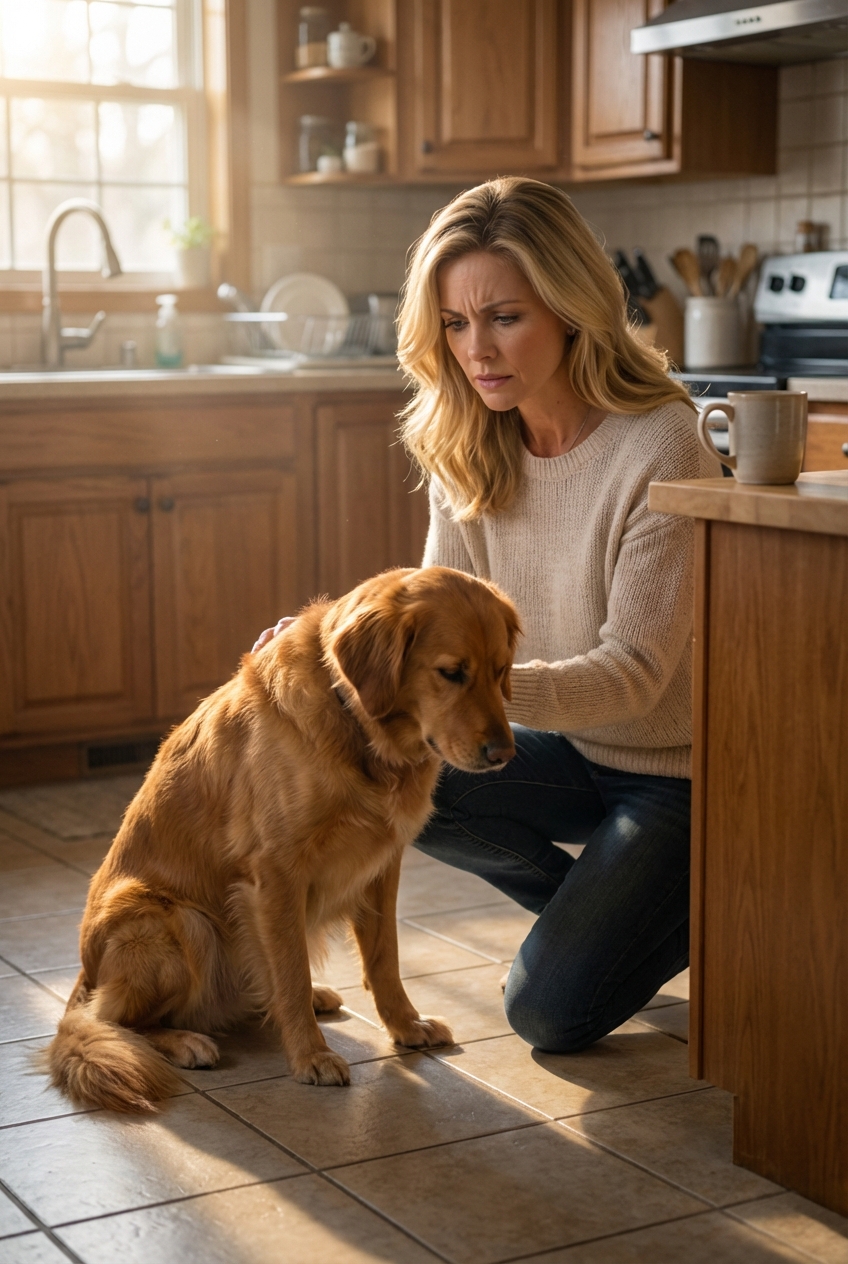
Let’s walk through what bile vomiting can look like, why it happens, what you can do at home, and when it is time to call your veterinarian.
What “bile” can look like
Bile is a digestive fluid made by the liver and stored in the gallbladder. When a dog vomits bile, it often looks like:
- Bright yellow liquid
- Yellow-green fluid
- Foamy yellow spit-up
A quick nuance: yellow vomit is not always pure bile. It can also be stomach foam, mucus, or partially digested food tinted yellow. If you can safely take a quick photo, it can help your vet.
Many dogs vomit yellow fluid when their stomach is empty, so owners often notice it early in the morning or sometimes late at night.
Common reasons for morning bile vomiting
1) Empty stomach ("hunger" pattern)
One of the most common causes is simply an empty stomach. When there is no food in the stomach for a long stretch, stomach acid, refluxed fluid from the intestines, and normal GI motility patterns can contribute to nausea and irritation. This pattern is often discussed as bilious vomiting syndrome, but it is typically a rule-out diagnosis. Your vet may still want an exam to confirm there is not another cause.
Typical clues:
- Vomiting happens first thing in the morning
- Your dog acts normal afterward and wants breakfast
- The vomit is mostly yellow foam or fluid
2) Reflux or mild gastritis
Just like people, dogs can get reflux. Mild stomach inflammation (gastritis) can also make bile vomiting more likely, especially if a dog has recently eaten something rich, greasy, or new.
3) Diet-related irritation
Some dogs have sensitive stomachs, food intolerances, or react to certain treats. Sudden diet changes can trigger irritation and vomiting, including yellow fluid.
4) Parasites, infection, or intestinal dysbiosis
Intestinal parasites, GI infections, and intestinal dysbiosis (an imbalance of gut microbes) can cause nausea that shows up as bile vomiting, even when the dog has not eaten yet. Testing is the only way to know for sure.
5) Medication side effects
Some medications can irritate the stomach or trigger nausea. Common examples include NSAIDs (pain medications), some antibiotics, and steroids. If the timing lines up with a new medication, let your veterinarian know before making changes.
6) Pancreatitis, endocrine disease, or other medical causes
Occasional bile vomiting can be simple. Repeated bile vomiting, especially with other symptoms, may point to something more serious such as pancreatitis, inflammatory bowel disease, Addison’s disease, liver or gallbladder disease, or other conditions that require veterinary diagnosis and treatment.
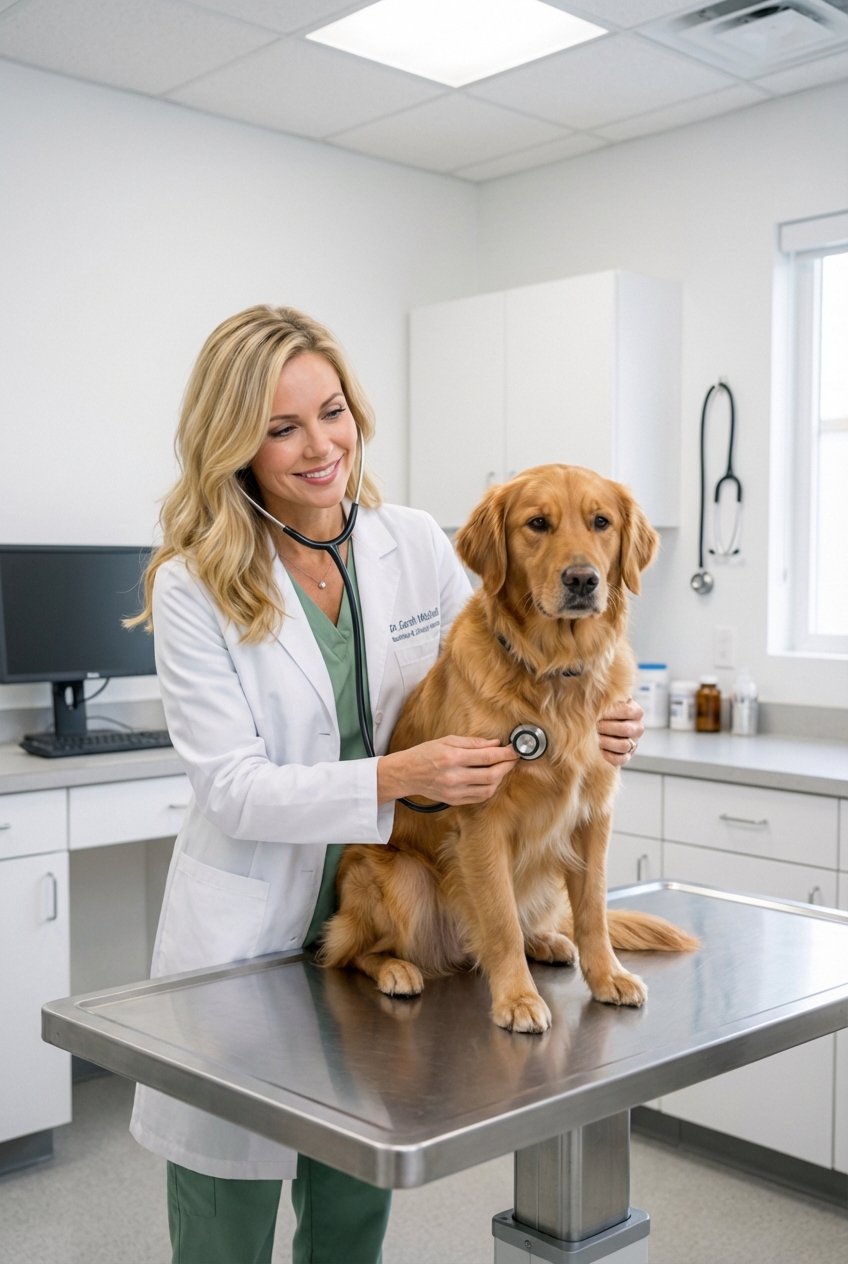
When to worry
Please contact your vet promptly or seek urgent care if you notice any of the following:
- Repeated vomiting (for example, multiple episodes in a day, or vomiting that keeps coming back)
- Blood in vomit, or vomit that looks like coffee grounds
- Diarrhea that is persistent, watery, or bloody
- Abdominal pain (praying position, tense belly, yelping when picked up)
- Lethargy, weakness, collapse, or shaking
- Refusing food and water or cannot keep water down
- Bloated abdomen, unproductive retching, or severe restlessness (emergency)
- Possible foreign body concerns (known chewing habits, vomiting plus not passing stool, sudden loss of appetite)
- Weight loss over time
- Vomiting in a puppy, senior dog, or a dog with chronic illness
- Possible toxin exposure (human meds, xylitol, rodent bait, toxic plants)
If your dog is vomiting yellow fluid and seems “off,” trust your instincts. It is always okay to call your veterinary clinic and describe what you are seeing.
What you can do at home
If your dog vomits yellow fluid once, then acts normal, has normal energy, and is interested in food, these steps often help. If vomiting repeats, worsens, or your dog seems unwell, skip home care and call your vet.
Step 1: Adjust meal timing
For many dogs, the simplest fix is shortening the overnight fasting window:
- Feed smaller, more frequent meals (2 to 4 meals per day)
- Add a small bedtime snack to prevent an empty stomach overnight
Bedtime snack ideas that are gentle for many dogs include a small spoon of plain canned pumpkin (not pumpkin pie filling, and no added sweeteners including xylitol), a little cooked lean protein, or a small portion of their regular balanced food.
Step 2: Keep breakfast bland for a day or two
If your dog’s stomach seems a little irritated, your veterinarian may recommend a short course of a bland diet. Common options include a veterinary GI diet or a simple, low-fat meal plan. Avoid greasy foods, rich table scraps, or sudden ingredient changes.
Step 3: Hydration check
Make sure fresh water is available. If your dog vomits again after drinking, or cannot keep water down, that becomes a same-day veterinary call.
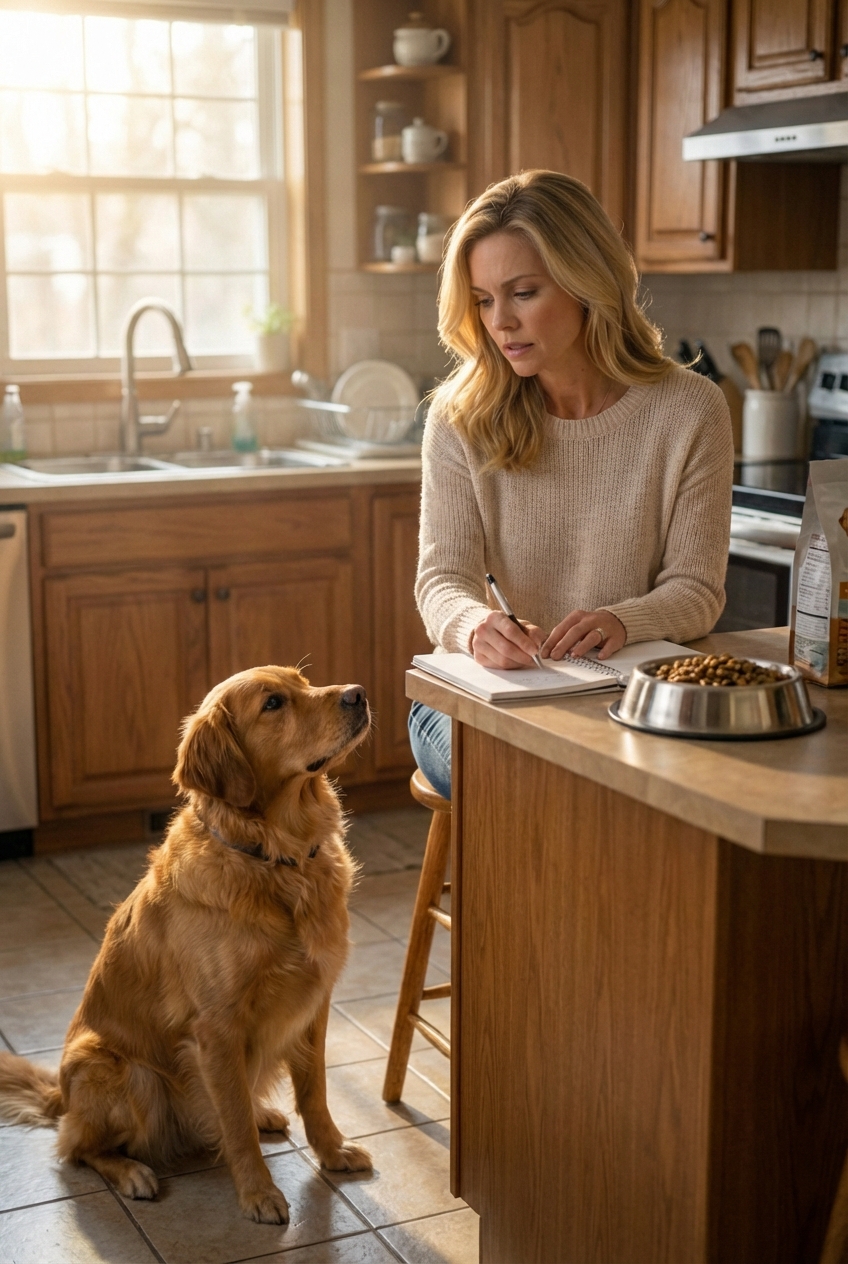
Step 4: Track patterns
Patterns help your vet enormously. Write down:
- Time of vomiting and what it looked like (a photo helps if you can)
- Last meal, treats, and any new chews
- Stool quality and frequency
- Energy level, appetite, new medications, and any new stressors
How long to try home steps
If the only issue is occasional early-morning yellow foam and your dog is otherwise acting normal, you can try meal timing changes for a few days. If it happens more than once or twice despite a bedtime snack, or it starts occurring at other times of day, schedule a veterinary appointment.
What not to do
- Do not give human medications (like Pepto-Bismol, antacids, or pain relievers) unless your vet tells you to. Some human meds can be dangerous for dogs. Bismuth products can also darken stools, which may confuse monitoring for GI bleeding.
- Do not fast puppies without veterinary guidance. Puppies can become dehydrated and hypoglycemic more easily.
- Do not ignore frequent episodes. If yellow vomiting becomes a routine, it deserves a medical conversation.
How vets evaluate it
Your veterinarian will start with a thorough history and exam and may recommend:
- Fecal testing for parasites
- Bloodwork to evaluate organ function, inflammation, electrolytes, and endocrine concerns
- Urinalysis
- X-rays if obstruction or foreign material is a concern
- Ultrasound to assess stomach, intestines, liver, gallbladder, and pancreas
Treatment depends on the cause. For the empty-stomach pattern, many dogs improve with meal timing changes and sometimes short-term medications prescribed by your vet. If there is an underlying disease, treating that root issue is the key.
Can food help prevent it?
Often, yes. Morning yellow vomiting is one of those issues where smart nutrition and routine can make a real difference.
- Consistent feeding schedule helps reduce long fasting windows.
- Highly digestible, balanced diets are easier on sensitive stomachs.
- Low-fat choices may be important for dogs prone to pancreatitis or nausea.
- Slow transitions (over 7 to 14 days) reduce stomach upset when changing foods.
If you are exploring homemade food, please do it in a nutritionally complete way, especially for long-term feeding. A board-certified veterinary nutritionist or your primary veterinarian can help you avoid common deficiencies.
Warm tip from the clinic world: if the vomiting stops when you add a bedtime snack, that is a strong clue the empty-stomach pattern is the trigger. If it does not stop, that is your cue to dig deeper with your vet.
Quick morning checklist
- One time, yellow fluid only, dog acts normal: try a bedtime snack and watch closely.
- Happens repeatedly or your dog seems unwell: call your veterinarian.
- Bloat signs, nonstop retching, severe pain, collapse: go to emergency care.
You know your dog best. When something feels different or escalating, it is always safer to get help early.