Step-by-step home care for mild dog diarrhea and vomiting: short food break, small sips of water, bland diet, pumpkin, probiotics, dehydration checks, and ur...
Article
•
Designer Mixes
Dog Vomiting and Diarrhea: What to Do First

Shari Shidate
Designer Mixes contributor
Seeing your dog vomit or have diarrhea can be scary, and it is completely normal to feel unsure about what to do first. The good news is that many mild stomach upsets improve with simple, supportive care. The key is knowing when it is safe to monitor at home and when it is time to call your veterinarian right away.
First: quick safety check
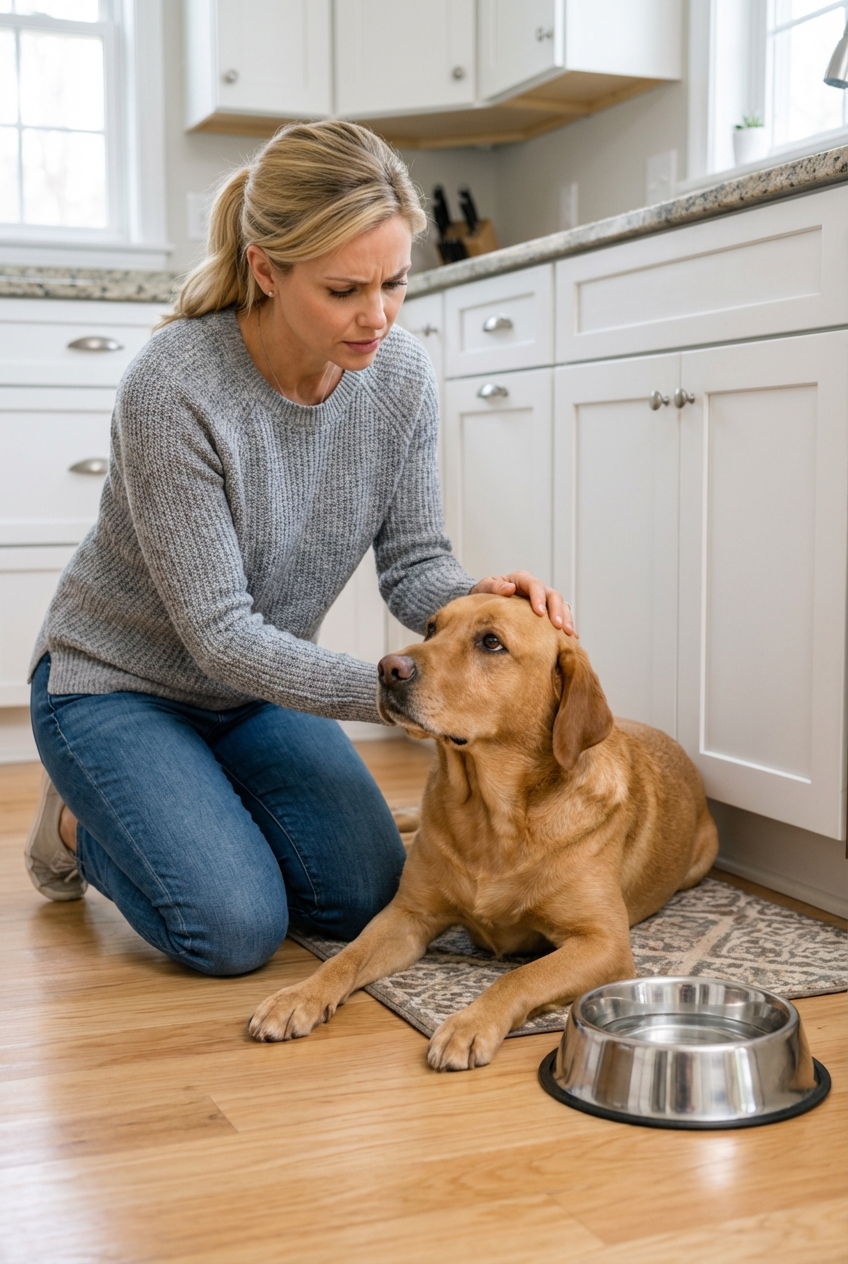
Before you change food or give any “tummy medicine,” do a fast check of your dog’s overall condition. This helps you decide whether to watch closely at home or seek urgent care.
Check these right now
- Energy: Are they bright and responsive, or weak, collapsing, or unusually tired?
- Breathing: Normal and calm, or labored and rapid?
- Gums: Many dogs have healthy gums that look moist and pink, but some dogs have naturally dark or spotted gums. Concerning signs include gums that look pale, white, gray, blue-tinged, or feel dry and tacky.
- Hydration: Dry or tacky gums, sunken-looking eyes, very reduced urination, marked weakness, or an inability to keep water down can point to dehydration. (A “skin tent” test can be misleading in puppies, seniors, and overweight dogs, so do not rely on it alone.)
- Belly pain: A tense belly, whining, “praying position,” or guarding the abdomen can signal something more serious.
- Nausea or distress: Drooling, lip licking, gulping, pacing, or panting can happen with nausea, pain, anxiety, or heat. They do not always mean dehydration, but they do matter when you are deciding how urgent this is.
If anything feels “off” beyond a simple stomach bug, trust that instinct and call your veterinary clinic.
Red flags: vet now
Vomiting and diarrhea can be caused by anything from mild dietary indiscretion to infections, pancreatitis, intestinal blockage, toxin exposure, or systemic illness. Certain signs should never wait.
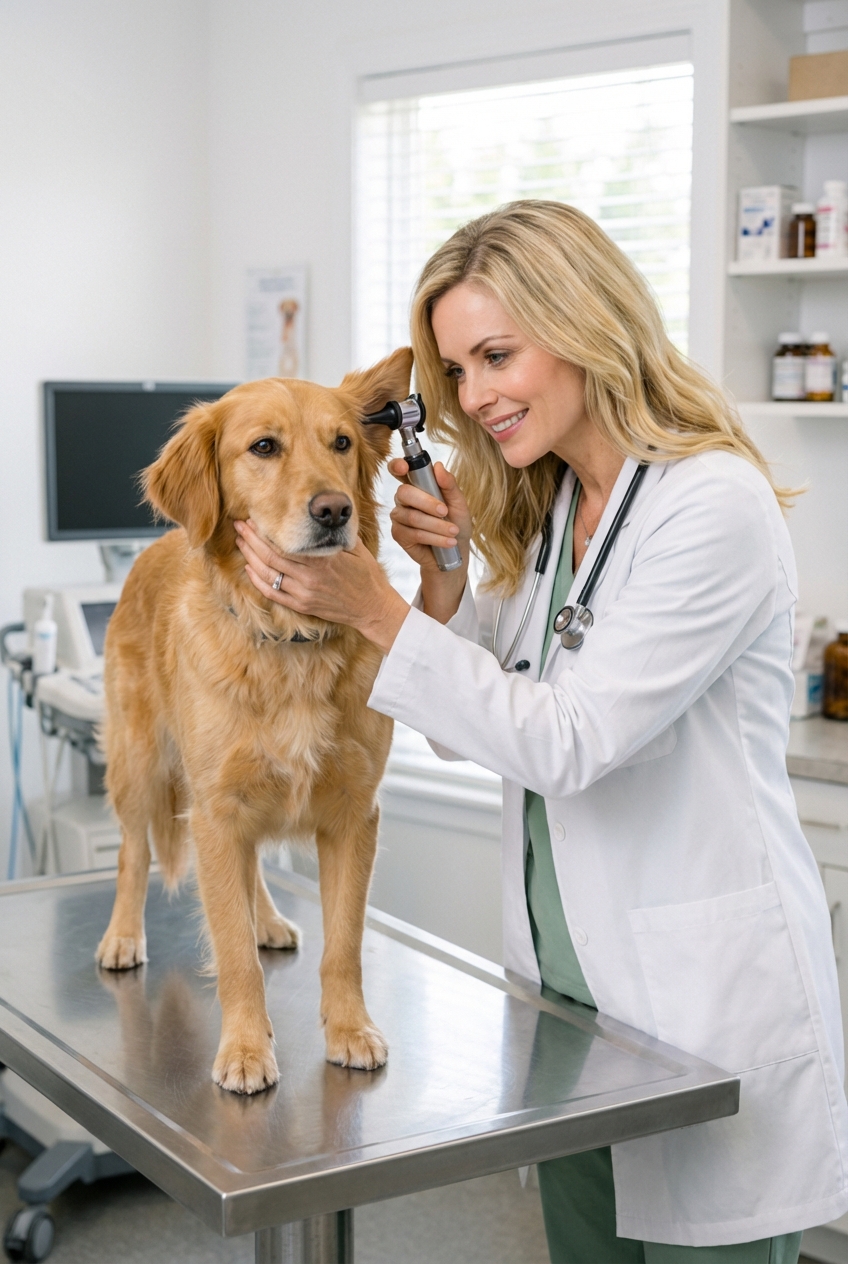
Call your vet urgently or go to an emergency clinic if you notice
- Repeated vomiting (for example, more than 2 to 3 times in a few hours), vomiting that will not stop, or vomiting in a very small dog, puppy, senior, or dog with other medical issues
- Blood in vomit or stool (red streaks, jelly-like stool, or black tarry stool)
- Signs of dehydration (dry/tacky gums, sunken eyes, weakness, very reduced urination), or your dog cannot keep even small sips of water down
- Bloat symptoms (distended abdomen, unproductive retching, restlessness, drooling). This is an emergency.
- Possible toxin exposure (xylitol, grapes/raisins, chocolate, onions/garlic, macadamia nuts, alcohol, antifreeze/ethylene glycol, medications, rodent bait, plants, chemicals)
- Foreign body risk (they may have eaten socks, toys, bones, corn cobs, trash)
- Puppies, seniors, or immune-compromised dogs, who can decline quickly
- Vomiting plus diarrhea together that is severe, frequent, or lasting longer than 24 hours
- Underlying conditions like diabetes, kidney disease, Addison’s disease, or known pancreatitis
Important: Do not try to induce vomiting at home (for example, with hydrogen peroxide) unless a veterinarian or animal poison control tells you to. In some cases it can be harmful or waste critical time.
Step 1: protect hydration
Hydration is the first priority. Diarrhea and vomiting can pull fluid and electrolytes out of the body fast, especially in small dogs.
What to do
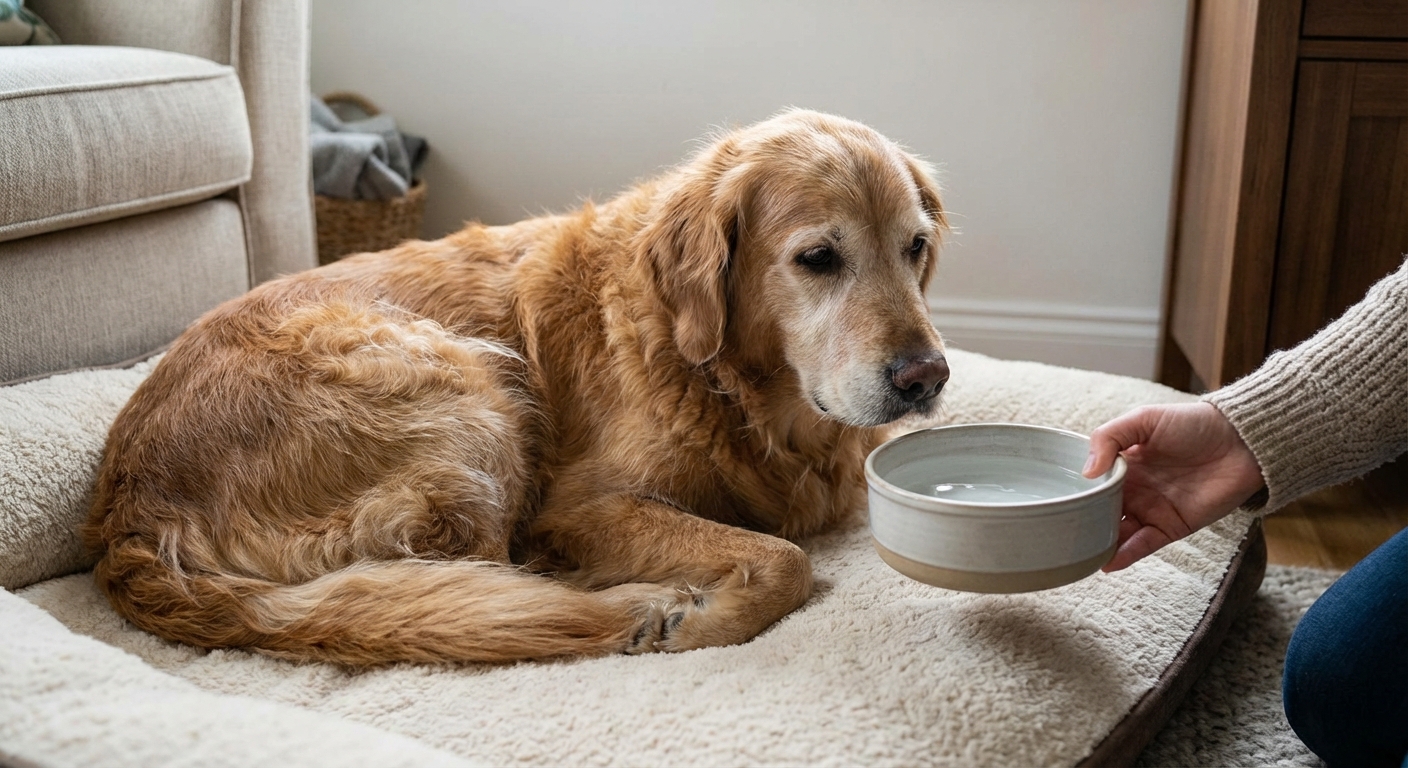
- Offer small amounts of water frequently. If your dog gulps a full bowl, they may vomit again. Try a few tablespoons every 20 to 30 minutes.
- Consider ice chips for dogs who vomit after drinking water.
- Stop oral fluids and seek care if your dog cannot keep even small sips down, vomits every time they drink, or seems weak or wobbly.
- Ask your vet about an oral electrolyte solution if diarrhea is ongoing. Not all human products are appropriate, and dosing matters.
What not to do
- Do not force water by syringe unless your vet has instructed you. Aspiration can be dangerous.
- Avoid sports drinks and heavily flavored electrolyte beverages unless your veterinarian approves them.
Step 2: food pause (if needed)
For many healthy adult dogs with mild vomiting and a normal attitude, a short break from food can help settle the stomach. For puppies, toy breeds, seniors, and dogs with medical conditions, fasting can be risky.
What “mild” usually means: normal or only slightly reduced energy, no blood, no known toxin or foreign body risk, and they can keep small sips of water down.
General guidance (healthy adult dogs only)
- After vomiting: Many vets recommend withholding food for about 6 to 12 hours, then reintroducing a bland diet in small portions. Some vets prefer a shorter fast or earlier bland feeding depending on the situation, so if you are unsure, call your clinic.
- With diarrhea only: Many dogs do better with smaller, more frequent meals rather than a full fast.
If vomiting continues even without food, that is a sign you should stop home care and call your vet.
Toy breeds and puppies
Very small dogs and young puppies can be at higher risk for low blood sugar if they do not eat. If your toy breed or puppy is weak, trembling, glassy-eyed, unusually sleepy, or not acting right, treat it as urgent and call your vet right away.
Step 3: bland diet
Once vomiting has stopped and your dog is interested in food, the goal is to feed something gentle, easy to digest, and low in fat.
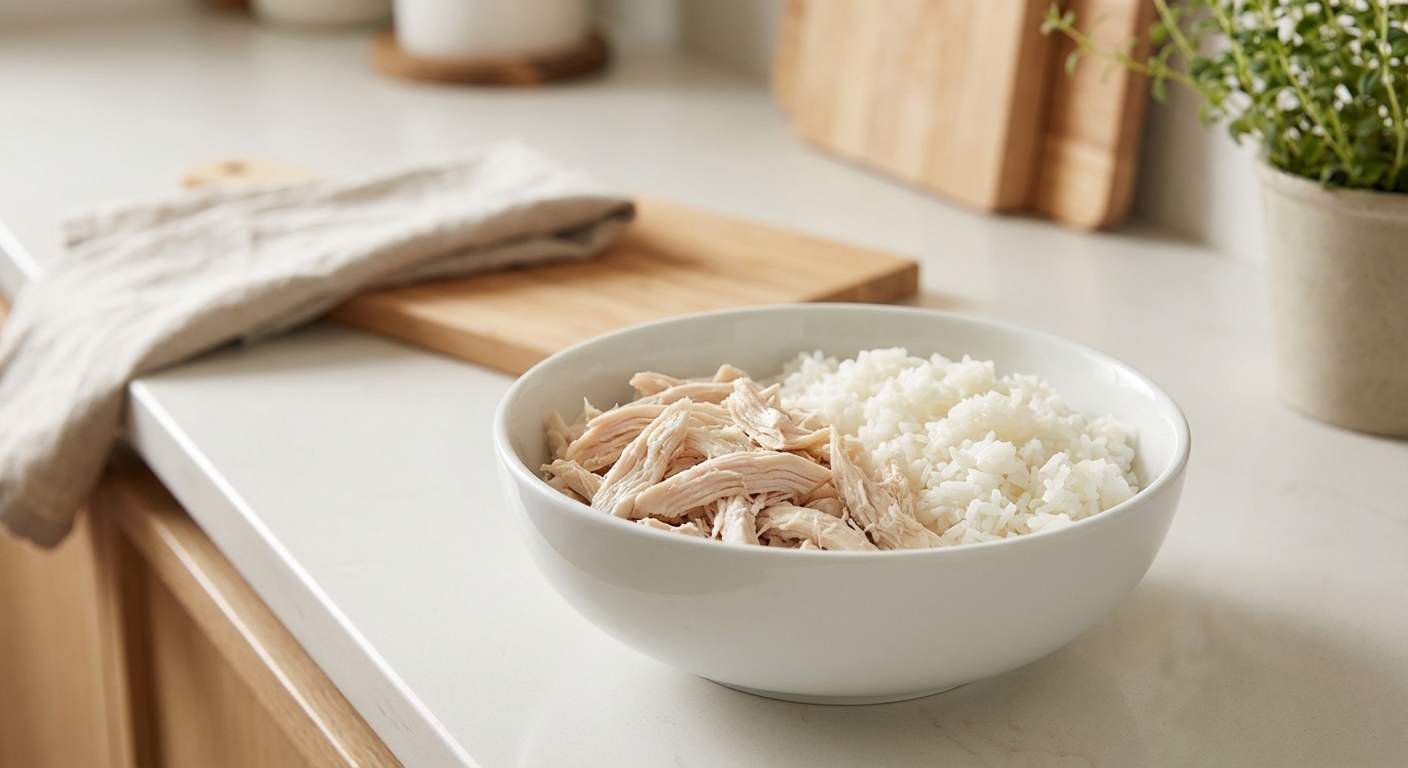
Simple bland options
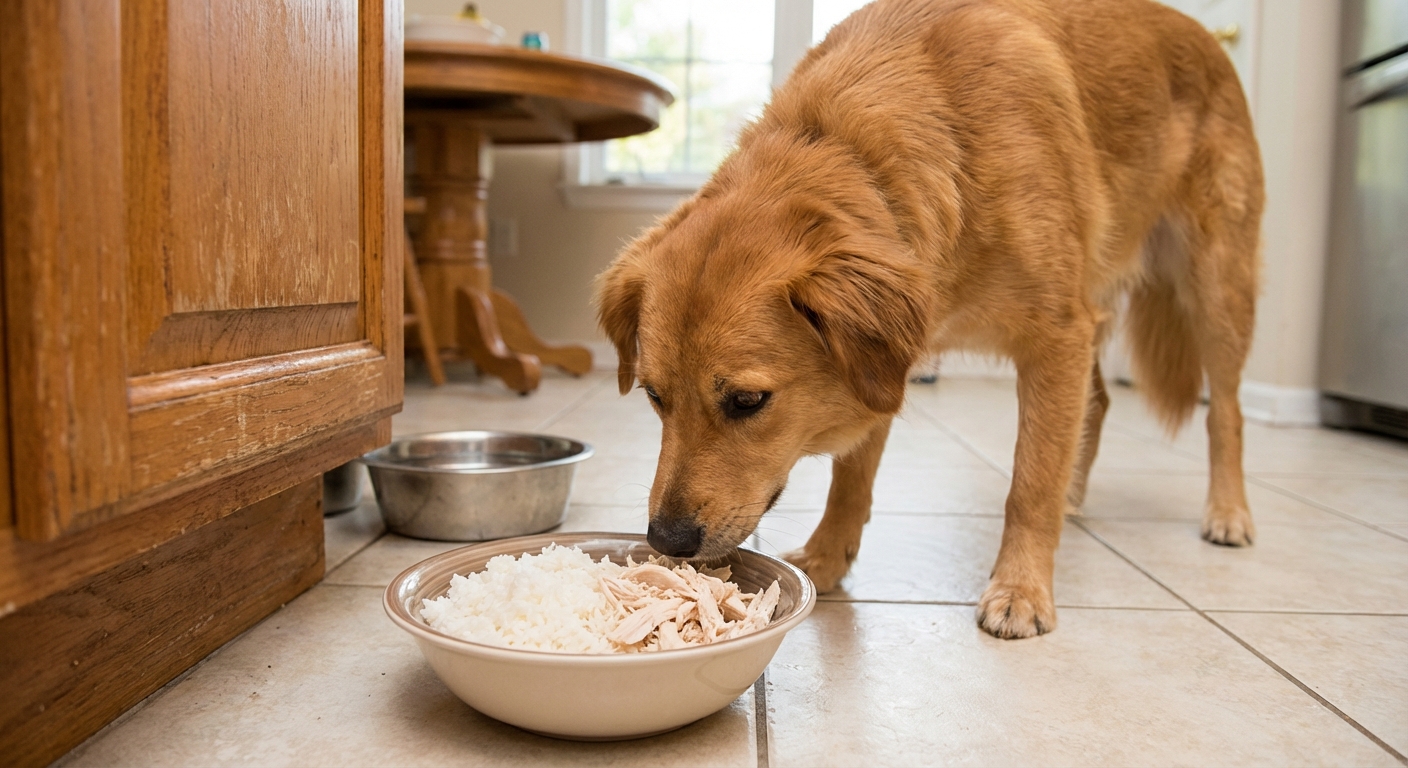
- Boiled chicken breast (no skin, no seasoning) + white rice
- Lean ground turkey (well-cooked, drained) + white rice
- Plain canned pumpkin (not pie filling) can help some dogs with mild diarrhea, but it can worsen stool in others. Start small and stop if things get worse. As a rough guide, try about 1 teaspoon per 10 pounds of body weight mixed into food, up to 1 to 2 tablespoons for larger dogs, unless your vet advises otherwise.
How much and how often
- Start with a small meal (about 1 to 2 tablespoons for small dogs, 1/4 to 1/2 cup for medium to large dogs), then wait 2 to 3 hours.
- If that stays down, offer small meals every 4 to 6 hours for 24 to 48 hours.
- Transition back to normal food slowly over 3 to 5 days by mixing increasing amounts of regular food into the bland diet.
Foods to avoid
- High-fat foods (bacon, sausage, greasy leftovers). Fat can trigger pancreatitis and worsen diarrhea.
- Dairy for most dogs (it can worsen diarrhea).
- Rich treats, bones, chews, and table scraps until stools are normal.
Probiotics and OTC meds
This is where evidence-based caution matters. Some supportive products can help, but the wrong medication can make things worse or mask a serious condition.
Probiotics
Veterinary-specific probiotics may help shorten the duration of diarrhea in some dogs, especially when the cause is stress or a mild GI upset. Choose products made for dogs and follow label directions, or ask your vet for a trusted brand.
Over-the-counter meds
- Only use OTC anti-diarrheals or anti-nausea meds if your veterinarian recommends them. Vets sometimes use medications like loperamide or bismuth subsalicylate in specific cases, but they are not safe for every dog.
- Loperamide can cause serious side effects in some dogs, including breeds that may carry the MDR1 gene (often seen in Collies, Australian Shepherds, Shelties, and related mixes).
- Bismuth subsalicylate contains a salicylate and may be risky in dogs with bleeding concerns, those on certain medications, or those who may need surgery.
- If your dog has black stool, blood, severe lethargy, repeated vomiting, or belly pain, skip home meds and seek veterinary care.
Clean up and isolate
Some diarrhea is contagious (parasites, viruses, certain bacterial infections). Good hygiene protects you and your other pets.
- Keep other pets away from the sick dog’s stool and vomit.
- Wash hands well after cleanup.
- Disinfect hard surfaces and pick up stool promptly in the yard. (Ask your vet what disinfectant is best for your situation, especially if parasites like giardia are suspected.)
- Do not share bowls between pets until your dog is back to normal.
What to track
If your dog is stable and your veterinarian agrees that home monitoring is appropriate, keep a simple log. This helps your vet immensely if symptoms continue.
- Frequency of vomiting and diarrhea
- Appearance (foam, food, bile; watery stool, mucus, blood)
- Ability to keep water down
- Appetite and energy
- Possible trigger (new treats, trash, fatty meal, boarding, stress, new medication)
If you can safely collect a fresh stool sample in a clean bag or container, it can be helpful for your vet, especially if diarrhea lasts more than a day.
Common causes
Sometimes it truly is just a “trash tummy,” but many conditions look similar at first. A veterinary exam is the best way to pinpoint the cause if symptoms are significant or persistent.
- Dietary indiscretion (garbage, fatty foods, sudden diet changes)
- Parasites (roundworms, hookworms, whipworms, giardia)
- Viral or bacterial infections
- Food intolerance or sensitivity
- Pancreatitis (often after fatty foods, can be serious)
- Foreign body (toy, sock, bone fragments)
- Toxins or medication side effects
- Stress colitis (common after boarding, travel, big routine changes)
When home monitoring is ok
Home care is most appropriate when your dog is otherwise acting normal and symptoms are mild.
Generally okay to monitor briefly if
- Your dog is bright, alert, and willing to drink
- Vomiting happened once or twice and then stopped
- Diarrhea is mild and your dog is not straining continuously
- There is no blood, no significant belly pain, and no concern for toxins or a swallowed object
If symptoms are not clearly improving within 12 to 24 hours, or if anything worsens, call your veterinarian.
If your gut is telling you this is more than a simple upset stomach, please call your vet. You are never “overreacting” when it comes to dehydration, blood, or a possible obstruction.
Ongoing or recurring issues
If vomiting or diarrhea keeps coming back (for example, repeated episodes over a few weeks), or if your dog has chronic loose stool, weight loss, or a steadily declining appetite, schedule a routine veterinary visit. Recurrent GI signs can point to parasites, food sensitivities, inflammatory bowel disease, endocrine disease, or other issues that need a real workup.
Prevent the next flare
Some stomach troubles are unavoidable, but many are preventable with a few practical habits.
- Make diet changes slowly over 7 to 10 days.
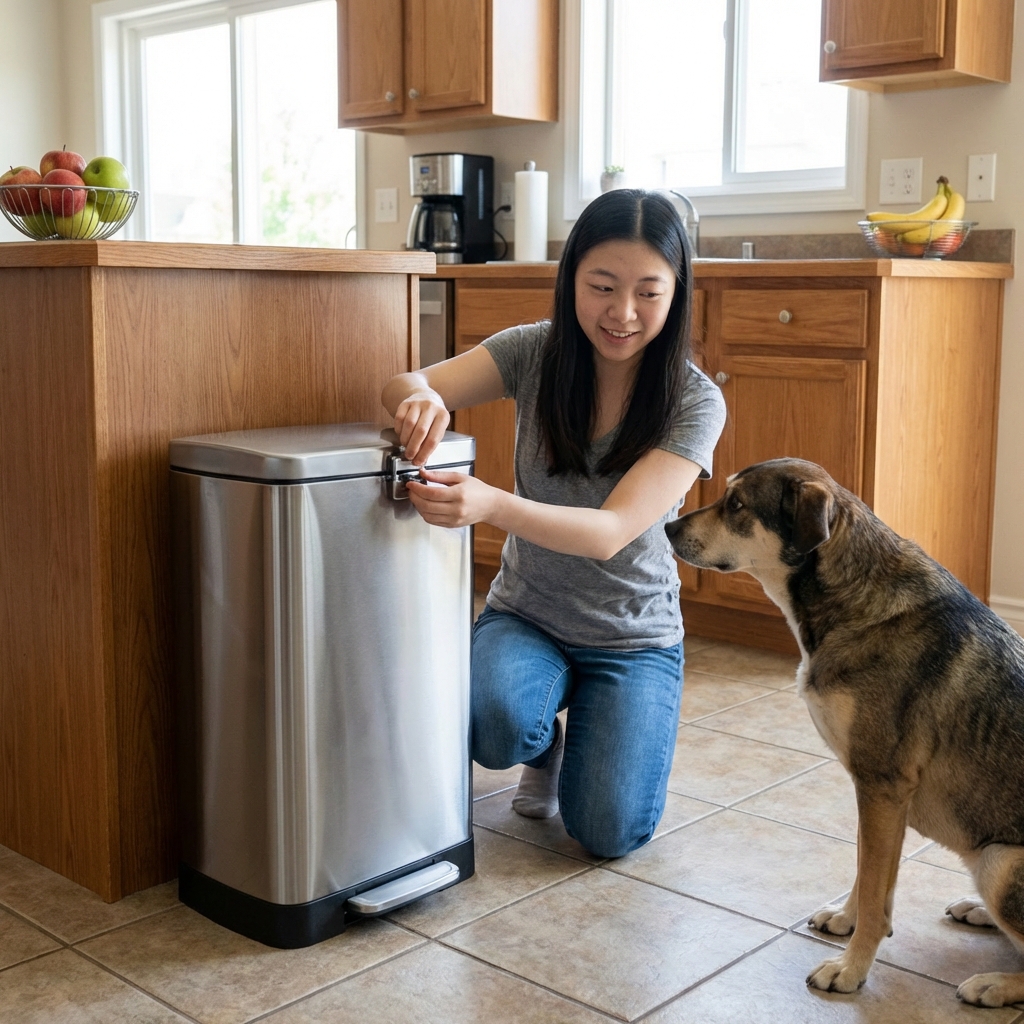
- Use a covered trash can and keep countertops clear.
- Avoid high-fat treats and limit rich people foods.
- Keep chew toys size-appropriate and discard items that shred easily.
- Stay current on parasite prevention and fecal testing as recommended by your vet.
- Consider a routine probiotic if your dog is prone to stress diarrhea, but choose a veterinary product.
Quick checklist
- Step 1: Check energy, gums, belly pain, and hydration.
- Step 2: If red flags are present, call your vet or go to urgent care.
- Step 3: Offer small sips of water often.
- Step 4: If appropriate, pause food briefly, then start a low-fat bland diet in small meals.
- Step 5: Track symptoms and call your vet if not improving within 12 to 24 hours.
Important note: This article is for general education and does not replace veterinary care. If your dog may have eaten a toxin or foreign object, cannot keep water down, or seems weak, painful, or dehydrated, seek veterinary help immediately.