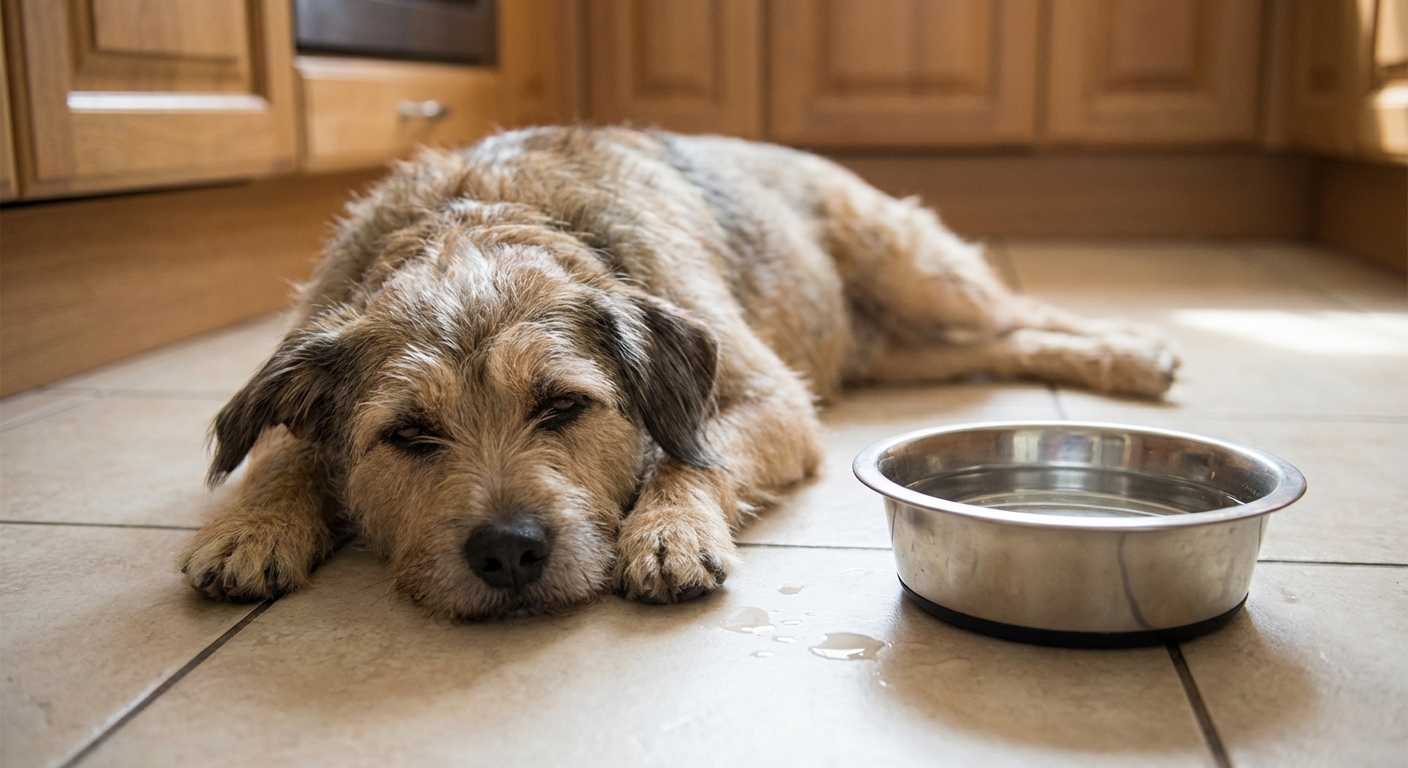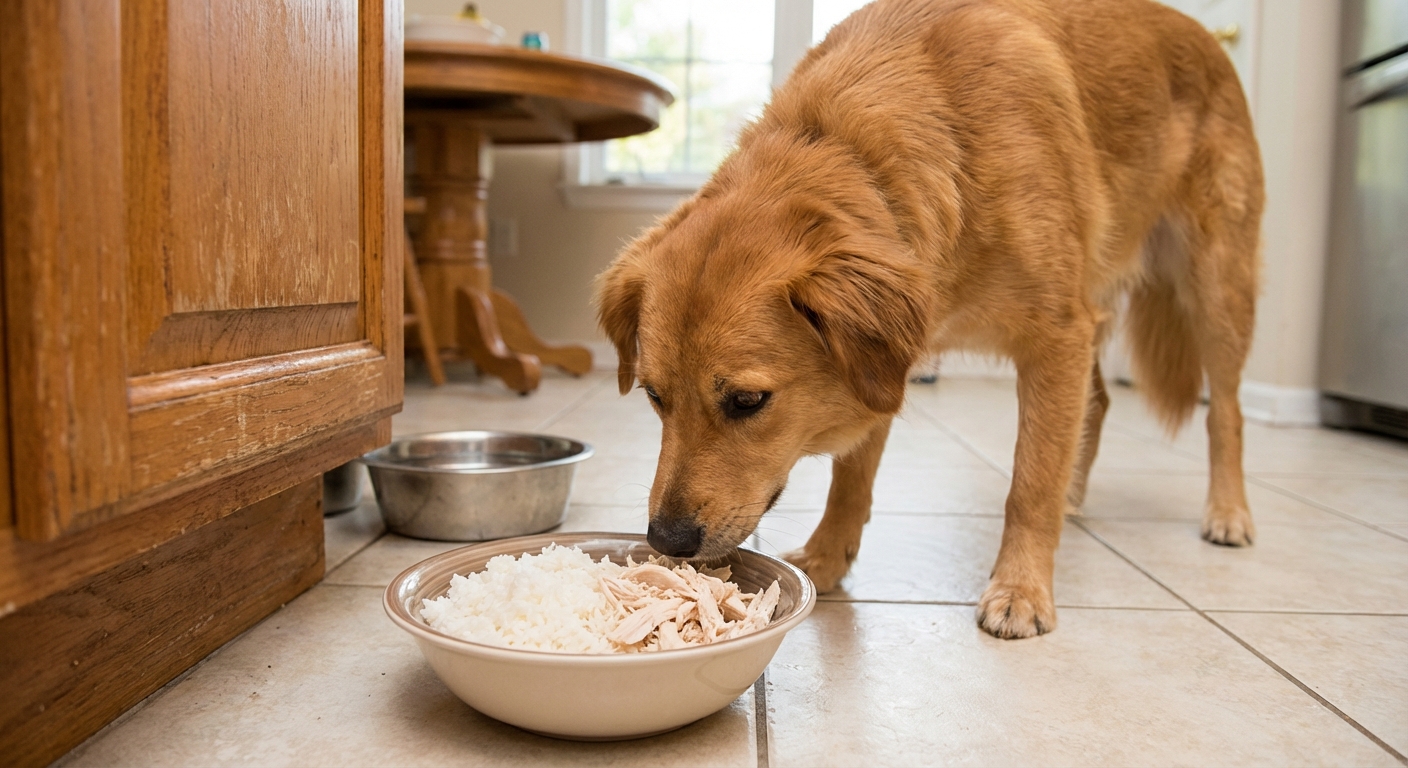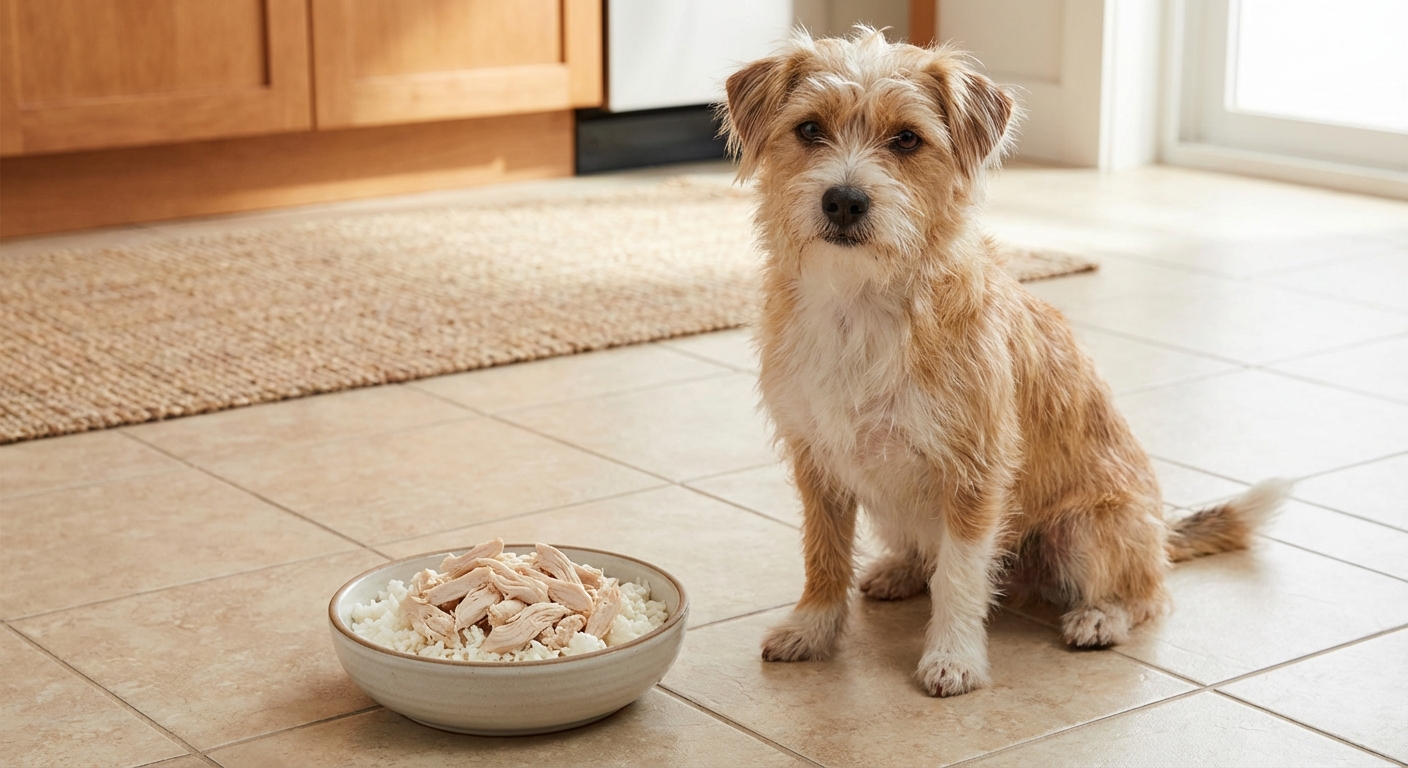
Chicken and rice can soothe mild stomach upset and help dogs transition back to normal food. Learn safe recipes, portions, how long to feed it, and when to c...
Article
•
Designer Mixes
Dog Vomiting After Eating: When It Is Serious

Shari Shidate
Designer Mixes contributor
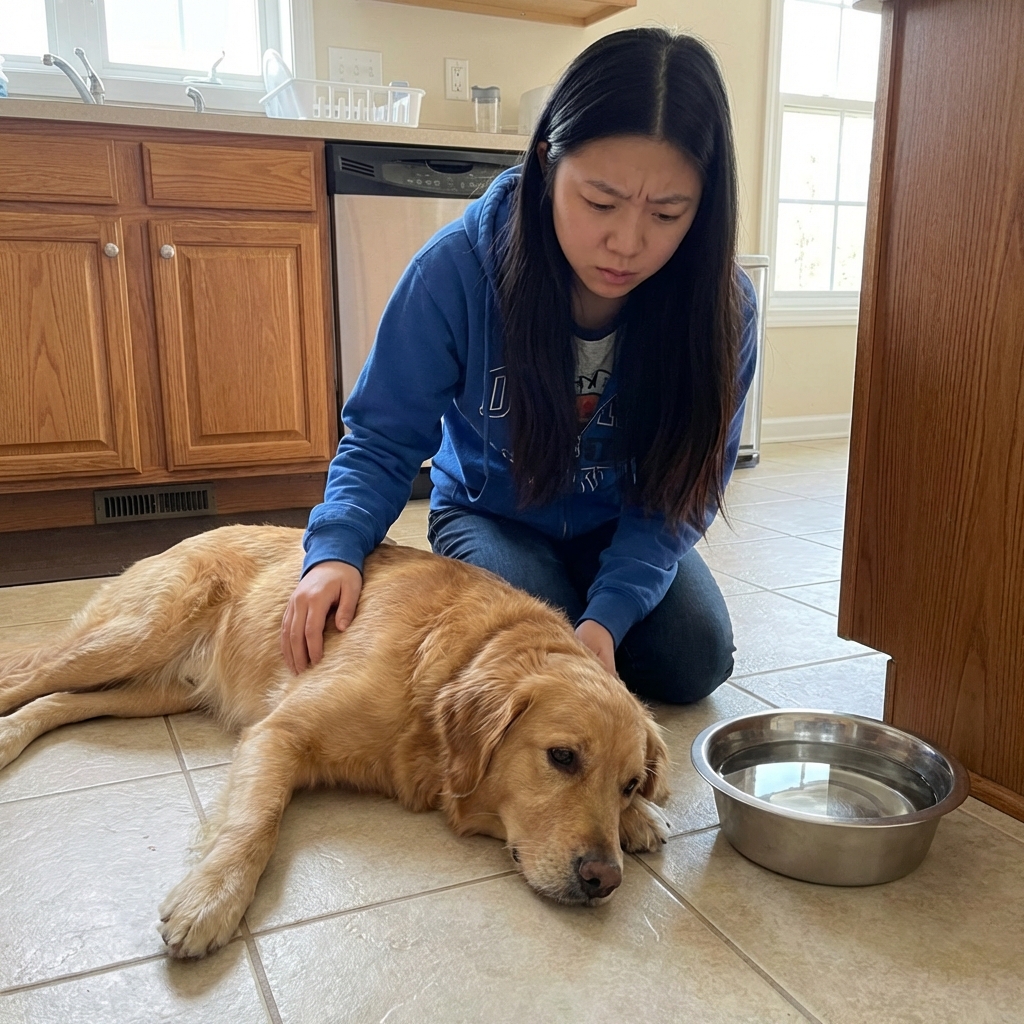
Seeing your dog vomit right after a meal can be scary, and I completely understand the urge to panic. The good news is that many cases are mild and short-lived. The downside is that vomiting can also be an early warning sign of something urgent, like a blockage, toxin exposure, or bloat.
This guide will help you sort out what is likely minor versus what needs same-day veterinary advice, plus what to do at home while you decide your next step.
Vomiting vs regurgitation
Pet parents often use “vomit” for two different things. Figuring out which one you are seeing helps your vet and can change how urgent it is.
Vomiting
- Often includes retching or heaving.
- Material may be partially digested and can include yellow foam or bile.
- Usually comes from the stomach or upper small intestine.
Regurgitation
- More passive, food seems to “fall out” without abdominal effort.
- Food often looks undigested and tube-shaped.
- Usually comes from the esophagus and can be linked to swallowing problems, esophagitis, or megaesophagus.
Important: Repeated regurgitation is not something to watch at home. It can lead to aspiration pneumonia (breathing food or fluid into the lungs). If your dog is regurgitating repeatedly, coughing after episodes, or seems to struggle to swallow, call your veterinarian promptly.
If you are unsure, take a quick video for your veterinarian. It is genuinely helpful.
Common non-emergency causes
These are frequent in otherwise bright, comfortable dogs who bounce back quickly. Even so, repeat episodes still deserve a call to your veterinarian.
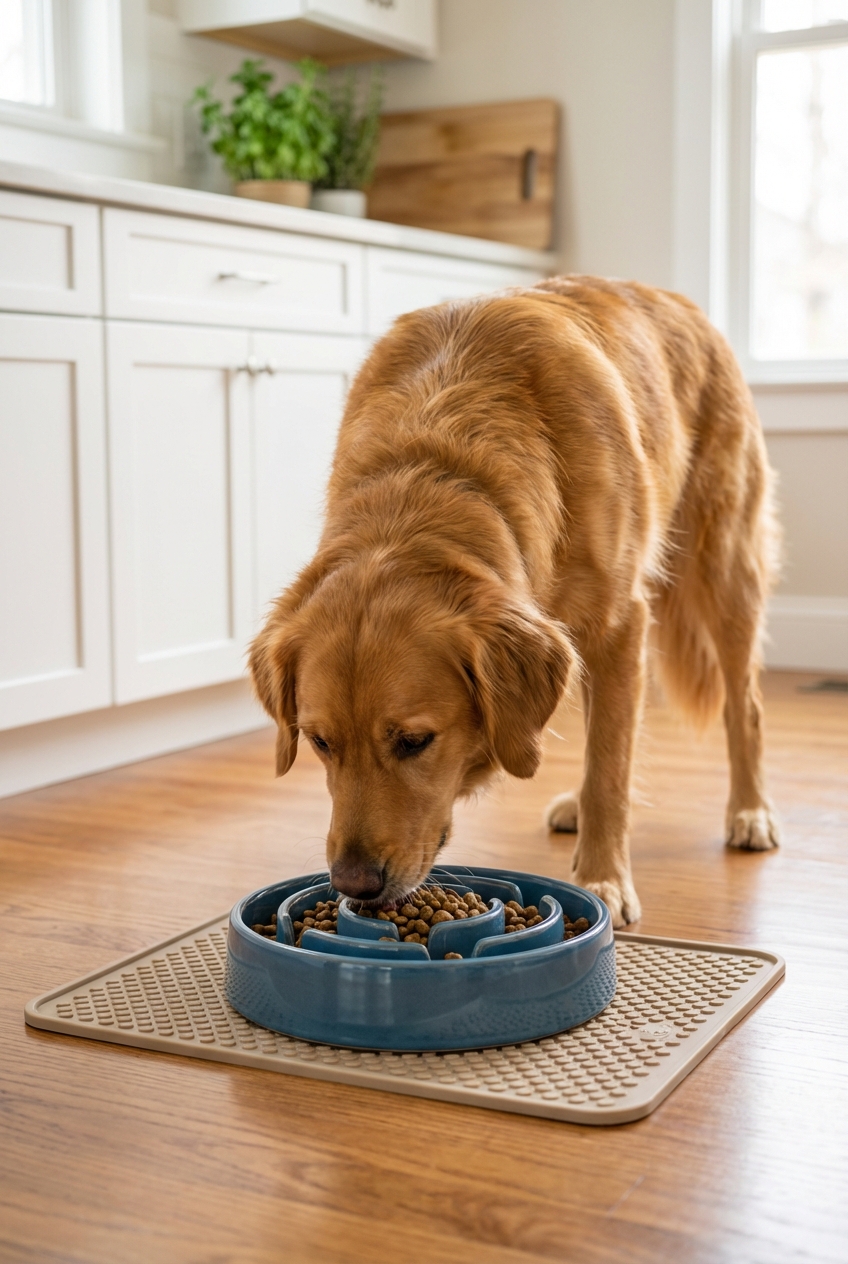
- Ate too fast: Especially common in multi-dog homes or “vacuum cleaner” eaters.
- Ate too much: A large meal can overwhelm the stomach.
- Sudden diet change: Switching foods too quickly can irritate the GI tract.
- Rich table foods: Fatty foods can trigger stomach upset and, in some dogs, pancreatitis.
- Mild gastritis: From stress, scavenging, or a minor bug.
- Rough play or exercise right after meals: Can be a contributor for some dogs, especially if they tend to regurgitate or get carsick.
When it is serious
Use these as red flags. If any apply, do not wait and see. Call your veterinarian, an urgent care clinic, or a 24-hour ER.
Go to the ER now
- Repeated vomiting with concerning signs, such as not being able to keep water down, marked lethargy, significant abdominal pain, or worsening symptoms.
- Blood in vomit (bright red or coffee-ground appearance).
- Swollen, tight belly or severe abdominal pain.
- Unproductive retching (trying to vomit but nothing comes up) plus restlessness, drooling, pacing. This can be a sign of gastric dilatation-volvulus (bloat), which is life-threatening.
- Weakness, collapse, pale gums, or trouble breathing.
- Known or suspected toxin exposure (xylitol, grapes or raisins, rodent bait, medications, cannabis, antifreeze, certain plants).
- Possible foreign body (toy, sock, bones, corn cob) or your dog is a known chewer.
- Very young puppy, senior dog, or dog with chronic disease (kidney, liver, diabetes, Addison’s) vomiting after meals.
Call your vet today
- More than 2 to 3 vomiting episodes in 24 hours, especially if your dog seems unwell, the vomit is abnormal (blood, dark brown), or symptoms are escalating.
- Vomiting plus diarrhea, especially if watery or frequent.
- Lethargy, refusal to eat, or acting “off.”
- Fever or signs of dehydration (dry or tacky gums, sunken eyes, skin staying tented, reduced urination).
- Vomiting continues beyond 24 hours, even if mild.
- Weight loss, increased thirst, or vomiting that keeps happening after meals over days to weeks.
- Repeated regurgitation or coughing after bringing food back up (aspiration risk).
Clues you can use
It is not glamorous, but these details are useful. If you can, snap a photo for your vet.
- Undigested food right after eating: can be eating too fast, overeating, or regurgitation.
- Vomiting hours after eating: can happen with gastritis, pancreatitis, delayed gastric emptying, or obstruction. If it is recurring, get it checked.
- Yellow foam or bile: can occur with an empty stomach, reflux, or gastritis. If frequent, it is worth investigating.
- White foam: often nausea or stomach irritation, but also seen with coughing or gagging.
- Dark brown vomit or fecal-smelling vomit: can be seen with severe GI disease, intestinal obstruction, or significant gut motility problems. This is urgent.
- Worms: possible parasite load, call your vet for testing and treatment.
What to do at home
If your dog vomited once, is otherwise acting normal, and has no red flags, these steps are often reasonable. When in doubt, call your vet.
Step 1: Pause food briefly
For healthy adult dogs, many veterinarians recommend withholding food for a short period (often 6 to 12 hours) to let the stomach settle. Do not fast young or small-breed puppies without veterinary guidance. They are at higher risk of low blood sugar.
Step 2: Offer small amounts of water
Let your dog rest, then offer small amounts of water. If your dog gulps, try ice chips or very small measured sips instead of a full bowl. If your dog cannot keep water down, call your vet promptly.
Step 3: Reintroduce a bland diet slowly
If there is no more vomiting, feed small meals of a bland diet for 24 to 48 hours. Common options are boiled chicken breast with white rice, or a veterinary GI diet. Avoid fatty foods.
Step 4: Reduce speed eating
- Use a slow feeder bowl or puzzle feeder.
- Split meals into 3 to 4 smaller meals.
- Give each dog privacy during meals to reduce competition.
Skip over-the-counter human medications and do not give leftover anti-nausea meds unless your veterinarian instructs you. Some are dangerous for dogs, and others can mask symptoms that your vet needs to assess.
Why vets take it seriously
Vomiting after eating can be linked to conditions that need quick treatment:
- Pancreatitis: often triggered by fatty meals, causes vomiting, abdominal pain, and lethargy.
- Foreign body obstruction: toys, socks, bones, and corn cobs are common culprits.
- Bloat (GDV): deep-chested breeds are at higher risk, but any dog can be affected.
- Food sensitivity: Some dogs have food-responsive GI upset (intolerance). Others have true food allergy, which can also involve itchy skin or ear issues.
- Infections and parasites: especially in puppies or newly adopted dogs.
- Systemic disease: kidney, liver, Addison’s disease, diabetes, and more.
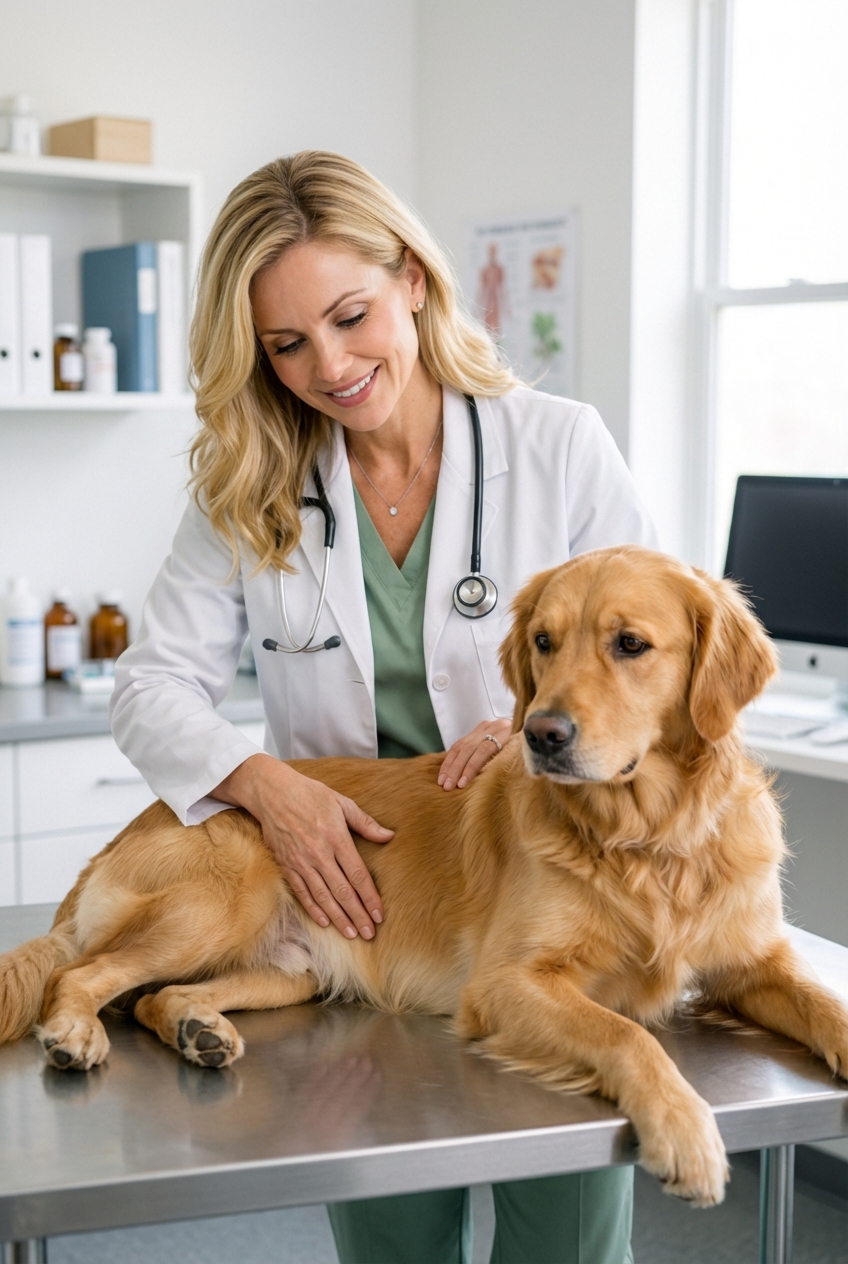
Your veterinarian may recommend an exam, abdominal X-rays, ultrasound, fecal testing, or bloodwork based on your dog’s history and symptoms.
Call now checklist
If you call a clinic, having these details ready speeds things up:
- How many times your dog vomited and over what time period
- Whether your dog can keep water down
- Any diarrhea, coughing, repeated regurgitation, or unproductive retching
- What your dog ate in the last 24 hours (including chews, trash, table food)
- Possible access to toxins or small objects
- Your dog’s energy level and gum color (pink vs pale)
- A photo or video of the episode if you have it
If your gut says “this is not normal for my dog,” trust that instinct and call. It is always okay to be cautious.
Reduce vomiting long-term
- Transition foods slowly: Over 7 to 10 days, mix increasing amounts of the new diet into the old.
- Choose highly digestible nutrition: Some dogs do better with simpler ingredient lists and consistent feeding routines.
- Measure meals: Avoid accidental overfeeding, especially with multiple caregivers.
- Limit high-fat extras: Rich foods are a common trigger for GI flare-ups.
- Schedule calm time after eating: Keep play and intense activity for later, especially in dogs prone to bringing food back up.
- Talk to your vet about recurring issues: Repeated vomiting or regurgitation is not something to normalize.
FAQ
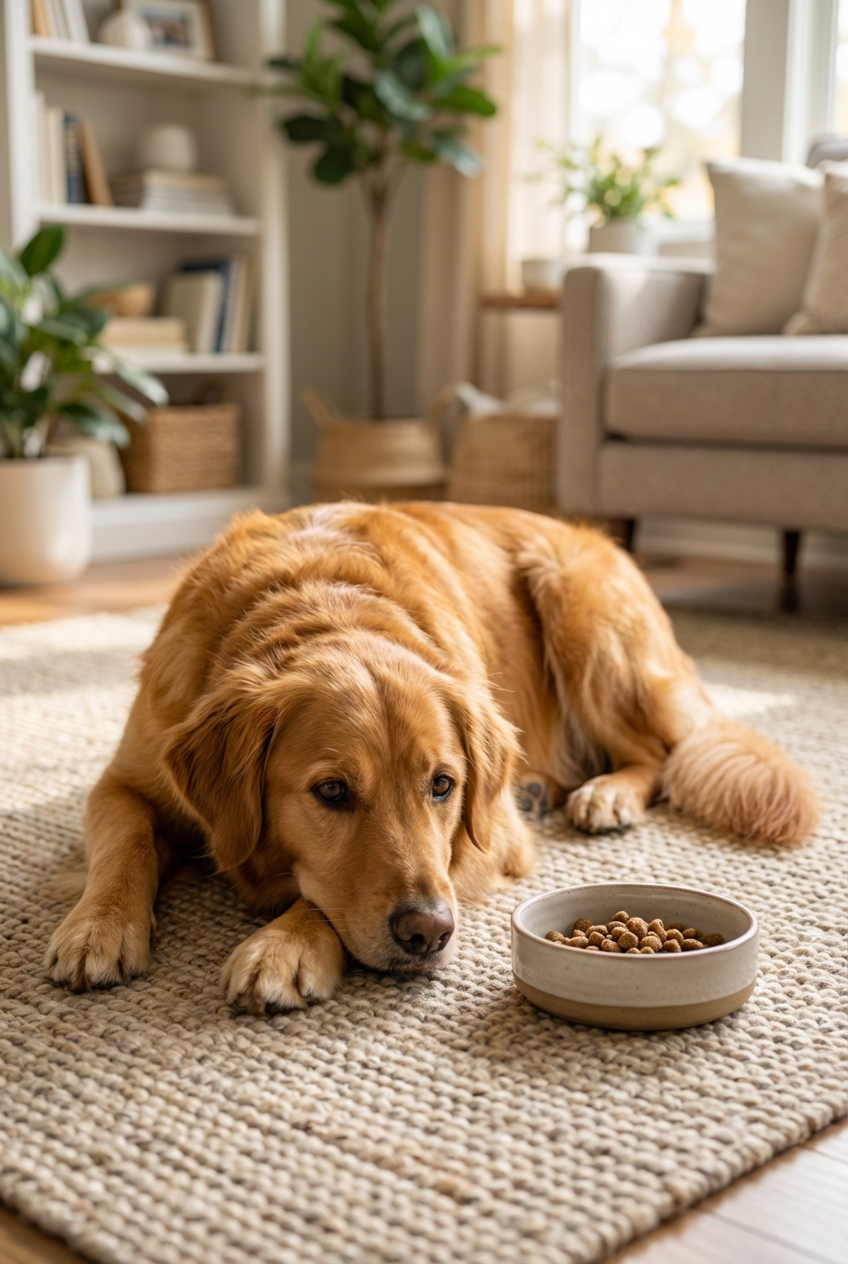
My dog vomits right after eating but acts fine. Is it okay?
One isolated episode can be minor, especially if they ate too fast. If it happens again, if vomiting becomes frequent, if it is actually regurgitation, or if any red flags appear, your dog should be evaluated.
How many times is too many?
As a general guide, more than 2 to 3 episodes in 24 hours is a reason to seek same-day veterinary advice. Go urgently if your dog cannot keep water down or has blood, abdominal pain, a swollen belly, marked lethargy, or any other red flags.
Is bile vomiting in the morning an emergency?
Not always. Some dogs vomit yellow bile when their stomach is empty. If it happens often, your vet can help you adjust feeding times and rule out reflux, parasites, or other GI issues.