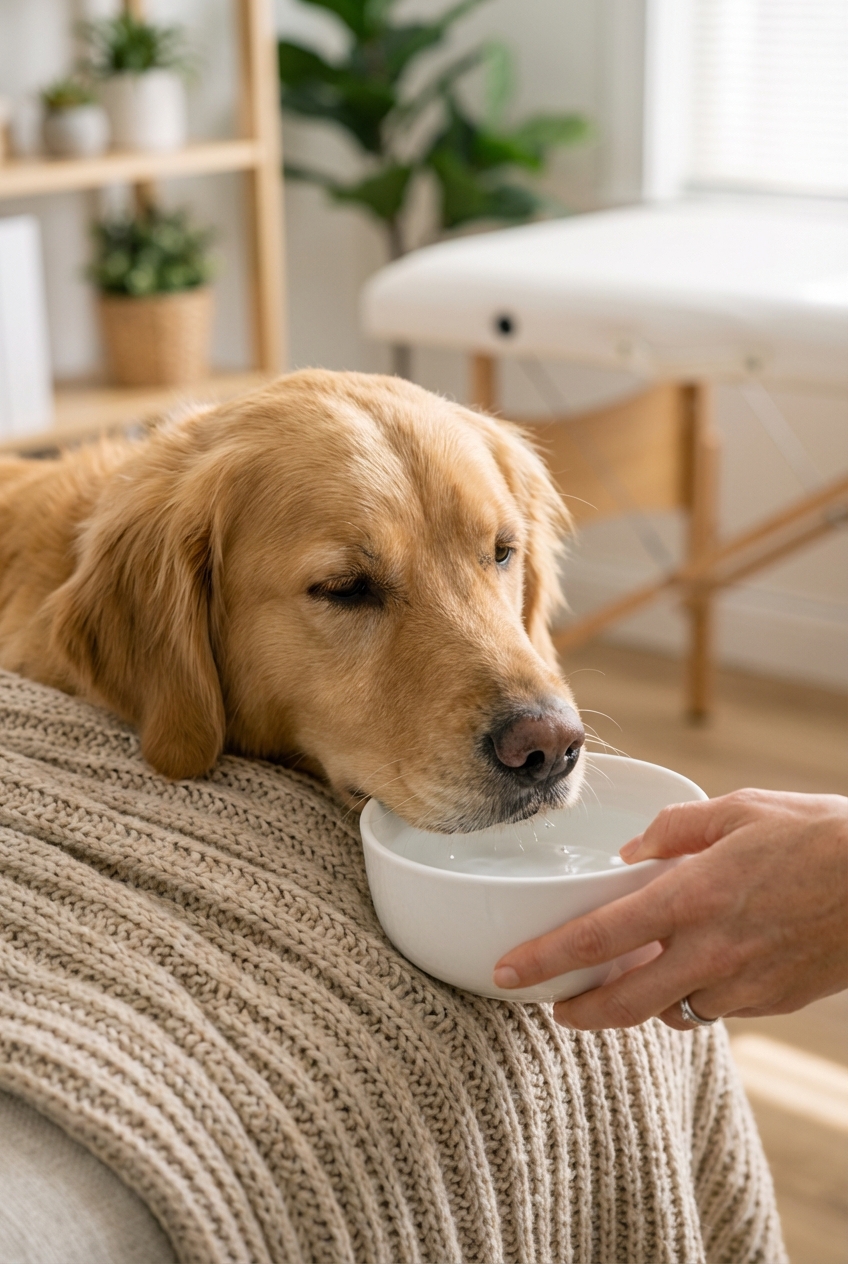
Vomiting or diarrhea can be scary. Learn common causes, vet red flags, and safe at-home steps like hydration and bland meals—plus what not to do and when t...
Article
•
Designer Mixes
Dog Vomiting After Drinking Water: Causes and Risks

Shari Shidate
Designer Mixes contributor
If your dog drinks water and then immediately throws up, it can feel scary and confusing. In my work as a veterinary assistant here in Frisco, Texas, I have seen this happen for many reasons, ranging from totally fixable habits like drinking too fast to urgent medical problems that need same-day care.
The key is to look at the pattern: how often it happens, how your dog acts before and after, and what the vomit looks like. That combination helps you decide whether this is a monitor-at-home situation or a call-your-vet-now moment.
Quick note: This article is not a diagnosis. Use it as practical guidance, and when in doubt, call your veterinarian or an emergency clinic.
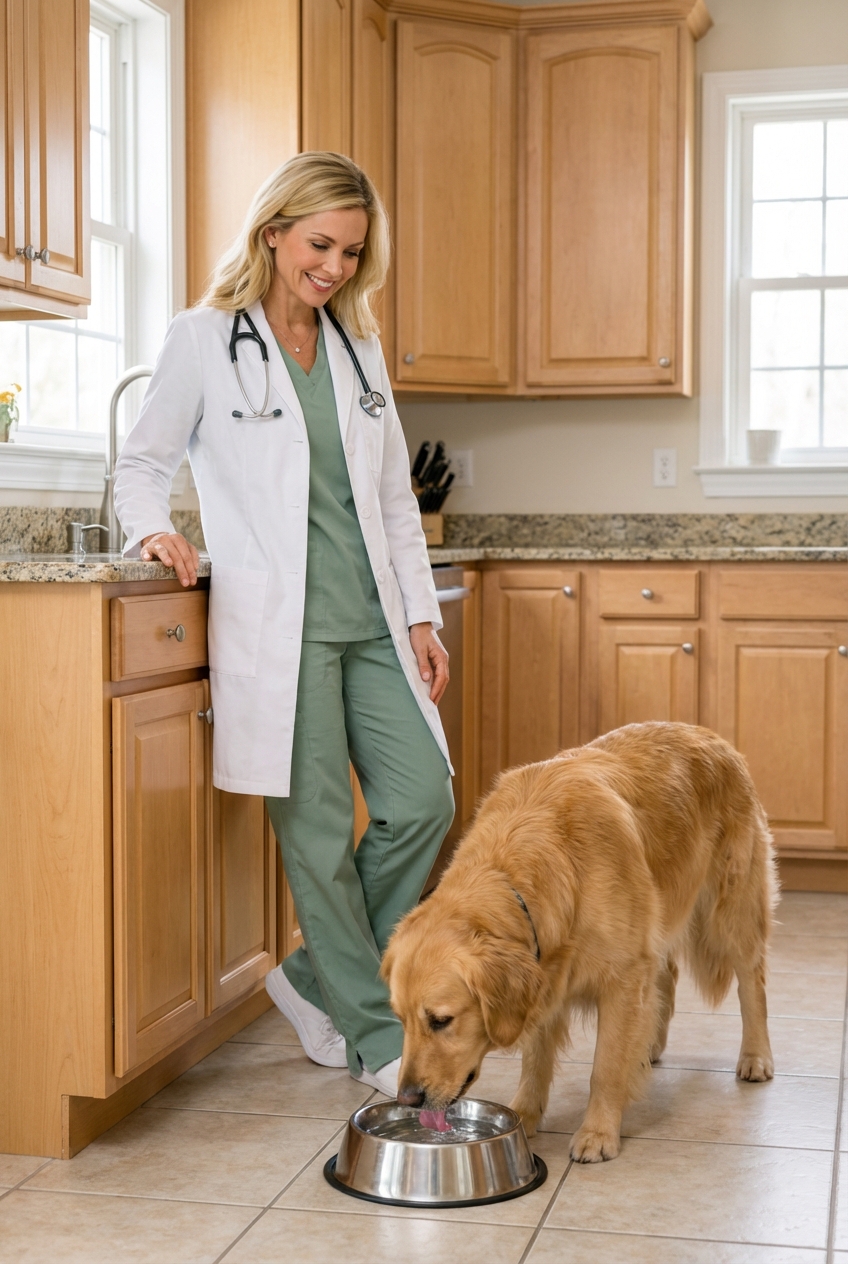
What it means when a dog vomits after water
Many dogs who vomit right after drinking bring up mostly water with a little foam or mucus. That can happen when the stomach is irritated or overly full, or when a dog gulps and swallows extra air.
One important detail: sometimes what looks like vomiting is actually regurgitation.
Vomiting vs. regurgitation
- Vomiting: usually involves retching or heaving and comes from the stomach. You may see bile (yellow) or partially digested food.
- Regurgitation: often happens suddenly with little warning, without strong abdominal effort, and the material can look like water, saliva, or undigested food. It comes from the esophagus.
This difference matters because frequent regurgitation can point to esophageal problems that need veterinary evaluation.
Common causes of vomiting after drinking water
1. Drinking too fast
Fast drinking is one of the most common causes, especially after play, walks, or hot weather. A large volume of water can overwhelm a sensitive or empty stomach and trigger vomiting.
2. Activity right after drinking
Running, wrestling, or zoomies immediately after drinking can trigger nausea and vomiting, or simply jostle water back up.
3. Upset stomach, gastritis, or reflux
If the stomach lining is irritated, even small amounts of water can trigger vomiting. Common triggers include dietary indiscretion (getting into trash), sudden food changes, rich treats, and some medications.
4. Heat stress
Dogs who are too hot may drink quickly, pant heavily, and vomit. Heat-related illness can escalate quickly and is a true emergency if your dog is weak, wobbly, or collapsing.
5. Motion sickness or nausea
Some dogs vomit after drinking in the car, or when stress and anxiety are already causing nausea and drooling. If your dog seems nauseated for any reason, drinking water can be the last straw that brings it up.
6. Parasites or infectious stomach upset
Intestinal parasites and infectious gastroenteritis can irritate the GI tract and cause vomiting. You may also see diarrhea, poor appetite, or lethargy, but not always.
7. GI obstruction or foreign material
If something is blocking the stomach or intestines, water may not move through normally and vomiting can happen soon after drinking. This is more common in puppies and dogs who chew toys, socks, corn cobs, bones, or rocks.
8. Bloat (GDV)
Bloat is life-threatening and can present with repeated unproductive retching, drooling, a distended belly, restlessness, and rapid decline. Water may come back up, or your dog may try to vomit without producing much.
9. Esophageal disorders
Conditions like megaesophagus can cause regurgitation after drinking and increase the risk of aspiration pneumonia (inhaling fluid into the lungs).
10. Illnesses that increase thirst
Some diseases cause dogs to drink more than normal (polydipsia). When they drink large volumes, vomiting can follow. These conditions can include kidney disease, diabetes mellitus, Cushing’s disease, liver disease, and uterine infection (pyometra) in unspayed females.
Risks to take seriously
Dehydration
Vomiting can quickly lead to dehydration, especially in small dogs and puppies. If your dog cannot keep water down, dehydration can develop fast, sometimes within hours.
Aspiration pneumonia
If your dog regurgitates and then inhales water or stomach contents, it can inflame or infect the lungs. Watch for coughing, rapid breathing, wheezing, fever, lethargy, or increased respiratory effort.
Electrolyte imbalance
Repeated vomiting can disrupt electrolytes, which affects muscle function, hydration status, and overall stability.
Delayed care for emergencies
Bloat (GDV), obstructions, toxin exposure, and severe heat illness worsen with time. When in doubt, call your veterinarian or an emergency clinic for guidance.
When to call the vet right away
Seek urgent veterinary care if you notice any of the following:
- Repeated vomiting or your dog cannot keep any water down
- More than 2 to 3 vomiting episodes in 24 hours, or vomiting that continues beyond 12 to 24 hours (sooner for small dogs, puppies, seniors, or dogs with chronic disease)
- Attempts to vomit with little or no output, especially with a swollen abdomen
- Blood in vomit or vomit that looks like coffee grounds
- Extreme lethargy, collapse, weakness, or disorientation
- Signs of pain (praying position, tense belly, crying, guarding the abdomen)
- Trouble breathing, coughing after drinking, or blue or pale gums
- Possible toxin exposure (xylitol, grapes or raisins, medications, chemicals, toxic plants)
- Puppies, seniors, or dogs with chronic diseases, even if signs seem mild
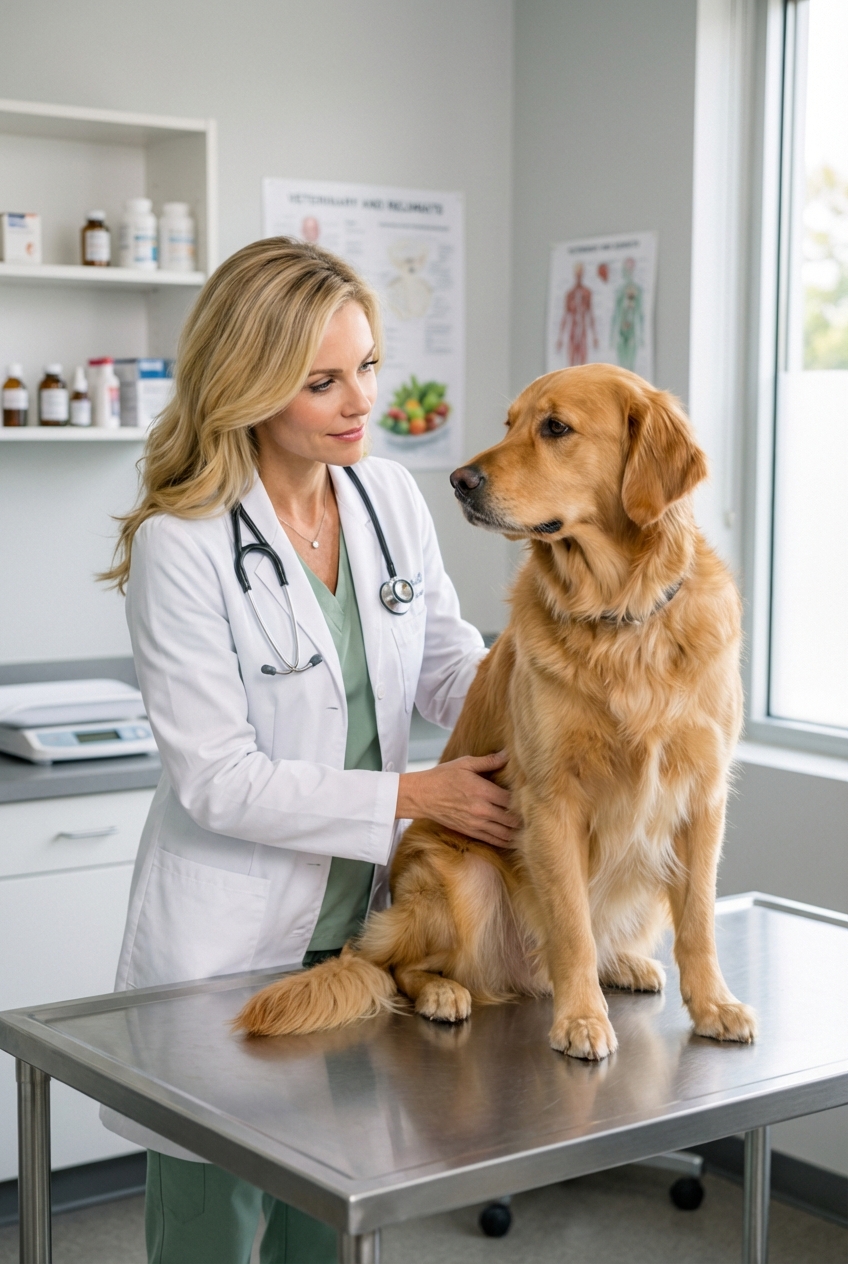
What you can do at home if your dog seems normal
If it happened once, your dog is bright and comfortable, and there are no red flags, these steps can help while you monitor closely.
Offer water in small, frequent amounts
- Give a few tablespoons at a time for small dogs, or a small sip-break-sip routine for larger dogs.
- Wait 10 to 15 minutes between small offerings.
Slow down fast drinking
- Use a purpose-built slow-water bowl, a pet water fountain with adjustable flow, or measured portions of water offered more frequently.
- If you use any bowl insert or obstacle, only use something designed for pets and sized appropriately, and supervise to avoid choking or tooth injuries.
- After exercise, do a cool-down walk first, then offer water.
Be cautious with food
If your dog is actively vomiting, avoid big meals and rich treats. If vomiting has stopped and your dog is acting normal, many dogs do best with small, simple meals. If vomiting continues, your dog seems painful, or your dog has underlying conditions, talk to your vet before trying a bland diet or making major feeding changes.
Check the water source
Outdoor bowls can grow bacteria or algae, and dirty bowls can irritate sensitive stomachs. Wash bowls daily and refresh water frequently. Some dogs also seem to do better with cool (not ice-cold) water if cold water makes them gag or vomit.
Track what matters
Write down:
- How soon after drinking vomiting happens
- How many times in 24 hours
- What the vomit looks like (water, foam, bile, food, blood)
- Appetite, energy, stool quality, and urination
This helps your veterinarian make faster, better decisions.
What your vet may check
Depending on your dog’s age, symptoms, and exam findings, your veterinarian may recommend:
- Physical exam and hydration assessment
- Fecal testing for parasites
- Bloodwork to evaluate kidneys, liver, blood sugar, inflammation, and electrolytes
- X-rays to look for obstruction or bloat
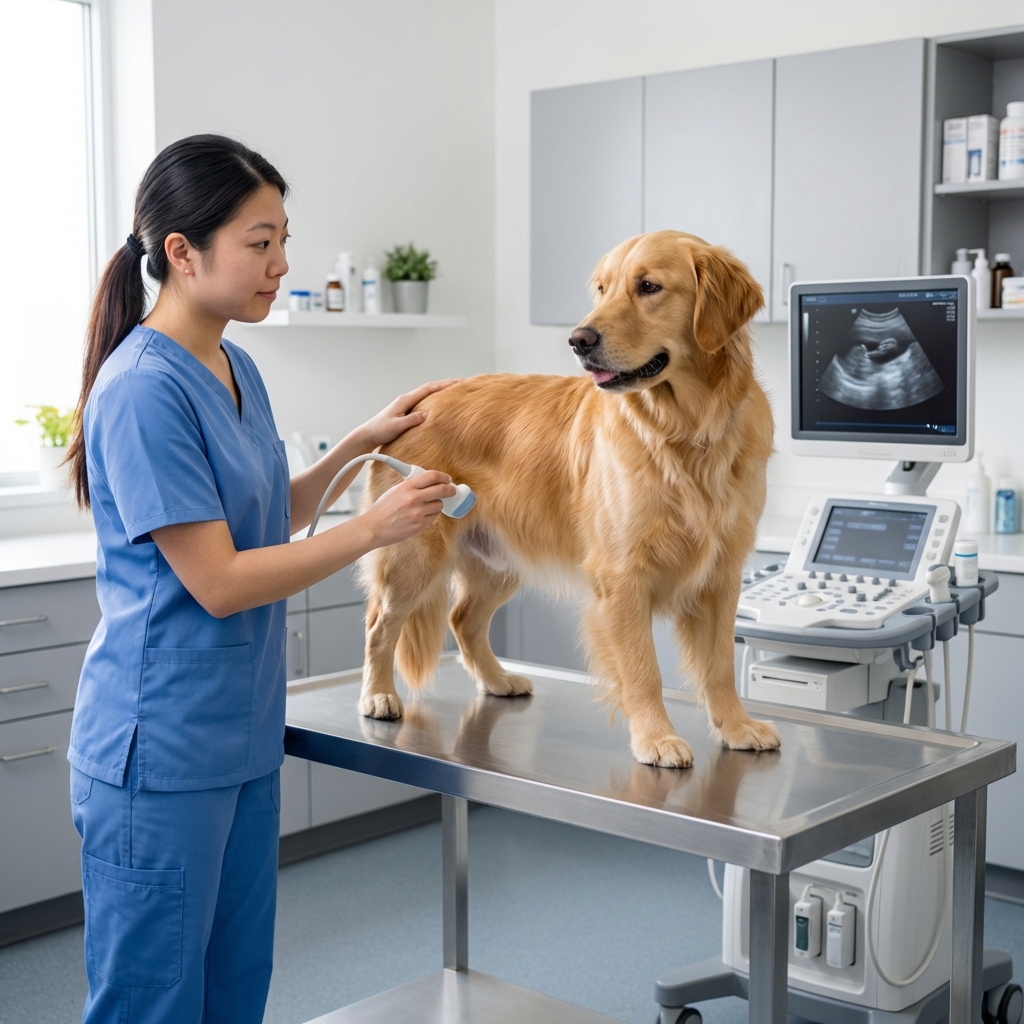
- Ultrasound for a closer look at the stomach and intestines
- Urinalysis if increased thirst or urination is part of the story
Prevention tips
- Create a calm drinking routine after play and walks.
- Control gulping with slow-water strategies.
- Keep diet changes gradual to reduce stomach upset.
- Limit scavenging by securing trash and supervising chewers.
- Schedule wellness checks for early detection of kidney disease, diabetes, and other conditions.
Trust your instincts. If your dog looks “off,” if vomiting repeats, or if water will not stay down, it is absolutely appropriate to call your veterinarian the same day.
Quick recap
- One-time vomiting after water is often from drinking too fast or mild stomach irritation.
- Repeated vomiting, weakness, bloating signs, blood, breathing changes, or inability to keep water down are urgent.
- Slow water intake, monitor closely, and contact your vet if it happens again or anything seems abnormal.