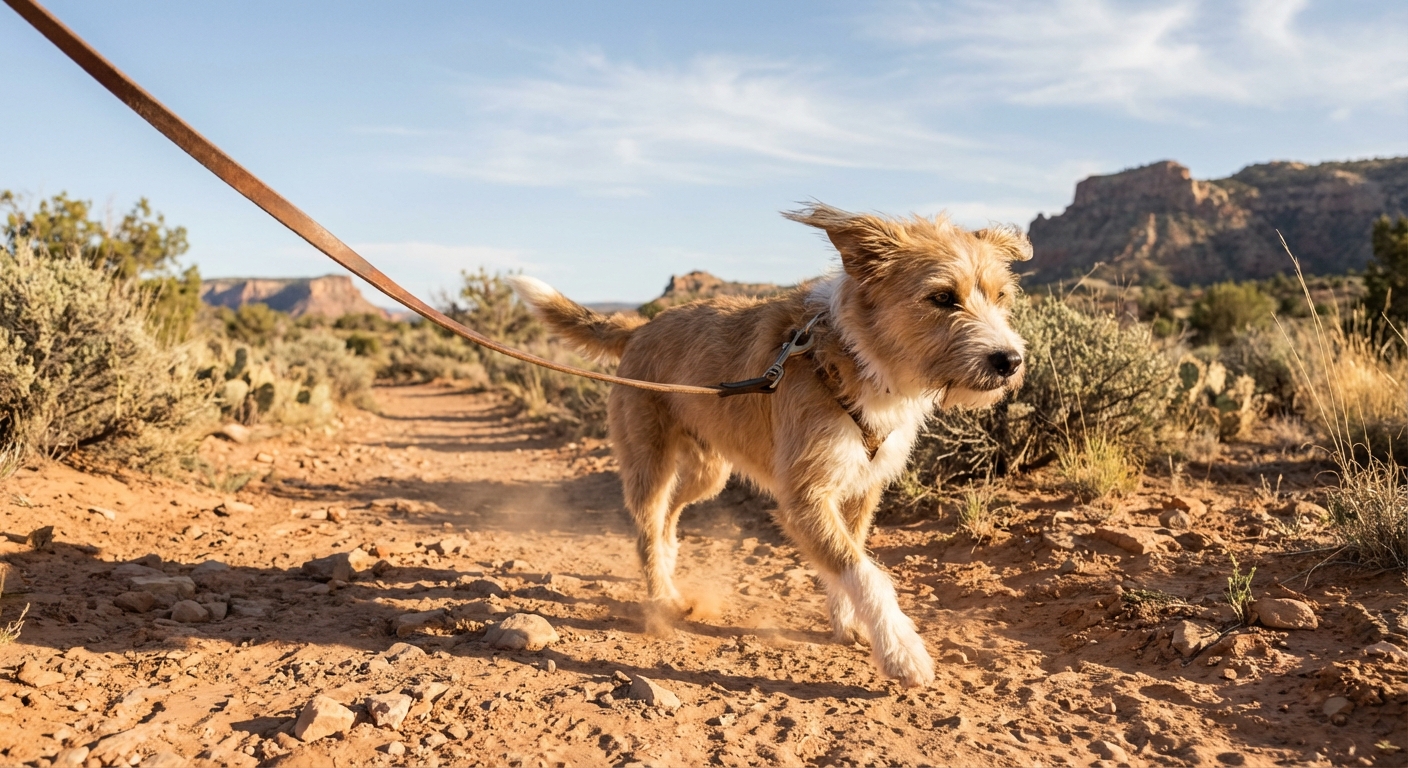
Valley fever in dogs comes from inhaling fungal spores in dusty soil. Learn where it’s common, early symptoms, how vets test and treat it, and simple ways ...
Article
•
Designer Mixes
Dog Valley Fever Symptoms

Shari Shidate
Designer Mixes contributor
Living in Texas, I meet a lot of families who spend time outdoors with their dogs, hiking, running, and exploring dusty trails. That is great enrichment, but it also means we need to talk about a very real regional risk: Valley fever.
Valley fever is most associated with the U.S. Southwest, especially Arizona and parts of California (including the Central Valley), plus parts of New Mexico and West Texas. It also occurs in parts of Mexico and Central and South America.
Valley fever is a fungal infection (coccidioidomycosis) caused by breathing in fungal spores from disturbed soil. Dogs can get it the same way people do: they inhale spores, which settle in the lungs and can sometimes spread to other parts of the body.
Is it contagious? In most cases, no. Dogs generally do not “catch” Valley fever from other dogs or from people. Exposure usually comes from the environment (soil and dust).
What Valley fever looks like in dogs
The tricky part is that Valley fever symptoms can look like a lot of other illnesses at first. Some dogs show mild signs, while others get very sick. A dog can also seem fine for a while after exposure, then develop symptoms weeks to months later.
Early and common symptoms
- Cough, often dry and persistent
- Lethargy or reduced stamina on walks
- Fever that comes and goes
- Decreased appetite
- Weight loss over time
- Rapid or labored breathing
If your dog is otherwise healthy but you notice a cough that will not quit plus fatigue, Valley fever deserves to be on the list of possibilities, especially if you live in or traveled through an area where it is common.
Signs it may be spreading beyond the lungs
Some cases remain in the lungs. Others become disseminated, meaning the infection spreads to places like bones, joints, skin, or even the nervous system.
- Lameness or limping that does not match a simple injury
- Swollen joints or pain when moving
- Back or neck pain
- Skin lesions, draining sores, or non-healing wounds
- Swollen lymph nodes
- Eye inflammation or vision changes
- Seizures or abnormal behavior (rare, but urgent)
When symptoms are subtle
In real life, Valley fever can start as “my dog is just not themselves.” These are the small clues I encourage families to take seriously:
- Your dog lags behind on walks or wants to turn back early.
- They stop greeting you at the door with their usual energy.
- Their appetite is not fully gone, but they are picky and leave food behind.
- They develop a mystery limp that improves then returns.
- A cough persists longer than you would expect from mild kennel cough.
Those patterns are not a diagnosis, but they are a good reason to schedule a veterinary visit and ask whether testing makes sense.
Who is most at risk?
Any dog can be exposed in an endemic area, but I tend to worry more when these factors stack up:
- Dogs who spend lots of time outdoors on dusty trails or properties
- Dogs who love to dig
- Dogs that recently moved from, traveled through, or were adopted from an endemic region
- Dogs on immune-suppressing medications or with conditions that affect immune function
What to do if you suspect Valley fever
If your dog has symptoms and lives in, recently traveled to, or was adopted from an area where Valley fever occurs, it is worth acting promptly. Early detection can prevent prolonged discomfort and may reduce the chance of spread.
Step 1: Call your veterinarian and share key details
- When symptoms started and whether they are worsening
- Any cough, fever, weight loss, or lameness
- Recent travel, hiking, digging, dusty yard work, or time at dog parks with bare soil
- Any immune-suppressing medications (for allergies, autoimmune disease, chemotherapy)
Step 2: Expect a thoughtful diagnostic workup
Your veterinarian may recommend a combination of:
- Blood tests including Valley fever titers (to look for antibodies)
- Chest X-rays if respiratory signs are present
- General bloodwork to assess inflammation and organ function
- Additional imaging (for example, of bones or joints) if there is lameness
One important note: test results do not always give a simple yes or no right away. Titers can be low early on, and interpretation can be nuanced. False negatives can happen early in illness, and your veterinarian may recommend retesting or pairing results with imaging and other findings depending on the clinical picture.
Step 3: Follow treatment instructions closely
Valley fever is typically treated with prescription antifungal medications. Common options include fluconazole and itraconazole, but the right choice depends on your dog and the form of the disease. Many dogs need treatment for months, and some need longer.
Do not stop medication early just because your dog looks better. This is a common reason symptoms come back.
Monitoring matters: your veterinarian may recommend rechecks and follow-up bloodwork (often including liver values) to monitor response and watch for side effects. Some dogs have gastrointestinal upset, appetite changes, or other medication-related issues, so speak up quickly if something seems off.
Practical tip: If your dog starts antifungals, ask your veterinarian how often they want rechecks, what side effects to watch for, and whether follow-up bloodwork is needed.
When Valley fever is an emergency
Seek urgent veterinary care if you notice any of the following:
- Difficulty breathing, open-mouth breathing, or blue/gray gums
- Collapse, extreme weakness, or inability to stand
- Seizures, severe disorientation, or sudden vision problems
- Severe pain, inability to walk, or a rapidly worsening limp
- Not eating for more than 24 hours with significant lethargy, especially if paired with fever
Can you prevent Valley fever in dogs?
There is no perfect prevention, but you can reduce risk. Since the fungus lives in soil and spores become airborne when the ground is disturbed, prevention is mostly about reducing heavy dust exposure.
Lowering exposure
- Avoid dusty trails on windy days, especially in dry seasons.
- Discourage digging in dry, dusty soil.
- Choose grassy or paved routes for walks when possible.
- During yard work, keep dogs indoors while the soil is being disturbed.
- Rinse dusty paws and wipe the coat after outdoor play if your dog likes to roll in dirt (this helps with hygiene and irritation, but it does not prevent inhalation exposure, which is the main route).
These steps are not about fear. They are about stacking the odds in your dog’s favor, especially if you live in an endemic region or have a dog with a sensitive immune system.
Nutrition and supportive care during recovery
As a veterinary assistant, I love a good treatment plan that includes practical home support. Antifungals do the heavy lifting, but what you do at home can make your dog more comfortable.
Supportive care basics
- Prioritize rest. Your dog may want shorter walks for a while, and that is okay.
- Track symptoms: appetite, energy, coughing frequency, weight, and any limping.
- Hydration matters, especially if appetite is down.
- Give medications exactly as prescribed and ask what to do if your dog vomits a dose.
Food tips
If your dog is picky while sick, focus on gentle, high-quality nutrition and consistency. Many families do well with a veterinarian-approved bland plan short-term, then gradually return to a balanced routine. If you feed homemade meals, make sure the diet is complete and balanced, because during recovery your dog needs dependable nutrients, not guesswork.
If you want to use a partially homemade approach, you can start small, such as using a high-quality commercial diet as the base and adding dog-safe whole foods in modest amounts. Always check with your veterinarian if your dog has liver issues or is on long-term medications.
Prognosis
Many dogs do very well with timely diagnosis and consistent treatment. Prognosis can vary widely, though. Dogs with disseminated disease, especially if the nervous system is involved, may need longer treatment and closer monitoring. Your veterinarian can give you the best guidance based on your dog’s test results and response to medication.
Appointment checklist
If you are trying to decide whether to call the vet, or you already have an appointment, this checklist can help you be very clear about what is happening.
- New or persistent cough (how long? how often?)
- Lower energy (what changed from your dog’s normal?)
- Appetite changes and any weight loss
- Fever history (if you took a temperature, write it down)
- Limping, stiffness, or pain
- Skin sores or draining tracts
- Travel and dust exposure in the last 1 to 3 months
You are not overreacting by asking about Valley fever. You are being a careful, proactive dog parent.