Valley fever in dogs can look like a lingering cough at first, then spread to joints, skin, eyes, or nerves. Learn key symptoms, emergency signs, and how to ...
Article
•
Designer Mixes
Dog Valley Fever Facts and Insights

Shari Shidate
Designer Mixes contributor
Living in Texas, I get a lot of questions about dusty weather and dog health. One topic that surprises many pet parents is Valley fever, a fungal infection dogs can pick up from the environment. The good news is that with a little know-how, you can spot early warning signs, lower your dog’s exposure, and work with your vet on the right plan.
What Valley fever is (plain language)
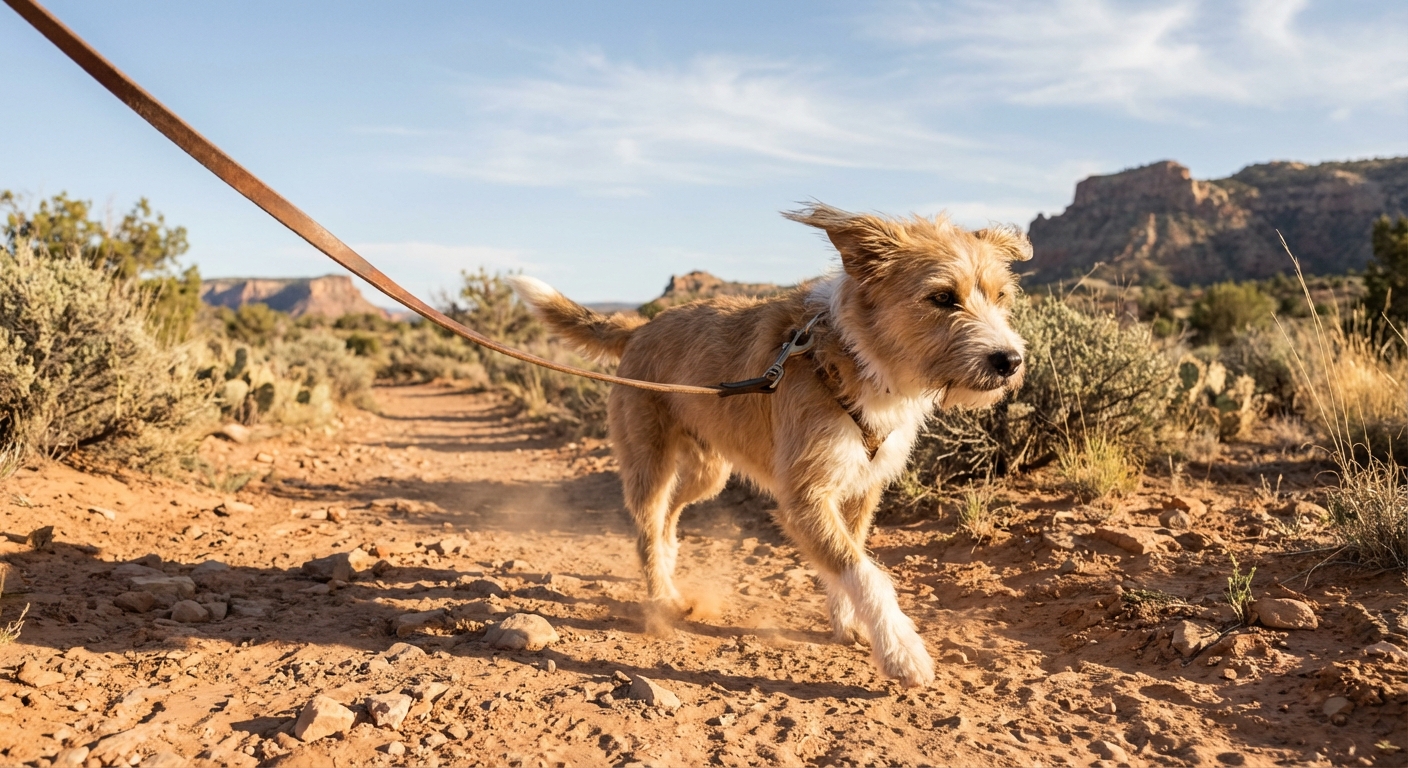
Valley fever is caused by a fungus called Coccidioides. It lives in soil in certain dry regions. When the ground is disturbed, tiny fungal particles can become airborne. Dogs can inhale them during normal sniffing, digging, running, or even just going for a walk on a windy day.
It also helps to separate three ideas that get lumped together: exposure (breathing in spores), infection (the fungus settles in), and clinical disease (your dog actually gets sick). Many dogs are exposed without ever becoming noticeably ill.
Some dogs develop infection in the lungs, and a smaller group develop disseminated disease, meaning it spreads beyond the lungs to places like bones, joints, skin, eyes, or the nervous system.
Quick facts about Valley fever
- It is not usually “dog-to-dog” contagious. Dogs generally get it from the environment by inhaling spores, not from each other. (Transmission from direct contact with draining lesions is considered extremely rare.)
- It can look like a lot of other problems. Early signs can resemble kennel cough, allergies, a stubborn pneumonia, or even just “my dog seems off.”
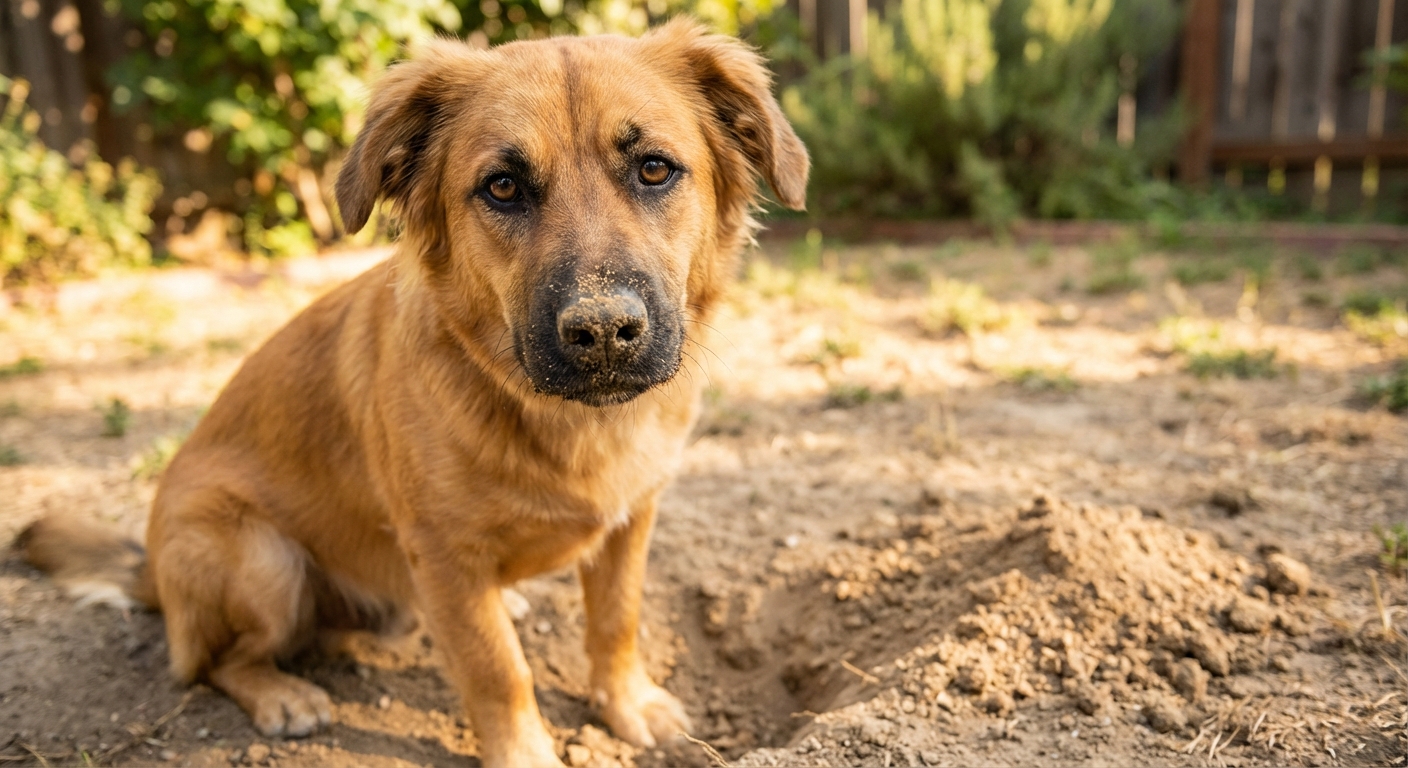
- Sniffing and digging can raise exposure. Dogs explore the world nose-first, and dusty soil plus enthusiastic investigation can increase inhalation risk.
- Signs often show up later. Many cases develop signs about 1 to 3 weeks after inhalation, but it can be longer. Some dogs do not look sick until weeks to months later.
- Some infections are mild, but confirmed cases still deserve guidance. A small number of dogs may improve without treatment, but many veterinarians recommend treating confirmed Valley fever to reduce the risk of progression or dissemination. If treatment is not started, close monitoring matters.
Where dogs get Valley fever
Valley fever is most associated with the southwestern United States, especially parts of Arizona and California, but it is also found in West Texas and parts of New Mexico, Nevada, and Utah. It occurs in northern Mexico and has been reported in parts of Central and South America as well. Travel matters too. If your dog recently visited an endemic area and then develops a cough, that history is worth mentioning to your veterinarian.
Risk tends to rise with:
- Dry seasons, drought, and windy days
- Construction zones and freshly disturbed soil
- Hiking on dusty trails and off-leash running in dry open areas
- Dogs who love to dig
Symptoms that can sneak up
Many dogs start with respiratory signs. If the infection spreads, signs can shift to pain, lameness, or chronic fatigue. Call your vet if you notice any of the following, especially if your dog lives in or traveled to an area where Valley fever occurs:
- Persistent cough
- Lethargy, decreased interest in play, or “just not themselves”
- Fever
- Loss of appetite or weight loss
- Rapid breathing or labored breathing
- Lameness, joint swelling, or back pain
- Skin lesions that do not heal
- Eye inflammation
- Seizures or neurologic changes (urgent)
Action step: If a cough lasts more than a few days, or your dog seems painful or unusually tired, do not wait it out. The earlier your vet evaluates, the sooner you can rule in or rule out fungal disease.
Who may be at higher risk for severe disease? Any dog can get Valley fever, but risk for heavier exposure or more complicated illness can be higher in young dogs, dogs with weakened immune systems, and dogs with high outdoor exposure (like working, hunting, or hiking dogs). Your veterinarian can help you put your dog’s personal risk in context.
How vets diagnose it
Diagnosis usually starts with a good history and exam, then testing. Depending on your dog’s signs, your vet may recommend:
- Blood tests to check overall health and inflammation
- Valley fever antibody testing (serology) which can support diagnosis and help monitor trends over time
- Chest X-rays to evaluate the lungs
- Additional imaging if bones or joints seem involved
- Sampling of abnormal fluid or lesions in select cases
One practical note: sometimes tests are negative early on. If suspicion stays high, your vet may re-test later. In some situations, clinics may also use additional tools like antigen testing, cytology or histopathology, or PCR. (Culture is not common in routine practice because it requires special lab precautions.)

Treatment basics
When treatment is needed, it usually involves long-term antifungal medication. Many dogs improve significantly, but the timeline can be measured in months, not days. Common medications include fluconazole or itraconazole, and your vet will choose based on your dog’s signs, other health conditions, and how the disease is behaving.
Your vet may also recommend:
- Activity restriction while lungs heal or if bones and joints are painful
- Follow-up bloodwork to monitor medication effects
- Repeat imaging or antibody titers to track progress
More severe disseminated disease, especially nervous system involvement, can require longer treatment and closer monitoring. Some dogs need very extended therapy, and a small number may need lifelong management.
Please do not stop medication early just because your dog seems better. Relapses are a real concern, and your veterinarian will guide the safest tapering plan.
Can you prevent it?
There is no perfect prevention, but you can reduce exposure. Think of it like lowering your dog’s “dust dose.” Here are realistic steps that help:
- Avoid dusty areas on windy days. Choose grassy parks or paved paths when conditions are dry and gusty.
- Skip digging zones. If your dog is a dedicated excavator, consider a designated digging box at home with cleaner, lightly dampened soil.
- Keep dogs leashed near construction. Less nose-to-ground roaming means less inhaled dust.
- Wipe paws and rinse dust off coats after hikes. This does not prevent inhalation that already happened, but it reduces irritation and keeps dust out of your home.
- Support overall health. A balanced diet, healthy weight, parasite prevention, and regular vet care help the immune system do its job.
If you live in a higher-risk region like West Texas, talk with your veterinarian about what level of caution makes sense for your dog’s lifestyle.
Myth-busting corner
Myth: Only desert dogs get Valley fever
Reality: Dogs can be exposed during travel or in dry, dusty microclimates. A travel history is important, even if you live elsewhere.
Myth: If my dog has it once, they are immune forever
Reality: Some dogs may develop partial protection, but reinfection and relapse can occur. Always take new symptoms seriously.
Myth: A little cough is no big deal
Reality: In endemic areas, persistent cough deserves attention. It could be simple, but it could also be fungal disease that benefits from early care.
When to call the vet
Seek prompt veterinary care if your dog has trouble breathing, collapses, has a seizure, seems suddenly painful, or cannot stand comfortably. For milder signs like a lingering cough, low appetite, or fatigue, schedule an appointment soon and mention any travel to dry regions.
Trust your instincts. If your dog’s energy drops and it does not bounce back, that is a signal worth investigating.
Quick takeaways
- Valley fever is a fungal infection from inhaling spores in disturbed soil.
- It is not typically contagious from dog to dog.
- Many dogs are exposed without getting sick, but clinical disease can be serious.
- Symptoms can start like a respiratory bug and later involve joints, bones, skin, eyes, or more.
- Diagnosis often includes antibody testing and X-rays, and tests can be negative early.
- Treatment can work very well but often requires patience, follow-up, and months of medication.
- You can lower risk by reducing dust exposure, especially on windy days and around construction.
Sources and further reading
- CDC: Valley Fever (Coccidioidomycosis)
- UC Davis Center for Valley Fever
- Merck Veterinary Manual: Coccidioidomycosis in Animals