Dog UTI symptoms can mimic stones or other issues. Learn the full treatment plan: urinalysis and culture, correct antibiotics, pain control, hydration, home ...
Article
•
Designer Mixes
Dog UTIs: Quick Facts and Vet Tips

Shari Shidate
Designer Mixes contributor
If your dog is suddenly asking to go outside every 20 minutes, having accidents, or licking their genital area more than usual, a urinary tract infection (UTI) might be on your radar. As a veterinary assistant, I can tell you this: UTIs are fairly common, usually treatable, and they are one of those issues where quick action can make a big difference.
Let’s walk through veterinarian-approved UTI facts and practical tips that help you spot trouble early, support recovery, and lower the chances of repeat infections.
Quick note: This article is for education and is not a substitute for veterinary diagnosis or treatment.
Quick facts you can use
1) A “UTI” is not always a bladder infection
Most dog UTIs involve the lower urinary tract (the bladder and urethra). True kidney infections (upper urinary tract infections) are less common but more serious. That is one reason veterinarians ask detailed questions about fever, appetite, vomiting, and energy level.
2) Female dogs tend to get UTIs more often
Many females have a slightly higher risk because they typically have a shorter, wider urethra, which makes it easier for bacteria to travel upward. That said, male dogs can absolutely get UTIs too. And when males have urinary signs, your vet may look harder (and sooner) for underlying causes like prostate disease, urinary stones, or a blockage risk.
3) The bladder is meant to be bacteria-free, but real life is messy
In a healthy dog, urine inside the bladder is generally sterile. But bacteria can be introduced from the skin or GI tract, and urine samples can also be contaminated during collection. In some dogs, bacteria may even be present without obvious symptoms (your vet will decide if treatment is needed). Healthy urine flow helps flush things out, so hydration and regular potty breaks can be helpful habits.
4) Some dogs feel a UTI before you see it
Dogs do not always show obvious pain. Sometimes the first sign is simply urinary urgency, restlessness at night, or accidents in an otherwise house-trained pup.
Signs your dog might have a UTI
Call your veterinarian if you notice any of the following, especially if symptoms appear suddenly:
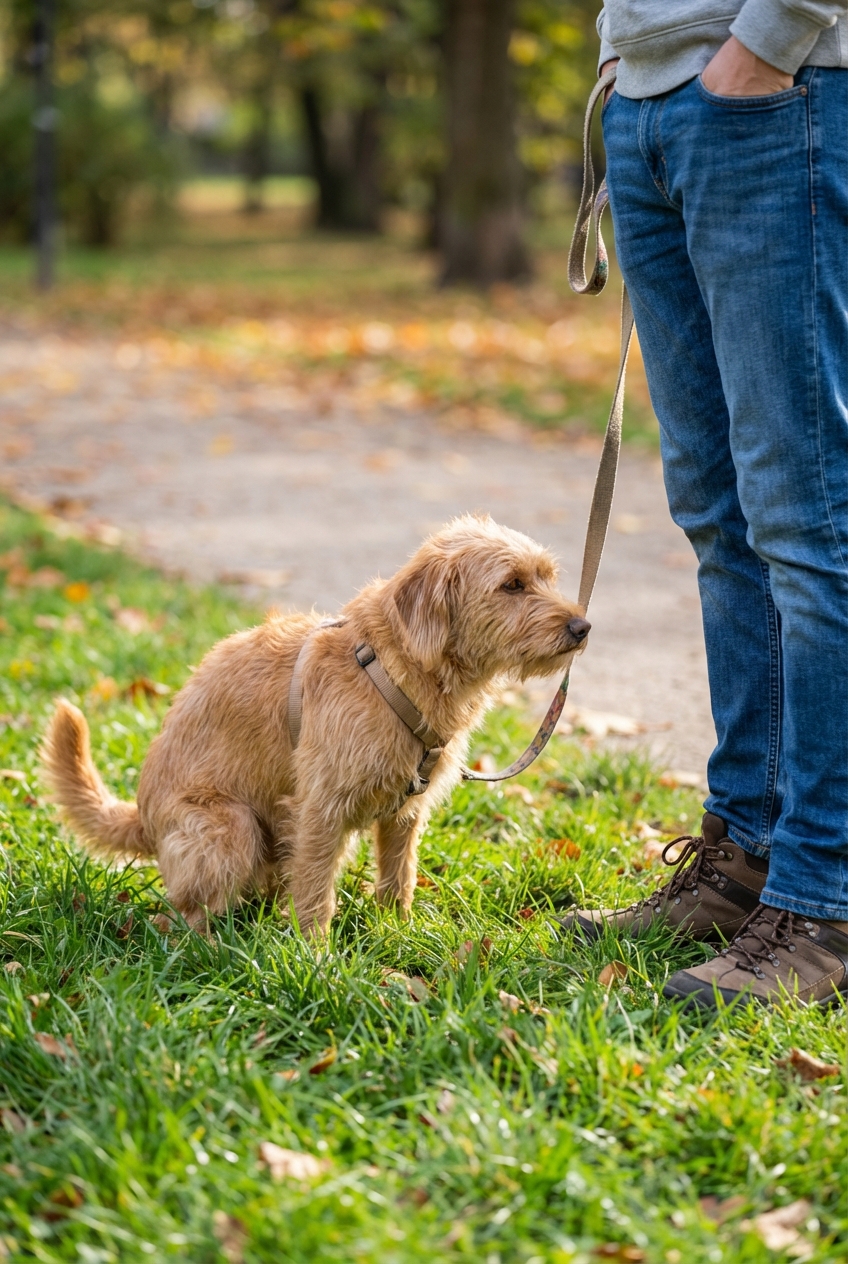
- Frequent attempts to pee, but only small amounts come out
- Straining or taking longer than usual to urinate
- Accidents in the house (especially in a previously house-trained dog)
- Blood-tinged urine or urine that looks darker than normal
- Strong or unusual urine odor
- Excess licking of the vulva or penis area
- Discomfort, yelping, or acting “off” when trying to pee
Urgent warning: If your dog cannot pass urine at all, is repeatedly posturing with no urine, has a swollen belly, or is vomiting and lethargic, seek emergency care. A urinary blockage can be life-threatening and is more common in male dogs.
How vets confirm a UTI
A lot of conditions can look like a UTI, including bladder stones, inflammation without infection (sometimes called sterile cystitis), prostate issues, urinary tumors, or even behavioral marking. That is why diagnosis matters, and why antibiotics are not always the right first move.
Common vet tests
- Urinalysis: Checks concentration, pH, blood, protein, crystals, and signs of inflammation or bacteria.
- Urine culture and sensitivity: Identifies the specific bacteria and which antibiotics work best. This is especially important for recurring UTIs or if symptoms do not improve quickly.
- Imaging (X-rays or ultrasound): Often recommended when UTIs repeat or if stones are suspected.
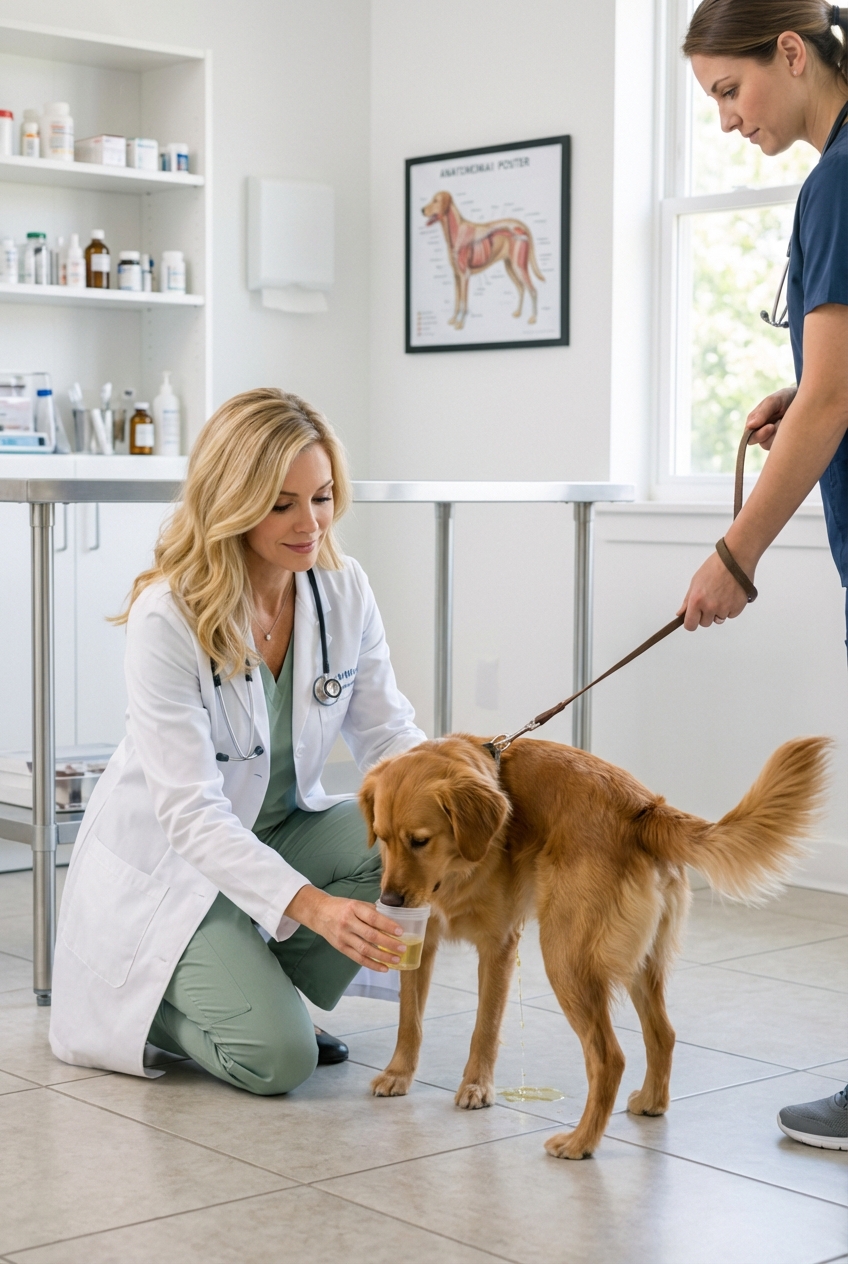
Tip from the clinic: A free-catch urine sample from home can help in a pinch, but for the cleanest results your vet may recommend a sterile sample (often collected via cystocentesis, using a small needle into the bladder). It sounds scary, but it is quick and commonly performed.
What treatment often looks like
Every dog is different, but many UTIs are treated with prescription antibiotics. Your veterinarian may also recommend pain relief and anti-inflammatory medication if your dog is uncomfortable. Treatment length varies based on your dog’s history, the bacteria involved, and whether the infection is uncomplicated or recurring.
- Culture-guided care: If your dog has repeat infections, your vet may prioritize a culture to choose the most effective antibiotic.
- Recheck testing: Some dogs benefit from a repeat urinalysis or culture after treatment, especially if symptoms return or infections are frequent.
- Stones and inflammation: If stones or sterile cystitis are suspected, the plan may shift. Antibiotics do not fix stones, and inflammation without infection may require a different approach.
Vet-approved prevention tips
Some dogs get a one-time infection and never see it again. Others are prone to repeat issues. These practical steps can reduce risk for many pups.
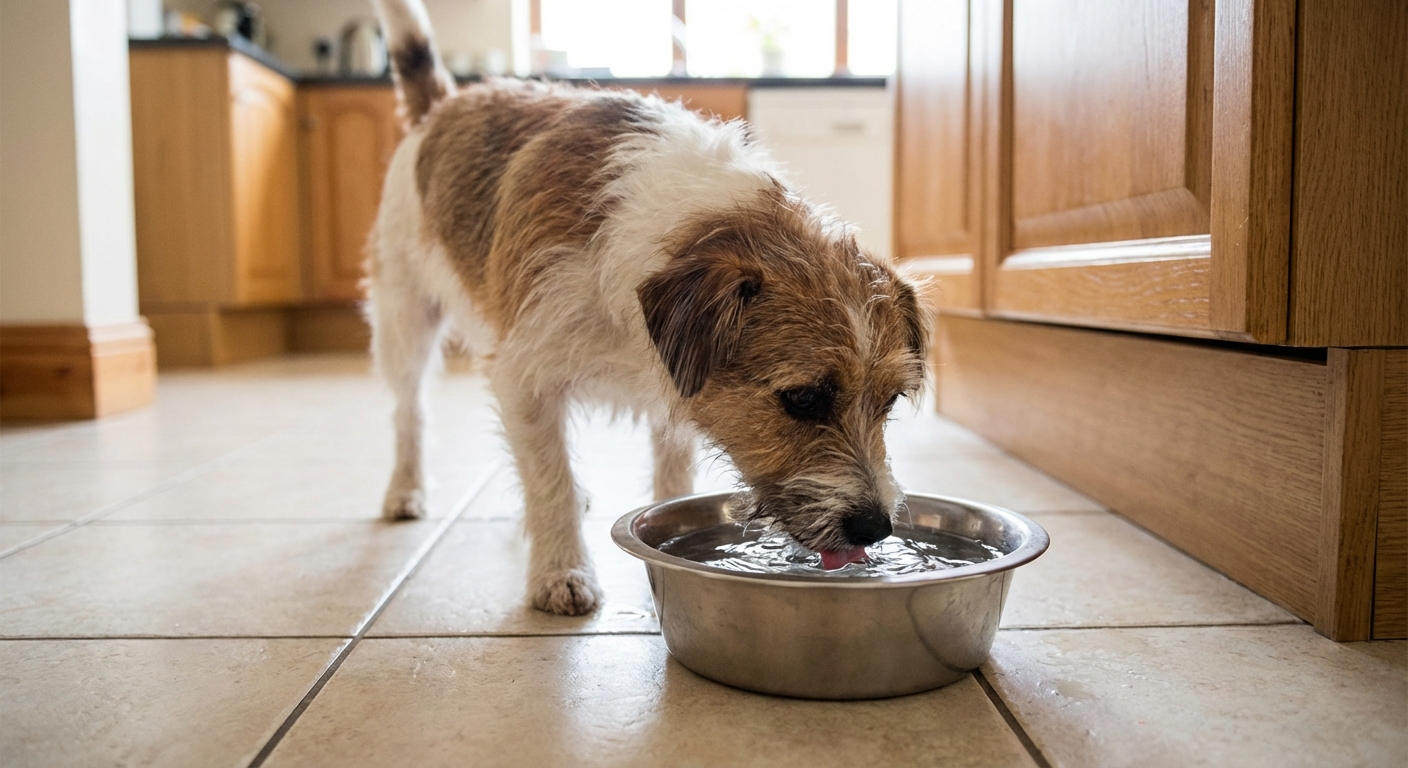
Prioritize hydration
- Keep fresh water available all day.
- Clean bowls daily and refresh water often.
- Consider adding water to meals or offering vet-approved broths with no onion or garlic.
- Ask your veterinarian whether a canned diet makes sense for your dog. Higher moisture can help some UTI-prone pets.
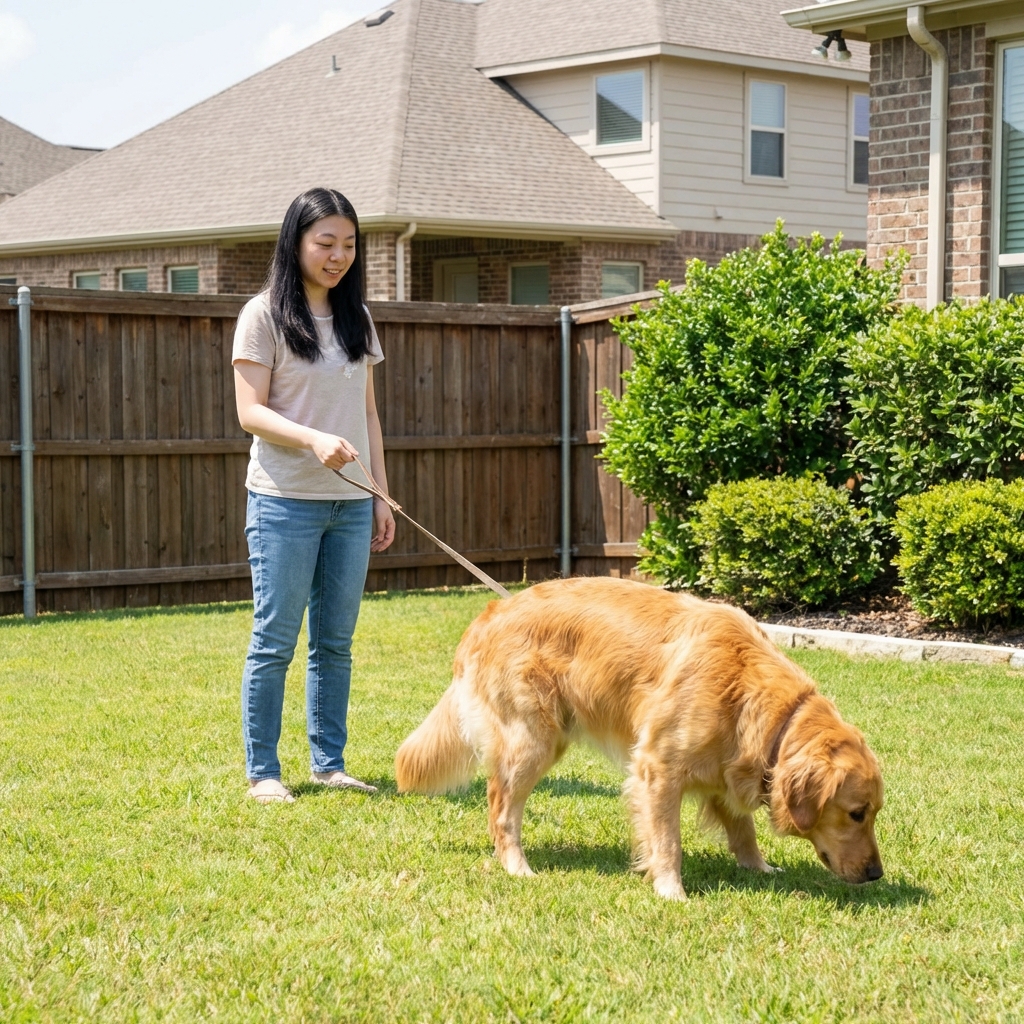
Increase potty opportunities
Regular bathroom breaks can help support a healthier bladder environment and may reduce risk for some dogs. If possible, aim for more frequent breaks, especially for senior dogs, small dogs, and dogs who drink a lot.
Keep the area clean
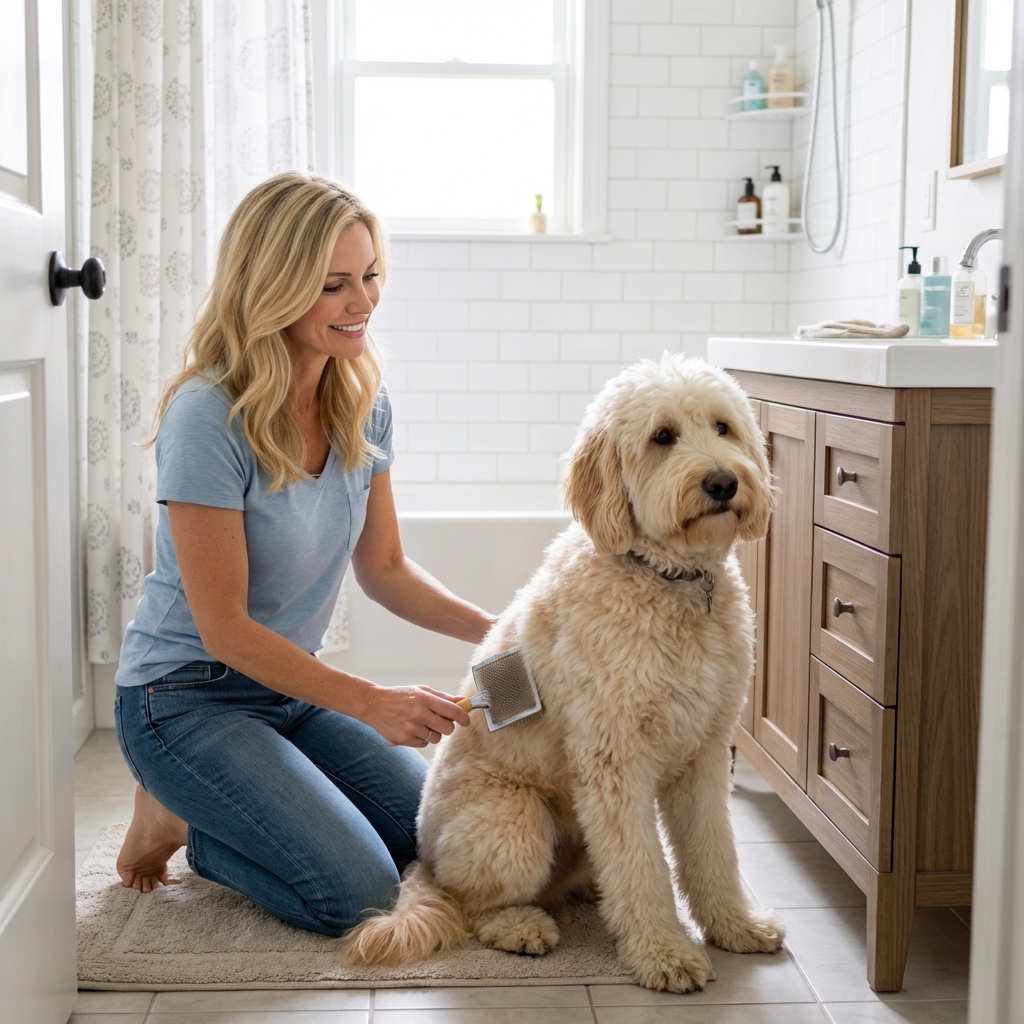
- For long-haired dogs, a sanitary trim can reduce moisture and debris around the genitals.
- After muddy play or swimming, rinse and gently dry the area.
- For pups with skin allergies, controlling inflammation can lower bacterial overgrowth on the skin.
Know the higher-risk groups
Some dogs are more prone to UTIs or UTI-like symptoms, including seniors, dogs with diabetes or Cushing’s disease, dogs on steroids or other immune-suppressing medications, and dogs with anatomic or skin-fold issues.
Talk to your vet before using supplements
You might hear about cranberry, D-mannose, probiotics, or urinary-support supplements. Some may be helpful for certain dogs, but evidence in dogs is mixed, and dosing and product quality vary. These are not a replacement for antibiotics when infection is present. Your veterinarian can tell you what is appropriate based on your dog’s history and urine results.
Common myths and truth
Myth: “If my dog is peeing a lot, it must be a UTI.”
Truth: Increased urination can also be caused by diabetes, Cushing’s disease, kidney disease, certain medications, or drinking more due to heat or diet. A urine test helps you avoid guessing. UTIs often cause frequent small attempts, not always a large increase in total volume.
Myth: “I can treat a dog UTI at home.”
Truth: You can support your dog with hydration and prompt potty breaks, but you cannot reliably clear a bacterial infection without proper veterinary treatment. Delaying care can allow the infection to worsen or spread.
Myth: “Once symptoms improve, we can stop the meds.”
Truth: Stopping antibiotics early can lead to relapse and antibiotic resistance. Always follow your veterinarian’s instructions, and ask if a recheck urine test is recommended.
When UTIs keep coming back
Recurring UTIs are frustrating, but they are also a clue. Your vet may investigate underlying contributors, including:
- Bladder stones or crystals
- Vulvar conformation issues or skin folds that trap moisture
- Hormonal factors (including spay-related incontinence in some dogs)
- Diabetes or other metabolic conditions
- Chronic inflammation of the bladder (sometimes called cystitis)
If your dog has two or more suspected UTIs in a short time, or symptoms return soon after finishing medication, ask your veterinarian about a urine culture and next-step diagnostics.
Quick checklist before the vet
These details can help your veterinary team get to answers faster:
- When did symptoms start?
- Is your dog drinking more than usual?
- Any accidents, blood in urine, or straining?
- Any new foods, treats, or supplements?
- Any recent grooming, swimming, or boarding?
- History of UTIs, stones, or incontinence?
If your clinic asks you to bring a urine sample, use a clean container and deliver it as quickly as possible. If there is a delay, refrigerate it right away. Many clinics prefer samples delivered within about 4 to 6 hours when refrigerated, but always follow your clinic’s instructions.
Bottom line
UTIs in dogs are fairly common, but they are not something to “wait out.” With the right testing and treatment, most pups feel better quickly. And with a few simple habits, like more hydration and more potty breaks, you can often reduce the odds of a repeat performance.
If you are ever unsure whether it is a UTI or something more urgent, trust your gut and call your veterinarian. You know your dog best.