Learn how to support dogs with bladder stones using hydration-first homemade meals, low-purine protein options, urine pH basics, treat pitfalls, and foods to...
Article
•
Designer Mixes
Dog UTIs: Facts and Care

Shari Shidate
Designer Mixes contributor
As a veterinary assistant here in Frisco, Texas, I see one issue that can sneak up on even the most attentive pet parents: urinary tract infections (UTIs). The tricky part is that many urinary problems look alike from the outside. Your dog might simply seem “off,” start having accidents, or ask to go out more often. But underneath, the cause could range from a straightforward bladder infection to bladder stones or even a condition that needs urgent care.
This article will walk you through what dog UTIs are, what they are not, how vets diagnose them, and what you can do at home to support recovery and help prevent repeat infections.
What a UTI is in dogs
A UTI means germs (most often bacteria) are growing somewhere in the urinary tract. In dogs, infections are most often in the lower urinary tract, meaning the bladder and sometimes the urethra. Kidney infections can happen too, but they are less common and usually make dogs feel much sicker.
The term cystitis means inflammation of the bladder. When bacteria are the cause, your veterinarian may call it bacterial cystitis (a bladder infection). Cystitis is not always infectious, which is why testing matters.
Many uncomplicated UTIs involve bacteria such as E. coli, but other bacteria can be involved. In some cases, UTIs are “secondary,” meaning something else is setting the stage for infection, like bladder stones, diabetes, Cushing’s disease, incomplete bladder emptying, or structural issues.
UTI vs. look-alike problems
One reason urinary issues feel confusing is that similar symptoms can come from different causes. A dog can strain, urinate frequently, or have blood in the urine for reasons other than a bacterial infection.
Common look-alikes
- Bladder stones (uroliths): Can cause bleeding, discomfort, and frequent urination. Stones can also trap bacteria and drive recurring infections.
- Sterile cystitis (non-infectious inflammation): Bladder inflammation without a bacterial infection, sometimes related to irritation or underlying disease.
- Prostate disease (males): Can cause straining, blood in urine, and urinary changes. Male dogs with urinary signs are also more likely to have complicating factors that need a deeper workup.
- Vaginitis or vulvar skin infections (females): Can look like urinary issues because of licking, irritation, or discharge. Sometimes the urinary tract is fine and the skin is the real problem.
- Kidney infection (pyelonephritis): More serious and may include fever, lethargy, vomiting, and back pain.
This is why home diagnosing can be risky. The symptoms overlap, but the treatment plan can be totally different.
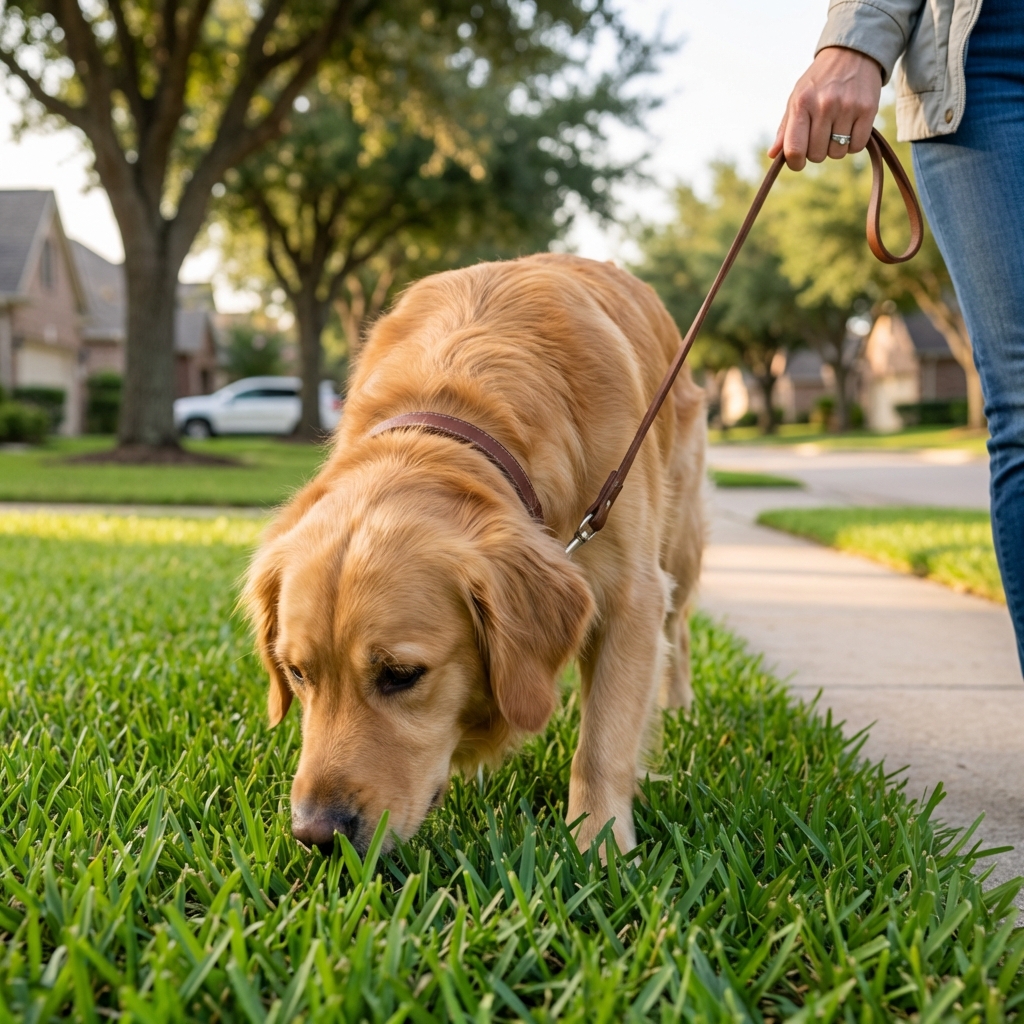
Signs to watch for
Some dogs make it obvious. Others are subtle and just seem uncomfortable or restless. Here are the most common signs pet parents notice:
- Urinating more frequently than usual
- Asking to go outside repeatedly or having accidents indoors
- Straining or taking a long time to urinate
- Producing only small amounts of urine
- Blood-tinged urine
- Strong-smelling urine
- Licking the genital area more than usual
- General discomfort, irritability, or restlessness
Important note: urine odor and darker-looking urine can happen for several reasons (including dehydration) and are not diagnostic by themselves. They are still worth mentioning to your vet, especially if they show up with frequent urination or straining.
Red flags: If your dog cannot pass urine at all, appears painful, vomits, becomes very lethargic, or you suspect a urinary blockage, treat it as an emergency. Urinary obstruction is especially concerning in male dogs.
What causes UTIs
A UTI is often the end result of bacteria getting where they should not be, but it helps to think in terms of “why did this happen now?”
Common factors
- Anatomy and hygiene: UTIs are often more common in female dogs due to anatomy. Overweight dogs and dogs with skin folds around the vulva can also be more prone to bacterial contamination.
- Bladder stones: Stones can irritate the bladder lining and create a place for bacteria to hide.
- Endocrine disease: Diabetes and Cushing’s disease can increase infection risk.
- Weakened immune defenses: Age, certain medications, or chronic illness can contribute.
- Incomplete bladder emptying: Neurologic issues, pain, or mobility problems can lead to urine retention, which makes infection more likely.
If your dog has repeat UTIs, the goal is not just “another antibiotic.” The real win is identifying what is driving the recurrence.
How vets diagnose a UTI
In clinic, we want to confirm whether bacteria are actually present and, when possible, choose the most targeted treatment. That starts with a urine sample.
Urine collection
- Cystocentesis: A sterile needle sample directly from the bladder. This is usually the cleanest sample for culture.
- Midstream catch: Collected while your dog urinates. Useful, but more easily contaminated by bacteria from the skin or lower urinary tract.
- Catheterization: Sometimes used, especially in certain cases. It can introduce irritation and may contaminate a sample compared with cystocentesis, so your vet will choose the best option for your dog.
Common tests
- Urinalysis: Checks for blood, white blood cells, protein, crystals, pH, and other clues.
- Urine culture and sensitivity: Grows bacteria (if present) and tests which antibiotics work best. This is especially important for recurrent UTIs, complicated cases, or if symptoms are not improving.
- Imaging: X-rays or ultrasound may be recommended if stones, tumors, or structural issues are suspected.
Evidence-based care matters here because urinary bacteria can be resistant. Culture-guided treatment helps avoid repeated trial-and-error antibiotics.
Treatment
Most uncomplicated UTIs are treated with an appropriate antibiotic and a plan for follow-up if needed. Your veterinarian may also recommend pain control if the bladder is inflamed and your dog is uncomfortable.
What to expect
- Antibiotics: Many uncomplicated infections are treated for about 7 to 14 days, but complicated infections may need longer. Your vet will tailor the plan to your dog and may adjust it based on culture results.
- Follow-up testing: A recheck urinalysis or culture is often recommended for recurrent or complicated UTIs, resistant bacteria, or dogs with underlying disease. For a first, straightforward UTI, your vet may not require a recheck if your dog fully improves, but always follow your clinic’s guidance.
- Addressing the underlying cause: Stones, endocrine disease, or anatomic issues need their own plan.
Please avoid using leftover antibiotics or sharing medication between pets. It can delay proper diagnosis and make resistance more likely.
Also avoid human OTC urinary pain medications unless your veterinarian specifically prescribes them. Some products used by people for painful urination are not safe for dogs.
Home care
Think of home care as supporting the bladder environment while your vet addresses the infection itself. These steps are simple but powerful.
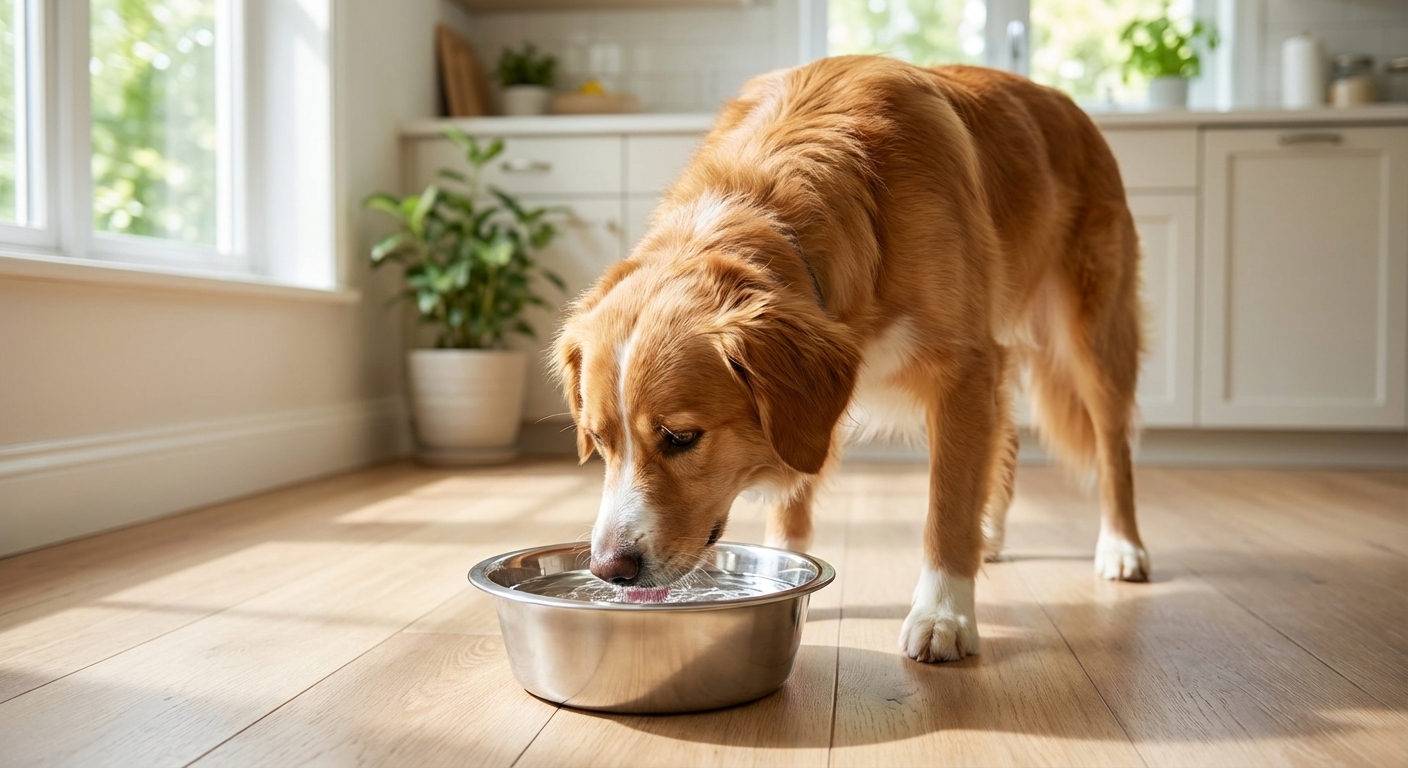
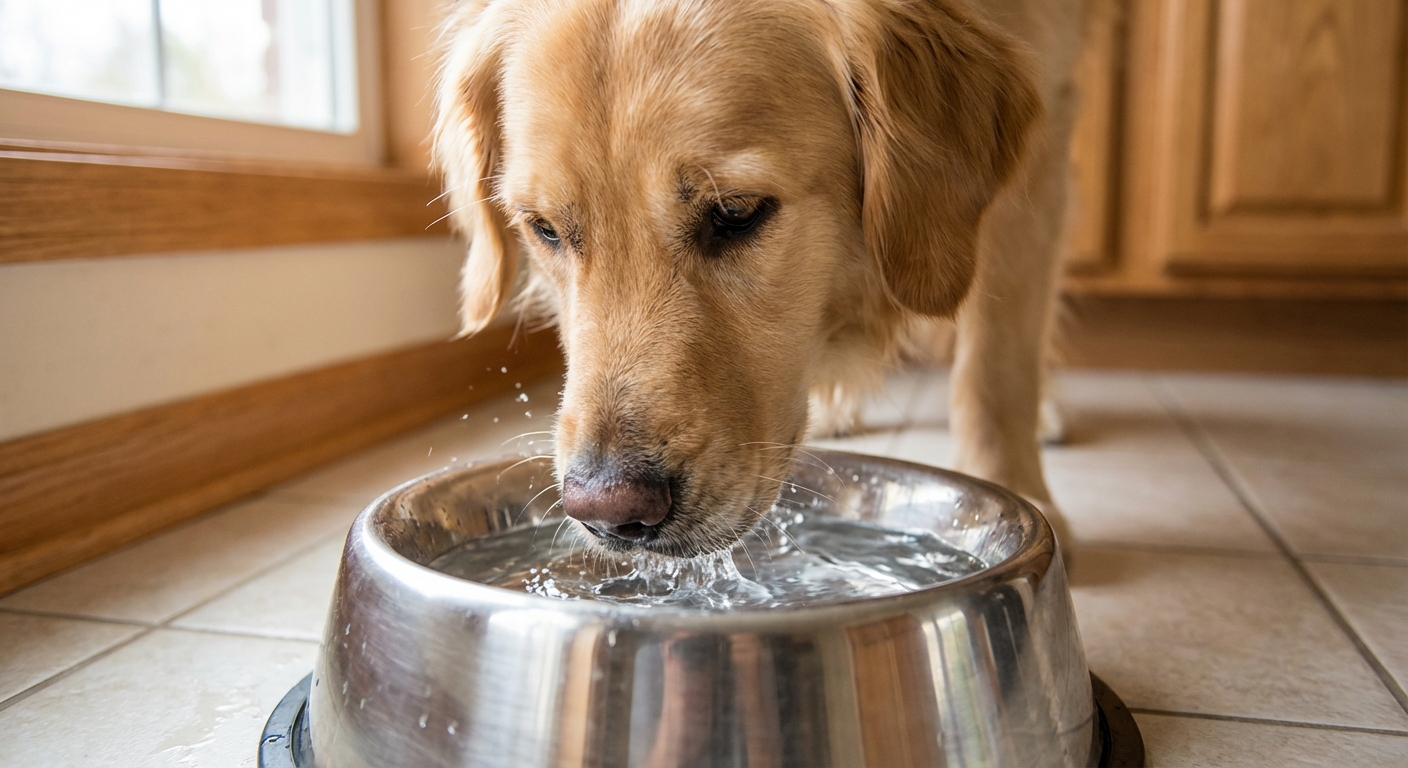
- Encourage water intake: More water helps flush the bladder. Offer fresh bowls, a pet fountain, or add a little water to meals.
- More frequent potty breaks: Holding urine can worsen discomfort and gives bacteria more time to multiply.
- Keep the area clean: For dogs prone to urine scald or with skin folds, gently cleaning and thoroughly drying can reduce contamination and skin irritation.
- Give meds exactly as prescribed: Same time daily helps. If your dog vomits a dose, call your vet for guidance.
If symptoms are not improving within 48 to 72 hours of starting antibiotics, or if they get worse, contact your veterinarian. That can be a clue that the diagnosis is different, the bacteria are resistant, or there is an underlying problem like stones.
Prevention
Some dogs get one UTI and never see another. Others get stuck in a frustrating cycle. Prevention starts with identifying patterns.
Practical steps
- Keep fresh water always available and support hydration with wet food or added water if appropriate.
- Maintain a healthy weight to reduce skin fold irritation and support mobility for normal urination.
- Regular grooming around the rear end, especially for long-haired breeds.
- Prompt attention to accidents or increased frequency so a small problem does not turn into a bigger one.
- Ask about stones if UTIs repeat. Your vet may recommend imaging and, if stones are present, diet changes or other interventions.
Cranberry, D-mannose, and supplements
Some supplements may help reduce bacterial attachment in certain situations, but they are not a replacement for diagnosis and antibiotics when an infection is present. If you are considering cranberry products, D-mannose, probiotics, or urinary support supplements, ask your veterinarian first, especially if your dog has a history of bladder stones.
Also, while cranberry and D-mannose are mostly discussed for their effects on bacterial adhesion, prescription urinary diets and some supplements can change urine pH and mineral balance. That can be helpful in the right situation and risky in the wrong one, so it is worth getting personalized guidance.
When to call the vet
It is always okay to call for guidance, but these situations need more urgent attention:
- Your dog cannot urinate, only dribbles, or seems “blocked”
- Repeated vomiting, severe lethargy, or fever
- Severe pain, hunched posture, or crying when trying to urinate
- Symptoms in a very young puppy or a senior dog with other health issues
- Recurring UTIs, especially more than two in a short timeframe
Trust your instincts. If your dog is straining and nothing is coming out, that is not a “watch and wait” moment.
The takeaway
Dog UTIs are common, treatable, and often preventable, but they are also easy to confuse with other urinary conditions. The best path is evidence-based: get a quality urine sample, treat appropriately, and investigate deeper if infections keep coming back.
If you are seeing early signs, do not feel guilty and do not wait too long. With prompt care, most dogs feel relief quickly and bounce right back to their normal, happy selves.
One quick note for multi-pet homes: urinary issues in cats can look similar, but the causes and urgency can be different. This article is dog-specific, so check with your vet if your cat is showing urinary signs.