Dog UTI symptoms can mimic stones or other issues. Learn the full treatment plan: urinalysis and culture, correct antibiotics, pain control, hydration, home ...
Article
•
Designer Mixes
Dog UTI Symptoms: Wellness Tips & Advice

Shari Shidate
Designer Mixes contributor
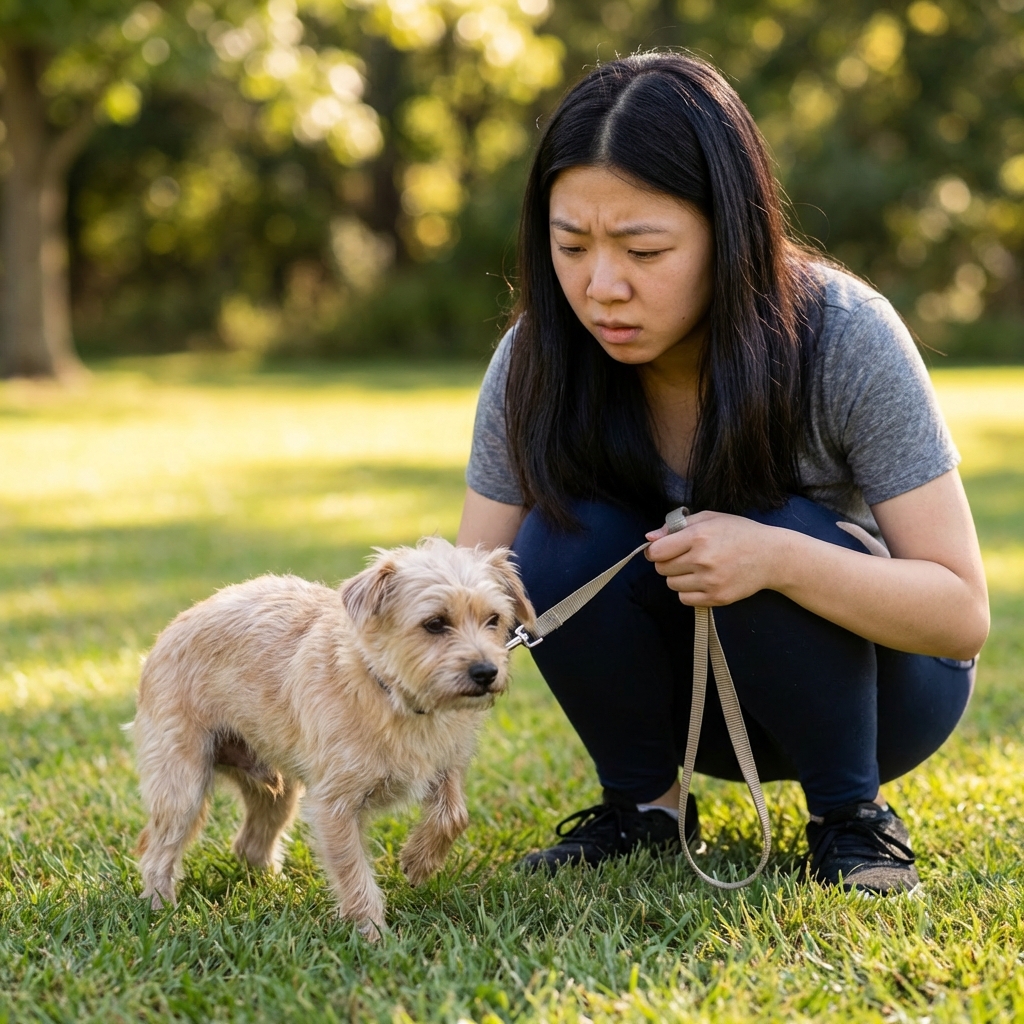
If your dog suddenly needs to pee more often, has accidents in the house, or seems uncomfortable when urinating, you might be dealing with a urinary tract infection (UTI). UTIs are relatively common, treatable, and easy to miss at first because the earliest signs can look like “behavior issues,” especially in female dogs and in dogs with underlying health conditions.
As a veterinary assistant in Frisco, Texas, I have seen how quickly dogs feel better once the cause is identified and treated. The key is recognizing the symptoms early and knowing when it is time to call your vet.
Quick note: This article is for education and is not a substitute for veterinary diagnosis or treatment.
What a UTI is (and what it is not)
A UTI is most often a bacterial infection in the lower urinary tract, usually the bladder. When bacteria irritate the bladder lining, dogs feel like they need to urinate more frequently, even when little comes out.
Less commonly, infections can involve the upper urinary tract (kidneys). These cases can be more serious and may come with more “whole body” signs like fever, vomiting, or marked lethargy.
Important: not every urinary problem is a UTI. Similar symptoms can be caused by bladder stones, prostate disease (in males), tumors, anatomical issues, or inflammation without infection (sterile or idiopathic cystitis). Sterile cystitis is less common in dogs than in cats, but it can happen. That is why testing matters.
Common dog UTI symptoms
Dogs cannot tell us “it burns,” so we watch their body language and bathroom habits. The most common signs include:
- Frequent urination or asking to go out more often
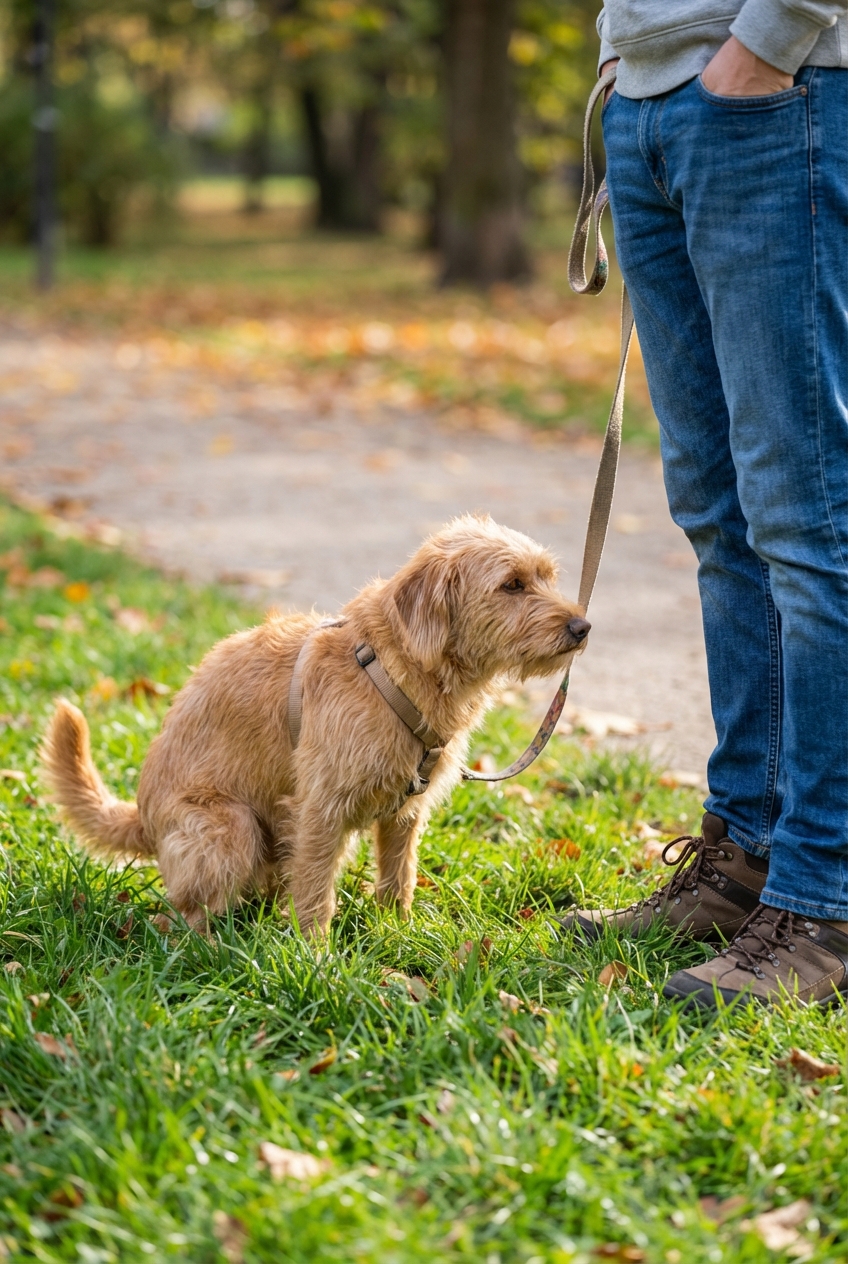
- Straining to pee or taking a long time to squat or posture
- Small amounts of urine each trip
- Accidents in the house in a previously house-trained dog
- Blood in the urine (pink, red, or rust-colored urine)
- Strong or unusual urine odor
- Licking the genital area more than usual
- Discomfort such as whining, restlessness, or avoiding squatting
- Cloudy urine (sometimes noticeable on a light surface or snow)
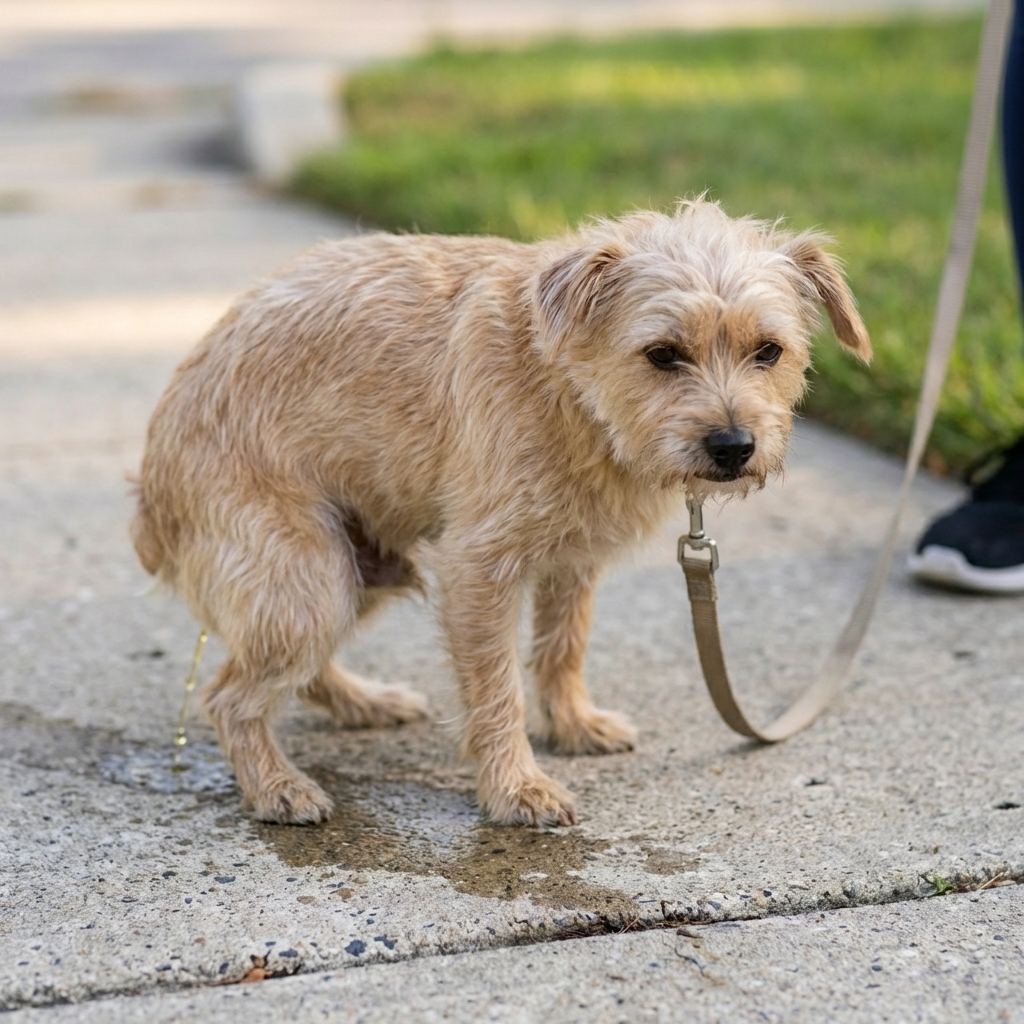
Some dogs also seem “off” overall, with reduced appetite or lower energy, especially if the infection is more advanced or involves the kidneys.
Not always a UTI: look-alikes
Many owners understandably see “more peeing” and assume infection, but the pattern matters.
- Frequent small pees plus straining or discomfort often points toward bladder irritation (UTI, crystals, stones, or inflammation).
- Large amounts of urine and increased thirst (drinking more than usual) can point toward issues like diabetes, kidney disease, Cushing’s disease, or certain medications.
- Dribbling urine or leaking while resting can be urinary incontinence rather than infection, although some dogs can have both.
If you are unsure which pattern you are seeing, that is a great reason to call your vet and bring a few notes about water intake and bathroom frequency.
Emergency signs: get care now
Some urinary signs can indicate a blockage or a serious infection that should not wait. Contact an emergency vet immediately if your dog:
- Cannot urinate or only produces a few drops despite repeated attempts
- Has a bloated or painful abdomen
- Is vomiting, extremely lethargic, or collapses
- Has fever or seems very painful
- Is a male dog straining to urinate (higher concern for obstruction)
A urinary blockage is life-threatening and requires immediate treatment. While it is more common for male dogs to obstruct, females can obstruct too (for example from stones, clots, tumors, or severe inflammation). If any dog cannot pass urine, treat it as an emergency.
Why UTIs happen (risk factors)
UTIs often occur when bacteria from the skin or GI tract travel up into the urethra and bladder. Some dogs are more prone than others. Common risk factors include:
- Female anatomy (shorter urethra can make bacterial ascent easier)
- Older age
- Diabetes (sugar in urine can encourage bacterial growth)
- Cushing’s disease or immune suppression
- Bladder stones or crystals that irritate the bladder
- Incomplete bladder emptying (neurologic issues, pain, arthritis)
- Vulvar skin folds or conformation issues that trap moisture
How vets diagnose a UTI
Diagnosis is typically straightforward, but it needs good data. Your vet may recommend:
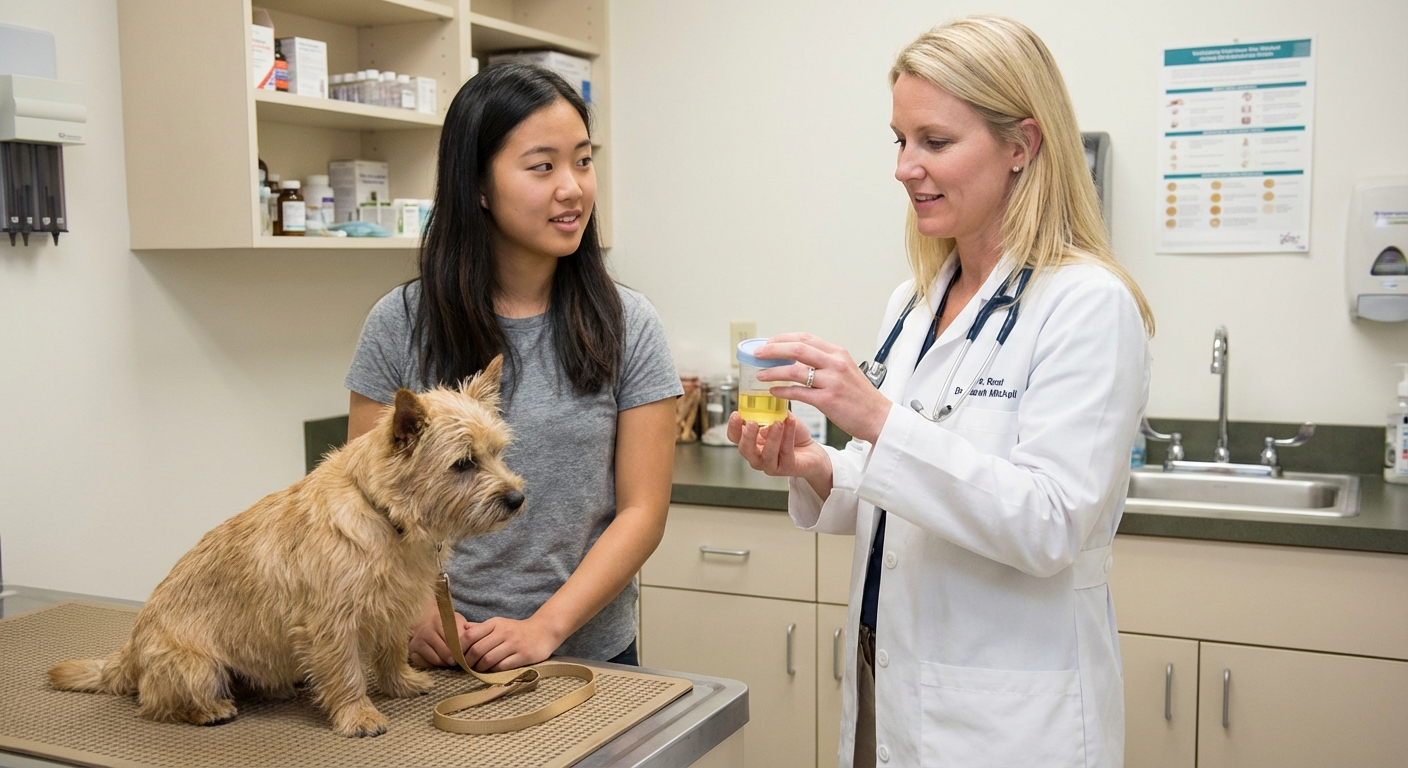
- Urinalysis to check for blood, white cells, bacteria, urine concentration, crystals, and pH
- Urine culture and sensitivity to identify the exact bacteria and the best antibiotic, especially for recurrent UTIs
- Imaging (X-ray or ultrasound) if stones, anatomical issues, or chronic infections are suspected
How the urine sample is collected matters. A free-catch sample (caught midstream) can be helpful, but it is easier to contaminate. Many clinics prefer a sterile urine sample collected by cystocentesis (a needle into the bladder) when possible. This reduces contamination and helps avoid confusing results.
Comfort tips while you wait
These steps are safe and supportive for most dogs, and they can make your dog more comfortable while you get veterinary guidance:
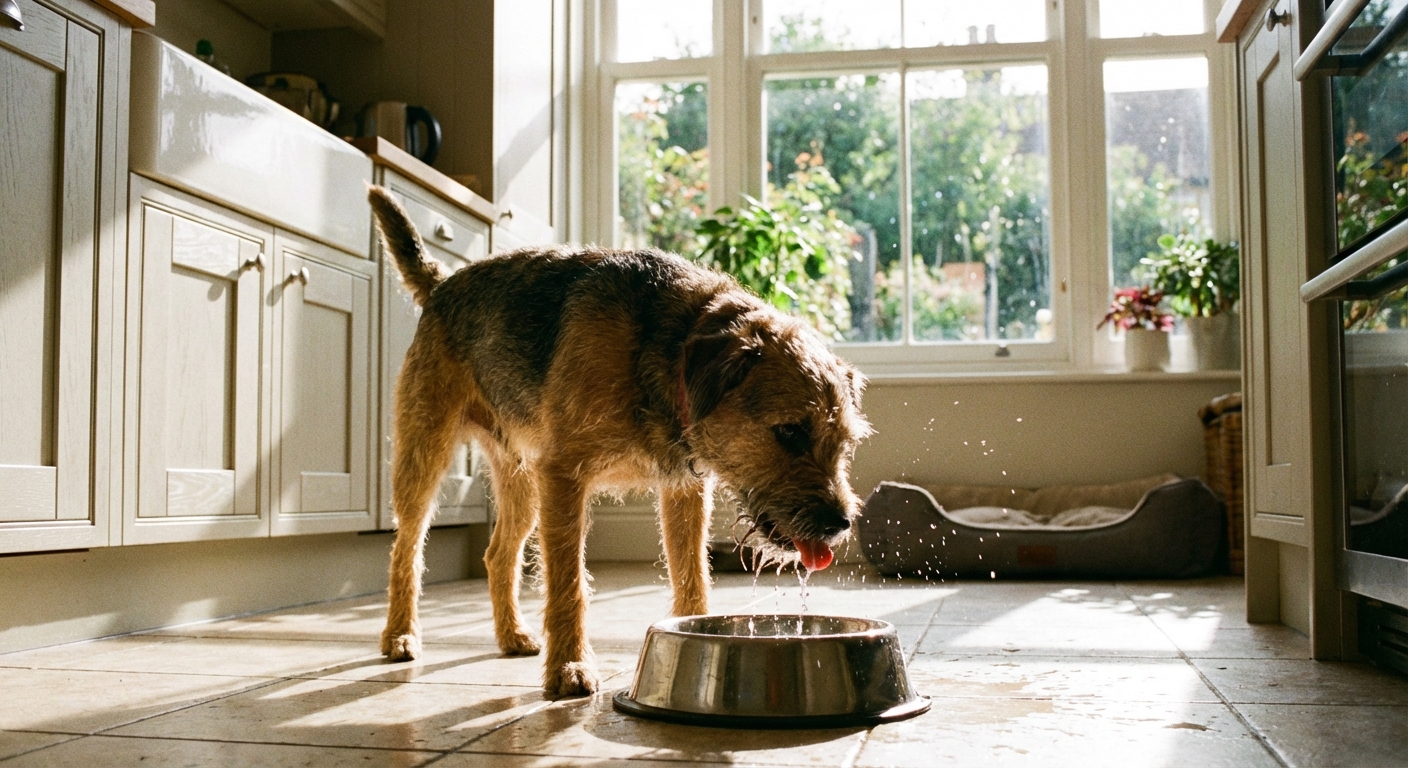
- Increase water intake: offer fresh bowls in multiple spots, add water to meals, or offer low-sodium broth (check ingredients and avoid onion and excess salt).
- More potty breaks: frequent trips can reduce bladder pressure and help prevent accidents.
- Keep the area clean: gently wipe the vulva or prepuce area after potty breaks if your dog has discharge or is licking frequently.
- Track symptoms: note how often your dog urinates, whether it is small or large amounts, if there is blood, and whether straining is worsening.
Avoid giving leftover antibiotics or human medications. Inappropriate antibiotics can make future infections harder to treat, and some human meds are unsafe for dogs.
Also avoid over-the-counter pain relievers unless your veterinarian specifically instructs you. Common human options like ibuprofen, naproxen, and acetaminophen can be dangerous for dogs.
Nutrition and hydration support
Food will not “cure” a UTI, but good daily habits can support urinary health and reduce recurrence risk once your dog is stable and treated.
Hydration helps support the bladder
More water usually means more dilute urine and more frequent urination, which can help flush irritants. This does not replace antibiotics when there is an infection, but it can support comfort and urinary tract health. For some dogs, switching from dry kibble to adding moisture (or using wet food) can make a meaningful difference in daily hydration.
Do not change urine pH without guidance
Online advice often suggests cranberry, apple cider vinegar, or “urine acidifiers.” These are not right for every dog. Some bladder stone and crystal types can worsen with the wrong urinary pH strategy.
Also, cranberry is not a reliable way to acidify urine. It is sometimes discussed for potential anti-adhesion effects (making it harder for some bacteria to stick), but results are mixed and it is not a stand-alone treatment. If you want to use cranberry or a urinary supplement, ask your vet after urinalysis results.
Support seniors who struggle to squat
If your older dog has arthritis, squatting can hurt, and they may avoid fully emptying the bladder. A ramp, nonslip flooring, and pain management with your vet can indirectly support urinary health.
Treatment: what to expect
Most uncomplicated UTIs are treated with a vet-prescribed antibiotic and sometimes pain relief or anti-inflammatory support. Many dogs start to feel noticeably better within 24 to 48 hours of the right treatment, but that does not mean the infection is fully gone.
Your vet may recommend a recheck urinalysis or culture, especially if:
- Symptoms return quickly
- Your dog has frequent UTIs
- The first antibiotic did not fully resolve symptoms
- Your dog has underlying conditions like diabetes
Even if your dog seems better after a day or two, finish all prescribed medication unless your veterinarian tells you otherwise.
Preventing repeat UTIs
Some dogs get a single UTI and never have another. Others need a longer-term plan. These prevention habits are simple, and they work well alongside your veterinarian’s guidance:
- Maintain a healthy weight to reduce inflammation and improve mobility
- Offer regular potty breaks, especially for dogs who stay crated or home alone for long periods
- Prioritize hydration daily, not just during illness
- Groom and clean around the genital area if your dog has longer hair or skin folds
- Address underlying issues like stones, diabetes, or hormonal disease with your vet
- Ask about culture testing for repeat infections to reduce antibiotic resistance risk
Quick checklist
If you are unsure, this simple checklist helps you decide your next step.
- Likely needs a vet visit soon: frequent small urination, accidents, licking, strong odor, mild discomfort
- Go today if possible: blood in urine, significant straining, crying when urinating, symptoms lasting more than 24 to 48 hours
- Emergency: cannot urinate (any dog), vomiting, collapse, severe lethargy, painful belly
When a dog’s bathroom habits change suddenly, it is almost never “spite.” It is communication. Trust the pattern, and let your vet help you confirm the cause.
One last supportive note
UTIs can feel stressful because the signs are messy and disruptive, but the outlook is usually excellent when treated promptly. If you suspect a UTI, focus on hydration, frequent potty breaks, and getting a proper urine test. You will be doing the most important thing: advocating for your dog’s comfort and long-term wellness.