Dog UTI symptoms can mimic stones or other issues. Learn the full treatment plan: urinalysis and culture, correct antibiotics, pain control, hydration, home ...
Article
•
Designer Mixes
Dog UTI Symptoms and Home Care

Shari Shidate
Designer Mixes contributor
If your dog suddenly starts asking to go outside more often, has accidents in the house, or seems uncomfortable when they pee, a urinary tract infection (UTI) may be the reason. UTIs are relatively common, treatable, and they are also easy to miss at first. The key is knowing the early signs, offering safe support at home, and recognizing when it is time to get your veterinarian involved.
What a UTI is (and what it is not)
A UTI is an infection in the urinary tract. In dogs, most UTIs involve the lower urinary tract, especially the bladder (cystitis). Bacteria are the most common cause, but UTIs can also be linked to underlying issues like bladder stones, diabetes , anatomic changes, immune suppression (including certain medications), or (in male dogs especially) prostate problems. In some cases, infection can travel upward and involve the kidneys (pyelonephritis).
It is also important to know that UTI symptoms can look like other conditions that need different treatment, including:
- Bladder stones (can cause blood in urine and straining)
- Urinary blockage (an emergency, especially in male dogs)
- Vaginitis in female dogs (can cause licking and discharge)
- Incontinence (leaking urine without signs of pain)
That is why a vet diagnosis matters. “Looks like a UTI” and “is a UTI” are not always the same thing.
Dog UTI symptoms to watch for
Dogs cannot tell us what hurts, so we have to read the clues. Common UTI symptoms include:
- Frequent urination or asking to go outside more than usual
- Small amounts of urine each time
- Straining or seeming uncomfortable while urinating
- Accidents in a previously house-trained dog
- Blood in urine (pink, red, or tea-colored)
- Strong or unusual urine odor (possible, but not specific)
- Excessive licking of the genital area
- Restlessness, mild lethargy, or acting “off”
More serious signs can mean the infection has moved upward (toward the kidneys) or that something else is going on:
- Fever
- Vomiting
- Back or belly pain
- Not eating

When to see a vet (and when it is urgent)
Contact your vet the same day if:
- Your dog has typical UTI symptoms (frequent urination, straining, licking)
- Symptoms last more than a day
- You see blood in the urine
- Your dog has repeat UTIs or a history of bladder stones
- Your dog is a puppy, senior, pregnant, or immunocompromised
Go to an emergency vet now if:
- Your dog is straining but producing little to no urine (possible urinary obstruction)
- Your dog seems in significant pain, has a swollen belly, or is crying out
- There is repeated vomiting, collapse, or severe lethargy
- You suspect toxin exposure or trauma
As a veterinary assistant, one of the most urgent patterns we see is a dog that keeps posturing to pee but cannot pass urine. That can become life-threatening quickly, especially in male dogs.
How vets diagnose a UTI
The gold standard starts with a urine sample. Your veterinarian may recommend:
- Urinalysis: checks for bacteria, blood, white blood cells, crystals, and urine concentration
- Urine culture and sensitivity: identifies the exact bacteria and the best antibiotic
- Imaging (x-rays or ultrasound): if stones, tumors, or anatomy concerns are suspected
- Bloodwork: if kidney involvement or systemic illness is a concern
For cultures, many vets prefer a sterile collection method (often cystocentesis) to reduce contamination and improve accuracy.
You may also see crystals reported on a urinalysis. Crystals do not automatically mean a dog has stones, and results need to be interpreted alongside symptoms and, when needed, imaging.
Many dogs feel better quickly once the right antibiotic is started, but finishing the full prescription is important even if symptoms improve. Treatment length varies based on whether the infection is uncomplicated or complicated, and your vet may recommend a follow-up urinalysis or culture, especially for recurrent cases.
Safe home care (what you can do today)
Home care can support comfort and hydration, but it should not replace veterinary treatment when infection is present. Think of these as supportive measures, not cures.
1) Encourage more water intake
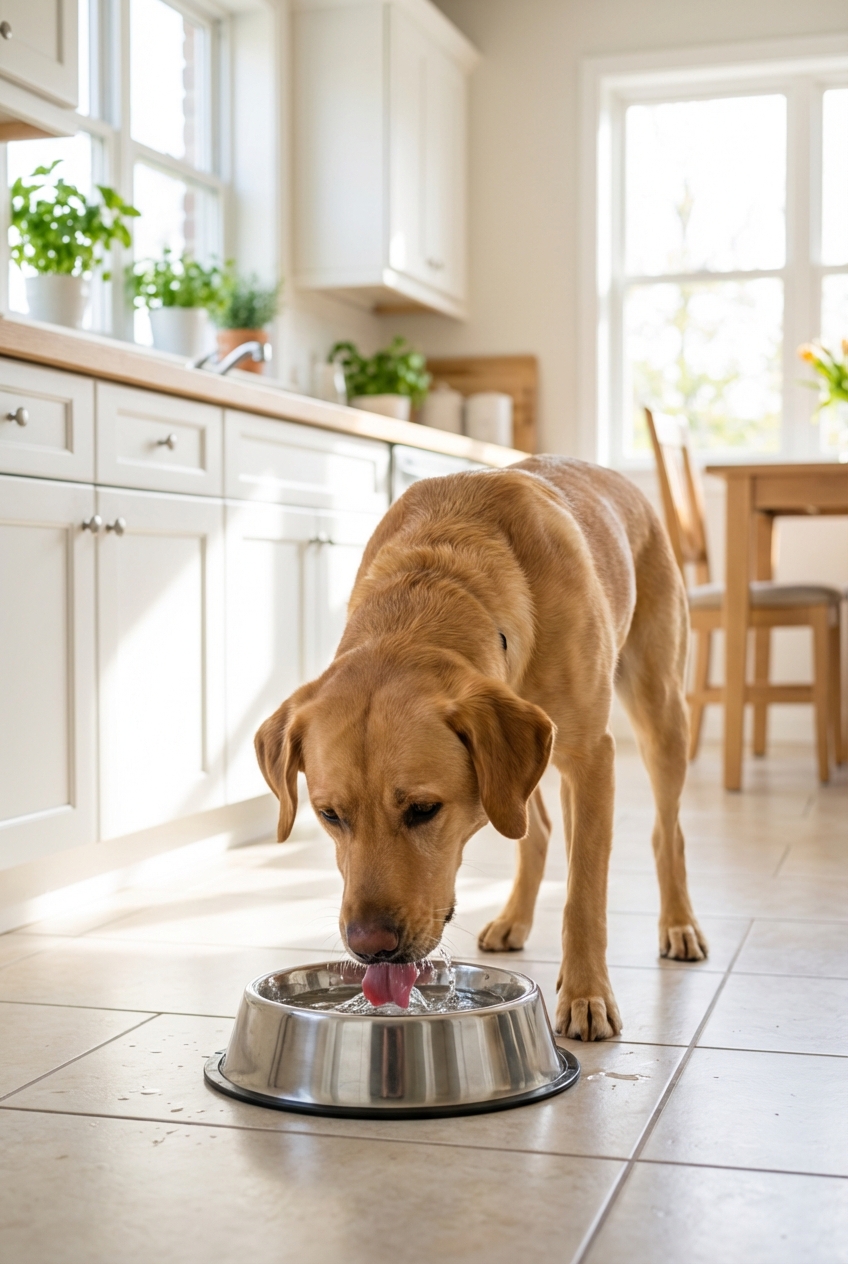
More water helps dilute urine and may reduce irritation.
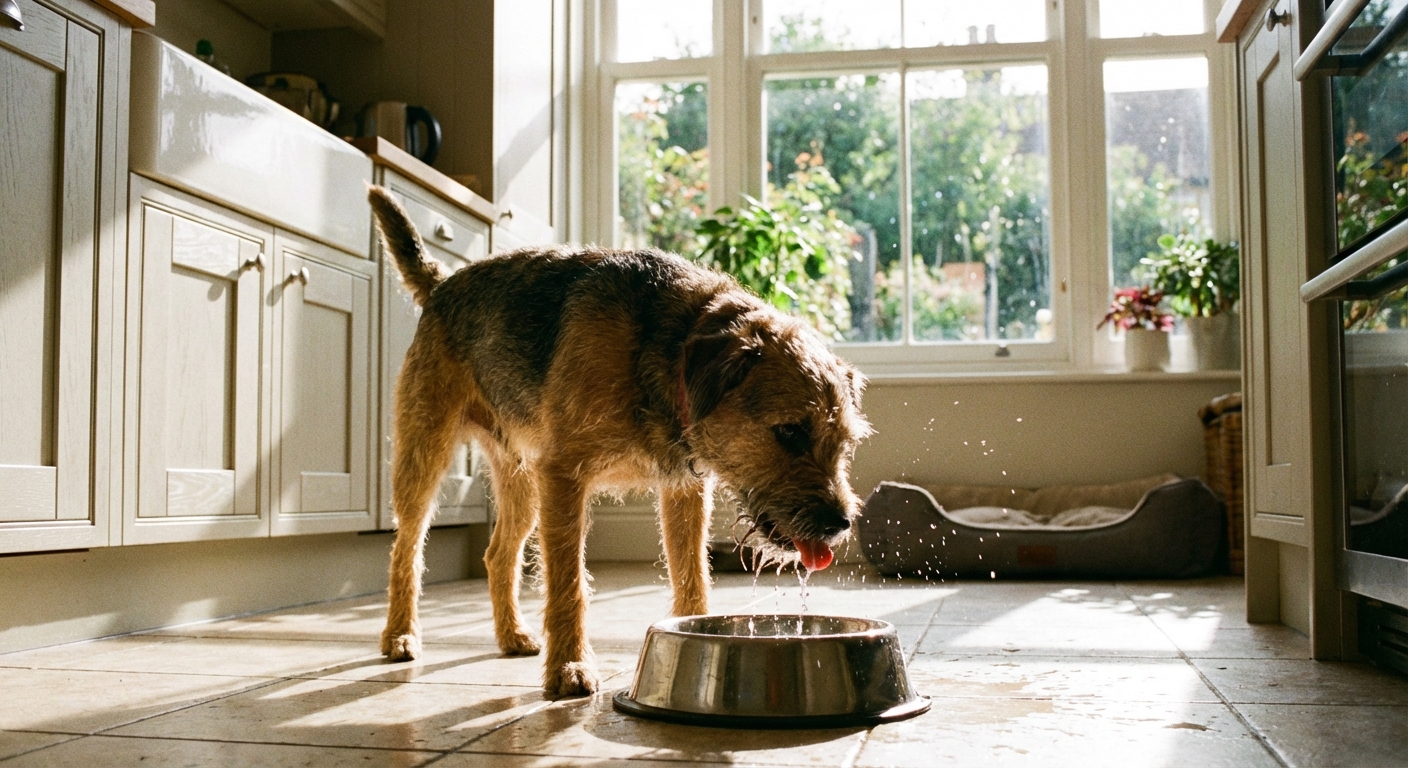
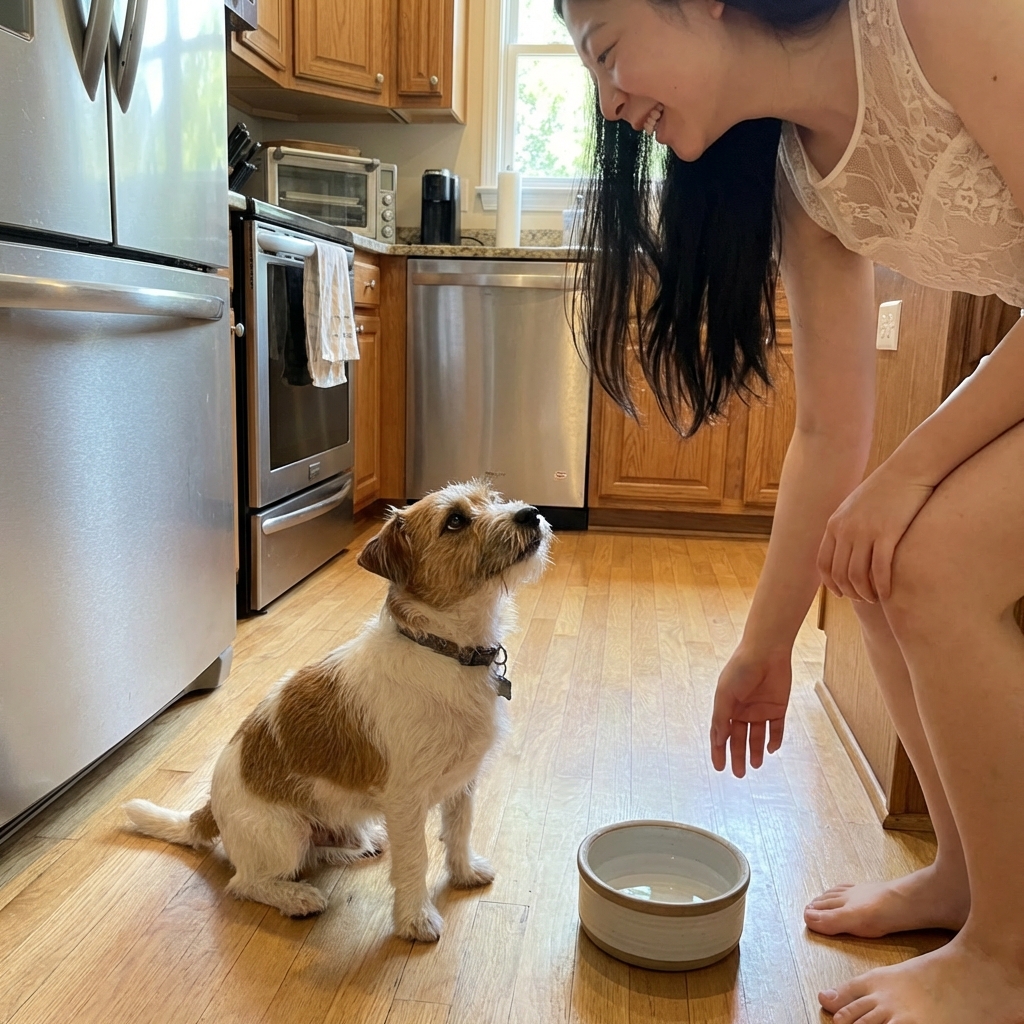
- Offer fresh water in multiple bowls around the home
- Add a second bowl in your dog’s favorite room
- Try a pet fountain if your dog likes running water
- Ask your vet if adding low-sodium broth to water is appropriate for your dog
2) Add moisture to meals
If your dog eats kibble, adding water can help overall hydration.
- Mix warm water into kibble and let it soften
- Consider a vet-approved canned diet if hydration is a struggle
3) Increase potty breaks
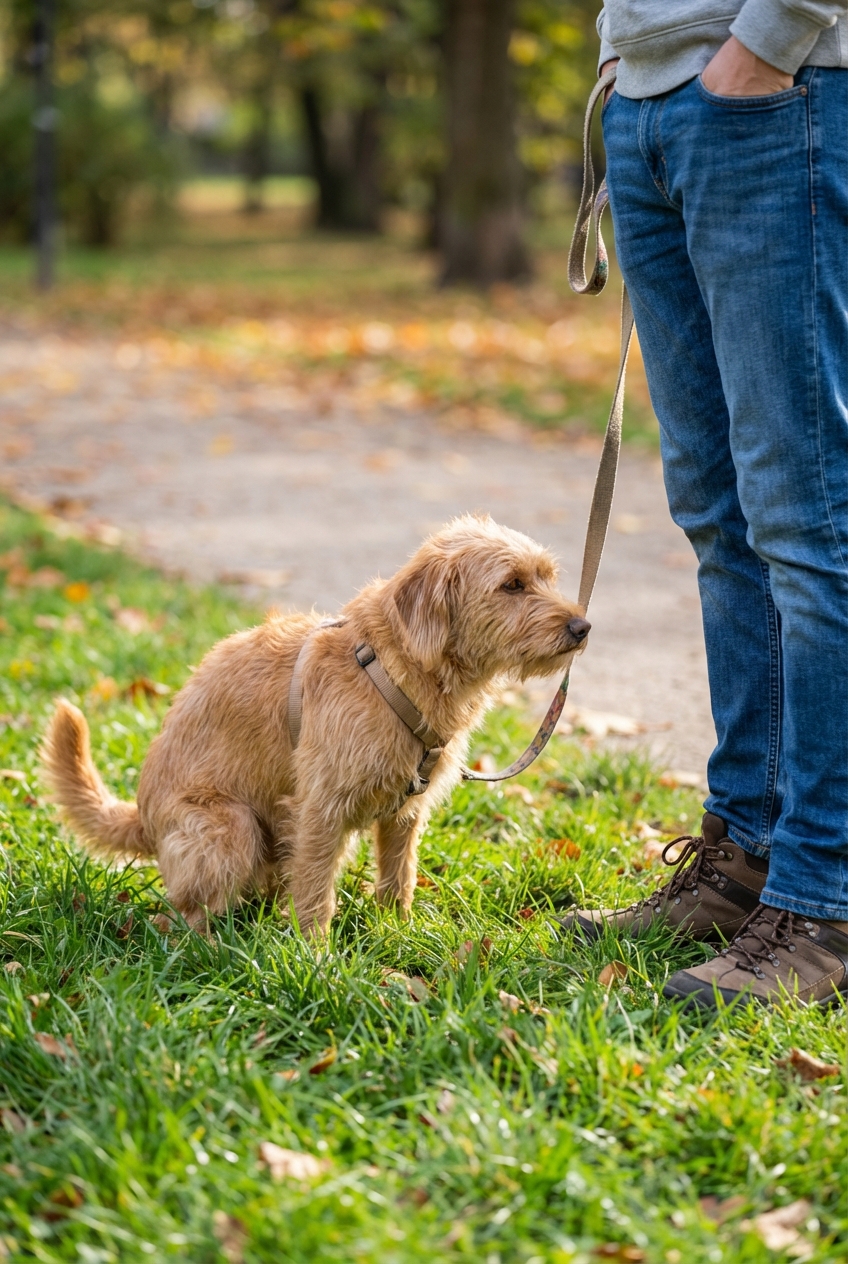
Holding urine can worsen bladder irritation. Take your dog out more often, even if it is just a short break. If accidents are happening, remember your dog is not being “bad.” They may truly not be able to hold it.
4) Keep the genital area clean and dry
For dogs that are licking a lot or have dribbling urine, gently wipe with a soft, damp cloth and pat dry. Avoid scented wipes or harsh soaps.
5) Ask your vet about cranberry products (do not guess)
Cranberry may help reduce bacterial adherence in some situations, but evidence is mixed, dosing matters, and it is not ideal for every dog. It can also be a poor choice for dogs prone to certain types of urinary crystals or stones. If you want to try it, ask your vet for a product and dose.
What to avoid at home
- Do not give leftover antibiotics. Wrong drug or dose can worsen resistance and delay proper treatment.
- Do not give human pain medications like ibuprofen, naproxen, or acetaminophen unless your vet specifically instructs you. These can be dangerous or fatal to dogs.
- Do not rely on apple cider vinegar or essential oils to “kill bacteria.” These are not proven UTI treatments and can irritate the stomach or urinary tract.
- Do not delay care if your dog is straining, bleeding, or seems unwell.
Food tips for urinary health
Food cannot treat an active infection on its own, but nutrition can support a healthier urinary tract over time, especially if UTIs are recurrent.
Focus on hydration first
Urine concentration matters. For many dogs, simply increasing water and moisture in food can be a game changer.
Choose simple, balanced foods
If you cook for your dog or add fresh toppers, keep it simple and gentle on the stomach. Lean, cooked proteins and dog-safe vegetables can support overall wellness. If your dog has bladder stones or crystals, always follow your veterinarian’s diet recommendations because some stone types require very specific nutrition.
Consider probiotics with your vet’s guidance
There is growing interest in the gut and urinary microbiome connection. Probiotics may be helpful for some dogs, especially those who need repeated antibiotics, but product quality matters. Ask your vet for a reliable brand and dose.
Why UTIs keep coming back
One UTI can happen to any dog. Repeat UTIs usually mean something deeper is contributing. UTIs are also more common in female dogs, and risk can be higher in dogs with hormone disorders or dogs taking immunosuppressive medications.
Common causes of recurrent or complicated UTIs include:
- Bladder stones or crystals
- Inadequate antibiotic choice or duration (culture can help)
- Anatomy issues or recessed vulva in some female dogs
- Diabetes or endocrine disease
- Cushing’s disease
- Prostate disease in male dogs
- Chronic cystitis (ongoing bladder inflammation, infectious or noninfectious)
If your dog has two or more UTIs in a short period, ask your vet about a urine culture, imaging, and a plan to address root causes.
Quick checklist for pet parents
- Watch for: frequent urination, straining, accidents, blood, licking
- Support at home: more water, more potty breaks, keep clean, add moisture to meals
- Call your vet: the same day for possible UTI symptoms
- Emergency: straining with little or no urine, vomiting, collapse, severe pain
You know your dog best. If something feels off, trust that instinct and get help. UTIs are very manageable, and the sooner you address them, the faster your dog can get back to feeling comfortable again.