Dog UTI symptoms can mimic stones or other issues. Learn the full treatment plan: urinalysis and culture, correct antibiotics, pain control, hydration, home ...
Article
•
Designer Mixes
Dog UTI Symptoms

Shari Shidate
Designer Mixes contributor
If your dog suddenly needs to pee more often, seems uncomfortable, or has an “accident” in the house, a urinary tract infection (UTI) is one possible cause. UTIs are fairly common and usually treatable, but they can make your pup miserable. The tricky part is that the symptoms can look like several other urinary problems, some of which are more urgent than a simple bladder infection.
As a veterinary assistant in Frisco, Texas, I’ve seen how much faster dogs feel better when families notice the signs early and get a urine test right away. This overview will help you recognize common UTI symptoms, understand what else could be going on, and know when it’s time to call your vet today.
What a UTI is (and what it is not)
A UTI usually means bacteria have moved up the urinary tract, most often into the bladder. The bladder becomes inflamed, which causes urgency, discomfort, and sometimes blood in the urine.
Here’s the important nuance: many dogs have lower urinary tract signs that look like a UTI, but are caused by other issues such as bladder stones, prostate disease, urinary tract tumors, or sterile inflammation. That’s why urine testing matters so much.
UTI vs. bladder inflammation
In dogs, true bacterial UTIs are fairly common, especially in females, seniors, dogs with endocrine disease (like diabetes or Cushing’s), and dogs on certain medications that suppress immunity. But inflammation can also happen without infection. Your veterinarian will sort this out with urinalysis and often a urine culture.
Common symptoms of a dog UTI
These are the most reliable signs pet parents notice at home. Some are subtle at first, so trust your instincts if your dog “just isn’t acting right” around potty time.
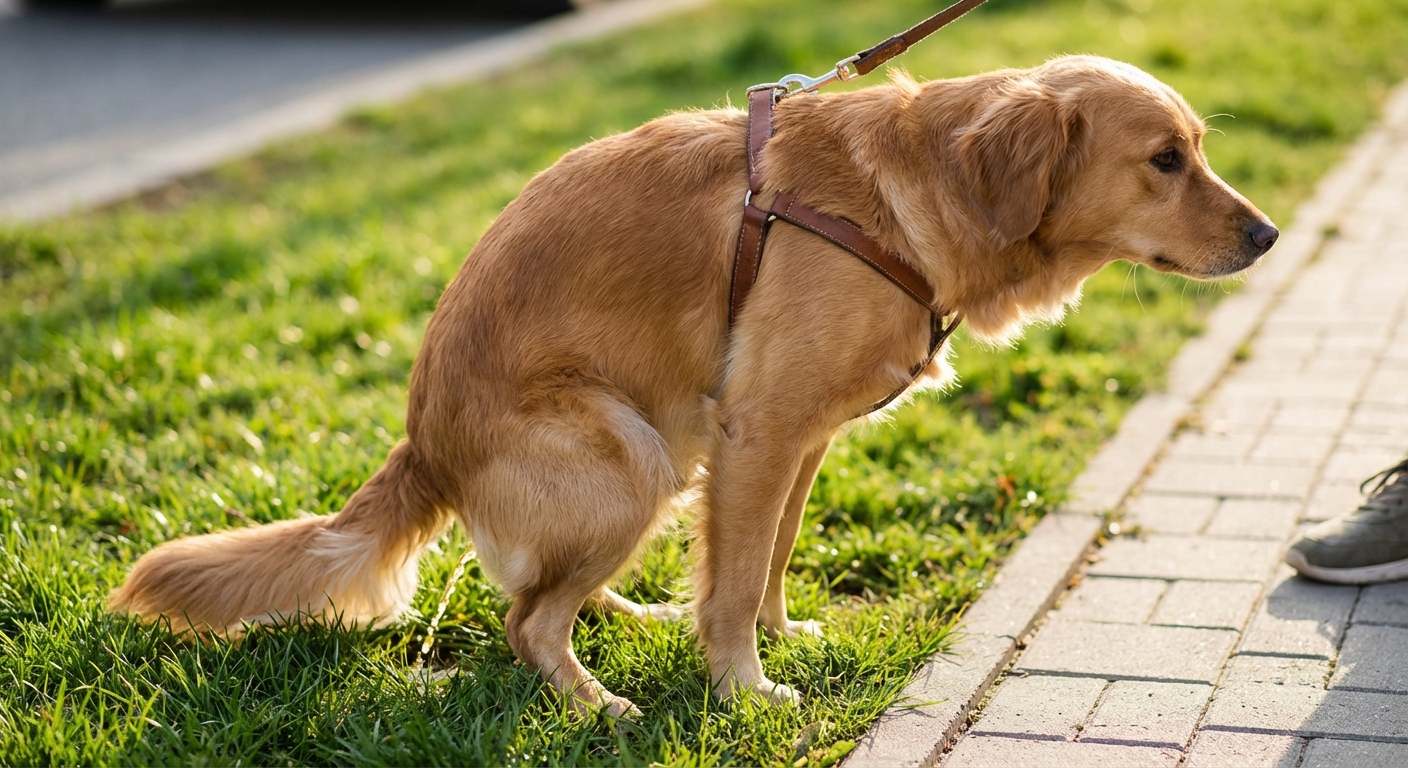
- Frequent urination: Asking to go out more often, taking more potty breaks on walks, or needing to stop repeatedly.
- Urgency: Squatting quickly, seeming like they cannot hold it, or racing to the door.
- Straining to urinate (dysuria): Taking longer to start a stream, appearing uncomfortable, or squatting with little output.
- Small amounts of urine: Dribbling or producing only a few drops at a time.
- Blood in the urine: Pink, red, or tea-colored urine. Sometimes you will see a small smear of blood where they squatted.
- Accidents in the house: Especially in a previously house-trained dog.
- Licking the genital area more than usual: Often a response to irritation.
- Strong or unusual urine odor: Not diagnostic by itself. Odor can also change with concentration, diet, or dehydration, so use it as a clue only when combined with other symptoms.
Possible whole-body symptoms
Uncomplicated UTIs often stay localized to the bladder, so many dogs still eat and play normally. But if infection moves upward toward the kidneys or your dog is systemically ill, you may see:
- Fever
- Low energy
- Reduced appetite
- Vomiting
- Back or abdominal pain
These signs are more concerning and should prompt a same-day veterinary call.
Symptoms that look like a UTI
This is where I want you to be cautious. A dog can show UTI-like symptoms and not have a simple infection. These are common look-alikes your vet will consider.
Urinary blockage (emergency)
If your dog is straining and not producing urine, treat it like an emergency. In male dogs especially, a blockage can occur from stones, plugs, or severe inflammation. A blockage can become life-threatening quickly, sometimes within hours.
- Repeated squatting with little to no urine
- Crying out, restlessness, or severe discomfort
- Distended abdomen
- Vomiting, collapse, weakness
Bladder stones (uroliths)
Stones can cause frequent urination, blood, and straining. Some dogs get recurring “UTIs” that are actually driven by stones or crystals. Imaging (X-ray or ultrasound) is often needed.
Prostate disease (male dogs)
Intact males can develop prostatic enlargement or infection that causes straining, blood, and urinary discomfort. Sometimes you will also notice a stiff gait or difficulty defecating.
Vaginitis or vulvar irritation (female dogs)
Skin irritation, allergies, or anatomical issues can cause licking and discomfort that looks urinary, even if the bladder is normal.
Incontinence
Some dogs leak urine while sleeping or resting, especially spayed females. This is not the same as a UTI, although UTIs can happen alongside incontinence.
Big-volume peeing from other causes
Not all “peeing more” is bladder-related. If your dog is making large puddles, drinking more, or waking you up overnight to pee, your vet may also want to rule out issues like diabetes, Cushing’s disease, kidney disease, or certain medications. This pattern is different from frequent small urinations caused by bladder irritation.
When to call the vet
Call your vet within 24 hours if you notice:
- New frequent urination or urgency
- House accidents in a trained dog
- Straining with small amounts of urine
- Blood-tinged urine but your dog is otherwise stable
Go to an emergency clinic now if:
- Your dog cannot pass urine or only produces a few drops after repeated attempts
- Vomiting, weakness, collapse, or severe pain occurs
- A male dog is persistently straining and uncomfortable
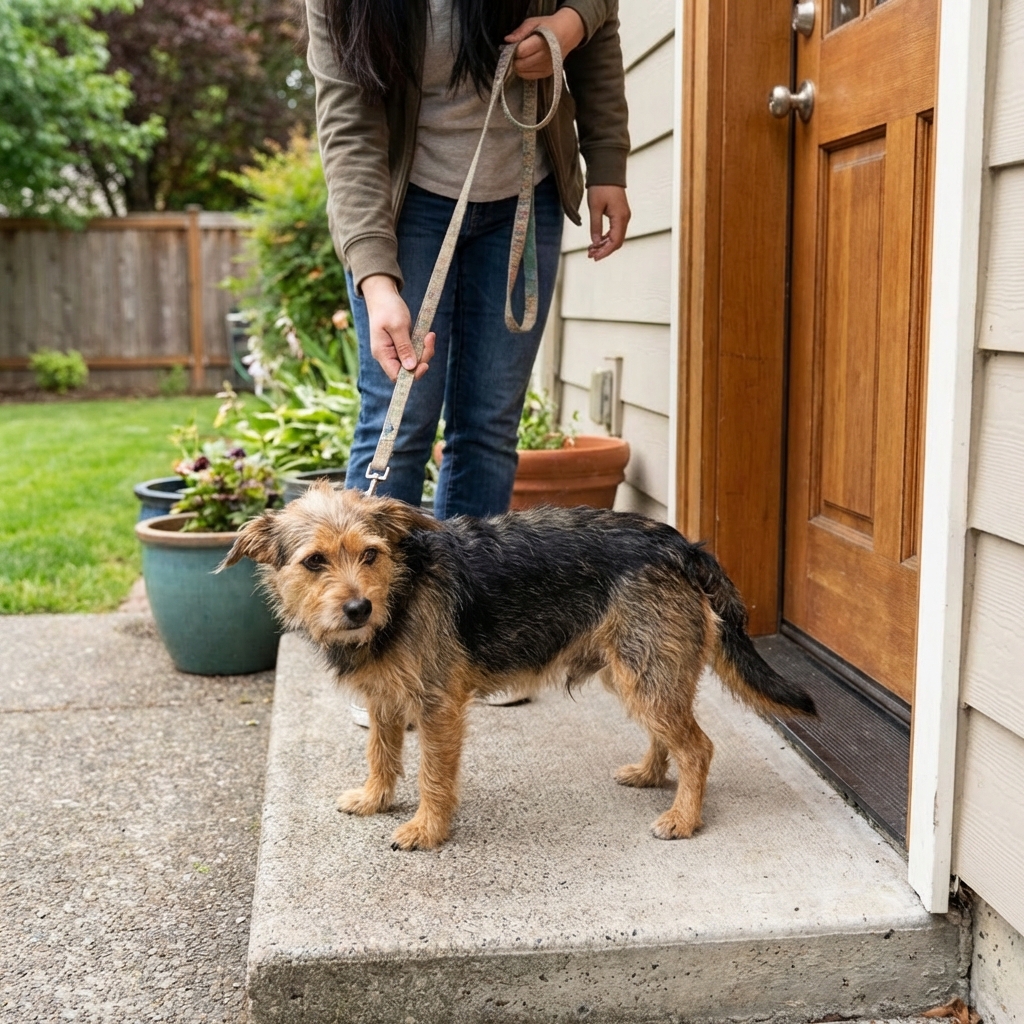
If you are unsure whether urine is actually coming out, walk your dog on a leash and look for a visible stream. Repeated squatting with no stream is a red flag. If you cannot tell, do not delay. Call a veterinary clinic or emergency hospital for guidance.
How vets diagnose a UTI
Because symptoms overlap with other urinary issues, vets do not diagnose UTIs based on symptoms alone. Testing the urine is key.
Urinalysis
A urinalysis checks for signs like white blood cells, blood, protein, urine concentration, crystals, and bacteria. This helps determine whether infection is likely and whether the urine is too dilute or overly concentrated.
Urine culture and sensitivity
If you want to be precise, a quantitative urine culture is the diagnostic gold standard for confirming a bacterial UTI and identifying which antibiotics are most effective.
This is especially important for:
- Recurring urinary symptoms
- Dogs with other diseases (diabetes, Cushing’s)
- Dogs that did not respond to initial antibiotics
- Suspicion of resistant bacteria
How the sample is collected
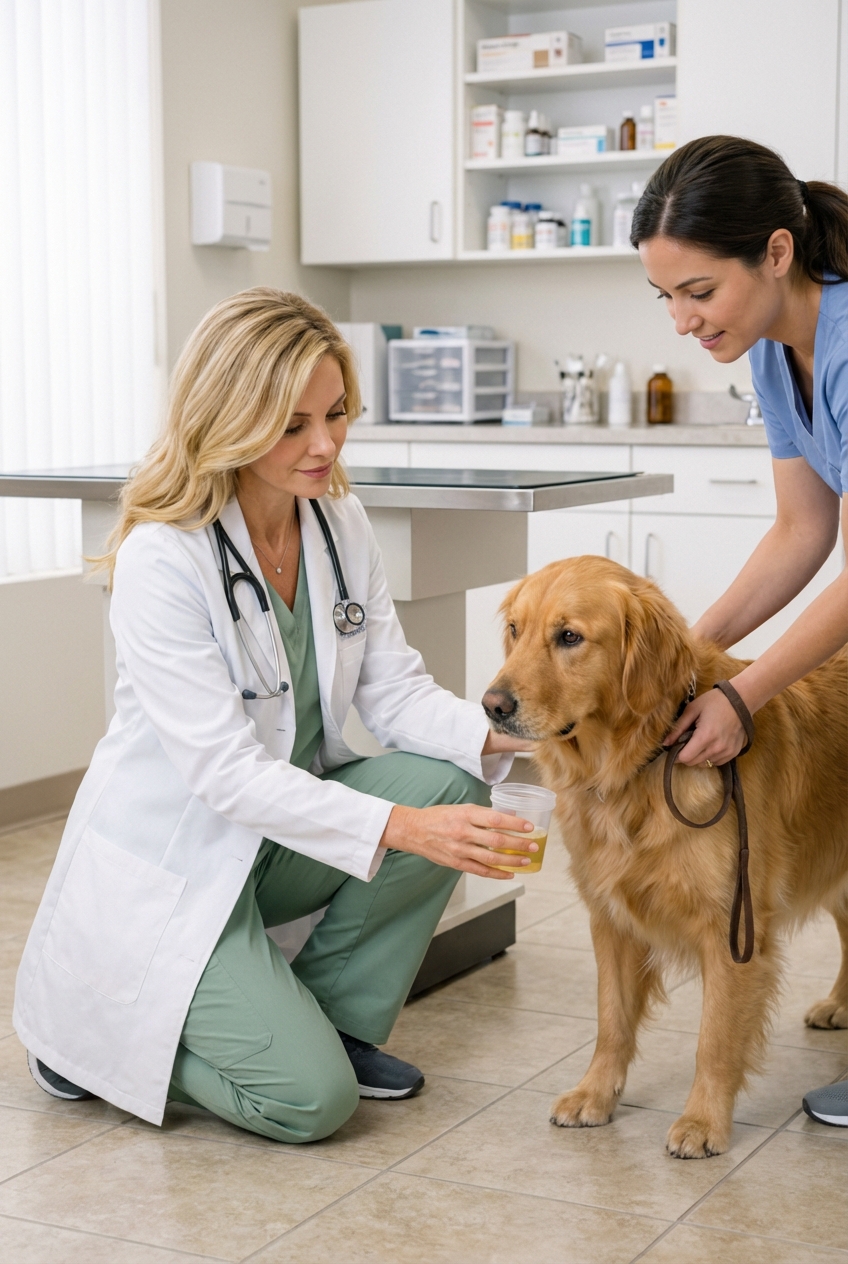
Your clinic may ask for a urine sample. “Free-catch” (caught midstream at home) can be useful for some screening tests, but it is more likely to be contaminated. For a culture, many veterinarians prefer a sterile sample collected in the hospital (often by cystocentesis, using a small needle into the bladder) so results are easier to interpret.
Imaging and additional tests
If UTIs recur or blood in the urine persists, your vet may recommend X-rays or ultrasound to look for stones, masses, or anatomical issues. Bloodwork can be used if kidney involvement is suspected.
Treatment basics
Treatment depends on whether there is a true bacterial infection, whether it is uncomplicated or complicated, and whether there is an underlying reason it happened.
Antibiotics (when indicated)
For confirmed UTIs, antibiotics are commonly used. Your vet will choose a medication and duration based on the urinalysis, culture results, and your dog’s history.
Actionable tip: Give the full course exactly as prescribed, even if your dog seems better after a day or two. Stopping early can allow bacteria to rebound and may promote resistance.
Pain relief and comfort care
Your veterinarian may prescribe medication to reduce bladder discomfort. Keep water available, offer more potty breaks, and avoid long holding-it periods while your dog is inflamed.
Expected timeline
Many dogs start to feel noticeably better within 24 to 48 hours of the right treatment, but that does not mean the infection is gone. Finishing medications and following recheck guidance is especially important for complicated or recurrent cases.
Avoid leftover meds
Using leftover antibiotics, human medications, or guessing the drug can delay proper care and make resistant infections more likely. Also, some urinary problems are not infections at all, so antibiotics would not help.
While you wait for the appointment
- Encourage hydration: Offer fresh water, add a little water or low-sodium broth to meals (only if your vet has not restricted fluids).
- Increase potty opportunities: Short, frequent breaks reduce bladder pressure and discomfort.
- Track symptoms: Note frequency, accidents, urine color, and whether a stream is present.
- Ask about urine collection: If collecting at home, use a clean container and bring it in promptly (refrigerate if you cannot leave right away). If a culture is planned, ask whether your clinic prefers an in-hospital sterile sample instead.
If your dog has a history of stones or is male and straining, do not wait at home. Those cases can escalate quickly.
Preventing repeat UTIs
Some dogs get a one-time uncomplicated infection, and that’s it. Others have repeat episodes because there is an underlying reason. Prevention starts with identifying patterns and supporting urinary health.
Prevention checklist
- Do not let your dog hold urine too long: Regular bathroom breaks matter, especially for seniors.
- Keep the vulva area clean (for females): Trim excess hair if needed and gently clean after messy outdoor play.
- Address underlying conditions: Diabetes, Cushing’s, kidney disease, and some medications can increase risk.
- Ask about stones: If crystals or stones are present, diet and follow-up imaging may be part of prevention.
- Follow recheck guidance: For complicated infections, your vet may recommend a repeat urinalysis or culture to ensure it cleared.
Nutrition can play a role too, especially for dogs prone to crystals or stones. The right diet depends on the type of crystals and your dog’s overall health, so this is a great conversation to have with your veterinarian before changing food.
Quick FAQs
Can a dog have a UTI with no symptoms?
Yes. Some dogs, especially those with other medical issues, can have bacteria in the urine with minimal outward signs. Routine wellness testing can be helpful in seniors, but one important note: not every screening finding needs antibiotics. Your vet will interpret results in context and avoid overtreatment when it is not necessary.
Is blood in urine always a UTI?
No. Blood can come from infection, stones, inflammation, tumors, trauma, or prostate disease. Any new blood in the urine should be evaluated.
Do cranberry products help?
Evidence in dogs is limited and mixed. Cranberry may help reduce bacterial adherence in some cases, but it is not a substitute for diagnosis and treatment. If you want to use a supplement, ask your vet which product and dose is appropriate for your dog’s size and health history.