Dog UTI symptoms can mimic stones or other issues. Learn the full treatment plan: urinalysis and culture, correct antibiotics, pain control, hydration, home ...
Article
•
Designer Mixes
Dog Urinary Tract Infections

Shari Shidate
Designer Mixes contributor
When a dog suddenly starts having accidents, needs to go outside very frequently, or seems uncomfortable while peeing, a urinary tract infection (UTI) is one of the first things many of us think about. And for good reason. UTIs are relatively common, painful, and very treatable when you catch them early.
As a veterinary assistant in Frisco, Texas, I have seen how quickly a “maybe it’s nothing” situation can turn into a miserable pet and an emergency bill. The goal of this article is to help you recognize what a UTI can look like, understand what your vet is testing for, and know what you can do at home to support recovery safely. This information is educational and not a substitute for an exam and diagnostic testing.
What a UTI is (and what it is not)
A UTI typically means bacteria have moved up into the lower urinary tract, most often the bladder. The bladder becomes inflamed and irritated, which is why your dog may feel like they need to urinate constantly even when very little comes out.
Here is the important UTI fact many dog owners do not hear clearly: UTI symptoms can look the same as several other urinary problems, including:
- Bladder stones that scrape and inflame the bladder lining
- Sterile or idiopathic cystitis (inflammation without bacteria; less common in dogs than cats, but it can happen and may be stress-related in some cases)
- Prostate disease in intact male dogs
- Vaginitis in some female dogs
- Tumors (less common, but important to rule out)
That is why a real diagnosis matters. Treating “like it’s a UTI” without testing can delay the right care and sometimes makes antibiotic resistance more likely.
Common signs of a dog UTI
Dogs cannot tell us it burns when they pee, so we have to read the clues. Watch for:
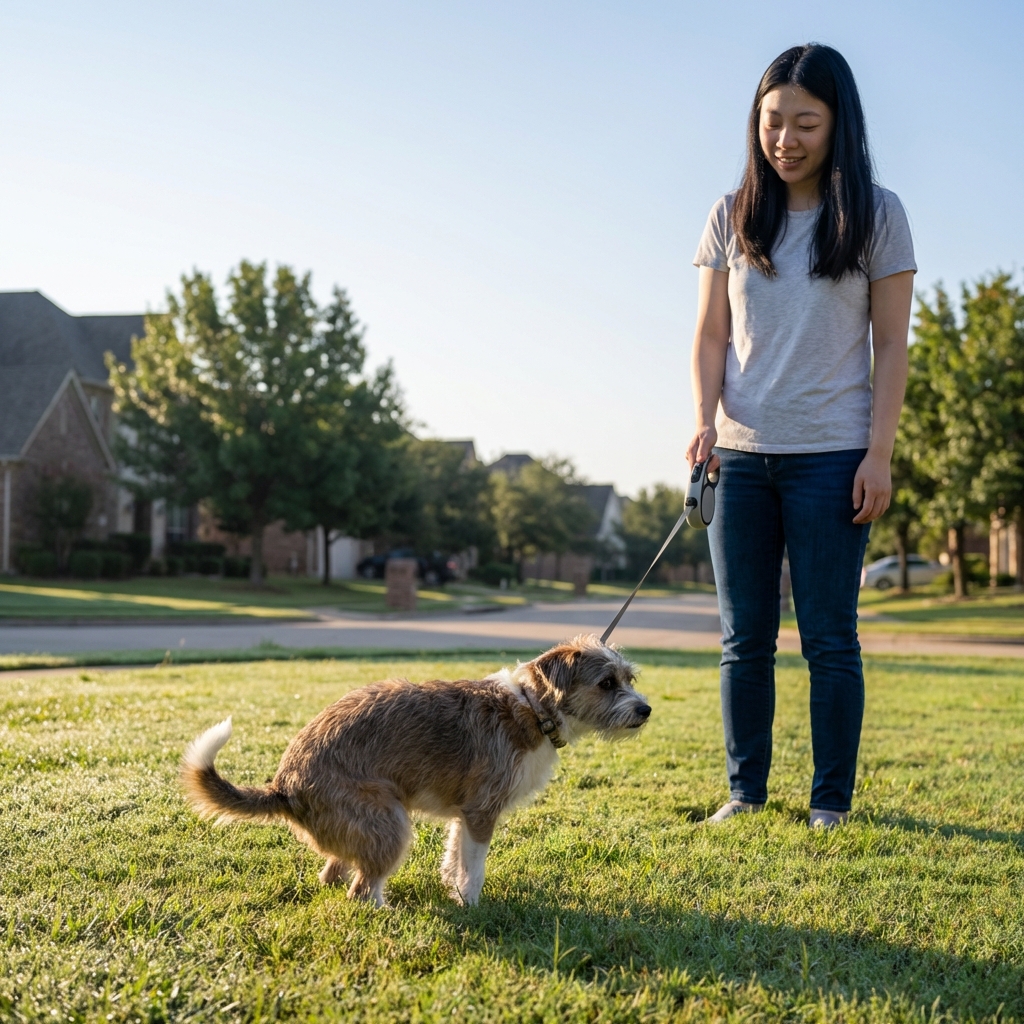
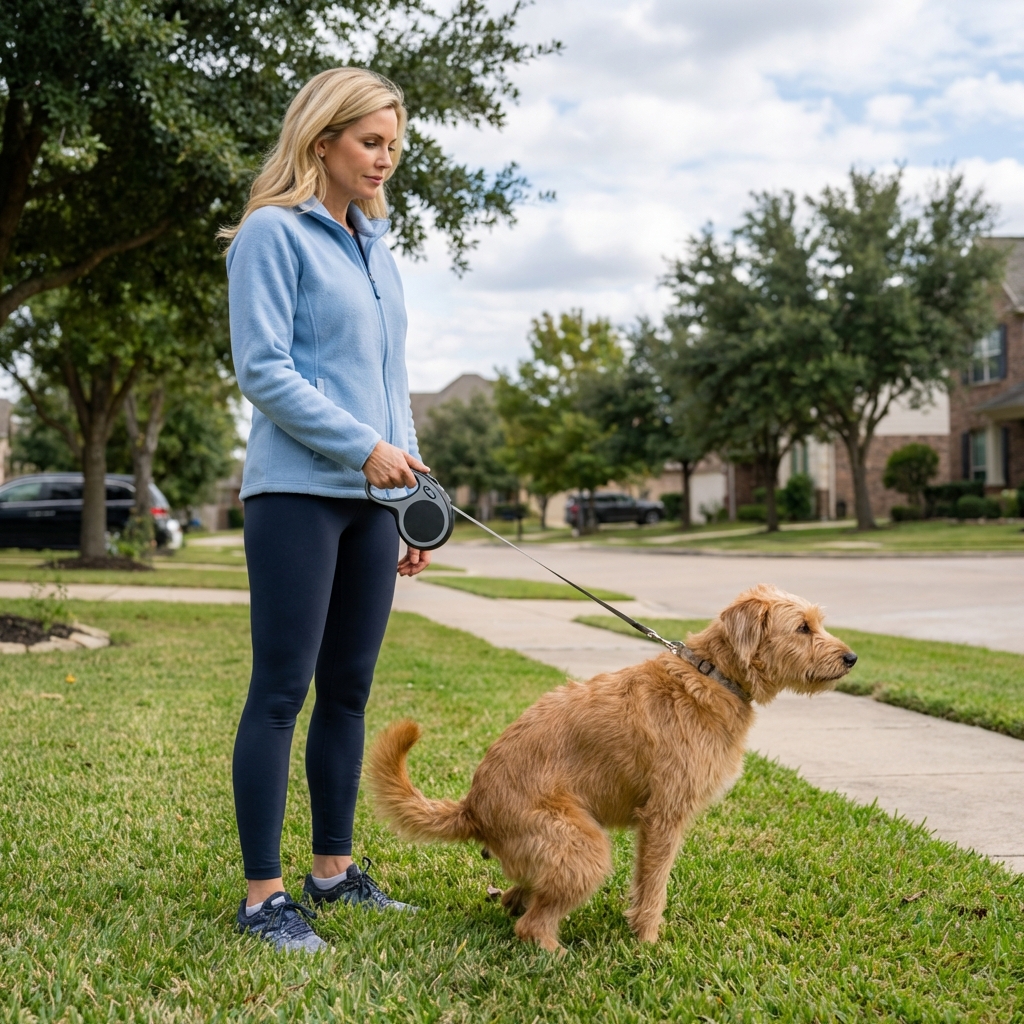
- Frequent trips outside with little urine produced
- Straining or seeming uncomfortable while urinating
- Accidents in a house-trained dog
- Blood-tinged urine or urine that smells unusually strong
- Licking the genital area more than usual
- Restlessness, reduced appetite, or acting “off”
Heads up: Some dogs, especially seniors, can have subtle signs. If your older dog is suddenly drinking more and peeing more, a UTI is possible, but so are hormonal issues like diabetes or Cushing’s disease, kidney disease, medication side effects, and more. A urinalysis is one of the most helpful first steps to sort this out.
When it is an emergency
Most UTIs are not emergencies, but some urinary situations absolutely are. Seek urgent veterinary care if you notice:
- Your dog cannot pass urine, is only producing drops, or is repeatedly straining with no output
- Vomiting, collapse, severe lethargy, or a painful, swollen abdomen
- Fever, chills or shivering, or marked back pain
- Known bladder stones with worsening symptoms
An inability to urinate can indicate a blockage, which is life-threatening, especially in male dogs. If your dog seems painful, will not eat, is vomiting, or cannot urinate, do not try to manage this at home.
Why dogs get UTIs
In dogs, UTIs are often caused by bacteria from the skin or gastrointestinal tract traveling up the urethra. Female dogs are generally at higher risk in part because they have a shorter urethra, but risk is multifactorial and includes anatomy, hormones, and underlying health issues. Male dogs can be at higher risk for urinary obstruction, which is a different problem and a true emergency.
Some common risk factors include:
- Female anatomy and recessed vulva in some dogs
- Underlying bladder stones
- Diabetes (sugar in the urine can encourage bacterial growth)
- Cushing’s disease or other conditions affecting immune defenses
- Kidney disease or dilute urine
- Medications that suppress the immune system (like long-term steroids)
- Incomplete bladder emptying (sometimes with arthritis, neurologic issues, or pain)
If a dog gets repeated UTIs, your vet will usually recommend looking for one of these underlying causes instead of repeatedly prescribing antibiotics and hoping for the best.
How vets diagnose a UTI
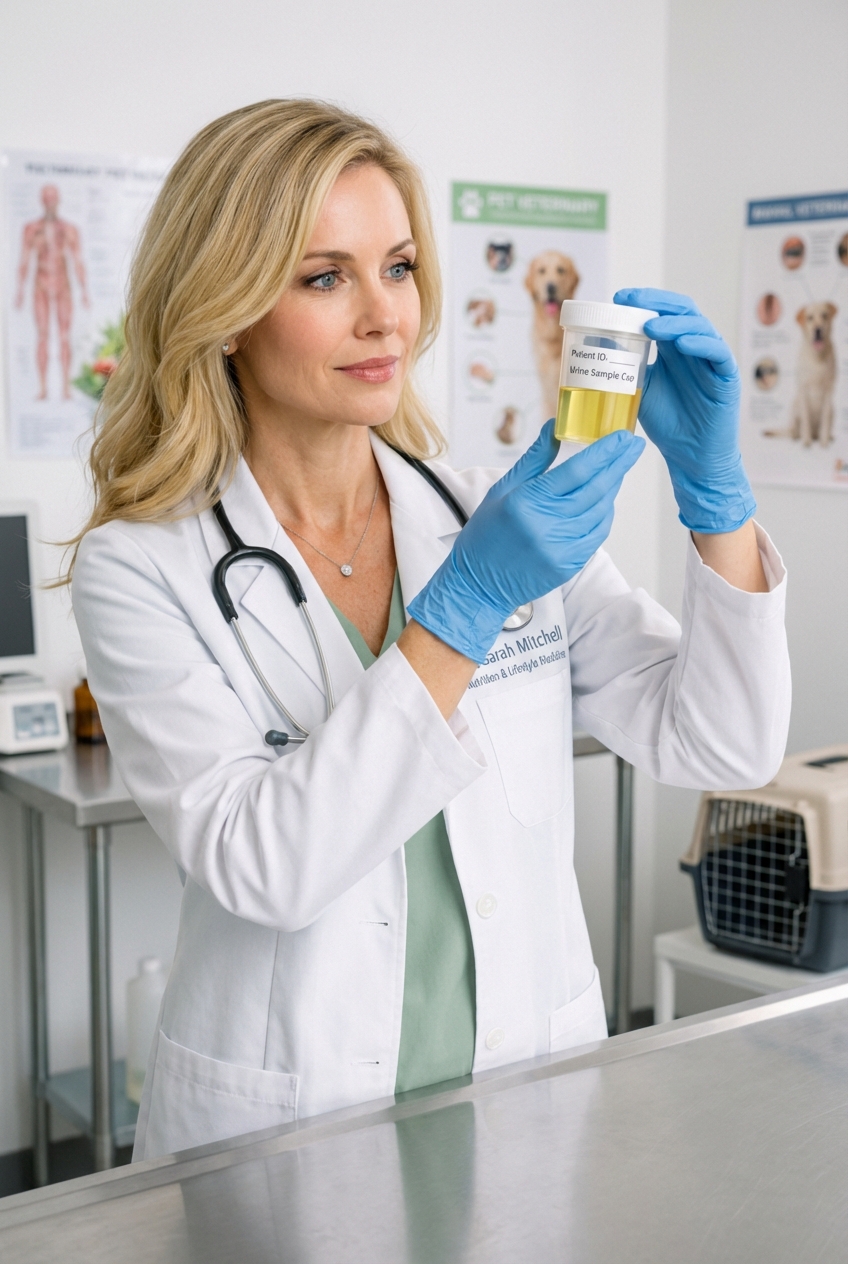
Diagnosis usually starts with a urinalysis, which checks things like urine concentration, blood, protein, crystals, and signs of infection. If infection is suspected, a urine culture and sensitivity may be recommended. This grows the bacteria and identifies which antibiotics are most likely to work.
The cleanest sample matters
Many clinics prefer a sterile sample collected by cystocentesis, which uses a small needle to collect urine directly from the bladder. It sounds scary, but it is quick, commonly done, and helps avoid contamination from skin bacteria.
If your dog’s symptoms keep coming back, a culture is especially valuable. It helps prevent the cycle of “try a different antibiotic” that can contribute to resistant infections.
For recurrent or complicated cases, your vet may also recommend imaging (x-rays or ultrasound) and sometimes bloodwork or endocrine screening to look for underlying causes.
Treatment: what to expect
Most uncomplicated UTIs are treated with:
- An appropriate antibiotic (ideally chosen based on testing)
- Pain relief if your dog is uncomfortable
- Supportive care like increased hydration and more frequent potty breaks
Many dogs feel better within 24 to 48 hours, but that does not mean the infection is fully gone. Finish the medication exactly as prescribed unless your veterinarian tells you otherwise.
Will my dog need a recheck?
Sometimes, yes. Dogs with recurrent infections, complicated UTIs, or underlying medical problems often need a recheck urinalysis or culture to confirm the infection truly cleared. If your veterinarian is concerned about an upper urinary tract infection (kidney infection), treatment may be longer and more intensive.
Safe home support
You cannot cure a bacterial UTI at home, but you can support healing and reduce discomfort while your dog is being properly treated.
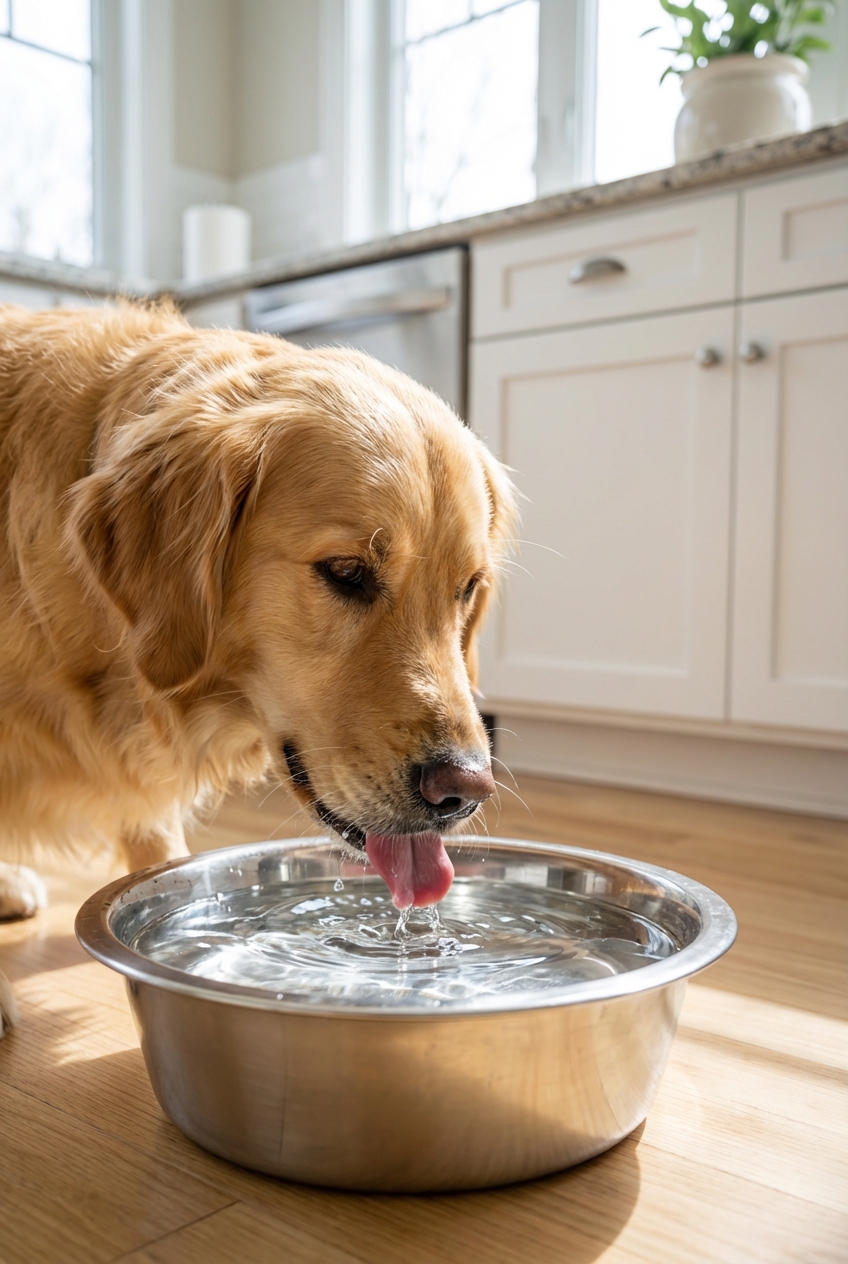
- Increase water intake: Offer fresh water in multiple locations, add water or onion and garlic-free low-sodium broth to meals, or feed more moisture-rich foods if your veterinarian approves.
- More potty breaks: Frequent opportunities to urinate help flush the bladder and reduce accidents.
- Keep the area clean: Especially for female dogs, gently wipe around the vulva after potty breaks if there is discharge or urine dribbling.
- Ask about diet and supplements: Some dogs benefit from diet changes if crystals or stones are present. Only do this with guidance, because the wrong change can worsen certain stone types.
Cranberry and supplements
Cranberry products are popular because they may help discourage bacterial attachment to the bladder wall in some situations. That said, evidence in dogs is limited and mixed, and product quality and dosing matter. Cranberry is not a substitute for antibiotics, and it is not right for every dog, especially dogs with certain urinary crystal or stone risks. If you want to try a urinary supplement, ask your veterinarian for a product and dose that fits your dog’s history.
Please avoid: giving leftover antibiotics, human UTI medications, or pain relievers like ibuprofen or acetaminophen. These can be dangerous for dogs.
Preventing UTIs
Some dogs never get another UTI. Others are prone to them and need a longer-term strategy. Prevention depends on the “why,” but these habits help many dogs:
- Regular bathroom breaks, especially for dogs that are crated or left alone for long hours
- Weight management and daily movement, which supports overall health and easier bladder emptying
- Grooming and hygiene for dogs with long hair around the genitals
- Managing underlying diseases (diabetes, Cushing’s, kidney issues)
- Stone prevention plans when indicated (diet, water intake, monitoring)
If your dog has had more than one UTI, ask your vet about imaging (x-rays or ultrasound) to rule out stones or structural issues. It is one of the best next steps for recurring cases.
Quick FAQ
Can a UTI go away on its own?
Occasionally symptoms fluctuate, but bacterial infections often persist or worsen without proper treatment. Waiting can increase the risk of the infection moving upward toward the kidneys.
Are UTIs contagious to humans or other pets?
A typical canine UTI is not considered contagious in a household sense, but good hygiene is always smart. Wash your hands after cleaning urine accidents.
Why do symptoms come back right after antibiotics?
Common reasons include: the wrong antibiotic for the bacteria, not enough time on medication, an underlying stone or medical condition, or reinfection. A culture can be a game-changer here.
The bottom line
UTIs are relatively common, uncomfortable, and very treatable. The best outcomes come from early action, proper urine testing, and a plan that addresses any underlying causes. If your dog is showing urinary symptoms, trust your instincts and call your veterinarian. Catching it early is one of the kindest things you can do.