Turn chicken and rice into a more balanced homemade dog meal with veggies, calcium carbonate, and omega-3s. Includes gram weights, portion guidance, swaps, a...
Article
•
Designer Mixes
Dog Upset Stomach Symptoms: Understanding & Solutions

Shari Shidate
Designer Mixes contributor
As a veterinary assistant here in Frisco, Texas, I see tummy trouble in dogs almost every week. Sometimes it’s a simple dietary slip. Other times, an upset stomach is your dog’s early warning signal that something more serious is going on. The key is knowing what symptoms matter, what you can safely do at home, and when it’s time to call your veterinarian.
What an upset stomach can look like
In dogs, “upset stomach” isn’t a single diagnosis. It’s a cluster of signs that can come from the stomach, intestines, pancreas, liver, or even stress and pain elsewhere in the body. Some dogs show obvious vomiting. Others are more subtle: they refuse breakfast, lick the floor, or start eating grass.
Symptoms to watch for
1) Nausea signs (often missed)
- Lip licking or smacking sounds
- Drooling more than usual
- Swallowing repeatedly like something is stuck
- Eating grass or compulsively sniffing and licking the floor
- Turning away from food but still seeming interested
These signs often show up before vomiting or diarrhea. Catching nausea early may reduce the severity for mild stomach upsets, but it won’t stop some problems from progressing (like toxins, obstruction, or pancreatitis). When in doubt, call your clinic.
2) Vomiting (clues to share with your vet)
What comes up can sometimes offer helpful context, but appearances overlap and only an exam and testing can confirm the cause.
- Foamy or clear fluid: often empty-stomach irritation, reflux, or nausea
- Yellow bile: common when the stomach is empty, can happen with reflux or bile vomiting patterns
- Food shortly after eating: may be eating too fast, intolerance, or irritation
- Repeated vomiting (multiple times in a day): higher concern for dehydration, pancreatitis, obstruction, toxins, or infection
- Blood (bright red or coffee-ground appearance): urgent, needs veterinary attention
Important: Regurgitation isn’t the same as vomiting. Regurgitation is more passive (food comes up with little effort) and can point to esophagus issues. If you’re unsure which is happening, a quick video for your vet can help.
3) Diarrhea (clues to share with your vet)
Stool appearance can guide urgency, but it isn’t a diagnosis on its own.
- Soft stool: mild irritation, diet change, stress
- Watery diarrhea: higher dehydration risk
- Mucus: often large-intestinal inflammation (colitis), sometimes stress-related
- Bright red blood: can occur with colitis, parasites, dietary indiscretion, or more serious inflammation
- Black, tarry stool: can signal digested blood from higher in the GI tract, urgent
One loose stool isn’t always an emergency. But diarrhea that is frequent, watery, bloody, or paired with lethargy deserves a call to your clinic.
4) Appetite and behavior changes
- Skipping meals or eating less
- Lethargy or hiding
- Restlessness, pacing, or “can’t get comfortable”
- Hunched posture or reluctance to be touched around the belly
Pay attention to the whole dog, not just the stool. A dog who feels “off” plus GI symptoms may be telling you this is more than a minor upset.
5) Belly pain and bloating signs
- Tight or distended abdomen
- Whining when picked up
- Prayer position (front legs down, rear end up), which can be associated with abdominal discomfort
- Unproductive retching or trying to vomit with nothing coming up
Unproductive retching with a bloated abdomen can be an emergency (concern for bloat or GDV). Don’t wait it out.
Common causes
- Dietary indiscretion: garbage, greasy leftovers, new treats, chewing toys
- Sudden food change: switching brands or proteins too quickly
- Food intolerance or sensitivity: recurring soft stool, gas, or vomiting tied to certain ingredients
- Parasites: especially in puppies, dogs who visit dog parks, or dogs who eat wildlife stool
- Stress colitis: boarding, house guests, moving, routine changes
- Pancreatitis: can be triggered by high-fat meals, and may also be related to other factors; can cause vomiting, pain, and lethargy
- Foreign body obstruction: socks, corn cobs, bones, toys
- Toxins: xylitol, grapes and raisins, certain medications, human foods, plants
- Underlying disease: liver or kidney disease, endocrine disorders, inflammatory bowel disease
Call your vet right away
If you see any of the signs below, it’s safest to contact your veterinarian or an emergency clinic promptly:
- Repeated vomiting, especially if your dog can’t keep water down
- Unproductive retching, swollen abdomen, sudden collapse, pale gums
- Blood in vomit or black, tarry stool
- Severe lethargy, weakness, fever, or obvious abdominal pain
- Suspected toxin exposure (xylitol, grapes or raisins, medication ingestion)
- Diarrhea that’s very watery, frequent, or bloody
- Puppies, seniors, or dogs with chronic illness (they dehydrate faster)
- Symptoms lasting more than 24 hours, or sooner if worsening
What you can do at home
If your dog is bright, alert, and only mildly affected, you can often start with supportive care while you monitor closely.
First, when not to do home care
Skip home care and call your vet if you suspect a foreign body (toy, sock, bone, string), toxin exposure, repeated vomiting, significant belly pain, bloating, or if your dog seems weak, very lethargic, or can’t keep water down. Very young puppies, seniors, and dogs with chronic conditions may also need earlier guidance.
Step 1: Pause and assess
- Are they acting mostly normal between episodes?
- Are they drinking?
- Any chance they swallowed a toy, sock, bone, or string?
- Any new foods, treats, or table scraps in the last 48 hours?
Step 2: Hydration comes first
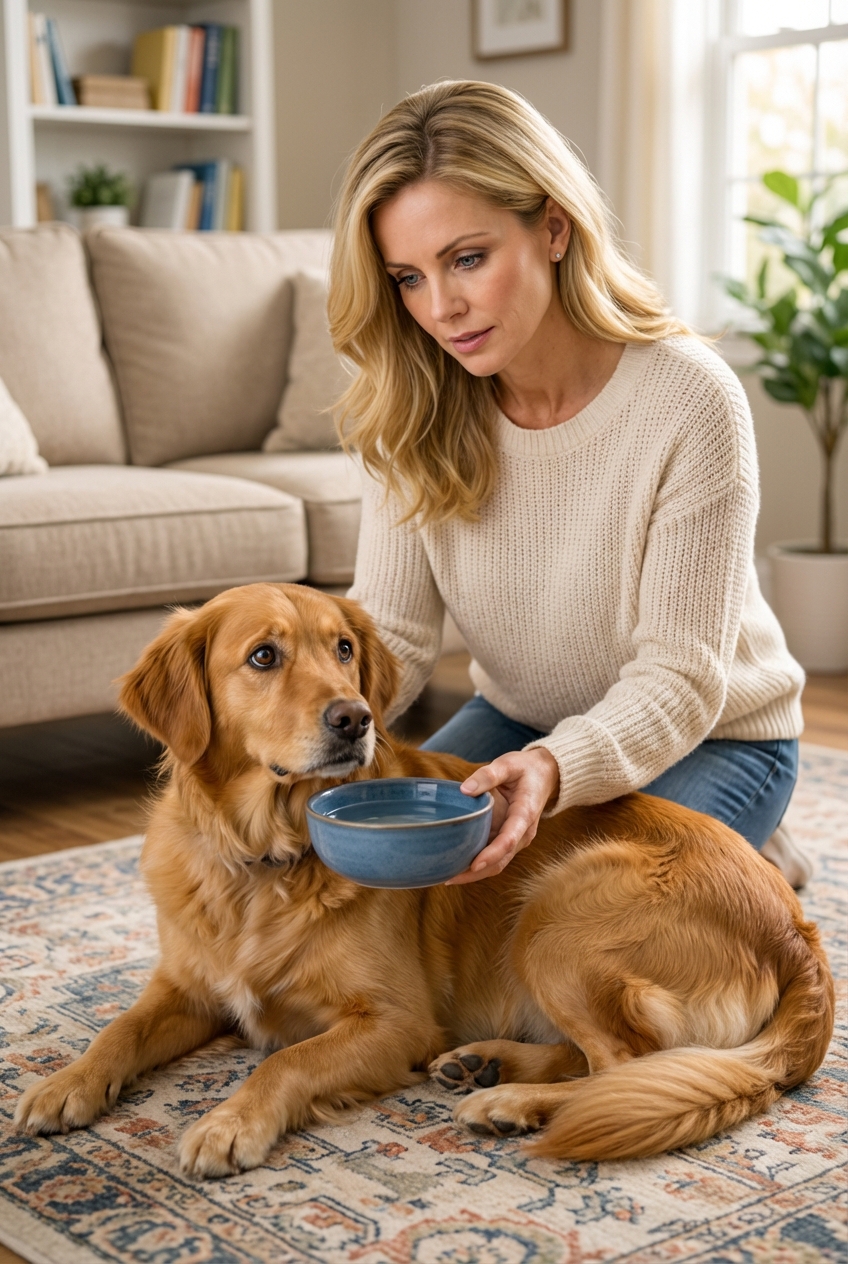
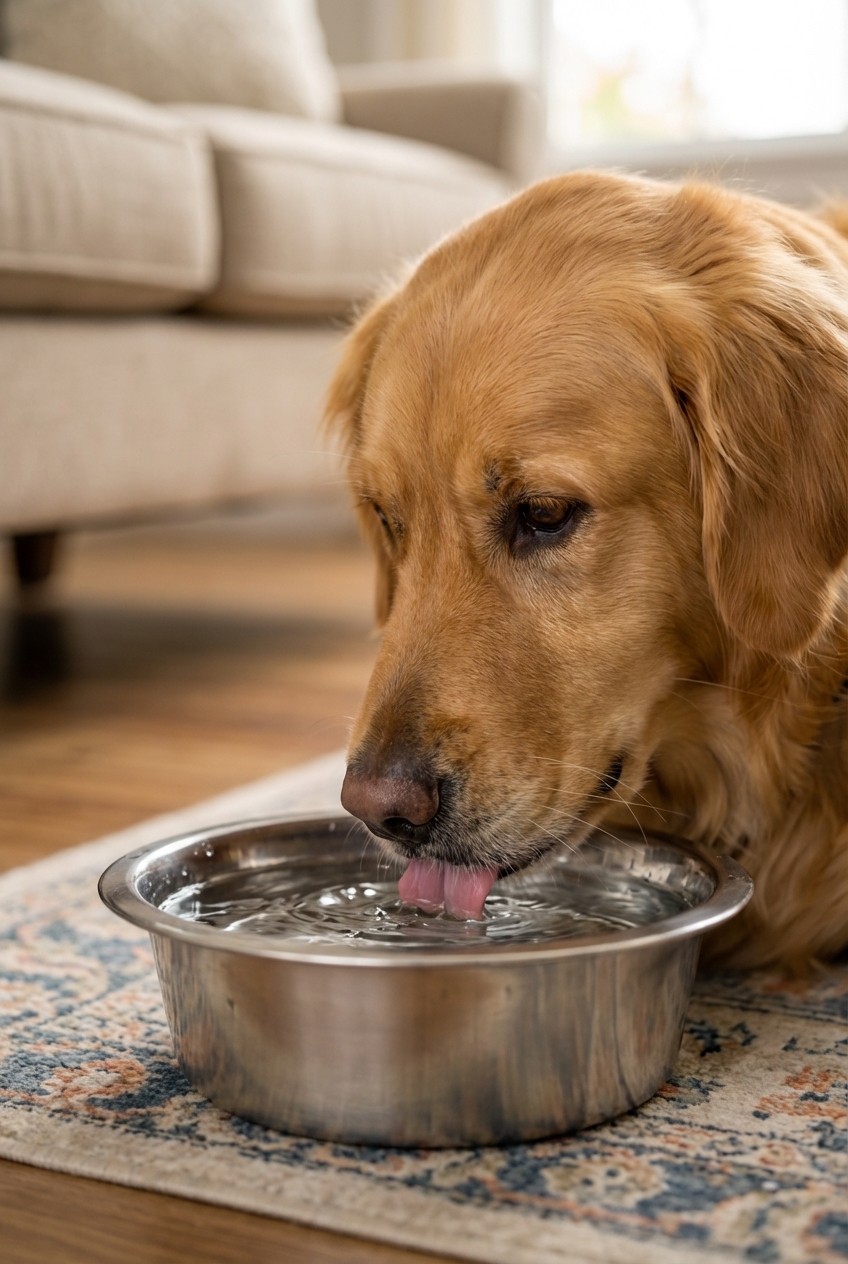
Offer small, frequent sips of water. If your dog gulps and vomits, try smaller amounts more often. Some dogs do better with a few licks of ice chips. Dehydration is one of the biggest risks with vomiting and diarrhea.
Step 3: A bland meal for 24 to 48 hours
Many dogs do well with simple, low-fat foods temporarily while the gut calms down. Two common options:
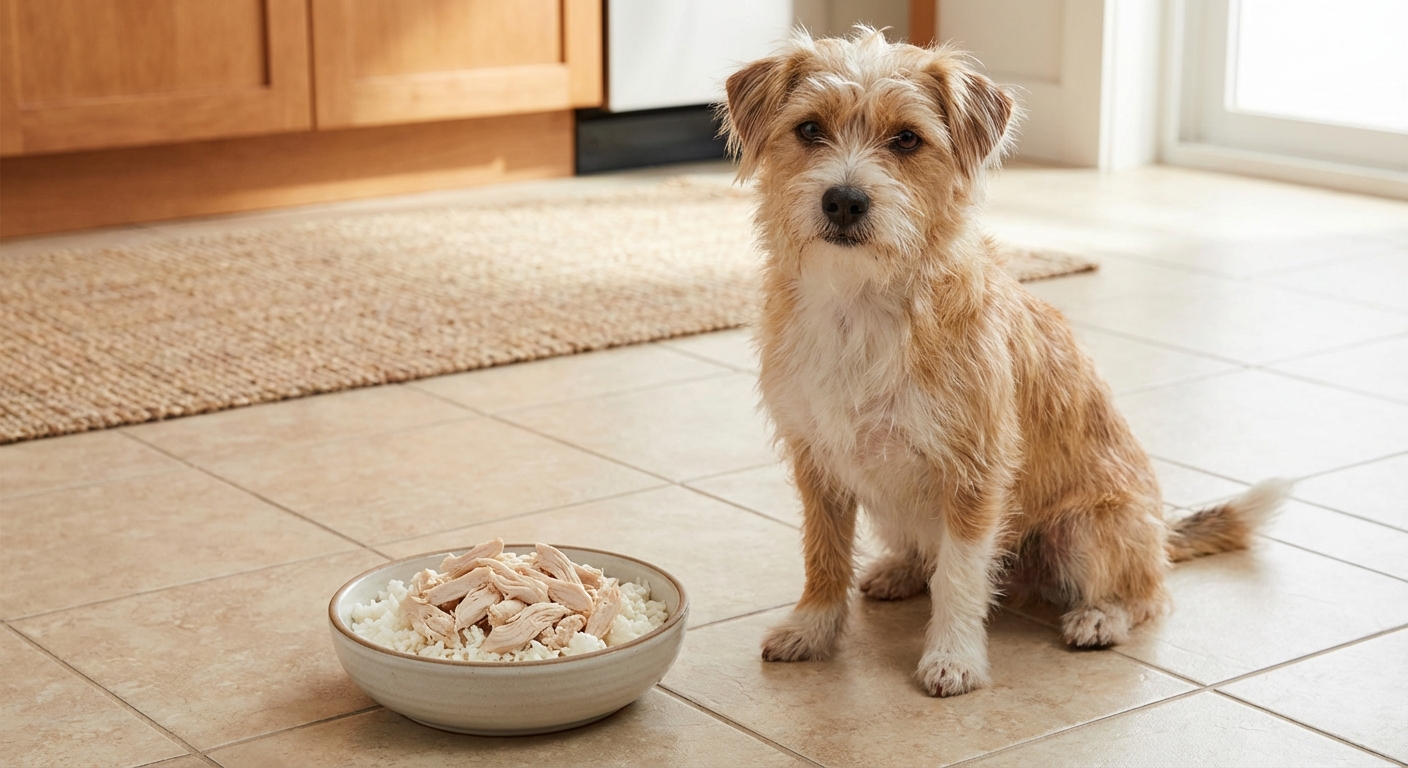
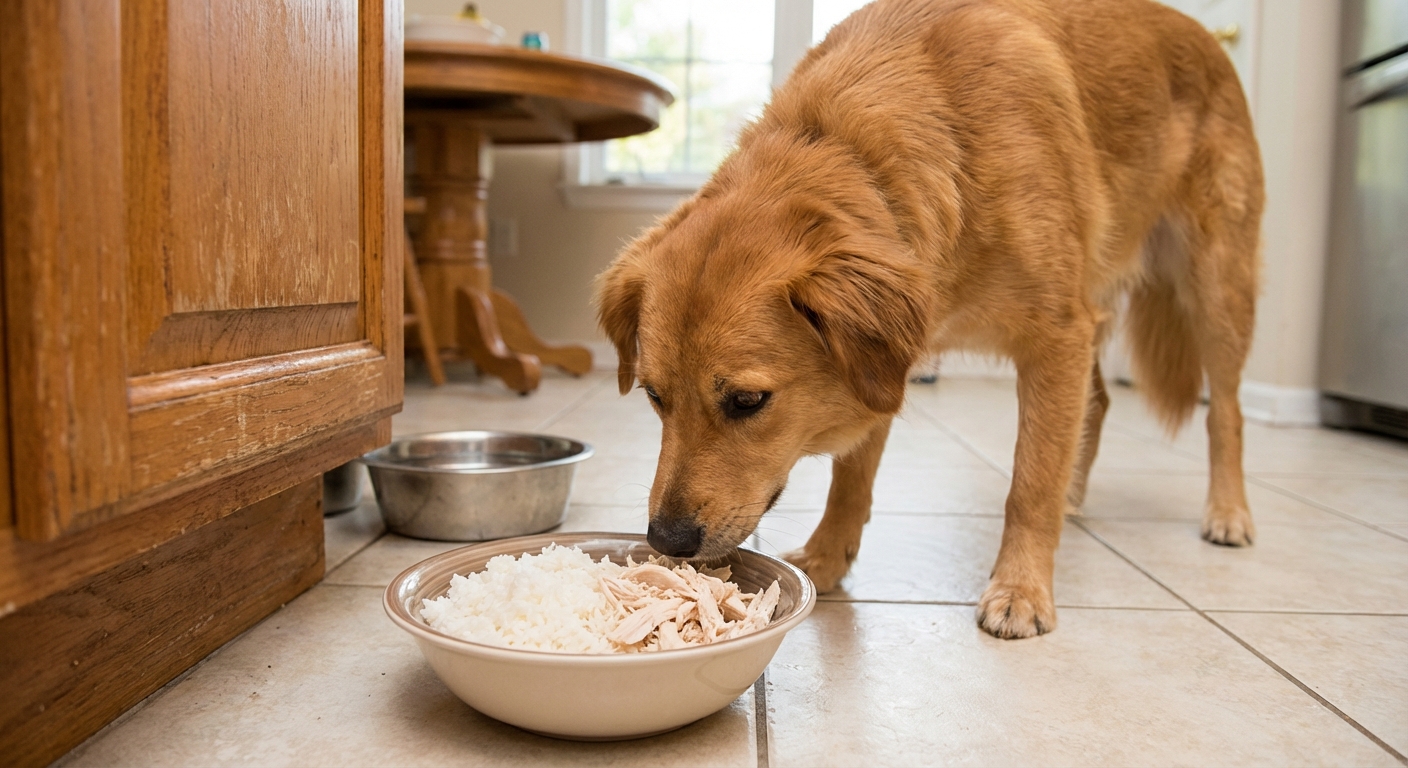
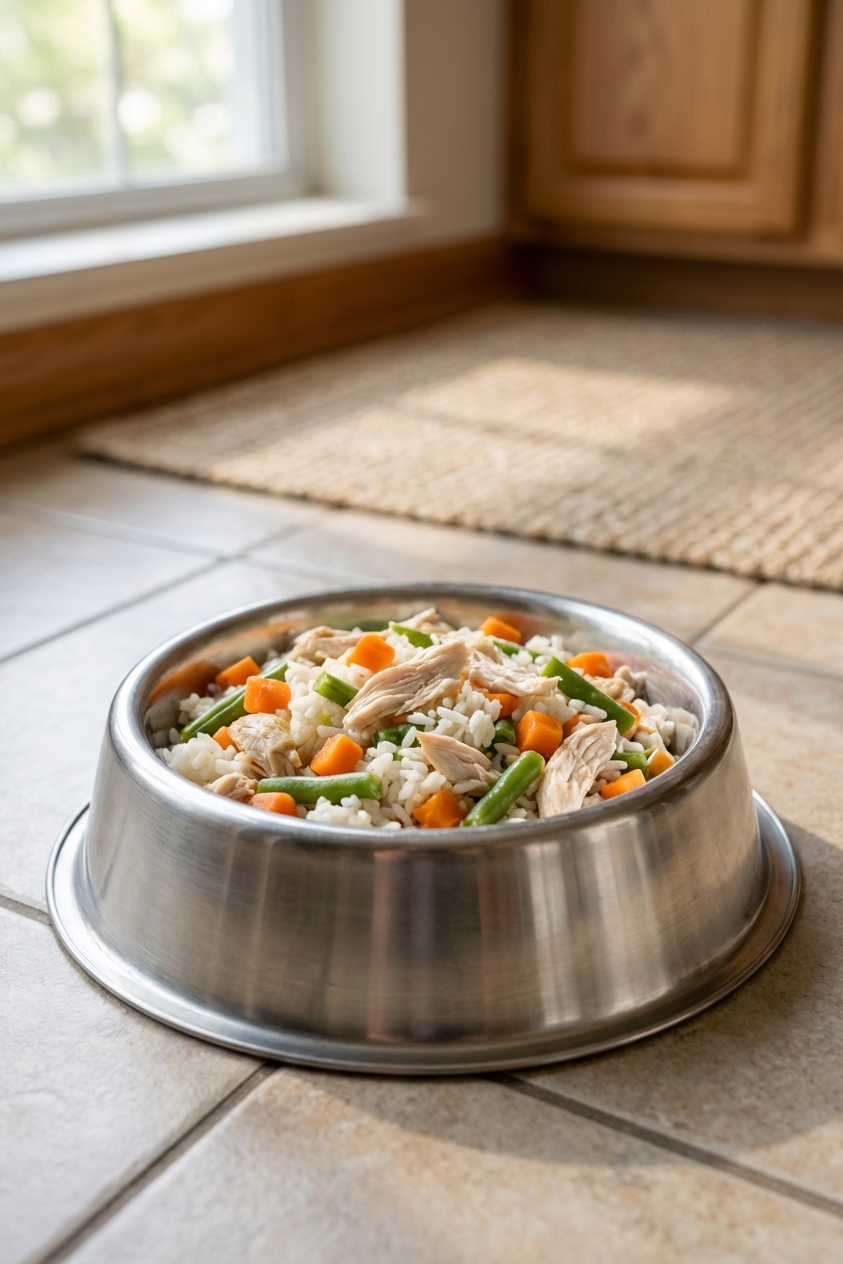
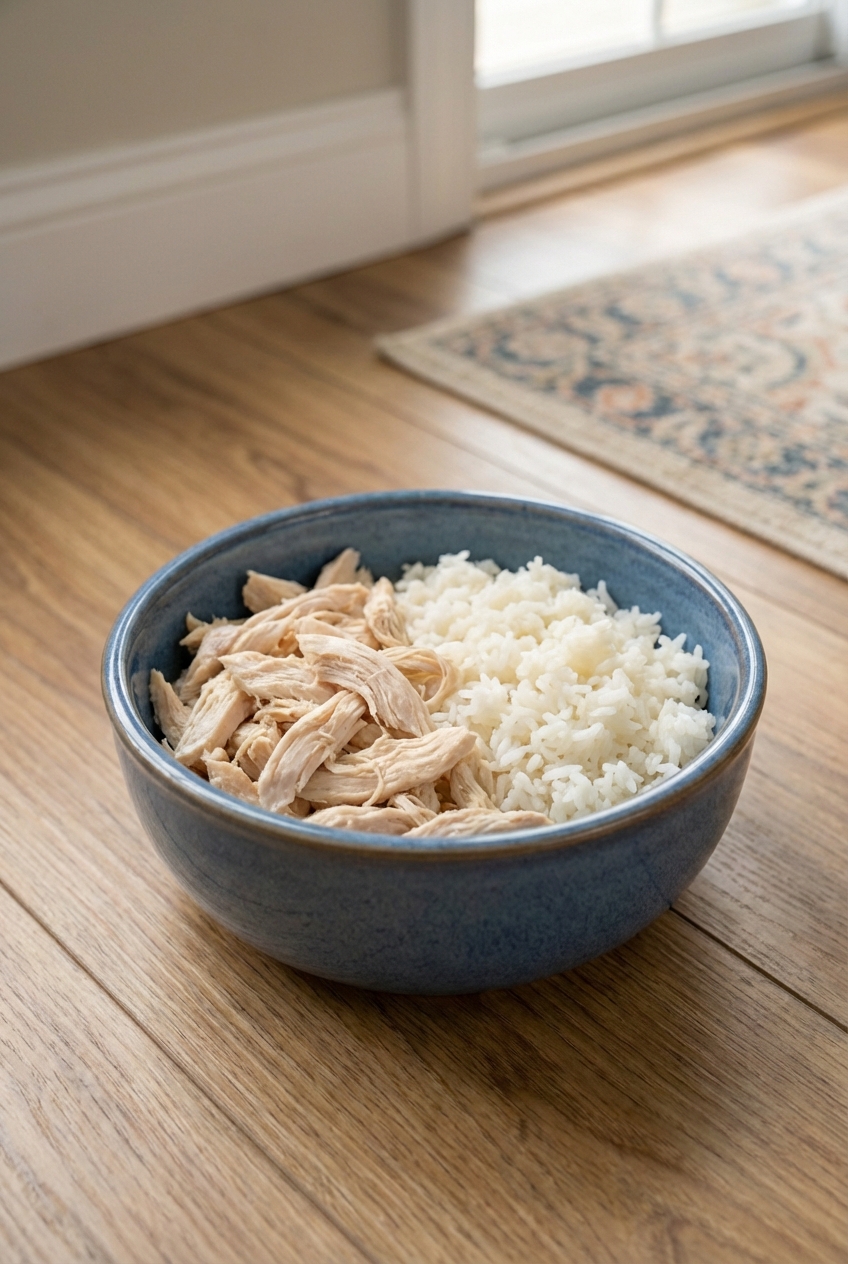
- Boiled skinless chicken breast + white rice
- Boiled turkey + white rice
Start with small portions, then gradually increase if they keep it down. Avoid greasy meats, heavy dairy, rich treats, and abrupt diet changes while they’re recovering. Bland diets aren’t complete nutrition long term, so if signs aren’t improving quickly, loop your vet in.
Warm tip from the clinic: feed smaller meals more often. A stressed stomach often tolerates a tablespoon or two better than a full bowl.
Step 4: Soothing fiber (only when appropriate)
For some cases of mild diarrhea, plain canned pumpkin (not pumpkin pie filling) can be helpful. It isn’t right for every dog or every situation, and some dogs can worsen. Ask your veterinarian for a dose that fits your dog’s size and medical history.
Step 5: Do not give human medications
Don’t give over-the-counter human meds (like Pepto-Bismol, Imodium, aspirin, or ibuprofen) unless your veterinarian tells you to. Some can be dangerous in dogs, and some can mask or confuse important signs.
Step 6: Transition back slowly
Once stools are normal and appetite is back, transition gradually over several days back to your regular diet. Sudden switching can restart the upset.
What your vet may do
If you come in, your vet team may recommend a stepwise plan based on your dog’s age, symptoms, and exam findings. Common next steps can include a physical exam, fecal testing for parasites, parvo testing in puppies when appropriate, bloodwork, pancreatitis screening, X-rays or ultrasound, and supportive care like fluids and anti-nausea medications.
Prevention tips
- Change foods slowly over 7 to 10 days when possible.
- Use treat boundaries: keep treats under about 10 percent of daily calories.
- Trash security: a lidded can and baby gates prevent so many emergencies.
- Chew safety: choose chews that don’t splinter, and supervise new items.
- Parasite prevention: stay consistent with your vet-recommended preventives and fecal testing schedule.
- Try a food journal if symptoms recur: track proteins, treats, chews, and stress events.
Note on sensitive stomachs
Some dogs, including certain individuals and bloodlines, seem more prone to sensitive digestion or food sensitivities. If your dog has frequent flare-ups, talk with your vet about a structured approach, like a true elimination diet trial, parasite testing, and screening for pancreatitis when symptoms fit.
The goal is simple: fewer surprises, calmer digestion, and a dog who feels good in their own body.
Quick symptom checker
- Mild: one vomit, one soft stool, normal energy and drinking
- Moderate: repeated loose stool, mild lethargy, decreased appetite
- Urgent: repeated vomiting, blood, black stool, painful belly, bloating, can’t keep water down
If you’re ever unsure, it’s okay to call your clinic and describe what you see. A quick conversation can save you hours of worry and can protect your dog from complications.