Step-by-step home care for mild dog diarrhea and vomiting: short food break, small sips of water, bland diet, pumpkin, probiotics, dehydration checks, and ur...
Article
•
Designer Mixes
Dog Upset Stomach Remedies

Shari Shidate
Designer Mixes contributor
When your dog has an upset stomach, it can feel like everything stops. Maybe they are licking their lips, eating grass, refusing breakfast, or having diarrhea at 2 a.m. As a veterinary assistant in a busy clinic, I can tell you this is one of the most common concerns we see. The good news is that many mild stomach upsets can be managed at home with thoughtful, evidence-based care.
That said, vomiting and diarrhea can become serious quickly, especially in puppies, seniors, and small dogs. Use this guide to support your pup safely and know when it is time to call your veterinarian.
First, decide if this is an emergency
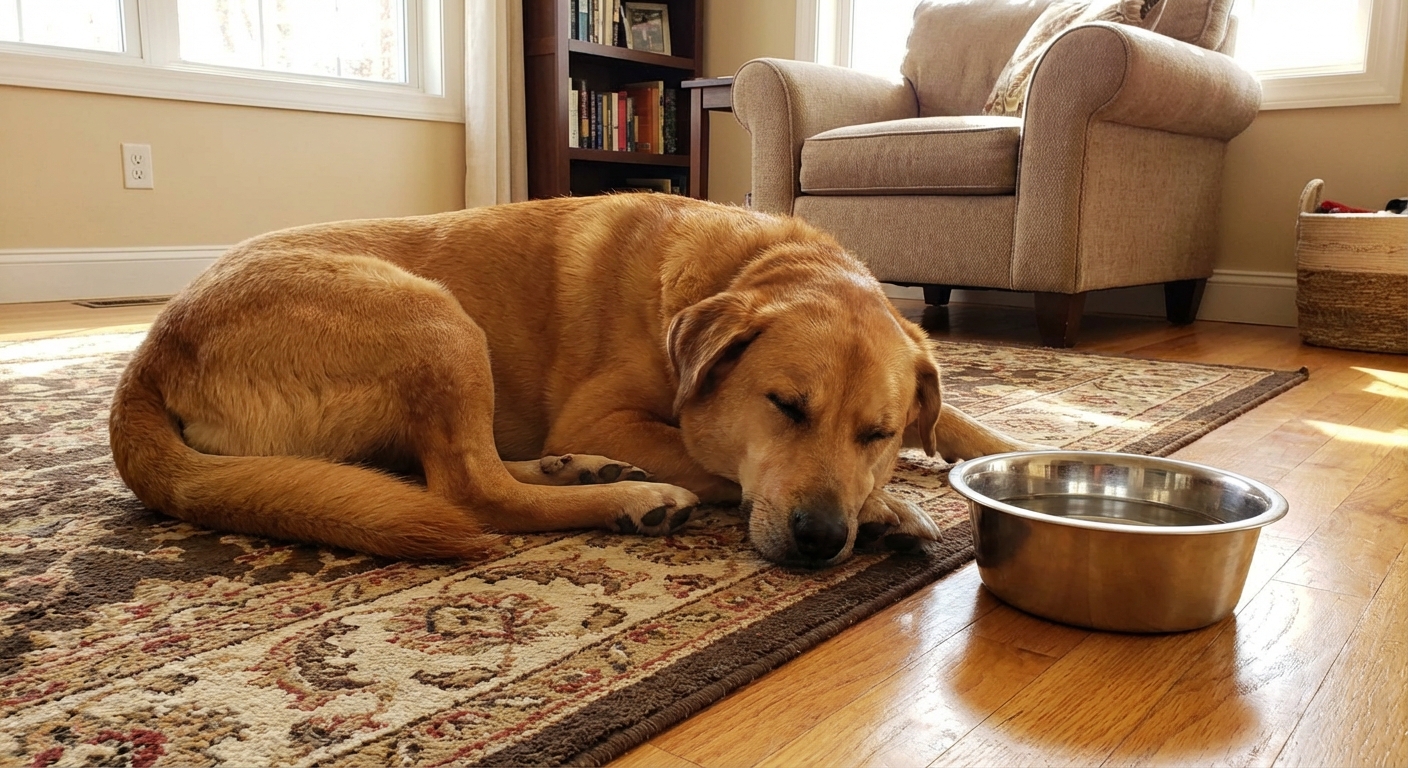
Before you try any home remedies, do a quick safety check. Some dogs just have a mild dietary upset. Others need urgent medical care.
Go to an emergency vet now if you notice:
- Repeated retching or trying to vomit with little or nothing coming up, especially with a swollen belly (possible bloat)
- Bloated, tight abdomen, pacing, drooling, restlessness, or obvious pain (possible bloat)
- Collapse, severe weakness, pale gums, trouble breathing, or your dog seems disoriented
- Suspected toxin exposure (human medications, xylitol, grapes or raisins, chocolate, rodent bait)
- Foreign body risk (toy pieces, socks, corn cobs), or your dog cannot keep water down
- Blood in vomit or stool, or black, tarry stool (this can be digested blood)
- Vomiting and diarrhea together that is frequent (for example, multiple episodes in a few hours), or your dog is becoming weak, dehydrated, or cannot rest
- Signs of dehydration such as very sticky or tacky gums, sunken-looking eyes, very low energy, or much less urination
- Puppies, tiny dogs, seniors, pregnant dogs, or dogs with chronic illness (Addison’s, kidney disease, diabetes) showing GI signs
Call your vet within 24 hours if:
- Vomiting continues longer than 12 to 24 hours
- Diarrhea continues longer than 24 to 48 hours
- Your dog is drinking less, peeing less, or seems mildly dehydrated
- There is a new diet change, new treats, table food, or trash-raiding history
- Your dog has recurring stomach upsets
Trust your gut. If your dog looks “off” in a way that scares you, it is always okay to call for guidance.
Why dogs get upset stomachs
Knowing the likely cause helps you choose the right next step.
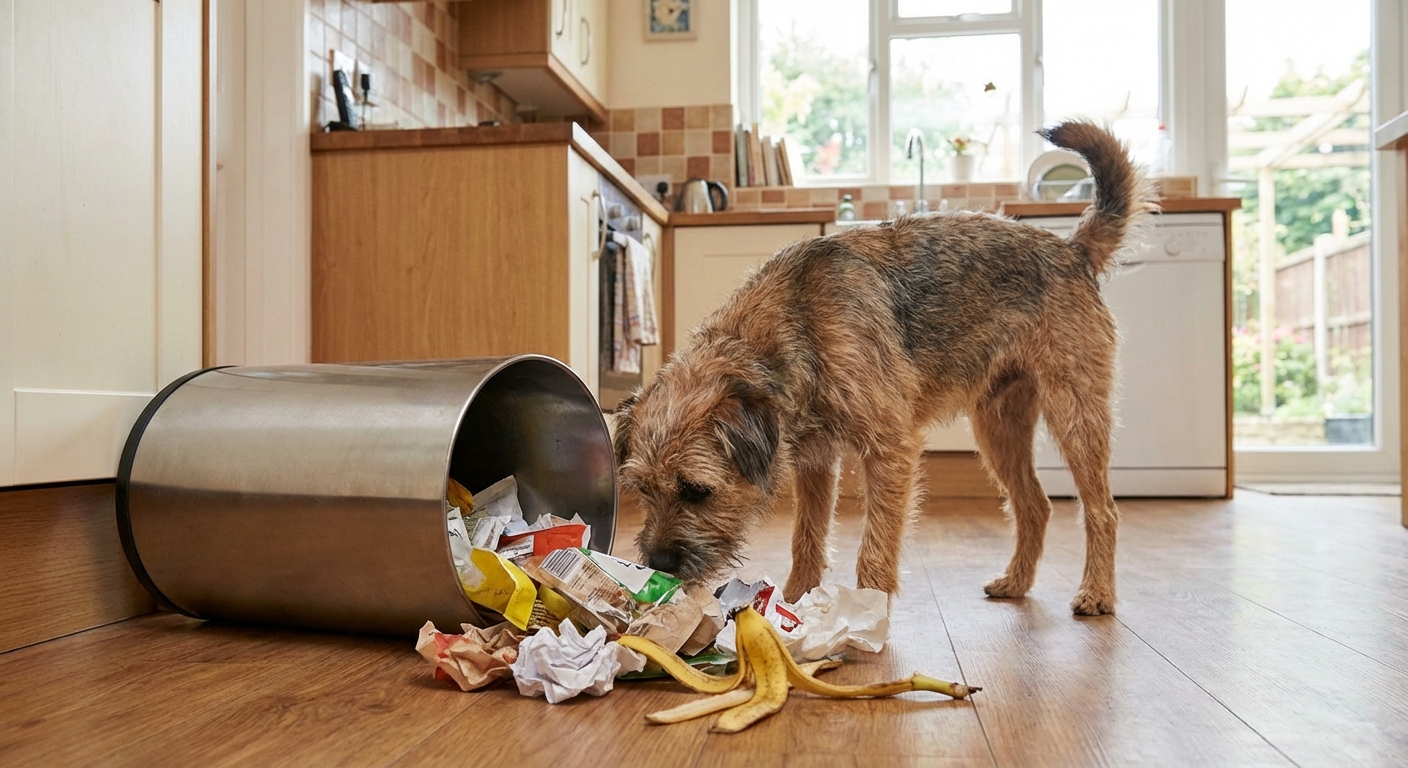
- Dietary indiscretion: trash, fatty leftovers, new chews, too many treats
- Sudden food change: switching brands or proteins too quickly
- Stress: boarding, guests, thunderstorms, travel
- Parasites: especially in puppies or dogs that visit dog parks often
- Infections: viral or bacterial gastroenteritis
- Pancreatitis: often triggered by fatty foods, causes vomiting, pain, poor appetite
- Food sensitivities: chronic loose stool, gas, itchy skin can overlap
- Foreign body: obstruction risk with repeated vomiting, reduced stool
At-home care
1) Give the gut a short rest (when appropriate)
For healthy adult dogs with mild vomiting (one or two episodes) and otherwise normal energy, some veterinarians may recommend a brief pause from food to let the stomach settle. For many adult dogs, that can mean skipping one meal or waiting 8 to 12 hours before offering a small bland meal. Other vets prefer offering a small bland meal sooner rather than fasting, so if you are unsure, call your clinic and ask what they recommend for your dog.
Do not fast puppies or toy breeds without veterinary guidance. They can become hypoglycemic quickly.
Always offer water. If your dog gulps and vomits, offer small sips every 10 to 15 minutes instead.
2) Hydration is the priority
Dehydration is one of the biggest risks with vomiting or diarrhea. At home, you can look at a few simple clues, knowing they are not perfect and do not replace a veterinary exam.
- Gums: they should feel slick, not tacky or sticky.
- Capillary refill time: press a finger gently on the gum until it turns pale, then release. Color should return quickly (about 1 to 2 seconds). If it is slow, call your vet.
- Skin tent: gently lift skin over the shoulder blades and release. It should spring back quickly. Slow return can suggest dehydration, especially with other signs.
- Real life signs: less peeing, very low energy, sunken-looking eyes, and refusing water are all concerning.
- Offer fresh water frequently.
- Consider ice chips for dogs who vomit after drinking.
- Ask your vet before using unflavored pediatric electrolyte solutions. They are not ideal for every dog, especially those with certain medical conditions.
3) Feed a bland diet in small, frequent meals
Once vomiting has stopped and your dog seems interested in food, a bland diet can be soothing. Think simple, low-fat, easy to digest. Some dogs also do best with a veterinary prescription GI diet, so ask your vet if that is a better fit for your situation.
Classic bland meal options:
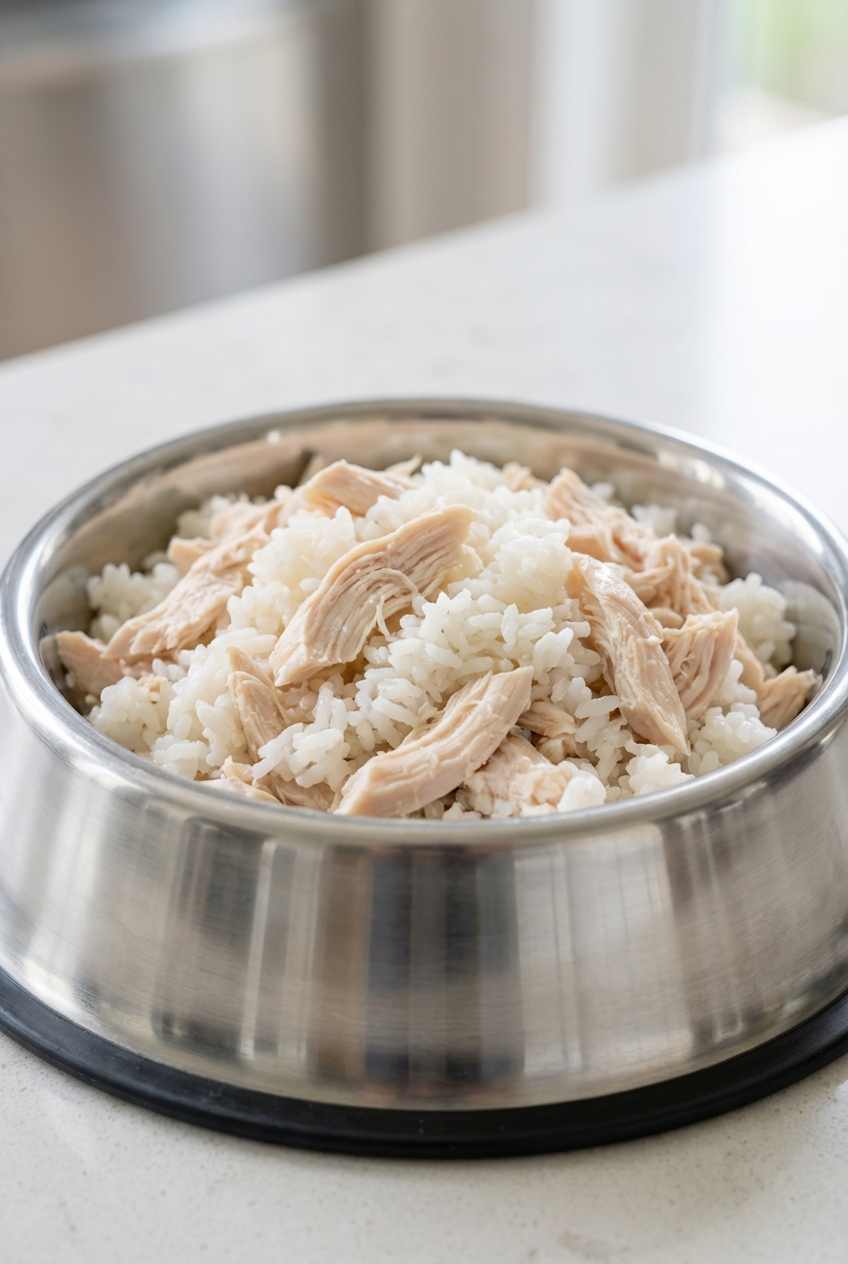
- Boiled skinless chicken breast plus plain white rice
- Boiled lean ground turkey (drained well) plus white rice
- Low-fat cottage cheese in small amounts (only if your dog tolerates dairy)
Simple ratio: Many clinics start with roughly a 1:1 mix of protein to carbohydrate by volume for a short-term bland diet.
How much to feed: Start with a small portion, about 1 to 2 tablespoons for small dogs and 1/4 to 1/2 cup for medium to large dogs, then repeat every 4 to 6 hours if they keep it down.
Stay on bland food for 2 to 3 days, then transition back to your regular diet slowly over 3 to 5 days by mixing increasing amounts of the regular food.
4) Use fiber support wisely (pumpkin can help)
Plain canned pumpkin (100% pumpkin, not pie filling) can help some dogs with mild diarrhea because of its soluble fiber. It can also help mild constipation. Evidence is mixed and responses vary, so it is best used as a temporary, gentle tool.
Start low and increase only if it seems helpful:
- Small dogs: 1 teaspoon to 1 tablespoon
- Medium to large dogs: 1 to 4 tablespoons
Mix it into bland food. Pumpkin adds fiber and calories, so keep it short-term. If diarrhea worsens, stop and call your vet.
5) Consider a veterinary probiotic
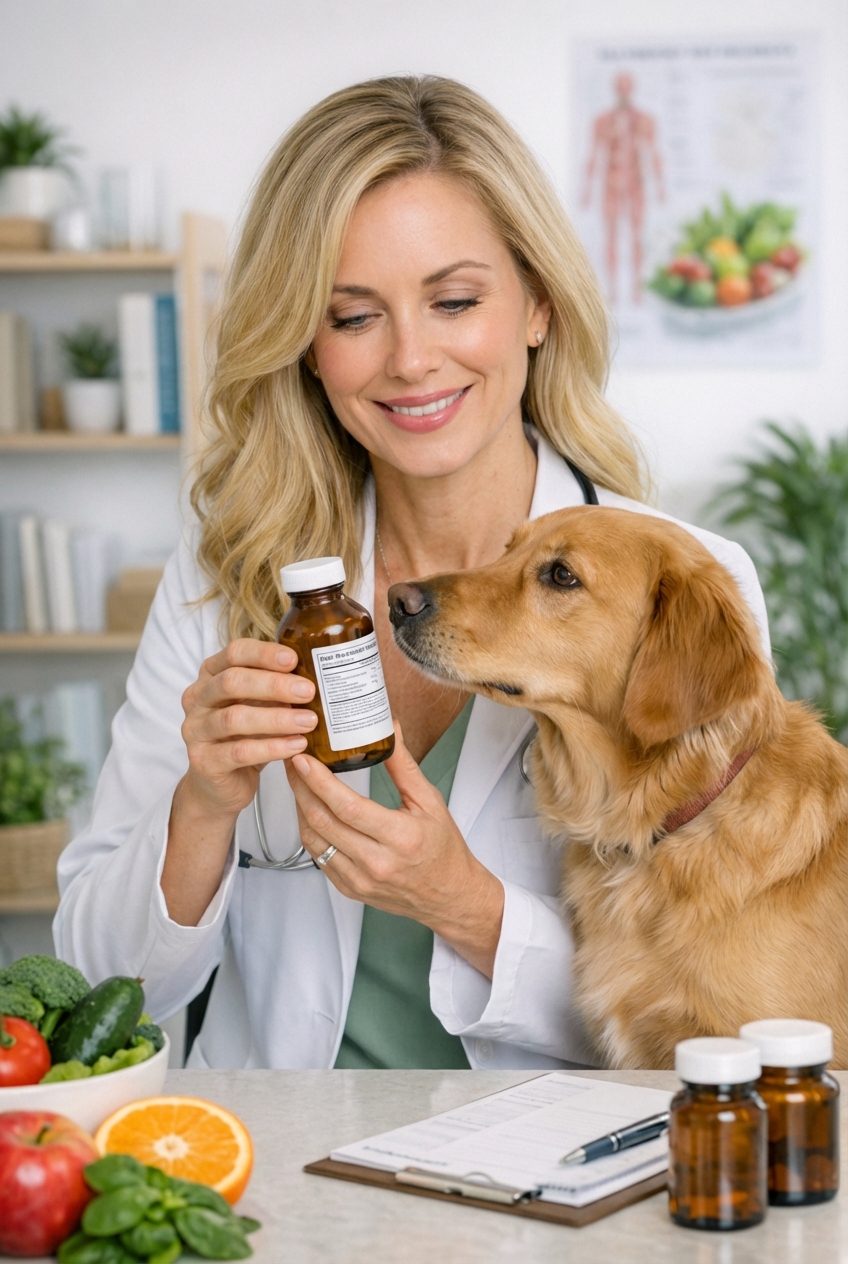
Probiotics can help support a healthier gut microbiome during and after diarrhea. Look for products made for pets with clear labeling and strain information. Your veterinarian can recommend one that matches your dog’s needs.
Avoid giving random human probiotics without guidance. The strains and doses are often not designed for dogs.
6) Keep activity calm
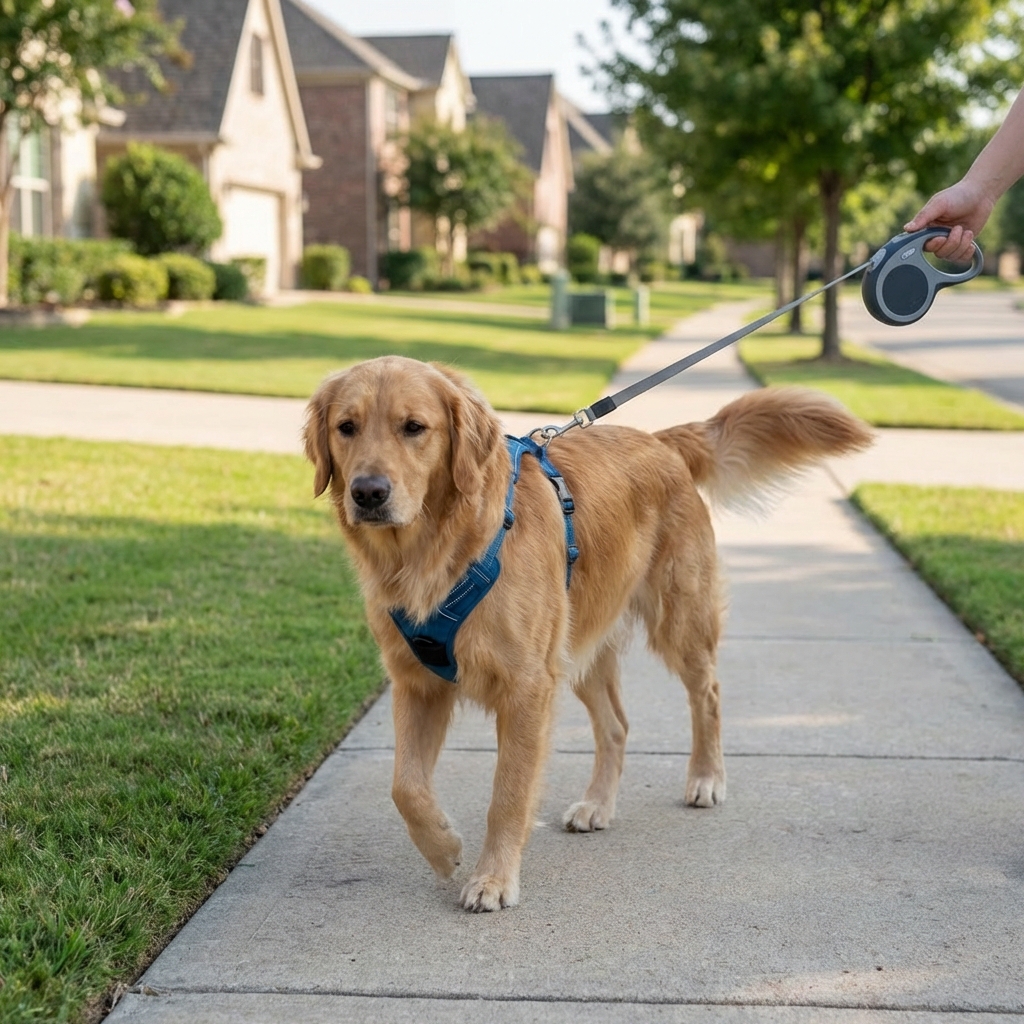
Short leash walks for potty breaks are perfect. Skip the dog park, zoomies, and intense play for a day or two. Rest helps the gut recover.
What to avoid
- Fatty foods: bacon, sausage, greasy leftovers can trigger pancreatitis
- Milk or rich dairy: can worsen diarrhea in lactose-sensitive dogs
- Bone broth with onion or garlic: many store-bought broths contain onion, which is toxic to dogs
- Human pain relievers: ibuprofen, naproxen, and acetaminophen can be dangerous and should never be given unless your veterinarian specifically instructs you to
- Pepto-Bismol or other bismuth products: only with veterinary guidance. They contain salicylate, which can be risky for some dogs, and they can also turn stool black, which may mask signs of bleeding
- Imodium (loperamide): only with veterinary guidance. It can be unsafe for some dogs (including certain herding breeds with MDR1 gene mutations) and may be inappropriate with infectious diarrhea or if a toxin is involved
- Sudden switch to a new kibble: if you need a change, transition gradually
- Essential oils: some can be irritating or toxic if ingested
Simple bland meal you can prep
If you want a quick, gentle option, the bland diet above is usually the simplest starting point. Here is an easy version to keep on hand for a day or two.
Gentle “reset” meal (low fat)
- Boiled skinless chicken breast (shredded)
- Plain white rice
- Optional: a small spoonful of plain canned pumpkin (if it has helped your dog before)
Keep portions small and meals frequent. Refrigerate leftovers promptly and use within 2 to 3 days.
Plain scrambled egg (for some dogs)
A plain egg, scrambled without butter or oil, can be easy to digest for some dogs. Use this only if your dog tolerates eggs and does not have pancreatitis risk.
Homemade food note
I love whole foods and homemade meals, but when your dog is actively nauseated or having diarrhea, keep it bland and consistent. This is not the time for rich organ meats, heavy supplements, or lots of new ingredients. Once your dog is stable, then you can build back to a more varied, nutritious routine.
If it keeps coming back
If stomach issues are frequent, it is worth looking deeper with your veterinarian. Recurring vomiting or diarrhea can point to parasites, food intolerance, inflammatory bowel disease, pancreatitis, endocrine disease, or a chronic dietary mismatch.
Helpful info to track before your appointment:
- Diet details: brand, flavor, treats, chews, table food, supplements
- Timeline: when it started, how often vomiting or diarrhea occurs
- Stool appearance: watery, mucus, blood, black stool
- Energy level, appetite, water intake, urination
- Access to trash, toys, plants, or new environments
- Photos: if you can do it safely, a quick photo of stool or vomit can help your vet assess severity and color changes
If your vet requests it, bring a fresh stool sample. It can speed up parasite testing.
Prevention tips
- Transition foods slowly: over 7 to 10 days, mixing old and new
- Use treat limits: treats should generally stay under 10% of daily calories
- Choose safer chews: avoid items that splinter or can be swallowed in chunks
- Trash security: lidded can, baby gates, and supervision in kitchens
- Routine parasite prevention: ask your vet what fits your area and lifestyle
- Manage stress: predictable schedule, enrichment, and calming supports when needed
Bottom line
A mild upset stomach is common, and many dogs improve quickly with rest, hydration, and a simple bland diet. The key is knowing your dog’s baseline and watching closely for red flags. If your dog is not improving or seems painful, dehydrated, or unusually tired, please call your veterinarian. You are never overreacting by advocating for your best friend.