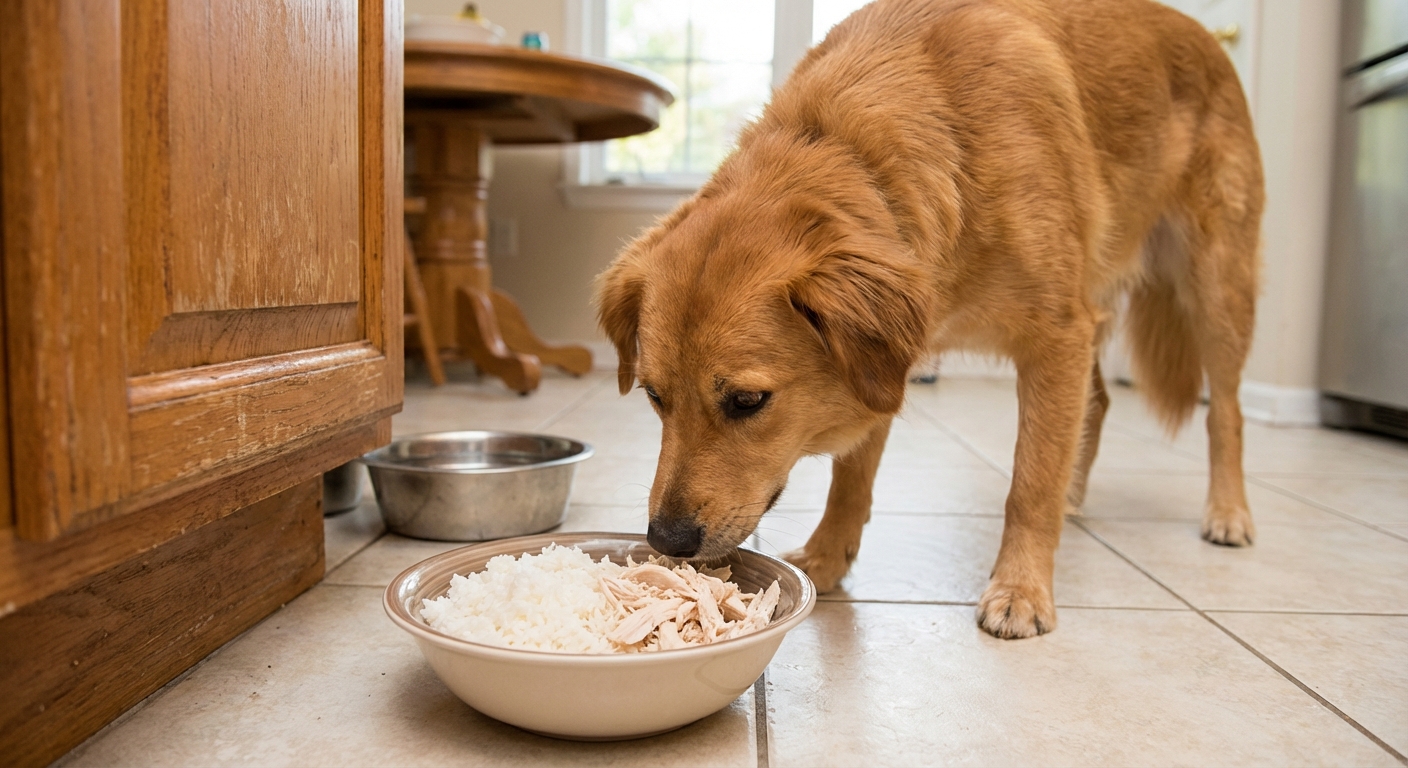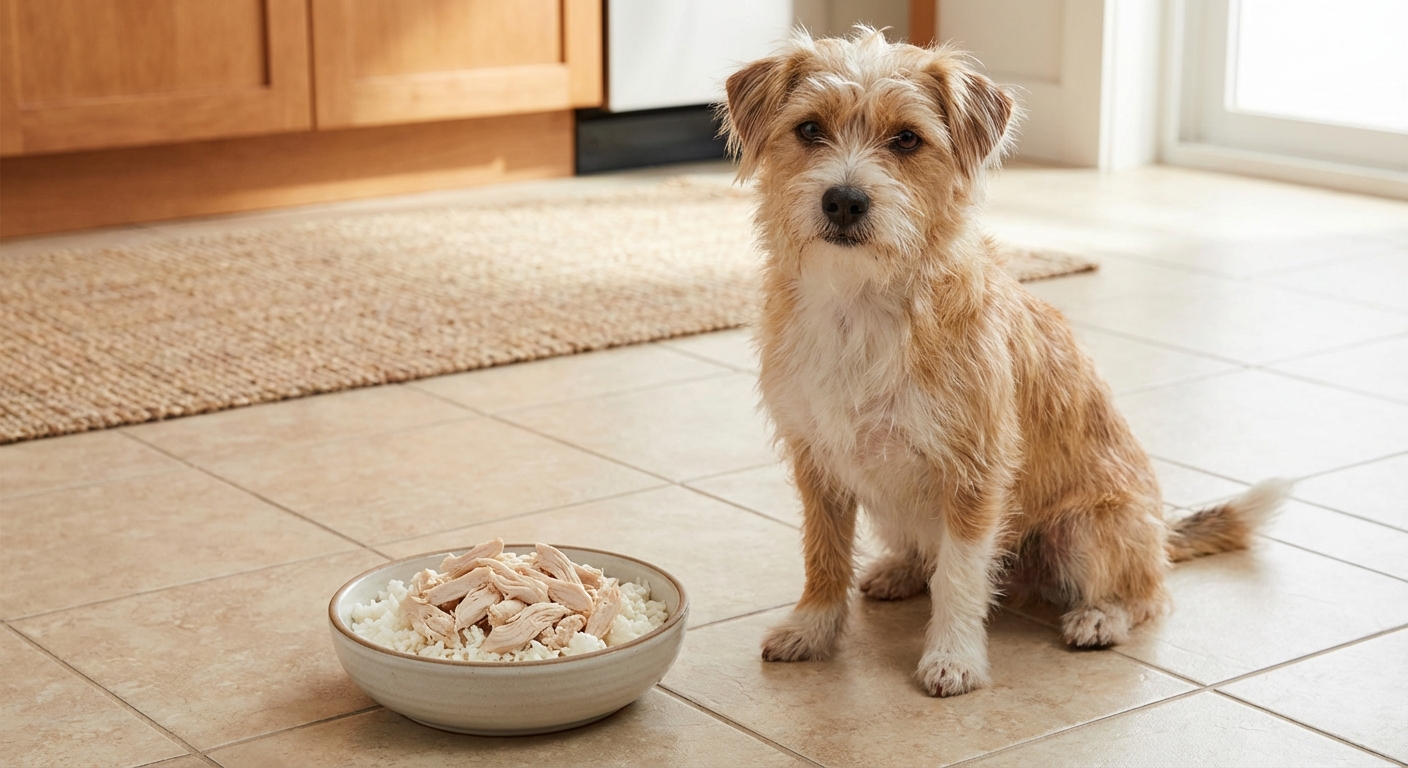
Chicken and rice can soothe mild stomach upset and help dogs transition back to normal food. Learn safe recipes, portions, how long to feed it, and when to c...
Article
•
Designer Mixes
Dog Upset Stomach Facts Every Owner Should Know

Shari Shidate
Designer Mixes contributor
As a veterinary assistant here in Frisco, Texas, I see upset stomachs in dogs all the time. The good news is that many cases are mild and short-lived. The tricky part is knowing when it is safe to support your dog at home and when you need a veterinarian right away.
This article walks you through the essential facts: the most common causes, what symptoms actually mean, what you can do safely today, and the red flags you should never ignore.
What counts as an upset stomach?
“Upset stomach” is a catch-all phrase owners use for GI irritation (stomach and intestines). In real life, that usually shows up as one or more of the following:
- Vomiting (food, foam, bile, or repeated dry heaving)
- Diarrhea (soft stool to watery stool, sometimes with mucus)
- Loss of appetite or refusing treats
- Nausea signs like lip licking, drooling, swallowing repeatedly
- Stomach gurgling (increased gut sounds)
- Grass eating (common, but not always meaningful)
- Lethargy or hiding more than usual
One episode of vomiting with otherwise normal energy can be very different from repeated vomiting plus weakness. Try to look at the whole dog, not just the mess.
Common causes
Dietary indiscretion
This is the classic “my dog ate something weird” situation: table scraps, trash, spoiled food, too many treats, a new chew, or a sudden diet switch. It can cause vomiting, diarrhea, or both within hours to a day.
Sudden food change
Even a high-quality food can upset your dog’s gut if you switch too quickly. Many dogs do best with a slow transition over 7 to 10 days.
Stress and routine changes
Boarding, visitors, travel, storms, and big schedule changes can trigger stress-related diarrhea, especially in sensitive dogs.
Parasites
Giardia and other intestinal parasites are common, especially in puppies, dogs who visit dog parks, or dogs who drink from puddles. Parasites often cause recurring soft stool, mucus, or intermittent diarrhea.
Food sensitivity
Some dogs develop chronic loose stool, gassiness, or vomiting tied to specific ingredients. These cases tend to linger rather than resolve in a day.
Pancreatitis
Pancreatitis is inflammation of the pancreas and can be serious. It often follows a fatty meal and can cause repeated vomiting, abdominal pain, and significant lethargy.
Foreign body or blockage
Socks, toys, corn cobs, bones, and other objects can partially or fully block the intestines. Vomiting that does not stop, inability to keep water down, and worsening energy are common.
Toxins and medications
Some human foods and medications irritate the GI tract or cause poisoning. Always assume “it could be toxic” if your dog got into something unknown.
Red flags
Call your veterinarian or an emergency clinic right away if you notice any of the following:
- Repeated vomiting (two or more times, or any vomiting that keeps happening), especially if your dog cannot keep water down
- Vomiting that does not improve over 12 to 24 hours, or sooner for puppies, seniors, and small dogs
- Blood in vomit or stool, or stool that looks black and tarry (melena, which can indicate digested blood)
- Severe lethargy, collapse, weakness, or acting “not like themselves”
- Signs of dehydration: tacky or dry gums, sunken eyes, low energy, reduced urination, or a skin tent that stays up instead of snapping back quickly
- Swollen or painful belly, unproductive retching, pacing, or obvious abdominal pain (bloat or GDV is a true emergency)
- Suspected toxin exposure (including xylitol, grapes or raisins, rodent bait, human meds)
- Known foreign body risk (missing sock, destroyed toy, chewed up bone, corn cob)
- Puppies, seniors, or dogs with chronic illness (kidney disease, diabetes, Addison’s, etc.) with any vomiting or diarrhea
- Very frequent watery diarrhea, especially with restlessness, straining, or inability to rest
- Unvaccinated or under-vaccinated puppies with vomiting or diarrhea plus lethargy (parvovirus is a major concern)
When in doubt, call. A quick phone triage can save you hours of worry and can prevent dehydration from getting out of control.
Home care for mild cases
If your dog has mild symptoms, normal or only slightly reduced energy, and no red flags, supportive care is often reasonable for a short window. Recommendations can vary by dog and by situation, so if symptoms persist or you feel unsure, check in with your veterinarian.
1) Protect hydration first
Water matters more than food in the first 12 to 24 hours.
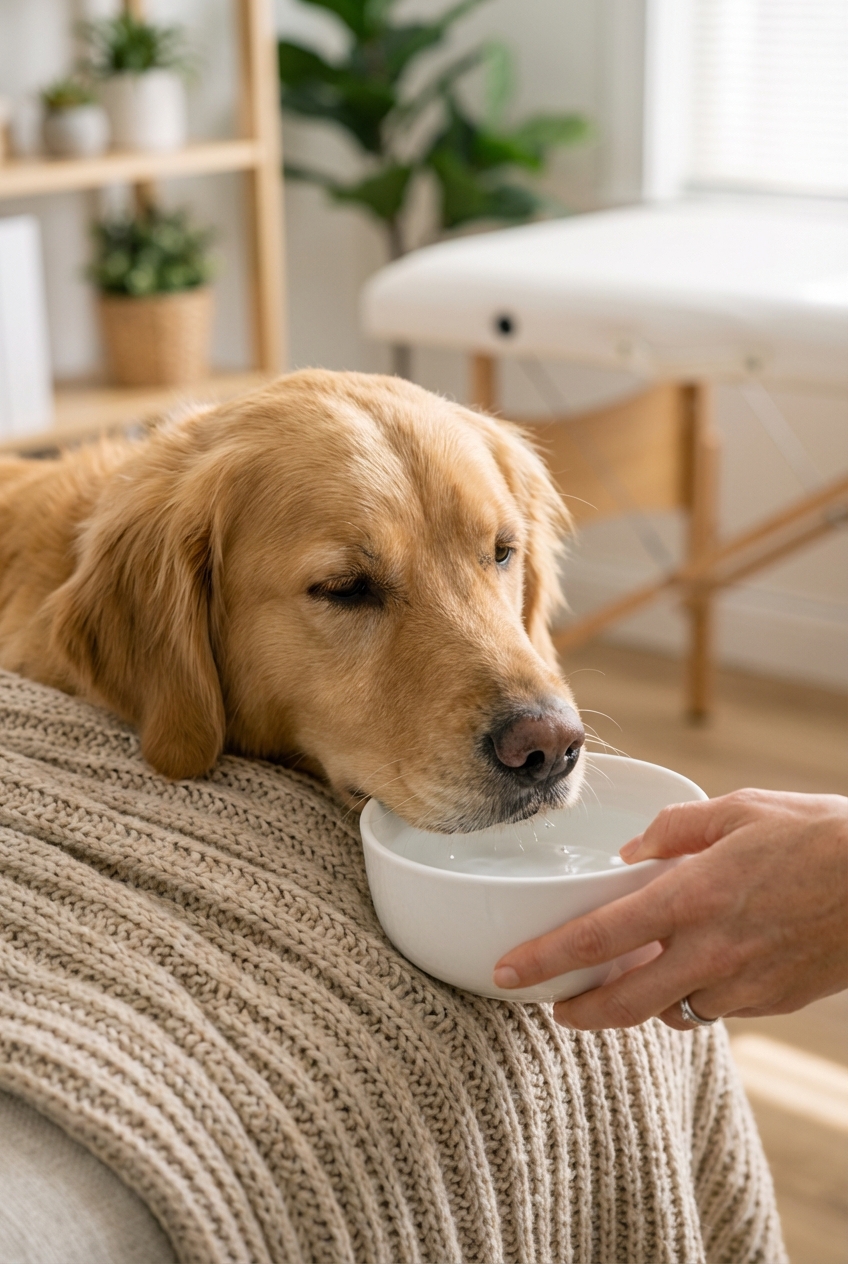
- Offer small amounts of water frequently.
- If your dog gulps and vomits, offer teaspoon-to-tablespoon amounts every 10 to 15 minutes, slowly increasing as tolerated.
- Ask your vet whether an oral electrolyte solution is appropriate for your dog, especially with diarrhea.
2) Food breaks
For some dogs with vomiting, a short pause from food can help settle the stomach. For uncomplicated diarrhea, many dogs do better with small, bland meals rather than a long fast. Fasting is not appropriate for every dog, especially very small breeds, puppies, diabetics, or dogs prone to low blood sugar. If you are unsure, call your clinic before fasting.
3) Bland diet
Once vomiting has stopped and your dog is interested in food, start with small meals. Common bland options include:
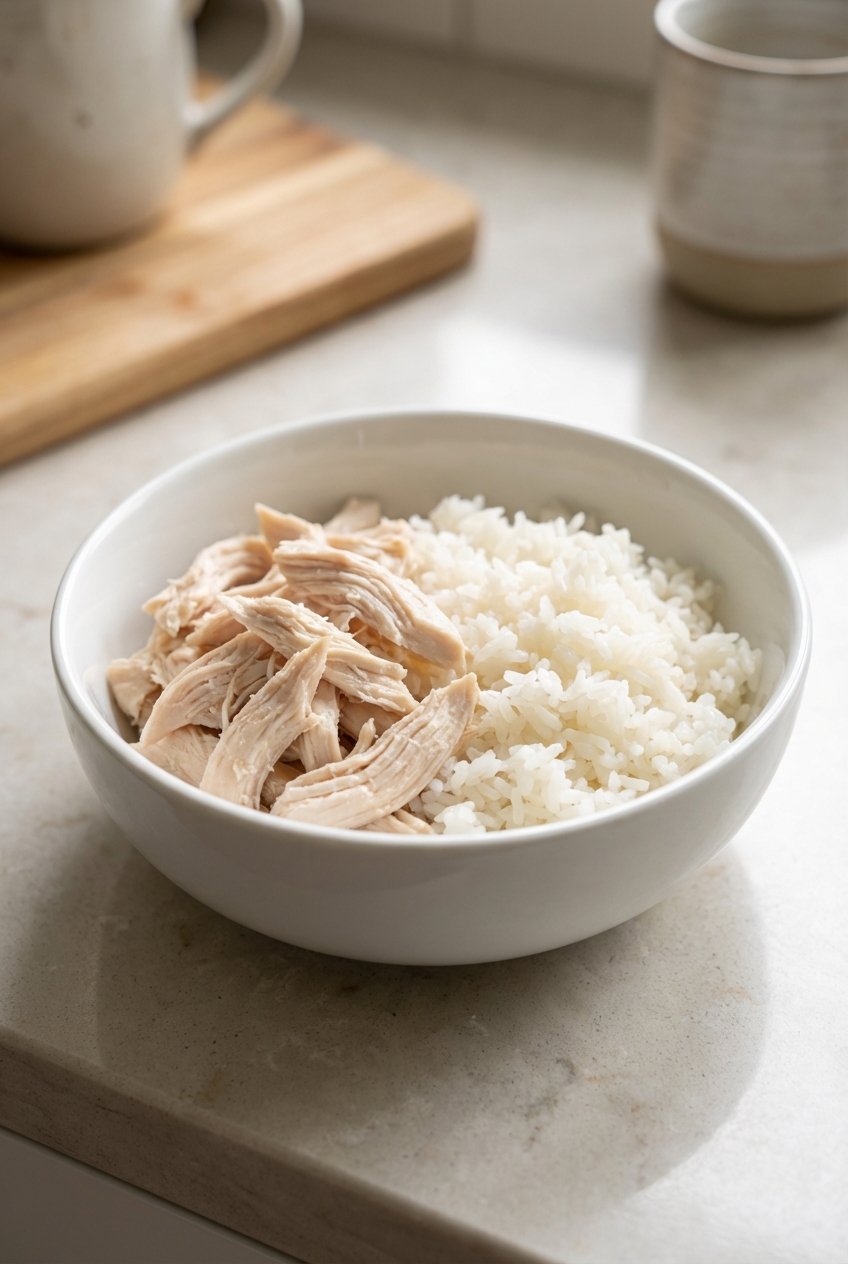
- Boiled skinless chicken breast with plain white rice
- Lean ground turkey (well-cooked, drained) with rice
- Plain canned pumpkin (not pie filling) may help some dogs in small amounts, but it can also worsen diarrhea in others. Start small and stop if things get worse.
Feed small portions 3 to 6 times per day. After 48 to 72 hours of improvement, gradually transition back to the normal diet over several days.
4) Avoid these foods
During an upset stomach, keep it simple. Skip:
- Fatty foods (bacon, sausage, greasy leftovers)
- Dairy (many dogs are lactose intolerant)
- Rich treats and table scraps
- Bones, rawhides, and hard chews, which can irritate the gut or increase foreign body risk
5) No random human meds
Please avoid giving Pepto-Bismol, Imodium, aspirin, or other human medications unless your veterinarian specifically tells you to. The wrong drug or dose can make things worse or mask a serious problem.
Monitor at home
You do not need fancy equipment to gather helpful information. You just need a few quick observations that your vet will actually use.
- Count episodes: How many times did vomiting or diarrhea happen in 24 hours?
- Look at appearance: Any blood, mucus, worms, or unusual color?
- Track drinking and urination: Is your dog peeing normally?
- Check energy: Are they alert, responsive, and interested in normal activities?
- Consider recent history: New food? New treats? Trash access? Stress? Dog park? Recent boarding?
If you end up calling your vet, these details can speed up decision-making and reduce guesswork.
When to bring a stool sample
If diarrhea lasts more than a day or two, keeps coming back, includes mucus or blood, or your dog is a puppy, ask your clinic if you should bring a fresh stool sample. A fecal test can help identify parasites like Giardia. In puppies, your vet may also recommend a parvo test based on symptoms and vaccine history.
What your vet may check
Depending on your dog’s signs, your vet might recommend supportive medications, lab work, fecal testing, and sometimes X-rays or ultrasound if a blockage or pancreatitis is suspected.
Prevention
Transition foods slowly
Mix the new food with the old food over 7 to 10 days. Go slower for sensitive stomachs.
Limit surprise calories
Rich treats and table scraps are a top trigger for GI upset and pancreatitis. Keep treats to about 10 percent of daily calories, and choose simple ingredients.
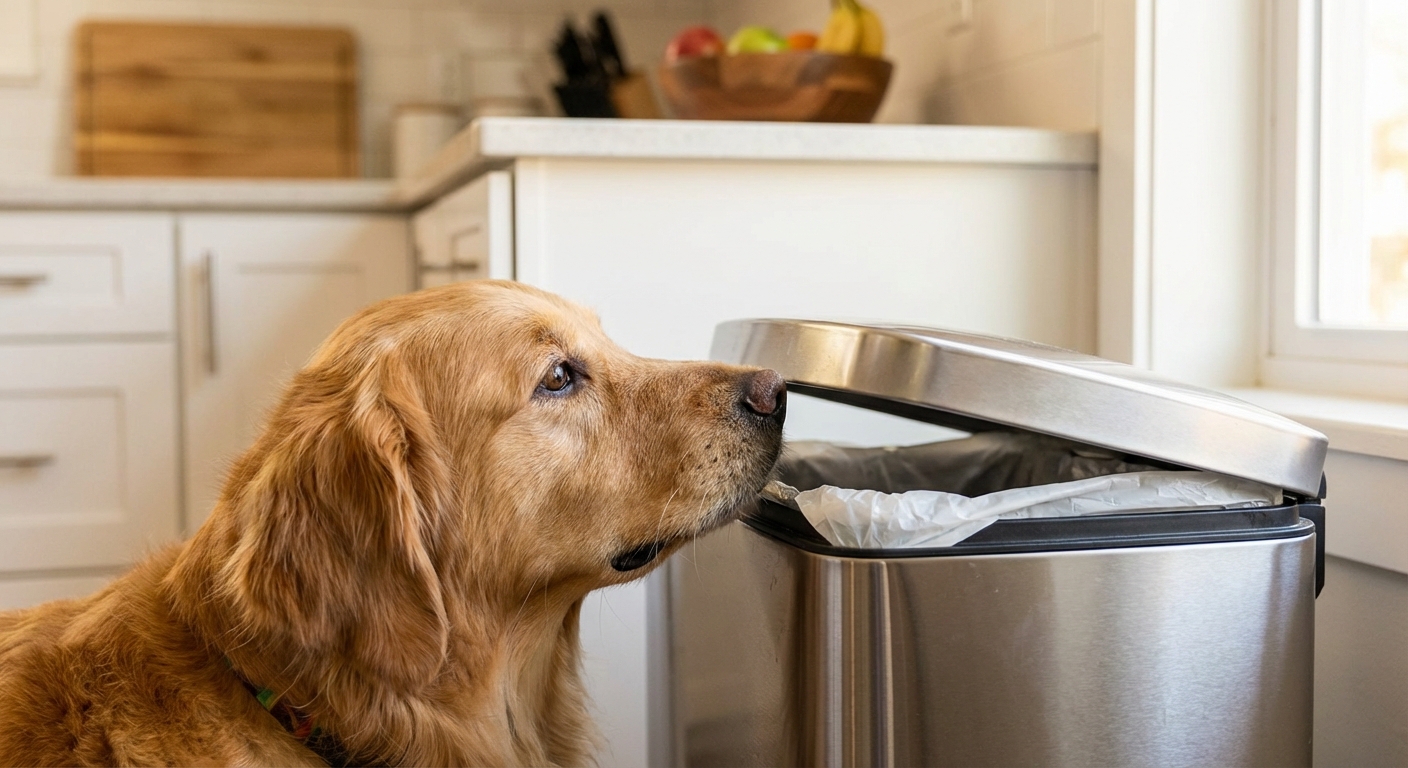
Trash safety
Use a secured trash can and keep risky items out of reach: bones, corn cobs, skewers, dental floss, and greasy wrappers.
Parasite prevention
Parasite risk varies by region and lifestyle. Your vet may recommend year-round prevention and routine fecal testing to reduce recurring diarrhea from parasites, especially in social dogs.
Ask about a GI plan
For dogs prone to digestive trouble, veterinarians may recommend a targeted diet trial, a specific probiotic, or testing for underlying conditions.
Quick FAQ
How long should it last?
Mild cases from minor diet mistakes often improve within 24 to 48 hours. If symptoms persist beyond that, worsen at any time, or you see any red flags, contact your veterinarian.
Is grass eating a sign of illness?
Sometimes. Many dogs eat grass and are fine. If grass eating is paired with vomiting, drooling, refusing food, or repeated episodes, treat it as a nausea clue.
Should I switch to homemade food?
Homemade, whole-food meals can be wonderful for many dogs, but during an acute upset stomach you want simple, bland, and consistent foods. Once your dog is stable, talk with your veterinarian or a qualified nutrition professional before making major long-term diet changes so the diet stays balanced.
Bottom line
Most dog upset stomachs are manageable, but some are urgent. Focus on hydration, choose gentle food when appropriate, and watch for red flags. If you are ever unsure, it is completely reasonable to call your veterinarian for guidance. You are not overreacting. You are being a good advocate for your dog.