Step-by-step tick removal for dogs using tweezers or a tick tool, plus what not to do, how to handle broken mouthparts, when to call the vet, and prevention ...
Article
•
Designer Mixes
Dog Tick Removal Facts

Shari Shidate
Designer Mixes contributor
Ticks are tiny, sneaky, and surprisingly good at hiding in your dog’s fur. As a veterinary assistant in Frisco, Texas, I can tell you that the best outcomes usually come down to three things: removing the tick correctly, watching for signs afterward, and preventing the next one.
This guide walks you through what every owner should know, with practical steps you can do at home and clear signs that it is time to call your veterinarian.
Why ticks matter
Ticks are not just gross. They can transmit infections to dogs. In the U.S., the most talked-about tick-borne illnesses include Lyme disease, ehrlichiosis, anaplasmosis, and Rocky Mountain spotted fever. Not every tick carries disease, and not every bite leads to illness, but the risk is real.
Two key facts help you make smart decisions:
- Time matters. Some pathogens are more likely to transmit after a tick has been attached for a while, but timing varies by disease and tick species. Removing ticks quickly is still one of the best things you can do.
- Species matters. Different ticks carry different risks. If you can save the tick after removal, it may help your vet with identification and risk assessment, although many clinics do not routinely test ticks and it may not change management.
Tick check basics
If your dog spends time in tall grass, wooded areas, brushy trails, dog parks, or even untrimmed backyards, do a quick tick check after outdoor time. It is often a 60-second habit once you get used to it.
Local note: In North Texas, we can see ticks much of the year, not just in one season.
Where ticks hide
- Inside and around the ears
- Under the collar and along the neck
- Armpits and groin
- Between toes and around nail beds
- Under the tail and around the rear
- Along the eyelids and muzzle
Tip: Use your fingertips like a comb. You are feeling for small bumps, not just looking.
How to remove a tick
You do not need fancy equipment, but you do need the right technique. The goal is to remove the tick as intact as possible, without squeezing its body.
Safety first: If your dog is painful, very wiggly, or may bite, stop and call your veterinarian. A quick visit is safer than a struggle at home.
What you need
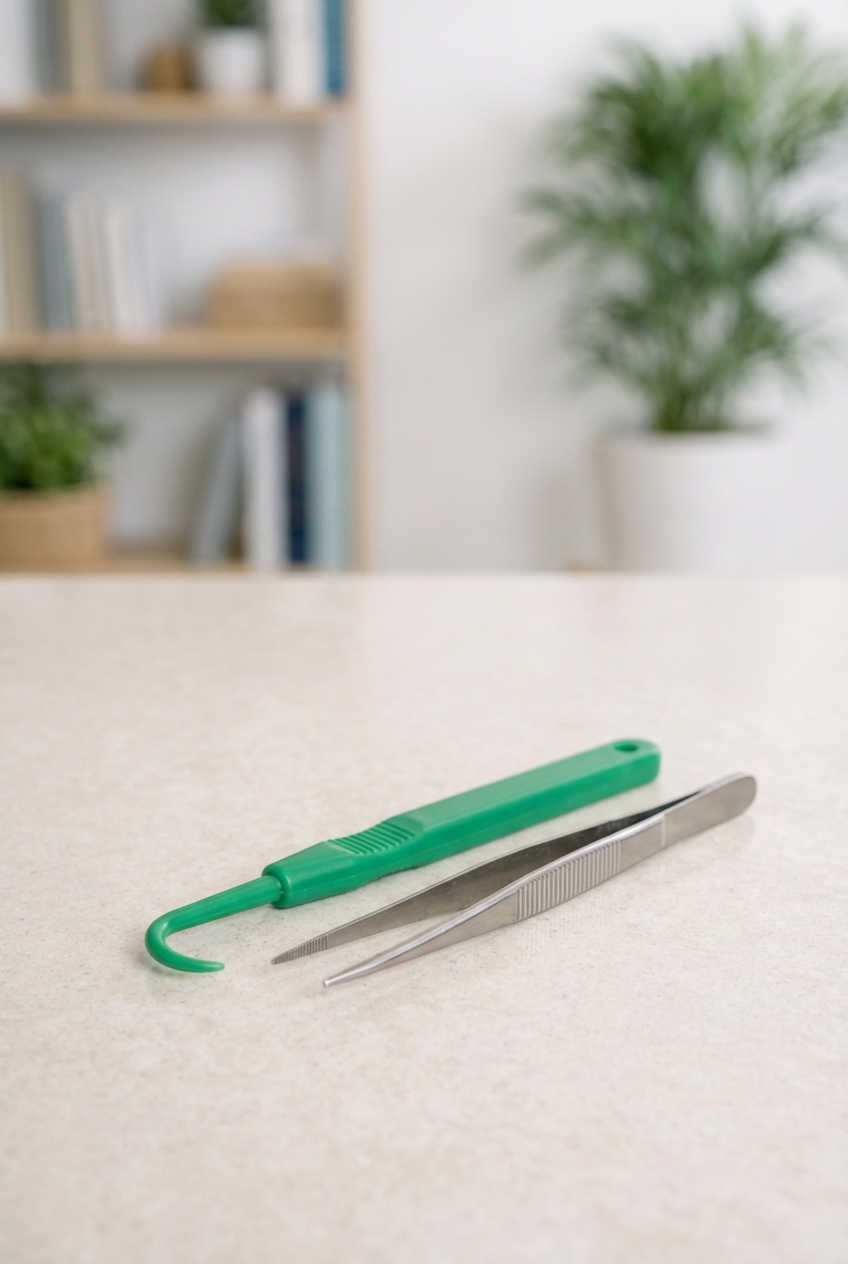
- Fine-tipped tweezers or a tick-removal tool
- Disposable gloves (recommended)
- Rubbing alcohol or soap and water
- A small sealable container (or a zip bag) if you want to save the tick
- A treat for your dog and good lighting for you
Step by step
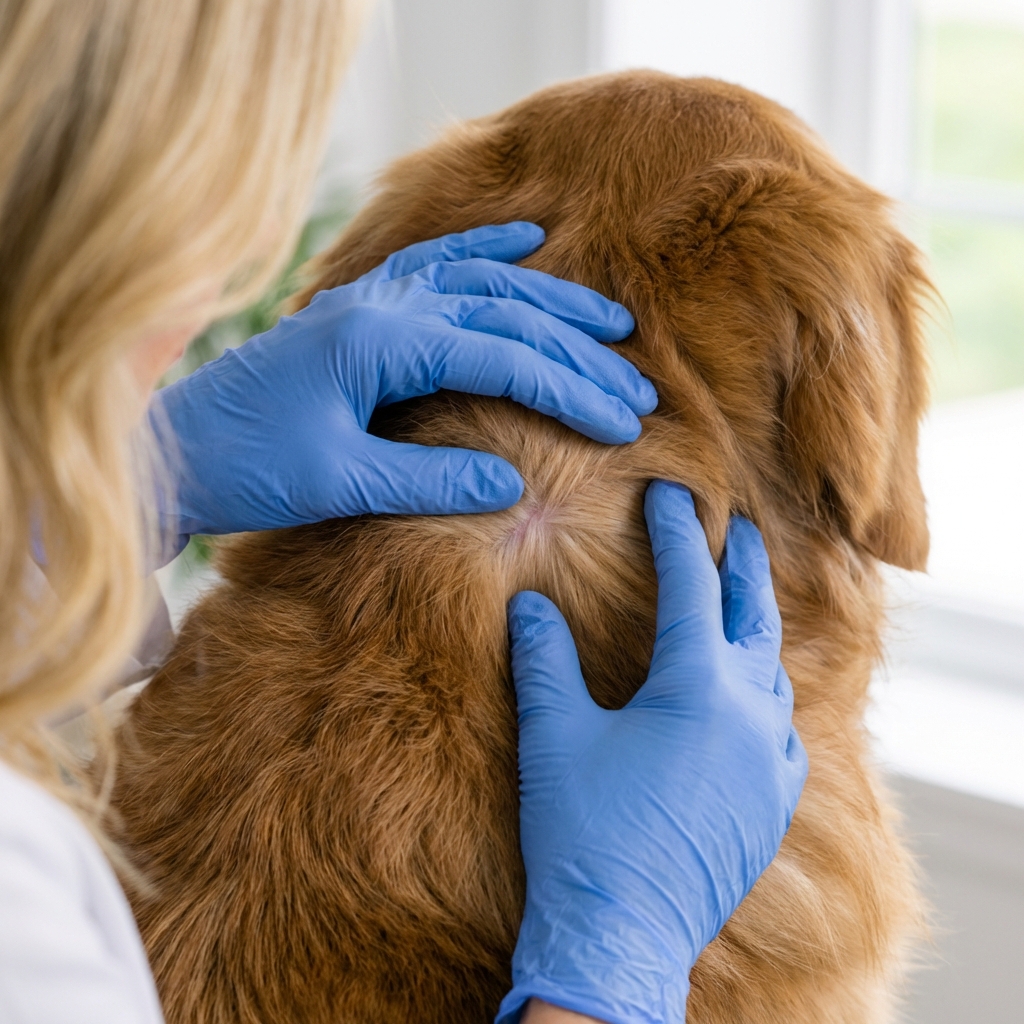
- Part the fur and locate where the tick is attached.
- Grab the tick close to the skin using tweezers. Aim for the head and mouthparts area, not the swollen body.
- Pull upward with steady, even pressure until it releases. Avoid yanking, crushing, or squeezing. If you are using a tick-removal tool, follow the tool’s instructions (some use a gentle lift-and-rotate motion).
- Check the site for any remaining parts. A small scab or mild redness can be normal.
- Clean the skin with soap and water or a pet-safe antiseptic recommended by your veterinarian.
- Clean up by washing your hands and disinfecting your tweezers or tool.
- Dispose of the tick or save it. If saving, place it in a sealed container with a little rubbing alcohol and note the date and where on your dog you found it.
Skip old myths like burning the tick, smearing petroleum jelly, or using essential oils to “back it out.” Those approaches can irritate the skin and may increase disease risk.
Disposal tip: Do not crush a tick with bare fingers. Keep it sealed (container, zip bag, or wrapped tightly in tape). Avoid flushing unless your local guidance specifically says it is okay.
If the head breaks off
This is one of the biggest worries I hear from dog owners. Sometimes what looks like a “head” left behind is actually a tiny scab or irritated skin. If mouthparts truly remain in the skin, the body will often treat it like a splinter and work it out over time.
It is also reassuring to know that retained mouthparts typically do not increase the risk of systemic tick-borne disease. The infectious material is primarily associated with the tick’s feeding process while the tick’s body is attached.
What to do:
- Do not dig aggressively. Digging can cause more trauma and raise infection risk.
- Clean the area and check it daily.
- Call your vet if you see increasing redness, swelling, pus, pain, or if your dog keeps scratching or seems uncomfortable.
When to call the vet
Many tick bites are uncomplicated. But you should contact your veterinarian promptly if:
- You cannot remove the tick fully, or the area looks increasingly inflamed
- Your dog seems unwell within days to weeks after a tick bite
- Your dog is very young, elderly, immunocompromised, or has chronic illness
- You notice multiple ticks or heavy infestation
Signs to watch for
- Lethargy, weakness, or “just not themselves”
- Fever
- Loss of appetite
- Lameness or shifting leg pain
- Swollen lymph nodes
- Joint swelling
- Vomiting or diarrhea
- Unusual bruising, bleeding, or pinpoint red spots on gums or skin
These signs do not automatically mean a tick-borne disease, but they are absolutely worth a vet visit and possibly testing.
Testing and treatment
Your veterinarian may recommend blood testing depending on your region, your dog’s signs, and the type of tick exposure. Some tests look for antibodies, which can take time to show up. That is why timing and follow-up matter.
Treatment varies based on the disease suspected. Doxycycline is commonly used for several tick-borne infections, but your vet will choose the right plan for your dog’s age, health history, and symptoms.
Important: Do not give leftover antibiotics or human medications. Using the wrong drug or dose can delay proper diagnosis and create complications.
Prevention that works
Tick removal is a useful skill, but prevention is what protects your dog long-term. Most veterinarians recommend a combination approach, especially in warmer months or in tick-heavy regions.
Proven options
- Oral preventives (often monthly, but some are longer acting)
- Topical preventives applied to the skin
- Tick collars with long-lasting active ingredients
Which one is best depends on your dog’s lifestyle, swimming habits, grooming schedule, age, and any history of medication sensitivity. Always follow label directions and your veterinarian’s guidance.
Optional but worth asking: Tick risks vary by region. In some areas, your veterinarian may discuss vaccines (like Lyme) for certain dogs based on lifestyle and local risk.
Home and yard habits
- Keep grass trimmed and remove leaf litter
- Create a gravel or mulch barrier between woods and lawn if possible
- Wash bedding regularly and check favorite nap spots
- Do tick checks after hikes, hunting, camping, or trail walks
Household tip: If you find a tick on one pet, do a quick check of your other pets and a quick self-check for the humans in the house too.

Do’s and don’ts
Do
- Remove ticks as soon as you find them
- Use tweezers or a tick tool and use steady, even pressure
- Clean the bite site, wash your hands, and disinfect your tools
- Watch your dog for a few weeks for signs of illness
- Use a vet-recommended tick preventive consistently
Don’t
- Don’t yank, crush, or squeeze the tick’s body
- Don’t apply heat, oils, or irritants to the tick
- Don’t assume a lack of signs means zero risk
- Don’t skip prevention just because it is “not tick season” where you live
Quick FAQ
Should I save the tick?
If you can, yes. Place it in a sealed container with rubbing alcohol and write down the date. It may help your vet with identification and risk assessment if signs develop later, even though testing the tick itself is not routine in many clinics.
Can I get sick from handling a tick?
People can also get tick-borne diseases. Use gloves if possible, avoid touching the tick with bare hands, and wash thoroughly afterward.
Is a bump normal after removal?
A small bump or mild redness can be normal for a few days. Worsening swelling, heat, pain, or drainage is not normal and should be checked by a veterinarian.
The bottom line
Ticks are part of life for many dogs, but panic is not required. If you know how to remove a tick properly, keep an eye out for changes afterward, and stay consistent with prevention, you are doing the most important things to protect your best friend.
If you ever feel unsure, reach out to your veterinarian. It is always better to ask early than to wait until a small issue becomes a bigger one.