Worried about a vomiting dog? Learn when vomiting is an emergency, how to offer small sips safely, and the best bland foods (chicken/rice, turkey, pumpkin, e...
Article
•
Designer Mixes
Dog Throwing Up Yellow: What It Means

Shari Shidate
Designer Mixes contributor
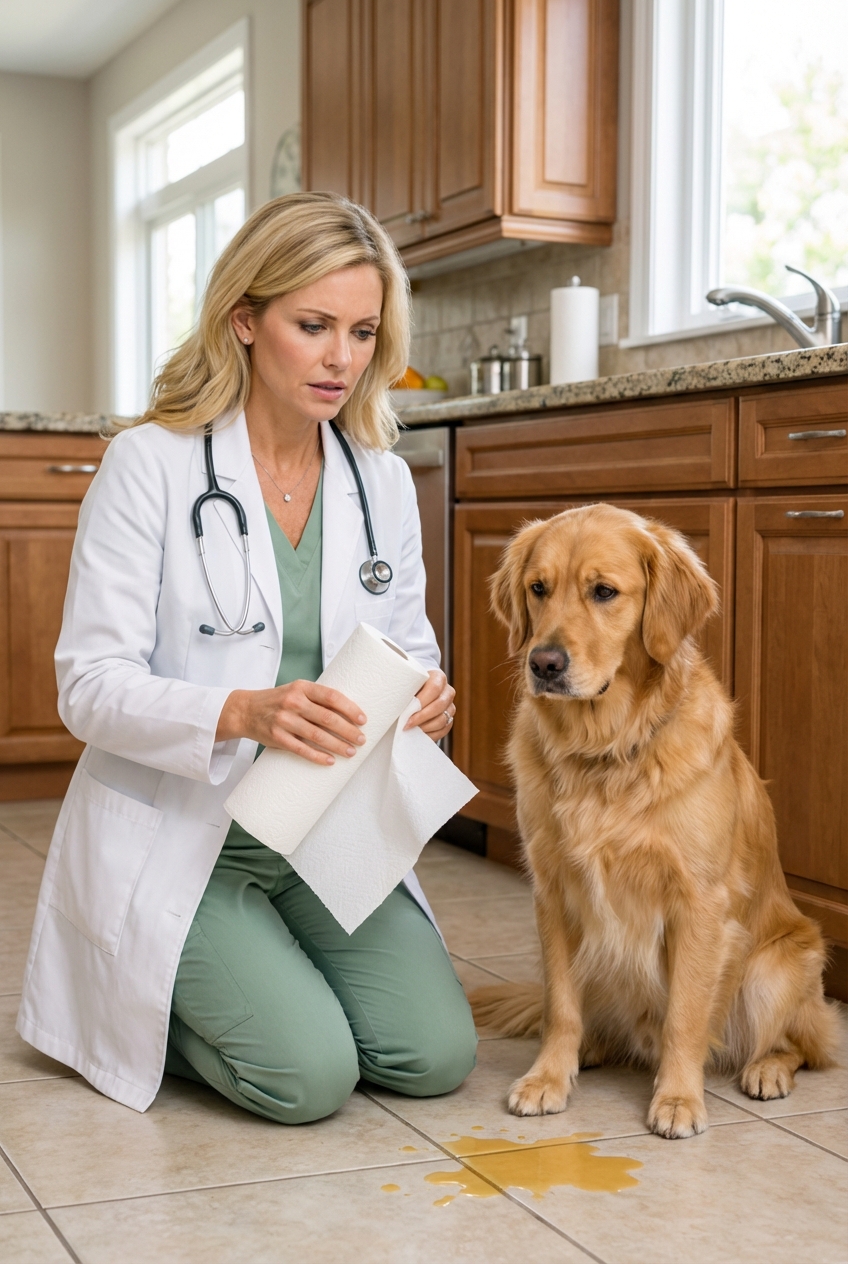
Seeing yellow vomit on the floor can be scary, and as a veterinary assistant in Frisco, Texas, I hear this question a lot: “Why is my dog throwing up yellow?” The good news is that many cases are mild and short-lived. The important part is knowing what yellow vomit typically is, what can cause it, and when it is a true emergency.
Quick note: This article is for general education and is not a substitute for a veterinary exam. If you are worried, it is always appropriate to call your vet.
Quick takeaway: Yellow vomit is most often stomach fluid or mucus tinted with bile. This is especially common when the stomach is empty or irritated. Repeated vomiting, weakness, belly pain, bloating, blood, or an inability to keep water down should be treated as urgent.
What yellow vomit usually is
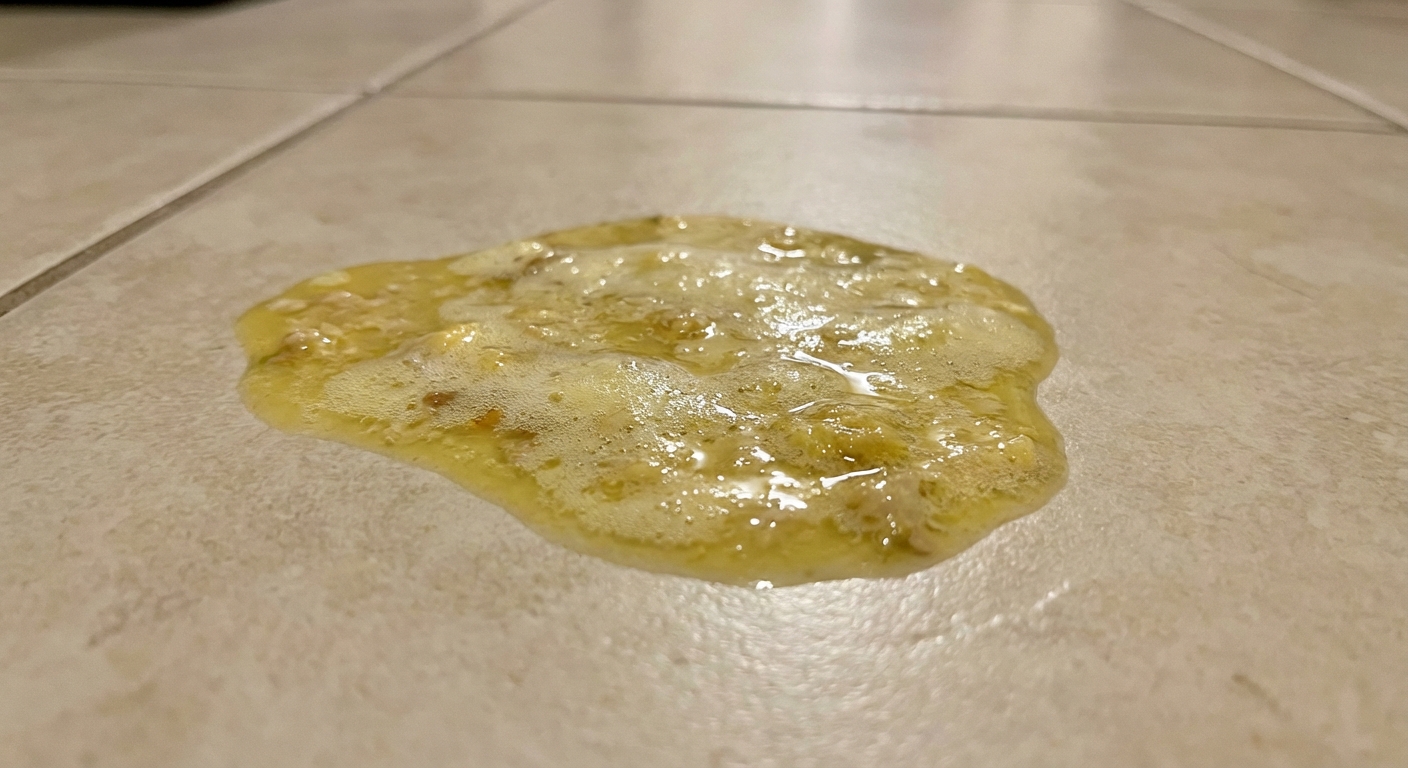
In most dogs, yellow (or yellow-green) vomit is bile or gastric fluid tinted by bile. Bile is a digestive fluid made by the liver and stored in the gallbladder. It normally flows into the small intestine to help digest fats. When the stomach is empty or irritated, small amounts of bile can reflux backward into the stomach and then get vomited up.
What it looks like: foamy yellow liquid, watery yellow puddles, or yellow mucus. Sometimes you will also see a bit of partially digested food.
What the color can mean
Color alone cannot diagnose the cause, but it can help you describe what you are seeing to your vet.
- Yellow: often bile-tinted stomach fluid, common on an empty stomach
- Green: can be bile too, or sometimes grass material mixed in
- Brown: may be food, stool-like material, or digested blood, this warrants a call
- Black or coffee grounds: possible digested blood, treat as urgent
- Red streaks or clots: fresh blood, treat as urgent
Common reasons dogs vomit yellow
1) Empty stomach (classic morning bile)
One of the most common patterns is vomiting yellow foam early in the morning or late at night, especially if your dog goes a long stretch between meals. Vets often suspect bilious vomiting syndrome in this pattern. It is commonly discussed as reflux-related, but it can overlap with gastritis, motility issues, and other causes of stomach irritation.
- Often happens after 8 to 12 hours without food
- Dog may act normal right after vomiting and want breakfast
- Can improve with a small bedtime snack or more frequent meals
2) Mild stomach irritation
Sometimes it is as simple as your dog eating something that did not agree with them. Greasy scraps, new treats, chewed toys, grass, spoiled food, and trash can irritate the stomach and trigger vomiting.
3) Eating too fast (vomiting vs regurgitation)
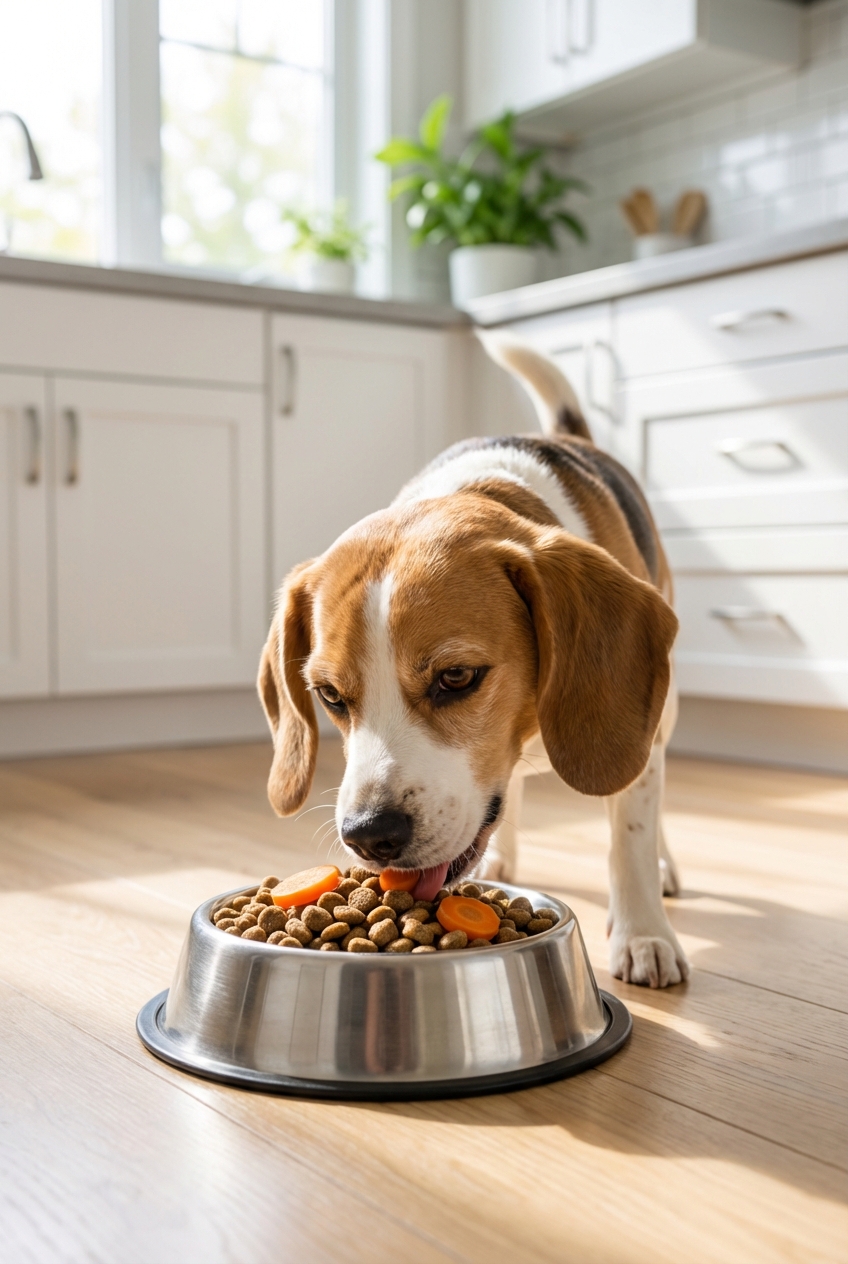
Fast eaters may regurgitate (a more passive “gulped food comes back up” event) or vomit (heaving, nausea, and stomach fluid). Yellow fluid can show up if the stomach is irritated or becomes empty quickly. If it happens right after meals, speed is a strong suspect.
4) Parasites (especially in puppies)
Intestinal parasites like roundworms and hookworms can cause nausea, vomiting, diarrhea, potbelly appearance, and poor growth. Yellow vomit can show up when the GI tract is irritated.
5) Pancreatitis
Pancreatitis is inflammation of the pancreas and can be very painful. Vomiting (including yellow), decreased appetite, diarrhea, hunched posture, and lethargy are common. This is more likely after a fatty meal, in dogs with a history of pancreatitis, or in certain breeds.
6) Foreign body or partial blockage
If a dog swallows something like a sock, corn cob, toy piece, or bone fragment, they may vomit repeatedly. Yellow bile is common when the stomach is empty from vomiting but the nausea continues. A partial blockage can look deceptively mild at first.
7) Motion sickness
Car rides can trigger nausea in many dogs, especially puppies and adolescents. Some dogs vomit on the way to the park and others only on the way home. If the timing lines up with travel, mention that to your vet.
8) Medication side effects
Some medications can upset the stomach, including certain antibiotics, dewormers, and anti-inflammatory medications. If vomiting started soon after a new medication, call your vet before giving the next dose.
9) Liver or gallbladder disease (less common, but important)
Because bile is involved, people often assume yellow vomit means “liver problem.” Sometimes it can, but yellow vomit alone does not diagnose liver disease. Signs that make liver or gallbladder concerns more likely include yellowing of the gums or whites of the eyes, severe lethargy, poor appetite, and abnormal stools or urine.
10) Hormonal or chronic disease (including Addison’s)
Addison’s disease and other chronic illnesses can sometimes show up as intermittent vomiting that seems to come and go. If yellow vomiting is recurring, even in a dog that otherwise seems healthy, it is worth a real workup rather than assuming it is “just bile.”
When yellow vomit is an emergency
Please contact your veterinarian or an emergency clinic right away if you notice any of the following:
- Repeated vomiting (more than 2 to 3 times in 24 hours, or sooner in small dogs, puppies, seniors, or dogs with medical conditions)
- Cannot keep water down or vomits water repeatedly
- Blood in vomit (red streaks or coffee-ground appearance)
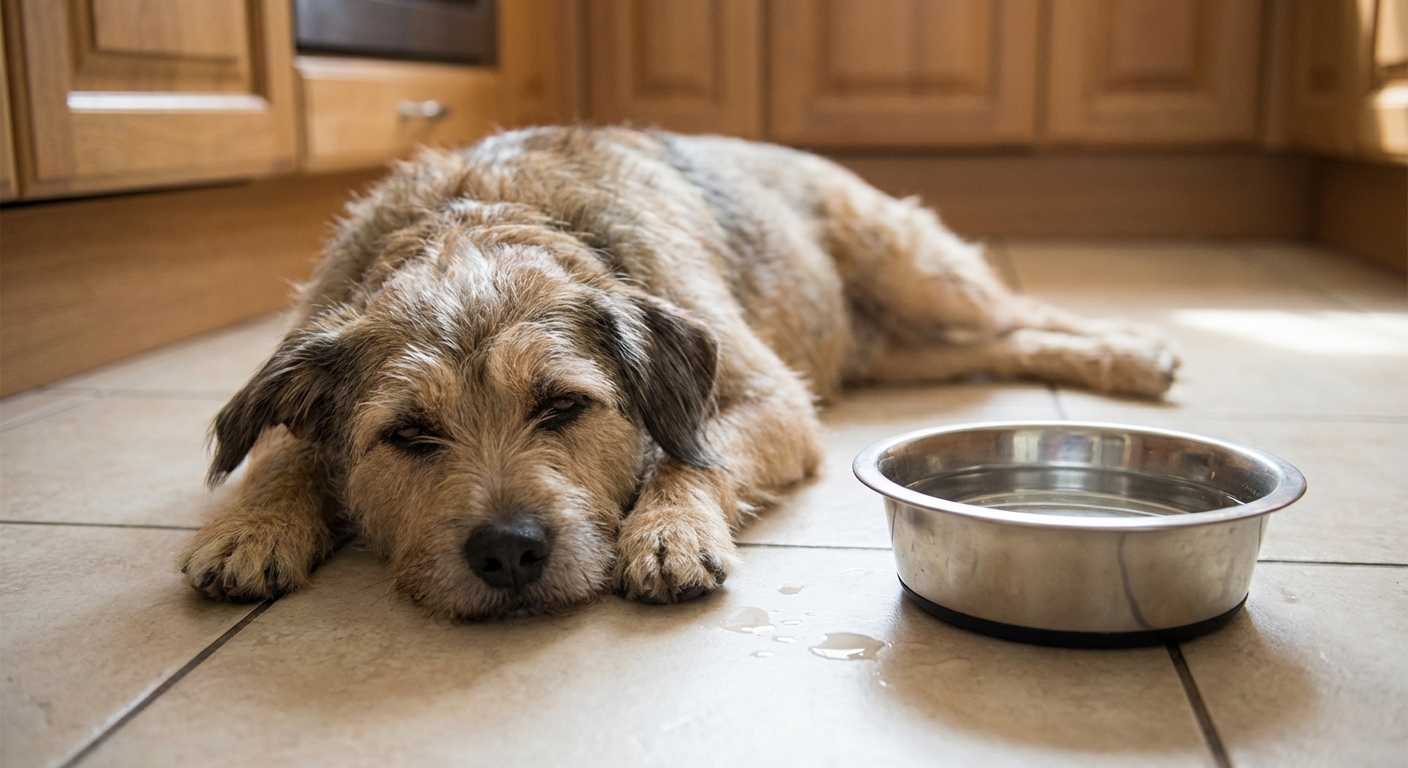
- Severe lethargy, weakness, collapse, or acting “not themselves”
- Belly pain (tense abdomen, crying, praying position, reluctance to move)
- Bloated, hard abdomen or unproductive retching (possible bloat, which is life-threatening)
- Dehydration (tacky gums, sunken eyes, skin tenting)
- Puppy, senior, or medically fragile dog (diabetes, kidney disease, heart disease, etc.)
- Not fully vaccinated puppy with vomiting plus lethargy and diarrhea (parvo is a major concern)
- Suspected toxin exposure (human meds, xylitol, chocolate, rodenticides, grapes or raisins)
- Possible foreign body (missing socks, toy pieces, string, corn cob, bones)
If your dog is retching and nothing comes up, or the abdomen looks swollen, do not wait. Go in immediately.

What you can do at home
If your dog vomited yellow once, is bright and alert, and has no red-flag signs, these steps can help while you monitor closely. If you are unsure, call your veterinarian, especially if your dog has any chronic condition.
Step 1: Pause and assess
- How many times did they vomit?
- Any diarrhea?
- Normal energy?
- Any chance they ate something dangerous or got into trash?
- Any recent car ride, new treats, or new medication?
Step 2: Offer small amounts of water
Do not let your dog chug a full bowl right after vomiting. Offer a few sips every 15 to 30 minutes. If they cannot keep water down, or vomit water repeatedly, call your vet.
Step 3: Meal timing can matter
If the vomiting happens on an empty stomach (especially in the morning), try:
- Splitting meals into 3 smaller meals a day
- Adding a small bedtime snack (a few bites of their regular food)
Step 4: Ask your vet about a gentle diet
Many clinics recommend a short bland diet for mild stomach upset, but check with your veterinarian first because the right plan depends on your dog’s age, size, and medical history.
Common vet-approved options include:
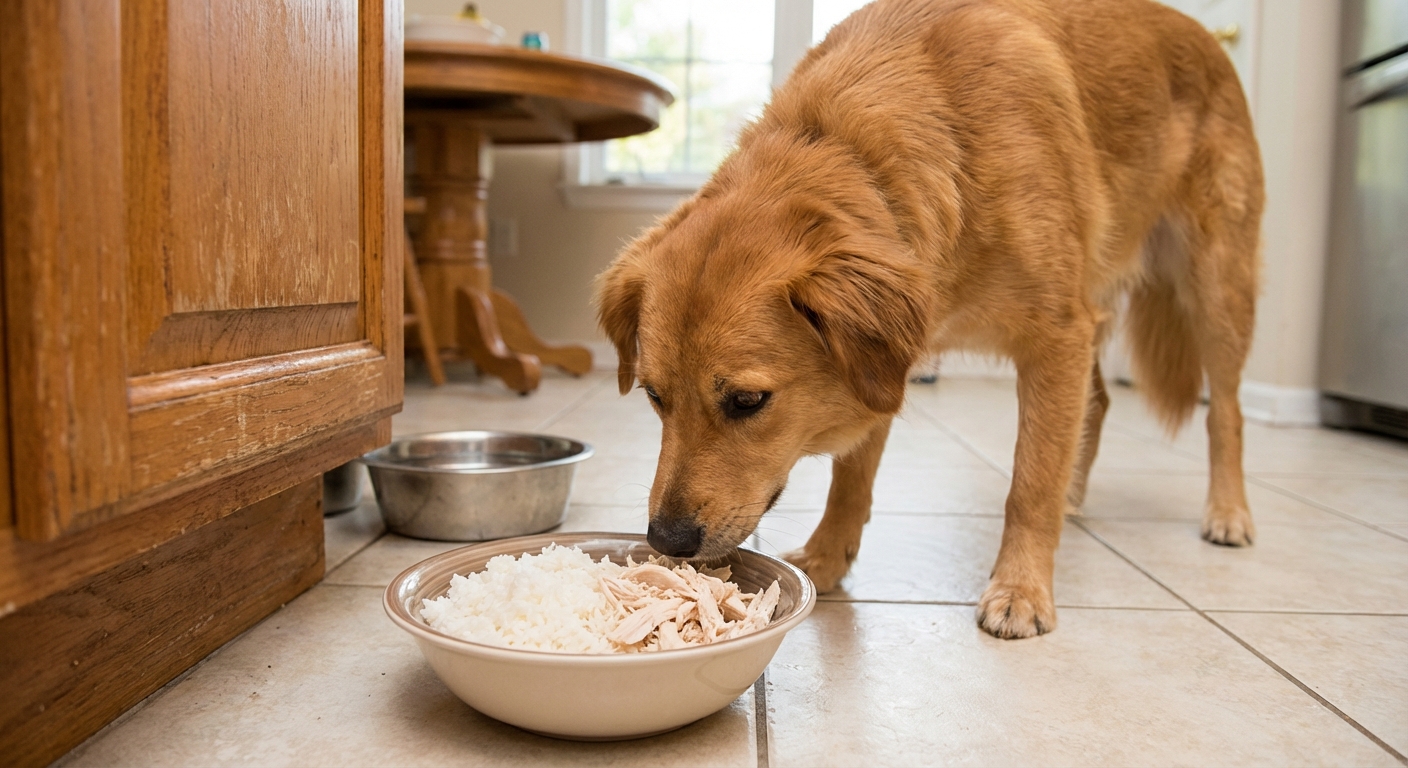
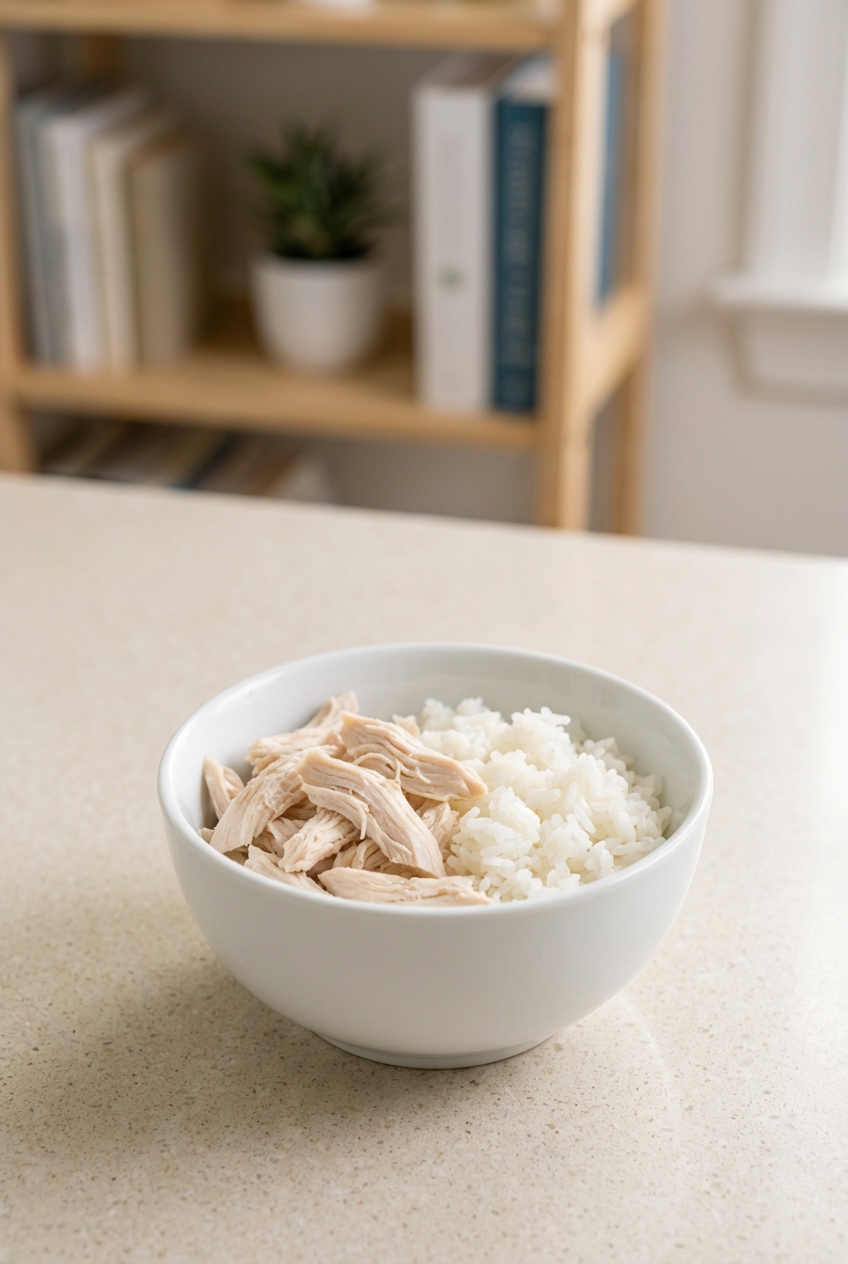
- Boiled skinless chicken breast with white rice
- Boiled lean turkey with white rice
- A prescription gastrointestinal diet from your vet
A quick note from the homemade-food side: Homemade can be wonderful, but when a dog is actively nauseated, simplicity wins. Once your dog is stable, you can focus on balanced, whole-food nutrition again.
How long is it reasonable to monitor?
For a single mild episode in an otherwise normal dog, it is reasonable to monitor closely for 12 to 24 hours. If vomiting continues, returns, or your dog’s appetite or energy drops, schedule an exam sooner.
What not to do
- Do not give human medications like Pepto-Bismol, ibuprofen, naproxen, or acetaminophen unless your veterinarian explicitly instructs you. Some are dangerous to dogs.
- Do not delay care if vomiting is frequent or your dog seems painful, weak, bloated, or unusually quiet.
- Do not assume it is “just bile” if the pattern changes, worsens, or your dog stops eating and drinking.
Yellow vomit plus diarrhea
Vomiting plus diarrhea increases the risk of dehydration and can suggest infectious gastroenteritis, parasites, dietary indiscretion, pancreatitis, or other GI disease. Call your vet sooner if:
- Diarrhea is watery or frequent
- You see blood or black, tarry stool
- Your dog is a small breed, puppy, or senior
- Your dog seems weak or will not eat
How vets find the cause
If your dog needs an exam, your veterinarian will typically start with history and a hands-on assessment, then recommend tests based on what they find. Common diagnostics include:
- Fecal test for parasites
- Bloodwork to check hydration, infection, pancreas values, liver enzymes, kidney function, electrolytes
- X-rays to look for obstruction, gas patterns, stomach position
- Ultrasound to evaluate organs and look for pancreatitis or gallbladder issues
That may sound like a lot, but it is often the fastest way to rule out the dangerous causes and focus treatment where it matters.
How to prevent repeat episodes
- Keep meal intervals shorter (especially overnight)
- Use a slow feeder for dogs that inhale meals
- Limit high-fat foods and table scraps
- Transition diet changes slowly over 7 to 10 days
- Use routine parasite prevention and fecal checks as recommended by your vet
- Dog-proof your home (laundry, kids’ toys, strings, trash)
Most importantly, trust your instincts. You know your dog’s normal. If something feels off, it is always okay to call your veterinary team and ask.
FAQ
Is yellow vomit always bile?
Usually it is bile-tinted stomach fluid, especially when the stomach is empty. It can also be mixed with mucus or a small amount of food. The pattern and your dog’s overall condition matter more than color alone.
My dog vomits yellow foam but acts fine. Should I worry?
If it is occasional and your dog is otherwise normal, it may be related to an empty stomach. If it becomes frequent, happens multiple days in a row, or your dog’s appetite or energy changes, schedule a vet visit.
Can stress cause yellow vomiting?
Stress can contribute to GI upset in some dogs and may worsen reflux or gastritis. Still, repeated vomiting needs a medical rule-out first.