

Vomiting or diarrhea can be scary. Learn common causes, vet red flags, and safe at-home steps like hydration and bland meals—plus what not to do and when t...
Article
•
Designer Mixes
Dog Throwing Up Yellow: Causes and Solutions

Shari Shidate
Designer Mixes contributor
If your dog is throwing up yellow, it can be scary and confusing. The good news is that yellow vomit is often bile, and in many cases it is something we can manage with simple, safe steps at home. That said, sometimes yellow vomiting is your dog’s way of signaling that something more serious is going on.
As a veterinary assistant in Frisco, Texas, I always tell pet parents this: your dog’s overall behavior matters as much as the color of the vomit. Let’s walk through what yellow vomit typically means, the most common causes, and exactly when it’s time to call your veterinarian.
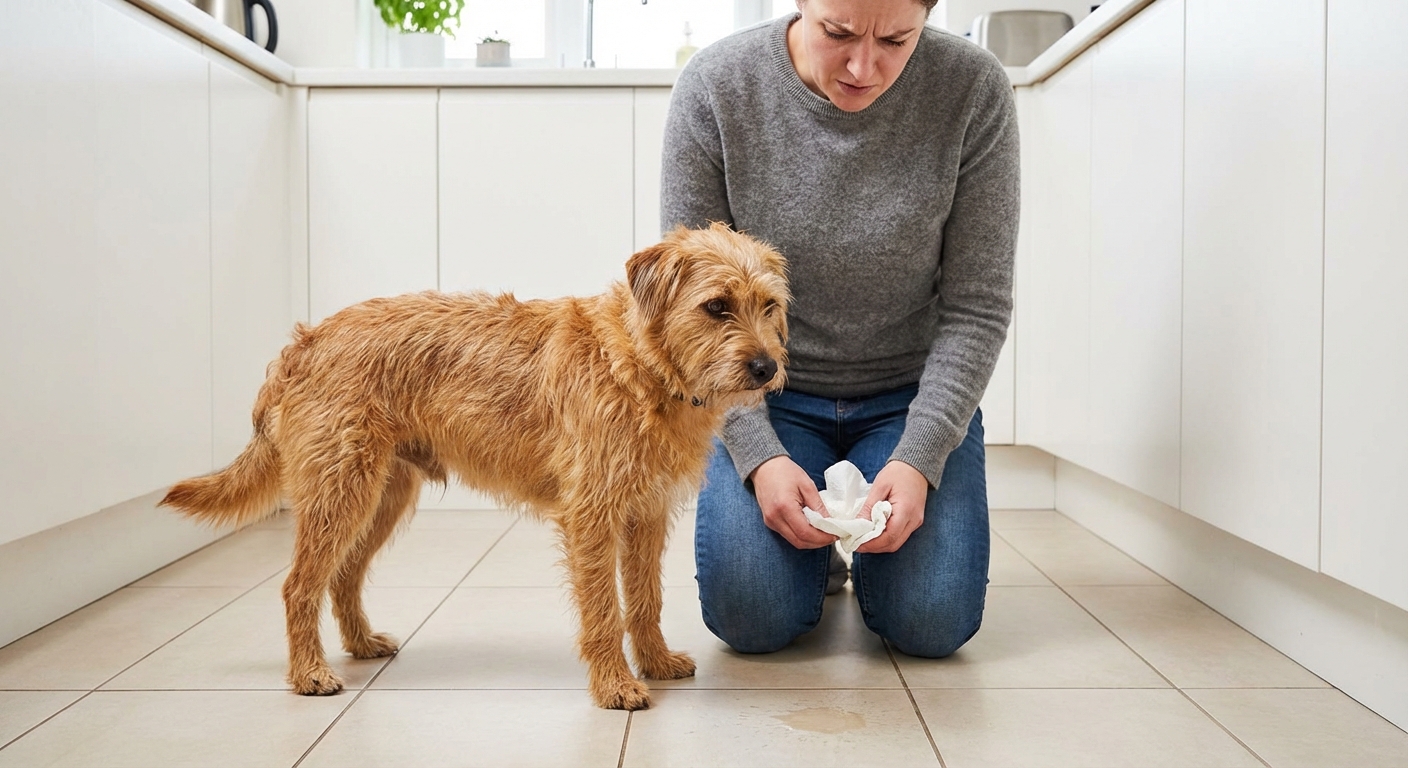
What does yellow vomit mean?
Most of the time, yellow vomit is bile. Bile is a yellow to yellow-green digestive fluid made by the liver, stored in the gallbladder, and released into the small intestine to help digest fats.
When a dog vomits on an empty stomach, bile can come up because there is not much else in the stomach to bring up. That is why many dogs vomit yellow foam or yellow liquid early in the morning or long after their last meal.
One note: yellow can occasionally be mistaken for other things, like partially digested food, grass, plant material, or even food dye. If you can safely take a quick photo for your vet, it can help.
Yellow vs. other vomit colors
- Yellow or yellow-green (often bile): common with an empty stomach, reflux, mild stomach upset.
- White foam: often stomach irritation, reflux, swallowed air, or mucus.
- Clear liquid: saliva, water, reflux, or nausea before vomiting.
- Brown or foul-smelling: can happen with severe stomach upset, eating something unpleasant, or (especially if it smells like stool) a possible intestinal obstruction. This warrants a call to your vet.
- Red or looks like coffee grounds: can indicate bleeding. Bright red is more consistent with fresh bleeding, while coffee-ground material suggests digested blood. Either way, it needs urgent veterinary guidance.
Common reasons dogs throw up yellow
1) Empty stomach and bile irritation
This is one of the most common scenarios, especially if vomiting happens once in the morning and your dog seems fine afterward. Some dogs have a sensitive stomach when stomach acid and bile sit too long without food.
2) Bilious vomiting syndrome (BVS)
BVS describes a recurring pattern of vomiting bile, often in the morning, that may improve when meal timing changes. Dogs may lick their lips, swallow repeatedly, eat grass, or seem nauseated beforehand.
Because frequent vomiting can also be caused by other conditions, BVS is often a diagnosis your vet considers after ruling out other causes, especially if it is new, worsening, or happening regularly.
3) Diet change, rich treats, or scavenging
A new food, a fatty treat, table scraps, raiding the trash, or eating something gross outside can irritate the stomach. Yellow vomit can happen as part of that upset, especially if the stomach empties after vomiting food.
4) Motion sickness or stress
Car rides, fireworks, boarding, visitors, or schedule changes can trigger nausea. Some dogs vomit yellow bile because they are nervous and not eating normally.
5) Parasites or gastrointestinal infection
Intestinal parasites (especially in puppies) and viral or bacterial GI infections can cause vomiting. You may also see diarrhea, poor appetite, and low energy.
6) Pancreatitis
Pancreatitis can range from mild to life-threatening. It is often associated with higher-fat foods and may cause repeated vomiting (sometimes yellow), abdominal pain, hunched posture, diarrhea, and lethargy.
7) Foreign body (something stuck)
Dogs love to chew and swallow things they should not: socks, toys, corn cobs, bones, rocks. If something blocks the GI tract, vomiting can be persistent, and bile vomiting can occur as the stomach empties.
8) Liver, gallbladder, or metabolic disease
Less commonly, repeated yellow vomiting can be connected to liver or gallbladder problems or other systemic illness. Your vet may recommend bloodwork and imaging if vomiting is recurring or paired with other symptoms.
Vomiting vs. regurgitation
Pet parents often use “vomiting” for anything that comes back up, but there is an important difference:
- Vomiting usually involves nausea and abdominal effort (heaving). You may see lip licking, drooling, or repeated swallowing beforehand.
- Regurgitation is more passive and sudden. Food or water may come up in a tube-like shape and looks less digested.
If you suspect regurgitation, call your veterinarian. It can point to an esophagus issue and may change how urgently your dog needs to be seen.
When yellow vomit is an emergency
Please contact your veterinarian urgently or go to an emergency clinic if you notice any of the following:
- Repeated vomiting (more than 2 to 3 times in a day), vomiting that will not stop, or vomiting that continues beyond 24 hours
- Lethargy, weakness, collapse, or your dog seems “not themselves”
- Bloated abdomen, unproductive retching, or signs of pain (can indicate bloat in some dogs)
- Can’t keep water down (even small sips) or signs of dehydration (tacky gums, sunken eyes)
- Blood in vomit or black, tarry stool
- Suspected toxin exposure (xylitol, grapes or raisins, rodenticides, human meds, cannabis, etc.)
- Possible foreign object swallowed (toy pieces, socks, bones)
- Puppies, seniors, or dogs with chronic disease (they can dehydrate faster)
If your gut says “this is not normal,” it is always okay to call. A quick phone check-in can save a lot of worry and time.
What you can do at home (safe first steps)
If your dog vomits yellow once, then acts normal, and has no red-flag symptoms, these steps are often reasonable. If you are unsure, call your vet first.
1) Offer small amounts of water
Don’t let your dog gulp a full bowl right away. Offer small sips frequently.
If your dog repeatedly vomits after small sips or can’t keep even a little water down, call your veterinarian. One quick water vomit can happen if they drink too fast, but ongoing inability to hold down water is a concern.
2) Consider a short food break (only with vet guidance)
Many vets recommend a brief food break for adult dogs with mild vomiting, but it is not appropriate for all dogs (especially tiny breeds, puppies, diabetic dogs, or dogs prone to hypoglycemia).
Do not fast your dog if there is any concern for a foreign body, bloat, toxin exposure, or significant lethargy. When in doubt, call your vet and get specific instructions for your dog.
3) Reintroduce a bland diet
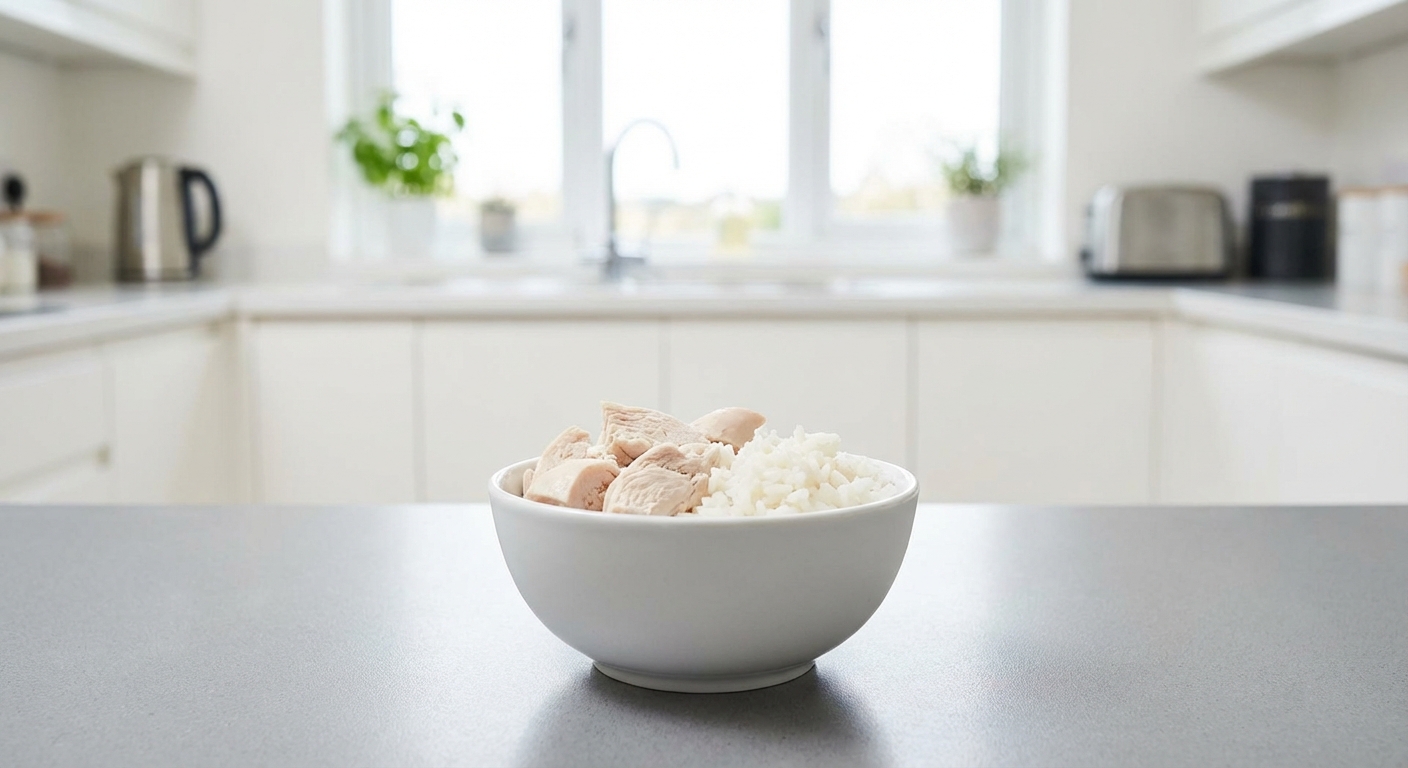
Once vomiting has stopped and your dog can hold down water, a bland meal can help. Common vet-approved options include:
- Boiled chicken breast with white rice
- Lean ground turkey with white rice
- Plain scrambled egg (no butter, no oil) with rice in small amounts
Feed small portions, 3 to 4 times that day, then gradually transition back to your normal diet over several days. If you want portion guidance, your vet can recommend amounts based on your dog’s size and health history.
4) Adjust meal timing to prevent bile vomiting
If the pattern is early morning yellow vomit, try:
- Smaller, more frequent meals
- A small bedtime snack (a spoonful of their regular food or a vet-approved treat)
- Keeping the morning meal consistent and not too late
For many dogs with recurring morning bile vomiting, this simple change makes a huge difference.
5) Avoid high-fat foods and mystery treats
Rich foods can contribute to pancreatitis in some dogs and can worsen GI upset. Skip table scraps, greasy chews, and new treats until your dog is stable again.
What not to do
- Do not give human medications like Pepto-Bismol, ibuprofen, naproxen, or acetaminophen unless your veterinarian specifically directs you. Some can be dangerous for dogs.
- Do not force food right after vomiting. A nauseated stomach often needs a gentle reset.
- Do not ignore repeat episodes just because the vomit is “only yellow.” Frequency and your dog’s overall condition matter.
How your vet may diagnose the cause
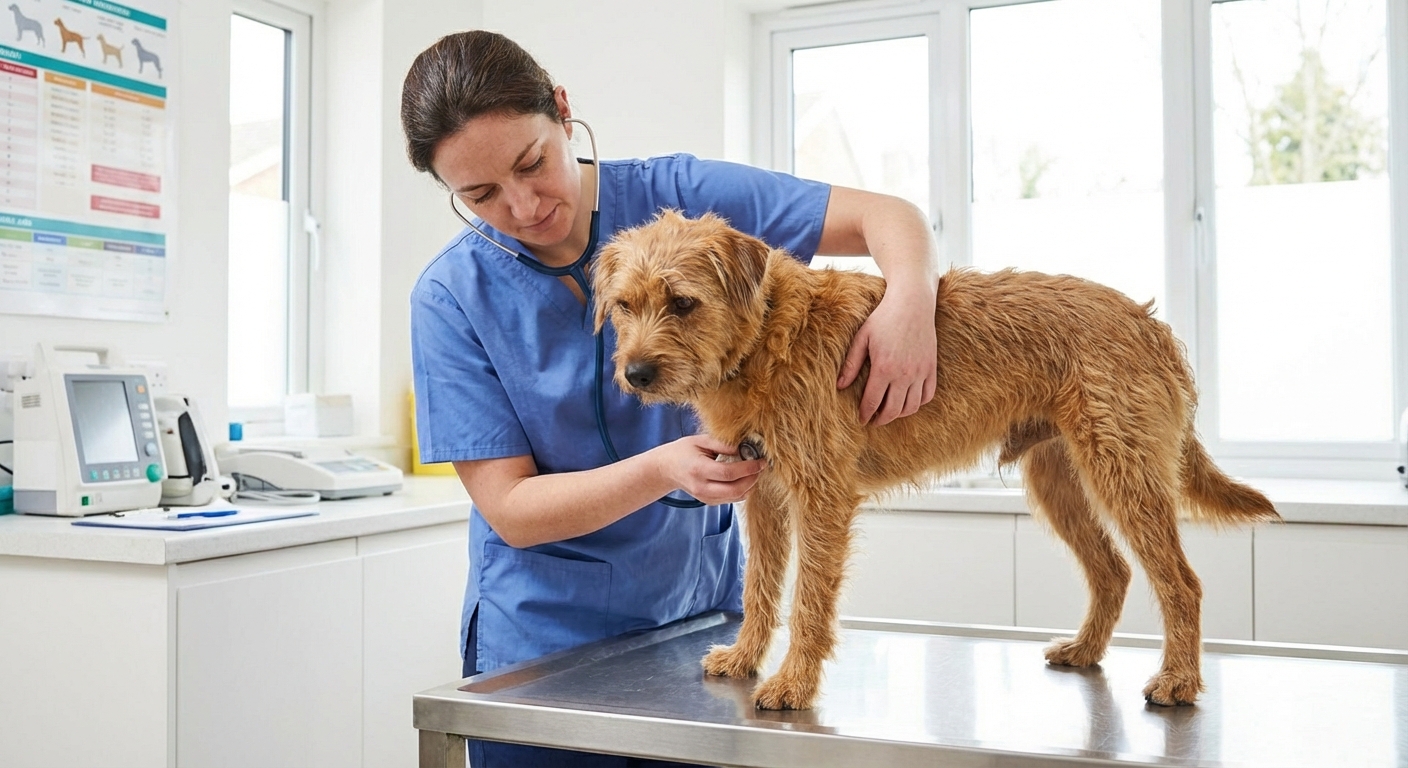
At the clinic, your veterinarian will use your dog’s history and an exam to narrow down the cause. Depending on symptoms and age, they may recommend:
- Fecal testing for parasites
- Bloodwork to assess dehydration, infection, pancreatitis markers, liver values, and more
- X-rays to look for a foreign body or obstruction
- Ultrasound to evaluate the stomach, intestines, pancreas, liver, and gallbladder
- Prescription diet or anti-nausea medication if appropriate
Bring details if you can: when it happened, how many times, what it looked like (foam, liquid, food), whether your dog ate something unusual, and any diarrhea or appetite changes.
Prevention tips that actually help
- Keep a consistent feeding schedule, including a small bedtime snack if morning bile vomiting is common.
- Transition foods slowly over 7 to 10 days when switching diets.
- Use a trash can with a lid and keep laundry picked up (socks are a classic!).
- Choose high-quality, digestible foods and avoid frequent high-fat treats.
- Keep up with parasite prevention and routine fecal checks, especially for puppies.
Action step: If your dog vomits yellow more than once a week, keep a simple log for 10 to 14 days with meal times, treats, vomit timing, and stool quality. Patterns show up fast and help your vet help you.
Frequently asked questions
Is yellow vomit always bile?
Not always, but it often is. Yellow coloring can also come from partially digested food or stomach fluid mixed with bile. Grass, plant material, or food dye can also affect color.
My dog threw up yellow foam but seems fine. Should I worry?
One episode with normal energy, normal gums, and normal interest in food and water often improves with meal timing and a bland diet. If it happens again soon, becomes frequent, lasts beyond a day, or your dog seems unwell, call your vet.
Why does it happen in the morning?
Many dogs go a long stretch overnight without food. An empty stomach plus bile reflux can irritate the stomach lining, triggering vomiting.
Can dehydration happen quickly?
Yes. Dogs can dehydrate faster than we expect, especially small dogs, puppies, and seniors. If vomiting repeats or water will not stay down, seek veterinary care.
Bottom line
Yellow vomit is often bile and commonly connected to an empty stomach, mild stomach upset, reflux, or a recurring morning pattern sometimes labeled bilious vomiting syndrome. In many cases, small changes like a bedtime snack, a bland diet, and avoiding rich treats can help.
But if vomiting is frequent, lasts beyond 24 hours, your dog seems painful or lethargic, or you suspect a toxin or foreign object, please do not wait. Your veterinarian can quickly sort out whether it’s a simple stomach issue or something that needs urgent treatment.
