Vomiting or diarrhea can be scary. Learn common causes, vet red flags, and safe at-home steps like hydration and bland meals—plus what not to do and when t...
Article
•
Designer Mixes
Dog Throwing Up Yellow Bile in the Morning: Causes

Shari Shidate
Designer Mixes contributor
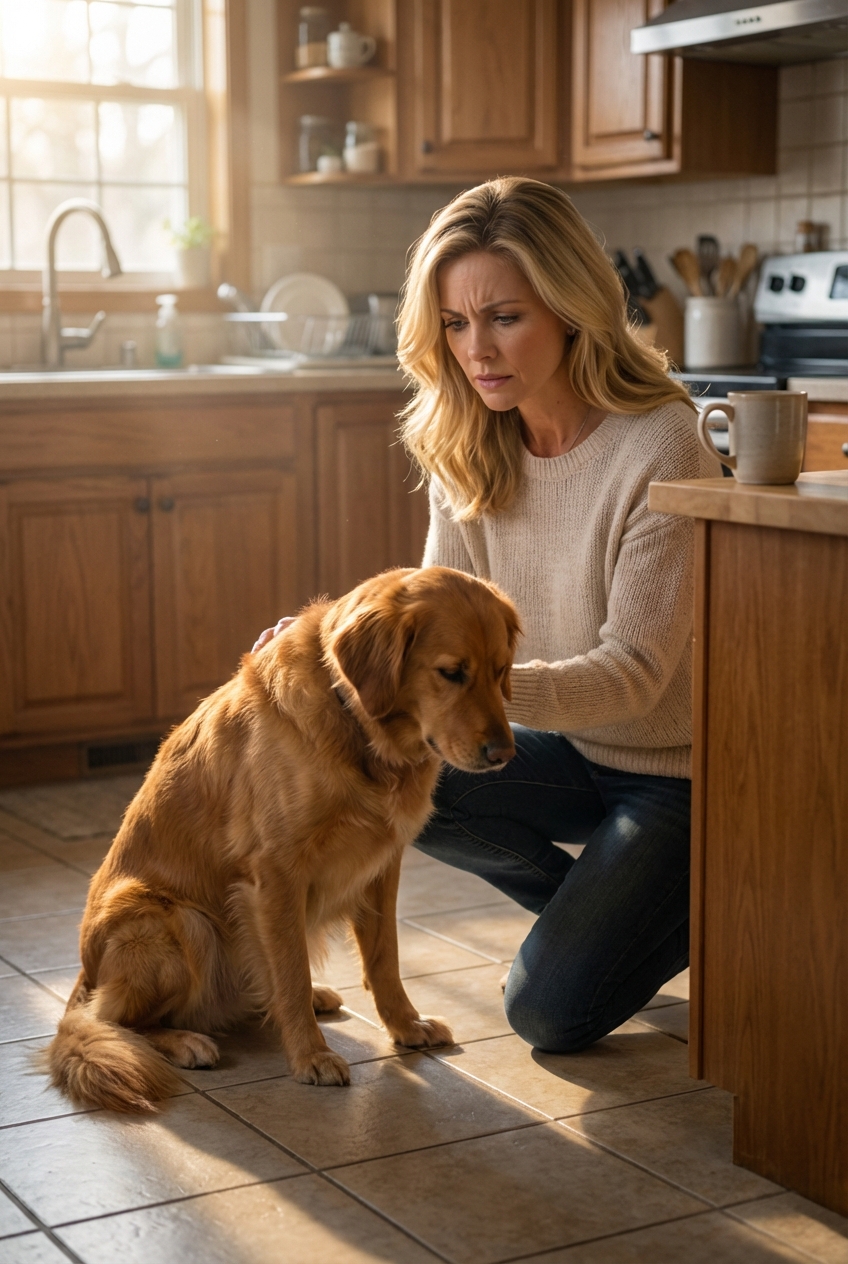
If you’ve ever woken up to the sound of your dog retching and found a small puddle of yellow, foamy liquid, you’re not alone. As a veterinary assistant, I hear this concern all the time. The good news is that yellow vomit in the morning is often linked to an empty stomach, but color and timing alone cannot diagnose the cause. Sometimes it is a simple pattern you can manage at home, and other times it signals something that needs a veterinarian’s attention.
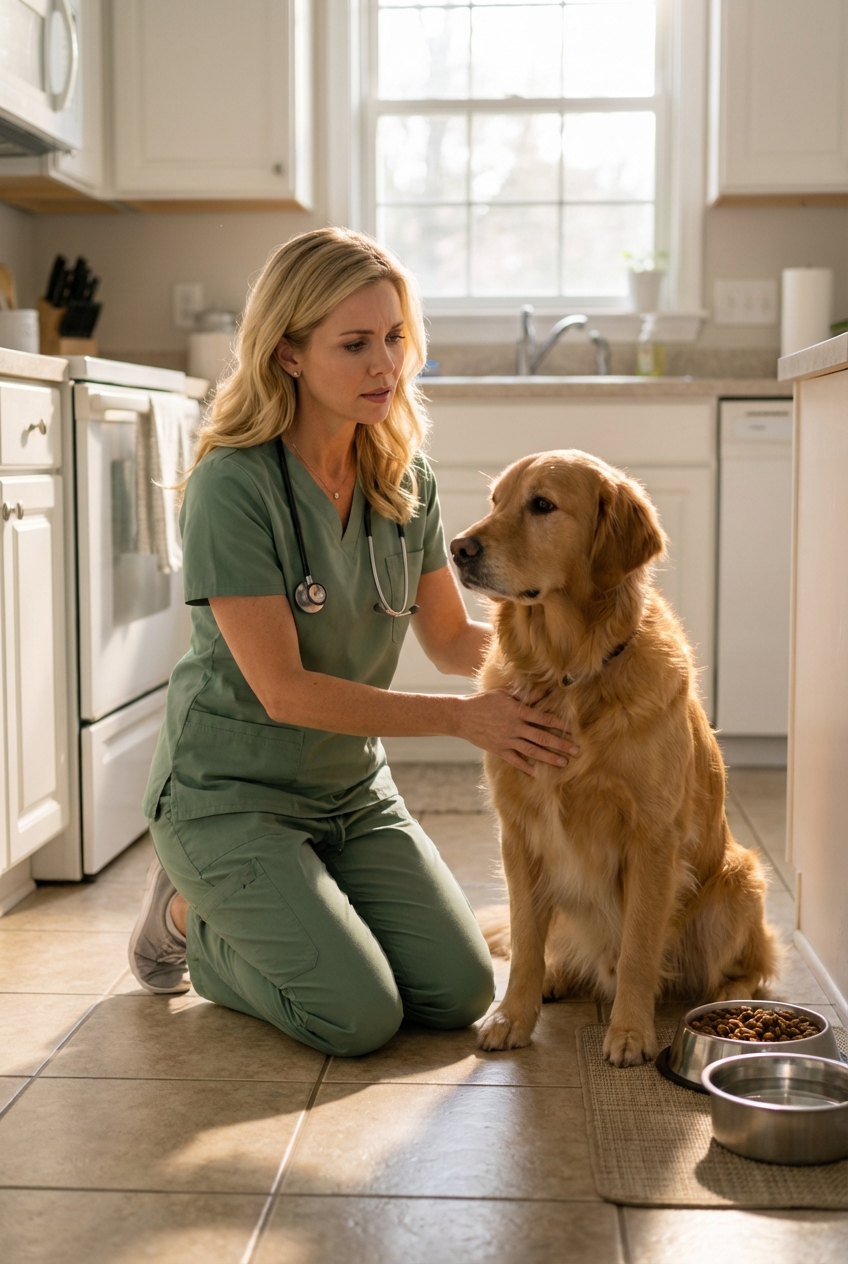
Let’s walk through the most common causes, what you can do at home, and the red flags that mean it’s time to call your vet.
What is yellow bile, and why is it coming up?
Bile is a yellow to yellow-green digestive fluid made by the liver and stored in the gallbladder. It normally flows into the small intestine to help digest fats.
When a dog is nauseated or the stomach is empty or irritated, material from the first part of the small intestine can reflux back into the stomach (often called duodenogastric reflux). That reflux can include bile, and along with stomach acid and irritation, it can trigger vomiting.
Also, a quick note: yellow vomit is not always “pure bile”. It can be stomach fluid mixed with a small amount of bile. That is one reason the color alone cannot tell you the exact cause.
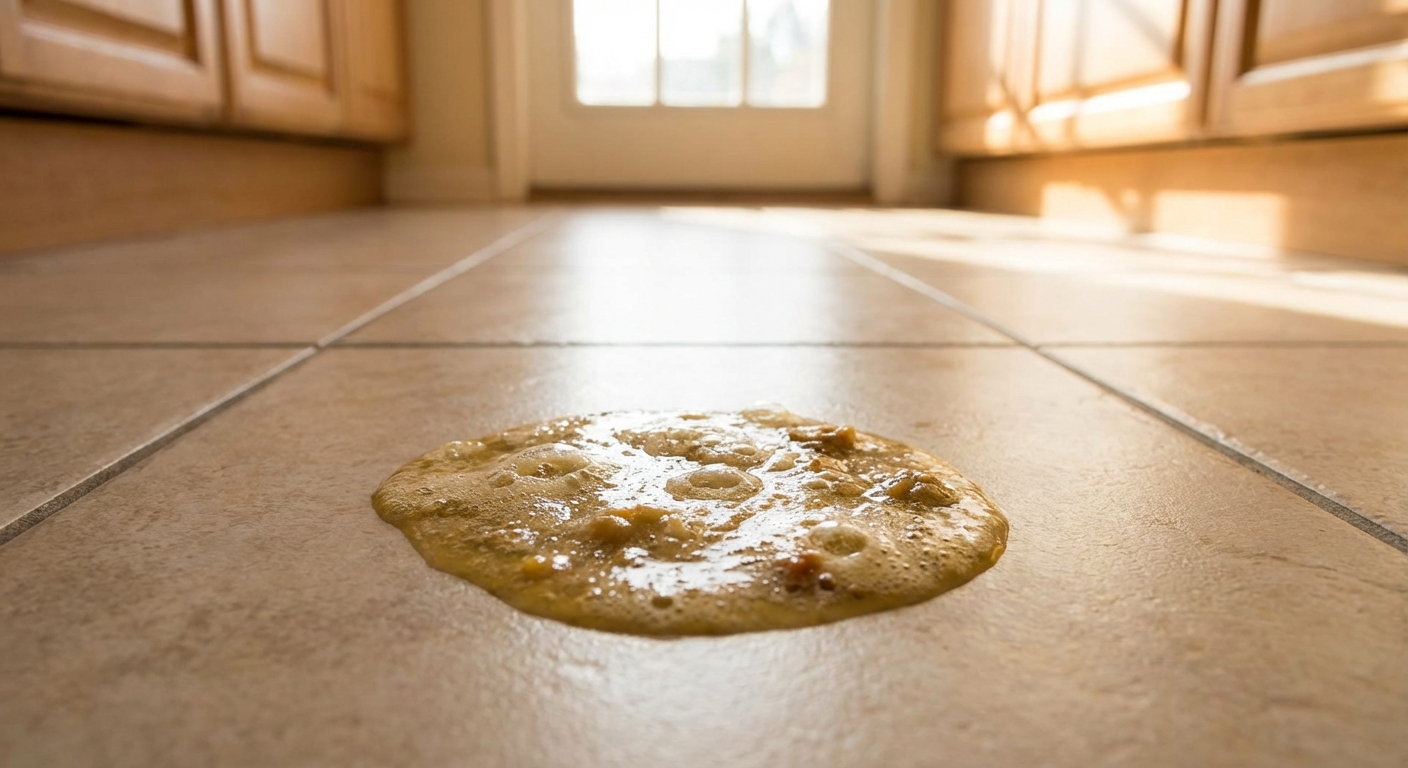
Typical “bile vomit” looks like:
- Yellow or yellow-green liquid
- Foamy or watery texture
- Small amount (often a small puddle, a few tablespoons’ worth)
- Happens early morning or late night
Common morning pattern: empty stomach
Bilious vomiting syndrome
One common explanation for a dog throwing up yellow vomit in the morning is bilious vomiting syndrome (BVS). This is a presumptive pattern diagnosis where dogs vomit on an empty stomach, usually first thing in the morning, and then act mostly normal afterward. Your veterinarian may still want to rule out other causes, especially if it is frequent or new.
Why it happens: when there’s a long gap between meals, stomach acid and refluxed fluid can irritate the stomach lining and lead to early-morning vomiting.
You might notice:
- Vomiting happens before breakfast
- Your dog seems hungry right after
- Energy is normal later in the day
- Stools are normal
Helpful at-home fix: a small bedtime snack or earlier breakfast often makes a big difference.
Other possible causes
Even if it shows up in the morning, there are other triggers that can look the same at first. Here are some of the most frequent ones I see.
Acid reflux or mild gastritis
Some dogs have stomach irritation from reflux, stress, sudden diet changes, rich treats, or getting into the trash. This can cause nausea overnight and vomiting in the morning.
- May lick lips, swallow repeatedly, or eat grass
- May seem nauseated before vomiting
- May have a reduced appetite for part of the day
Meal timing and meal size
One large dinner with nothing until morning can leave some dogs with too long of a fasting window. Very active dogs, puppies, and small breeds can be especially sensitive.
Food sensitivity
Some dogs vomit when their stomach is irritated by certain ingredients, especially if the diet is high-fat or changes frequently. This can happen with certain treats, table scraps, or new chews.
Parasites
Intestinal parasites can irritate the GI tract and cause intermittent vomiting, sometimes including yellow fluid. Puppies and newly adopted dogs are at higher risk.
Pancreatitis (can be serious)
Pancreatitis is inflammation of the pancreas. It is often associated with high-fat foods and dietary indiscretion, but it is not always diet-related. Vomiting may start as yellow fluid but can progress to repeated vomiting, abdominal pain, and lethargy.
Foreign body
If a dog swallows part of a toy, sock, corn cob, or other object, vomiting can occur and sometimes shows up as yellow fluid, especially if the stomach is emptying poorly.
Liver or gallbladder disease
Because bile is involved, diseases of the liver or gallbladder can sometimes show up with yellow vomiting, appetite changes, or yellowing of the gums or whites of the eyes.
Addison’s disease
Addison’s disease (hypoadrenocorticism) can cause intermittent GI signs like vomiting, diarrhea, and poor appetite. It can look like a simple upset stomach at first, especially when symptoms come and go. It is important to keep in mind, particularly for dogs that seem unusually weak, have recurring episodes, or have abnormal bloodwork.
Ulcers or medication side effects
Less commonly, vomiting can be related to stomach ulcers or irritation from medications such as NSAIDs or steroids. This is especially important if your dog recently started a new medication or has access to human pain relievers.
When to treat it as urgent
One helpful reminder: morning timing does not automatically mean it is mild. Reflux from an empty stomach is common, but more serious conditions can also show up at breakfast time.
Please contact your veterinarian promptly or seek urgent care if you notice any of the following:
- Repeated vomiting (for example, more than 2 to 3 times in a day, or any pattern that is escalating)
- Blood in vomit (red or coffee-ground appearance)
- Severe lethargy or weakness
- Abdominal pain (hunched posture, crying, guarding the belly)
- Bloated or hard abdomen
- Diarrhea with vomiting, especially if watery
- Refusing water or cannot keep water down
- Signs of dehydration (tacky gums, dry gums, sunken-looking eyes)
- Possible toxin exposure (xylitol, grapes or raisins, medications, rodent bait)
- Suspected foreign body (missing toy pieces, shredded fabric)
- Puppy, senior, or medically fragile dog (diabetes, kidney disease, heart disease, Addison’s disease)
If your dog is trying to vomit but nothing comes up, has a swollen belly, or seems distressed, treat it as urgent. These can be signs of bloat, which is life-threatening.
What you can do at home
If your dog vomits yellow fluid once, then seems bright, comfortable, and wants to eat, you can often try a few simple changes. When in doubt, call your veterinarian.
1) Adjust meal timing
- Offer a small bedtime snack (a few bites, not a full meal).
- Consider splitting food into 3 smaller meals instead of 1 to 2 larger ones.
2) Go slow with water
After a single episode, it is usually reasonable to offer small, frequent sips of water. Some dogs gulp and immediately vomit again, so slower is better. If your dog cannot keep water down, that is a reason to call your vet promptly.
3) Keep breakfast gentle
If your dog seems hungry and otherwise normal, start with a smaller breakfast portion. Some dogs do better with a bland meal for a day or two. Ask your veterinarian what bland option is best for your dog’s situation.
4) Pause rich treats and chews
High-fat foods are a common trigger for stomach upset and pancreatitis risk. Skip table scraps, greasy treats, and mystery chews while you are sorting out the cause.
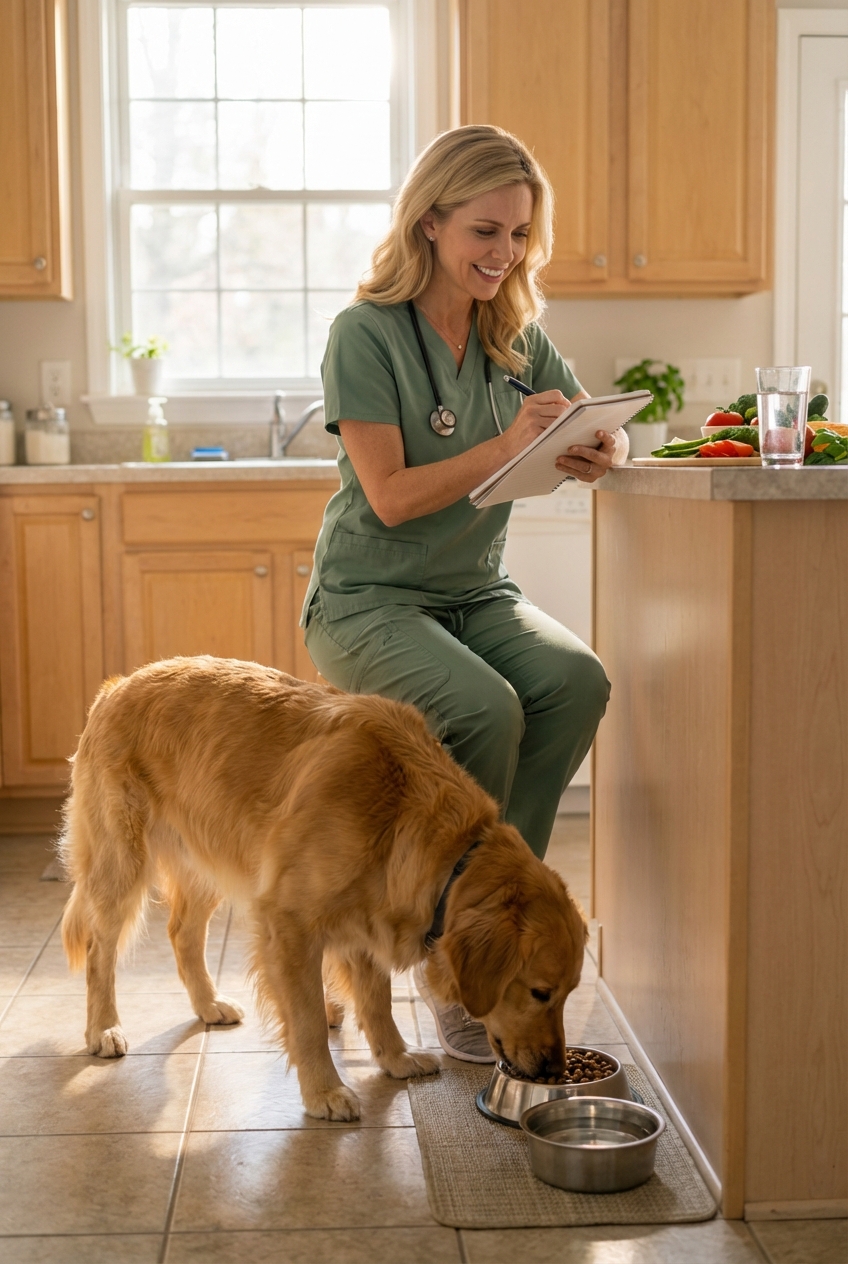
5) Track patterns
This sounds simple, but it helps your vet a lot. Track:
- Time of vomiting
- What your dog ate the night before
- Any treats or chews
- Stool quality
- Energy level and appetite
6) Ask about a fecal test
If vomiting is recurring, a fecal test is an easy, evidence-based way to check for parasites that may be contributing.
When to schedule a non-urgent vet visit
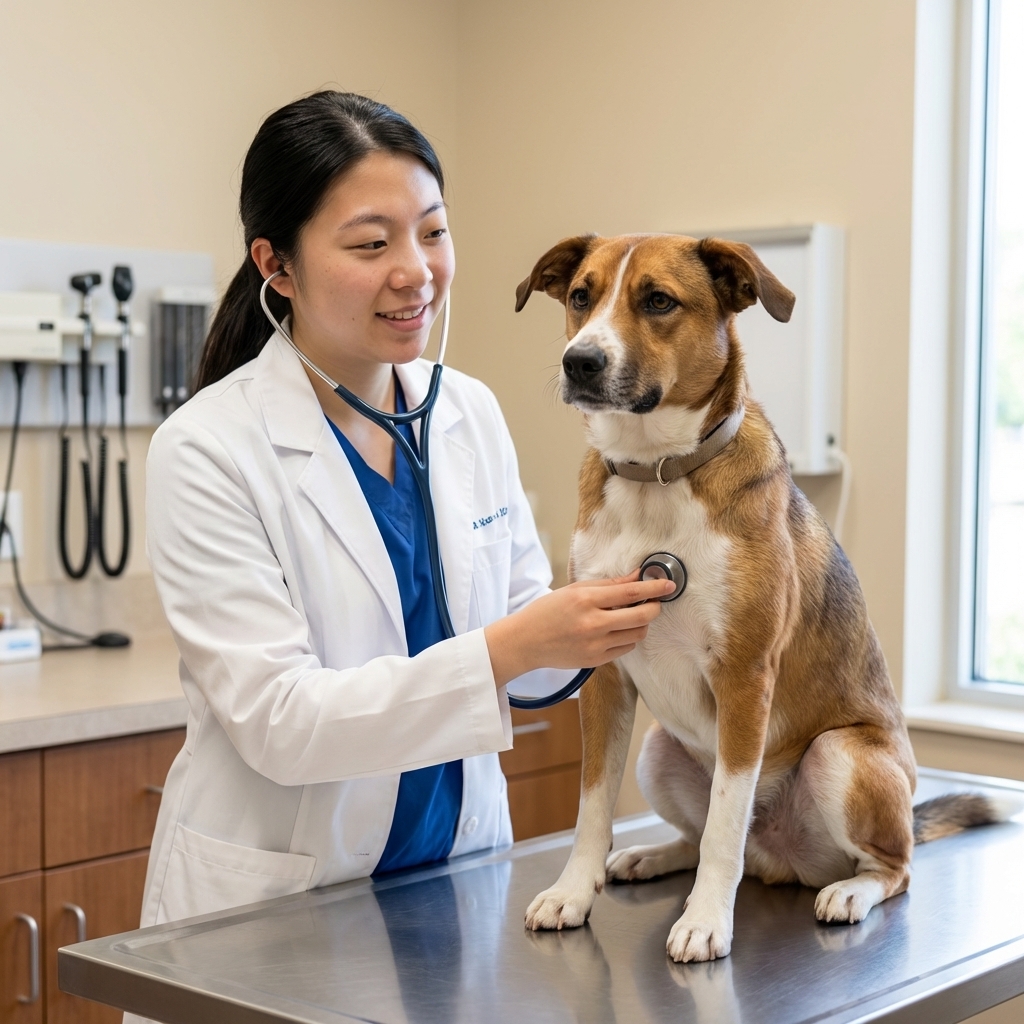
Even if your dog seems fine afterward, I recommend scheduling a checkup if this is happening more than once a week, several times per month, or if it is a new pattern for your dog. Ongoing vomiting is worth investigating.
What your vet may recommend
If the vomiting is frequent, your dog seems unwell, or home adjustments are not helping, your veterinarian may suggest:
- A full physical exam with belly palpation
- Fecal testing for parasites
- Bloodwork to assess hydration, electrolytes, liver values, pancreas markers, and more
- Abdominal X-rays or ultrasound if a foreign body or organ issue is suspected
- Diet changes or a therapeutic GI diet
- Medications to reduce nausea or stomach acid when appropriate
Quick Q and A
Is yellow vomiting always serious?
No. If it happens once in a while, your dog feels fine afterward, and it is consistently tied to an empty stomach, it is often manageable. But frequent episodes, a new pattern, or vomiting with other symptoms should be checked.
Should I withhold food after yellow vomit?
Not automatically. If your dog is bright and hungry, a small, gentle meal is often reasonable. If your dog keeps vomiting, seems painful, or cannot keep water down, call your vet.
Why is it worse in the morning?
Most dogs go their longest stretch without food overnight. That longer fasting window can contribute to nausea and reflux in some dogs.
Bottom line
When a dog throws up yellow fluid in the morning, an empty stomach pattern (often called bilious vomiting syndrome) is a common explanation, and many dogs improve with meal timing changes and avoiding rich foods. But vomiting can also be signaling an underlying issue, especially if it is recurring, worsening, or paired with lethargy, diarrhea, pain, or appetite changes.
If you are seeing a pattern, trust your instincts and check in with your veterinarian. Early guidance can prevent a mild stomach issue from becoming a bigger health problem.