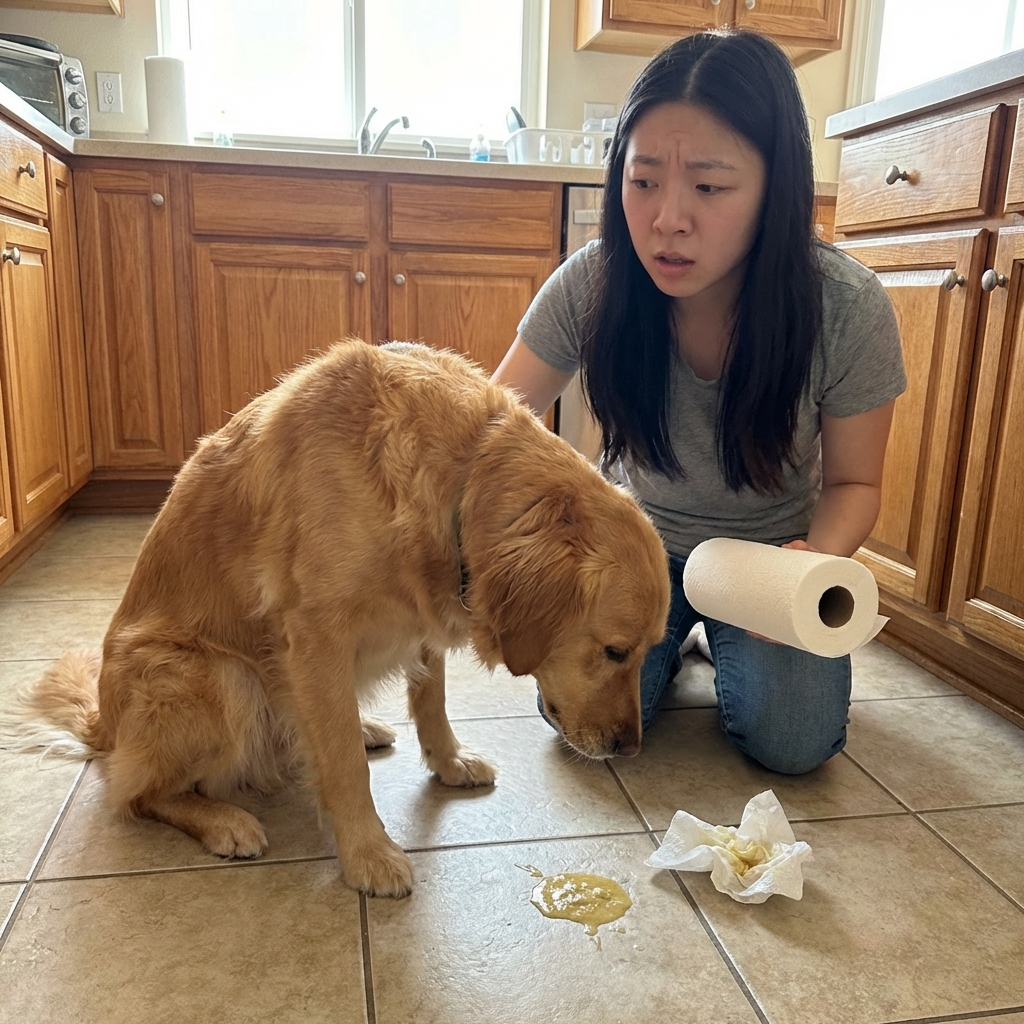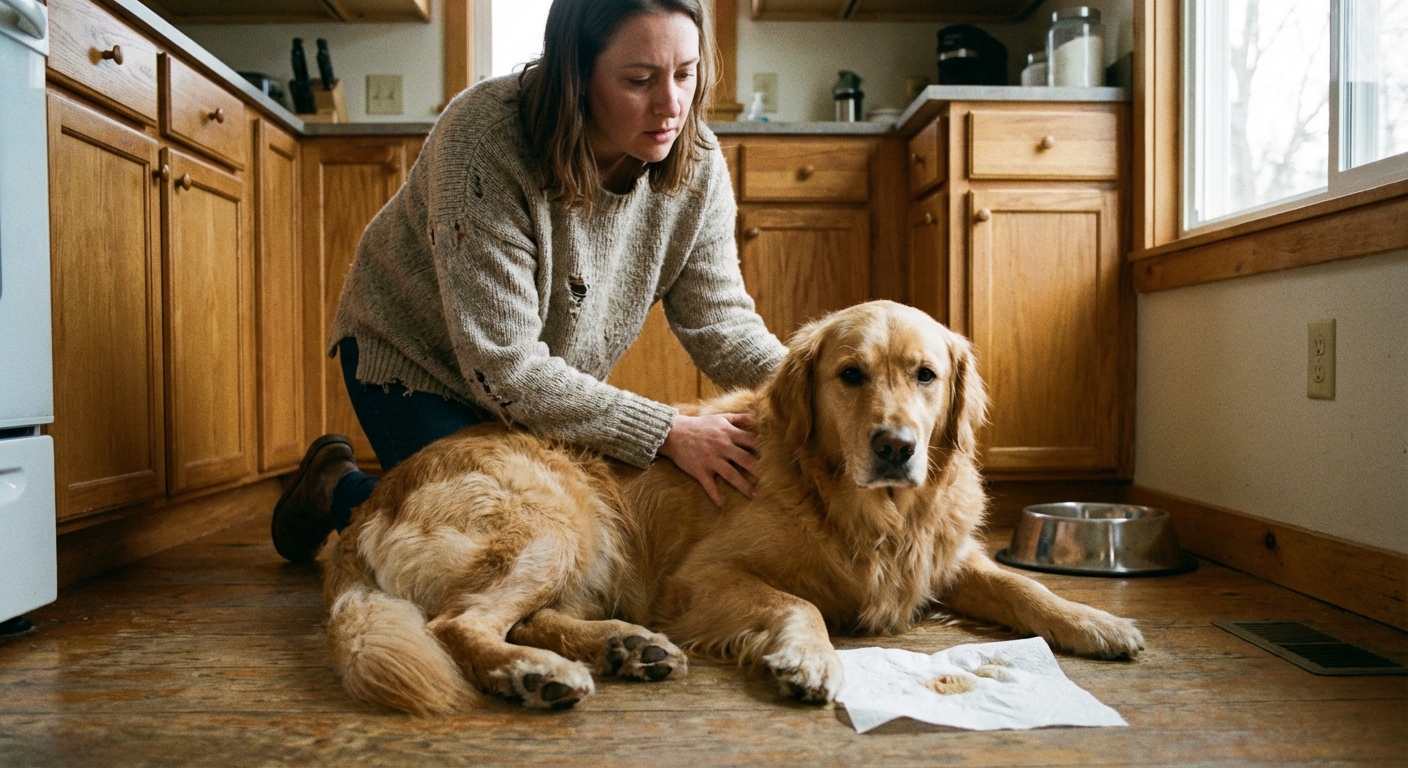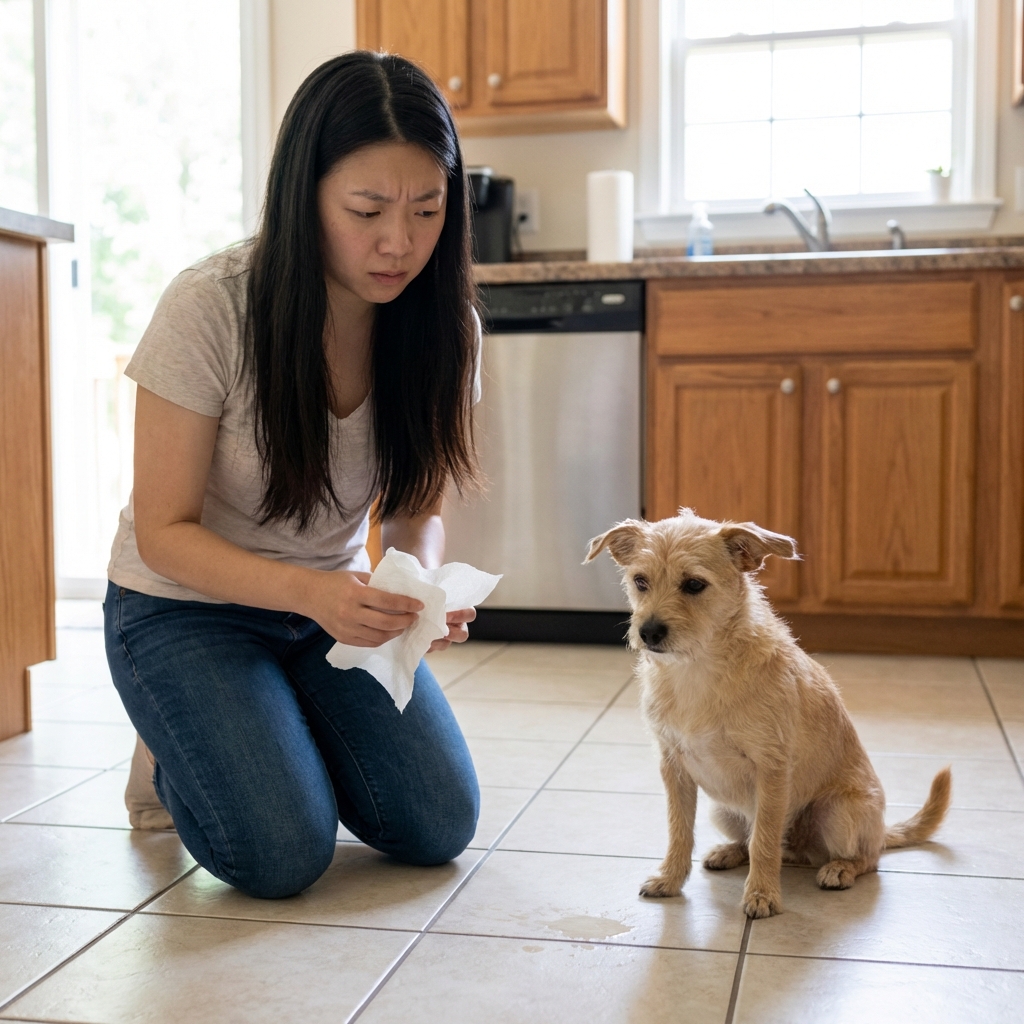
Yellow foam vomit is often bile from an empty or irritated stomach. Learn common causes, safe step-by-step home care, red-flag emergencies, and prevention tips.
Article
•
Designer Mixes
Dog Throwing Up Yellow Bile: Causes and What to Do

Shari Shidate
Designer Mixes contributor
Seeing your dog throw up yellow bile can be alarming, especially when it seems to come out of nowhere. The good news is that many cases have a simple explanation, like an empty stomach. Still, yellow vomit can also signal irritation, infection, or something more urgent.
In this guide, I will walk you through what yellow bile usually means, common causes, what you can do at home, and when it is time to call your veterinarian.
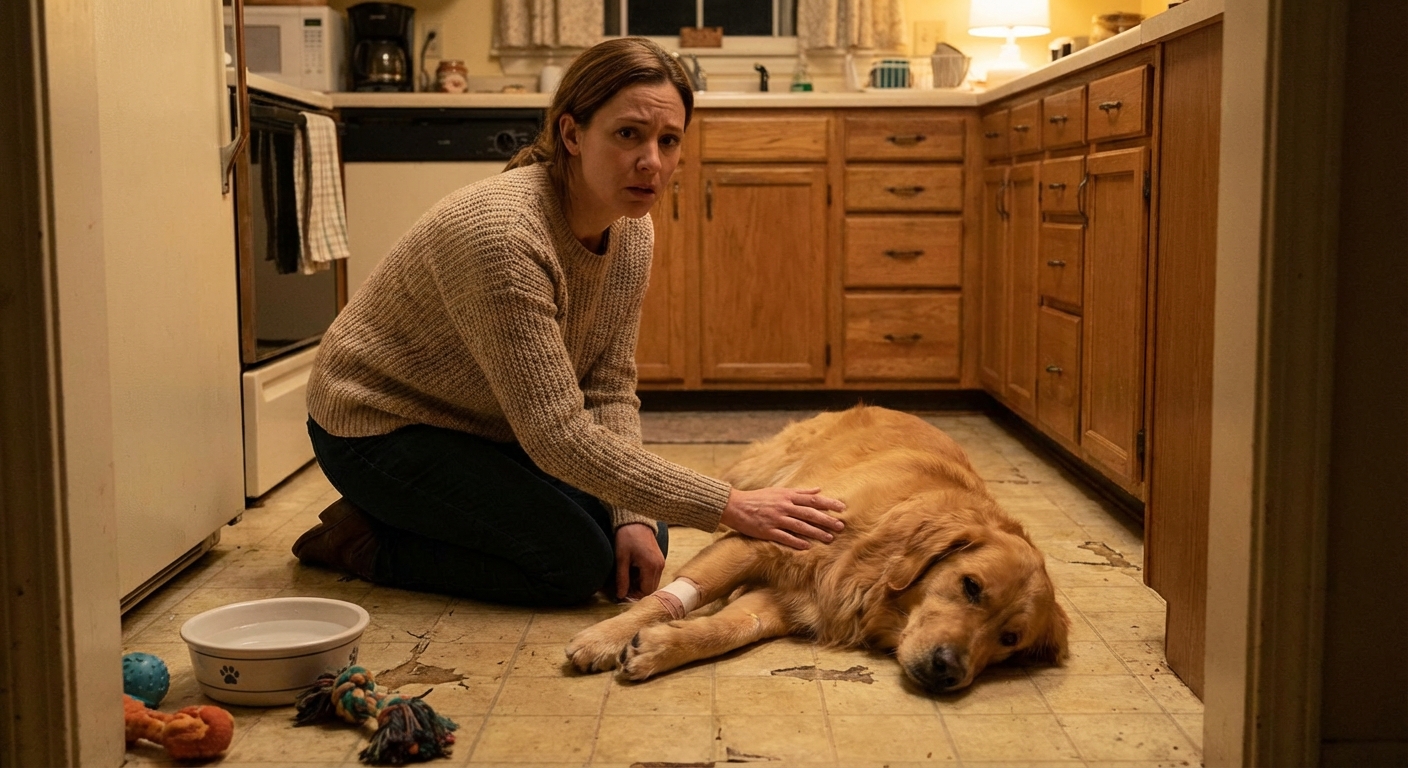
What does yellow bile vomit mean?
Yellow vomit is typically bile, a digestive fluid made by the liver and stored in the gallbladder. Bile is released into the first part of the small intestine (the duodenum) to help digest fats. It can flow between meals too, not just when your dog eats.
Dogs most often vomit bile when their stomach is empty or irritated. In some dogs, bile can reflux from the small intestine back into the stomach, where it mixes with stomach acid and triggers nausea and vomiting.
- Yellow, foamy vomit: often an empty stomach or mild irritation, but foam can also be saliva and air. Appearance alone is not diagnostic.
- Yellow with food: may point to stomach upset, diet indiscretion, parasites, or infection
- Yellow with blood or dark, granular material (sometimes described as “coffee grounds”): possible bleeding and needs urgent vet evaluation
Vomiting vs. regurgitation
These can look similar, but they can mean different things.
- Vomiting usually involves nausea and effort (heaving, abdominal contractions). You may see lip licking, drooling, or restlessness beforehand.
- Regurgitation is more passive. Food or liquid may come up suddenly with little warning, often in a tube-like shape. This can suggest an esophagus issue and should be discussed with your vet.
Common causes of yellow bile vomiting
Dogs vomit for many reasons, and the timing and pattern matter. These are some of the most common explanations.
Empty stomach (bilious vomiting syndrome)
This is one of the most frequent causes, especially if vomiting happens early in the morning or long after the last meal. When the stomach is empty for too long, bile can irritate the stomach lining.
Eating something that does not agree with them
Dogs are talented at finding interesting “snacks,” including greasy leftovers, garbage, plants, and toys. Even a small dietary slip can inflame the stomach and trigger vomiting.
Sudden diet changes or rich foods
Switching foods quickly, feeding table scraps, or offering high-fat treats can lead to gastritis. Some dogs are especially sensitive to fatty foods, and in some cases this can contribute to pancreatitis.
Acid reflux or stomach irritation
Just like people, dogs can experience reflux and stomach irritation. You might notice lip licking, gulping, restlessness, or swallowing repeatedly before vomiting.
Parasites
Intestinal parasites can cause vomiting and diarrhea, particularly in puppies or newly adopted dogs. Some dogs also lose weight, look pot-bellied (more common with roundworms in puppies), or seem weak or pale (which can occur with parasites that contribute to anemia, such as hookworms).
Infection or inflammation in the GI tract
Viral or bacterial gastroenteritis can cause vomiting, sometimes with bile. Diarrhea, low appetite, and lethargy are common companions.
Pancreatitis
Pancreatitis is inflammation of the pancreas and can be serious. It often causes vomiting, abdominal pain, poor appetite, and lethargy. Some cases are triggered by high-fat foods, but many are idiopathic (no clear cause).
Obstruction (foreign body)
If your dog swallowed something that is blocking the intestines, vomiting may start as food and progress to bile as the stomach empties. Obstructions can become life-threatening.
Liver or gallbladder issues
Less commonly, persistent bile vomiting can relate to liver or gallbladder disease. These cases may come with appetite changes, weight loss, and sometimes yellowing of the gums or eyes.
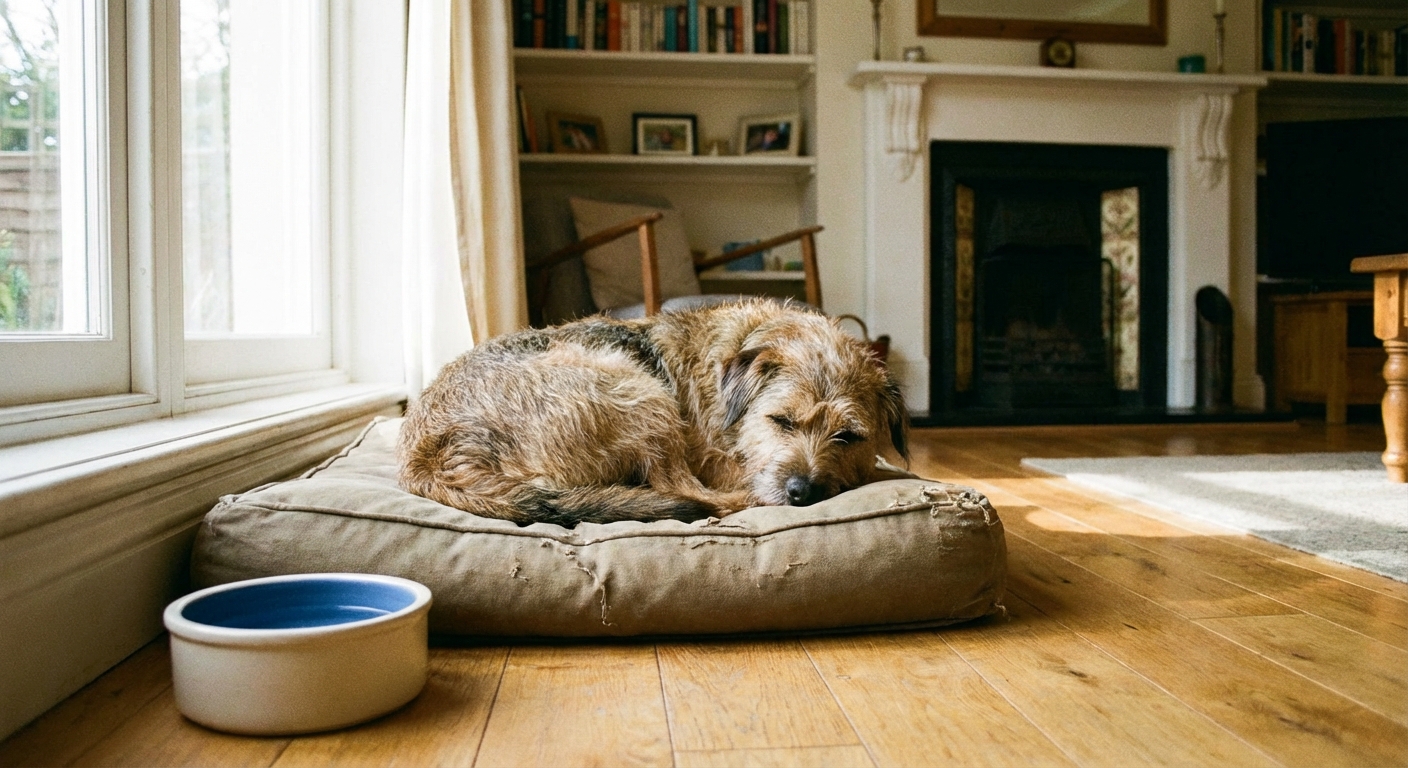
What to do at home (when your dog otherwise seems well)
If your dog vomited once or twice, is acting normal, and is not showing red-flag symptoms, you can often start with gentle, supportive care. The goal is to prevent dehydration and reduce stomach irritation.
Step 1: Pause food briefly, then offer small amounts
For many adult dogs, a short break from food can help the stomach settle. If your dog is bright, alert, and asking for food, you can try offering a small, bland meal after a few hours. Avoid fasting puppies, toy breeds, senior dogs, or dogs with medical conditions unless your vet advises it.
Step 2: Focus on hydration
Offer fresh water. If your dog gulps water and vomits again, offer small sips more frequently instead.
Step 3: Try a bland diet for 24 to 48 hours
If vomiting stops, feed small meals of a bland diet such as plain boiled chicken (no skin, no seasoning) with white rice, or a veterinary gastrointestinal diet if you already have one. Reintroduce regular food gradually over several days.
Step 4: Adjust meal timing if it is an empty-stomach pattern
If the vomiting happens mostly in the morning, an easy fix is often a small bedtime snack or splitting meals into smaller, more frequent portions. This helps reduce the time the stomach sits empty.
Step 5: Avoid common triggers
- Fatty treats and table scraps
- Chews that splinter or break into swallowable chunks (for example, brittle chews, rawhide pieces, cooked bones, antlers)
- Access to trash, compost, or cat litter
- Sudden food switches
Step 6: Be cautious with medications
Do not give human over-the-counter medications (for example, ibuprofen, naproxen, aspirin, Pepto-Bismol, or anti-nausea meds) unless your veterinarian tells you to. Some can be dangerous to dogs or can complicate diagnosis.
Practical tip: Take a quick photo of the vomit and note the time it happened, what your dog ate last, and any new treats or chews. Also jot down whether your dog can keep water down and what the stool looks like. This information is surprisingly helpful if you need to call your vet.
When to call the vet (and when it is an emergency)
Yellow vomit can be minor, but it can also be the first clue of a bigger problem. Reach out to your veterinarian if any of the following apply.
Call your vet soon if:
- Vomiting happens more than once in 24 hours
- Your dog seems nauseated all day (drooling, lip licking, refusing food)
- There is persistent diarrhea (especially longer than 24 hours), or any diarrhea with weakness or blood
- Your dog is lethargic, shaking, or unusually quiet
- You suspect parasites, your dog is not on preventives, or they are a puppy
- The pattern repeats several days per week, even if your dog seems okay otherwise
Seek emergency care now if:
- Repeated vomiting, cannot keep water down
- Bloated abdomen, unproductive retching, or signs of severe abdominal pain
- Vomiting with blood or black, tarry stool
- Signs of dehydration (sticky gums, sunken eyes, weakness)
- Known or suspected toxin exposure (xylitol, grapes and raisins, chocolate, rodent bait, certain plants)
- Possible foreign body ingestion (socks, toys, bones, corn cobs)
- Pale gums, collapse, or difficulty breathing
Extra caution for puppies and higher-risk dogs
Puppies can dehydrate quickly, and infections like parvovirus are a serious concern in unvaccinated or under-vaccinated dogs. Dogs with chronic conditions (such as diabetes, kidney disease, or Addison’s disease) also have less margin for error. If your puppy or medically fragile dog is vomiting, it is usually worth calling your vet sooner rather than later.
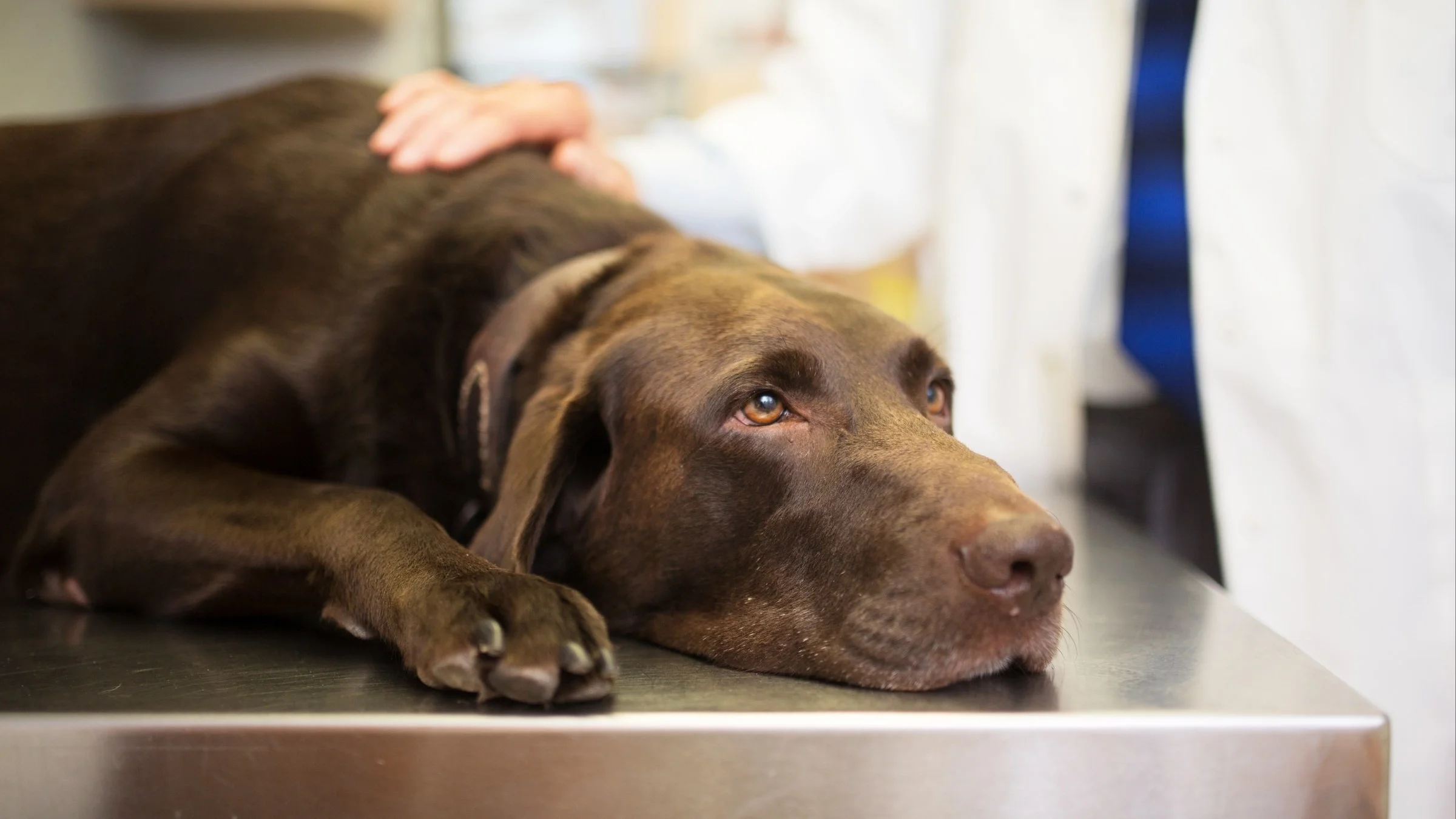
What your vet may check
If vomiting is frequent or your dog looks unwell, your veterinarian may recommend testing to pinpoint the cause and protect your dog from dehydration and complications.
- Physical exam: hydration, abdominal tenderness, temperature
- Fecal testing: parasites
- Bloodwork: infection, organ function, pancreatitis indicators
- X-rays or ultrasound: foreign body, obstruction, organ issues
- Supportive treatment: fluids, anti-nausea medication, stomach protectants, diet changes
What to bring or share
- Photo of the vomit (and stool if abnormal)
- How often it happened and when it started
- Whether your dog can keep water down
- Recent diet changes, new treats, chews, trash access
- Possible toxin exposure
- Medication and supplement list
- Vaccination status (especially for puppies)
Prevention tips
Many dogs do best with steady routines. Small, consistent habits compound into meaningful digestive comfort over time.
- Keep meals consistent and transition foods slowly over 7 to 10 days
- Offer smaller, more frequent meals if your dog tends to vomit on an empty stomach
- Use a bedtime snack for early-morning bile vomit patterns
- Choose safer chews and supervise to reduce foreign body risk
- Maintain parasite prevention based on your vet’s recommendations
- Limit high-fat treats, especially for dogs with sensitive stomachs
Quick FAQ
Why does my dog vomit yellow bile in the morning?
The most common reason is an empty stomach overnight. A small bedtime snack or splitting meals can help, but check with your vet if it happens often.
Should I withhold food after my dog vomits bile?
If your dog is otherwise well, a brief pause and then small bland meals can be reasonable. Puppies, small breeds, and dogs with medical conditions should be managed with veterinary guidance.
Is yellow bile always serious?
No. A single episode can be minor. Repeated vomiting, behavior changes, dehydration, blood, regurgitation, or suspected foreign body ingestion are not wait-and-see situations.
The bottom line
Yellow vomit is often the stomach’s way of saying it is empty or irritated, but patterns and accompanying symptoms matter. If your dog is bright, hydrated, and vomited once, supportive care and a calmer feeding schedule may be enough. If vomiting is persistent, your dog seems painful or lethargic, or you suspect toxins or an obstruction, contact your veterinarian promptly.
Pet info, not veterinary advice. When in doubt, it is always appropriate to call your vet and describe exactly what you are seeing.