Worried about a vomiting dog? Learn when vomiting is an emergency, how to offer small sips safely, and the best bland foods (chicken/rice, turkey, pumpkin, e...
Article
•
Designer Mixes
Dog Throwing Up: What It Means and What to Do

Shari Shidate
Designer Mixes contributor
Seeing your dog throw up can feel scary, especially when it happens out of the blue. The good news is that many cases are mild and short-lived. The not-so-good news is that vomiting can also be an early warning sign of something serious.
As a veterinary assistant, I like to think of vomiting as your dog’s “alarm system.” Your job is to notice the details, help prevent dehydration, and act fast if toxins or a blockage may be involved.
Vomiting vs. regurgitation
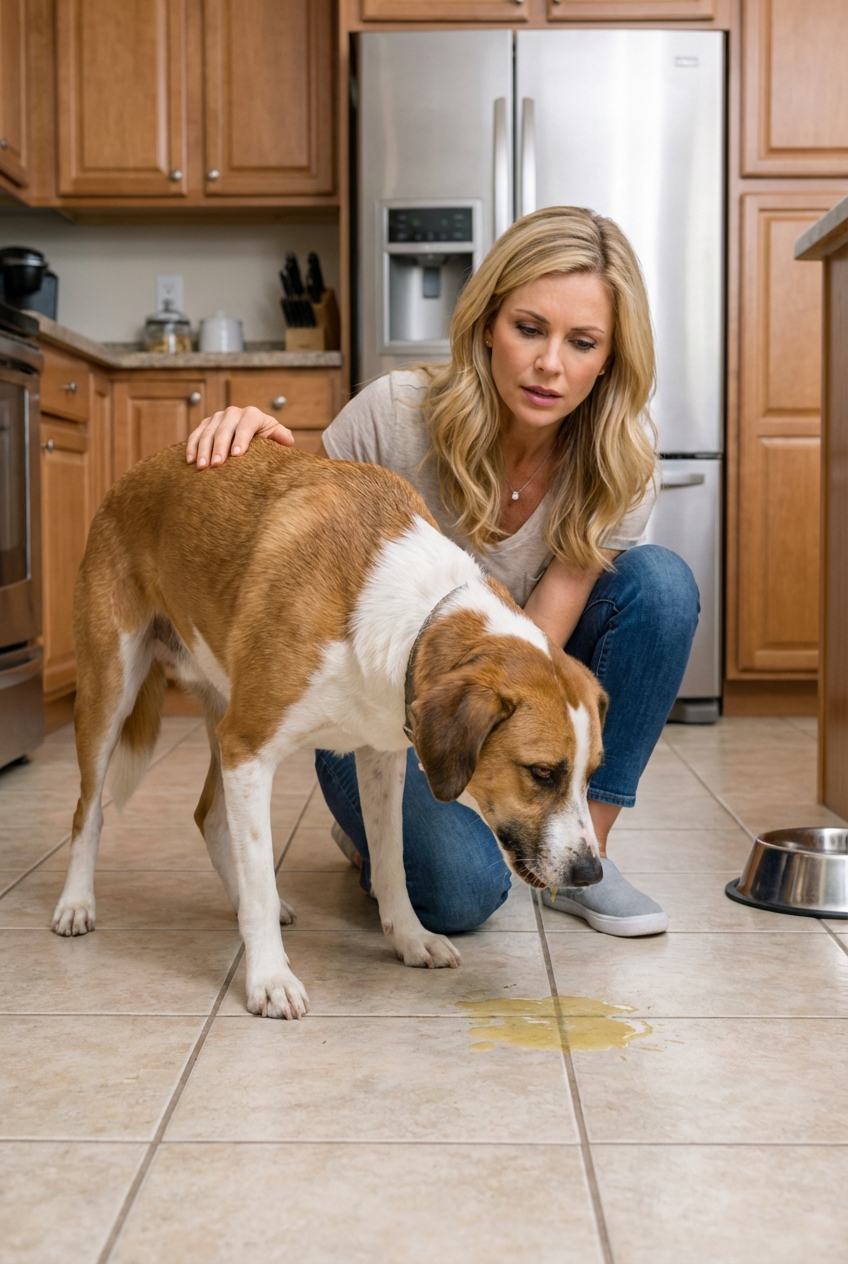
Pet owners often use “throwing up” to describe two different things. Knowing which one you’re seeing helps your vet narrow down causes faster.
Vomiting
- Active effort: heaving, abdominal contractions
- Often includes bile or foam
- May happen after drooling, lip-licking, pacing
Regurgitation
- Passive: food or liquid comes up without retching
- Usually undigested food, sometimes tube-shaped
- Often soon after eating or drinking
If you suspect regurgitation, mention that specifically to your veterinarian. It can point toward esophagus-related problems and carries a risk of aspiration.
Common reasons dogs vomit
Vomiting is a symptom, not a diagnosis. Here are some of the most common categories we see in clinics.
Simple stomach upset
- Eating too fast
- Diet change
- Rich treats, table scraps
- Stress or motion sickness
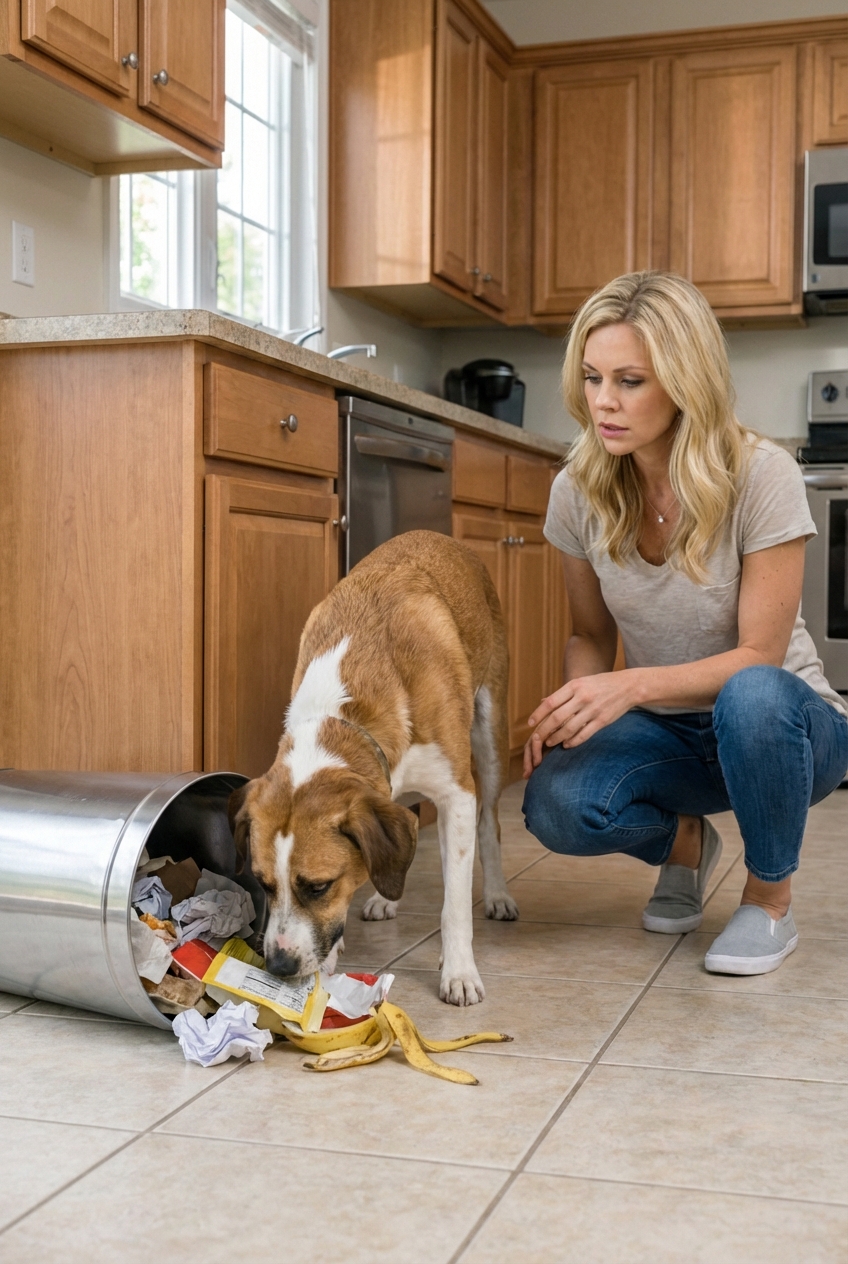
Dietary indiscretion (the “trash can buffet”)
- Greasy foods
- Spoiled food
- Chewed toys, socks, bones
Parasites
Roundworms, hookworms, giardia, and others can irritate the GI tract. Vomiting may come with diarrhea, weight loss, or a pot-bellied look in puppies.
Infections
Viral and bacterial GI infections can cause vomiting with diarrhea and lethargy. Parvo is a major concern in unvaccinated puppies and requires urgent care.
Pancreatitis
This is inflammation of the pancreas and is commonly triggered by high-fat foods. Signs often include repeated vomiting, painful belly, hunched posture, and refusal to eat.
Toxin exposure
Some toxins cause sudden vomiting within hours, others take longer. Common risks include:
- Grapes and raisins
- Xylitol (often in sugar-free gum, mints, and some sugar-free peanut butters, always check labels)
- Chocolate
- Rodenticides
- Human medications (ibuprofen, acetaminophen, antidepressants)
- Marijuana products
- Lilies (severe kidney failure is mainly a cat risk, but it is still smart to keep pets away from them)
Foreign body obstruction
If something is stuck, vomiting tends to be persistent and your dog may not be able to keep even water down. This can become life-threatening quickly.
Chronic conditions
- Food intolerance or allergy
- Inflammatory bowel disease
- Liver or kidney disease
- Endocrine disease (Addison’s disease can mimic “simple tummy trouble”)
What vomit can tell you
It is not glamorous, but vomit details are genuinely helpful. If you can safely do so, take a quick photo for your vet.
Yellow or green (bile)
Often happens when the stomach is empty or irritated. It can be seen with mild gastritis, but also with more significant issues if it keeps happening.
White foam
Can occur with nausea and an empty stomach, reflux, or mild irritation. If foam is frequent, or your dog is retching without producing much, call your vet to rule out bloat and other urgent problems.
Undigested food
If it comes up soon after eating, consider fast eating, overeating, or regurgitation. If it happens hours later, delayed stomach emptying or obstruction becomes more concerning.
Brown or foul-smelling
Brown vomit can be from food, swallowed dirt, or something your dog should not have eaten. If it has a fecal smell, looks like it contains fecal material, or your dog is vomiting repeatedly and cannot keep water down, that can be a sign of a serious GI problem such as an obstruction and needs urgent veterinary guidance.
Blood
- Red streaks may be irritation from repeated vomiting.
- Coffee-ground appearance suggests digested blood and is more urgent.
When it is an emergency
Trust your gut. If your dog “just isn’t right,” it is always okay to call. Seek urgent veterinary care if you notice any of the following:
- Repeated vomiting (more than 2 to 3 episodes in a few hours) or vomiting that continues beyond 24 hours
- Cannot keep water down
- Bloated or tight abdomen, unproductive retching, severe restlessness (possible bloat)
- Deep-chested breeds (like Great Danes, German Shepherds, Standard Poodles) showing bloat signs, treat this as an emergency
- Blood in vomit or black, tarry stool
- Vomiting plus diarrhea that is severe, bloody, or paired with lethargy (especially in puppies)
- Severe lethargy, collapse, weakness, pale gums
- Signs of pain (crying, hunched posture, guarding the belly)
- Suspected toxin exposure or foreign body ingestion (string, sock, corn cob, toy pieces)
- Puppies, seniors, or dogs with chronic illness (kidney disease, diabetes, Addison’s, heart disease)
- Vomiting plus neurologic signs (tremors, seizures, trouble walking)
Tip: If you suspect poisoning in the U.S., you can call ASPCA Animal Poison Control (888-426-4435) or Pet Poison Helpline (855-764-7661). Fees may apply, but they can be lifesaving.
At-home care for mild vomiting
If your adult dog vomited once or twice, is acting mostly normal, and there are no red flags above, you can often start with gentle supportive care. When in doubt, call your veterinarian first, especially if your dog has other health conditions.
Step 1: Pause food briefly
Your vet may recommend a short food break for adult dogs with mild vomiting, often 6 to 12 hours. Practices vary, and some dogs should not be fasted without guidance.
- Do not fast young puppies without veterinary direction because their blood sugar can drop.
- Use extra caution with small dogs and dogs with diabetes or other medical conditions, call your vet for a plan.
Step 2: Offer water thoughtfully
- If your dog just vomited, you can wait 30 to 60 minutes before offering water.
- Then offer small amounts of fresh water. If your dog gulps and vomits, give small sips more often.
- Ice chips can be easier for some dogs.
Step 3: Watch for dehydration
Vomiting can dehydrate dogs faster than many people expect. Call your vet if you notice:
- Tacky or dry gums
- Sunken-looking eyes
- Markedly decreased urination
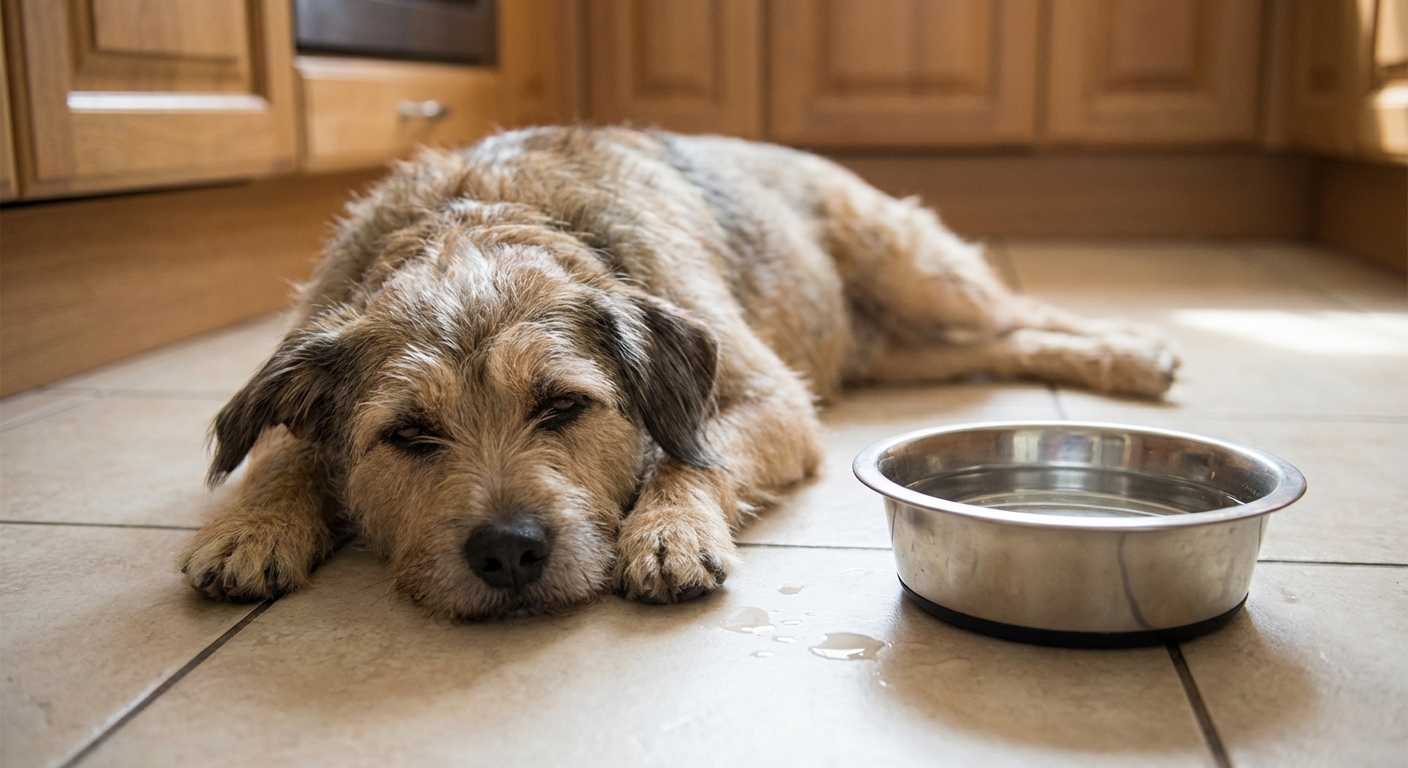
- Weakness or unusual sleepiness
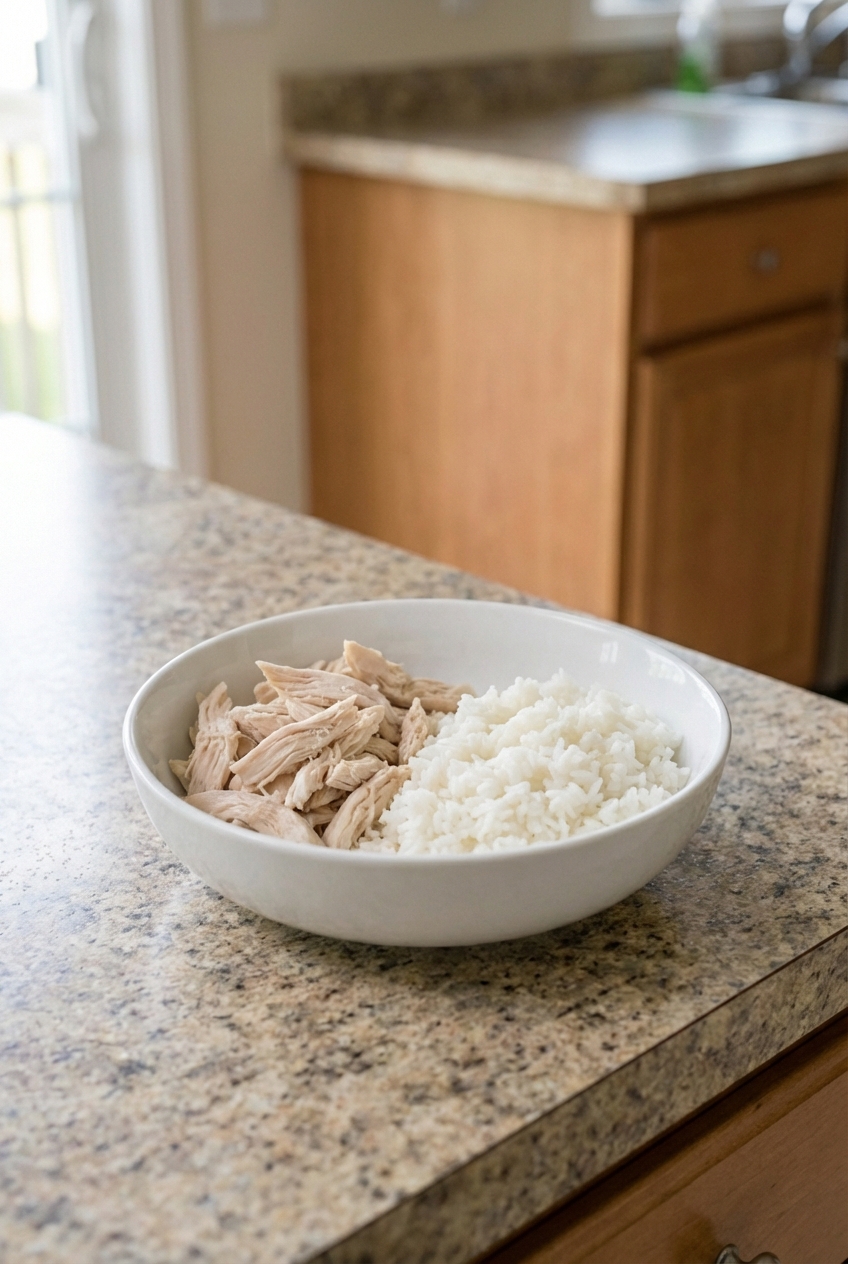
Step 4: Reintroduce a bland diet
Once vomiting has stopped and your dog seems comfortable, feed small meals of a bland diet for 24 to 48 hours:
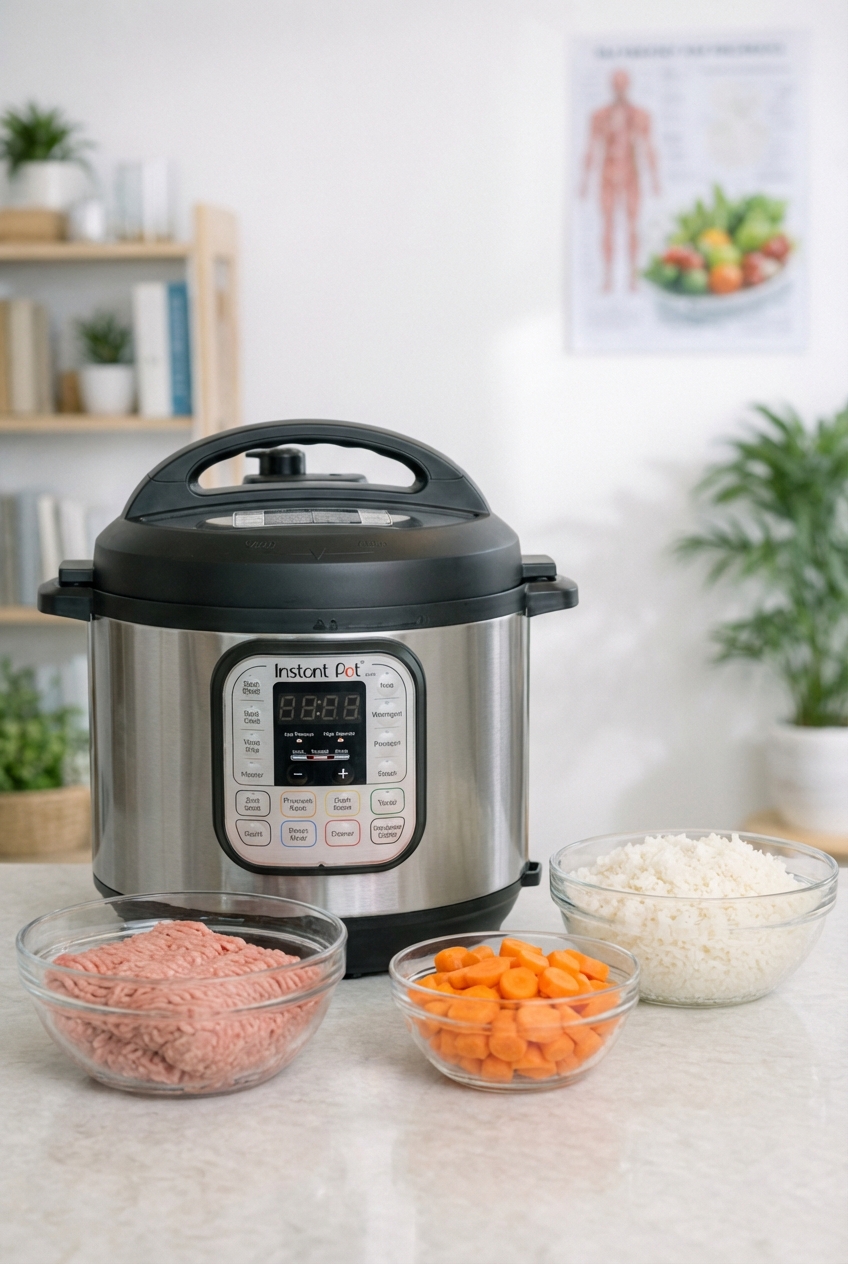
- Boiled skinless chicken (or lean turkey) plus plain white rice
- Plain canned pumpkin (not pie filling) can help some dogs, especially if stool is loose
Start with small portions. If your dog keeps it down, gradually increase the amount and transition back to normal food over 2 to 3 days.
Step 5: Avoid common mistakes
- Do not induce vomiting unless a veterinarian or poison control instructs you. Hydrogen peroxide is not safe for every situation and can cause complications.
- Do not give human medications like Pepto-Bismol, ibuprofen, or acetaminophen unless your veterinarian explicitly instructs you. (For example, bismuth products can darken stool and may be unsafe in certain dogs.)
- Avoid fatty foods, bones, rawhide, and rich treats while the stomach is recovering.
- Do not force food if your dog still seems nauseated.
How vets find the cause
If vomiting is persistent or your dog looks unwell, your vet may recommend tests based on age, history, and exam findings. Common steps include:
- Physical exam (hydration, abdominal pain, temperature)
- Fecal testing for parasites
- Bloodwork to assess hydration, infection, pancreatitis markers, kidney and liver function
- X-rays for obstruction, foreign bodies, gas patterns
- Ultrasound for pancreatitis, intestinal disease, organ changes
Treatment may include fluids, anti-nausea medication, stomach protectants, probiotics, diet change, or in some cases surgery.
Preventing future vomiting
A lot of vomiting episodes are preventable with a few practical habits.
Feed smart
- Transition to new foods slowly over 7 to 10 days.
- Use a slow feeder bowl for dogs who inhale meals.
- Keep treats to under 10 percent of daily calories.
Reduce “snack attacks”
- Secure trash cans and compost.
- Pick up socks, kids’ toys, and chewable items.
- Supervise chews and choose safer options for your dog’s chewing style.
Stay current on prevention
- Use parasite prevention as recommended by your vet.
- Keep vaccines up to date, especially for puppies.
Support gut health
Many dogs thrive when meals are predictable and made with quality ingredients. If you want to explore fresher, whole-food options, go slowly and keep meals balanced. A sudden switch, even to “healthy” foods, can upset the stomach.
Quick checklist for your vet
If you call or visit your veterinarian, these details make the conversation so much more productive:
- How many times your dog vomited and when it started
- What the vomit looked like (foam, bile, food, blood)
- Whether your dog can keep water down
- Any diarrhea, coughing, or regurgitation
- Energy level and appetite changes
- Possible exposures: trash, new treats, toxins, string, toys, medications
- Vaccination status (especially puppies)
If your dog vomits once but still wags, drinks, and wants to play, you can often monitor with care. If vomiting repeats, your dog seems painful or weak, or you suspect toxins or a blockage, do not wait.