
Vomiting or diarrhea can be scary. Learn common causes, vet red flags, and safe at-home steps like hydration and bland meals—plus what not to do and when t...
Article
•
Designer Mixes
Dog Throwing Up Undigested Food: What It Means

Shari Shidate
Designer Mixes contributor
If your dog just threw up food that looks basically unchanged, it is scary and confusing, especially when it seems like they ate only a short time ago. As a veterinary assistant in Frisco, Texas, I can tell you this is a common reason families call the clinic. The good news is that many causes are mild and fixable. The important part is knowing when it is “watch and wait” and when it is “go in now.”
Quick note: This article is general education, not a diagnosis for your dog. If you are unsure, call your veterinarian.
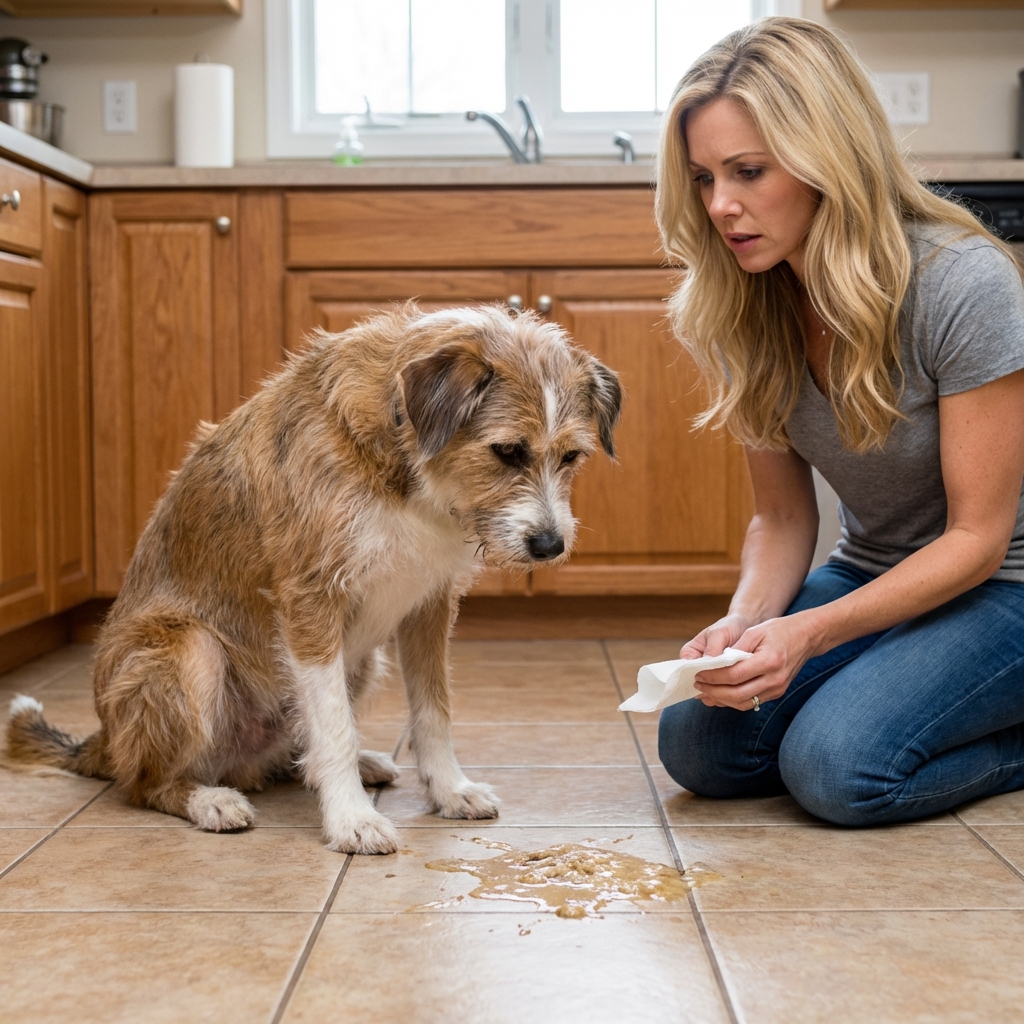
Let’s walk through what vomiting of undigested food can mean, what to look for at home, and how veterinarians typically approach it.
Undigested food vs. regurgitation
When people say “vomit,” they often mean two different things: vomiting or regurgitation. They can look similar, but they point to different problems.
- Vomiting usually includes abdominal heaving or retching. Your dog may drool, lick lips, pace, or seem nauseated beforehand. The material may be mixed with fluid, foam, or bile (yellowish).
- Regurgitation is more passive. Food seems to “come back up” with little warning or effort. It is typically undigested and may come up in a wet clump or often a tubular or sausage-like shape. It may happen shortly after eating or drinking, but timing can vary.
Why this matters: vomiting often suggests a stomach or intestinal issue, while regurgitation often suggests a problem in the esophagus (the tube from mouth to stomach).
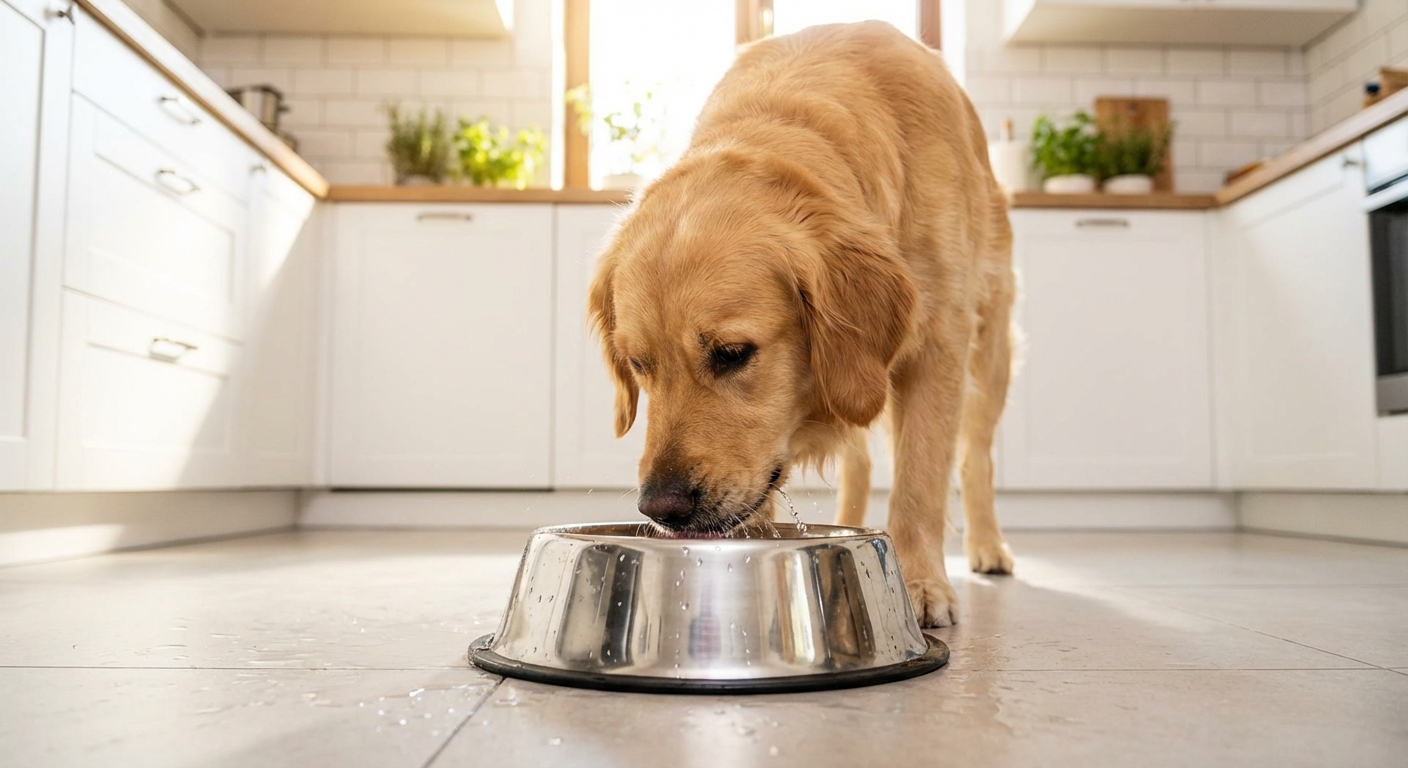
If you are not sure which one it was, that is okay. Note what you saw and tell your vet, because the details help.
Common reasons this happens
1) Eating too fast
Fast eaters can overfill the stomach with food and air, then bring it right back up. This often happens within minutes to an hour after eating, and the food may look almost unchanged.
Helpful clues: it happens with big meals, after scarfing food, and your dog otherwise seems normal.
2) Overeating or a sudden diet change
A large portion, rich treats, greasy table foods, or switching foods too quickly can overwhelm the stomach and trigger vomiting. Puppies are especially sensitive to abrupt changes. Fatty foods can also increase the risk of pancreatitis in some dogs, which can cause repeated vomiting and belly pain.
3) Activity or excitement after meals
Running, jumping, and rough play on a full stomach can trigger vomiting in some dogs.
Important distinction: deep-chested breeds are not just “more likely to vomit.” They are higher-risk for GDV (bloat), which is a true emergency (more on that below).
4) Mild stomach irritation
Grass eating, getting into the trash, new chews, or swallowing non-food items can irritate the stomach lining. Sometimes the body’s response is to “eject” what is there before it digests.
5) Gastrointestinal illness or parasites
Viral or bacterial stomach upset, intestinal parasites, or dietary intolerance can cause vomiting. Many parasites cause diarrhea and weight loss more often than vomiting alone, but they can still be part of the picture.
With illness, you may also see diarrhea, decreased appetite, lethargy, or a painful belly.
6) Obstruction (foreign body)
This is one of the big concerns. If a toy, corn cob, sock, bone fragment, or other object blocks the stomach or intestines, your dog may vomit food that never makes it through.
Helpful clues: repeated vomiting, inability to keep water down, decreased stool production, straining, abdominal pain, or acting very unwell.
7) Bloat (GDV)
Large, deep-chested dogs can develop gastric dilatation-volvulus (GDV), where the stomach fills with gas and can twist. This is life-threatening and needs emergency care.
Helpful clues: unproductive retching, swollen abdomen, restlessness, drooling, collapse.
8) Esophageal disorders
Megaesophagus, esophageal stricture, and reflux are more associated with regurgitation than true vomiting. Dogs may bring up undigested food and water, lose weight, or cough due to aspiration (food entering the airway).
Important note: regurgitation plus coughing or breathing changes can mean aspiration pneumonia, which needs prompt veterinary care.
9) Brachycephalic and reflux-prone dogs
Some flat-faced dogs (like Bulldogs and Pugs) and dogs with known reflux can be more prone to gagging, regurgitation, and “spit up,” especially after eating quickly or drinking a lot at once. If this is frequent, bring it up with your veterinarian.
Timing helps, but it is not a diagnosis
When you call your veterinarian, one of the first questions you will hear is: How long after eating did it happen? Timing can offer clues, but it does not diagnose the cause by itself.
- Within minutes to 1 hour: can be fast eating, excitement, overeating, regurgitation, or sometimes dietary indiscretion. In some cases, toxin exposure can also cause fast vomiting.
- 1 to 6 hours: can be stomach irritation, intolerance, mild gastritis, or a meal that did not sit well.
- Repeated vomiting over many hours: raises concern for infection, pancreatitis, toxin exposure, obstruction, or other systemic illness.
If you can, write down the time your dog ate and the time vomiting happened. Those details are surprisingly helpful.
What the vomit can tell you
- Undigested kibble or chunks of food: often fast eating, regurgitation, or a stomach that emptied too slowly.
- Foam (white): nausea or empty-stomach vomiting, sometimes from reflux.
- Yellow fluid (bile): often when the stomach is empty. It can happen if meals are spaced too far apart.
- Blood (red or coffee-ground appearance): can indicate irritation, ulceration, toxin exposure, or more serious disease and needs veterinary guidance quickly.
- Foreign material: plastic, fabric, sticks, hair ties, corn cob pieces, etc. This increases concern for obstruction.
If possible, take a photo for your veterinarian and safely keep a small sample if your clinic requests it.
Dehydration signs to watch
Vomiting can lead to dehydration faster than many people expect, especially in small dogs and puppies. Call your veterinarian if you notice:
- Tacky or dry gums
- Sunken-looking eyes
- Less urine than normal
- Weakness or unusual tiredness
- Skin that does not “snap back” quickly when gently lifted
Call the vet right away
Please contact your veterinarian or an emergency clinic urgently if you notice any of the following:
- Repeated vomiting (more than 2 to 3 times in a day, or vomiting that continues)
- Cannot keep water down
- Bloated or painful abdomen
- Unproductive retching, drooling, restlessness (possible GDV emergency)
- Lethargy, collapse, pale gums, or weakness
- Blood in vomit or black, tarry stool
- Suspected toxin exposure (xylitol, grapes or raisins, chocolate, medications, rodent bait)
- Suspected foreign body (missing toy, chewed sock, bone fragments)
- Puppy, senior dog, or dog with chronic disease (kidney disease, diabetes, Addison’s, etc.)
- Regurgitation plus coughing, fever, or breathing changes (possible aspiration)
If you are ever torn, call. I would always rather you call and it turns out to be mild than wait and miss a serious problem.
What you can do at home (one mild episode)
If your dog vomited once, is bright and alert, wants to drink, and has no concerning signs, your vet may recommend a cautious home plan. Always follow your veterinarian’s advice, but these are common supportive steps.
Step 1: Pause food briefly (only with guidance)
Many clinics recommend withholding food for a short period to let the stomach settle, then restarting with small meals. Best practice varies and is increasingly individualized.
Do not fast without veterinary guidance if your dog is a puppy, toy breed, diabetic, prone to low blood sugar, or has other chronic health conditions.
Step 2: Offer small amounts of water
Allow frequent, small sips. If your dog gulps and vomits again, your vet may suggest offering ice chips or very small measured amounts.
Step 3: Restart with a bland, small meal
Many people use boiled chicken and white rice, and sometimes that is appropriate. However, it is not ideal for every dog (for example, some dogs with pancreatitis, food allergies, or other diet needs). A veterinary gastrointestinal diet is often a safer, more complete option.
If you are not sure what to feed, ask your veterinarian what they recommend for your dog’s situation.
Step 4: Prevent scarfing
- Use a slow feeder bowl or puzzle feeder
- Feed smaller, more frequent meals
- Try a snuffle mat for dry kibble
- Separate dogs so no one feels rushed
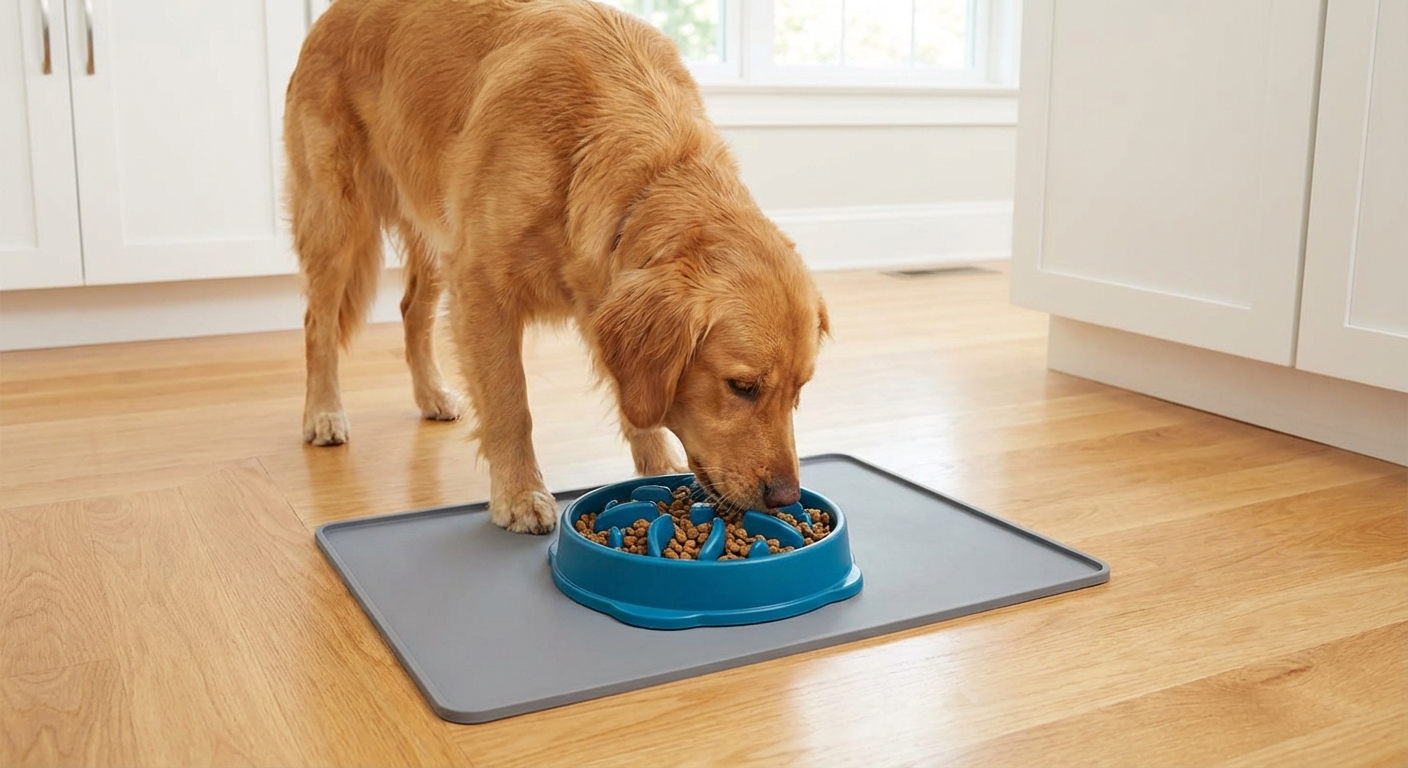
Avoid giving human antacids or anti-nausea medications unless your veterinarian directs you. Some medications are unsafe for dogs, and dosing matters.
What to track for your vet
If vomiting happens again, these details can speed up good care:
- How many times your dog vomited, and roughly how much
- Whether it looked like vomiting (retching) or regurgitation (more passive)
- Time of last meal and time of episode
- Whether your dog is still eating, drinking, peeing, and pooping normally
- Any diarrhea, coughing, belly pain, or behavior changes
- Any chance of trash, toxins, or foreign objects
How your veterinarian may diagnose the cause
If vomiting continues or your dog seems unwell, your clinic may recommend:
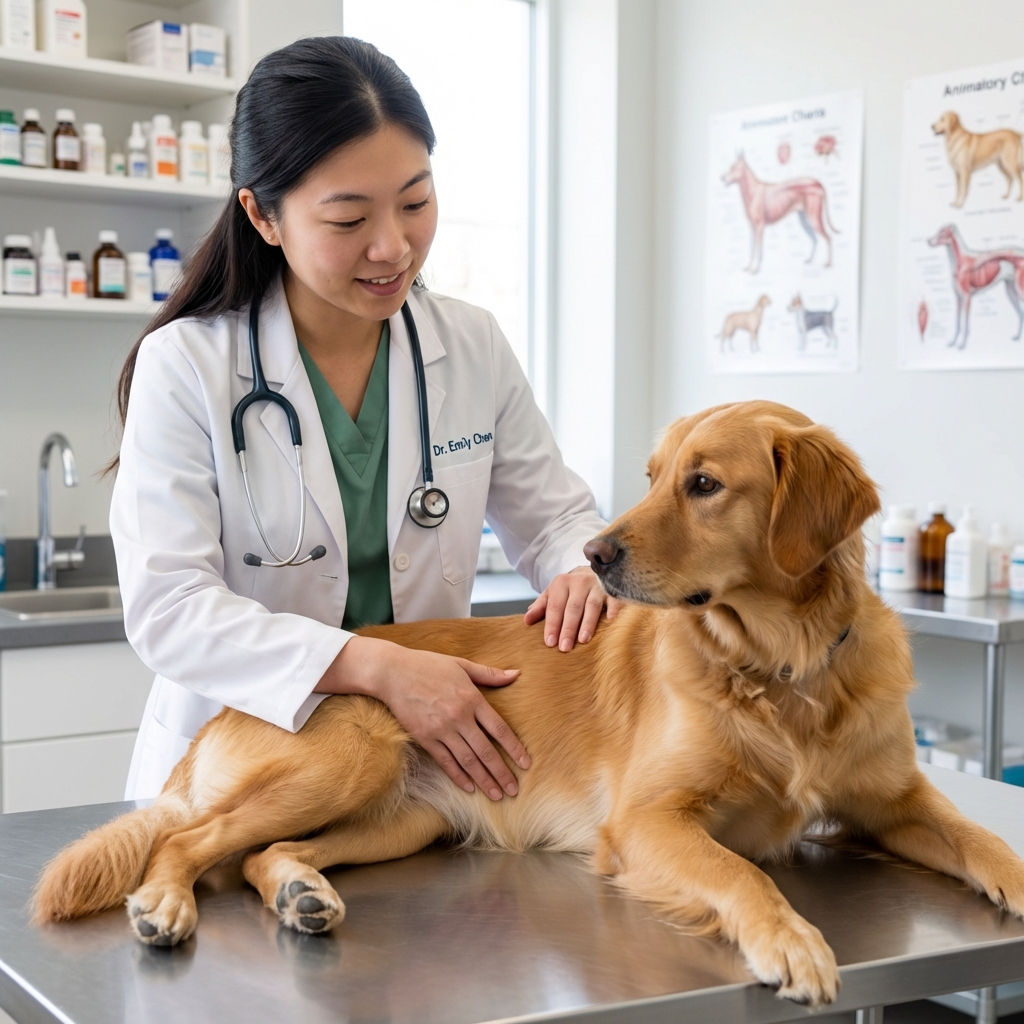
- Physical exam with abdominal palpation and hydration assessment
- Fecal test for parasites
- Bloodwork to evaluate dehydration, infection, organ function, pancreatitis markers, electrolytes
- X-rays to look for obstruction, abnormal gas patterns, stomach distension
- Ultrasound for a closer look at stomach and intestines
- Special testing if regurgitation is suspected (chest X-rays, esophageal evaluation)
Treatment can range from diet and anti-nausea medications to fluids, deworming, antibiotics when appropriate, hospitalization, or surgery if there is an obstruction or GDV.
Prevention tips
- Feed measured portions and avoid sudden diet changes
- Transition foods slowly over 7 to 10 days
- Limit rich treats and avoid fatty table scraps
- Keep trash secured and pick up tempting “street snacks” in the yard
- Choose safe chews and supervise chewing to reduce foreign body risk
- Use slow feeding strategies for dogs who inhale meals
- Space exercise away from meals, and be extra cautious with deep-chested breeds because of GDV risk
And one simple habit I love: keep a quick “vomit log” in your phone. Note time, what was eaten, and any other symptoms. Patterns can point to food intolerance, meal timing issues, reflux, or an underlying medical condition.
Bottom line
Dogs throwing up undigested food often comes down to eating too fast, meal size, or mild stomach upset. But if vomiting is repeated, your dog cannot keep water down, you suspect a foreign body, or you see signs like bloating or lethargy, it is time to get veterinary help promptly.
If you tell your vet when your dog ate, when the episode happened, and whether it looked more like vomiting or regurgitation, you will be giving them exactly the kind of information that speeds up good care.