
Dog Throwing Up and Not Eating: When to Worry

When your dog is throwing up and refusing food, it feels scary fast. As a veterinary assistant, I can tell you this combo is common, but it is not something to ignore. Sometimes it is a mild stomach upset that settles down within a day. Other times, vomiting plus no appetite is your dog’s way of saying, “I need help now.”
This guide will walk you through the most likely causes, the red flags that mean emergency care, what to do in the first 24 hours, when fasting helps vs. hurts, and how to safely restart food once vomiting stops.
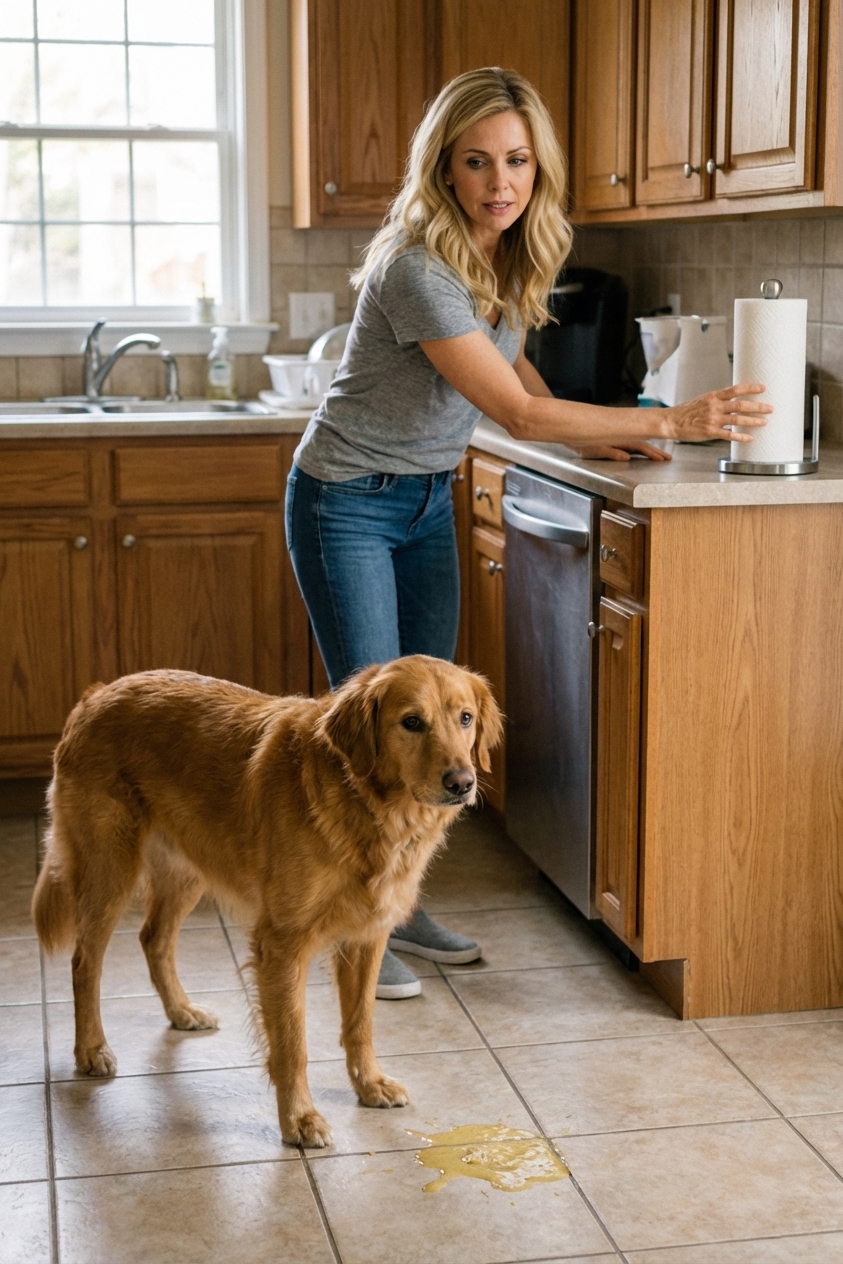
First, a quick gut check
Vomiting and not eating can happen together for simple reasons, like eating something that did not agree with them. But appetite loss also raises the stakes because it can signal pain, nausea, dehydration, fever, toxin exposure, or an intestinal problem.
Two questions help you decide how urgent this is:
- Is your dog able to keep water down? If not, dehydration can happen quickly.
- Is your dog acting “off”? Weakness, belly pain, collapse, pale gums, or frantic restlessness are not wait-and-see signs.
Vomiting vs. regurgitation
These look similar, but they are not the same, and it matters.
- Vomiting usually involves heaving and nausea, and you may see bile or partially digested food.
- Regurgitation is often more passive. Food or water comes back up without much effort, sometimes soon after eating, and it can look tube-shaped.
If you suspect regurgitation, call your vet. It can point to esophagus issues rather than a simple stomach upset.
Most likely causes
Many conditions overlap. Your vet will use your dog’s history, exam, and sometimes lab work or imaging to narrow it down.
Gastritis
This is one of the most common reasons. It can happen after eating table scraps, getting into the trash, swallowing grass, switching foods too quickly, or having a sensitive stomach.
- What it can look like: Vomiting (often a few episodes), lip smacking, gulping, nausea, decreased appetite, maybe soft stool.
- Often improves: Mild cases may improve within 12 to 24 hours with rest, hydration, and a bland diet reintroduction. If it is not improving, or your dog seems unwell, it is time to call your vet.
Pancreatitis
Pancreatitis is a big one to keep on your radar, especially after a fatty meal. It can range from mild to life-threatening, and dogs often feel truly miserable.
- What it can look like: Repeated vomiting, refusing food, lethargy, belly pain (some dogs hunch or “pray” with front legs down), diarrhea, dehydration.
- Risk factors: High-fat foods, recent dietary indiscretion, obesity, some medications, prior episodes.
Intestinal obstruction
If a dog swallows something that gets stuck, vomiting and refusal to eat are classic signs. Think socks, underwear, corn cobs, toys, bones, rocks, sticks, string, and parts of chews.
- What it can look like: Vomiting that keeps happening, cannot keep water down, drooling, pacing, belly pain, straining, reduced stools or no stool, or diarrhea.
- Why it is urgent: Blockages can cut off blood supply to the intestines and cause perforation. That can become an emergency fast.
Toxin ingestion
Toxins can cause vomiting, nausea, and appetite loss, and some also cause neurologic signs, bleeding, or organ failure.
- Common culprits: Xylitol (sugar substitute), grapes and raisins, chocolate, rodent poison, certain human medications (ibuprofen, naproxen, acetaminophen), marijuana products, nicotine, some essential oils, antifreeze, and some mushrooms.
- Why speed matters: Early decontamination and antidotes can be life-saving.
Other common possibilities
- Parasites or infectious GI illness: Especially in puppies or dogs exposed to dog parks and daycare.
- Diet change or food intolerance: Sudden switch, rich treats, new chews.
- Systemic illness: Kidney disease, liver disease, diabetes (including ketoacidosis), Addison’s disease, uterine infection in unspayed females.
- Pain or fever: Dental pain, back pain, or other issues can reduce appetite and trigger nausea.
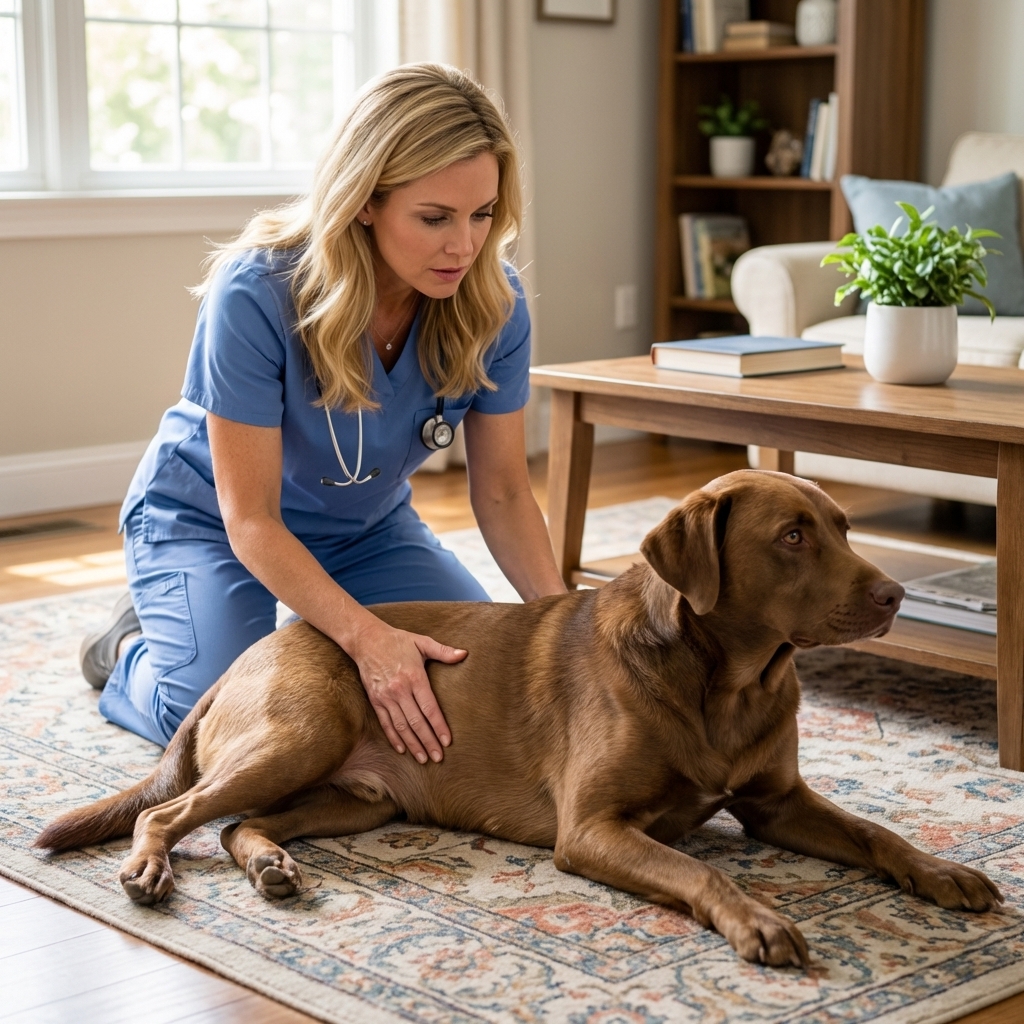
Red flags
If you notice any of the signs below, it is safest to call your veterinarian or an emergency clinic right away. When in doubt, trust your instincts.
Go now
- Bloated, hard abdomen, unproductive retching, or severe abdominal pain
- Collapse, extreme weakness, or unresponsiveness
- Pale, white, blue, or gray gums
- Cannot keep water down or vomits water immediately
- Repeated vomiting or vomiting that will not stop
- Blood in vomit (red or coffee-ground looking) or black, tarry stool
- Labored breathing
- Signs of toxin exposure or you saw your dog eat something dangerous
- Possible foreign body (missing toy, chewed-up sock, string, corn cob, etc.)
- Very young, very old, or medically fragile dogs (diabetes, kidney disease, Addison’s, heart disease)
Call your vet today
- Vomiting plus not eating for more than 12 to 24 hours
- Diarrhea plus vomiting, especially if your dog is getting weak
- Fever, shaking, or obvious discomfort
- Dehydration signs (dry gums, sunken eyes, sticky saliva, low energy)
Quick bloat reminder: If your dog is retching and trying to vomit but little comes up, and the belly looks distended, treat that as an emergency. Restlessness and pacing are common, too. Large, deep-chested dogs are at higher risk, but any dog can have a serious GI emergency.
First 24 hours
Home care is only appropriate when your dog is otherwise stable, bright enough to interact, and you are not seeing any red flags above. If you are unsure, call your vet first.
1) Pause food briefly, but be thoughtful
For many healthy adult dogs with mild vomiting, a short break from food can help calm an irritated stomach. But fasting is not right for every dog. See the section below on when fasting helps vs. hurts.
Also, skip treats, chews, bones, table scraps, and rich foods during this window.
2) Focus on hydration
Dehydration is one of the quickest ways a stomach bug turns into an emergency.
- Offer small sips of water frequently instead of a full bowl if your dog is gulping and vomiting.
- If your vet approves, you can offer ice chips or a few teaspoons of water every 10 to 15 minutes.
- Be cautious with sports drinks. Some contain high sugar, flavoring, or artificial sweeteners. Some products may contain xylitol, which is highly toxic to dogs. If an oral rehydration solution is needed, ask your vet what is safest.
3) Remove access to problem items
Pick up toys, chews, bones, trash, compost, and anything your dog could swallow. If vomiting is from a partial obstruction, continued chewing can make it worse.
4) Meds: do not improvise
- Do not give human pain meds (like ibuprofen or naproxen). These can be dangerous for dogs.
- Do not give human anti-nausea meds unless your veterinarian specifically instructs you.
- Continue prescribed medications unless your vet tells you to pause them. If you suspect your dog vomited right after a dose, call and ask what to do next.
5) Note what matters for your vet
- How many times your dog vomited and over what time frame
- What the vomit looked like (food, foam, bile, blood, foreign material)
- Whether your dog is drinking and urinating normally
- Any diarrhea, especially black or bloody stool
- Potential access to toxins, trash, new treats, new meds, or missing objects
If you can safely do so, take a quick photo of the vomit. It can actually help your veterinarian.
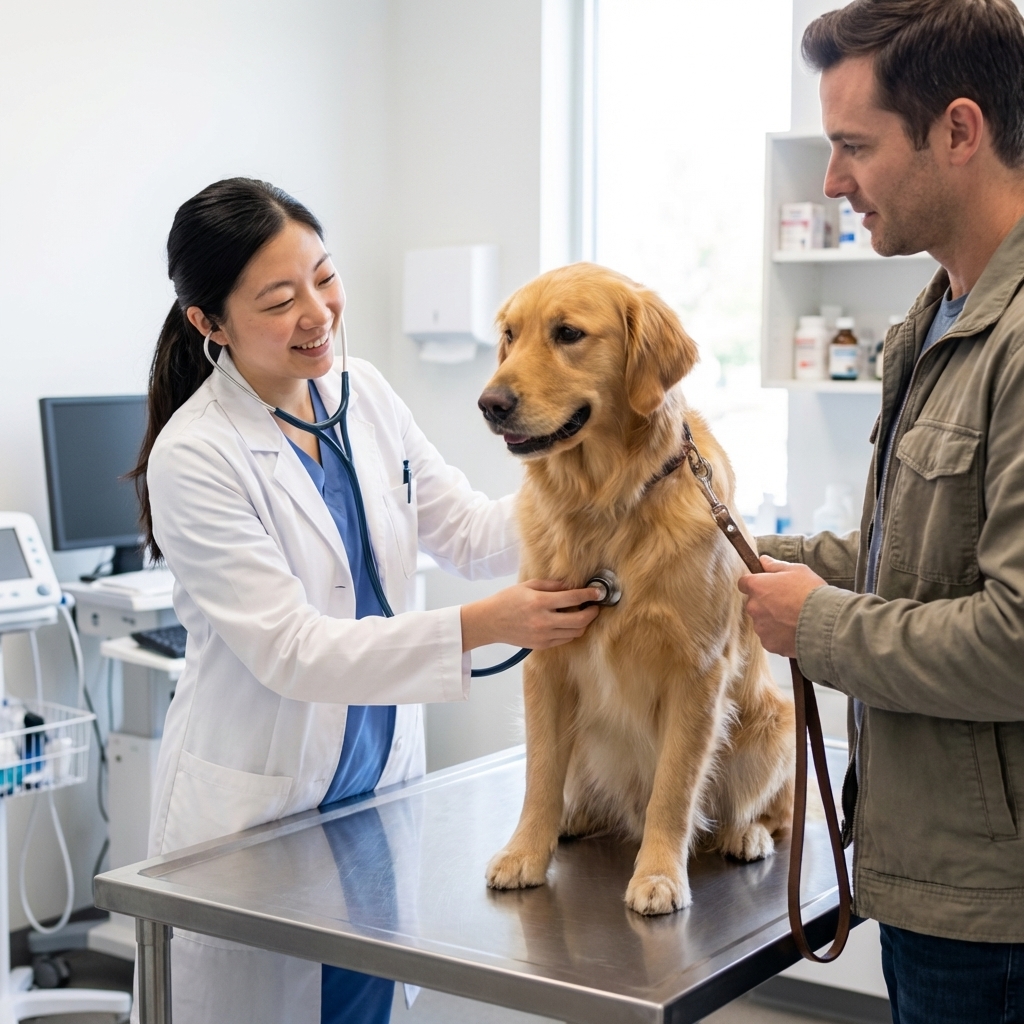
When fasting helps or hurts
Fasting is a tool, not a rule. The goal is to reduce stomach workload while preventing dehydration and dangerous drops in blood sugar.
Fasting may help if
- Your dog is a healthy adult
- Vomiting was mild and brief
- Your dog is alert and can keep small amounts of water down
- There are no red flags like blood, severe pain, or suspected obstruction
Some vets recommend a short fast, often skipping one meal or about 6 to 12 hours, for mild cases. Others prefer restarting tiny bland meals sooner once vomiting stops. Follow your veterinarian’s guidance for your dog and the situation.
Fasting can hurt
Do not fast without veterinary guidance if any of these apply:
- Young puppies and toy breeds, because they can become hypoglycemic
- Dogs with diabetes or on insulin
- Dogs with suspected pancreatitis or severe illness, because they may need meds, fluids, and nutrition support
- Dogs with suspected foreign body, bloat, or toxin ingestion, because time matters more than rest
- Dogs with liver disease or other chronic conditions where not eating can destabilize them
If your dog refuses all food and treats and seems nauseated, they may need anti-nausea medication and fluids. That is often the turning point.
Restarting food
Once your dog has gone several hours without vomiting and is keeping water down, you can try food again. Go slowly. A stomach that is recovering can trigger vomiting again if it is overloaded.
Step 1: Start tiny
- Offer 1 to 2 tablespoons for small dogs, or 1 to 3 tablespoons for medium and large dogs.
- Wait 1 to 2 hours. If no vomiting, repeat.
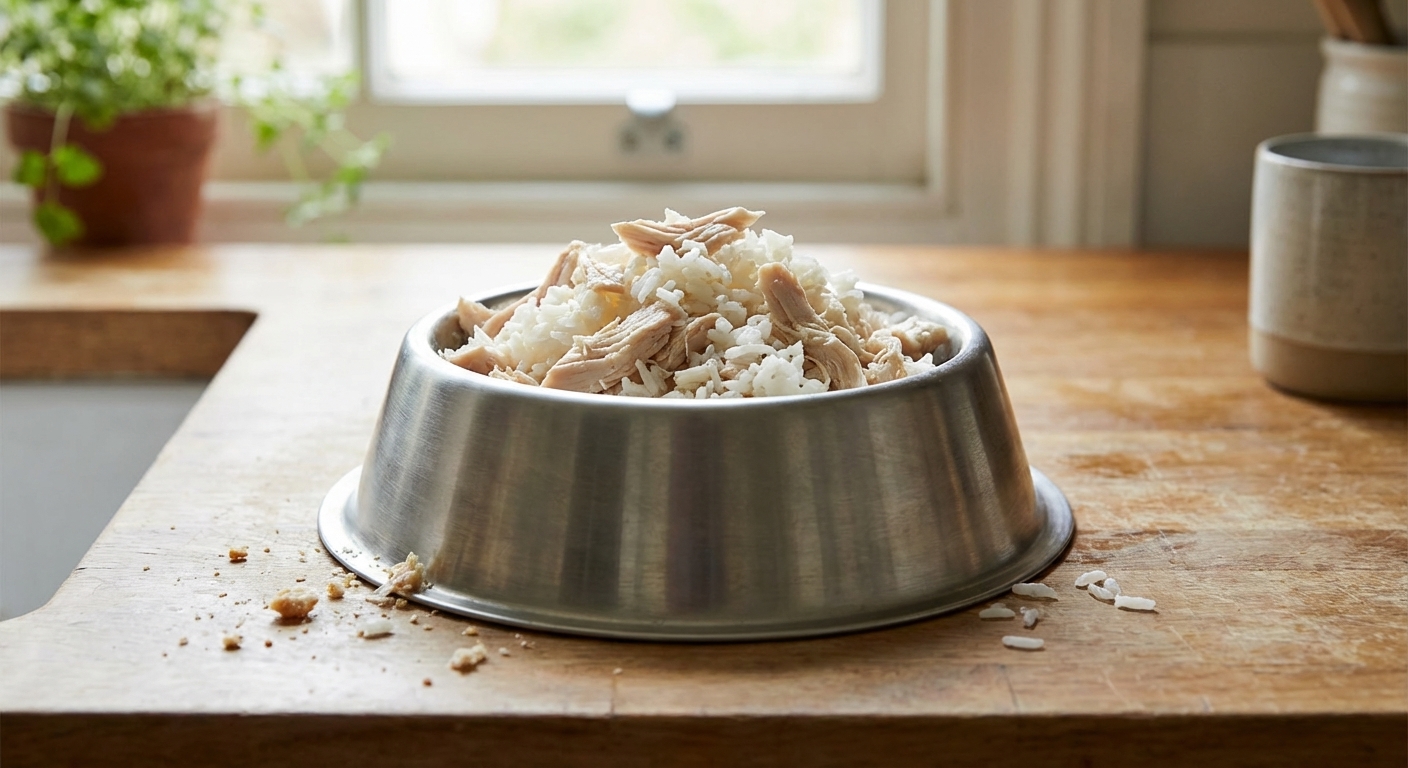
Step 2: Go bland and low-fat
Common vet-recommended bland choices include:
- Boiled chicken breast with white rice
- Lean ground turkey (well-drained) with rice
- Plain scrambled egg (minimal oil) in small amounts
- A veterinarian-approved prescription GI diet if you have one on hand
Avoid fatty foods, rich treats, dairy, and heavily seasoned meats while your dog is recovering.
Step 3: Increase portions gradually
If your dog keeps meals down for 24 hours, you can slowly increase toward normal portions over 2 to 3 days. Mix the bland diet with their regular food gradually, especially if food intolerance is not suspected.
Step 4: Watch stool and energy
Some soft stool can happen after a vomiting episode, but worsening diarrhea, blood, or renewed vomiting means you should stop the home plan and call your vet.
Common questions
My dog is vomiting yellow bile and not eating. Is that serious?
Yellow bile often shows up when the stomach is empty, but it does not tell you the cause by itself. Mild bile vomiting can happen with an empty stomach or gastritis. If it keeps happening, your dog is lethargic, painful, or refusing water, it needs a vet visit.
Should I give my dog Pepto or human anti-nausea meds?
Do not give human medications unless your veterinarian specifically instructs you. Some are unsafe for dogs, some interact with other meds, and some can mask symptoms that your vet needs to see.
For example, products with bismuth subsalicylate can be risky for some dogs (especially those with bleeding risk or on certain medications) and can also turn stool black, which can make it harder to tell if there is true GI bleeding.
What if my dog will drink but not eat?
Drinking is a good sign, but ongoing appetite loss still matters. If your dog skips more than a day of food, or refuses favorite treats, call your vet to rule out pain, pancreatitis, infection, obstruction, or organ disease.
How can I check dehydration at home?
Look for dry or tacky gums, thick saliva, lethargy, and reduced urination. Skin tenting can be helpful, but it is not perfect. If you suspect dehydration, veterinary fluids can make a huge difference quickly.
What the vet may do
If you come in, your veterinarian may recommend a physical exam, hydration support (often under the skin or IV fluids), anti-nausea medication, pain control, deworming, and a bland or prescription GI diet plan. Depending on the story and exam, they may also suggest bloodwork, fecal testing, X-rays, or ultrasound to check for pancreatitis, obstruction, organ disease, or other underlying problems.
When in doubt, call
Vomiting plus not eating is one of those symptom pairs where a quick phone call can save you hours of worry and, in some cases, save a life. Your vet can help you decide if home monitoring is reasonable or if your dog needs an exam, fluids, anti-nausea medication, X-rays, ultrasound, or lab work.
If you take one thing from this page, let it be this: repeated vomiting, inability to keep water down, belly pain, blood, weakness, or toxin risk are not “sleep it off” symptoms.
If you end up calling or going in, bring the details that help your vet triage quickly: your dog’s age, breed, approximate weight, how long it has been going on, what the vomit looks like, whether water stays down, any diarrhea, and any possible access to toxins or missing objects.