
Dog Teeth Chattering: Causes and What It Means

Seeing your dog’s teeth chatter can be surprising, and honestly, a little scary. The good news is that teeth chattering can be harmless, especially if it happens during excitement, sniffing, or anticipation. But it can also be a clue that your dog is cold, stressed, nauseous, in pain, having medication side effects, or experiencing a seizure or tremor disorder.
As a veterinary assistant, I like to think of teeth chattering as a body signal. Your job is not to diagnose it at home. Your job is to notice the context and look for other signs that help you decide whether this is a “monitor and mention it” moment or a “call your vet soon” situation.
Quick note: This article is general information and not a substitute for veterinary care. If you are worried about your dog, trust that instinct and call your clinic.
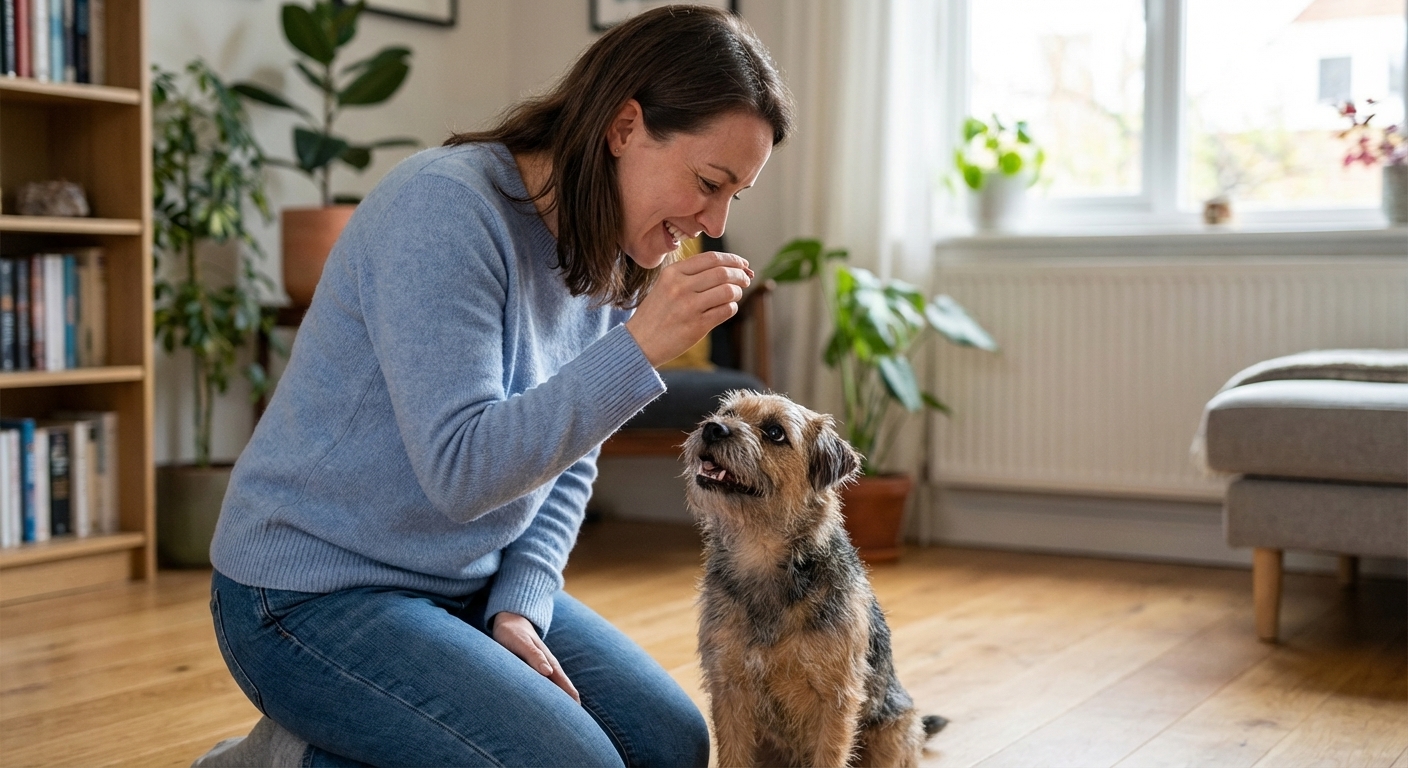
What it looks like
Most owners describe it as:
- Rapid clicking or tapping sounds from the teeth
- Jaw tremors or a quivery mouth, sometimes with lips pulled back slightly
- A brief episode that lasts seconds to a minute, or comes and goes
It may happen with the mouth closed or slightly open. Some dogs also drool, lick their lips, or look intensely “focused” while it’s happening.
Common causes
Teeth chattering is not one single condition. It is a behavior that can be triggered by several different situations. Here are the most common categories.
1) Excitement or anticipation
This is one of the most common harmless reasons. Some dogs chatter when they are thrilled, such as when you grab the leash, open the treat jar, or come home from work.
Clues it is excitement:
- Loose, wiggly body language
- Normal appetite and energy
- Chattering stops once the “exciting thing” happens
- No pawing at the mouth, no sensitivity around the face
2) Cold or shivering
Dogs can chatter their teeth when they are cold, especially small dogs, short-coated dogs, seniors, and dogs who are wet or in air conditioning.
Clues it is cold:
- Whole-body shivering along with teeth chattering
- Seeking warm spots, curling up tightly
- Cold ears or paws
- Stops after warming up
If your dog gets cold easily, a well-fitted sweater and limiting time outdoors in chilly weather can help.
3) Anxiety or stress
Stress can cause trembling and jaw chattering, just like it can in humans. Some dogs chatter during vet visits, grooming, thunderstorms, fireworks, or when meeting unfamiliar dogs or people.
Clues it is stress:
- Whale eye (showing the whites of the eyes), tucked tail, crouched posture
- Panting when it is not hot, drooling, yawning, lip licking
- Trying to hide, escape, or cling to you
- Chattering happens in predictable scary situations
For anxious dogs, talk with your veterinarian about a plan. Training, predictable routines, calming enrichment, and in some cases medication can make a big difference.
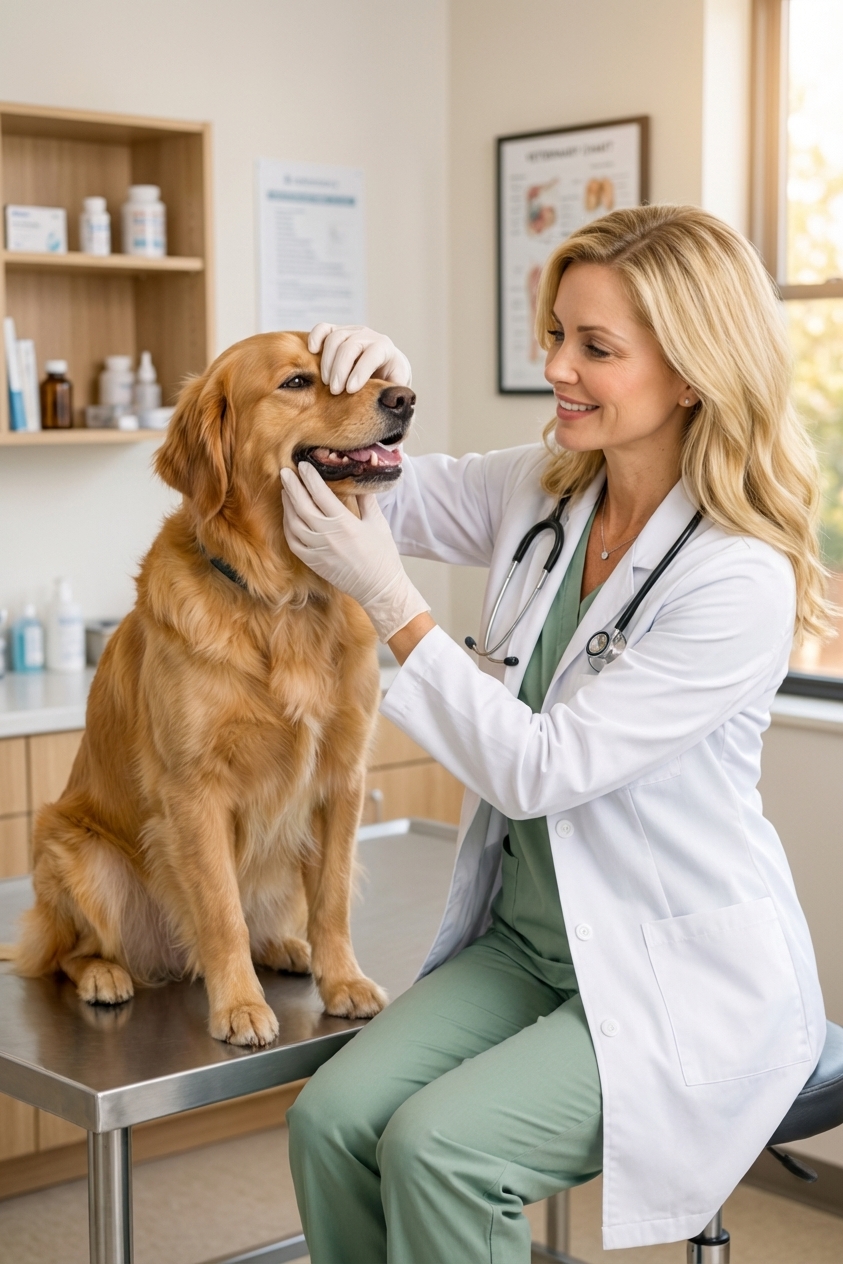
4) Dental pain or oral discomfort
This is a big one, and it is easy to miss at home. Dogs are incredibly good at hiding mouth pain. Teeth chattering can happen with tooth fractures, periodontal disease, abscesses, exposed roots, oral ulcers, or something stuck between teeth.
Clues it could be dental pain:
- Bad breath
- Dropping food, chewing on one side, eating slower, or refusing hard kibble
- Pawing at the mouth or rubbing the face on furniture
- Red or bleeding gums
- Swelling under the eye or along the jaw
If you suspect mouth pain, schedule a veterinary exam. Many dental problems need treatment under anesthesia to properly evaluate and relieve pain.
Scent behavior (Flehmen-like response)
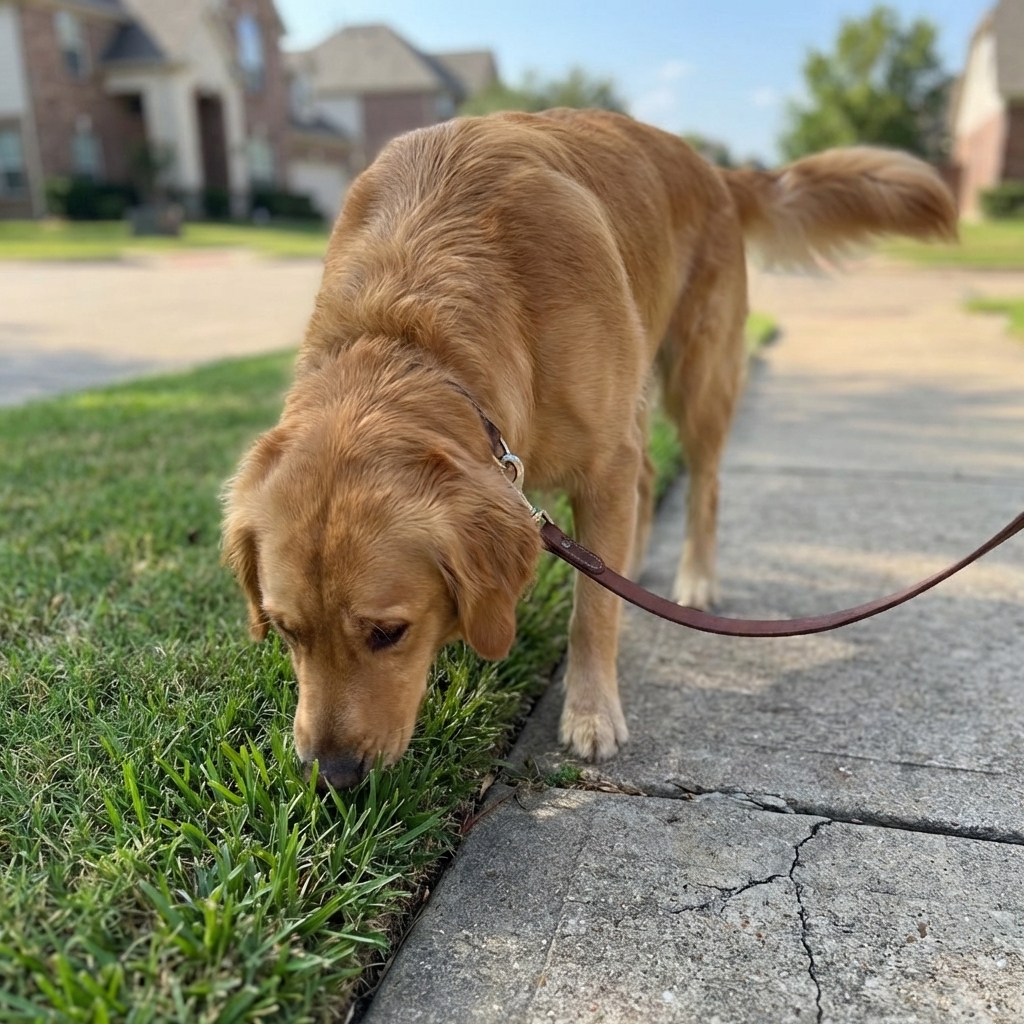
Sometimes chattering has less to do with temperature or mood and more to do with scent. Dogs have a special scent-detecting organ called the vomeronasal organ (also known as Jacobson’s organ). After smelling something especially interesting, like urine markings or pheromones, some dogs may do a Flehmen-like response such as lip lifting, teeth showing, or holding the mouth slightly open. In some dogs, it can look like brief teeth chattering.
Clues it is scent-related:
- Happens right after intense sniffing on walks
- Dog looks focused and still, sometimes with tongue flicks
- No signs of pain, and it stops quickly
Other medical causes
Not all chattering fits neatly into excitement, cold, stress, or mouth pain. A few other possibilities your vet may consider include:
- Nausea or GI upset: lip licking, drooling, swallowing, reduced appetite, vomiting, diarrhea
- Pain outside the mouth: head, neck, or ear pain can sometimes cause facial tension or trembling
- Metabolic causes of tremors: low blood sugar, electrolyte imbalances, fever, or systemic illness (often with weakness, wobbliness, lethargy)
- Medication side effects: certain prescriptions can cause tremors or agitation
- Idiopathic tremor syndromes: some dogs develop tremors without a clear trigger, especially small breeds
These are not things you can confirm at home. The key is noticing the pattern and any additional symptoms.
Neurologic causes
Less commonly, teeth chattering can be related to neurological issues, including focal seizure activity or disorders that cause tremors. Some dogs have focal seizures that involve only one part of the body, including the face and jaw.
Clues it could be neurologic:
- Episodes occur randomly, not tied to excitement, cold, stress, or sniffing
- Staring, glassy eyes, or reduced responsiveness during the episode
- Body stiffness, paddling, loss of balance, or falling over
- Loss of bladder or bowel control
- Confusion, restlessness, or “not themselves” afterward (post-ictal phase)
If you suspect seizure activity, call your vet promptly for guidance, especially if it is new. If a seizure lasts more than 5 minutes, your dog has repeated episodes close together, or your dog is not recovering normally afterward, that is an emergency.
Quick check
If you are not sure where your dog fits, use this simple observation checklist.
More likely harmless
- Happens during treat time, greetings, or walks
- Dog is alert and responsive
- Normal appetite and behavior afterward
- No facial sensitivity or mouth-related symptoms
Call your vet soon
- Bad breath, drooling, pawing at mouth, chewing changes
- Chattering is new, frequent, or worsening
- Vomiting, diarrhea, reduced appetite, or repeated lip licking and drooling (possible nausea)
- Your dog seems painful, withdrawn, weak, or wobbly
- Swelling of the face, bleeding gums, or visible broken tooth
Emergency today
- Collapsing, unresponsive, or whole-body seizure signs
- Repeated episodes close together or a seizure lasting more than 5 minutes
- Trouble breathing, blue or very pale gums
- Known or suspected toxin exposure (for example, human medications, illegal drugs, rodenticides)
What to do now
Here is a calm, practical plan you can use the moment you notice teeth chattering:
- Step 1: Note the context. Was your dog sniffing, excited, cold, or stressed?
- Step 2: Check responsiveness. Say their name, offer a simple cue like “sit,” and see if they can engage normally.
- Step 3: Look for mouth clues. Without forcing the mouth open, check for drool, pawing, swelling, or a bad odor.
- Step 4: Warm them if needed. If they are cold, move indoors, dry them off, and offer a blanket.
- Step 5: Take a video. A 10 to 20 second clip can help your vet determine whether this looks behavioral, painful, or neurologic.
If you think it may be a seizure
- Do not put your hands near your dog’s mouth. Dogs do not swallow their tongues, and bites can happen accidentally.
- Do not restrain your dog. Instead, clear the area to prevent injury.
- Time the episode and keep lights and noise low if possible.
If your dog is chattering and seems painful, do not give human pain medication. Many human meds are dangerous for dogs. Call your veterinarian for safe options.
When to call your vet
Make an appointment if:
- Teeth chattering is new for your dog
- It happens daily or is increasing in frequency
- There are any signs of dental disease (bad breath, red gums, chewing changes)
- There are signs of nausea (drooling, lip licking, reduced appetite, vomiting)
- Your dog is older, and you are seeing new tremors or odd behavior
Seek urgent care if you suspect seizure activity, toxin exposure, breathing difficulty, or your dog cannot be redirected or seems disoriented.
What your vet may check
Depending on your dog’s exam and history, your veterinarian may recommend:
- A thorough oral exam and possibly dental X-rays under anesthesia
- Pain assessment and safe pain relief
- Basic lab work (bloodwork, sometimes urinalysis) to look for underlying issues such as infection, metabolic problems, or low blood sugar
- Neurologic evaluation, and in some cases referral to a veterinary neurologist
- Discussion of anxiety triggers and a behavior plan
The goal is to treat the underlying cause, not just the chattering itself.
FAQ
Is teeth chattering always a bad sign?
No. Many dogs chatter from excitement or while processing an interesting scent. It becomes more concerning when it is new, frequent, persistent, or paired with signs of pain, nausea, weakness, or neurologic changes.
Can dental disease cause teeth chattering?
Yes. Oral pain can trigger jaw tremors and chattering, and many dogs hide dental discomfort until it becomes advanced. If your dog’s breath is worse than usual or chewing habits change, schedule an exam.
Can puppies chatter their teeth?
They can. Puppies may chatter from excitement, nervousness, or being cold. If it is persistent or paired with appetite changes, drooling, vomiting, or lethargy, it is worth a veterinary check.
Should I worry if my dog chatters when sniffing on walks?
Often, no. If it happens right after sniffing and your dog seems otherwise normal, it may be scent-related behavior. If you also see mouth pain, nausea signs, or odd episodes at home, get it checked.