Step-by-step guidance if your dog ate chicken bones: cooked vs. raw risks, what to do immediately, what to avoid, ER red flags, monitoring timeline, and vet ...
Article
•
Designer Mixes
Dog Swallowed a Chicken Wing: What to Do

Shari Shidate
Designer Mixes contributor
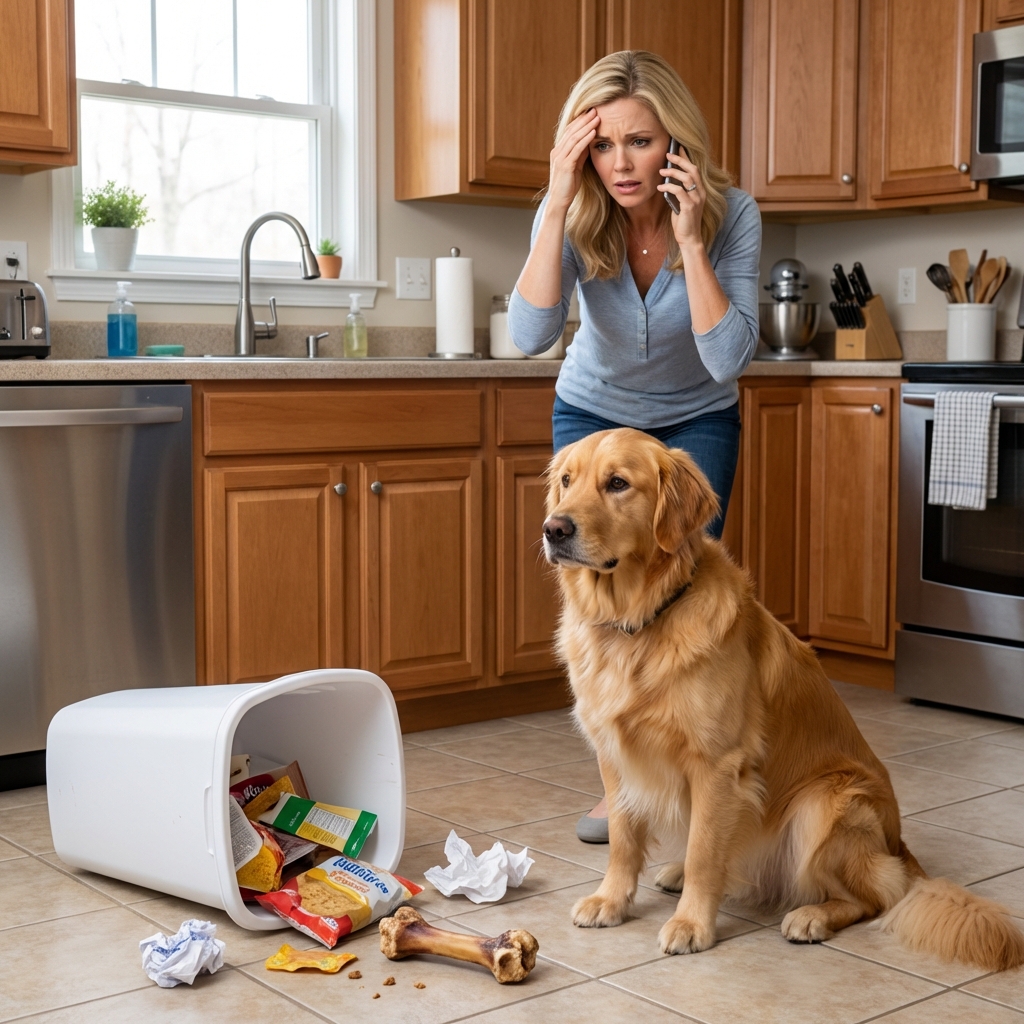
Few things make your heart drop faster than realizing your dog just swallowed a chicken wing, especially if it was cooked. Take a breath. In many cases dogs do okay, but chicken bones can splinter and cause choking, mouth injuries, intestinal blockage, or even a tear in the stomach or intestines. The safest move is to make a calm plan and get veterinary guidance quickly.
Important: This guide is for general information and is not a substitute for veterinary care. When in doubt, call your veterinarian or an emergency clinic.
First: what happened
The right next steps depend on a few details. If you can, note these before you call your vet.
- Cooked or raw? Cooked bones are more likely to splinter. Raw bones may be less likely to splinter than cooked, but they can still break into sharp pieces and cause obstruction or internal injury.
- Whole wing or pieces? A whole wing or large chunks raise the risk of obstruction.
- How big is your dog? Small dogs have less room for error, but any size can have complications.
- When did it happen? Time matters for safe treatment options.
- Any symptoms right now? Gagging, repeated swallowing, pawing at the mouth, drooling, coughing, or any signs of panic are urgent.
Do not do these “home fixes”
I know it is tempting to try something fast. Some well-meaning tricks can make things worse.
- Do not induce vomiting unless a veterinarian tells you to. A sharp bone can injure the esophagus on the way back up.
- Do not give bread balls, rice balls, or bulky “bone cushions” as a DIY solution. Adding bulk can worsen a developing blockage.
- Do not give laxatives, mineral oil, or hydrogen peroxide without professional direction.
- Do not “wait it out” if there are symptoms. Delaying care is how small problems become emergencies.
When it is an emergency
If you see any of the signs below, treat it as urgent and go to an emergency vet now. Do not wait for morning.
- Choking, trouble breathing, blue or pale gums
- Repeated gagging or retching, especially with drooling
- Severe restlessness or distress (pacing, panting, trembling, vocalizing), or obvious pain
- A hunched posture, a tight or painful belly
- Swollen abdomen, repeated vomiting, or vomiting with blood
- Weakness, collapse, or sudden refusal to move
- Black, tarry stool or bright red blood in stool
- Straining to poop with little to no output
If your dog is actively choking and cannot breathe, seek immediate help.
- Do not do a blind finger sweep in the mouth. You can get bitten or push the bone deeper.
- Do not try to “push it down” with food or water.
- If you are trained in canine first aid, follow the appropriate choking relief steps while someone else contacts the nearest emergency clinic. If you are not trained, focus on getting to an emergency vet immediately.
If your dog seems fine
Some dogs swallow a wing and act totally normal. That does not guarantee everything is fine internally, so this is the moment to be proactive.
1) Call your veterinarian or an ER clinic
Tell them your dog’s size, what was swallowed (cooked or raw), whether it was chewed, and the time it happened. They may advise monitoring, an exam, or imaging.
2) Remove access to more bones
Secure trash, plates, and leftovers. Many “second helpings” happen when owners are distracted by the first one.
3) Keep activity calm
Avoid intense running or rough play while you are waiting for guidance and deciding next steps. Calm movement is fine unless your vet says otherwise.
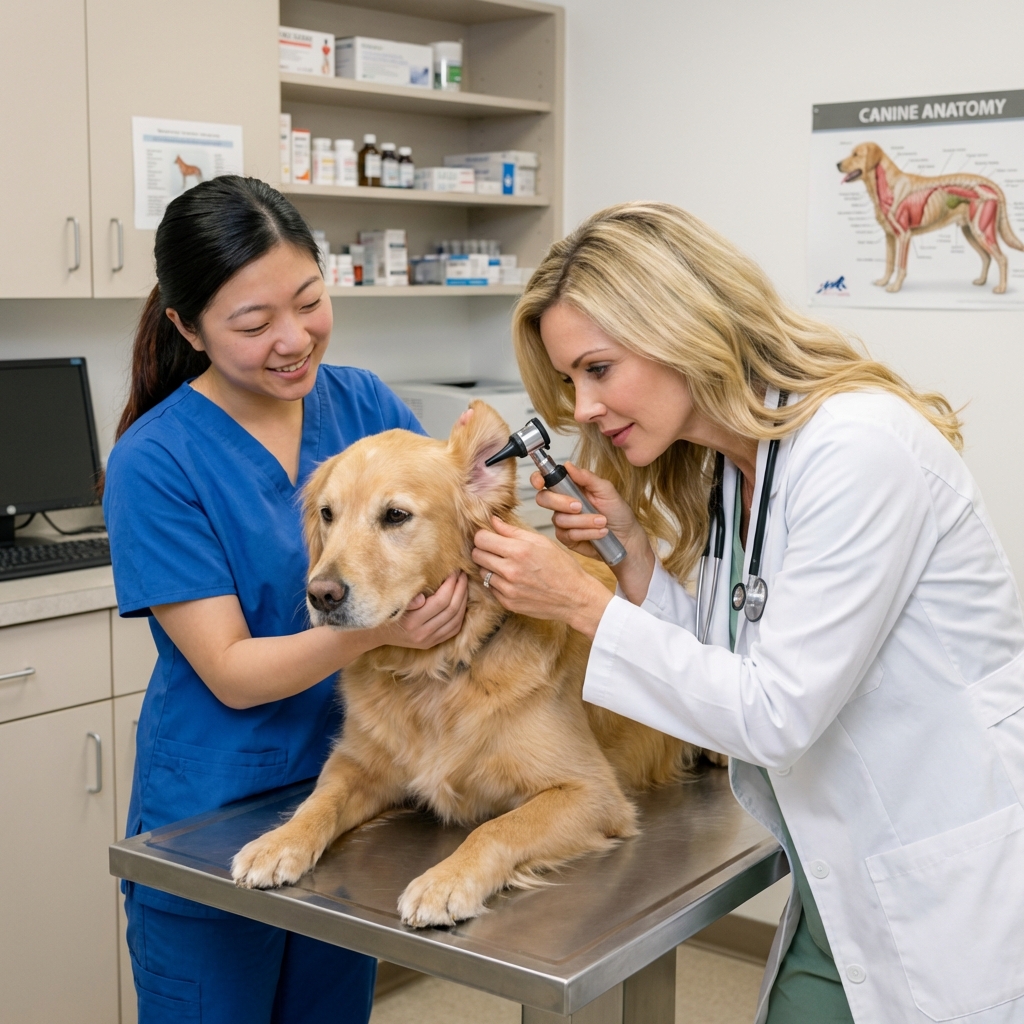
What your vet may recommend
Veterinary advice will depend on risk level and symptoms. Common options include:
- Physical exam to check abdominal pain, dehydration, and oral injury.
- X-rays to look for bone fragments or obstruction. Some bones and fragments are difficult to see depending on density and size. Vets may also look for indirect signs of blockage (like abnormal gas patterns) and may recommend additional views.
- Ultrasound in some cases to evaluate the stomach and intestines, especially if X-rays do not give a clear answer.
- Endoscopy to retrieve a bone that is still in the stomach in select cases. This is often less invasive than surgery, but timing matters.
- Supportive care such as nausea control, pain relief, and a monitoring plan.
- Surgery if there is a blockage, perforation, or severe risk.
Evidence suggests a simple truth here: earlier evaluation typically means more options. Waiting can turn a retrievable object into a surgical emergency once it moves deeper into the GI tract.
How long to watch
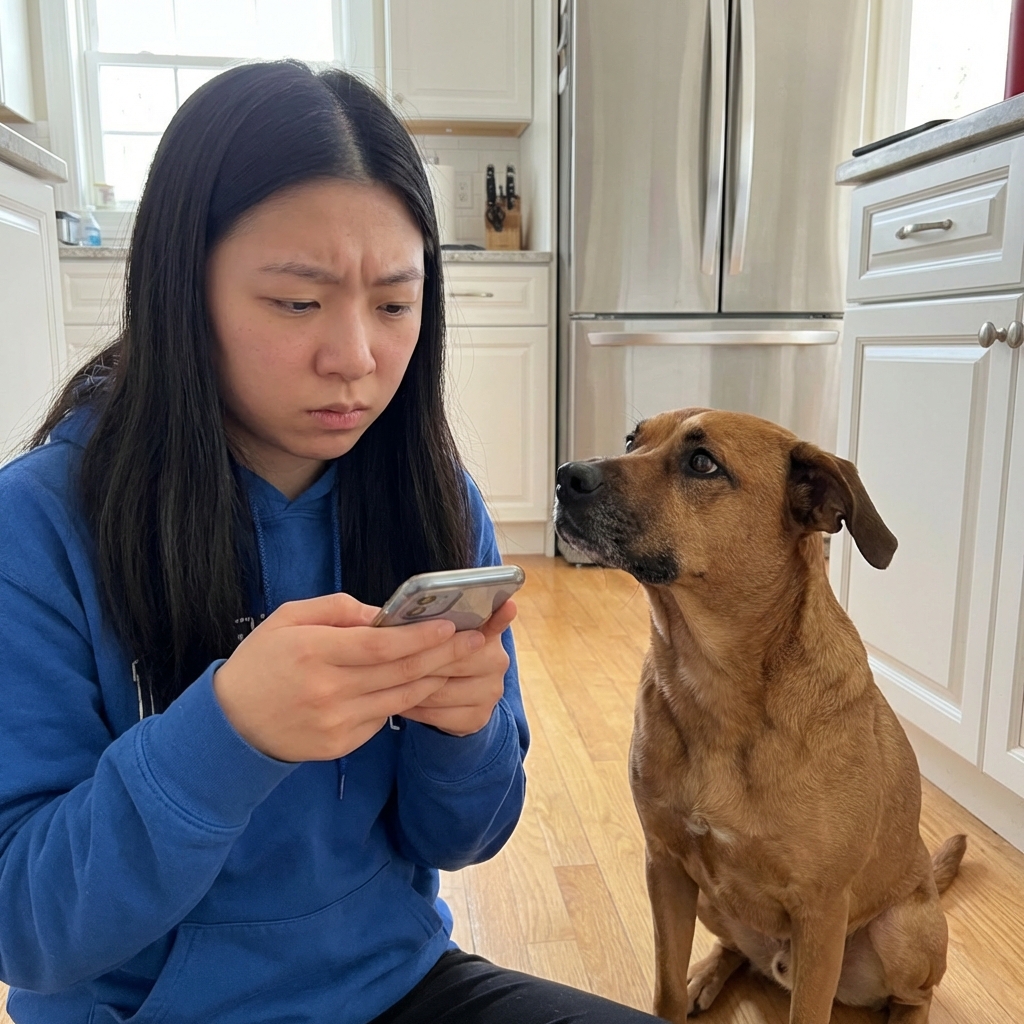
If your veterinarian recommends home monitoring, set a timer on your phone so you actually check, not just “keep an eye out.” Here is what I want you to watch:
- Appetite: skipping meals or eating then vomiting can indicate irritation or obstruction.
- Vomiting: especially repeated vomiting or vomiting after water.
- Stool: frequency, straining, constipation, diarrhea, black stool, or blood.
- Energy and comfort: lethargy, shaking, hiding, whining, pacing, or a tense belly.
- Mouth and throat: pawing at the mouth, drooling, lip smacking, coughing.
Many complications show up within a few days, but timing can vary. A problem can also appear later depending on fragment size, movement through the gut, and whether an irritation becomes a partial blockage. If anything feels “off,” trust that instinct and call.
Feeding after a wing
Owners often ask what to feed “to help it pass.” The safest answer is: follow your vet’s instructions, because the plan changes based on what was swallowed and how your dog is doing.
If your veterinarian approves home feeding, they may recommend a bland, easy-to-digest diet for a short period. In other cases, they may recommend withholding food briefly, or they may prefer an immediate exam before any feeding plan.
Important: Do not add supplements, oils, bulky fiber, or “binding” foods without guidance. When a blockage is forming, extra bulk can worsen the situation.
Special situations
- Small dogs and puppies: higher obstruction risk due to narrow intestines.
- Seniors: may decompensate faster with dehydration or pain.
- Dogs with a history of GI surgery or chronic GI disease.
- Dogs on medications that affect bleeding or gut motility.
- Wing was fried or very fatty (skin-on, greasy): high-fat foods can trigger pancreatitis in some dogs and can also cause significant GI upset.
- Wing was heavily seasoned or sauced: seasonings can irritate the GI tract. Also ask about ingredients like onion or garlic powder.
If you suspect onion or garlic (powders count), or if your dog got into a large amount of sauce or seasoning, call your vet right away. They may also direct you to a pet poison hotline if they want toxicity risk assessed alongside the bone risk.
Prevention that works
Chicken wing accidents are so common in my world as a veterinary assistant, and prevention is often about systems, not willpower.
- Use a lidded trash can or keep trash behind a closed door.
- Teach “drop it” and “leave it” with high-value practice rewards.
- Create a kitchen boundary during cooking and meals using a baby gate or place training.
- Be cautious with guests who may offer bones, especially during parties and holidays.
- Choose safer chews recommended by your veterinarian based on your dog’s chewing style.

Quick call checklist
- Your dog’s breed, age, weight
- Cooked or raw wing, seasoned or plain
- How much was swallowed and whether it was chewed
- Time swallowed
- Current symptoms, even mild ones
- Any medical conditions and medications
If you are ever unsure, calling an ER clinic for guidance is never “overreacting.” It is good pet parenting.