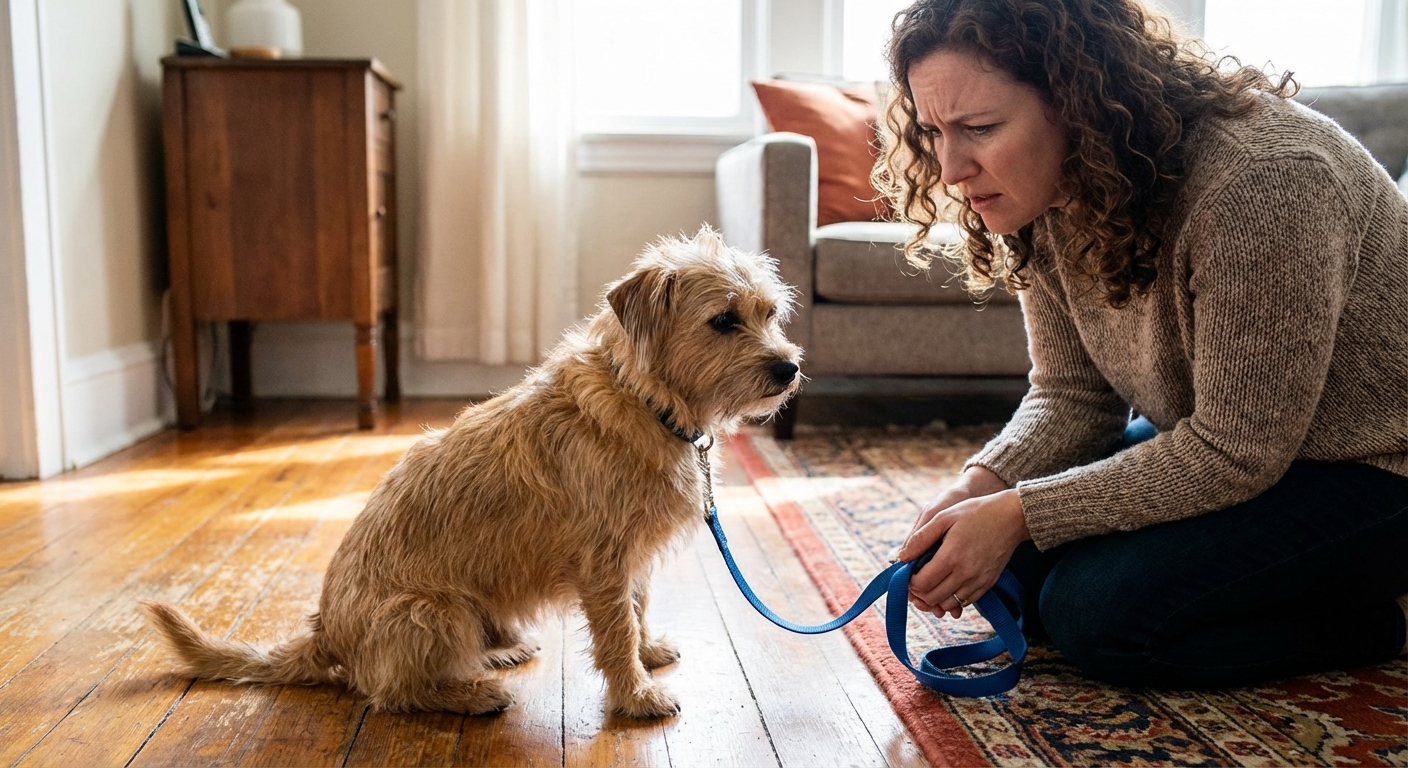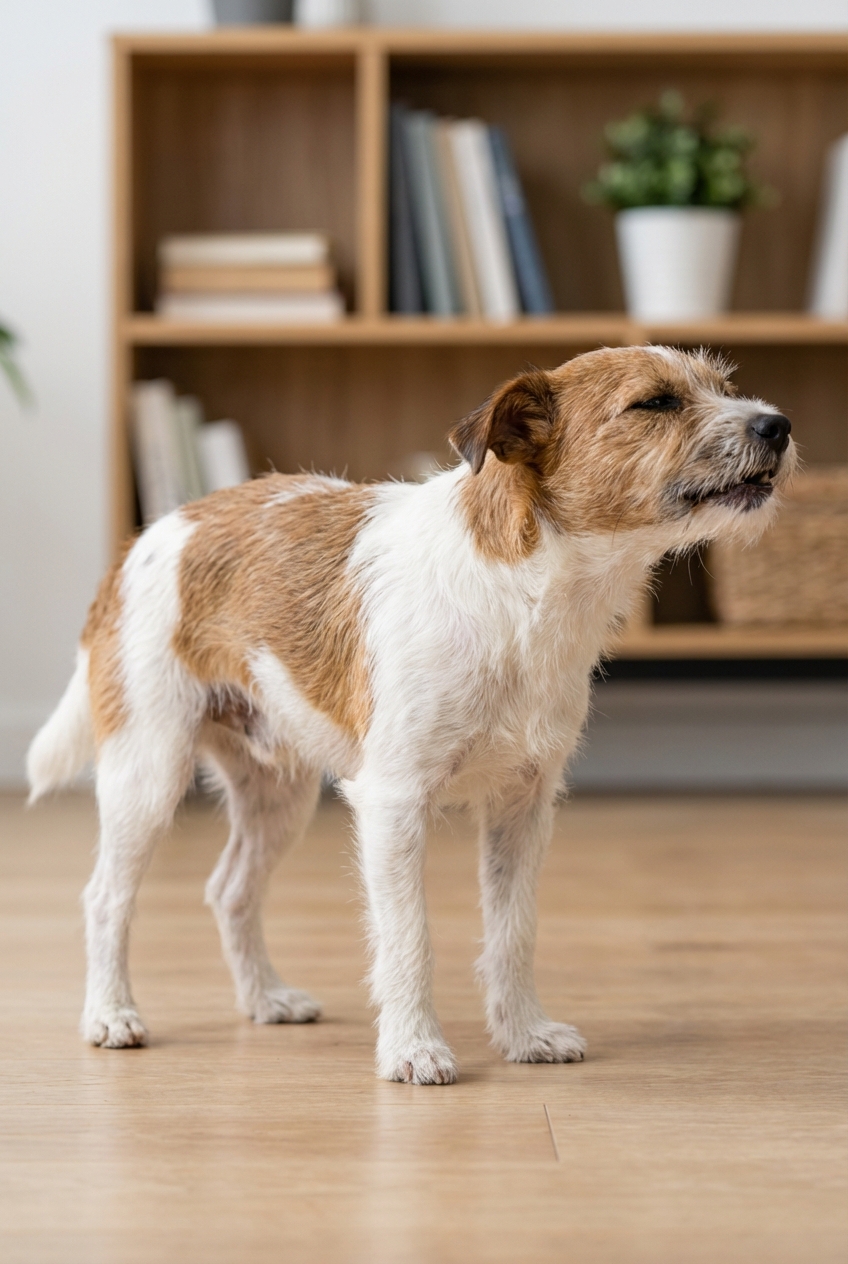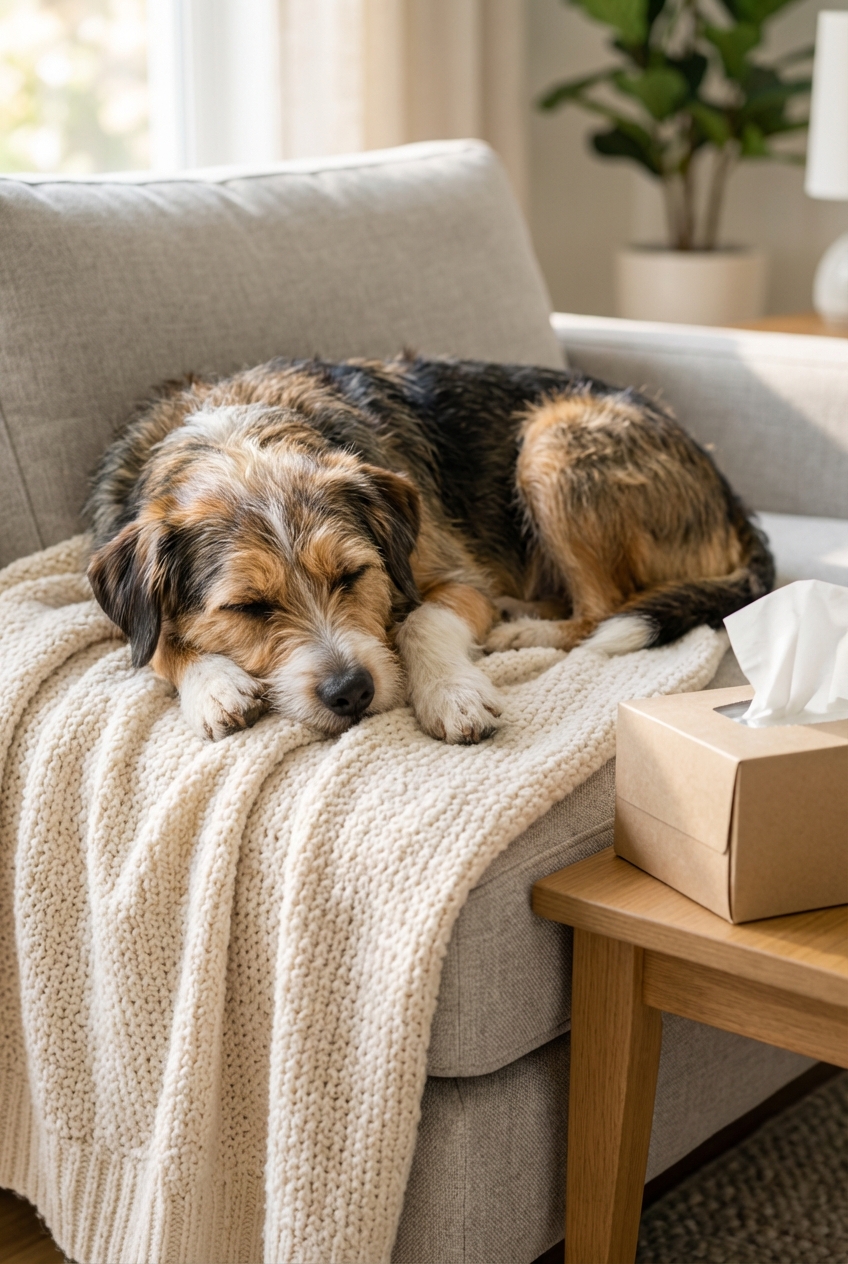
Sneezing, runny nose, watery eyes or a mild cough? Learn what a dog “cold” looks like, common causes, safe home care, timelines, isolation tips, and when...
Article
•
Designer Mixes
Dog Stuffy Nose: Causes, Home Care, and When to See the Vet

Shari Shidate
Designer Mixes contributor
A stuffy nose in dogs can look a lot like it does in people: noisy breathing, sneezing, pawing at the face, and less interest in food because smell is tied to appetite. Many cases are mild and temporary, especially when caused by minor irritation or an uncomplicated respiratory bug. Still, persistent signs, one-sided symptoms, or any breathing difficulty should be checked by a veterinarian. Below, I will walk you through the most common causes, gentle home support, and clear red flags so you know when to call your veterinarian.
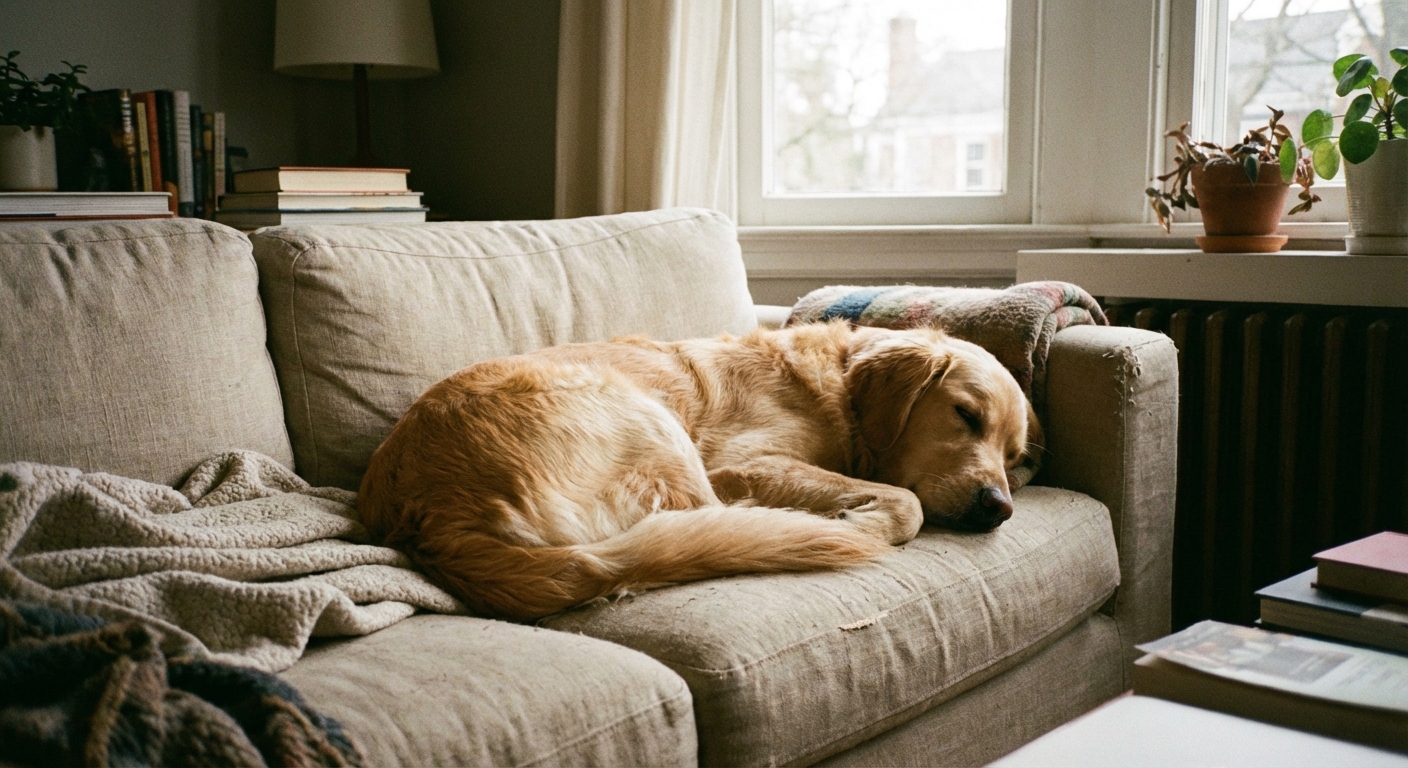
What a stuffy nose looks like
Dogs do not usually describe “congestion,” so we rely on signs you can observe at home. You may notice:
- Sneezing or reverse sneezing (rapid snorting in through the nose)
- Noisy nasal breathing , especially during sleep
- Nasal discharge that is clear, white, yellow, green, or tinged with blood
- Pawing at the nose or rubbing the face on furniture or carpet
- Watery eyes or mild eye irritation
- Reduced appetite or picky eating due to decreased sense of smell
A helpful detail is whether signs seem to come from both nostrils or mainly one side. When symptoms are mostly one-sided, it raises concern for issues like a foreign object, dental disease, or a growth in the nasal passage.
Important: Noisy nasal breathing is not always an emergency. But breathing distress is. If your dog is working to breathe, breathing with an open mouth at rest, or cannot get comfortable, skip home care and seek veterinary help.
Common causes
1) Infectious respiratory illness (CIRDC)
Many dogs with sneezing and nasal discharge are dealing with canine infectious respiratory disease complex (CIRDC), often called “kennel cough complex.” It can involve viruses and sometimes bacteria, and it can be contagious. Some dogs have mild signs that improve with time and supportive care, but puppies, seniors, and dogs with chronic conditions can worsen more quickly.
Helpful tip: If you suspect an infectious cause, limit contact with other dogs and avoid daycare, grooming, parks, and boarding until your dog is clearly improving.
2) Allergies or irritants
Seasonal pollen, dust, smoke, cleaning sprays, strong fragrances, and dry indoor air can irritate nasal passages. Allergies may come with itchy skin, paw licking, or recurring ear issues.
3) Dry air and dehydration
Winter heating or desert climates can dry nasal tissues. Some dogs develop thicker mucus and louder nasal breathing at night. If water intake is low, secretions can become sticky and harder to clear.
4) Foreign material in the nose
Foxtails, grass seeds, dirt, and small bits of plant material can lodge in a nostril, especially after outdoor play. This often causes sudden, repetitive sneezing and pawing at the face. Discharge is commonly one-sided and may become bloody or cloudy.
5) Dental disease affecting the nose
The roots of upper teeth sit close to the nasal passages. An infected tooth root or an oro-nasal fistula can lead to nasal discharge, sneezing, and foul breath. This is often more noticeable on one side. A one-sided discharge that smells bad deserves a vet visit, and may require dental evaluation and imaging.
6) Bacterial infection (often secondary)
Bacteria may take advantage of inflamed nasal passages after a viral illness or allergy flare. Thick yellow or green discharge can occur, but color alone does not confirm bacteria. Your veterinarian may recommend an exam and sometimes testing before antibiotics.
7) Fungal infection (region-dependent)
In some areas, fungal disease can affect the nose and sinuses. Examples include nasal aspergillosis, and in certain regions systemic fungal infections such as coccidioidomycosis can also cause respiratory signs. Clues may include chronic discharge, nosebleeds, facial discomfort, or congestion that does not improve.
8) Nasal mites or trauma
Less common causes include nasal mites (such as Pneumonyssoides caninum) and nasal trauma. These can trigger frequent sneezing, irritation, and discharge, and may need veterinary diagnosis and treatment.
9) Nasal polyps or tumors
Growths inside the nasal cavity can narrow airflow. Symptoms often progress gradually and may include chronic one-sided discharge, noisy breathing, sneezing, or bleeding.
10) Breed anatomy (flat-faced dogs)
Flat-faced breeds like Bulldogs, Pugs, and Shih Tzus can have narrow nostrils and other airway changes that make them sound congested even when they are not sick. Any sudden change from their normal breathing pattern, or any added congestion signs like discharge or poor appetite, deserves attention sooner rather than later.
Home care (safe options)
If your dog is otherwise acting normal, eating reasonably well, and breathing comfortably, these gentle steps can help. Think of them as support, not a cure for underlying problems.
Use humidity to loosen mucus
- Bathroom steam: Run a warm shower and sit with your dog in the bathroom for 10 to 15 minutes. Do not put your dog in the shower stream. Keep the room comfortably warm, not hot.
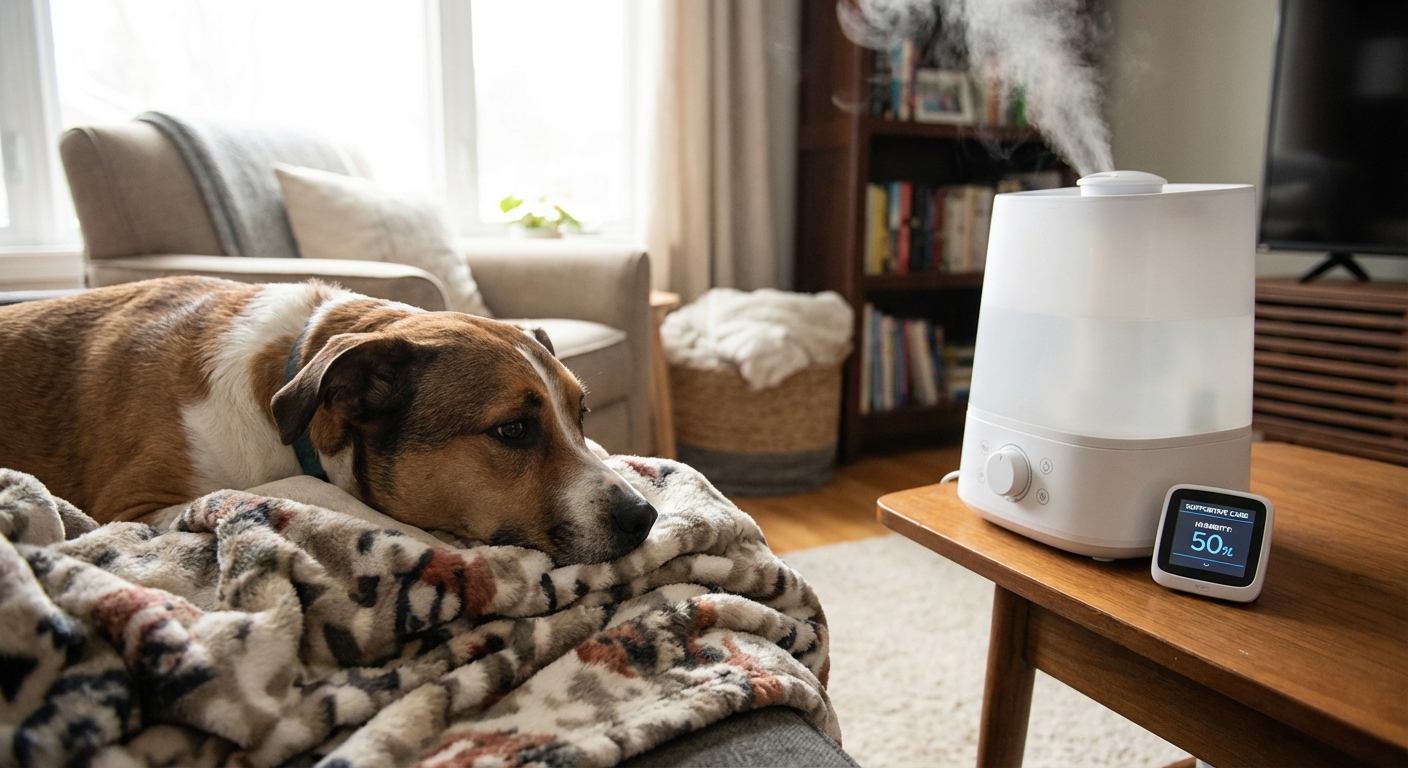
- Humidifier: A cool-mist humidifier near your dog’s resting area can reduce dryness overnight.
Encourage hydration
- Offer fresh water often.
- Consider adding water or low-sodium broth (no onion or garlic) to meals.
- Wet food can help increase total fluid intake.
Gentle nose and face cleaning
- Use a soft, damp cloth to wipe away crusting around the nostrils.
- Avoid forcing anything into the nose, including cotton swabs.
Support appetite
- Warm food slightly to enhance aroma (test temperature first).
- Offer bland, vet-approved options if your dog is picky for a day or two.
Reduce irritants
- Avoid smoke, scented candles, essential oil diffusers, aerosol sprays, and harsh cleaners around your dog.
- Vacuum and wash bedding regularly if allergies are suspected.
A quick safety note: Do not give human cold or allergy medications to your dog unless your veterinarian specifically tells you the exact product and dose. Do not apply menthol rubs (like Vicks) near your dog’s nose. And if you suspect something is stuck in the nostril, do not try to pull it out at home. This can push it deeper or cause injury.
When to call the vet
I encourage pet parents to trust their instincts. If your dog looks uncomfortable or “not themselves,” it is always appropriate to call your veterinary clinic for guidance.
Seek urgent care now if you notice:
- Labored breathing , open-mouth breathing at rest, blue or pale gums, or collapse
- Significant facial swelling, severe pain, or sudden inability to breathe through the nose
- Repeated nosebleeds or a large amount of blood
- Suspected foreign object (especially sudden one-sided sneezing and distress)
- Puppies, seniors, or immunocompromised dogs with worsening symptoms
Schedule a vet visit soon if:
- Symptoms are not improving within a few days (often around 3 to 5 days)
- Discharge becomes thick, foul-smelling, or consistently yellow-green
- Signs are mostly one-sided, especially with foul odor (common with foreign material or dental causes)
- Your dog has bad breath, drooling, or chewing on one side (possible dental cause)
- There is coughing, fever, lethargy, or reduced appetite that persists
- Your dog is a flat-faced breed and symptoms are new, worsening, or affecting sleep and exercise tolerance
What the vet may do
A good exam is often the most valuable first step. Depending on your dog’s symptoms, your veterinarian may recommend:
- Physical exam with a close look at the nose, mouth, and teeth
- Oral exam and dental evaluation if tooth root issues are suspected
- Nasal swabs or cytology in select cases
- X-rays or advanced imaging like CT for chronic, one-sided, or severe cases
- Rhinoscopy (a camera to look inside the nasal passages), sometimes to remove a foreign object
- Targeted treatment such as anti-inflammatories, allergy management, antibiotics when appropriate, or antifungals if confirmed
If your dog is a flat-faced breed and snores regularly, your vet may also discuss whether anatomy is contributing and what options exist to improve airflow.
At-home monitoring
These quick notes can help you and your veterinarian identify patterns and decide next steps:
- Duration: When did it start, and is it getting better, worse, or the same?
- One nostril or both: Mostly one-sided signs are more concerning.
- Discharge: Clear, cloudy, thick, bloody, or foul-smelling?
- Energy and appetite: Normal, slightly reduced, or significantly reduced?
- Triggers: Outdoor play, new cleaning products, smoke exposure, dusty room, daycare or boarding?
- Breathing effort: Comfortable or strained?
Prevention tips
- Keep vaccines current and ask your vet if your dog needs kennel cough protection based on lifestyle.
- Practice good dental care with brushing, dental chews approved by your veterinarian, and regular cleanings as recommended.
- Limit exposure to irritants like smoke and strong scents.
- Use a humidifier during dry seasons if your dog is prone to congestion.
- Avoid foxtail-heavy areas and check your dog after hikes or tall grass play.
- Reduce spread of respiratory illness by keeping symptomatic dogs home and away from other dogs until they are improving.
Bottom line
Many stuffy noses in dogs are caused by mild respiratory illness or environmental irritation and improve with supportive care. But symptoms that persist, are mostly one-sided, smell foul, include nosebleeds, or involve any breathing difficulty deserve veterinary attention. Small, consistent steps at home like humidity, hydration, and reducing irritants can make your dog more comfortable while you monitor progress.
Reminder: Designer Mixes provides pet information, not veterinary advice. If you are worried about your dog’s breathing or symptoms are not improving, contact your veterinarian.