Spot sudden stroke-like signs in dogs—head tilt, wobbliness, one-sided weakness, nystagmus, confusion, collapse or seizures. Learn what to do fast, how vet...
Article
•
Designer Mixes
Dog Stroke: Warning Signs, Treatment, and Survival Chances

Shari Shidate
Designer Mixes contributor
Seeing a dog suddenly lose balance or seem “not themselves” is scary. While strokes are thought to be less common, or at least less commonly diagnosed, in dogs than in people, they do happen. The most important takeaway is this: stroke-like symptoms are always an emergency, whether the cause is a true stroke, vestibular disease, toxin exposure , seizure activity , or another serious condition.
This guide walks you through what a dog stroke can look like, what to do right away, how treatment typically works, and what survival and recovery may involve.
What is a stroke in dogs?
A stroke is a sudden disruption of blood flow to part of the brain. When brain tissue is deprived of oxygen and nutrients, neurologic signs can appear quickly.
Two main types
- Ischemic stroke: a blockage prevents blood from reaching an area of the brain.
- Hemorrhagic stroke: bleeding in or around the brain damages tissue and increases pressure.
In dogs, strokes may be associated with underlying issues such as high blood pressure, kidney disease , Cushing’s disease, heart disease, diabetes, clotting problems, cancer, or inflammation. Some endocrine conditions, including hypothyroidism, may also be involved in select cases, but the link is not clear-cut in every dog. Sometimes, no clear cause is found even after testing.
Warning signs: What a dog stroke can look like
Stroke signs depend on which part of the brain is affected. Symptoms are often sudden and can be dramatic, but they can also be subtle.
Common stroke-like signs
- Sudden loss of balance, stumbling, or falling to one side
- Head tilt
- Circling or walking as if disoriented
- Abnormal eye movements, often rapid side-to-side (nystagmus)
- Weakness or paralysis on one side of the body
- Knuckling over of paws or dragging a limb
- Confusion, seeming “spaced out,” or not recognizing familiar people
- Sudden vision loss or bumping into things
- Seizures (can occur with some brain events)
- Vomiting , drooling, or signs of severe dizziness
Trust your instincts. If your dog’s neurologic signs come on suddenly, treat it as urgent. Early evaluation helps your vet rule out conditions that can worsen quickly and start supportive care.
Stroke or something else?
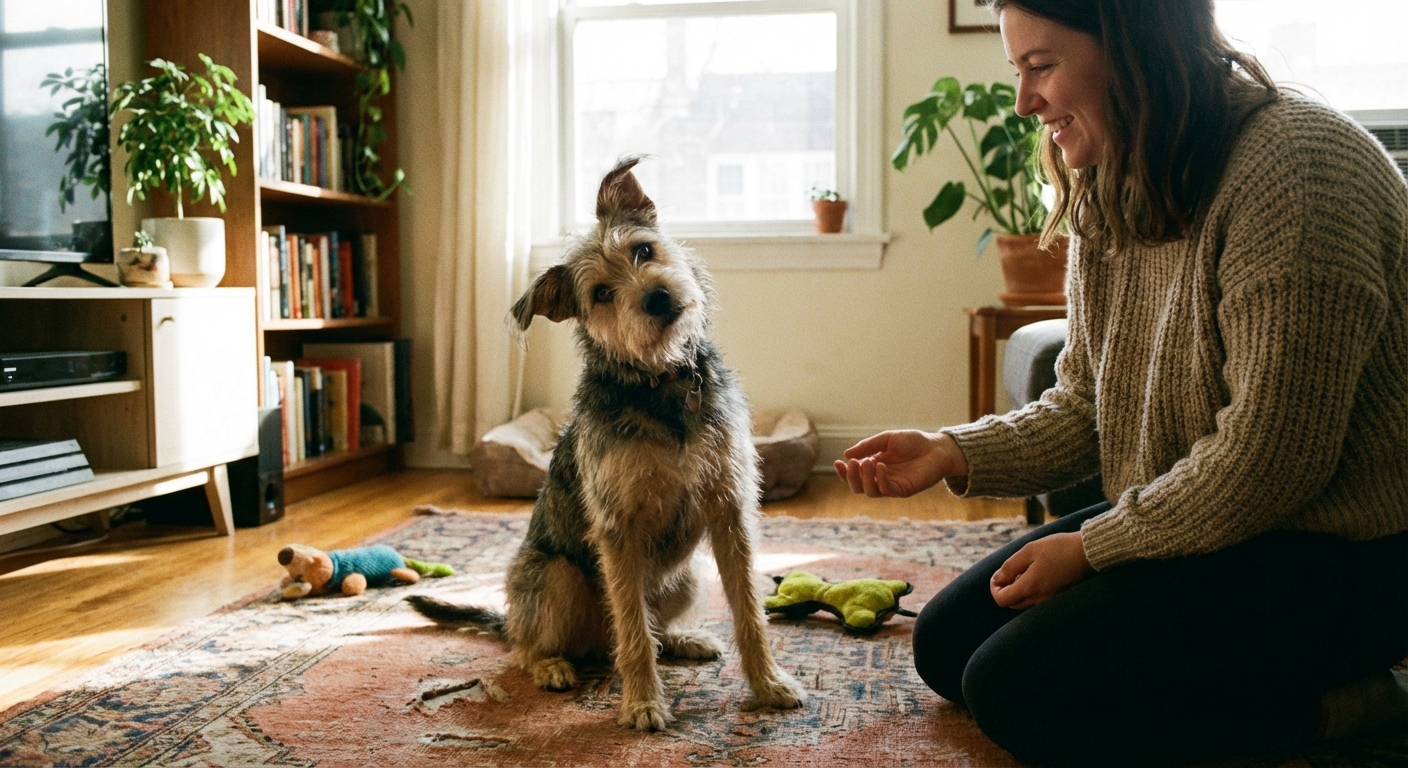
Many emergencies look similar at first glance. Your veterinarian’s job is to sort out the cause because treatment can differ. A true stroke can be ischemic or hemorrhagic, but many “stroke-like” episodes are actually something else. In many cases, advanced imaging (usually MRI) is the best way to confirm a stroke and locate it.
- Vestibular disease: a common cause of sudden head tilt, dizziness, and nystagmus, especially in older dogs. You may also see it called Idiopathic Vestibular Disease or Old Dog Vestibular Syndrome.
- Seizure or post-ictal phase: confusion and weakness after a seizure can resemble stroke-like signs .
- Toxin exposure: some toxins can cause tremors, incoordination, and neurologic collapse .
- Hypoglycemia: low blood sugar can cause weakness, wobbliness, and seizures.
- Brain tumor or inflammation: can cause progressive or sudden neurologic changes.
- Trauma: head injury can cause similar symptoms.
Because these can overlap, the safest approach is to get prompt veterinary assessment rather than trying to diagnose at home.
What to do immediately
When seconds matter, simple steps help protect your dog and speed up care.
Do this now
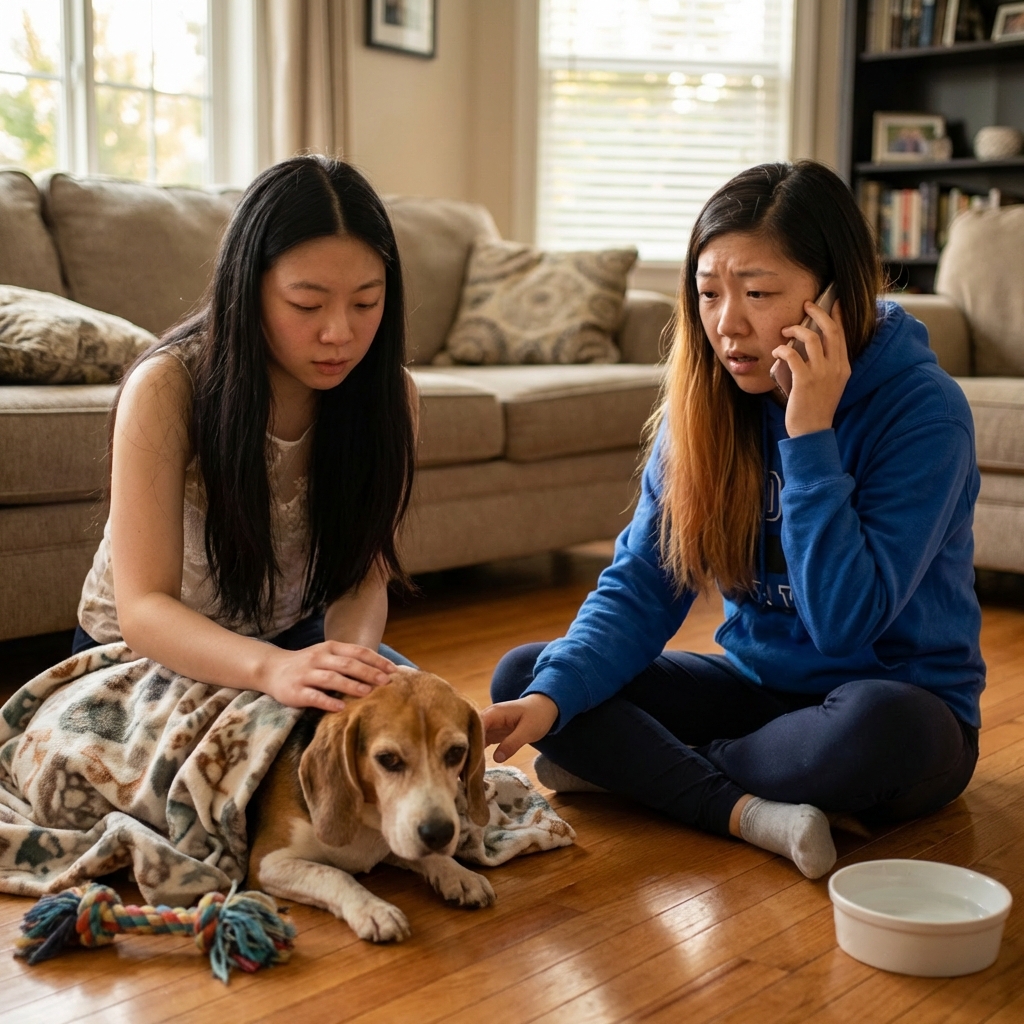
- Call your veterinarian or an emergency clinic and tell them you are on the way with sudden neurologic signs.
- Keep your dog safe and still. Use a towel or blanket as a sling for support. Prevent falls, especially on stairs.
- Keep the environment calm and dim. Dizziness and abnormal eye movements can worsen with stimulation.
- Do not offer food or water if your dog is very disoriented, vomiting, or cannot stand safely, as choking is a risk.
- Note the time symptoms started and what you saw first. This timeline helps your vet.
- Bring medication lists and any recent test results if you have them.
If your dog is having a seizure
- Keep them away from stairs and furniture edges.
- Do not put your hands near their mouth.
- Time the seizure and call an emergency clinic, especially if it lasts more than a few minutes or repeats .
Avoid these common mistakes
- Do not give human medications like aspirin unless your veterinarian specifically instructs you to.
- Do not assume it will pass. Even if symptoms improve, the underlying cause may still need treatment.
- Do not force walking. Support and transport are safer.
How vets diagnose stroke
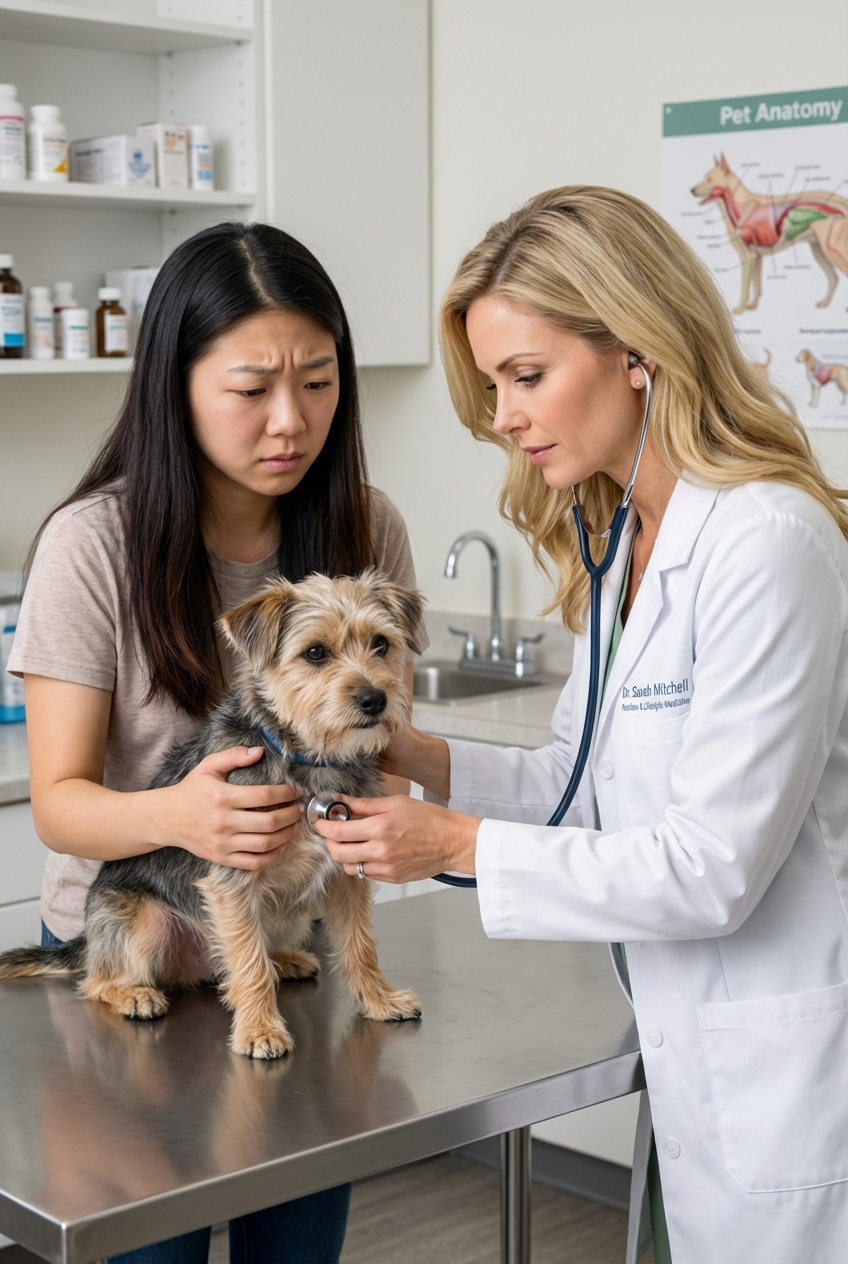
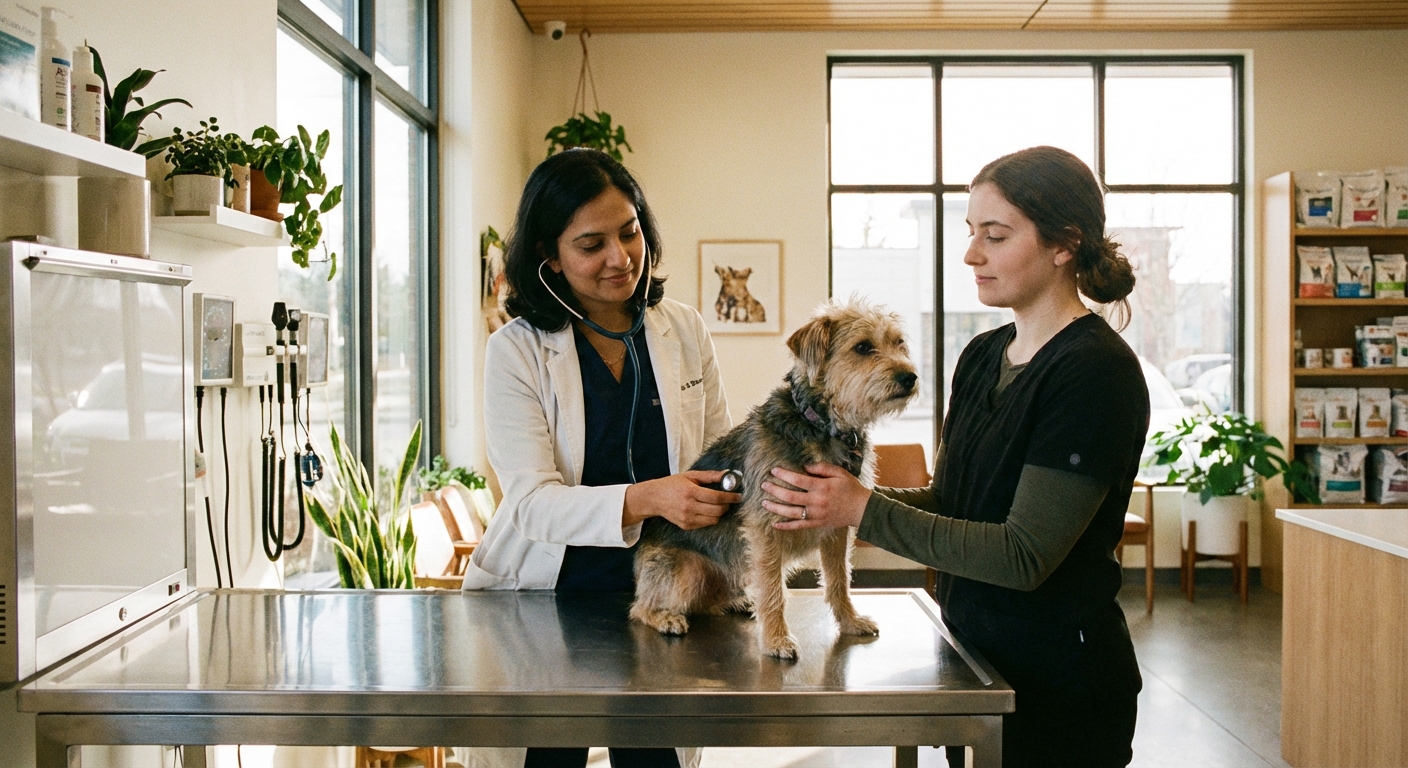
Diagnosis usually starts with a careful neurologic exam and vital signs. Since many problems mimic a stroke, your vet may recommend a stepwise workup based on severity and your dog’s risk factors.
Tests your vet may recommend
- Blood pressure measurement to check for hypertension
- Bloodwork and urinalysis to assess kidney function, liver function, glucose, infection, anemia, and clotting clues
- Thyroid and endocrine testing when conditions like hypothyroidism or Cushing’s are suspected
- Imaging: MRI is the most useful test for confirming stroke and locating it; CT may also be used
- Chest imaging or abdominal ultrasound if cancer, organ disease, or clotting triggers are suspected
- Heart evaluation in dogs with murmurs or suspected cardiac disease
Not every dog needs every test immediately. The plan depends on your dog’s stability and the clinical picture.
Treatment at the clinic
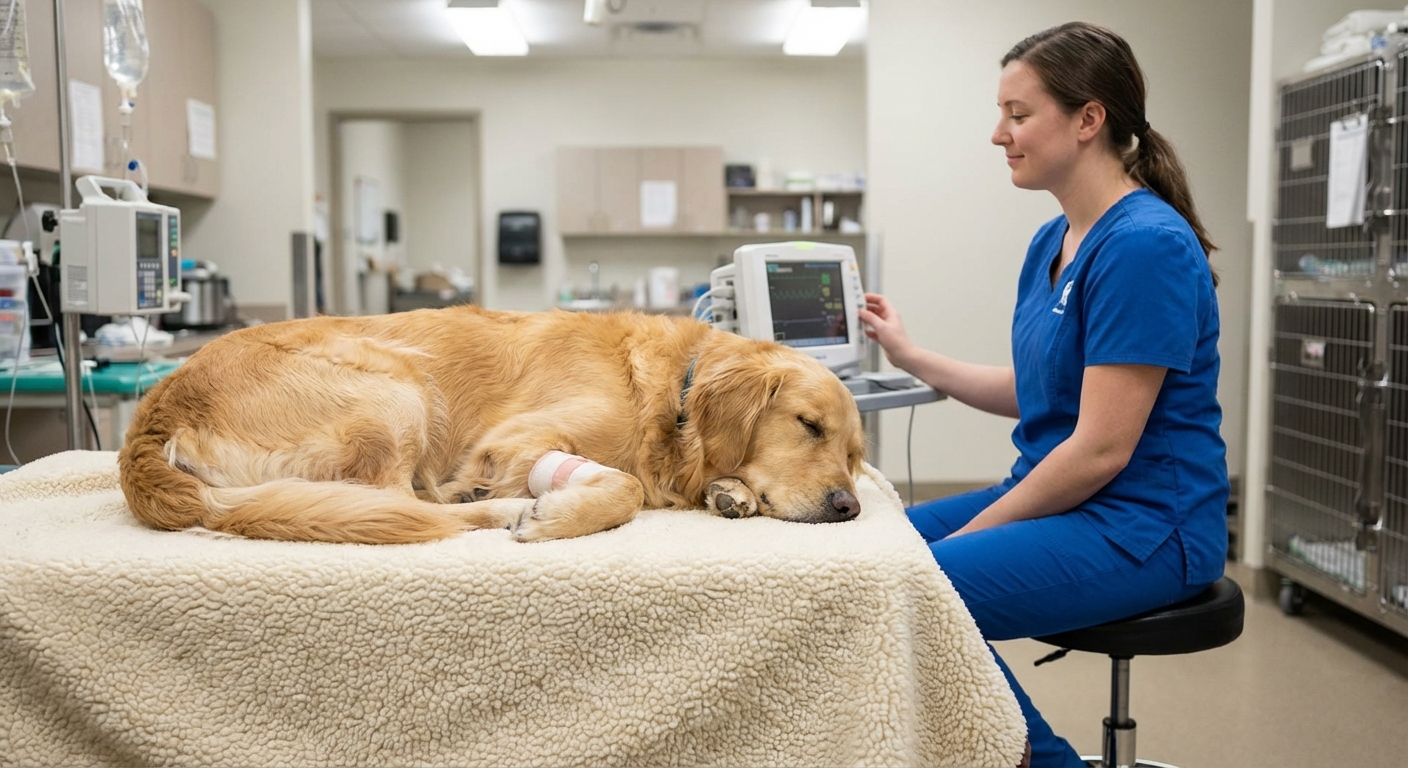
Unlike some human stroke protocols, there is no widely used “clot-buster” routine for dogs. Thrombolytic drugs are rarely used and can carry significant bleeding risk, and evidence and guidelines are limited. Treatment typically focuses on supporting the brain and body, managing complications, and addressing the underlying cause whenever possible.
Supportive care commonly includes
- Oxygen support if needed
- IV fluids when dehydration is present, with careful tailoring if heart or kidney disease is involved
- Anti-nausea medications for vomiting and dizziness
- Pain control when appropriate
- Temperature and glucose management if abnormal
- Seizure control if seizures occur
- Nursing care including padded bedding, help changing positions, and assistance with eating and toileting
Treating the underlying trigger
If testing reveals high blood pressure, clotting disorders, endocrine disease, kidney disease, or other contributors, your veterinarian will treat those conditions to reduce the risk of additional events.
You may be offered hospitalization for monitoring, referral to a neurologist, or advanced imaging. If cost is a concern, it is still worth saying so up front. Your vet can often outline options and priorities based on what is most urgent.
Survival and recovery
Many dogs survive a stroke, and a meaningful recovery is possible, especially when the event is mild to moderate and supportive care is started promptly. Prognosis varies widely because “stroke-like” episodes can stem from different causes, and the location and size of any brain injury matters.
A common recovery pattern
- First 24 to 72 hours: signs can look intense. Your dog may be very wobbly, nauseated, or disoriented.
- Days to 2 weeks: many dogs show steady improvement in balance and awareness with rest and supportive care. This time frame is especially common in idiopathic vestibular disease.
- Weeks to months: some dogs continue to improve gradually, especially with rehabilitation . True strokes can vary more, depending on the area affected and the underlying cause.
What affects prognosis
- Type of event (ischemic vs hemorrhagic, or a mimic such as vestibular disease)
- Size and location of the area affected
- Severity of signs and whether they worsen
- Age and overall health
- Presence of uncontrolled high blood pressure or other major disease
- Speed of veterinary evaluation and quality of supportive care
Some dogs are left with mild permanent changes such as a slight head tilt or coordination issues. Others return close to baseline.
Home care after a stroke
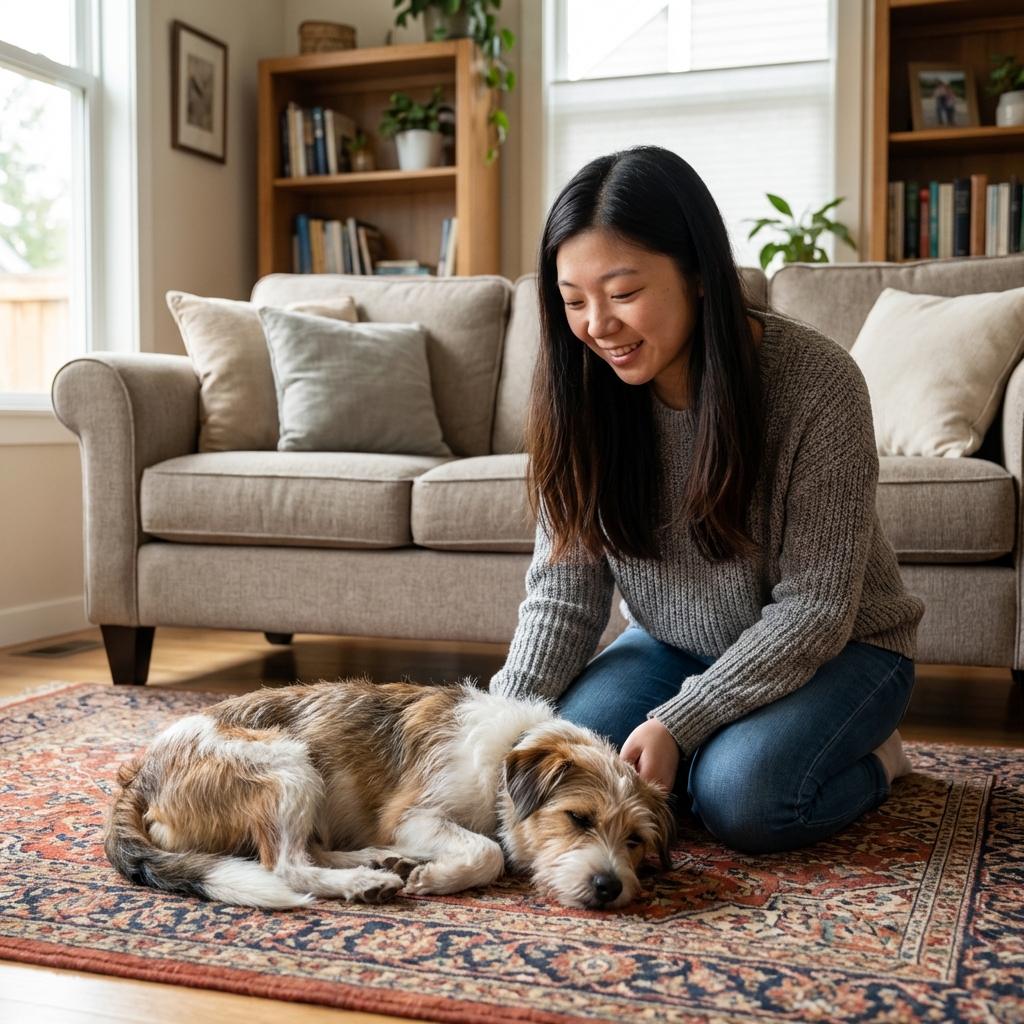
Once your veterinarian feels it is safe for your dog to recover at home, your role becomes comfort, safety, and consistency. Small, steady steps add up.
Set up a safe space
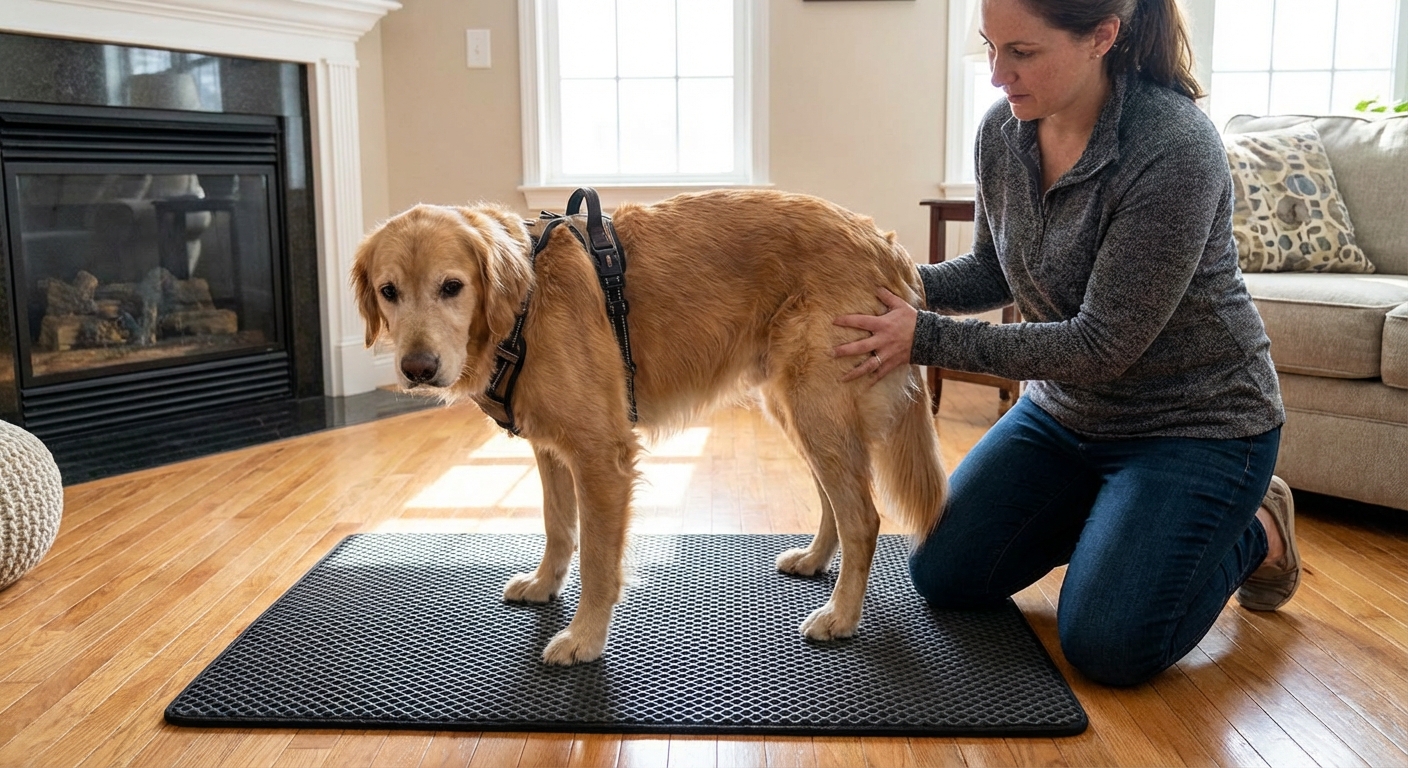
- Use a non-slip area rug or yoga-mat-style runners for traction.
- Block access to stairs and furniture to prevent falls.
- Provide a supportive bed with rolled towels to stabilize the body if needed.
- Keep lighting soft and the environment quiet if dizziness persists.
Help with mobility
- Use a harness or towel sling for short potty breaks .
- Offer small, frequent meals if nausea is improving, following your vet’s instructions.
- Ensure water is easily accessible but monitor for coughing or difficulty swallowing.
Ask about rehab
Veterinary rehabilitation, guided exercises, and sometimes hydrotherapy can support balance and strength . Avoid DIY exercises unless your vet or a rehab professional shows you the correct approach.
Can it happen again?
Yes, recurrence is possible, especially if an underlying risk factor is not identified or controlled. Prevention focuses on managing the root cause.
Prevention basics to discuss with your veterinarian
- Regular blood pressure checks for at-risk dogs
- Monitoring and treatment for kidney disease, diabetes, thyroid disease, or Cushing’s disease
- Heart evaluations when indicated
- Medication review, including any supplements
- Follow-up labs and rechecks as scheduled, even when your dog seems better
When to return urgently
During recovery, trust changes that feel “off.” Contact your veterinarian or emergency clinic right away if you notice:
- New or worsening weakness, collapse, or inability to stand
- Seizures or repeated tremors
- Persistent vomiting or inability to keep water down
- Difficulty breathing
- Sudden blindness or extreme confusion
- Any rapid deterioration after initial improvement
Key takeaways
- Stroke-like signs in dogs are an emergency, even if the cause ends up being something else.
- Many dogs survive and improve significantly with prompt care and supportive treatment.
- Diagnosis often requires ruling out mimics and identifying underlying risk factors.
- Recovery is often gradual, and home safety plus follow-up care makes a real difference.
Important note: This article is for educational purposes and is not veterinary advice. If you suspect a stroke or any sudden neurologic problem, seek emergency veterinary care immediately.