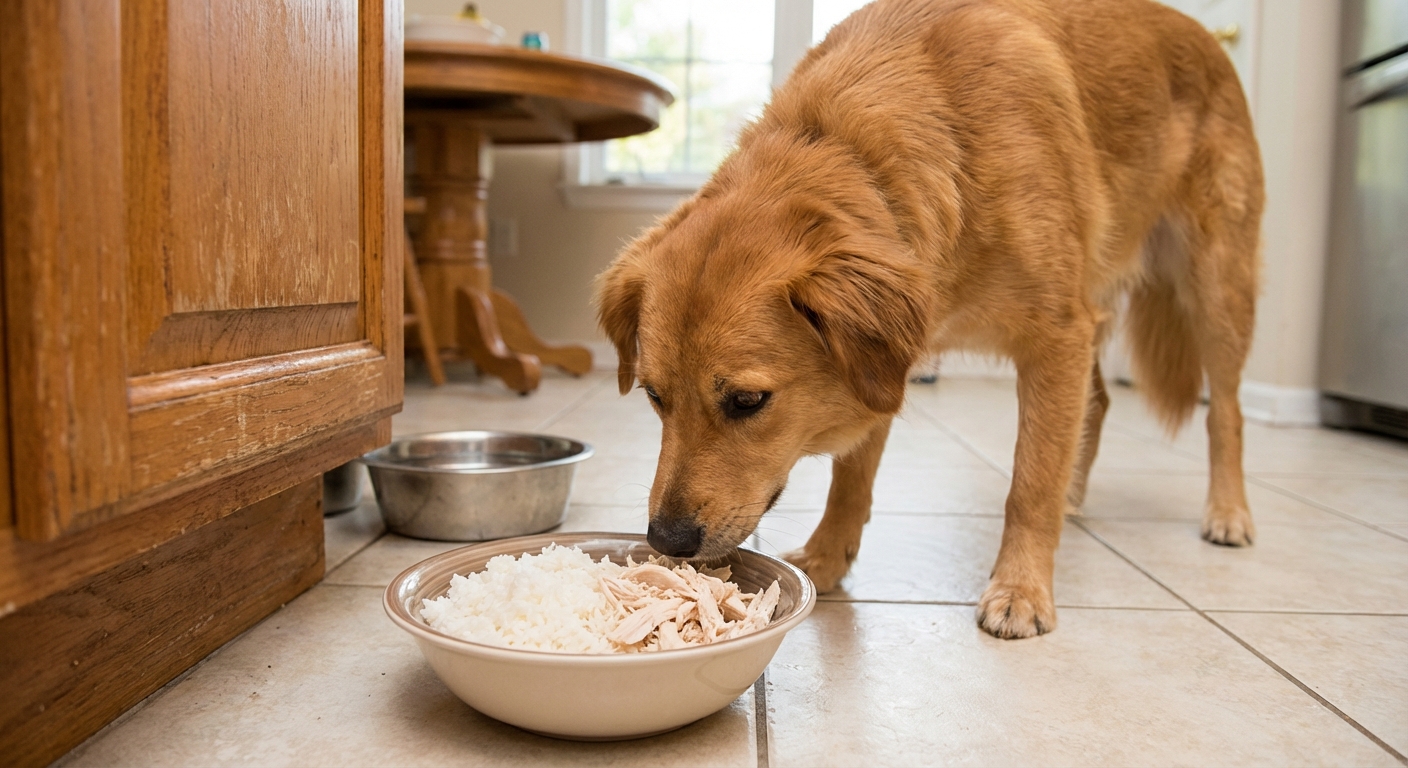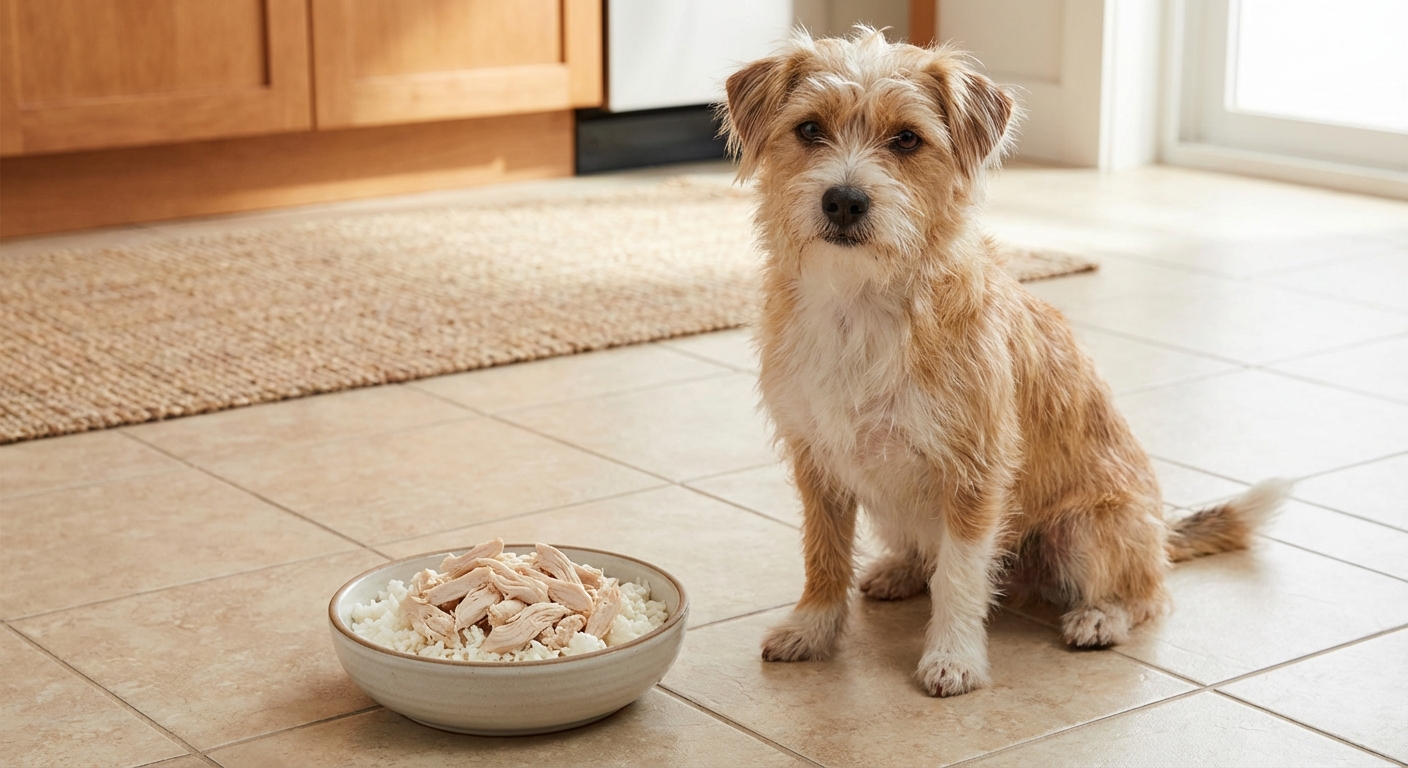
Chicken and rice can soothe mild stomach upset and help dogs transition back to normal food. Learn safe recipes, portions, how long to feed it, and when to c...
Article
•
Designer Mixes
Dog Stomach Noises: Causes, Symptoms, and When It’s Serious

Shari Shidate
Designer Mixes contributor
Hearing your dog’s belly gurgle can be surprisingly loud, and it’s easy to wonder if something is wrong. The good news is that most gut noises are completely normal and simply reflect a working digestive system. The key is learning when those sounds are harmless and when they come with red flags that deserve veterinary attention.

What the noises are
Most belly sounds you hear are called borborygmi, which is a medical term for normal movement of fluid, gas, and food through the gastrointestinal tract (stomach and intestines). Think of it as plumbing noise. As the gut muscles contract to move things along, air and liquid shift and create the gurgles, rumbles, and occasional squeaks you can hear.
In a healthy dog, these sounds tend to come and go, often around mealtimes, after drinking, or during periods of excitement or stress.
Common, usually harmless causes
1) Hunger or an empty stomach
If your dog’s stomach is empty, the intestines still move. Those contractions can sound louder when there is less food to muffle them. Many dogs have more belly rumbling right before breakfast or dinner.
2) Eating too fast
Fast eaters swallow air (called aerophagia), which increases gas and rumbling. You might also notice burping, passing gas, or occasional regurgitation soon after meals.
3) Diet changes or rich treats
Switching foods quickly, adding new treats, table scraps, or fatty chews can temporarily upset the gut’s balance. Mild gurgling is common, especially if paired with softer stool for a day.
4) Mild gas
Some dogs are simply gassier than others, particularly breeds prone to gulping air or dogs eating higher-fiber diets. Gas alone can create very dramatic sounds without being dangerous.
5) Stress and excitement
The gut is sensitive to stress hormones. Car rides, visitors, storms, boarding, or schedule changes can trigger extra intestinal movement and noises. You may see pacing, lip licking, or mild appetite changes along with it.
- Quick comfort check: If your dog is bright, alert, eating normally, and stool looks normal, occasional gut noises are usually not a big deal.
Issues that can make noises louder
Sometimes belly sounds are the first clue that the gut is irritated or struggling. These are some common possibilities.
Gastroenteritis
This is stomach and intestinal irritation, often from diet indiscretion (getting into trash), parasites, stress, or infectious causes (including bacteria and viruses). Noises often come with vomiting , diarrhea, reduced appetite, or lethargy.
Food intolerance or food allergy
Many dogs have food intolerance (sensitivity) rather than a true immune-based food allergy. Either can cause frequent gurgling along with recurrent soft stools. Some dogs also have skin signs such as itching, ear infections, or paw licking. True food allergy is less common and is usually confirmed with a vet-guided elimination diet.
Parasites
Intestinal parasites such as roundworms, hookworms, whipworms, and giardia can cause noisy digestion, diarrhea, weight loss, or a dull coat. Puppies are especially vulnerable.
Inflammatory bowel disease (IBD)
IBD is a chronic inflammatory condition that can cause frequent belly sounds, poor appetite, vomiting, diarrhea, and weight loss. Diagnosis and management require veterinary care.
Pancreatitis
Pancreatitis can occur after fatty foods and may cause abdominal pain, vomiting, loss of appetite, and lethargy. Gut sounds can be present, but the overall symptoms matter most.
When it could be serious
Some problems are emergencies, especially when belly noises are paired with certain warning signs.
Bloat and GDV
Large and deep-chested dogs are at higher risk, but any dog can be affected. GDV happens when the stomach fills with gas and may twist, cutting off blood supply. This is life-threatening and requires immediate emergency veterinary care.
Intestinal blockage
If a dog swallows a toy, sock, bone fragments, or other foreign material, it can partially or fully obstruct the intestines. Rumbling can occur early, but blockage typically progresses to vomiting, pain, and inability to keep food down.
Severe GI illness and dehydration
Dehydration and electrolyte imbalance are usually consequences of significant vomiting or diarrhea rather than a direct cause of borborygmi. As illness worsens, gut sounds may increase, or they may become quiet, which can also be concerning. Puppies and small dogs can dehydrate quickly.
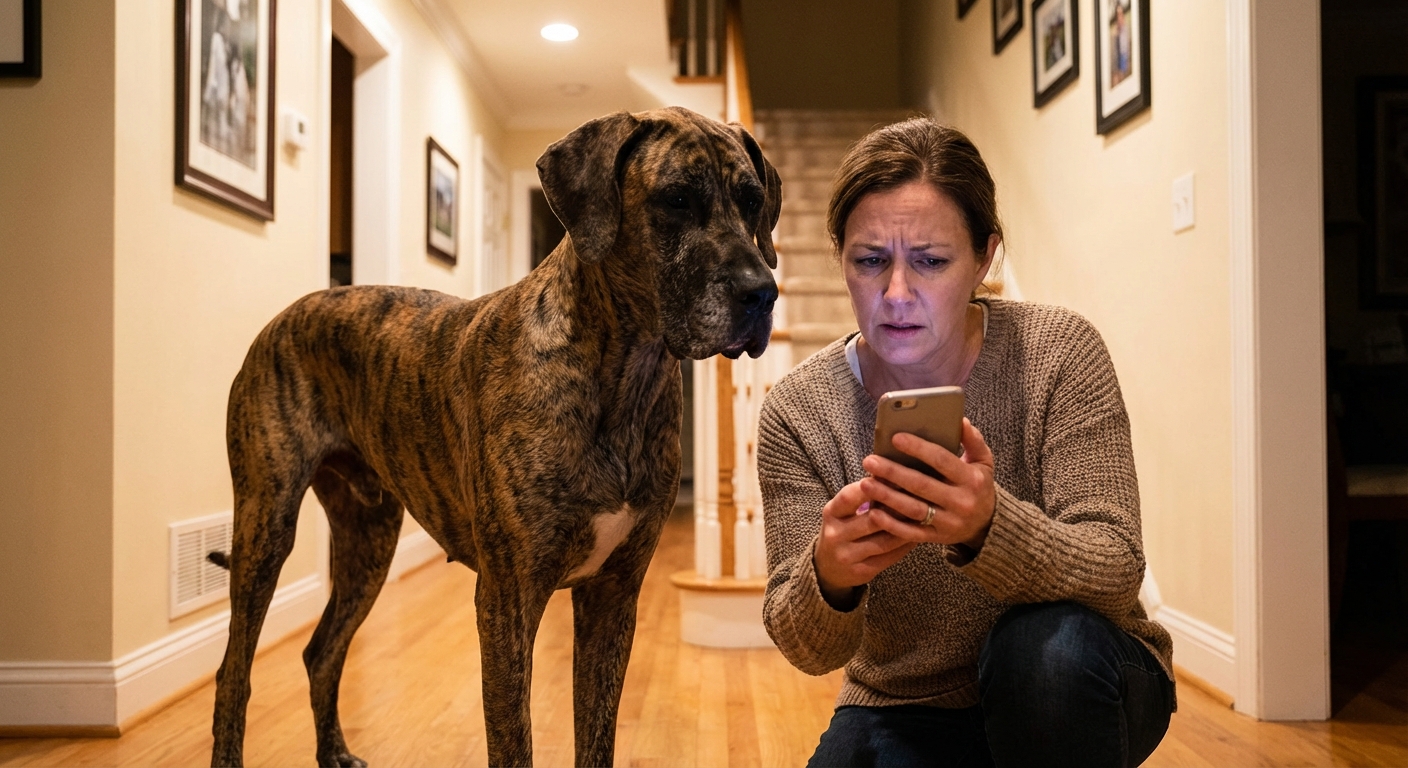
Red flags
- Repeated vomiting , vomiting with lethargy or pain, or vomiting plus diarrhea
- Inability to keep water down
- Swollen, tight-looking, or painful abdomen
- Unproductive retching or trying to vomit but nothing comes up
- Restlessness, pacing, drooling, or signs of pain (praying position, yelping, guarding the belly)
- Pale gums, weakness, collapse, or rapid breathing
- Blood in vomit or stool, or black tarry stool
- Diarrhea that is severe, watery, or very frequent, especially with lethargy
- Refusal to eat for 24 hours, or much sooner in puppies, seniors, and small dogs
What you can do at home
If the only symptom is belly sounds and your dog is acting normal, you can usually take a gentle, common-sense approach.
Try these steps
- Offer smaller, more frequent meals for a day to reduce empty-stomach rumbling.
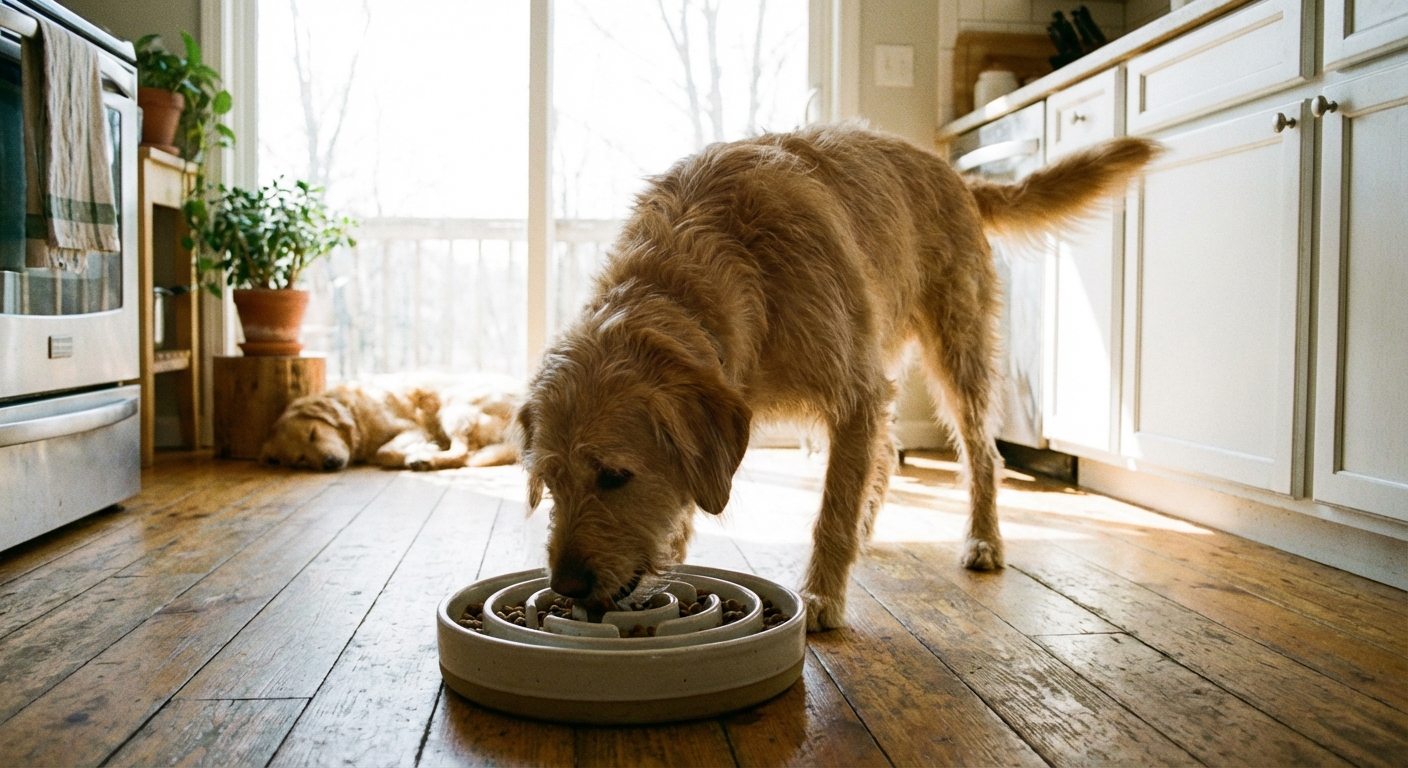
- Slow down fast eating with a slow feeder bowl, puzzle feeder, or spreading kibble on a snuffle mat.
- Keep treats simple and avoid greasy or unfamiliar foods.
- Ensure fresh water is available, but discourage frantic gulping after heavy play.
- Observe stool and appetite for 24 to 48 hours and note any changes.
About fasting
Some people consider withholding food for a short time during mild stomach upset, but do not fast puppies, toy breeds, seniors, or dogs with medical conditions without veterinary guidance. If your dog is vomiting , seems painful, or cannot keep water down, skip home care and call a vet promptly.
Use a quick symptom log
When gut noises pop up, jot down when it started, what your dog ate, any vomiting or diarrhea, energy level, and whether there was trash or toy access. This information is extremely helpful if you end up calling your vet.
Gentle reminder: Avoid giving human medications or leftover prescriptions. Many common products can be harmful to dogs, and dosing depends on your dog’s size and medical history. Call your vet before trying any over-the-counter remedies or supplements.
Prevention tips
- Transition foods slowly over 7 to 10 days when changing diets.
- Limit table scraps and keep trash secured.
- Choose appropriate chews and supervise to prevent swallowing large pieces.
- Stay consistent with feeding times and routine, especially for sensitive dogs.
- Keep parasite prevention current and follow your vet’s deworming guidance.
- Ask about probiotics if your dog has recurring mild digestive upset. Evidence is mixed and products vary, so it is best to choose one with your vet.
When to call your vet
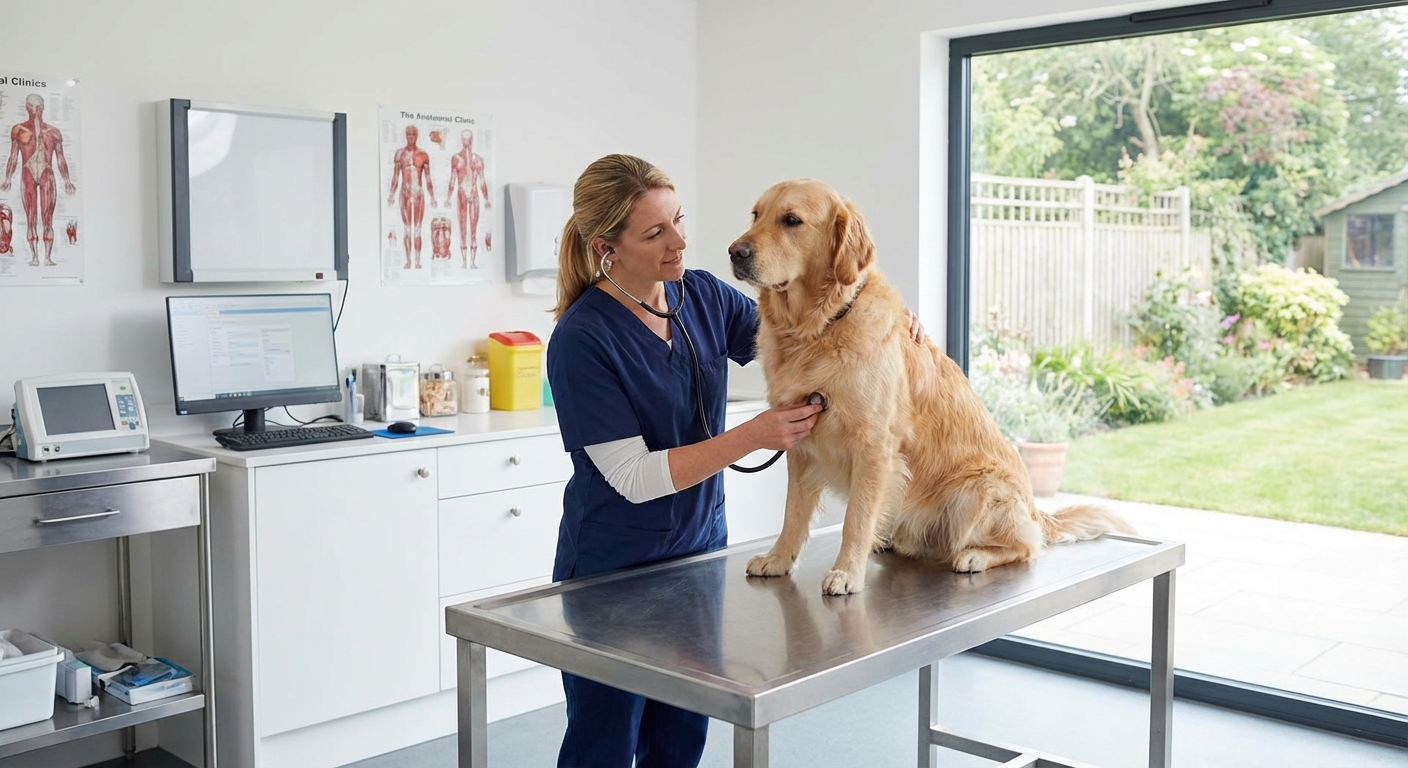
If stomach noises are frequent or paired with mild but persistent symptoms, it’s worth a call. Reach out to your veterinarian if you notice:
- Gut noises that persist longer than 48 hours
- Recurring gurgling that happens most days or seems to flare weekly
- Intermittent vomiting or diarrhea
- Weight loss, picky eating, or reduced appetite
- Excessive gas with discomfort
- Changes after a new food, treat, medication, or supplement
Your vet may recommend a stool test, dietary trial, probiotic plan, or bloodwork depending on your dog’s age, history, and symptoms.
Bottom line
Dog belly noises are often just the sound of normal digestion, especially around mealtimes or when your dog eats quickly. What matters most is the whole picture: energy level, appetite, stool quality, vomiting, belly shape, and signs of pain. If red flags show up or your instincts tell you something is off, contact your veterinarian. Early action is always the safest path when digestive issues turn serious.