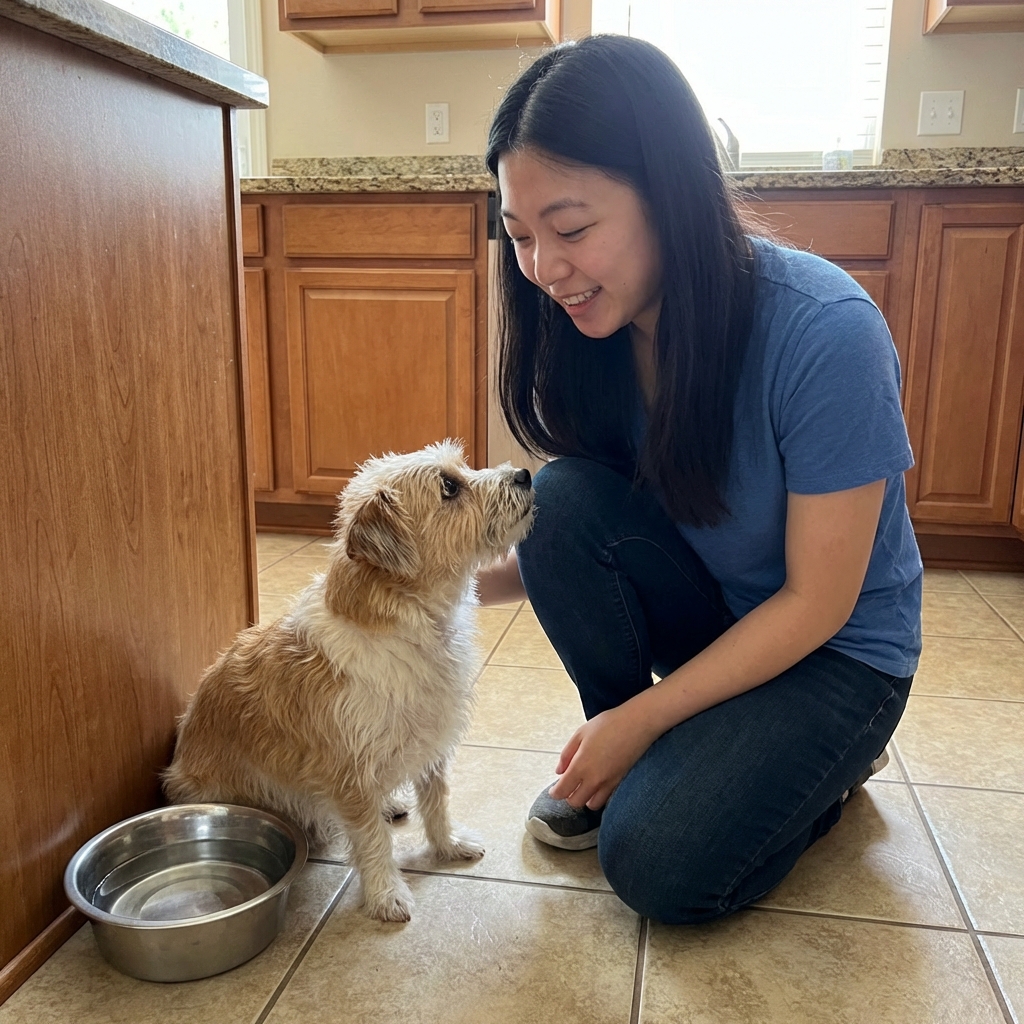
Step-by-step home care for mild dog diarrhea and vomiting: short food break, small sips of water, bland diet, pumpkin, probiotics, dehydration checks, and ur...
Article
•
Designer Mixes
Dog Stomach Ache: What to Do

Shari Shidate
Designer Mixes contributor
As a veterinary assistant here in Frisco, Texas, I can tell you this: tummy trouble is one of the most common calls we get from worried pet parents. The good news is that many mild stomach upsets pass quickly with the right home care. The downside is that some “simple” stomach aches can be a sign of something serious.
This guide will help you figure out what you are seeing, what you can safely do at home, and when it is time to call your veterinarian right away.
What a stomach ache can look like
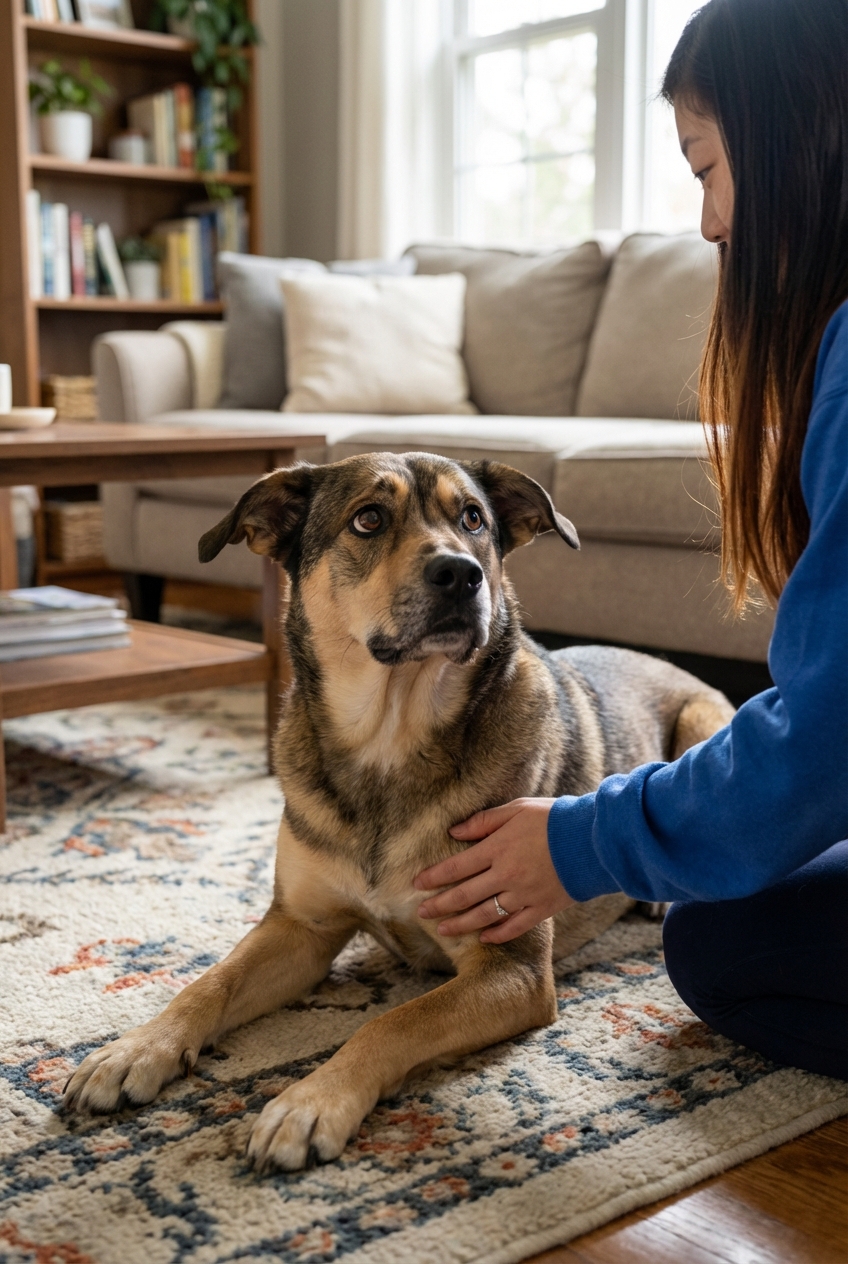
Dogs do not always yelp or whine when their stomach hurts. Often, the signs are subtle, and they can overlap with other problems like anxiety, pancreatitis, parasites, foreign body obstruction, or even pain coming from somewhere else.
- Vomiting (one episode or repeated)
- Diarrhea (soft stool to watery stool)
- Licking lips, drooling, or swallowing repeatedly
- Eating grass or trying to eat strange things
- Restlessness, pacing, difficulty getting comfortable
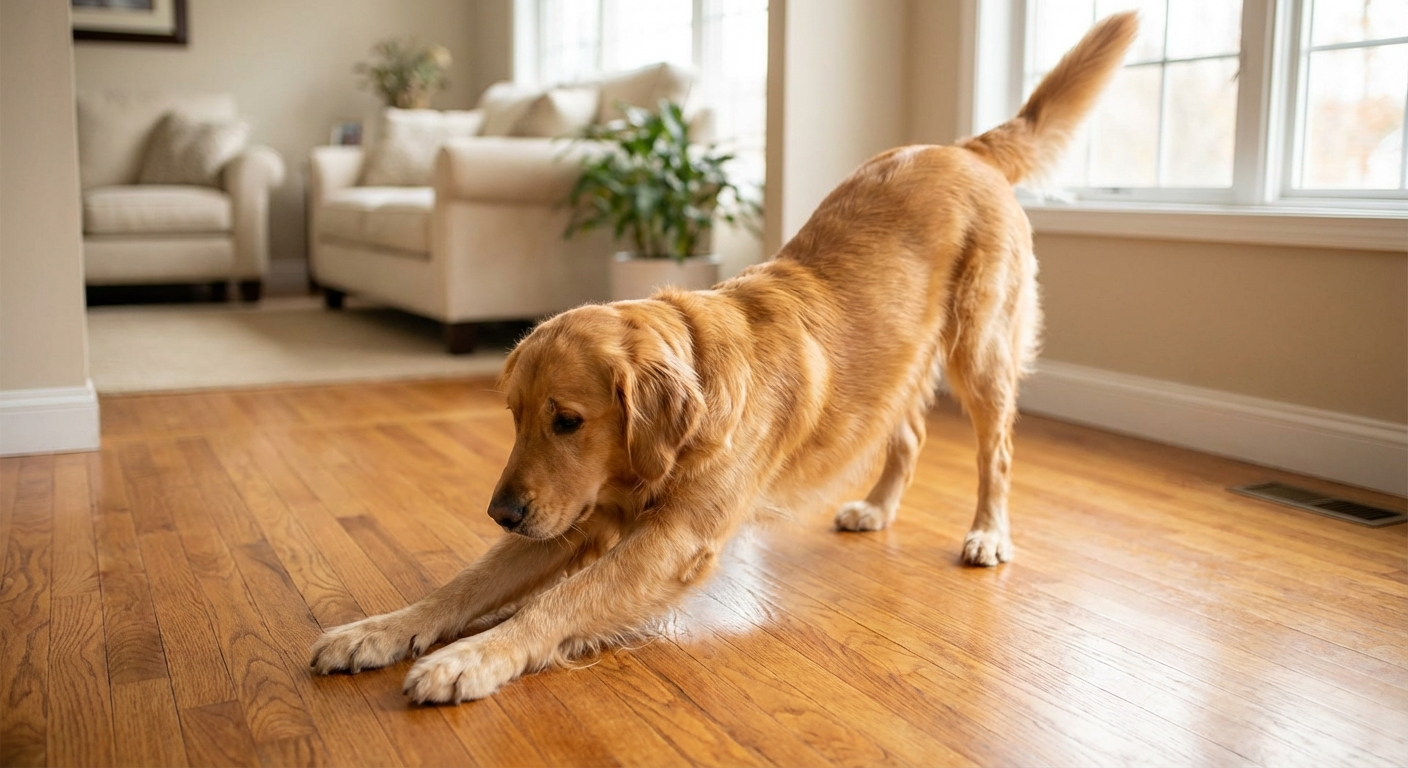
- “Prayer position” (front end down, rear end up) which can suggest abdominal pain
- Decreased appetite or acting “off”
- Gurgling sounds from the stomach
- Abdominal tenderness or guarding when you try to touch the belly
Quick triage: call the vet now
If any of the signs below are present, it is safest to contact your veterinarian, an urgent care clinic, or an emergency hospital right away. These can indicate dehydration, internal bleeding, GDV (bloat), obstruction, toxin exposure, or other emergencies. If you are in Frisco, it helps to know your nearest emergency clinic before you need it.
Go in urgently if you notice:
- Repeated vomiting or vomiting that will not stop
- Cannot keep water down or keeps vomiting after drinking
- Blood in vomit or vomit that looks like coffee grounds
- Black, tarry stool or obvious blood in stool
- Swollen, tight abdomen, unproductive retching, sudden collapse, or extreme restlessness (possible GDV or bloat). Do not wait.
- Severe lethargy, weakness, or your dog seems painful when moving
- Pale gums or very rapid breathing
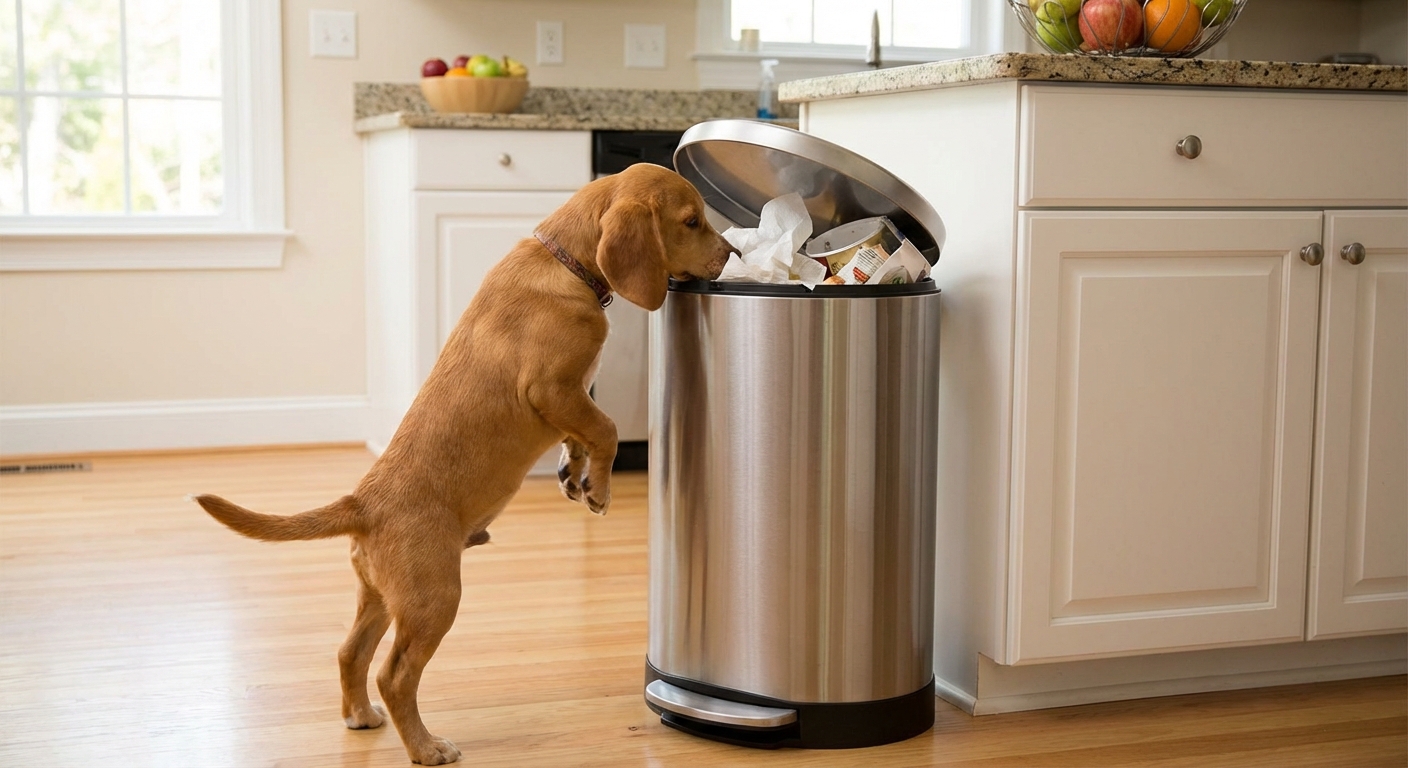
- Suspected foreign body (toy, sock, corn cob, cooked bones) or known trash ingestion
- Possible toxin exposure (xylitol, chocolate, grapes or raisins, rodent bait, human meds, cannabis)
- Puppies, seniors, pregnant dogs, or dogs with chronic illness (kidney disease, diabetes, Addison’s, etc.)
- Signs of dehydration: tacky gums, weakness, not urinating normally, or diarrhea that is so frequent you cannot keep up
Tip: If you can, take a photo of the vomit or stool and write down timing, amount, and anything your dog might have eaten. Those details truly help your vet.
Common causes
Some stomach issues are simple, and some are complicated. Here are common culprits we see in clinics:
- Dietary indiscretion: getting into trash, greasy foods, table scraps, compost
- Too many rich treats or abrupt food changes
- Food sensitivities or intolerances
- Stress: travel, boarding, new pet, thunderstorms
- Parasites: roundworms, hookworms, giardia
- Infections: viral or bacterial gastroenteritis
- Pancreatitis: often triggered by fatty foods, can be very painful
- Foreign body obstruction: swallowed items, especially in curious young dogs
- Medication side effects: NSAIDs, antibiotics, supplements that do not agree
Home care for mild upset
Home care is only for mild signs in otherwise healthy dogs. Your dog should be bright, alert, and still interested in you. If you are unsure, call your veterinarian. When in doubt, I would rather you call.
In general, vomiting deserves a faster check-in than mild diarrhea. Call sooner if vomiting repeats, if your dog cannot keep water down, or if there is any lethargy or belly pain. For mild diarrhea only in a dog acting normal, some dogs can be monitored for up to 24 to 48 hours, but you should still call right away if it becomes frequent, bloody, or your dog seems unwell.
Step 1: Stop extras
Stop all treats, bones, chews, and table food for now. Keep things simple and boring until your dog is back to normal.
Step 2: Water first
Offer fresh water. If your dog gulps water and vomits, offer smaller amounts more frequently. Dehydration is one of the fastest ways a stomach ache turns serious.
Step 3: A brief food pause (adult dogs)
For healthy adult dogs after a vomit, many veterinarians recommend a short break from food, then restarting with small bland meals. This is not one-size-fits-all, so use common sense and call your vet if you are unsure.
- Do not fast puppies or toy breeds without veterinary guidance. They can become weak quickly.
- If your dog keeps vomiting, cannot keep water down, or seems tired or painful, do not wait. Call right away.
Step 4: Bland diet (if appropriate)
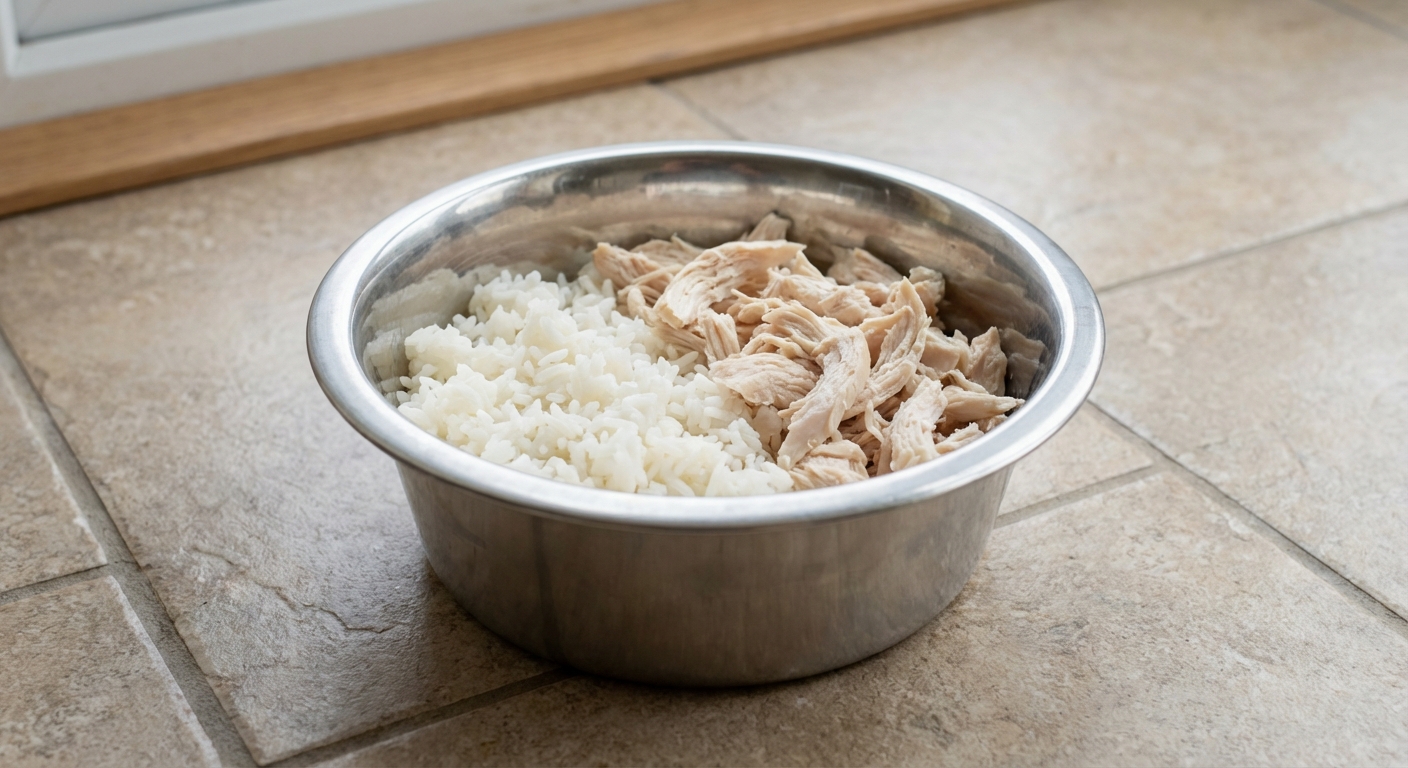
A classic bland diet is boiled, skinless chicken breast with plain white rice. Another gentle option is lean ground turkey with rice.
Important: Bland diets are not ideal for every dog. If your dog has a history of pancreatitis, fat sensitivity, suspected food allergy, or is on a prescription diet, check with your veterinarian. In many cases, a veterinary GI diet is a better option than chicken and rice.
- How much: offer small frequent meals. A simple starting point is about one quarter of your dog’s usual meal size per feeding, then adjust based on your dog’s size and how they tolerate it. If you are not sure what is appropriate for your dog, ask your vet for a target amount for the day.
- How often: every 4 to 6 hours on day one.
After 24 to 48 hours of improvement, gradually mix the bland diet with your dog’s normal food over several days.
Step 5: Vet-approved gut support
Many veterinarians recommend a probiotic made for dogs during diarrhea or after vomiting. If you already have one your vet has okayed, it can be helpful. If not, call and ask which product and dose they prefer.
What not to do
- Do not give human medications like Pepto-Bismol, Imodium (loperamide), aspirin, or ibuprofen unless your veterinarian specifically instructs you. Loperamide can be dangerous for some dogs (including certain herding breeds with MDR1 sensitivity) and can be inappropriate with some infections.
- Do not offer greasy foods “to tempt appetite.” Fatty foods can trigger pancreatitis.
- Do not give cooked bones. They can splinter or cause obstruction.
How to check your dog
You do not need to be a vet to gather useful information. Here is what I tell pet owners to look for:
- Energy level: Alert and responsive, or withdrawn and weak?
- Appetite: Interested in food, or refusing everything?
- Water intake: normal, increased, or cannot keep water down?
- Vomiting frequency: once versus multiple episodes
- Stool: soft, watery, mucous, black, or bloody
- Gums: should be pink and moist, not pale or tacky
- Capillary refill time: press a finger on the gum until it turns white, then release. Color should return quickly (about 1 to 2 seconds). If it is slow, call your vet.
- Skin tent: gently lift the skin over the shoulder blades and let go. In a well-hydrated dog it should snap back quickly. This is not perfect, but it can help.
- Abdomen: looks normal, or distended and tight?
When in doubt, call. A quick conversation with a veterinary team can save you time, money, and stress, and it can protect your dog from a problem that is quietly escalating.
Feeding back to normal
Once your dog has gone 24 hours without vomiting and stools are improving, transition slowly back to their regular diet.
- Day 1: 75% bland diet, 25% regular food
- Day 2: 50% bland diet, 50% regular food
- Day 3: 25% bland diet, 75% regular food
- Day 4: 100% regular food (if all is well)
If symptoms return during the transition, step back to the previous ratio and call your veterinarian for guidance.
Prevention
Many stomach aches can be prevented with a few consistent routines. You do not have to be perfect, just steady.
- Make diet changes slowly over 7 to 10 days
- Use a trash can with a secure lid and keep food off counters
- Choose safer chews that do not splinter or break into large chunks
- Limit fatty treats, especially for breeds prone to pancreatitis
- Stay current on parasite prevention and regular fecal checks
- Reduce stress where you can: predictable feeding times, calm introductions, enrichment
Quick hygiene note
If your dog has diarrhea, assume it could be contagious until proven otherwise. Pick up stool promptly, wash hands, and keep other pets away from the mess. If multiple pets in the home develop symptoms, call your veterinarian.
Common questions
How long should a mild stomach ache last?
Mild upset from a minor diet mistake often improves within 12 to 24 hours. If vomiting continues, if your dog cannot keep water down, or if your dog seems tired or painful, call right away. For mild diarrhea only in a dog acting normal, improvement is often seen within 24 to 48 hours. If you are not seeing improvement by then, call your vet.
Is vomiting once an emergency?
Not always. One vomit with a normal energy level can be monitored closely. But repeated vomiting, lethargy, blood, a swollen belly, or known foreign body ingestion should be treated as urgent.
Can I give pumpkin?
Plain canned pumpkin (not pie filling) is sometimes used for mild diarrhea or constipation, but it is not right for every case. If your dog is vomiting, painful, or has pancreatitis risk, check with your veterinarian first.
Bottom line
A dog stomach ache can be as simple as a treat that did not agree, or as serious as a blockage or pancreatitis. Trust your instincts. You know your dog best.
If your dog seems uncomfortable but stable, start with gentle support: stop rich extras, keep hydration front and center, and use small bland meals if your vet agrees they are appropriate for your dog. If red flags show up, call your veterinarian right away. Acting early is one of the kindest things you can do.