Is homemade dog food really more expensive than kibble? Compare realistic cost-per-day and cost-per-1,000-calories ranges, plus smart shopping and nutrition-...
Article
•
Designer Mixes
Dog Sitting Rates Secrets Revealed

Shari Shidate
Designer Mixes contributor
Dog sitting rates can feel like a mystery until you know what actually drives the price. As a veterinary assistant here in Frisco, Texas, I have seen the behind-the-scenes realities of pet care. The best sitters are not simply “hanging out with your dog.” They are managing safety, routines, medications, stress, and the unexpected. When you understand the moving parts, you can quickly spot a fair quote and avoid the deals that turn into disasters.
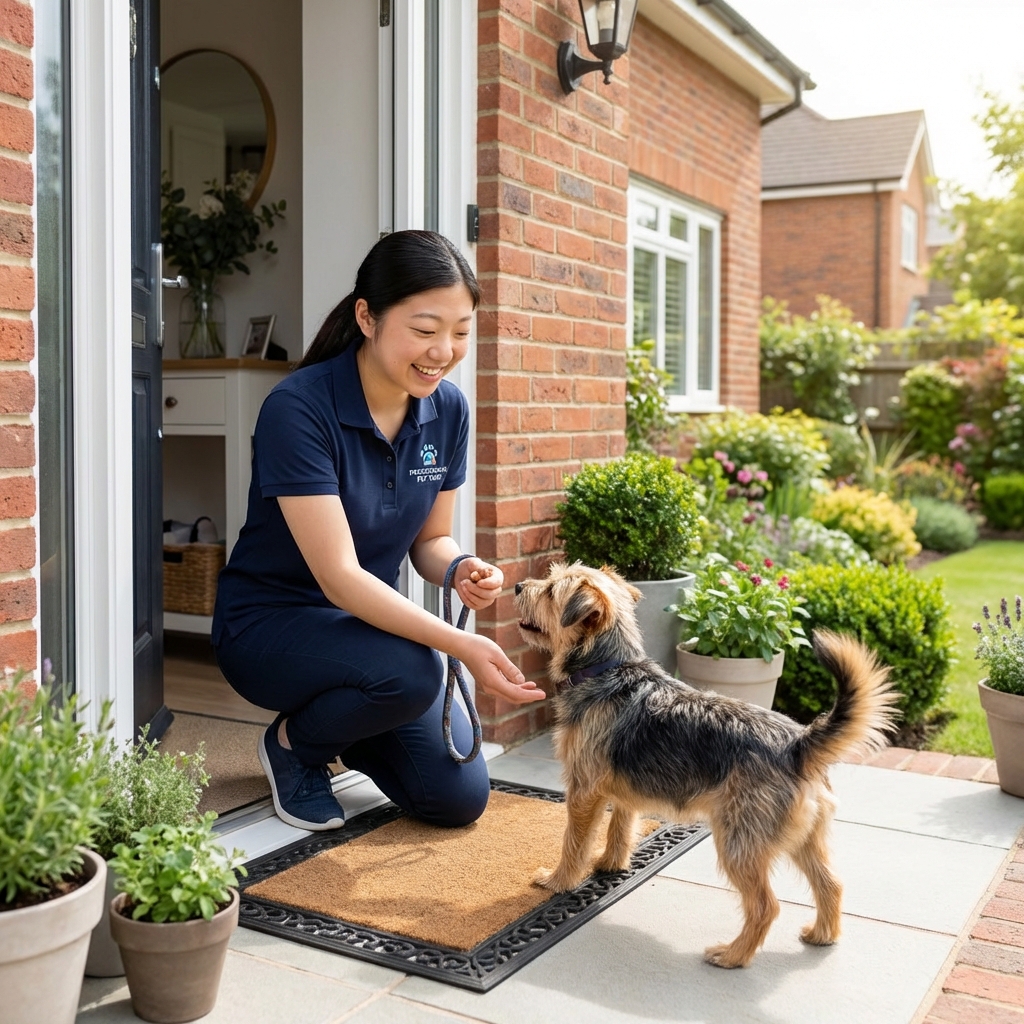
What dog sitting costs (2025)
Rates vary by city, season, and service type. The ranges below are estimates based on commonly advertised prices across major pet sitting platforms and professional sitter networks as of 2025. Your local rates may land higher or lower depending on demand and cost of living.
Regional note: Urban cores and higher cost-of-living markets often run above these ranges. In some areas, overnights and constant-care style bookings can exceed the top end.
- Drop-in visit (20 to 30 minutes): typically $20 to $35 per visit.
- Longer drop-in (45 to 60 minutes): commonly $30 to $55 per visit.
- Dog walking: usually $20 to $40 per walk, higher for longer walks or training-focused outings.
- House sitting overnight: commonly $75 to $150 per night, with higher rates for high-need pets or tighter schedules.
- Boarding in the sitter’s home: typically $45 to $100 per night, sometimes higher for solo boarding or medical care.
Reality check: A low rate can be totally fine, but it should still cover the sitter’s time, travel, insurance costs, and the fact that pet care is a job with real liability.
The real drivers behind rates
1) Time on site and scheduling constraints
This is the biggest “secret” most owners miss. A sitter is not only charging for the minutes in your home. They are also charging for the time they cannot accept other bookings. A 60-minute visit can block out 90 minutes once you include driving, parking, notes, and lock-up.
2) Travel distance and traffic
Rates climb when the sitter is driving farther or working in areas with heavy congestion. Even an extra 10 minutes each way adds up quickly across multiple visits per day.
3) The level of responsibility
Feeding a healthy adult dog is one thing. Caring for a senior dog with mobility issues, a reactive dog that needs careful handling, or a puppy that eats everything in sight takes skill and focus. In vet settings, we think of this as risk management, and that risk is part of pricing.
4) Experience, reviews, and professionalism
Experienced sitters charge more because they tend to prevent emergencies, spot early symptoms, and communicate clearly. Many also carry business insurance and have written policies. Those are green flags you want.
5) Pet count and complexity
Many sitters add a fee per additional pet. That is not greed. It is math. Two dogs often means more leashing time, more cleanup, more food prep, and more behavior management. Add a cat with meds and you just doubled the care plan.
6) Holidays and peak seasons
Thanksgiving, winter holidays, spring break, and summer weekends often come with premium pricing. Demand is higher, traffic is heavier, and sitters give up family time.
Quote-changing details
These are the details that quietly shift a sitter’s workload. A transparent sitter will ask about them up front.
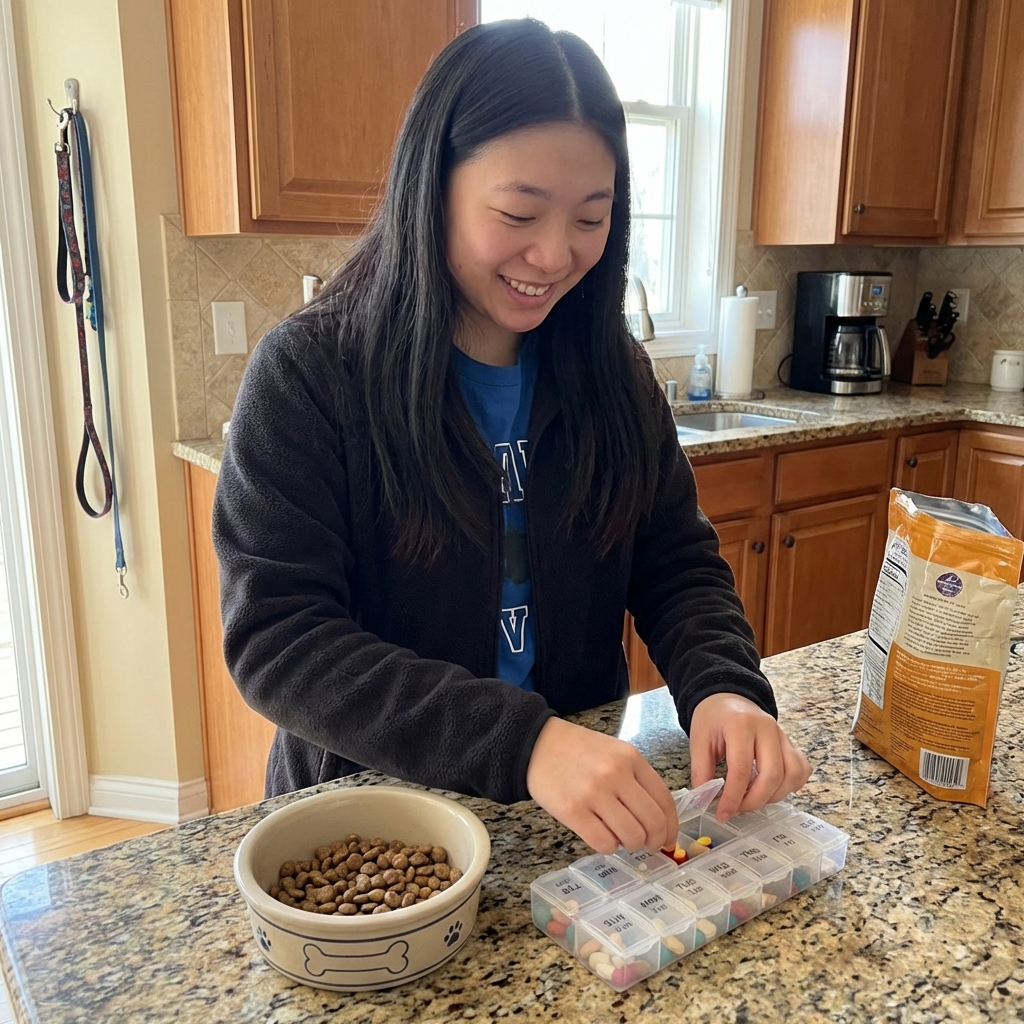
- Medication administration: pills are usually easier than eye drops, insulin, or injections.
- Special diets: homemade food, raw handling, food puzzles, or slow feeding routines take extra time.
- Puppies: frequent potty trips, training reinforcement, chewing risks, and accident cleanup.
- Behavior needs: leash reactivity, separation anxiety, guarding, escape artistry.
- Home tasks: watering plants, bringing in packages, rotating lights, trash day. Small individually, but significant in total.
- “Constant care” requests: if you need someone there most of the day, that is a different service level than standard house sitting.
Common add-on fees
Even when the base rate looks straightforward, add-ons are often where the final invoice shifts. Every sitter structures this differently, but these are common:
- Additional pets: an extra fee per pet, especially for multiple dogs that cannot be walked together.
- Puppy care: higher rates for extra potty breaks, supervision, and cleanup.
- Medication or medical support: especially for injections, eye drops, or complex schedules.
- Holiday surcharge: sometimes a flat increase, sometimes a percentage.
- Last-minute bookings: rush pricing when schedules are tight.
- Extended care windows: early morning, late night, or longer “stay and play” blocks.
House sitting vs boarding vs drop-ins
Drop-ins
Drop-ins can be budget-friendly for independent adult dogs, especially if you pair them with a neighbor check-in. The risk is that some dogs do not do well alone for long stretches, particularly seniors and puppies.
House sitting
House sitting usually costs more, but it is often the easiest on your dog emotionally because they stay in their routine. If your dog is anxious, on meds, or prone to GI upset when stressed, house sitting can reduce the risk for some dogs.
Boarding in a sitter’s home
Home boarding can be a sweet spot if your dog enjoys other dogs and adapts well to new spaces. Always ask about separation, crate use, dog introductions, and how emergencies are handled.
What a good rate buys you
When you pay a fair rate, you are usually buying consistency and prevention, not just company.
- Safety-first handling: secure leash skills, door safety, and escape prevention.
- Health awareness: noticing changes in appetite, stool, breathing, mobility, or skin.
- Clear communication: updates, photos, and honest reporting if something seems off.
- Reliability: showing up on time, following instructions, and having a backup plan.
- Professional boundaries: written policies, cancellation terms, and emergency contacts.
In pet care, “cheap” can become expensive if it leads to a lost dog, a missed medication, or a stressful experience that triggers diarrhea, anxiety, or a vet visit.
How to manage costs
If the quote is higher than expected, you do have options. The goal is to adjust the service, not pressure a sitter into doing skilled work for less than it costs to provide safely. Many great sitters do have fixed pricing, so think of this as a way to build a plan that fits your budget and your dog’s needs.
- Ask about visit length: a 45-minute visit might be plenty instead of 60.
- Schedule ahead: holidays and last-minute requests tend to cost more.
- Reduce complexity: pre-portion meals, label medications, and write a one-page care sheet.
- Clarify expectations: if you only need potty and feeding, say so. If you expect play, training, and brushing, expect to pay for it.
Red flags of too-cheap pricing
Some sitters are new and charge less while they build reviews, and that can be perfectly fine. The red flags are about how they operate.
- No meet-and-greet and no questions about your dog’s routine or behavior.
- Vague answers about emergencies, keys, or home entry procedures.
- Unwilling to follow medication instructions exactly.
- Overbooking so heavily that your pet becomes a rushed stop.
- No written policies for cancellations, holidays, or damages.
Smart questions to ask
These questions reveal professionalism quickly and help you compare two sitters with similar rates.
- How many clients do you book per time block, and how do you prevent rushed visits?
- What is your protocol if my dog has vomiting, diarrhea, or refuses food?
- Are you comfortable giving my dog’s medications? What types have you done before?
- Do you carry pet sitter insurance, and do you have a backup sitter if you are sick?
- How do you handle leash reactivity or fear of strangers?
- What is included in the rate, and what costs extra?
My vet assistant tip
If you want better rates and better care, make your home easy to work in. Sitters often charge more when they expect confusion, extra messaging, or scavenger hunts for supplies.
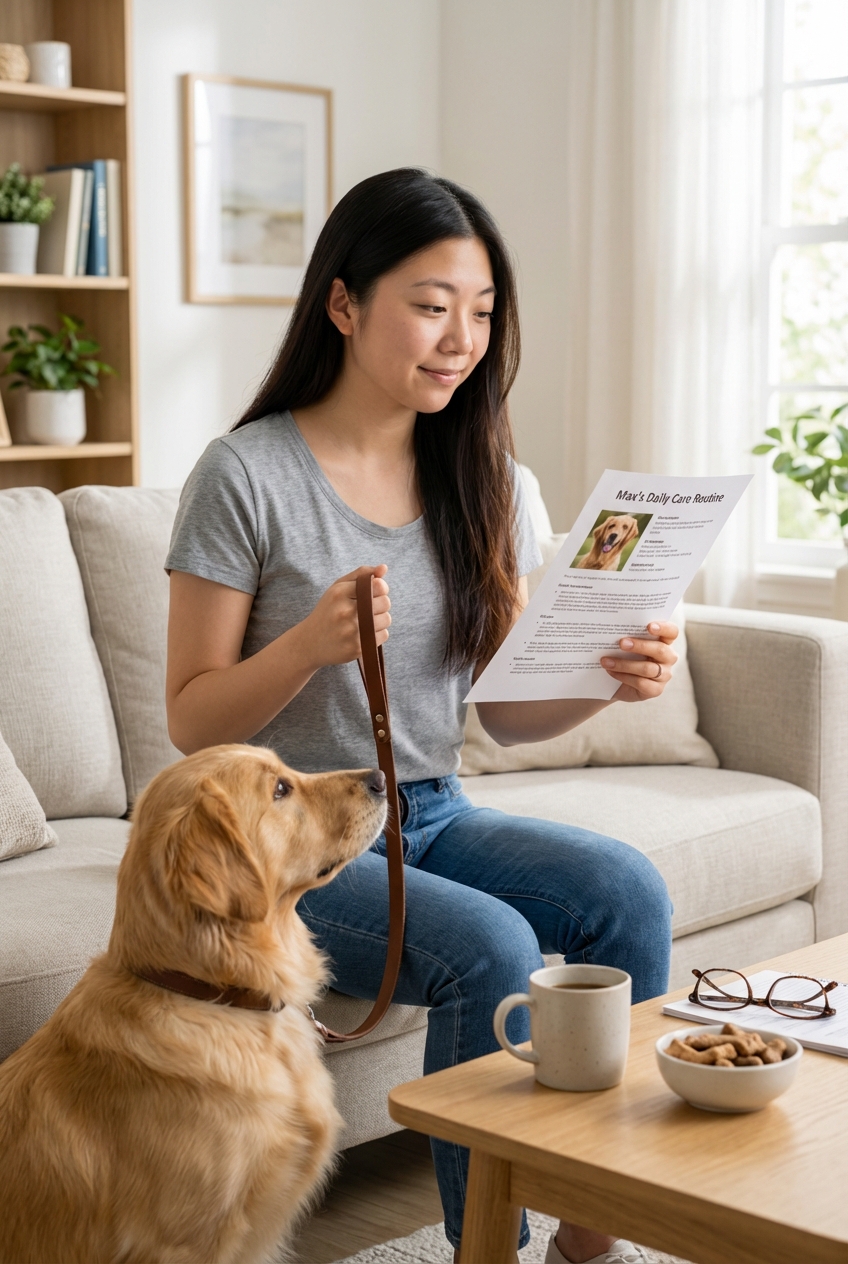
- Write a one-page routine: feeding amounts, potty schedule, walk route, quirks, and triggers.
- Label meds clearly: dose, timing, and what to do if a dose is missed.
- Leave cleaning supplies visible: paper towels, enzyme cleaner, poop bags.
- Provide vet info: clinic name, phone, address, and your preferred emergency hospital.
This little bit of preparation helps your sitter focus on your dog, not logistics. And that is where the real value lives.
Bottom line
Dog sitting rates are not random. They reflect time, travel, risk, experience, and the level of care your dog needs to stay safe and comfortable. When you compare quotes, look beyond the number and ask what is included, how emergencies are handled, and whether the sitter’s service level truly matches your dog’s needs. A fair rate plus a clear care plan is the secret to a smooth trip for you and a calm, happy dog at home.