
A vet assistant’s practical guide to chocolate poisoning in dogs: why it’s toxic, which chocolates are most dangerous, symptom timing, emergency steps, a...
Article
•
Designer Mixes
Dog Signs of Chocolate Poisoning

Shari Shidate
Designer Mixes contributor
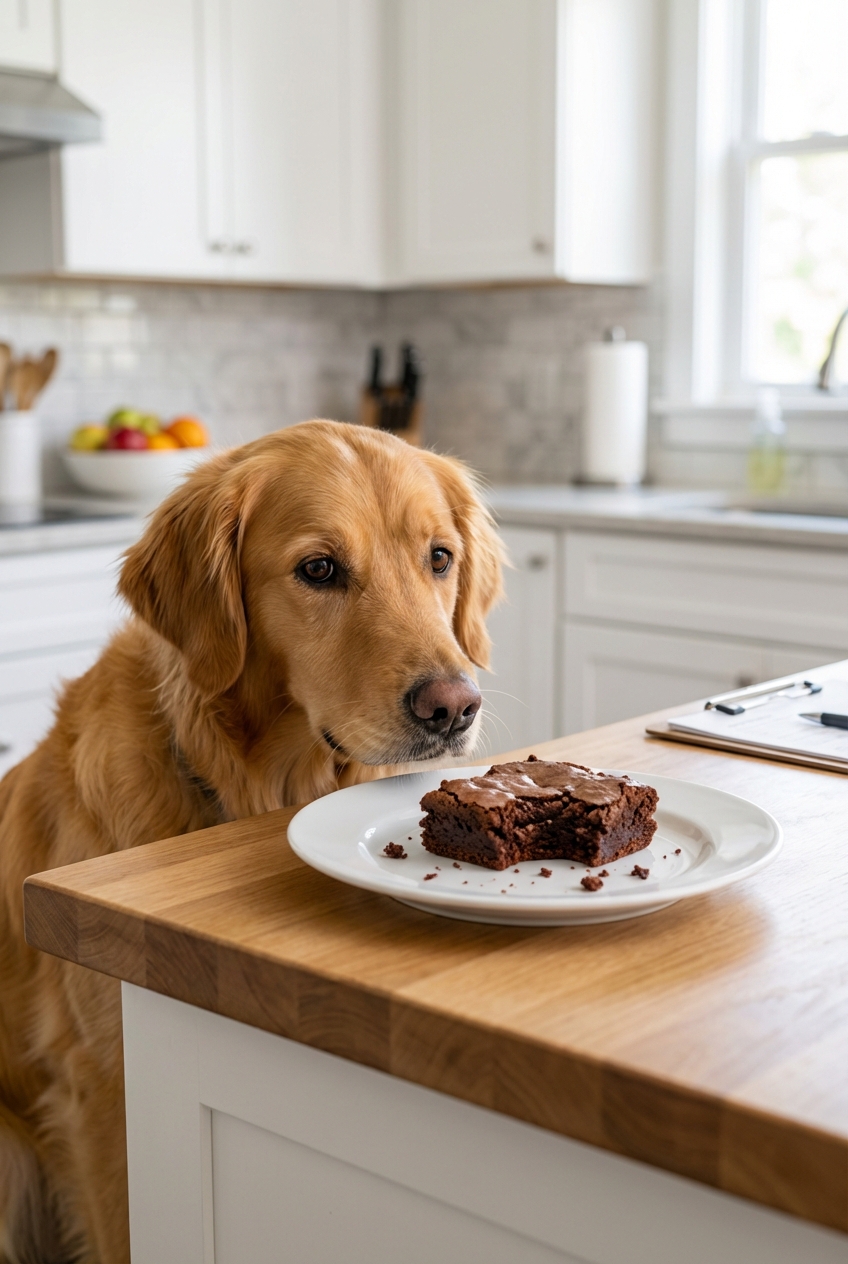
Chocolate is a common toxin exposure we see with dogs, and it can be incredibly stressful. It is easy for a curious pup to snatch a brownie off the counter, lick a cocoa spoon, or find a holiday candy stash. The good news is that quick action can make a huge difference.
This guide walks you through the signs of chocolate poisoning, what makes chocolate dangerous, what to do right now, and how your veterinarian may treat it.

Why chocolate is toxic to dogs
Chocolate contains methylxanthines, mainly theobromine and caffeine. Dogs metabolize these much more slowly than humans, so the compounds can build up and affect the digestive system, nervous system, and heart.
In general, the risk depends on:
- Type of chocolate (darker and more concentrated is more dangerous)
- How much was eaten
- Your dog’s weight
- How recently it was eaten
- Individual sensitivity (some dogs show signs sooner than others)
Chocolate types ranked by risk
Not all chocolate is equal. The more cocoa solids, the higher the theobromine content.
- Highest risk: baking chocolate, unsweetened chocolate, cocoa powder
- High risk: dark chocolate, semi-sweet chips
- Moderate risk: milk chocolate
- Lower risk (still not safe): white “chocolate” (very low theobromine, but high fat and sugar that can cause stomach upset and may increase the risk of pancreatitis in some dogs)

Signs of chocolate poisoning in dogs
Symptoms often begin within 2 to 6 hours, but they can be delayed. Some dogs start with mild stomach upset and then progress to more serious heart and neurologic signs over the next 6 to 12 hours (and sometimes longer).
Early and common signs
- Vomiting
- Diarrhea
- Increased thirst
- Panting
- Restlessness or hyperactivity
- Excessive urination
More serious signs
- Rapid heart rate
- Irregular heartbeat
- Tremors
- Muscle rigidity
- Incoordination or wobbliness
- Elevated body temperature
Emergency signs
- Seizures
- Collapse
- Severe weakness
- Difficulty breathing
If your dog has tremors, seizures, collapse, or trouble breathing, treat this as an emergency and go to the nearest veterinary ER immediately.

What to do right now
I know the urge is to panic. Take one breath, then move through these steps.
1) Remove access and check the packaging
Pick up what is left and look for details. If you can, note:
- Chocolate type (milk, dark, baking, cocoa powder)
- Brand and cocoa percentage
- Estimated amount eaten
- Your dog’s current weight
- Time of exposure (approximate is fine)
Also check for wrappers or foil. Those can cause choking or a gastrointestinal blockage, especially with candy bars.
2) Call for professional guidance
Contact your veterinarian, a local emergency clinic, or an animal poison hotline. They can help assess risk and next steps based on your dog and what was consumed.
- ASPCA Animal Poison Control (fee may apply)
- Pet Poison Helpline (fee may apply)
Be ready to share what you found on the packaging and your dog’s weight.
Do not wait for symptoms. Chocolate is much easier to treat early, before theobromine is fully absorbed and before tremors or heart rhythm problems begin.
3) Skip home remedies unless instructed
Do not give salt, milk, oil, or “detox” products. Do not induce vomiting unless a veterinary professional tells you to. In some situations, vomiting is helpful. In others, it can be unsafe, especially if your dog is already weak, very sleepy, struggling to breathe, or having tremors.
Also avoid using hydrogen peroxide unless a veterinarian specifically instructs you on the correct dose and timing. It can cause severe stomach irritation and, in some cases, dangerous complications.
How much is too much?
I wish there was one simple number, but chocolate toxicity is dose-dependent. Vets and poison control use your dog’s weight plus an estimate of theobromine (mg per kg) based on the chocolate type, cocoa percentage, and amount eaten.
If you are not sure how much was consumed, that is still enough information to call. With chocolate, it is often safer to assume more was eaten than you hope.
How vets treat chocolate toxicity
Veterinary treatment depends on how much was eaten, how long ago it happened, and what symptoms your dog has. Common steps include:
- Decontamination: inducing vomiting (when appropriate) and sometimes giving activated charcoal to bind toxins in the gut
- IV fluids: to support circulation and help the body eliminate theobromine
- Heart monitoring: especially if there is a rapid or irregular heart rhythm
- Medications: to control vomiting, tremors, anxiety, or seizures
- Temperature support: if your dog is overheating due to tremors or agitation
Many dogs recover well with prompt treatment. The biggest risk is waiting too long, especially once neurologic or heart signs begin.
Extra concerns in desserts and candy
Chocolate is not the only issue in many desserts and candies. These add-ons can change the urgency and the treatment plan.
- Xylitol (birch sugar): can cause dangerous low blood sugar and, in some cases, may also cause liver injury. Found in some sugar-free candies, gums, baked goods, and peanut butters.
- Raisins or grapes: can cause kidney injury in some dogs.
- Macadamia nuts: can cause weakness, tremors, and fever.
- High fat: frosting, butter, and greasy desserts can contribute to stomach upset and may increase pancreatitis risk in some dogs.
If your dog ate a mixed treat, mention every ingredient you suspect, not just the chocolate.
Prevention that works in real homes
Most chocolate incidents happen during busy moments: guests, holidays, kids snacking, or baking. Here are realistic ways to prevent a repeat.
- Use closed storage: keep chocolate in a cabinet with a latch, not on the counter.
- Holiday rule: treat gift bags like trash cans to dogs. Put them on a high shelf or in a closed room.
- Teach “leave it”: practice with low-value items, then work up. Consistency matters.
- Trash control: use a lidded, weighted trash can or keep it in a pantry.
- Communicate with guests: a simple, kind reminder like “Please keep candy in your bag, our dog is a scavenger” prevents so many emergencies.
When in doubt, call
If you are unsure whether the amount was dangerous, that is a good reason to call. Chocolate toxicity is one of those situations where early guidance can prevent a scary, expensive emergency later.
You are doing the right thing by getting informed and acting quickly. Your dog is counting on you, and you do not have to figure it out alone.