Worried about your dog shivering after surgery? Learn normal post-anesthesia causes, safe warming and pain tips, when to call your vet, and emergency warning...
Article
•
Designer Mixes
Dog Shivering After Surgery: When to Call the Vet

Shari Shidate
Designer Mixes contributor
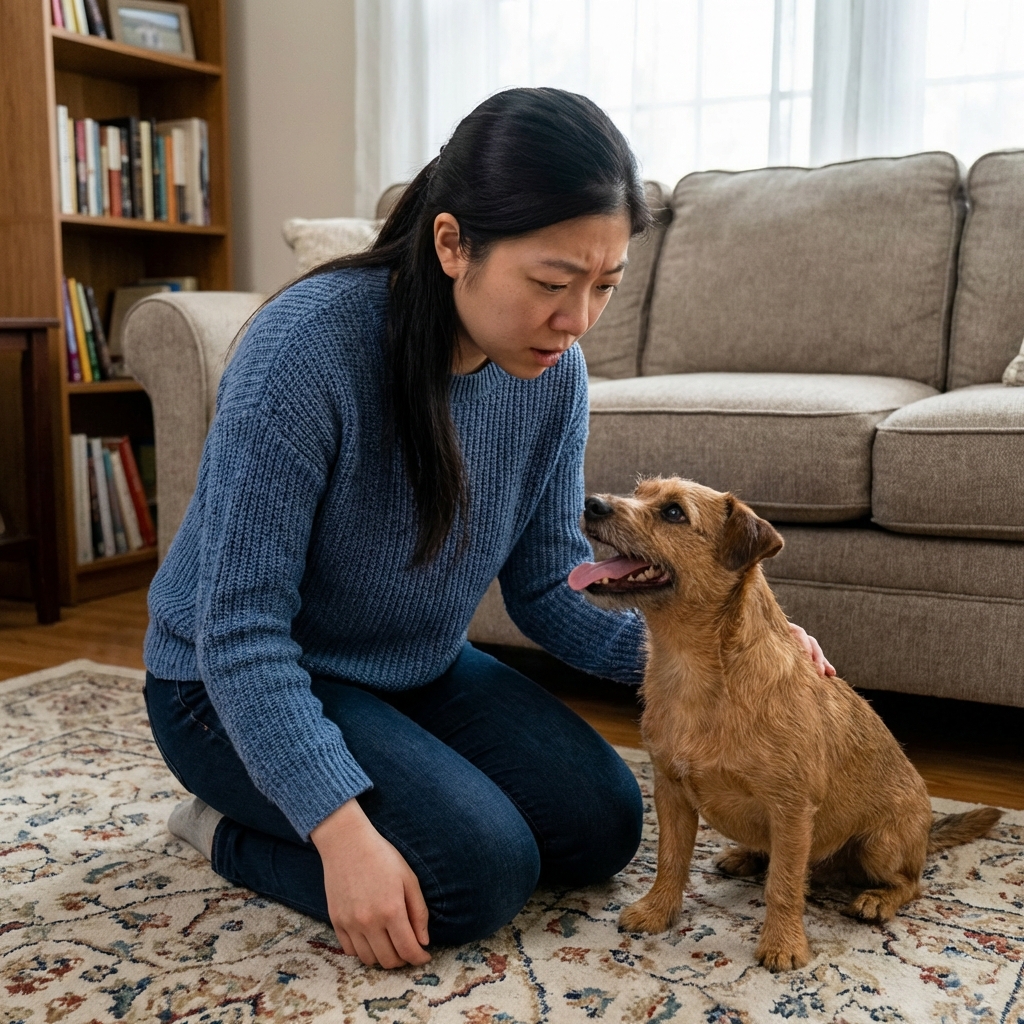
Seeing your dog shiver after surgery can be scary, especially when they are already a little groggy and not quite themselves. The good news is that some shivering is common as anesthesia wears off. But there are also times when shaking is your dog’s way of telling you something is not right.
Below, I’ll walk you through what is normal, what is not, and exactly when to call your veterinarian.
Why dogs shiver after surgery
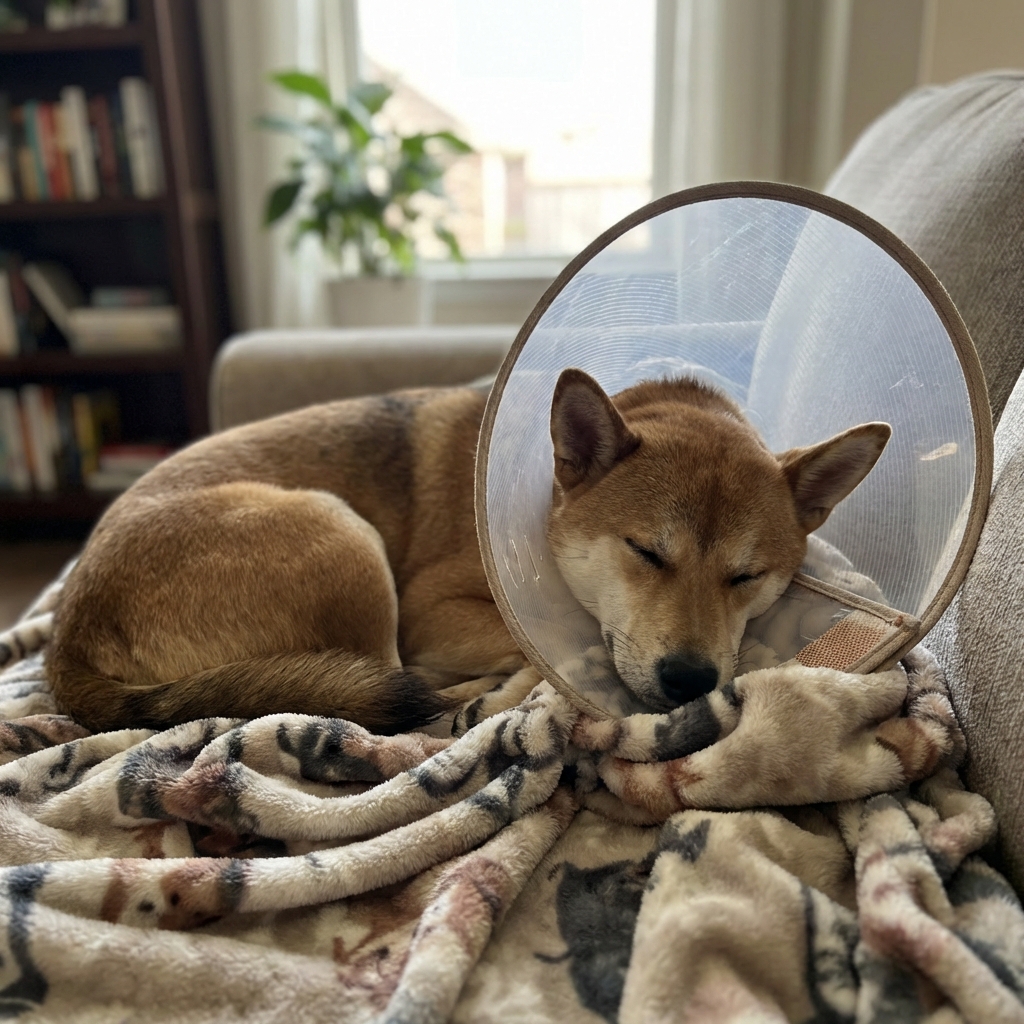
Post-op shivering can happen for several reasons. Some are expected and short-lived, and others need quick attention.
- Anesthesia effects: Many anesthetic drugs temporarily affect temperature regulation and muscle control. Mild tremors can happen as your dog wakes up.
- Hypothermia (low body temperature): Dogs often get chilled during surgery because of shaved fur, cool operating rooms, and IV fluids.
- Pain or discomfort: Shaking can be a subtle sign of pain, especially if it comes with a tense body, “guarding” the incision, or restlessness.
- Stress and confusion: Coming home can be disorienting. Some dogs tremble when anxious.
- Nausea: Post-op nausea is common. Some dogs shiver, drool, lip-lick, or swallow repeatedly.
- Medication side effects: Certain drugs (including some opioids and sedatives) can contribute to shaking, wobbliness, or agitation.
What is usually normal
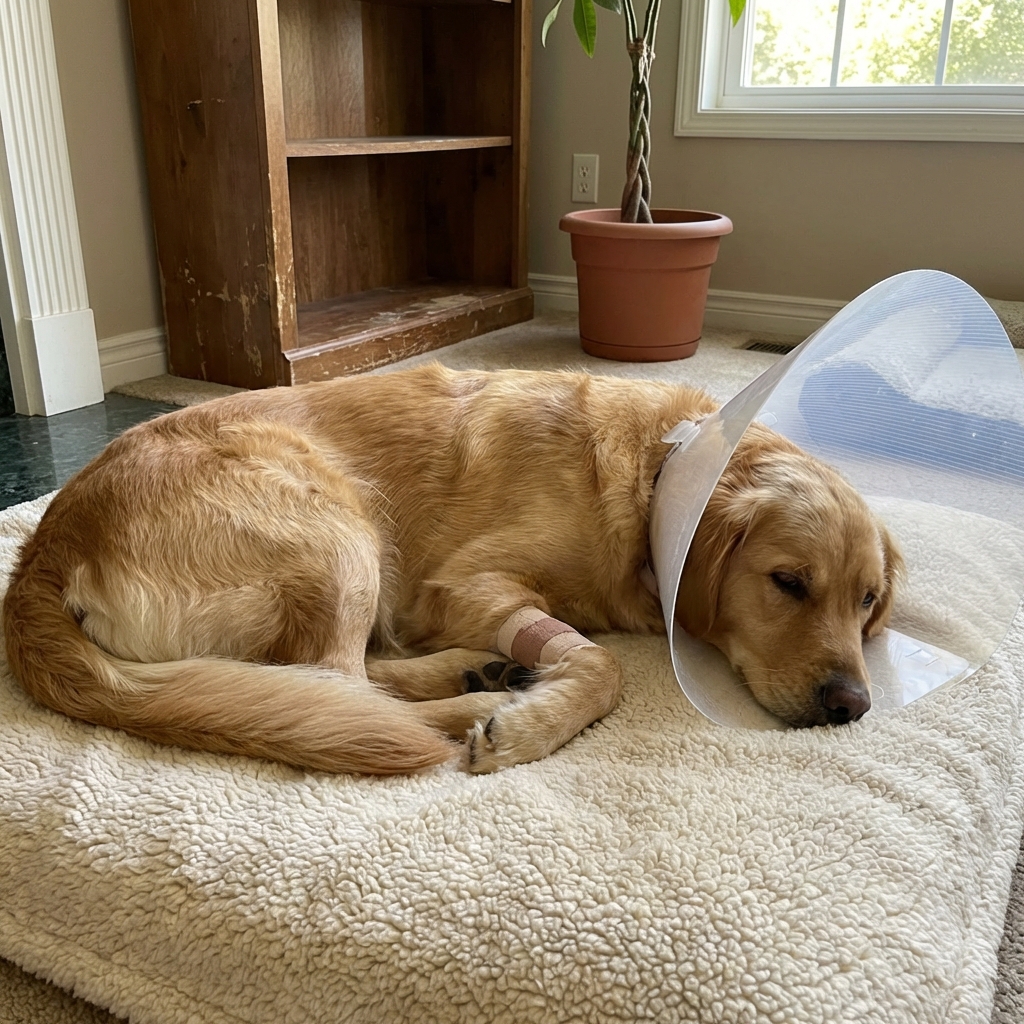
In many healthy dogs, mild trembling often shows up in the first several hours after coming home and improves as anesthesia fully wears off. For some dogs, it can linger into the first 12 to 24 hours, depending on the procedure, medications, and your dog’s size and health.
Signs that often go with normal, short-term shivering
- Shivering that is mild and comes and goes
- Your dog is responsive when you speak to them
- They can settle and rest, even if they are sleepy
- Breathing is calm and regular
- Gums look a healthy pink and moist
- The incision looks as expected based on your discharge instructions (no gaping, no heavy bleeding)
If your dog is otherwise stable, the first step is usually comfort and gentle monitoring at home.
What you can do at home
These steps are safe for most routine recoveries, but always follow your clinic’s discharge instructions first.
Warmth and calm
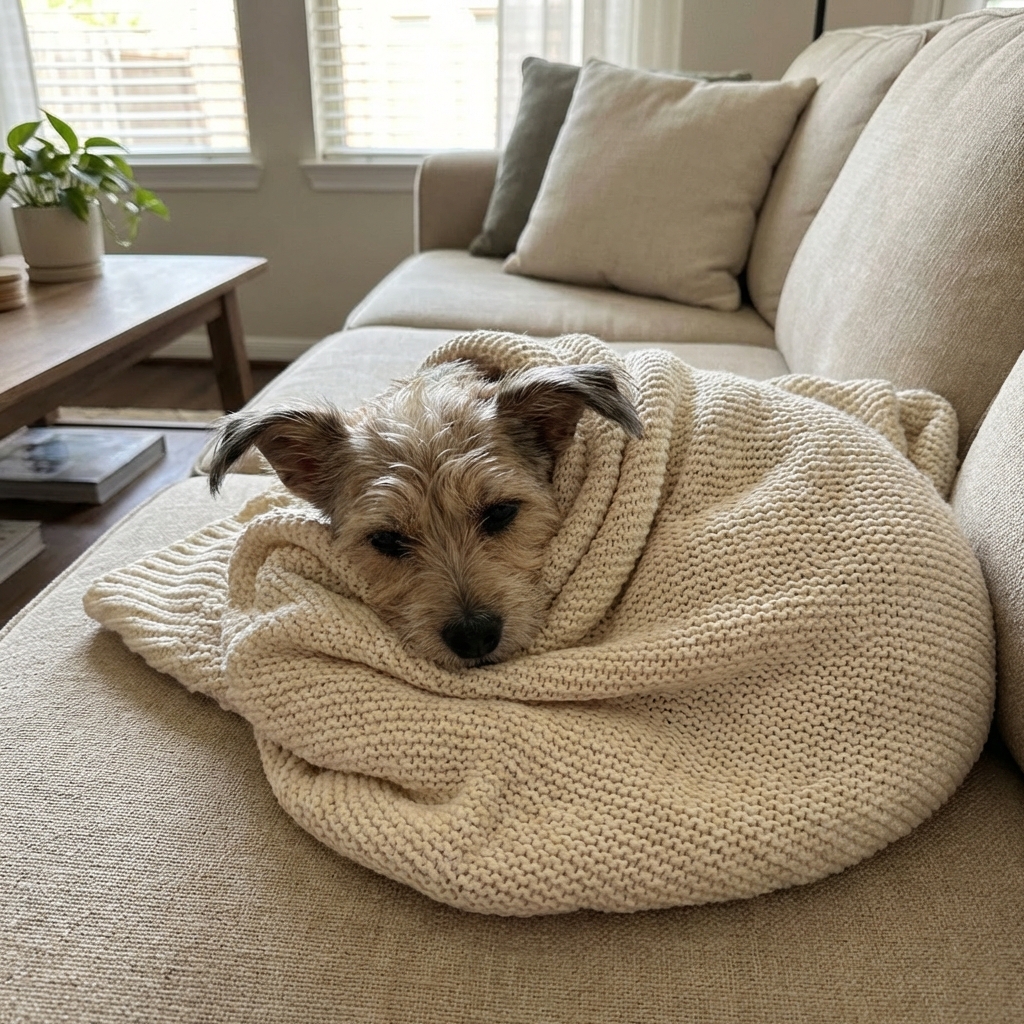
- Keep them warm: Offer a soft blanket and a draft-free room. If they tolerate it, you can place a light blanket over them.
- Use gentle heat carefully: If you use a heating pad, keep it on low, wrap it in a towel, and make sure your dog can move away from it. Do not leave it on unattended. Never place heat directly on the incision.
- Limit activity: Leash walks only for potty breaks, and discourage jumping on furniture.
Medication check
- Give pain meds exactly as prescribed. Do not wait until your dog seems miserable.
- Do not give human pain medication unless your veterinarian explicitly prescribes it with a dose. Many are toxic to dogs (especially ibuprofen and naproxen). Acetaminophen can be dangerous at the wrong dose and should only be used if your vet tells you to.
Quick check
Take 30 seconds to check these, then re-check every hour or two for the first 6 to 12 hours (or longer if your vet advised):
- Breathing: easy, not labored. Many resting dogs fall around 10 to 30 breaths per minute, but effort matters more than the number (panting makes counting hard).
- Gum color: pink (not white, gray, or blue)
- Temperature: if you have a rectal thermometer, normal is roughly 100.0 to 102.5°F for most dogs
- Incision: no opening, no pus-like discharge, no rapid swelling
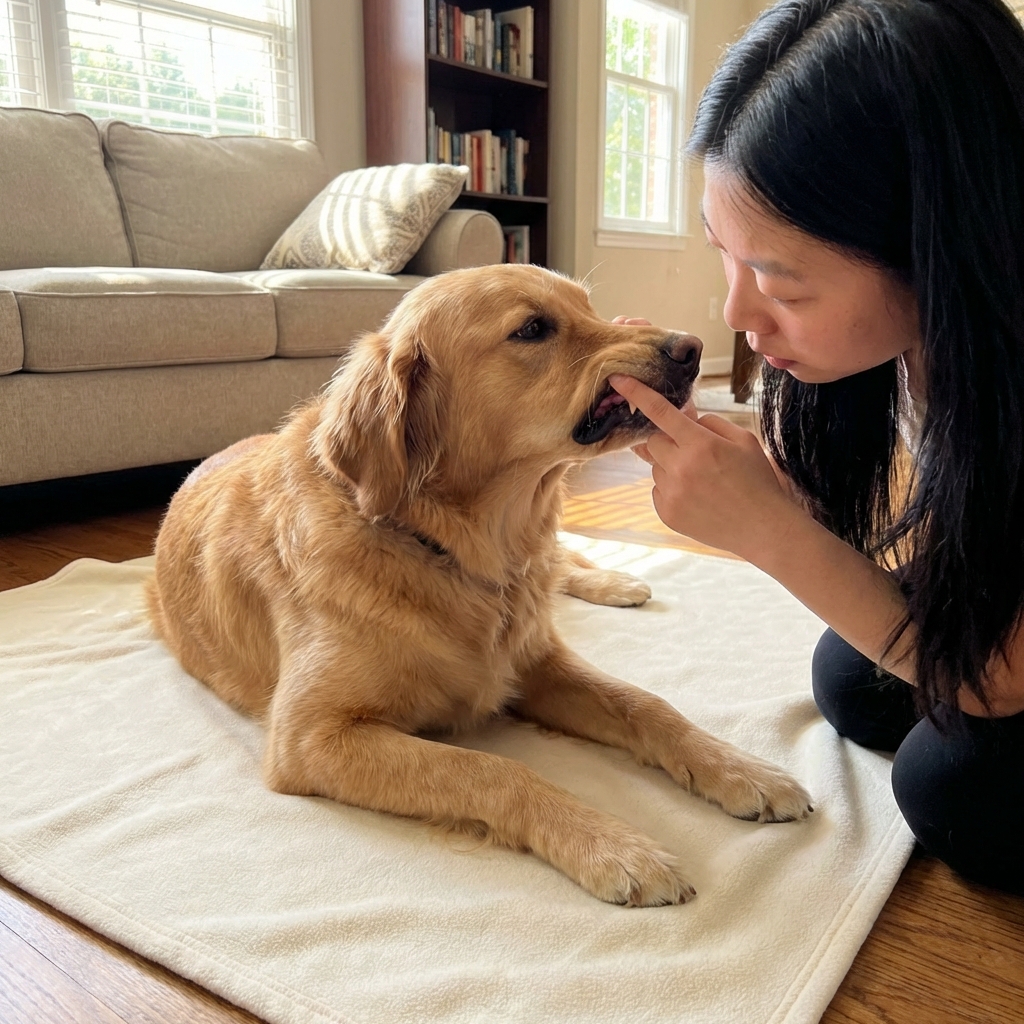
Do not
- Do not bathe your dog or soak the incision unless your vet tells you to
- Do not give extra doses or “double up” on meds
- Do not use heat directly on the skin or leave a heating pad on while your dog is unattended
- Do not force food or water if your dog seems nauseated
Extra note: Very small dogs and flat-faced breeds (like Pugs, Bulldogs, and Boston Terriers) can be more sensitive to temperature changes and airway issues after anesthesia. If you have one of these dogs, it is smart to have a lower threshold to call.
When to call the vet
If you are on the fence, I recommend calling. Your veterinary team would rather reassure you early than treat a complication late.
Go now if you see these
- Swollen belly with restlessness, obvious abdominal pain, or repeated unproductive gagging or retching (this can be bloat and is an emergency)
- Pale, white, gray, or blue gums
- Collapse, inability to stand, or extreme weakness
- Labored breathing, very rapid breathing, or open-mouth breathing at rest
- Seizure-like activity (loss of awareness, rhythmic paddling, stiffening) or rigid tremors that look more extreme than shivering
- Bleeding that soaks the bandage or drips from the incision
Call your vet promptly if you see these
- Repeated or intense shivering that does not improve within 30 to 60 minutes of warming and settling
- Signs of pain despite medication: crying, panting that will not stop, trembling with a tense belly, refusing to lie down, hunched posture, guarding the incision
- Vomiting more than once, repeated retching, or inability to keep water down
- Incision problems: incision opens, sudden large swelling, foul odor, thick yellow or green discharge
- Temperature concerns: below 99°F or above 103°F, or per your clinic’s guidance, especially if paired with lethargy, vomiting, worsening pain, or a “not right” look
- Severe agitation or confusion that does not settle (some dogs experience post-anesthesia dysphoria and can pace, whine, seem panicked, or act “not themselves”). It can be medication-related, but it still warrants a call so your vet can guide you.
If your dog is shaking and you cannot comfortably say, “They are warm, calm, breathing normally, and able to rest,” it is time to call.
Timing guide
First 0 to 12 hours
Mild trembling is often anesthesia-related or from being chilled. Warmth, quiet, and on-time pain medication usually help.
12 to 24 hours
Shivering that persists into the next day is more likely to be related to pain, nausea, medication effects, or fever. This is a good time to call your vet for guidance, even if it does not feel like an emergency.
24 to 48 hours and beyond
Shivering after the first day deserves a vet check, especially if your dog is not eating, seems restless, or the incision looks more irritated. At this point, we want to rule out infection, uncontrolled pain, GI upset, or other complications.
Common scenarios
Shivering and panting
Panting can happen from stress, pain, nausea, or temperature changes. If panting is heavy and your dog cannot settle, call your vet. If breathing looks difficult, gums change color, or your dog seems weak, go to an emergency clinic.
Shivering and not eating
Many dogs have a lower appetite the first evening after surgery. But if your dog refuses food into the next day, or shaking is worsening, check in with your vet. Nausea and pain are fixable, and your dog does not need to tough it out.
Shivering and a swollen incision
A small amount of swelling can be normal. Rapid swelling, fluid-filled swelling, heat, redness spreading outward, or discharge is not. Call your vet promptly.
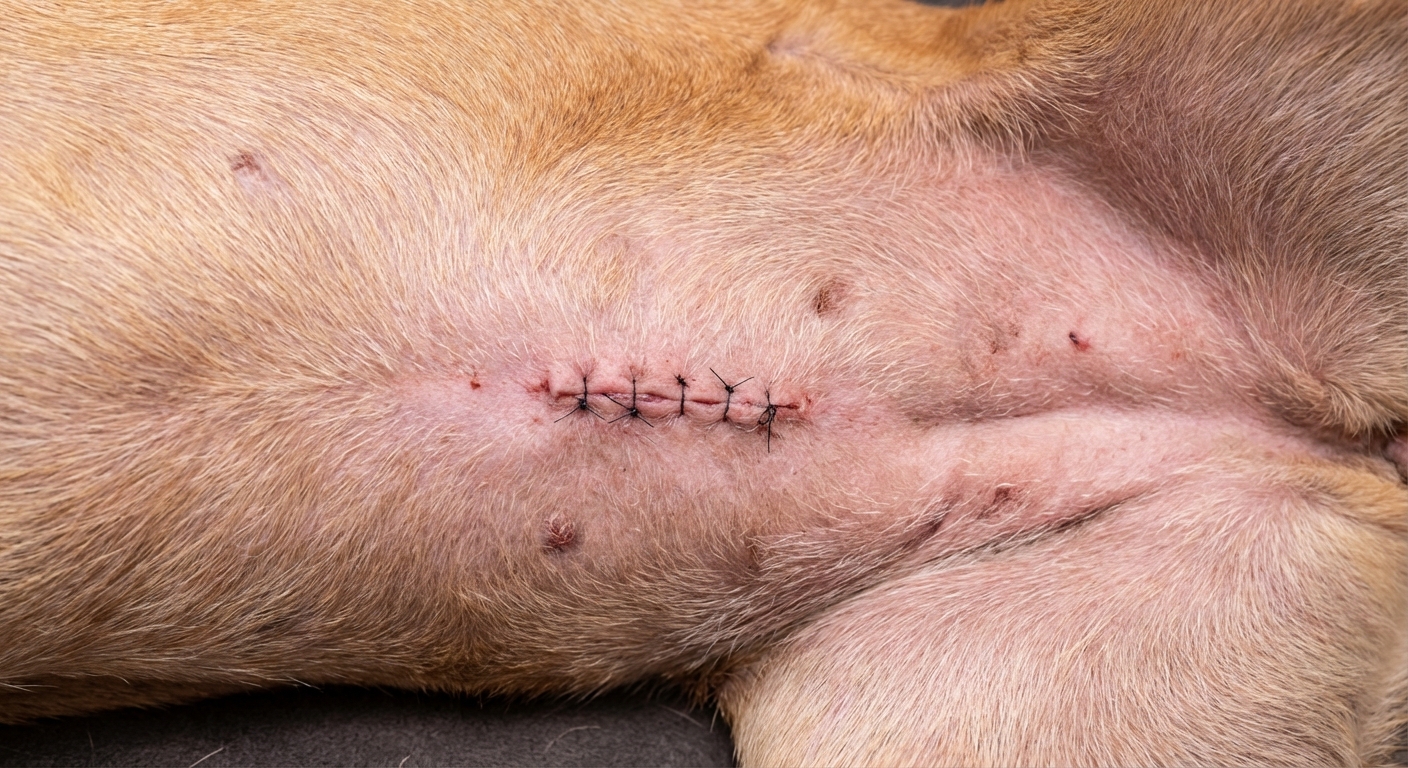
When you call
Having this information ready helps your veterinary team triage quickly:
- What surgery was done and what time your dog came home
- All medications given and the exact time of the last dose
- Whether your dog has eaten, drank water, peed, or pooped
- A description of the shaking: constant or on and off, mild or intense
- Your dog’s gum color and breathing rate if you can safely observe it
- Your dog’s temperature if you have a pet thermometer
- A clear photo of the incision (no flash if possible)
A gentle reminder
Post-surgery recovery is not always linear. Some dogs have an easy first night and then feel sore the next day as swelling ramps up. Others are shaky at first and then bounce back quickly. Trust what you are seeing.
If your dog’s shivering is paired with worry in your gut, that is a valid signal to call your veterinarian. You are your dog’s best advocate.