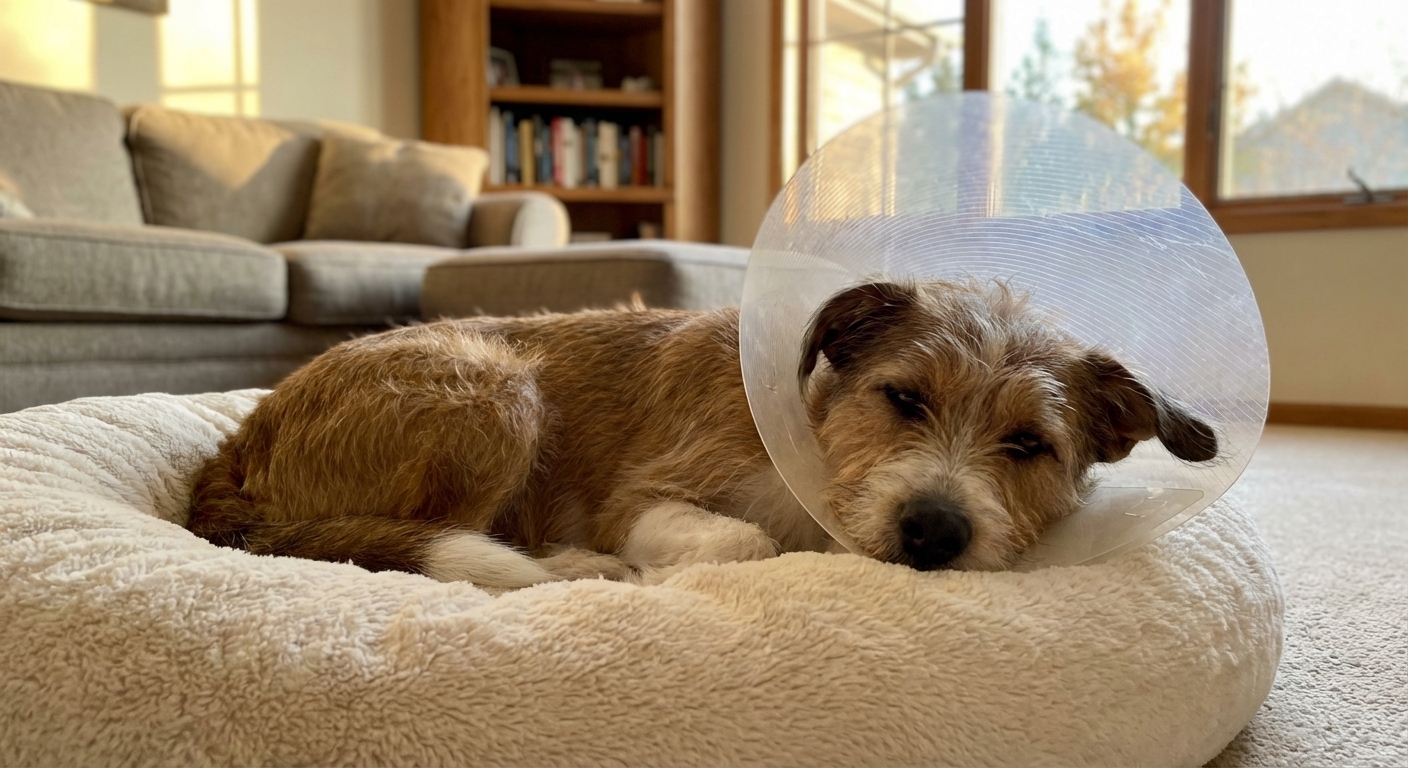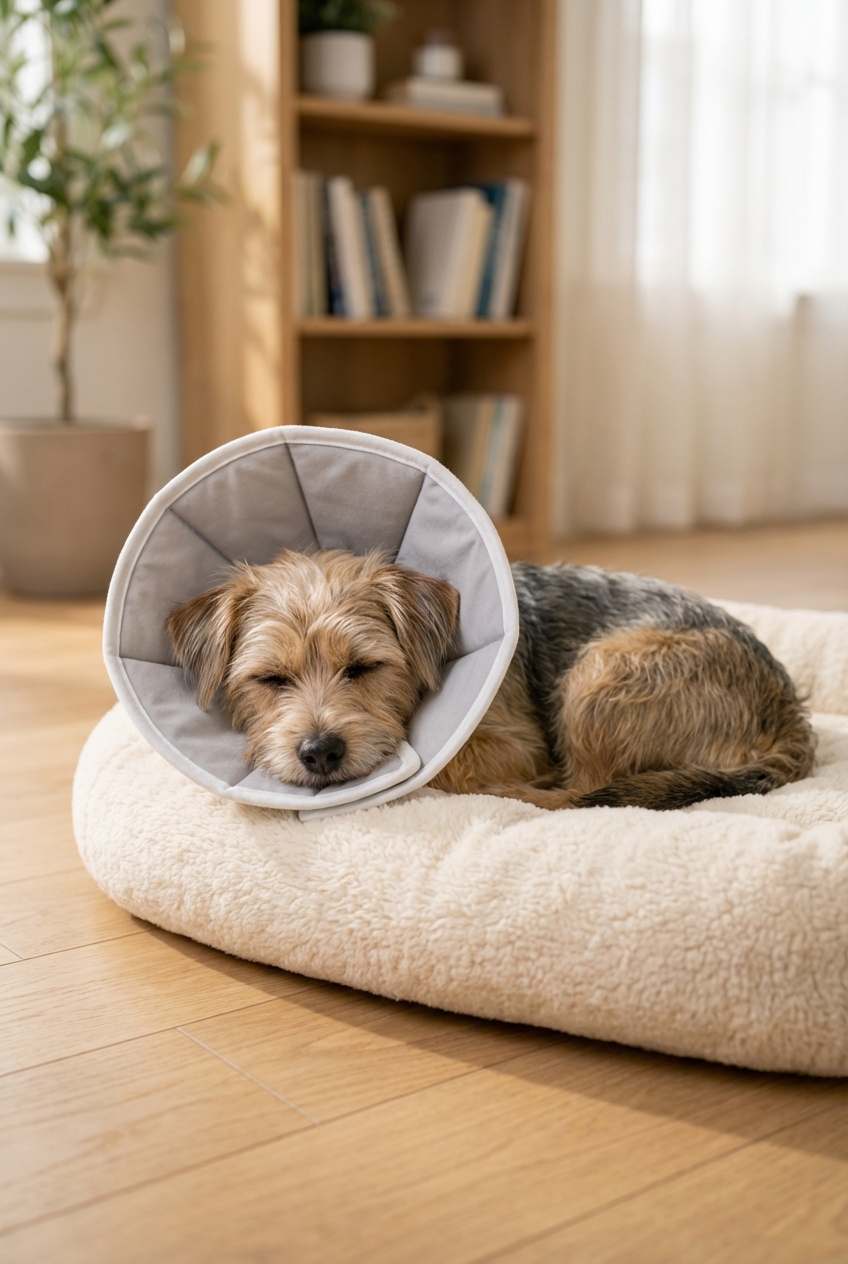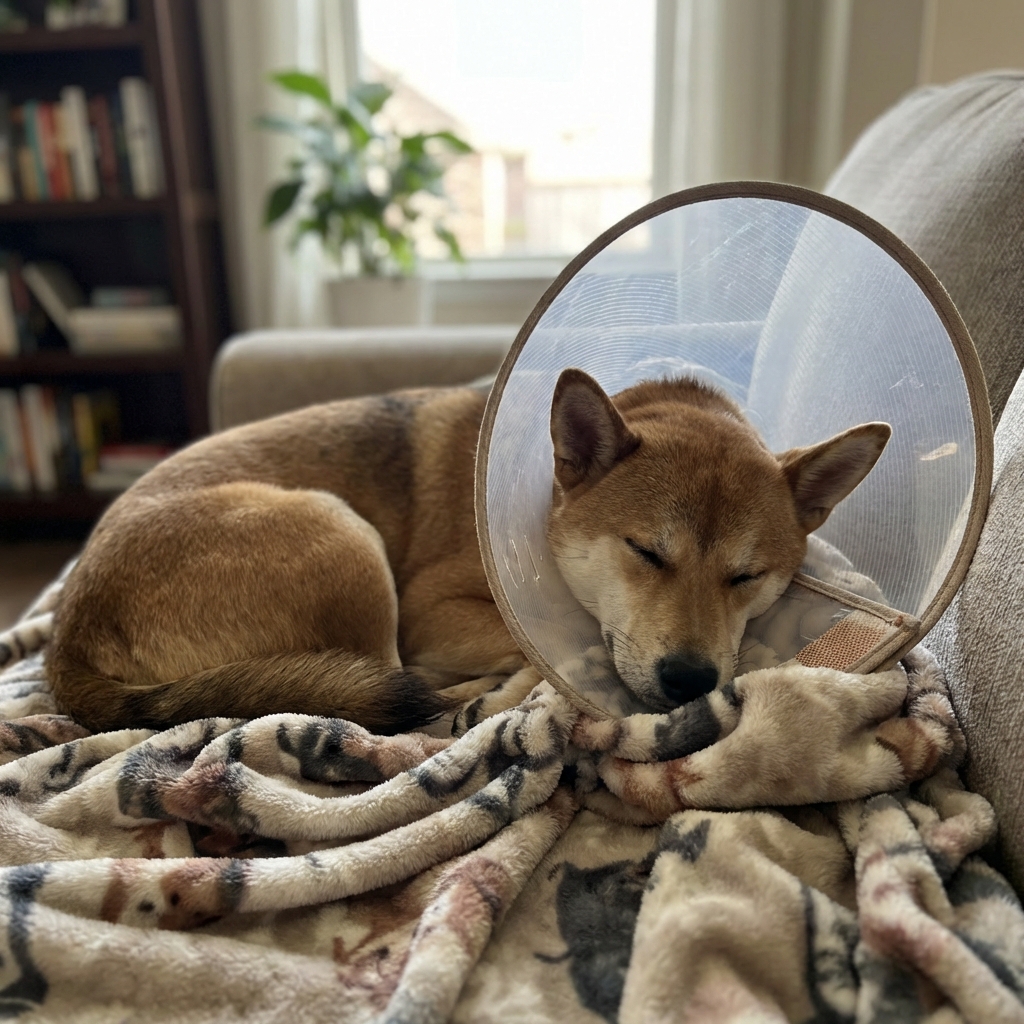
Is your dog shaking after surgery? Learn common causes like anesthesia, cold, pain, nausea, or meds—plus safe home steps and the red flags that mean call o...
Article
•
Designer Mixes
Dog Shivering After Surgery: Normal or Emergency?

Shari Shidate
Designer Mixes contributor
Seeing your dog shiver after surgery can be scary, especially when you are already on edge from the procedure. As a veterinary assistant, I can tell you this is a very common post-op concern, and in many cases it is temporary and treatable. That said, shivering can also be an early warning sign that something is off.
Quick note: This is general information and not a substitute for your veterinarian’s discharge instructions. If your vet told you something different for your dog’s procedure, follow their plan first.
This guide will help you figure out what is normal, what is not, and what to do next so you can keep your pup safe and comfortable.
Why dogs shiver after surgery
In most cases, shivering is your dog’s stress response to anesthesia, temperature changes, pain, or nausea.
Most common (often normal) reasons
- Low body temperature (getting chilled): Anesthesia can lower body temperature. Even short procedures can leave dogs cold, especially small dogs, seniors, and short-coated breeds.
- Anesthetic and medication effects: Some drugs can cause temporary tremors or muscle twitching as your dog wakes up and metabolizes them.
- Pain or discomfort: Pain can show up as shaking, tense posture, restlessness, panting, or guarding the incision.
- Stress and disorientation: Waking up can be confusing. Some dogs shiver from anxiety, especially the first night.
- Nausea: Post-op nausea is common and can come with drooling, lip-licking, swallowing, and shivering.
Less common (more concerning) reasons
- Fever or infection: More likely later in recovery. Ear temperature and gum color are not reliable by themselves. A rectal temperature is best.
- Low blood sugar: More likely in tiny dogs and puppies, especially if they have not eaten.
- Significant blood loss or internal bleeding: May cause weakness, pale gums, collapse, rapid breathing, or a swollen abdomen.
- Stronger-than-expected medication reaction: Some dogs react to opioids, sedatives, or other meds with agitation, panting, vocalizing, or shaking.
Normal vs emergency
Normal shivering usually improves with warmth, time, and rest. Concerning shivering tends to persist, worsen, or come with other red flags.
Shivering can be normal when
- It starts shortly after coming home and improves over a few hours.
- Your dog is responsive to you and can settle.
- Breathing is calm and steady while resting.
- Gums are pink and moist.
- The incision looks clean and dry (no spreading redness, swelling, or discharge).
- Shivering improves after warming up in a cozy room.
It may be an emergency if you notice
- Repeated or uncontrollable shaking that does not improve with warmth and rest.
- Pale, gray, white, or blue gums, or gums that feel tacky and dry.
- Weakness, collapse, or extreme lethargy beyond expected post-anesthesia grogginess.
- Rapid and/or labored breathing, open-mouth breathing at rest, or persistent panting unrelated to heat.
- Distended belly, sudden abdominal pain, or a “praying” posture.
- Repeated vomiting, vomiting blood, or severe diarrhea.
- Bleeding from the incision, soaking through bandages, or a rapidly growing bruise or swelling under the skin (hematoma).
- Temperature concerns: a very low rectal temp with listlessness, or a high rectal temp.
- Neurologic signs: disorientation that worsens, unusual eye movements, or anything that looks like a seizure.
If you see pale gums, collapse, breathing trouble, a seizure, or heavy bleeding, treat it as an emergency and go to the nearest ER right away.
Shivering vs. seizures (quick rule): Dogs that are shivering are usually aware and can respond to you. During a seizure you may see stiffening, rhythmic paddling, loss of awareness, drooling, or urination, and your dog will not “snap out of it” when you speak to them. If you are not sure, treat it as urgent.
What to do at home now
If your dog is shivering but otherwise seems stable, these steps can help while you monitor closely.
1) Warm them safely
- Keep the room comfortably warm.
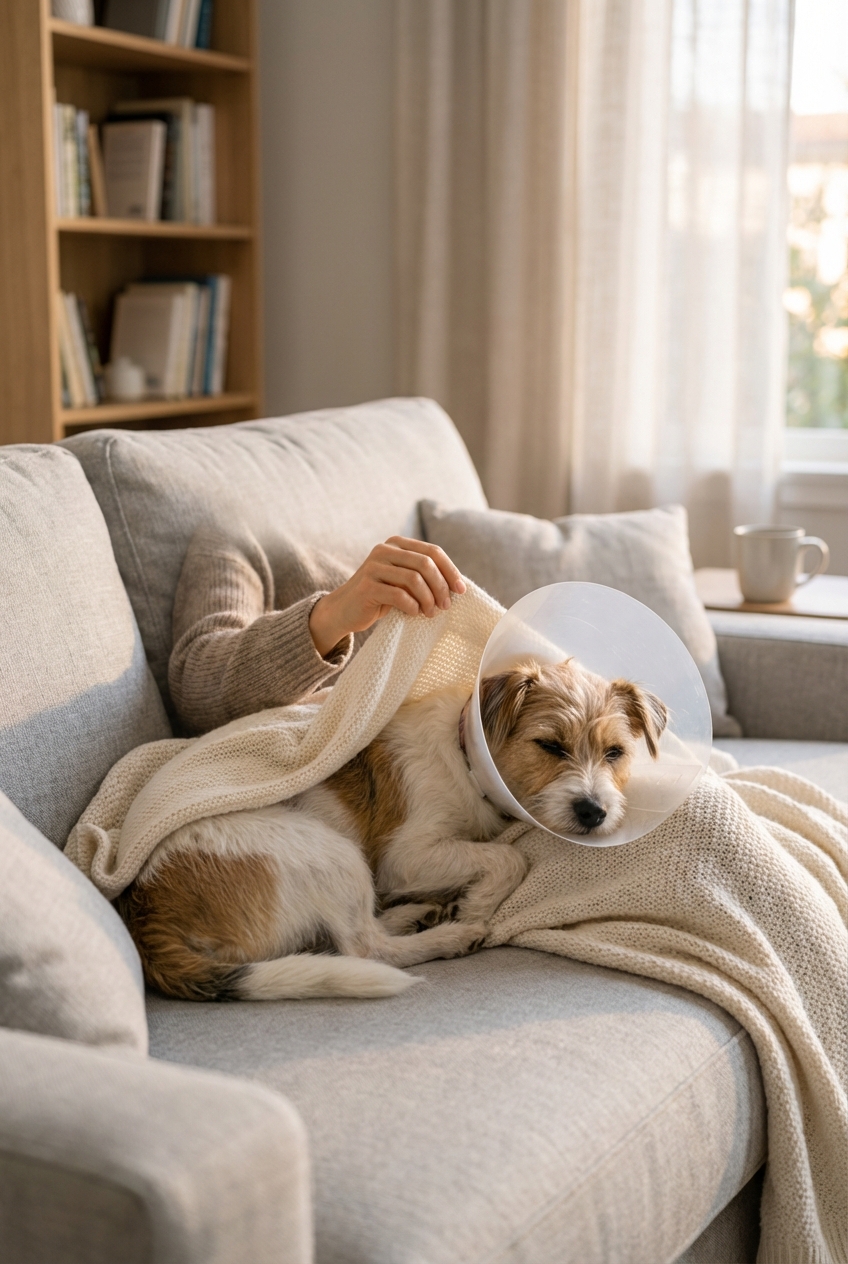
- Offer a light blanket and encourage rest in a quiet, low-stimulation area.
- If you use a heating pad, keep it on low, place it under a blanket, and make sure your dog can move away from it. Never place heat directly on the skin.
- Avoid overheating. If your dog is panting, pushing the blanket off, or seems restless and hot, use a lighter cover and lower the heat.
- Avoid microwaved heat packs or rice socks directly on the skin. Burns can happen fast, especially in groggy post-op pets.
2) Check comfort and pain control
- Follow the discharge instructions exactly for pain meds.
- Do not give human pain relievers. Ibuprofen and naproxen are dangerous. Acetaminophen only if your veterinarian specifically instructs you, since dosing must be precise.
- Watch for pain signs: shaking, tucked belly, hunched posture, refusing to lie down, whining, guarding the incision, or a hard stare.
3) Offer small sips, then a small meal if allowed
- Unless your vet told you otherwise, start with small amounts of water.
- If nausea is mild and your dog is interested, offer a small bland meal per your discharge plan.
- For tiny dogs, puppies, and toy breeds, low blood sugar is a bigger risk. If they will not eat, call your vet sooner rather than later.
4) Look at the incision without poking it
- Normal early changes can include mild swelling and a small amount of bruising.
- Call your vet if you see discharge, a bad smell, heat, rapidly spreading redness, or the skin pulling apart.
5) Track the details
Write down when the shivering started, medications given and times, eating and drinking, pee and poop, and any other symptoms. This helps your veterinarian triage quickly if you call.
Temperature basics
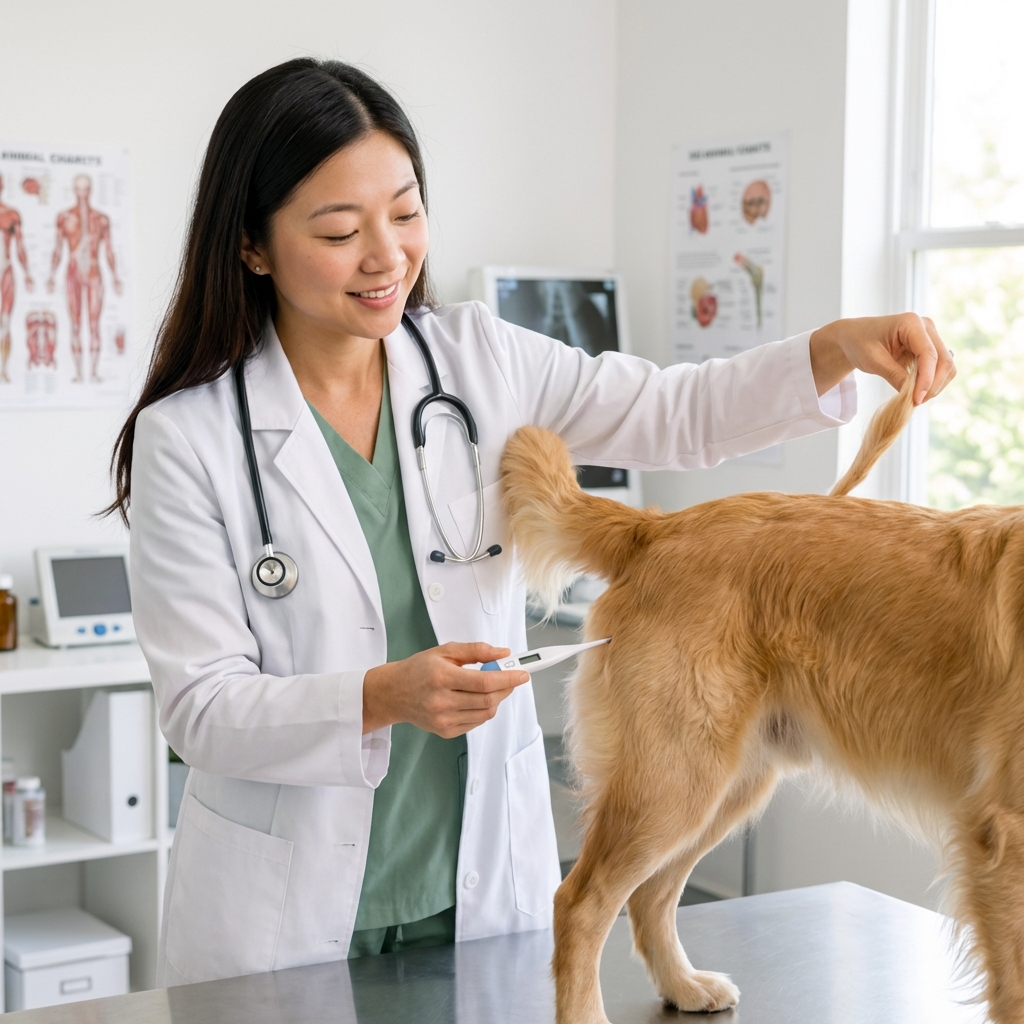
If your clinic has shown you how to do it and you feel comfortable, a rectal temperature can help you decide what to do next.
- Normal dog temperature: about 100 to 102.5°F (37.8 to 39.2°C).
- Call your vet if it is over 103°F (39.4°C) or under 99°F (37.2°C), especially with shivering, lethargy, vomiting, or poor appetite.
- Emergency if it is 104°F (40°C) or higher, or under 98°F (36.7°C), or if your dog seems very unwell.
If you have not taken a rectal temperature before, it is okay to skip it and call the surgery hospital for guidance. Do not risk a bite or stressing your dog right after anesthesia.
How long is shivering normal?
Many dogs may shiver mildly for the first several hours after coming home, sometimes into the first night, especially after longer procedures or if they got chilled.
Because this varies by procedure, dog size, and the drugs used, contact your veterinarian if:
- Shivering persists beyond the day of surgery or continues into the next day.
- It stops and then returns with new symptoms (vomiting, incision changes, lethargy, loss of appetite).
- Your dog seems progressively worse instead of gradually improving.
Medication effects to watch
Post-op prescriptions are important, but side effects can happen. Always call your veterinarian before stopping a medication.
- Opioids: panting, whining or vocalizing, restlessness, agitation (dysphoria), nausea, and shaking.
- NSAIDs (dog-safe anti-inflammatories): vomiting, diarrhea, loss of appetite, dark or tarry stool, lethargy.
- Sedatives: wobbliness, confusion, slower reactions.
- Antibiotics: digestive upset, reduced appetite.
If your dog has facial swelling, hives, sudden vomiting, or trouble breathing after a medication, seek emergency care.
Call your vet vs go to the ER
Call your veterinarian promptly if
- Shivering persists but your dog is otherwise stable.
- Your dog will not eat by the next scheduled meal time after surgery (or per your discharge plan).
- You suspect pain is not controlled.
- You notice mild incision redness, mild swelling, or bruising that seems to be increasing.
Go to emergency care now if
- Your dog collapses, cannot stand, or seems suddenly very weak.
- Gums are pale, white, gray, or blue.
- Breathing is labored, very fast at rest, or your dog is struggling to breathe.
- There is uncontrolled bleeding or a rapidly expanding swelling under the skin.
- Your dog has repeated vomiting, vomiting blood, or signs of severe abdominal pain.
- Your dog has a seizure or becomes unresponsive.
If you are unsure, call the hospital that performed the surgery first. Ask for the after-hours number if it is nighttime. Tell them your dog is shivering, list any red flags, and have your discharge papers and medication list in front of you. If you end up going to the ER, bring those papers with you.
Extra caution groups: Brachycephalic dogs (pugs, bulldogs), very small dogs, puppies, seniors, and dogs with heart or airway issues should have a lower threshold for calling. Temperature, breathing, and blood sugar problems can escalate faster in these pets.
Next 24 to 72 hours
- Keep activity restricted to prevent pain flare-ups and incision complications.
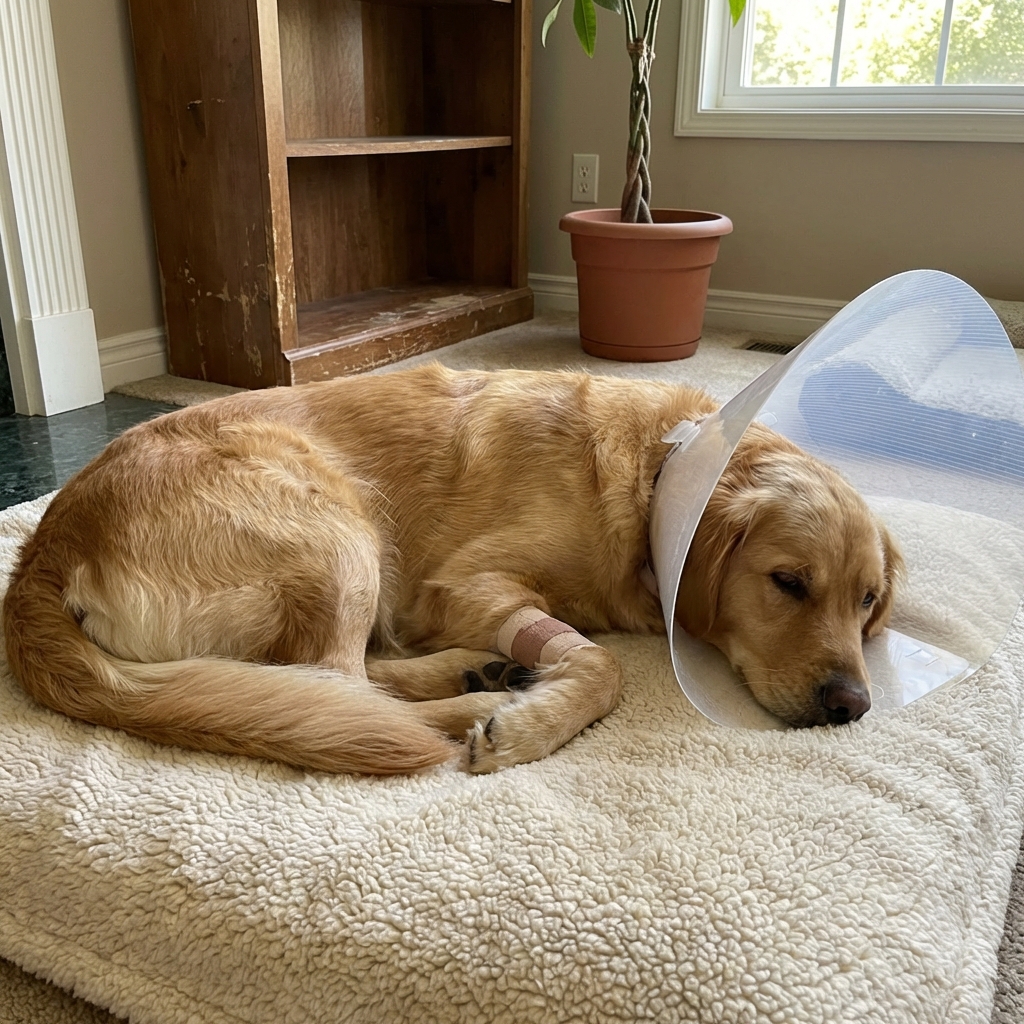
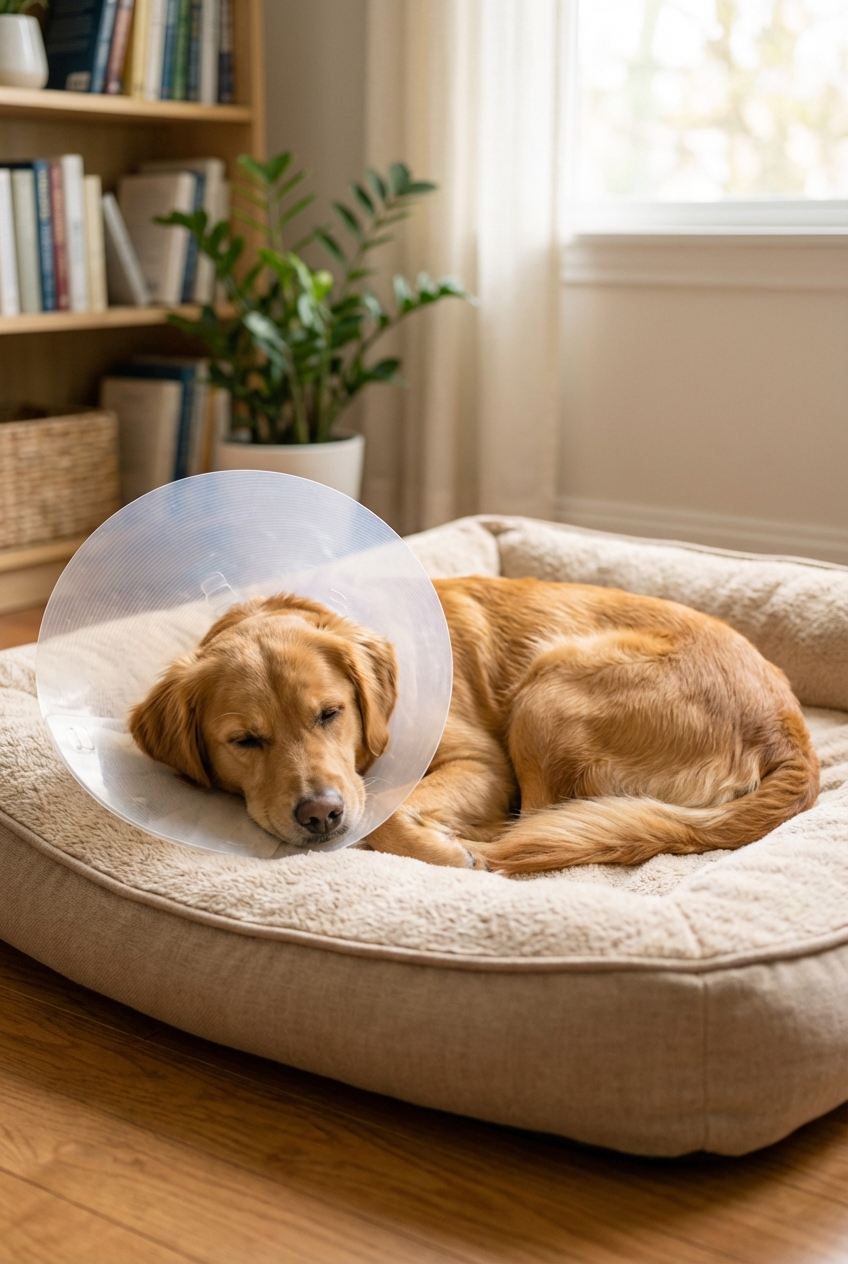
- Use the cone or recovery suit as directed. Licking can quickly turn a clean incision into an emergency.
- Keep your dog comfortably warm, especially after potty breaks. Short, leashed trips only.
- Give medications on schedule and with food if instructed.
- Do not skip rechecks. If your vet scheduled one, it matters even if your dog seems fine.
Quick checklist
- Is my dog warm enough and resting calmly (not overheating)?
- Are gums pink and moist?
- Is breathing calm at rest?
- Is shivering improving over time?
- Is the incision clean, dry, and not oozing?
- Is pain controlled with prescribed meds?
If you answered “no” to any of these, call your veterinarian. If gums are pale, breathing is difficult, your dog has a seizure, or your dog is collapsing, go to the ER immediately.