Understand the top reasons dogs shiver—from cold and excitement to pain, nausea, fever, toxins, and neurologic issues. Get a quick home check and emergency...
Article
•
Designer Mixes
Dog Shivering After Grooming: Normal or Stress?

Shari Shidate
Designer Mixes contributor
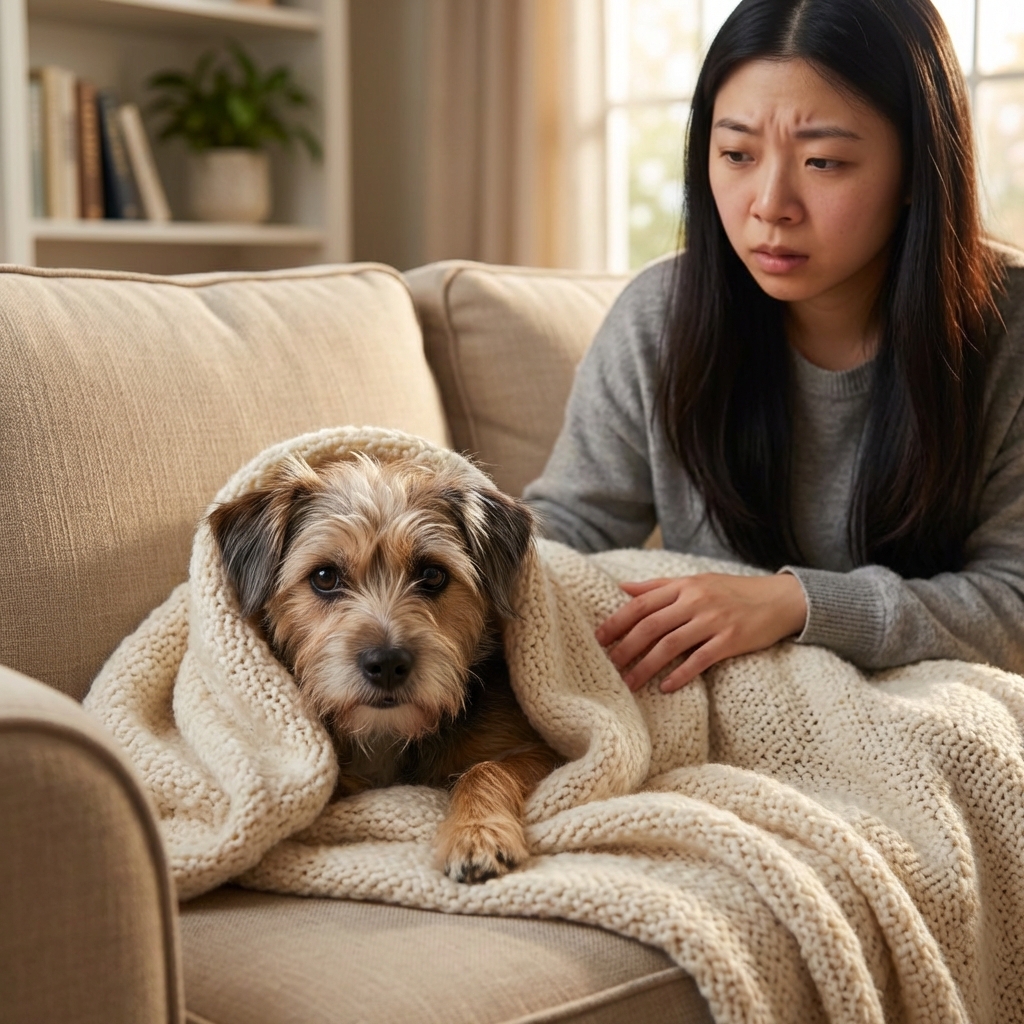
It can be unsettling to pick up your freshly groomed pup and feel them trembling in your arms. The good news is that shivering after grooming can be common, especially in smaller dogs and those with shorter coats, and it is often temporary. But sometimes it is your dog’s way of saying they are cold, overwhelmed, or uncomfortable.
As a veterinary assistant, I like to think of post-groom shivers as a clue. In this article, I’ll help you sort out what’s normal, what’s stress, and when it’s time to call your vet.
Why dogs shiver after grooming
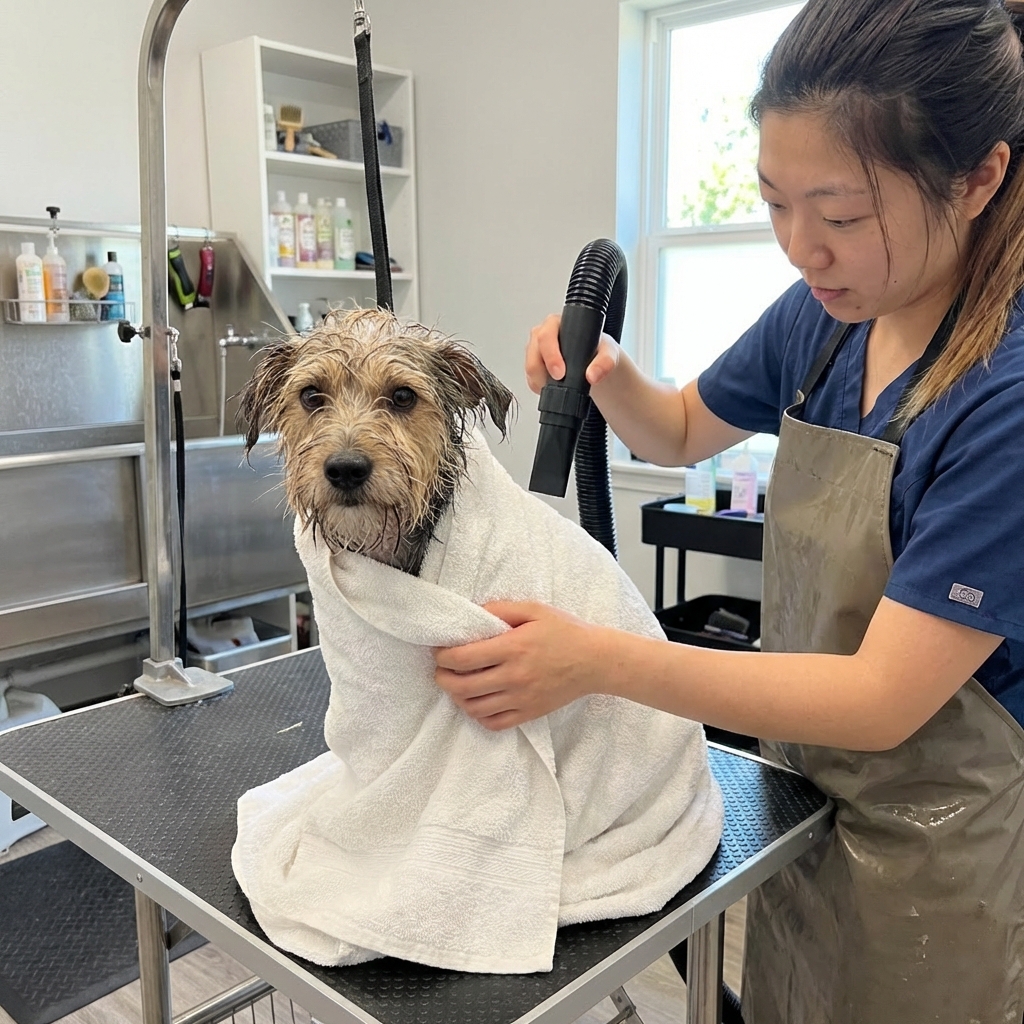
Shivering is a normal body response. Dogs may tremble to generate heat, to cope with adrenaline, or because something feels uncomfortable. After grooming, several triggers can stack up at once.
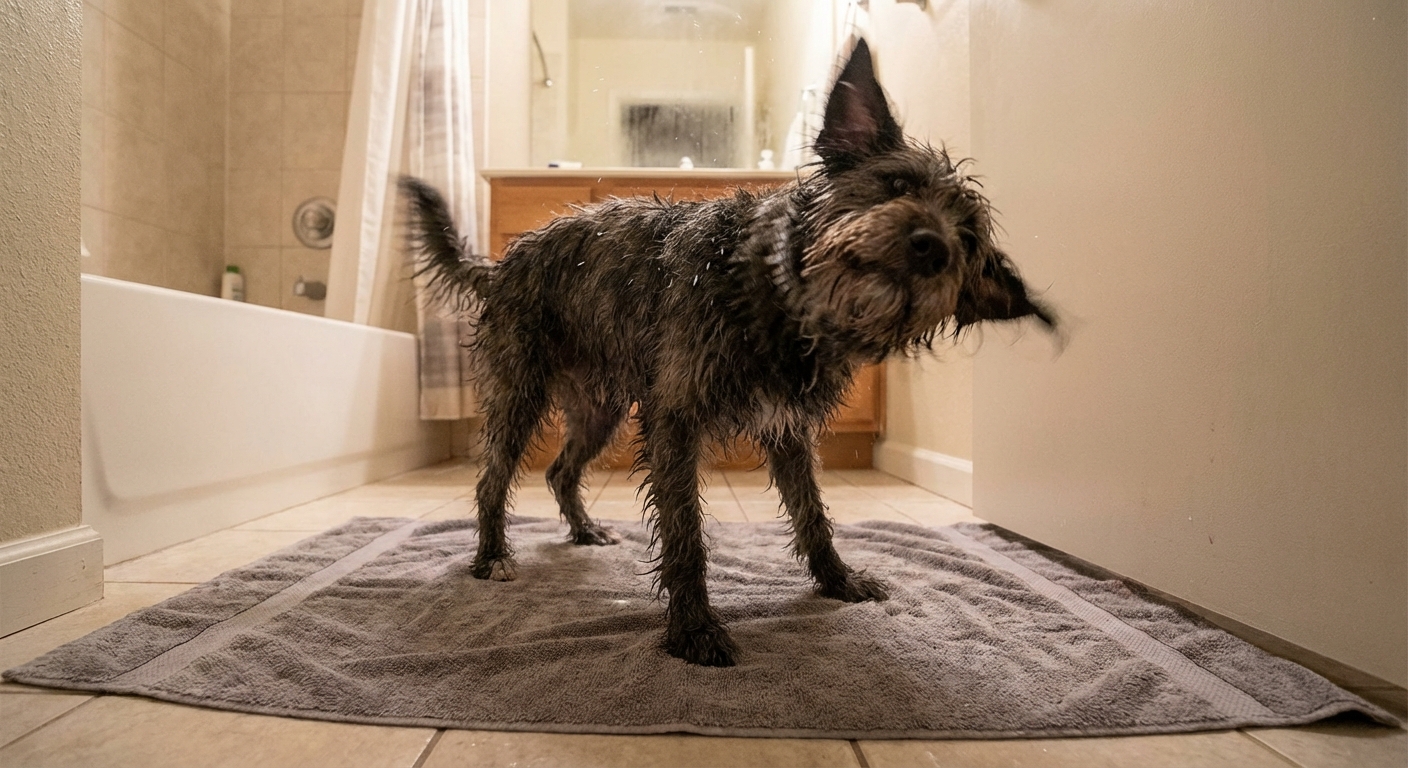
- Cold: Water, clipped hair, air conditioning, and high-velocity dryers can drop skin temperature quickly.
- Stress or adrenaline: New noises, restraint, unfamiliar people, and busy salons can make a dog shake even after the appointment ends.
- Sensory overload: Freshly shortened facial hair, trimmed paw pads, nail grinding vibration, and strong fragrances can feel like “too much.”
- Muscle fatigue: Standing still on a table for an extended time can leave some dogs shaky and tired.
- Pain or irritation: Ear plucking or cleaning, nail trims that are too short, hot spots, clipper irritation, mat removal, or tender skin can cause lingering discomfort.
- Low blood sugar: Small dogs, puppies, seniors, and dogs who skipped a meal may tremble after stress, especially if the appointment ran long.
- Product irritation or reaction: Concentrated shampoo, inadequate rinsing, or sensitive skin can lead to itchiness and discomfort that shows up as shaking.
- Something unrelated: Less commonly, an illness that has nothing to do with grooming (fever, stomach upset, toxin exposure) can happen around the same time.
Normal vs stress shivering
Often normal and short-lived
- Starts right after the bath or blow-dry and improves as your dog warms up
- Your dog is otherwise bright, responsive, and walking normally
- Stops within about 15 to 60 minutes at home
- No yelping, limping, excessive licking, or hiding
More likely stress-related
- Shivering with panting, tucked tail, pinned-back ears, wide eyes, or “whale eye”
- Trying to escape, hiding, or refusing treats when they normally would take them
- Drooling, yawning repeatedly, lip licking, or pacing
- Shaking that returns when you approach brushes, the car, or the salon
One simple question helps: Does the shivering improve with warmth and calm? If a towel, a quiet room, and gentle reassurance help it improve quickly, cold and mild stress are most likely. If it persists, worsens, or comes with other symptoms, it is time to investigate further.
Cold is a common cause
Many dogs come out of grooming with less insulation than they walked in with. Even a double-coated dog can feel chilled when wet. Short-coated breeds, small dogs, seniors, and thin dogs are especially prone to getting cold.
Try this at home:
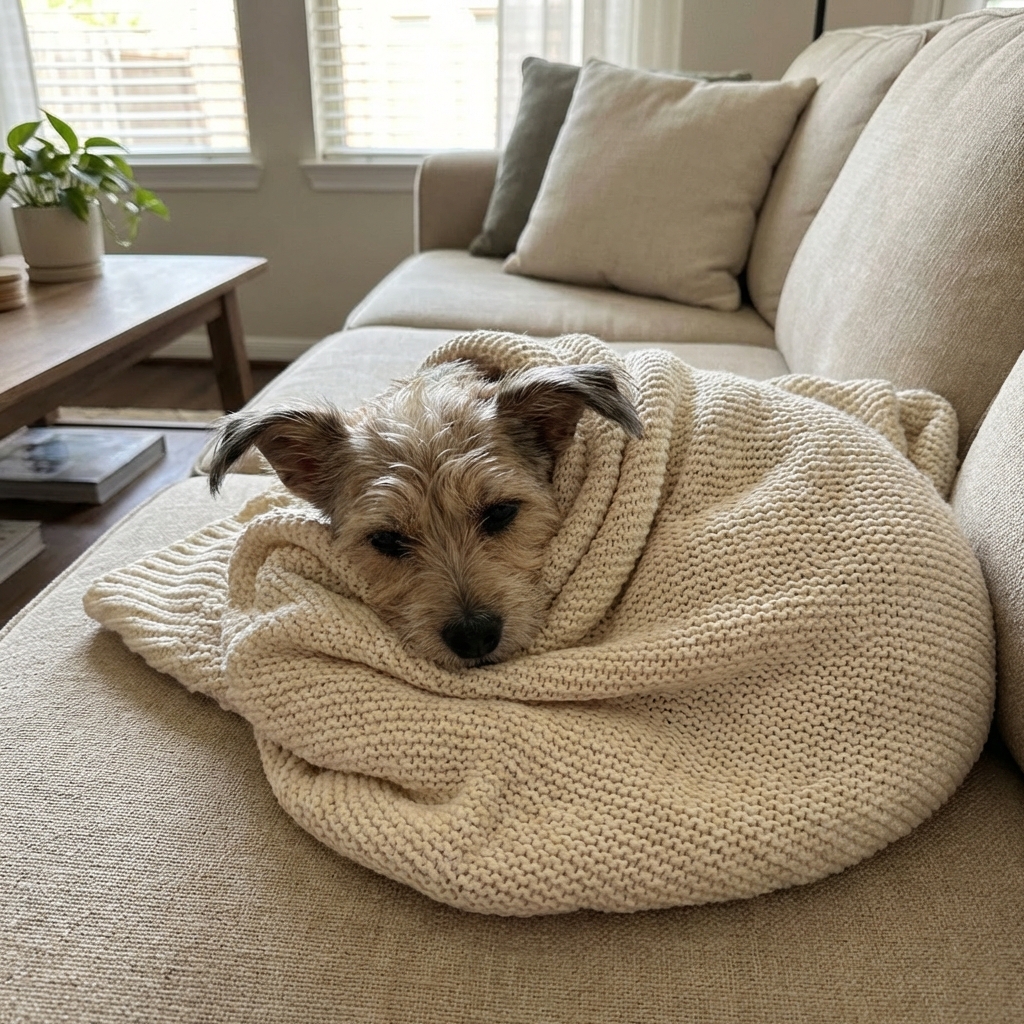
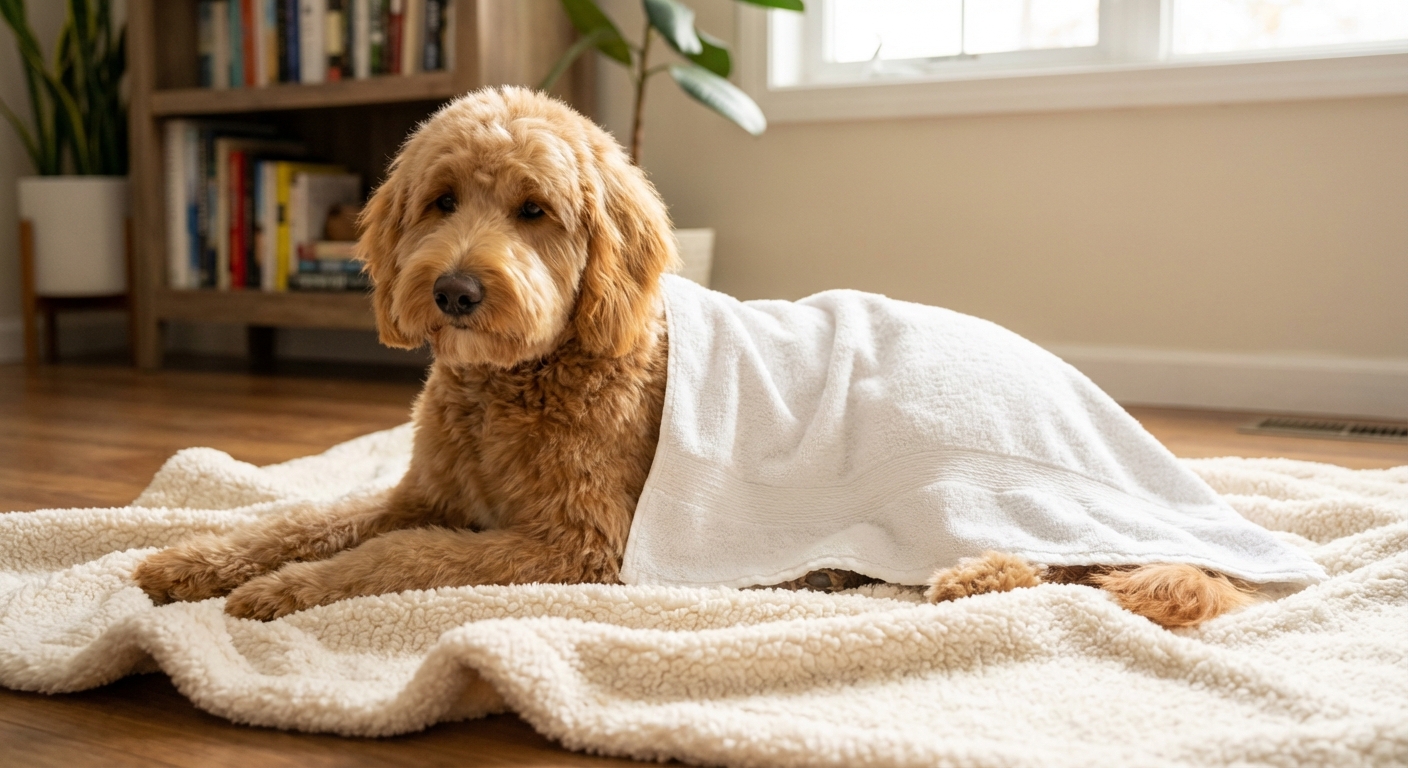
- Wrap your dog in a dry towel or blanket and keep them in a warm room.
- Offer a cozy bed away from vents and drafts.
- If your dog tolerates it, use a low-heat home dryer at a distance, constantly moving, never aimed at one spot.
- Avoid heating pads or hot water bottles unless your vet has instructed you and you can supervise closely. Burns can happen faster than people expect.
- Skip outdoor time until they are fully dry, especially in winter or rainy weather.
Quick home checklist
If your dog is shivering after grooming, a quick check can help you decide what to do next:
- Dryness and warmth: Are they still damp, especially on the belly, legs, or ears? Do they stop shaking as they warm up?
- Breathing: Is breathing calm, or are they panting hard at rest?
- Walking: Any limping, reluctance to use stairs, or “tiptoeing” on slick floors?
- Paws and nails: Licking paws, holding a paw up, or sensitivity when you touch toes?
- Skin: Redness, bumps, rash, or a tender shaved area?
- Ears: Head shaking, scratching, redness, odor, or discharge?
- Appetite and energy: Are they interested in water and food? Are they unusually quiet or “not themselves?”
- Pattern: Do tremors happen at other times too, not just after grooming? If yes, mention that to your vet.
When it may be pain or a grooming issue
Sometimes shivering is a red flag. Here are a few grooming-related causes that deserve attention:
- Nails trimmed too short: You may see limping, licking paws, or reluctance to walk on hard floors.
- Paw pad irritation: Over-trimming between paw pads can make feet feel tender.
- Clipper irritation: Look for redness, tiny bumps, or your dog rubbing against furniture.
- Ear irritation: Head shaking, scratching, ear redness, or a strong odor after cleaning can indicate irritation or an infection flaring up.
- Mat removal soreness: Shaved-down mats can leave skin tight, tender, and sensitive to touch.
- Skin irritation from products: Itchiness, redness, or flaking can happen if a product is harsh, left on too long, or not rinsed well.
If you suspect discomfort, take clear photos of any redness or rash and call the groomer and your veterinarian for guidance. Do not apply human creams unless your vet approves, since many products are unsafe if licked.
How long is too long?
Every dog is different, but as a general rule:
- Up to 1 hour can be normal if your dog was wet, clipped, or clearly chilled and they are steadily improving.
- More than a few hours is a sign to look for pain, illness, or significant stress.
- 12 to 24 hours of continued shaking, or shaking that worsens, deserves a call to your veterinarian.
Call sooner if any of the urgent warning signs below are present.
When to call the vet now
Seek urgent veterinary help if shivering is paired with any of the following:
- Vomiting, diarrhea, or collapse
- Weakness, stumbling, or disorientation
- Labored breathing or blue or pale gums
- Intense pain signs like yelping, guarding, or sudden aggression when touched
- Swelling of the face, hives, or severe itching (possible reaction to grooming products)
- Fever or hypothermia concerns, such as a body that feels unusually hot or very cold to the touch, especially with lethargy. If you have checked a rectal temperature and it is abnormal, contact your vet right away.
If you can, bring the list of products used at grooming and the timing of symptoms. That information helps your vet narrow things down faster.
Prevent shivering next time
Talk with your groomer
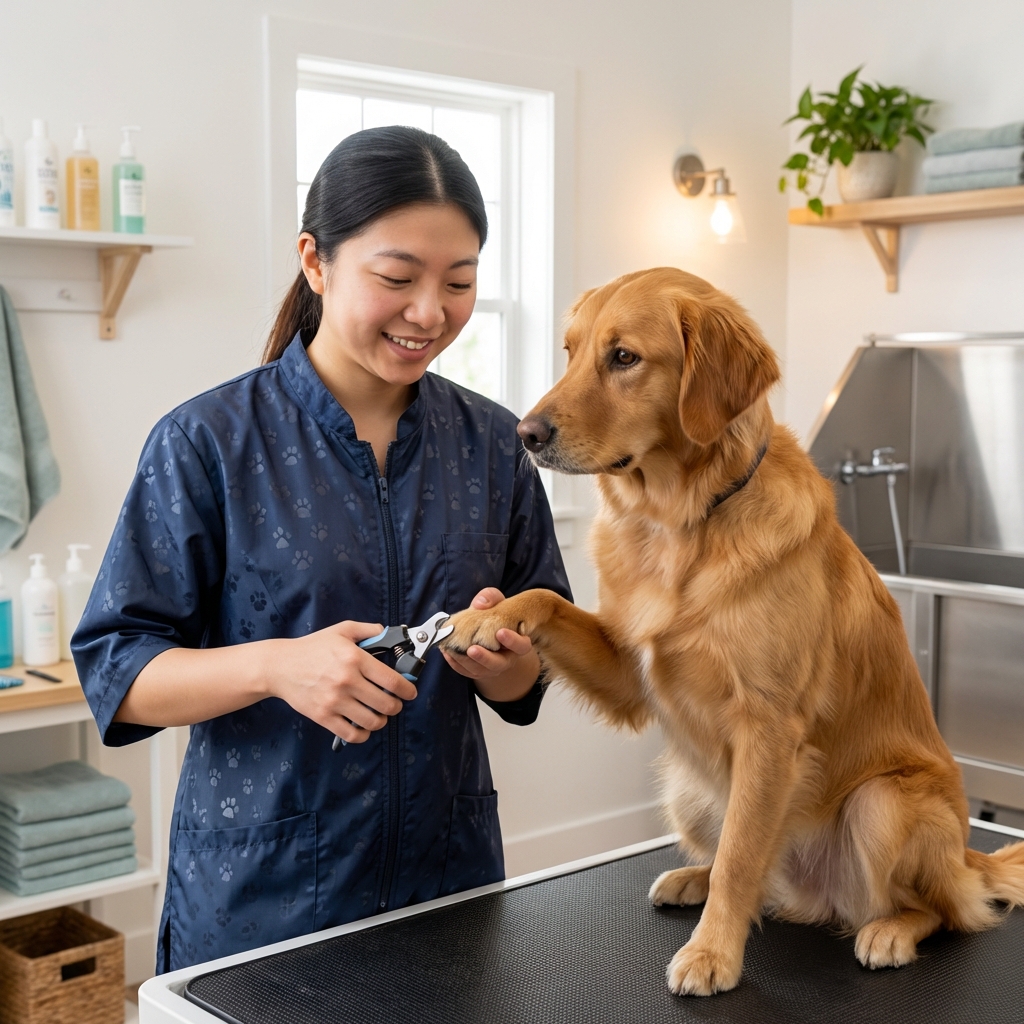
- Ask for a low-stress approach with breaks.
- Request fragrance-free or sensitive-skin shampoo if your dog gets itchy.
- Discuss keeping the coat a little longer in cold months.
- Let them know if your dog has arthritis, ear issues, or anxiety triggers.
- Ask whether your dog is fully dried before pickup, especially in colder weather.
Prep at home
- Practice brief handling sessions: touch paws, lift ears, and reward with treats.
- Bring high-value treats for pickup and the ride home.
- Schedule appointments when the salon is quieter, like weekday mornings.
- Feed a small meal beforehand if your vet says it is okay, especially for toy breeds.
Calm recovery routine
- Warm, quiet room for 30 to 60 minutes after grooming
- Fresh water and a chance to potty
- A gentle cuddle session or lick mat if your dog finds it soothing
The bottom line
Dog shivering after grooming is often temporary, especially when your dog is damp, clipped shorter than usual, or simply recovering from a busy, noisy experience. Most pups settle with warmth and a calm environment.
If the shaking lasts longer than expected, comes with pain, itching, vomiting, weakness, or behavior that feels out of character, trust your instincts and call your veterinarian. You know your dog best, and it is always okay to double-check.