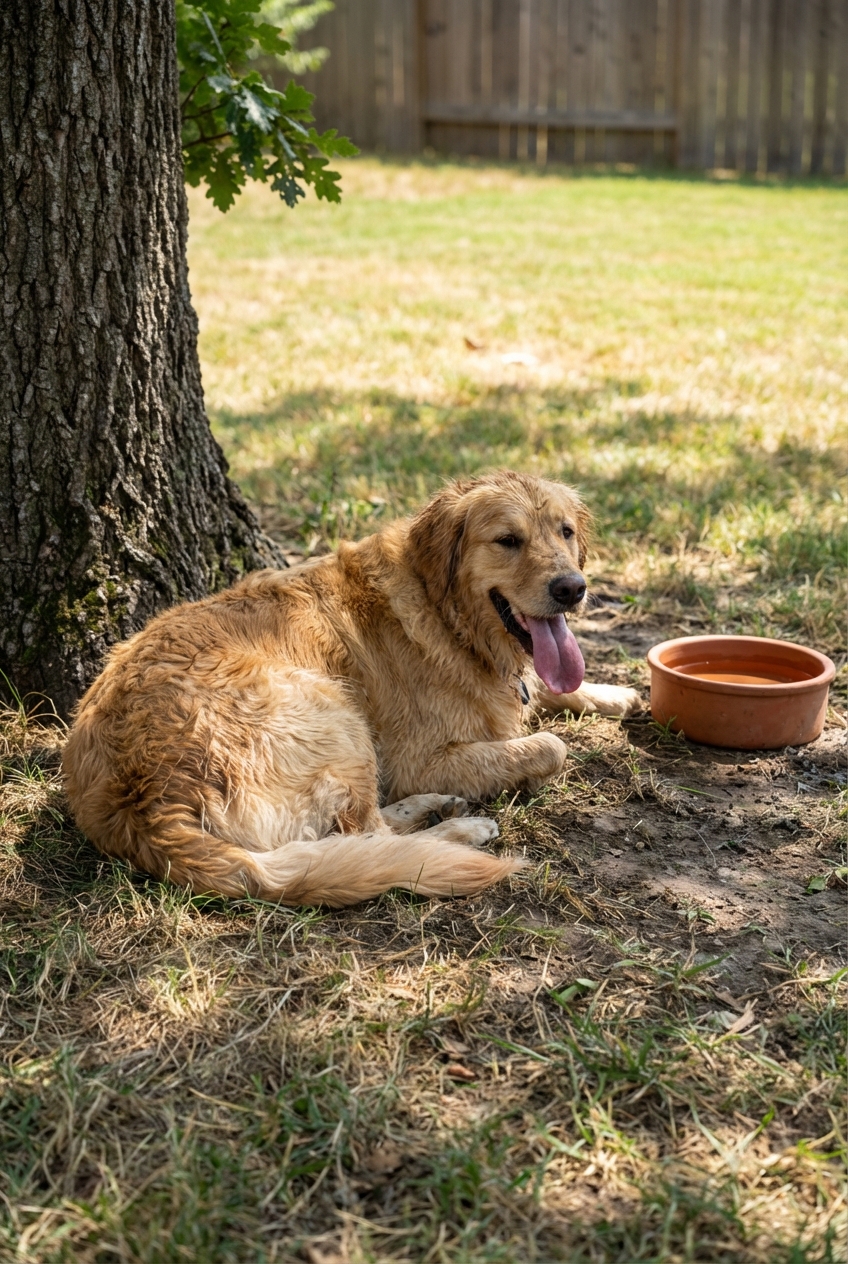
Worried about a shaking dog? Learn common and serious causes, emergency red flags, what to do at home, and when to call your vet—plus tips to prevent futur...
Article
•
Designer Mixes
Dog Shaking and Panting: Pain vs Anxiety

Shari Shidate
Designer Mixes contributor
Seeing your dog shake and pant can be scary, especially when it seems to come out of nowhere. As a veterinary assistant, I can tell you this pattern often fits into two common buckets: pain or anxiety. Sometimes it is both. Depending on your dog’s age, breed, and health history, medical issues can be just as likely, so it helps to zoom out and look at the full picture.
Quick note: This guide can’t diagnose your dog. If your gut says something is off, it is always appropriate to call your veterinarian or an emergency clinic for advice.
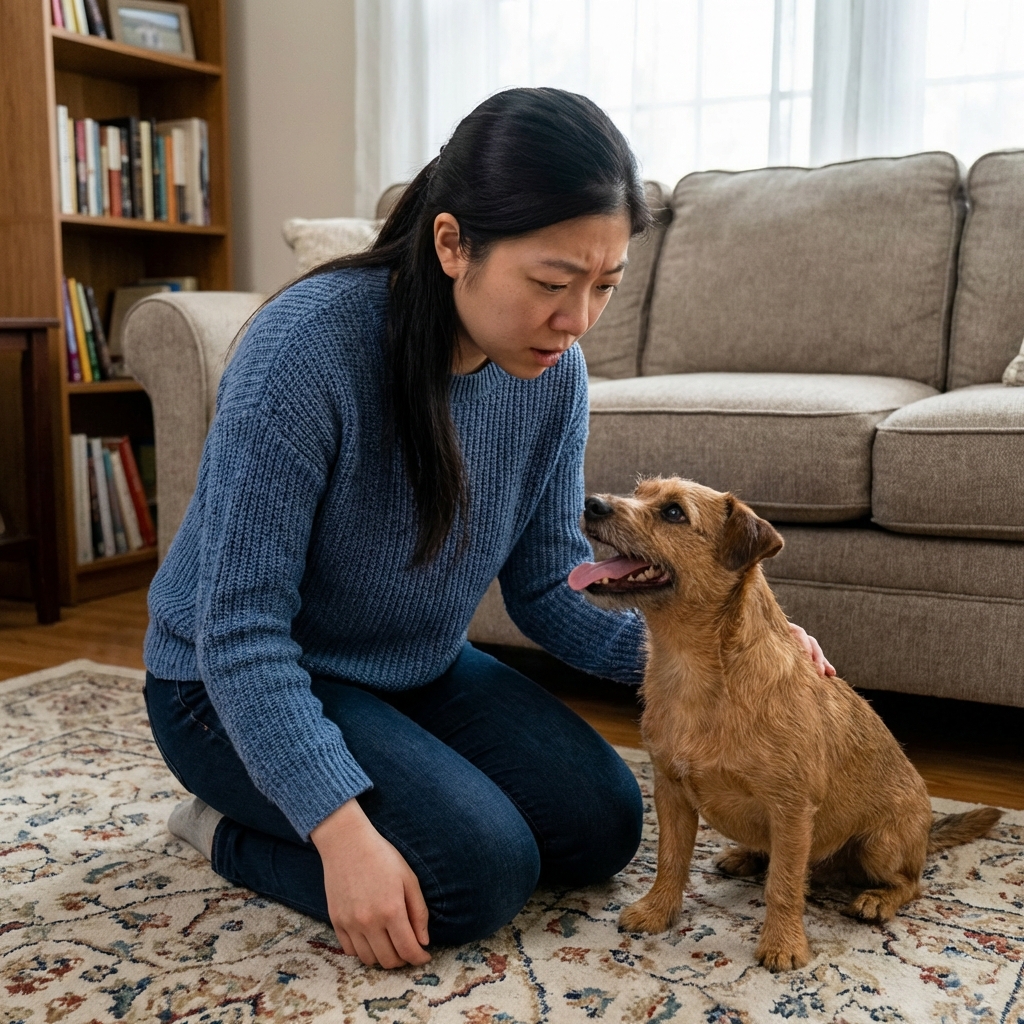
This guide will help you sort out likely causes, recognize red flags, and know what to do next.
Shaking and panting: what it can mean
Panting is a normal cooling mechanism. Dogs pant after exercise, in warm rooms, or when excited. Shaking can be normal too, like shivering when cold or a full-body shake after getting up.
But when panting and shaking happen together, persist, or don’t fit the situation, it commonly points to:
- Pain or discomfort (injury, arthritis flare, abdominal pain, dental pain, back or neck pain)
- Anxiety or fear (thunderstorms, fireworks, separation stress, vet visits, new environments)
- Overheating or heat stroke (a true emergency in severe cases)
- Illness (fever, respiratory disease, heart disease, anemia, metabolic issues like low blood sugar)
- Hormonal or chronic conditions (for example, Cushing’s disease can cause increased panting)
- Toxins or medication side effects (including accidental ingestion of human meds)
- Neurologic causes (tremor syndromes, seizures, or other neurologic events)
Because so many conditions overlap, your best tools are context, body language, and a quick head-to-toe check.
Pain vs anxiety
Common signs of pain
Pain is often quieter than people expect. Many dogs try to “hold it together,” especially in a new place or around unfamiliar people.
- Restlessness, unable to get comfortable, pacing with panting
- Change in posture such as hunched back, tucked abdomen, stiff gait
- Guarding a body part, flinching when touched, or pulling away
- Reluctance to jump, go up stairs, or get into the car
- Limping or “toe-touching” a limb
- Reduced appetite or suddenly picky eating
- Excessive licking of a spot (paws, joints, belly)
- Vocalizing like whining, grunting, or yelping when moving
Common signs of anxiety
Anxiety tends to rise and fall with triggers. The panting and shaking may start rapidly and ease when the trigger is removed.
- Wide eyes, “whale eye,” or scanning the environment
- Pinned back ears, tucked tail, lowered body
- Clinginess, following you closely, trying to get in your lap
- Hiding in closets, bathrooms, under beds
- Yawning, lip licking, or drooling when not hungry
- Startle responses and trembling during noises
- Destructive behavior or attempts to escape
Quick at-home comparison
- If it is anxiety: symptoms often match a known trigger (storm, strangers, car ride) and lessen with calm, distance, or a quiet safe space.
- If it is pain: symptoms often worsen with movement or certain positions and do not fully resolve with reassurance.
That said, a frightened dog can also be in pain, and a painful dog can become anxious. When in doubt, treat it as a medical concern first.
Red flags: call a vet now
Please seek urgent veterinary care or emergency care if you notice shaking and panting along with any of the following:
- Labored breathing, open-mouth breathing at rest, or blue/pale gums or tongue
- Collapse, weakness, disorientation, or seizures
- Swollen abdomen, repeated unproductive retching, or severe restlessness (possible bloat)
- Heat exposure plus heavy panting, drooling, vomiting, bright red gums, or inability to settle
- Suspected toxin ingestion (human meds, xylitol, chocolate, THC, rodent bait, grapes/raisins, antifreeze)
- Vomiting/diarrhea with lethargy, blood, or signs of dehydration
- Sudden severe pain, yelping, or inability to use a limb
- New panting in an older dog, especially at night, or with coughing (can be cardiac or respiratory)
About gum color: “Bubblegum pink” is a helpful rule of thumb, but some dogs have naturally dark or black pigmentation on their gums. If that is your dog, compare to their normal and look at the tongue and the inner eyelids. If you know how to check capillary refill time safely, that can help too.
Bright red gums can be a serious sign (for example, heat stroke or severe infection), but gums can also look redder with excitement. Context matters. If bright red gums show up with heat exposure, vomiting, weakness, confusion, or your dog cannot settle, treat it as urgent.
At-home checks
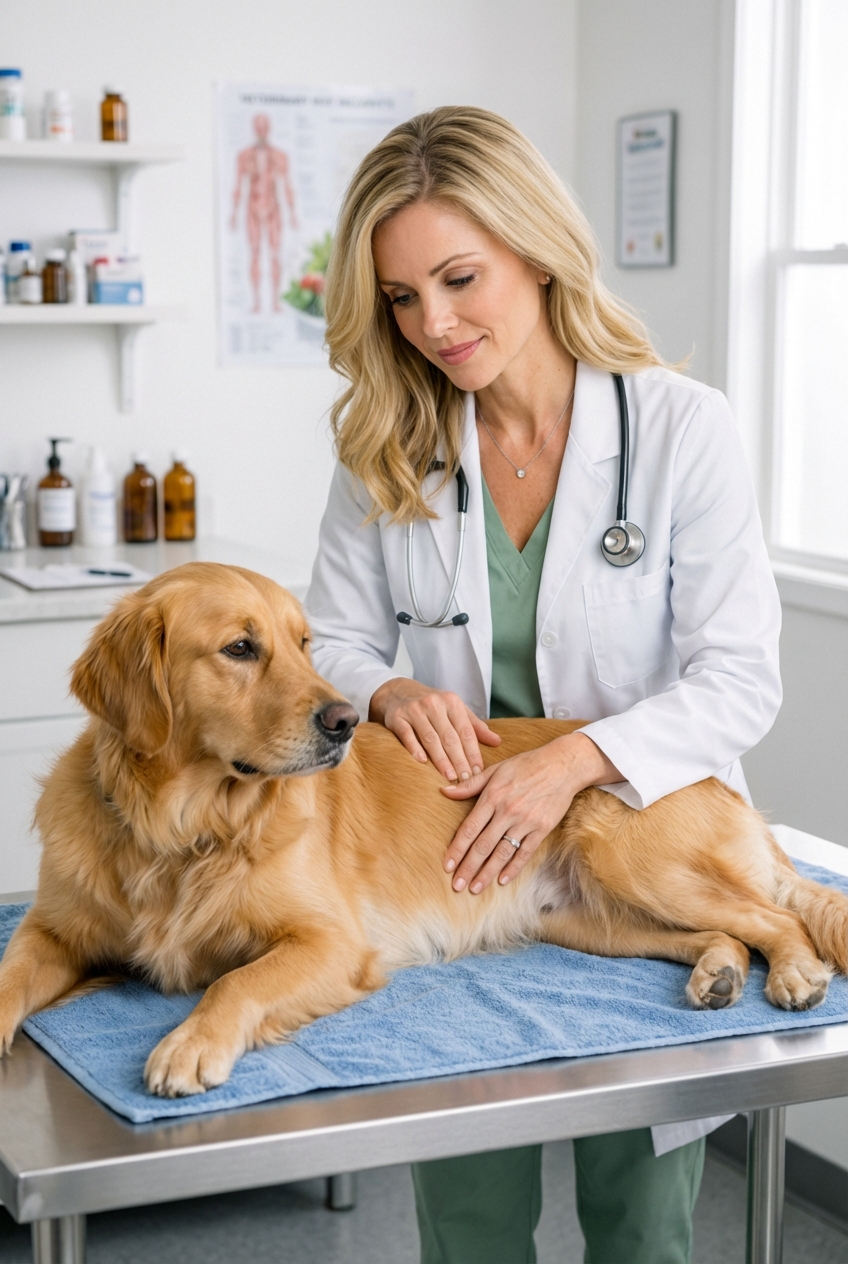
These quick observations can give your vet valuable clues. Keep things calm, speak softly, and avoid forcing movement.
Safety first: Do not risk a bite. Dogs in pain or fear can snap, even if they are usually very sweet. If your dog is growling, stiff, or trying to get away, stop and call your vet.
1) Check the environment
- Is it hot or humid indoors?
- Did your dog just exercise or play hard?
- Any recent stressful event: storm, visitors, travel, fireworks?
2) Look at gums and breathing
- Gums and tongue should usually be pink and moist (or consistent with your dog’s normal pigment).
- Breathing should look easy, not heaving, and not noisy.
If gums or tongue look pale, gray, blue, or unusually bright red with other concerning signs, or breathing seems difficult, treat it as urgent.
3) Do a gentle pain scan
- Watch your dog walk a few steps. Any limp, stiffness, or reluctance to move?
- Without pressing hard, gently touch along the legs, paws, and back. Any flinch or yelp?
- Check paws for foxtails, cuts, broken nails, or stuck debris.
4) Consider temperature (optional)
Only take a rectal temperature if you are comfortable doing it and have a pet thermometer. A normal range is often around 101 to 102.5°F (38.3 to 39.2°C). In heat stroke, temperatures are often over 104°F (40°C), and this is an emergency.
5) Note timing
- Did this start suddenly or build gradually?
- Is it worse at night or after activity?
- Does it stop when your dog rests in a quiet room?
Write down what you see or take a short video. Videos are incredibly helpful for your veterinary team.
When to monitor vs book a visit
Ok to monitor (if your dog is otherwise normal)
- A brief episode after excitement or mild stress that resolves within minutes once things calm down
- Panting after moderate exercise that improves with rest, water, and a cool room
- Mild trembling in a cold room that stops with warmth
Even in these situations, monitor closely. If episodes repeat, last longer, or your dog seems “not themselves,” call your vet.
Book a non-urgent appointment soon
- Shaking and panting that happens repeatedly (daily or weekly), even if it improves
- New nighttime panting, reduced stamina, or coughing
- Subtle signs of pain: stiffness, avoiding stairs, slower to rise, appetite changes
- New anxiety behaviors that are increasing or affecting quality of life
Pain-related causes
If your dog’s body language looks uncomfortable or the symptoms worsen with movement, these are some common medical causes your vet may consider.
Musculoskeletal pain
This is one of the most common reasons we see panting with trembling. Dogs may shake after slipping, jumping off furniture, or even after a “normal” play session.
Abdominal pain
Stomach upset, pancreatitis, intestinal blockage, and bloat can all cause panting, shaking, and restlessness. If your dog cannot get comfortable, has a distended belly, or retches without producing vomit, seek care immediately.
Dental pain
Infected teeth and gum disease can cause subtle, chronic discomfort. Some dogs pant more, paw at the mouth, or suddenly avoid kibble or chew toys.
Nausea and GI upset
Nausea can look like panting, drooling, lip licking, and restlessness. Some dogs also tremble. If symptoms persist, or you see vomiting, diarrhea, or belly pain, call your vet.
Fever or systemic illness
Dogs can tremble with fever and pant from discomfort. If your dog is lethargic, not eating, or seems “off,” it is worth a veterinary visit.
Anxiety-related causes
Noise phobias
Thunder, fireworks, construction, and even loud TVs can trigger shaking and panting. Many dogs also drool and try to hide.
Separation anxiety
Some dogs pant and tremble when they anticipate you leaving, or shortly after you are gone. You may also see vocalizing, destruction near doors, or accidents in the house.
New places and overstimulation
Busy parks, crowded patios, or unfamiliar homes can overwhelm sensitive dogs. Panting and shaking may be paired with scanning, tucked posture, and avoidance.

What you can do now
If you suspect anxiety
- Create a safe zone: a quiet room, covered crate, or interior bathroom away from windows.
- Lower stimulation: dim lights, turn on a fan or white noise, and keep voices soft.
- Offer a calming activity: lick mats, stuffed food toys, or gentle scent games if your dog will eat.
- Stay neutral and steady: reassurance is fine, but avoid frantic energy that can intensify the moment.
If anxiety episodes are frequent, talk with your veterinarian. Behavior training plus appropriate medication or supplements can be life-changing for some dogs.
If you suspect pain
- Limit movement: leash walks only, no jumping or stairs if possible.
- Make them comfortable: soft bedding, easy access to water, quiet rest.
- Call your vet: describe the symptoms and ask whether you should come in today.
Important: Do not give human pain medications like ibuprofen, naproxen, aspirin, or acetaminophen unless your veterinarian specifically instructs you to. These can be dangerous and even fatal for dogs.
Other medical causes
Sometimes shaking and panting are neither pain nor anxiety. A few common examples owners ask about:
- Overheating: especially in brachycephalic breeds (like Frenchies), overweight dogs, and thick-coated dogs. Move to a cool area, offer water, and call a vet. If you suspect heat stroke, begin gentle cooling (cool air, cool wet towels on body, not ice baths) and seek emergency care.
- Low blood sugar: more common in tiny dogs and puppies, and can cause trembling and weakness.
- Medication effects: steroids like prednisone can cause increased panting. Some stimulatory medications can too.
- Heart or lung issues: disease can cause panting, faster breathing, or exercise intolerance.
- Laryngeal paralysis: often in older large-breed dogs, can cause noisy breathing, increased panting, and heat intolerance.
- Toxin exposure: tremors plus panting can occur with certain poisons or inappropriate substances.
- Neurologic tremors: some dogs develop tremor syndromes that look like shaking, and stress can make them worse.
If symptoms are new, intense, or escalating, it is always appropriate to call your vet or an emergency clinic for guidance.
How vets figure it out
At the clinic, your veterinarian will typically start with a physical exam and targeted questions, then recommend testing based on what they find. Common next steps include:
- Temperature, heart rate, respiratory rate, gum and tongue color
- Pain assessment including orthopedic and abdominal palpation
- Review of current medications and supplements, recent diet changes, and toxin risks
- Bloodwork and urinalysis to check for infection, metabolic issues, anemia, and organ function
- X-rays or ultrasound if injury, abdominal pain, or heart/lung issues are suspected
- Depending on findings: blood pressure, ECG, or other heart and airway evaluations
The more detail you can provide about timing, triggers, and any recent diet or medication changes, the faster your team can narrow it down.
Prevention tips
- Keep a simple symptom log: what happened right before, how long it lasted, and what helped.
- Support joint health in prone breeds with vet-approved weight management and appropriate exercise.
- Plan ahead for storms: safe room setup, white noise, and early intervention as soon as weather shifts.
- Routine wellness care: dental checks, senior screenings, and heartworm prevention all matter.
- Pet-proof your home: store medications, xylitol products, and toxins securely.
Trust your instincts. If your dog’s panting and shaking feels “not normal for them,” it is worth a call to your veterinary clinic.
Quick FAQ
Can a dog shake and pant from excitement?
Yes. Some dogs pant and tremble when they are highly aroused, like during greetings or play. The difference is that it typically resolves quickly once things calm down.
Is panting at night a concern?
It can be. Nighttime panting may relate to pain, cognitive changes, respiratory issues, heart disease, or hormonal conditions. If it is new or increasing, schedule a vet visit.
What if my dog shakes when resting?
Resting tremors can happen with cold, anxiety, pain, nausea, metabolic issues, or neurologic causes. If it is persistent or paired with weakness, vomiting, or abnormal behavior, get veterinary guidance.