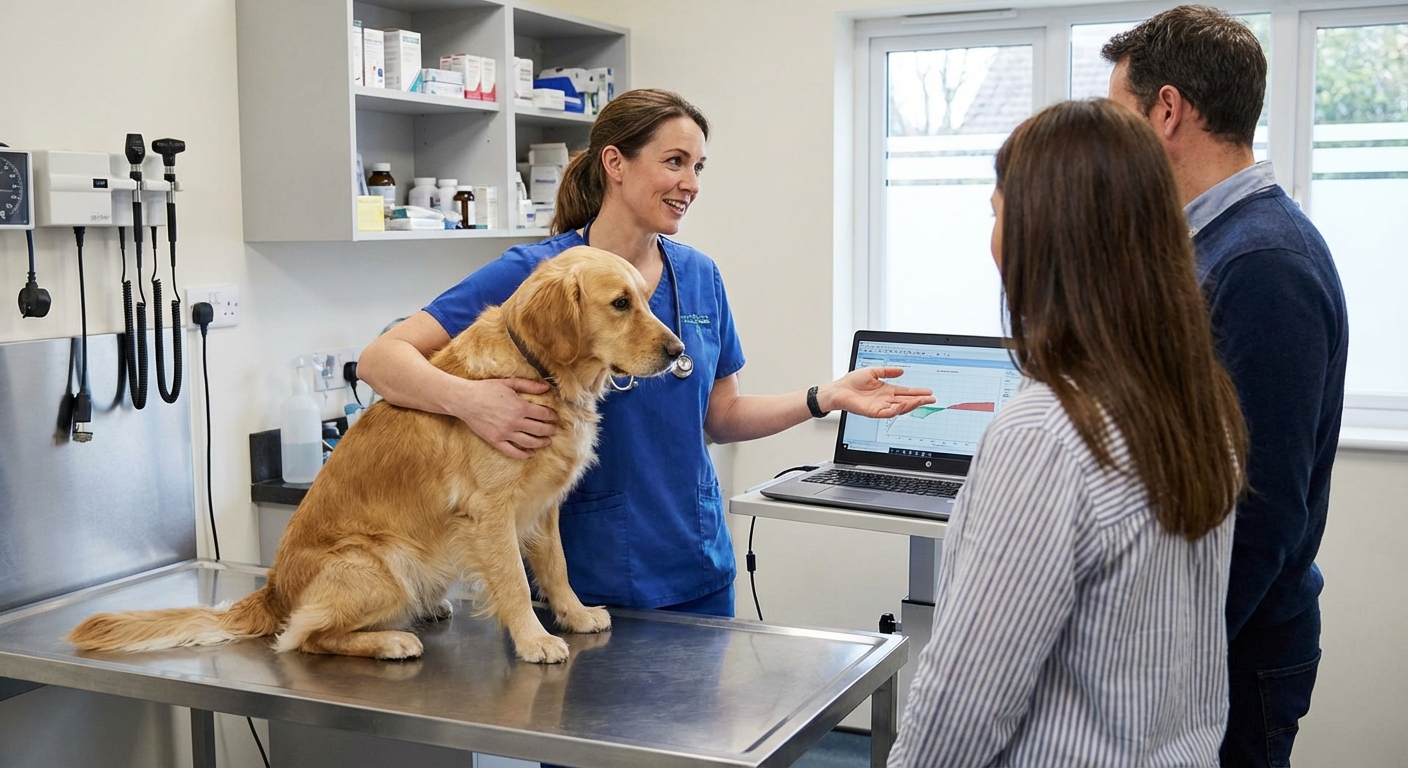
Understand the difference between a one-time seizure and epilepsy, what vets test for, when daily medication is needed, common meds, side effects, monitoring...
Article
•
Designer Mixes
Dog Seizures in Older Dogs: Causes and Next Steps

Shari Shidate
Designer Mixes contributor
Seeing an older dog have a seizure can be terrifying, even for people who have cared for dogs their whole lives. As a veterinary assistant, I want you to know two things right away: many seizures are treatable, and what you do in the first few minutes can make a real difference for your dog’s safety.
This guide walks you through what seizures can look like in senior dogs, common causes, what to do during and after an episode, and what your veterinarian will likely recommend next.
Medical note: This article is for general education and is not a substitute for veterinary care. If you are worried about your dog’s immediate safety, contact your veterinarian or an emergency clinic right away.
What is a seizure?
A seizure is a sudden burst of abnormal electrical activity in the brain. It can cause full-body convulsions, but it can also look much more subtle, especially in senior dogs.
Common seizure signs
- Generalized (grand mal) seizure: collapse, stiffening, paddling legs, jaw chomping, drooling or foaming, loss of bladder or bowel control, vocalizing.
- Focal seizure: twitching of one side of the face, lip smacking, staring, head bobbing, one limb jerking, sudden frantic behavior.
- Post-ictal phase: after the seizure, many dogs seem confused, restless, temporarily blind, wobbly, or very tired. This can last minutes to hours.
Senior dogs can also have episodes that mimic seizures, such as fainting (syncope), vestibular disease (a sudden balance issue), or severe tremors. A video of the event can help your vet tell the difference.
Why new seizures need attention
Idiopathic epilepsy most often begins in younger adulthood. When seizures start for the first time in a senior dog, veterinarians become more suspicious of an underlying cause such as metabolic disease, toxin exposure, or brain changes like a tumor or inflammation.
That does not mean the outlook is hopeless. It means we should take the “why now?” question seriously and start a thoughtful workup.
Common causes in older dogs
1) Metabolic and organ-related causes (very common)
When the body’s chemistry is off, the brain can become more seizure-prone. In senior dogs, common metabolic triggers include:
- Liver disease (toxins not cleared well, including hepatic encephalopathy)
- Kidney disease (electrolyte and toxin imbalances)
- Low blood sugar (can happen with certain tumors, sepsis, or medication issues)
- Electrolyte abnormalities (especially sodium or calcium shifts)
- High blood pressure that may be associated with neurologic events
2) Brain-related causes
These are conditions inside the skull that affect brain tissue directly:
- Brain tumors (meningiomas are a classic concern in older dogs)
- Inflammation or infection (meningoencephalitis, tick-borne disease complications, fungal disease in some regions)
- Bleeding or other structural brain events (seizures can happen, but some brain events are more likely to cause sudden neurologic changes that can also look seizure-like)
- Cognitive dysfunction does not typically cause true seizures by itself, but senior brain changes can coexist with seizure disorders
3) Toxins and medication exposures
Dogs do not “age out” of accidental poisoning. Seniors may be more sensitive, and chronic disease can reduce tolerance. Common triggers include:
- Human medications (especially stimulants, antidepressants, and some sleep aids)
- THC products and other recreational drug exposures (often cause wobbliness, lethargy, or tremors, and in severe cases can contribute to seizures)
- Xylitol (in many sugar-free products)
- Insecticides and certain flea and tick products if mis-dosed
- Rodenticides and other household chemicals
4) Heart-related events that look like seizures
Some dogs collapse from an abnormal heart rhythm or fainting, then briefly paddle or twitch due to low oxygen. This can look seizure-like but needs a different workup and treatment.
If your dog is older and this is the first seizure you have ever seen, it is safest to treat it as urgent and get veterinary guidance the same day.
What to do during a seizure
Your job is safety, timing, and observation. Try not to panic. Seizures often last under 2 minutes, but there is a wide range. Any seizure approaching 5 minutes is an emergency.
Step-by-step
- Start a timer on your phone. Duration matters medically.
- Clear the area so your dog cannot hit furniture, fall down stairs, or get tangled.
- Dim lights and reduce noise if possible.
- Do not put your hands near the mouth. Dogs do not “swallow their tongues,” but they can bite involuntarily.
- Do not restrain your dog’s body or limbs. You can unintentionally get hurt, and your dog can also be injured.
- Gently protect the head with a folded towel under the cheek if it is safe to do so.
- Keep other pets and children away.
- If your vet has prescribed rescue meds (like intranasal or rectal medication), follow your veterinarian’s instructions exactly.
Transport safety
If your dog is actively seizing, focus on keeping them safe where they are. Do not attempt to move or transport them during the seizure unless your veterinarian specifically instructs you to. Once the seizure stops and your dog is more stable, you can transport more safely.
When it is an emergency
Seek emergency care immediately if any of these apply:
- The seizure lasts more than 5 minutes.
- Your dog has two or more seizures within 24 hours (often defined as cluster seizures).
- Your dog does not return to normal awareness between seizures.
- The seizure happened after a known or suspected toxin exposure.
- Your dog is struggling to breathe, has blue gums, or has significant injury.
- This is a first-time seizure and your dog is very old, has obvious new neurologic problems (like severe imbalance, persistent head tilt, one-sided weakness), or the post-ictal confusion is unusually prolonged.
Heat management (only if needed)
Long or repeated seizures can cause overheating. While you arrange emergency care, your vet may recommend gentle cooling like a fan or cool (not ice-cold) damp cloths on the paws, belly, and ears. Avoid ice baths or aggressive cooling unless you are specifically guided to do so.
What to do after a seizure
Many dogs are disoriented afterward. Some pace, some cling, some seem temporarily blind. This can be part of the normal post-ictal phase.
- Give space and stay safe. A confused dog can bite out of fear, even if they are normally gentle.
- Keep your dog in a safe, quiet space with soft footing.
- Offer water once fully awake and able to swallow normally.
- Hold off on food until your dog is steady and oriented, unless your vet advises otherwise.
- Check temperature if you can. Long seizures can cause overheating.
- Write down details: time, duration, what it looked like, triggers (sleeping, excitement), and recovery time.
- Film the recovery too if your dog is safe. Post-ictal behavior helps your vet.
What your vet may do next
The goal is to answer two questions: (1) is this truly a seizure, and (2) what is causing it?
Likely diagnostic steps
- Full physical and neurologic exam
- Bloodwork and urinalysis to check liver, kidneys, glucose, electrolytes, infection indicators
- Blood pressure measurement
- Bile acids testing if liver function is a concern
- Infectious disease testing depending on geography and history (tick-borne diseases, fungal risks)
- Chest and abdominal imaging may be recommended if systemic disease is suspected
- Advanced imaging like MRI or CT if a brain cause is suspected, especially with late-onset seizures or neurologic deficits
Do not be discouraged if your veterinarian recommends a stepwise approach. Many clinics start with the most common and treatable causes first.
Treatment options
For many dogs, the goal is not always “never another seizure,” but fewer seizures that are shorter and safer, with minimal medication side effects.
When daily seizure medication is considered
- More than one seizure every 4 to 6 weeks
- Cluster seizures
- Status epilepticus (seizure lasting longer than 5 minutes)
- Severe post-ictal signs
- Underlying brain disease where ongoing seizures are expected
Common medical approaches
- Anti-seizure medications chosen based on your dog’s health profile and seizure pattern (common examples include phenobarbital, levetiracetam, potassium bromide, and zonisamide)
- Rescue medications for home use in dogs prone to clusters
- Treating the underlying cause (for example correcting low blood sugar, addressing toxins, managing liver disease)
Medication choices are individualized. Seniors often need extra monitoring because liver and kidney function affects how drugs are processed.
How to help at home
Make a seizure-safe plan
- Block off stairs and sharp-edged furniture if your dog wanders during recovery.
- Use rugs or yoga mats for traction.
- Keep your veterinarian’s emergency number and the nearest ER address saved in your phone.
- Ask your vet if you should keep rescue medication on hand.
Track patterns
A simple seizure log is incredibly helpful. Include:
- Date and time
- Duration
- Type of seizure signs
- What your dog was doing right before it started
- Recovery time and behavior
- Any recent changes: new foods, new meds, flea products, stressful events
Nutrition and supplements
Good nutrition supports overall health, but supplements can also interact with medications or worsen certain conditions. Before adding CBD, herbs, essential oils, or new supplements, check with your veterinarian, especially in older dogs with liver or kidney disease.
If you are interested in fresh, home-prepared food, talk with your vet or a veterinary nutritionist so the diet is balanced for a senior dog’s needs and any medical issues. A strong baseline diet does not replace seizure treatment, but it can support better energy, steadier weight, and healthier organ function.
Questions to ask your vet
- Do you think this was a true seizure or could it have been fainting?
- Do my dog’s age and exam findings suggest a brain cause?
- What tests do you recommend first, and why?
- At what point would you start daily anti-seizure medication?
- Should we have rescue medication at home for clusters?
- What side effects should I watch for with the medication you are prescribing?
- Should my dog avoid any activities right now (stairs, swimming, off-leash time)?
Bottom line
New seizures in a senior dog are a big deal, but they are also something you can navigate with a calm plan and good veterinary support. Time the seizure, keep your dog safe, and get guidance quickly, especially if it lasts close to 5 minutes, lasts more than 5 minutes, or happens in clusters. With the right workup and treatment plan, many older dogs go on to enjoy happy, comfortable years.