
Dog Seizures at Night: Why They Happen and What to Do

Waking up to your dog seizing is one of the most frightening moments a pet parent can face. It is dark, you are disoriented, and your brain instantly goes to worst-case scenarios. Take a breath. Most seizures are brief, and there are practical steps you can take to protect your dog and get the right help.
Seizures are also often noticed at night because many dogs seize during sleep, while falling asleep, or in that quiet “resting on the couch” state. Below, I will walk you through why that happens, exactly what to do in the moment, when to call an emergency vet, and how to set up a safer sleeping space if your dog is seizure-prone.
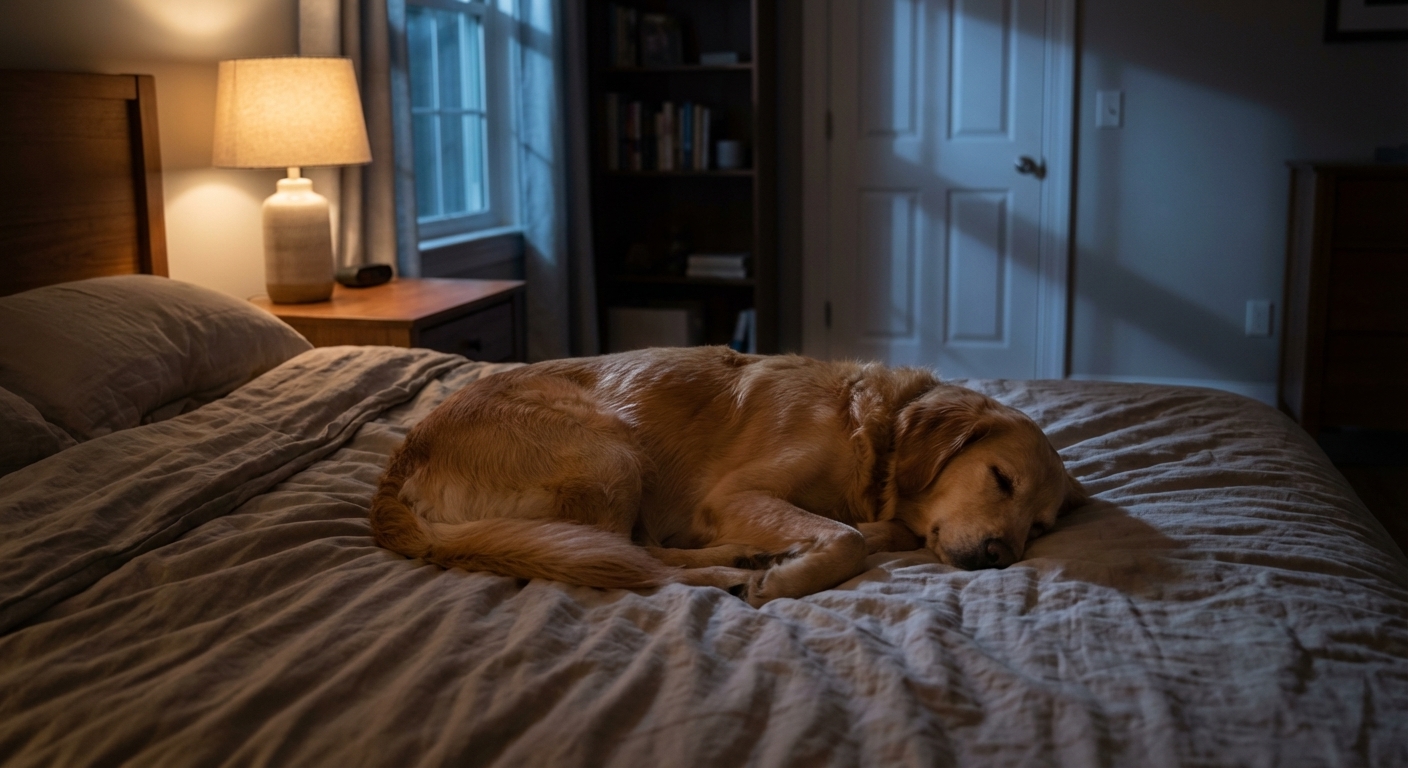
Why seizures often happen at night
Seizures are caused by abnormal, excessive electrical activity in the brain. The reason they can seem to cluster at night is not because the night itself is dangerous, but because of what your dog’s brain is doing during sleep and rest.
Sleep cycles change brain activity
Dogs cycle through non-REM sleep (deeper, slower brain waves) and REM sleep (more active brain waves, dreaming, twitching). In both humans and dogs, seizure likelihood can change depending on sleep stage.
- During transitions (falling asleep, switching sleep stages, waking up), the brain’s electrical patterns shift quickly. For some dogs with epilepsy or underlying brain disease, these transitions can lower the seizure threshold.
- During deeper rest, changes in arousal and brain rhythms can make seizures more likely in some dogs.
Lower “seizure threshold” during relaxation
Think of seizure threshold as how much “stability” the brain has before it tips into a seizure. For some dogs, drowsiness and deep relaxation can make it easier for abnormal electrical activity to spread. That is why many owners notice seizures when their dog is:
- Asleep in bed
- Napping after a long day
- Resting after exercise
- Quietly lying down in the evening
Night makes seizures easier to miss
At night, you may not see early focal seizure signs that would be obvious during the day. Instead, you wake up when the seizure is already underway and looks dramatic. That does not always mean it is worse at night. It often means you did not catch the first subtle moments.
Other factors that can contribute
Not every nighttime seizure is purely about sleep cycles. These factors can play a role too:
- Medication timing: If anti-seizure meds wear off overnight, seizures may cluster in the early morning hours. This is a common reason vets adjust dosing schedules.
- Blood sugar dips: Small dogs, puppies, and dogs with certain metabolic conditions can have low blood sugar overnight, which may trigger seizures.
- Underlying illness: Liver disease, kidney disease, toxin exposure, brain inflammation, and brain tumors can all lower seizure threshold at any hour, including nighttime.
- Heat, stress, or overstimulation earlier in the day: Some dogs “pay for it later,” and seize during the nighttime recovery period.
If your dog has repeated seizures during sleep, do not assume it is just “normal dreaming.” A true seizure needs veterinary attention, even if your dog seems fine afterward.
Is it a seizure or dreaming?
Dogs can twitch, paddle, whimper, and even “run” in their sleep during REM dreaming. That can look scary, but it is typically harmless. Here are practical clues.
More like dreaming
- Mild twitching of paws, ears, or face
- Soft vocalizations
- They can be awakened and will respond to you (even if grumpy)
- No loss of bladder or bowel control
- No post-episode confusion
Safety note: If you try to wake a dreaming dog, do it by calling their name or making a gentle sound first, not by touching them. Some dogs can startle and bite when woken suddenly.
More like a seizure
- Stiffening, full-body shaking, or rhythmic jerking that escalates
- Loss of awareness or inability to respond
- Jaw chomping, drooling, or foaming
- Urination or defecation during the event
- Afterward: confusion, pacing, temporary blindness, clinginess, or increased hunger
Also, not all seizures look like full-body shaking. Some are subtle, especially in the beginning (staring, lip smacking, facial twitching, “fly-biting”), and can be easy to miss in the dark.
If you are unsure, take a video (only if it is safe). Nighttime videos are extremely helpful for your veterinarian.
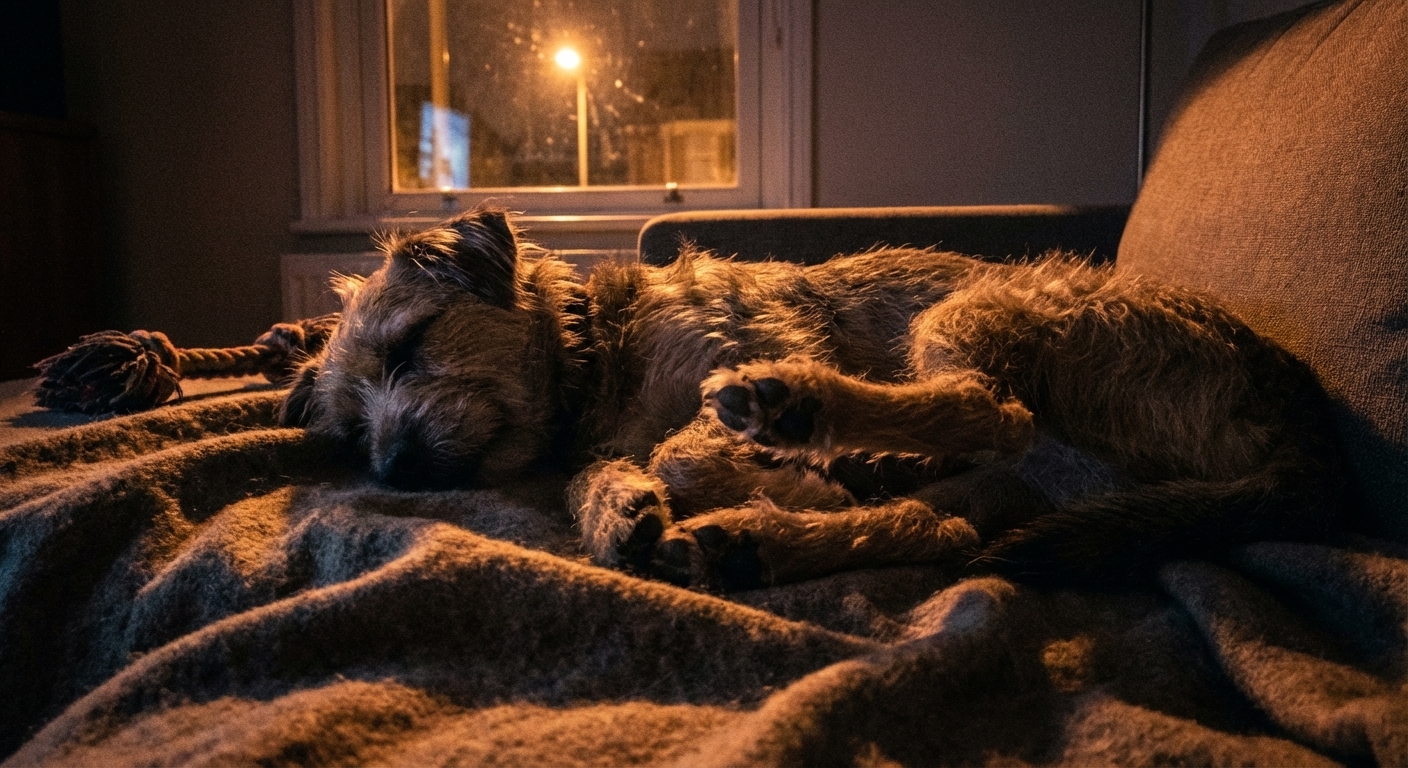
What to do during a nighttime seizure
Your job is to keep your dog safe, track time, and reduce stimulation. You cannot stop a seizure with your hands, and you can get bitten accidentally if you try to touch the mouth.
Step 1: Start a timer
Seizures feel endless, but many last 30 to 90 seconds. Timing is critical because over 5 minutes is an emergency.
Step 2: Keep hands away from the mouth
Dogs do not swallow their tongues, but they can clamp down hard during a seizure. Even the gentlest dog can bite without meaning to.
Step 3: Move other pets out
Remove other household pets from the room if you can do so safely. Some dogs become distressed or may act aggressively toward a seizing or post-seizure dog because of the movements, sounds, or scent changes.
Step 4: Prevent falls and injuries
- If your dog is on a bed or couch, gently slide them away from the edge using a blanket like a sling, or place pillows on the floor beside them to cushion a fall.
- Move furniture, lamps, cords, and sharp objects out of the way.
- If your dog is on the floor, clear a safe radius around them.
Step 5: Lower stimulation
- Dim lights if possible.
- Turn off the TV.
- Ask family members to step back and keep noise low.
Step 6: Keep them cool if it is prolonged
Muscle activity generates heat. If the seizure is nearing 3 to 5 minutes or your dog is repeatedly seizing, overheating becomes a real risk.
- Use a fan if available.
- Place a cool (not icy) cloth on paws, belly, or neck.
- Avoid ice baths or very cold water, which can cause stress and constrict blood vessels.
If you are approaching the 5-minute mark, start preparing to head to the ER while you cool your dog and follow your vet’s rescue-med plan.
Step 7: Use prescribed rescue medication
Some dogs with known epilepsy are sent home with “rescue meds” (often rectal diazepam or intranasal midazolam) for prolonged seizures or clusters. Use only as directed by your veterinarian and keep instructions somewhere easy to grab in the dark.
Step 8: After it ends, contain and calm
The post-seizure phase (called the postictal period) can last minutes to hours. Dogs may be wobbly, confused, temporarily blind, anxious, or very hungry.
- Keep them in one safe room.
- Block stairs.
- Offer small sips of water once they can swallow normally.
- Wait to offer food until they are coordinated and fully alert.
What not to do
- Do not restrain your dog’s body or try to “hold them still.”
- Do not put fingers or objects in the mouth.
- Do not give human medications unless a veterinarian specifically instructed you to.
- Do not force water or food during the seizure or while your dog is still uncoordinated.
If you need to go to the ER
- If possible, have a second person ride with you so one person can focus on driving.
- Use a crate, laundry basket, or barrier to keep your dog from falling into footwells or climbing into the front seat.
- Keep the car quiet and cool. A towel or blanket can help with padding and containment.
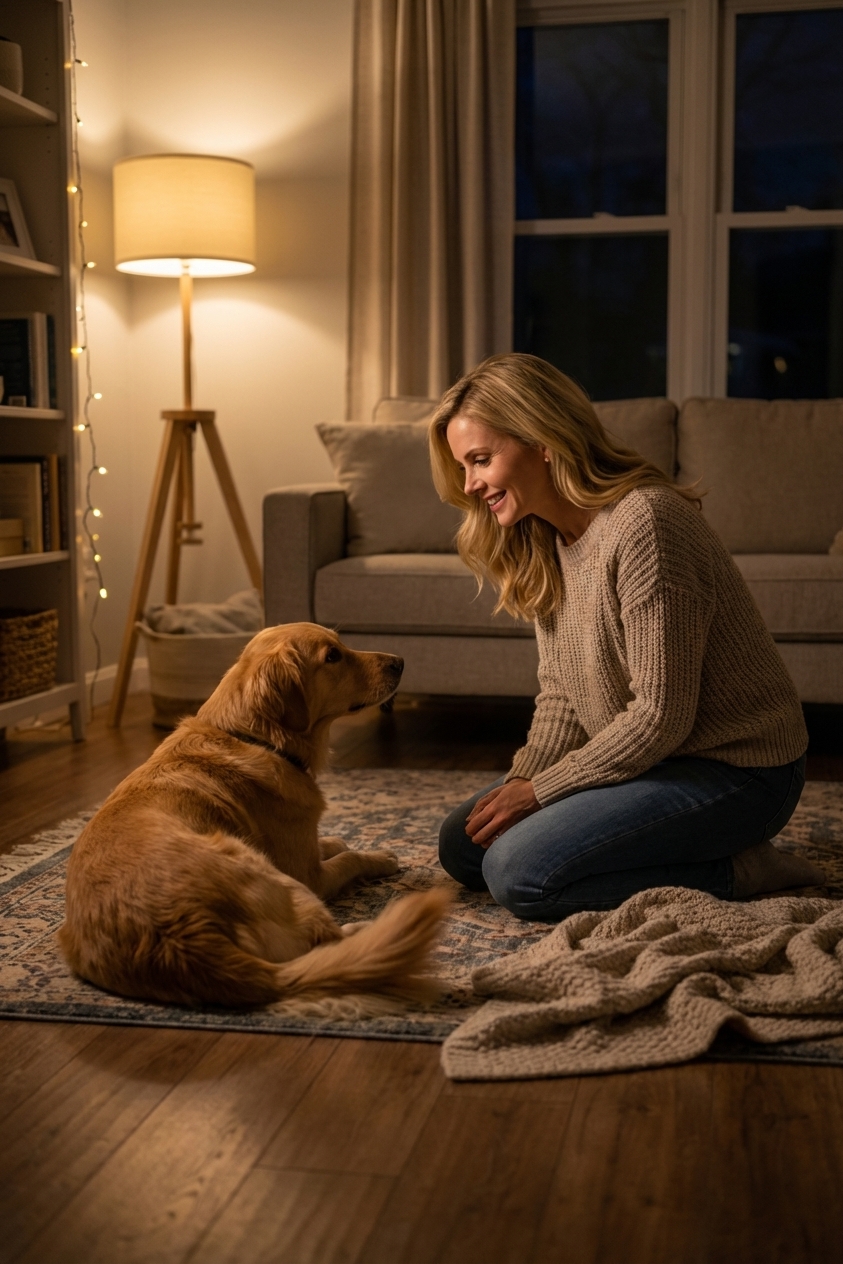
When to call an emergency vet
Trust your instincts. If you are scared, it is okay to call. But these situations are especially urgent:
- Seizure lasts 5 minutes or longer (status epilepticus risk).
- Two or more seizures within 24 hours (often called cluster seizures), especially if they are close together or your dog does not fully return to normal between them.
- Breathing problems, blue or gray gums, or your dog does not regain consciousness normally.
- First seizure ever (especially in a puppy under 6 months or a dog over 6 years).
- Known toxin exposure (edibles with THC, xylitol, snail bait, insecticides, medications, illicit drugs, poisonous plants).
- Seizure after head trauma or a fall.
- Pregnant dogs or dogs with diabetes, kidney disease, liver disease, or known metabolic disorders.
- Your dog is very hot, continues panting heavily, or seems unable to cool down.
If you are heading to the ER, bring:
- A video of the seizure if you have one
- A list of medications and doses
- The seizure timeline (start time, end time, how many)
- Any possible exposures (trash, new supplements, human meds)
What to monitor afterward
Once your dog is stable, your notes become valuable medical data. A helpful approach is to think like a detective, not because you did anything wrong, but because patterns help your vet prevent the next one.
Track these details
- Date and exact time (nighttime seizures often have a time pattern)
- What your dog was doing (asleep, waking up, pacing, just finished drinking)
- Type of seizure signs (full body shaking, facial twitching, staring, fly-biting, lip smacking)
- Duration (timed, not estimated)
- Recovery time (minutes or hours to act normal)
- Any triggers earlier that day (stress, visitors, grooming, fireworks, missed meds, new food, intense exercise)
Watch for 24 hours
- Another seizure (clusters are common after the first)
- Persistent disorientation or weakness
- Vomiting, diarrhea, or signs of toxin exposure
- Not eating or not drinking
- Worsening anxiety or restlessness
If anything feels “off” compared with prior seizures, call your vet. Changes in pattern matter.
Safer sleep setup
If your dog has a history of seizures, your home setup can reduce injury risk and help you respond faster at night.
Pick the safest sleep spot
- Floor is often safest, especially for dogs who seize hard or roll. Consider a thick bed on the floor next to your bed.
- If your dog sleeps on your bed, use a bed rail or place the mattress on a lower frame to reduce fall height.
- Block access to stairs at night with a baby gate.
Remove common hazards
- Sharp-edged nightstands within reach
- Unsecured cords, phone chargers, or blinds cords
- Heaters that can burn if your dog presses against them
- Slippery flooring where a disoriented dog can wipe out
Keep a bedside “seizure kit”
- Your vet’s emergency number and the nearest 24-hour ER address
- A small flashlight or headlamp
- A timer (or your phone, but a flashlight helps you use it)
- A towel or light blanket (to slide your dog away from edges)
- Rescue medication if prescribed, plus written instructions
Consider nighttime monitoring
This can be helpful for owners who sleep through early seizure signs:
- A pet camera with motion alerts
- A simple baby monitor (sound can alert you to vocalizing)
- For some dogs, sleeping in the same room can shorten response time
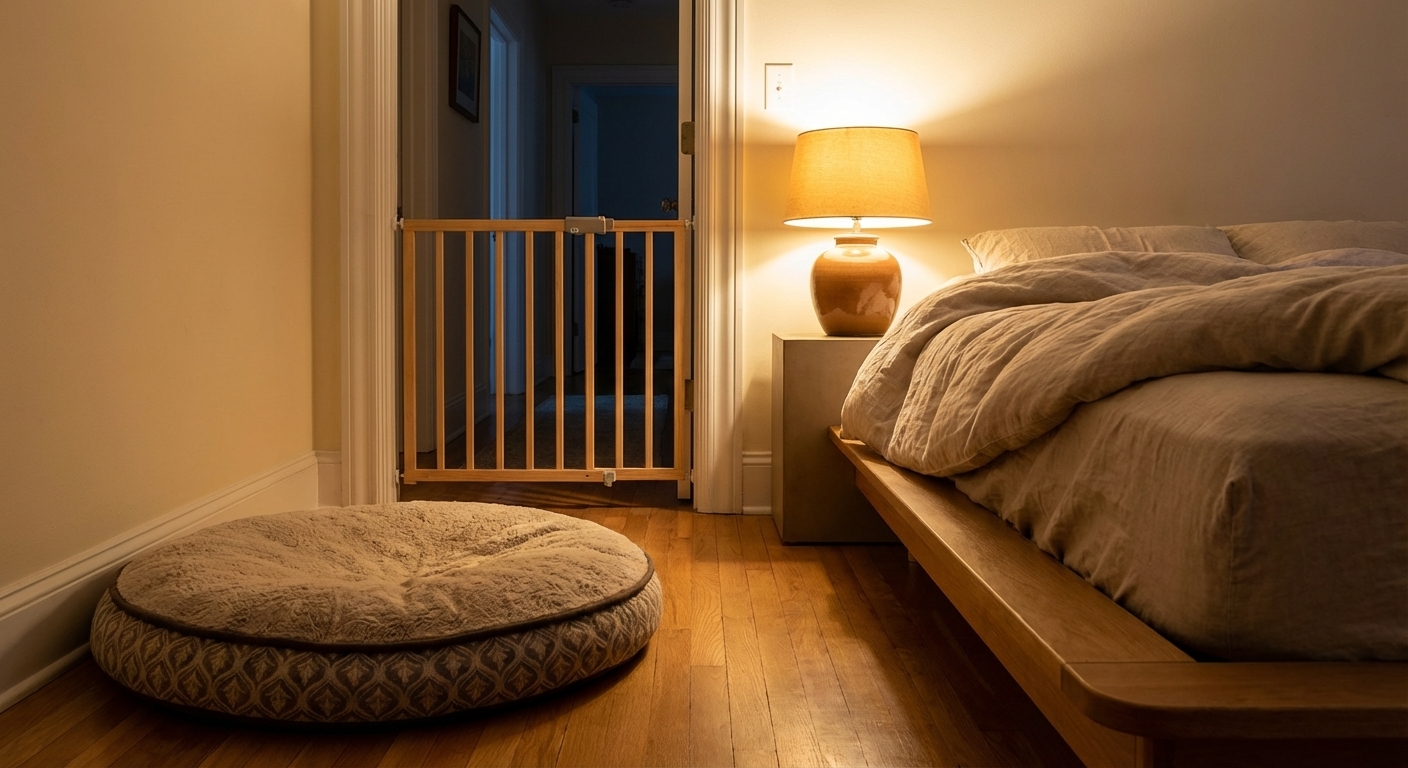
Reducing nighttime seizures
Not all nighttime seizures can be prevented, but many can be reduced with the right plan.
Do not adjust meds on your own
If seizures cluster at night or early morning, your veterinarian may adjust:
- Dose
- Dosing frequency
- Timing (for example, spreading doses more evenly over 24 hours)
- Drug combinations
Missing doses is a common trigger. If your schedule is hectic, set alarms.
Ask about testing
Nighttime seizures can be idiopathic epilepsy, but first-time seizures or changing patterns often warrant a deeper look. Your vet may recommend bloodwork (including bile acids or glucose), blood pressure checks, or referral for imaging like MRI depending on age and signs.
Protect sleep and reduce stress
In both people and dogs, sleep disruption can lower seizure threshold. Keep evenings predictable when you can:
- Consistent bedtime and wake time
- Calm evening routine
- Avoid overstimulation close to bedtime
Nutrition and safety note
Nutrition does not replace medical treatment for seizures, but stable routines around meals can help some dogs, especially those prone to blood sugar dips. If your dog has seizures, talk to your vet before making major diet changes or adding supplements, since some ingredients can interfere with medications.
Nighttime seizure FAQ
Can a dog die from a seizure in their sleep?
Most seizures are not fatal, but prolonged seizures (over 5 minutes) and cluster seizures can become life-threatening due to overheating, low oxygen, and metabolic strain. That is why timing and emergency care matter.
Should I wake my dog if I see twitching at night?
If it looks mild and your dog can be awakened and responds normally, it is likely dreaming. Try waking with your voice first to avoid a sleep startle bite. If the movements escalate, your dog cannot respond, or you see stiffening and loss of awareness, treat it like a seizure and follow the steps above.
My dog only has seizures at night. Is that epilepsy?
It can be, but it is not the only possibility. Many epileptic dogs seize during rest, but metabolic issues, toxins, and brain disease can also show up at night. Your veterinarian can help sort this out based on age, exam, labs, and seizure pattern.
The bottom line
Nighttime seizures are often noticed because sleep and rest change the brain’s rhythms and can lower a dog’s seizure threshold, especially in dogs with epilepsy or other underlying issues. Your best tools in the moment are simple: keep your dog safe, time the seizure, reduce stimulation, and know the emergency red flags.
If your dog had a nighttime seizure for the first time, or if the pattern is changing, schedule a veterinary visit soon, even if they seem normal the next day. You deserve a plan you can follow at 2 a.m. without panic.