Learn vet-guided nutrition strategies for dogs with epilepsy, including MCT oil and MCT-enriched diets, keto-style cautions, key nutrients, and safe routines...
Article
•
Designer Mixes
Dog Seizure Aftercare: What to Watch Next

Shari Shidate
Designer Mixes contributor
Watching your dog have a seizure can be terrifying. The good news is that many dogs recover well, especially when you know what to do in the hours and days that follow. As a veterinary assistant, I like to think of aftercare as two goals: keeping your dog safe while their brain and body “reset,” and gathering the right details so your veterinarian can pinpoint the cause and help reduce the risk of another episode.
This article walks you through what to expect after a seizure, what is normal, what is not, and when to get urgent help.
Quick note: This is general guidance and is not a substitute for veterinary care. If you are worried at any point, call your veterinarian or an emergency clinic.

The post-seizure phase (what is normal)
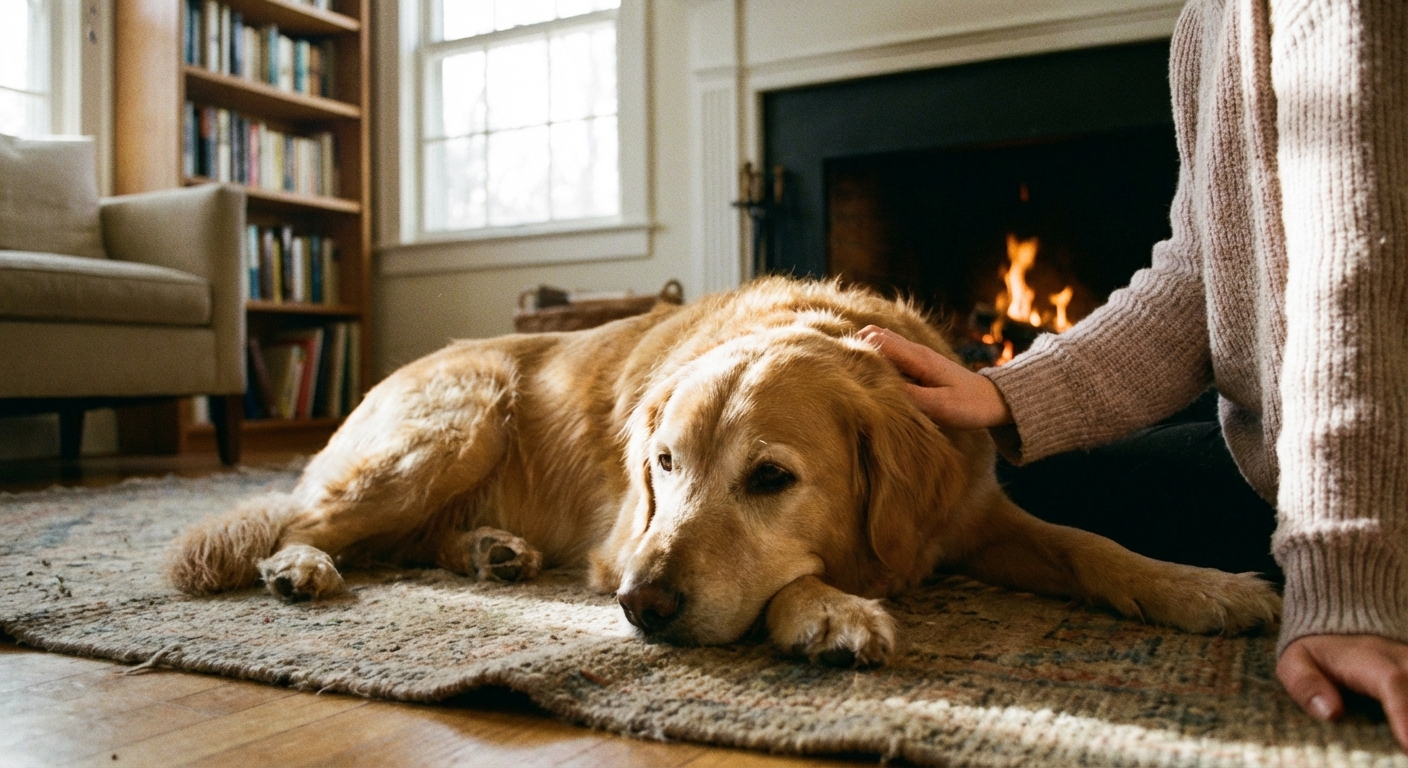
Most dogs experience a recovery period called the postictal phase after a seizure. This can last minutes to hours. In some cases, especially after cluster seizures, signs can last 24 to 48 hours or occasionally longer. During this time, your dog’s brain is essentially rebalancing after abnormal electrical activity.
Common post-seizure signs
- Disorientation or seeming “lost” in familiar spaces
- Pacing, restlessness, or inability to settle
- Temporary blindness or bumping into furniture
- Wobbliness or weakness, especially in the back end
- Increased hunger or thirst
- Clingy behavior or, less commonly, wanting to be alone
- Heavy panting and fatigue
It is also common for dogs to drool and to urinate or pass stool during a seizure. That can be alarming, but it is a typical part of many seizure events.
If your dog is gradually improving and returning to baseline, that is reassuring. If signs are getting worse, your dog cannot safely walk, or they cannot settle and seem distressed for hours, it is time to call your veterinarian.
Right after a seizure (first 30 minutes)
Once the shaking stops, it is easy to want to “do everything.” The best approach is calm, simple, and safety-focused.
Do this first
- Time the seizure if it happens again. Use your phone timer. It often feels longer than it truly is, and timing helps your vet decide what to do next.
- Keep the space quiet and dim. Reduce noise, bright lights, and stimulation.
- Prevent falls. Block stairs and keep your dog on the floor, not on furniture.
- Give them room. Dogs can be confused and may snap unintentionally. Avoid putting your face near their mouth.
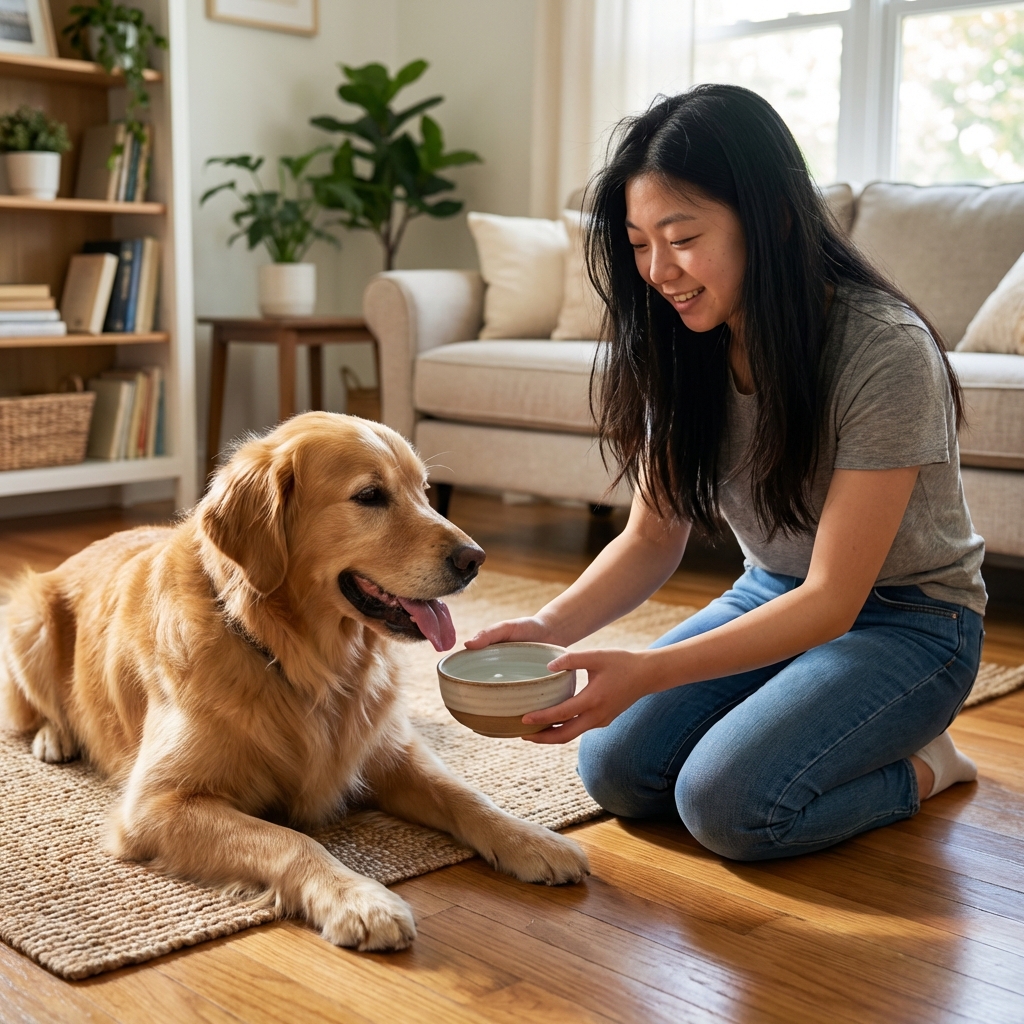
- Offer small amounts of water only when your dog is fully awake, able to swallow normally, and steady enough to sit up. Do not force it.
- Check temperature if you can do so safely. If your dog is too restless or fractious, skip it and call your vet for guidance instead.
Temperature and cooling
Seizures can raise body temperature, especially if they last more than a couple of minutes. If you can safely take a rectal temperature:
- Over 103°F (39.4°C): call your veterinarian for advice.
- Over 104°F (40°C) or your dog is acting very unwell: treat this as urgent and seek emergency care.
If your dog feels hot (for example, heavy panting, very warm ears and belly, or bright red gums), use cool (not ice-cold) towels on paws, belly, and armpits, and run a fan nearby. Avoid ice baths or cold-water immersion. Stop active cooling once your dog seems more comfortable or their temperature approaches normal, since overcooling can cause shivering and worsen heat production.
What not to do
- Do not put anything in your dog’s mouth. Dogs do not swallow their tongues, but they can bite by accident.
- Do not restrain your dog during a seizure. Focus on preventing injury by moving hazards away.
- Do not give human medications unless your veterinarian explicitly told you to.
- Do not force food or water while your dog is confused or not swallowing normally.
Red flags (go to the ER)
Some seizure situations are medical emergencies, even if your dog looks okay afterward. Trust your instincts. If you are worried, call an ER clinic and describe exactly what you saw.
Seek urgent care now if any of these happen
- Seizure lasts longer than 5 minutes (or you are unsure how long it lasted)
- Two or more seizures in 24 hours (cluster seizures)
- Back-to-back seizures without fully waking up between them
- Breathing trouble, blue or gray gums, or collapse
- Overheating that does not improve quickly with gentle cooling
- Known or suspected toxin exposure (xylitol, THC, rodenticides, some human medications, certain insecticides, illicit substances)
- Head trauma before or after the episode
- Prolonged, severe confusion or inability to walk that does not steadily improve
Status epilepticus (know this term)
Status epilepticus means a seizure lasting more than 5 minutes, or repeated seizures close together where your dog does not return to normal in between. This is an emergency because it can contribute to dangerous complications such as overheating, low blood sugar, aspiration, and other effects on the brain and body.
Age note (important, not automatic ER)
A first seizure in a very young puppy or in a dog over about 6 years deserves prompt veterinary evaluation because it makes certain underlying causes more likely. It is not automatically an ER trip by itself if your dog recovers normally, but if it is paired with any red flags above or your dog is not steadily improving, go in.
Next 24 to 72 hours (what to watch)
Aftercare is not only comfort. It is also observation. The details you gather now can dramatically help your veterinarian choose the right testing and treatment.
Behavior and brain signs
- Is your dog returning to their normal personality?
- Any new circling, head tilt, persistent stumbling, or weakness?
- Any staring spells, jaw chattering, fly-biting, or sudden panic episodes that could be focal seizures?
Eating, drinking, and bathroom habits
- Appetite: normal, ravenous, or refusing food?
- Thirst: drinking much more than usual?
- Vomiting or diarrhea?
- Urination: accidents can happen post-seizure, but continued issues should be noted.
Sleep and rest
Extra sleep is common. What you want to see is that rest leads to improvement. If your dog cannot settle at all, paces nonstop, or seems distressed for hours, check in with your veterinarian.
Start a seizure log
Many seizure plans rise or fall on good information. A simple log can help identify patterns, triggers, or medication needs.
Write down
- Date and time the seizure started and ended
- What your dog was doing right before it began (sleeping, eating, playing, stressed, post-exercise)
- What it looked like (full body shaking, rigid legs, paddling, drooling, urinating, vocalizing)
- How long disorientation lasted afterward
- Anything unusual in the last 24 hours (new foods, possible toxins, new meds, flea or tick products, travel, boarding, illness)
If you can safely record a short video, it can be incredibly useful for your vet. Do not put yourself at risk to get it. Video can also help your vet sort out seizures from look-alikes like fainting (syncope) or vestibular episodes.
Food and water after a seizure
Once your dog is fully awake, swallowing normally, and steady enough to eat, small, simple meals are often easiest on the stomach.
What to offer
- Water first, in small sips
- A small meal rather than a huge portion
- If your dog seems nauseated, ask your vet before offering rich foods or treats
In some dogs, seizures can be associated with low blood sugar. This is more of a concern in toy breeds, puppies, and dogs that skipped meals. If you suspect hypoglycemia, treat it as a reason to call your veterinarian promptly rather than trying to “fix it” with food alone.
Tip: If your dog is very hungry after a seizure, portion their food into two or three small meals over a few hours to reduce gulping and vomiting.
Home setup (safer recovery)
A calm environment reduces stress and lowers the chance of injury if another seizure occurs.
- Block stairs and restrict access to pools or balconies
- Use rugs or yoga mats on slippery floors
- Quiet room option with a soft bed and dim lighting
- Supervise outdoor potty breaks on leash for a day or two

Medication notes
If your dog already takes seizure medication, aftercare includes making sure doses stay consistent. Missed or delayed doses can increase seizure risk.
Key reminders
- Do not stop medication suddenly unless a veterinarian directs you. Sudden withdrawal can trigger seizures.
- Give doses on schedule. Use alarms if needed.
- Ask about rescue meds (for example, intranasal or rectal options) if your dog has clusters or prolonged seizures.
- Follow your veterinarian’s rescue plan exactly. If you have prescribed rescue medication at home, your vet should tell you when to give it and when to go to the ER.
- Report side effects such as extreme sedation, wobbliness, vomiting, appetite changes, or behavior shifts.
Some anti-seizure medications require periodic bloodwork to ensure safe, effective levels and to monitor organ health. Your vet will guide timing.
What your vet may look for
Seizures are a symptom, not a diagnosis. Your veterinarian may discuss possibilities based on age, breed mix, health history, and what the episode looked like.
- Idiopathic epilepsy (often starts between about 6 months and 6 years)
- Toxin exposure
- Metabolic issues (low blood sugar, liver disease, electrolyte imbalances)
- Infectious or inflammatory brain disease
- Brain tumor (more likely in older dogs)
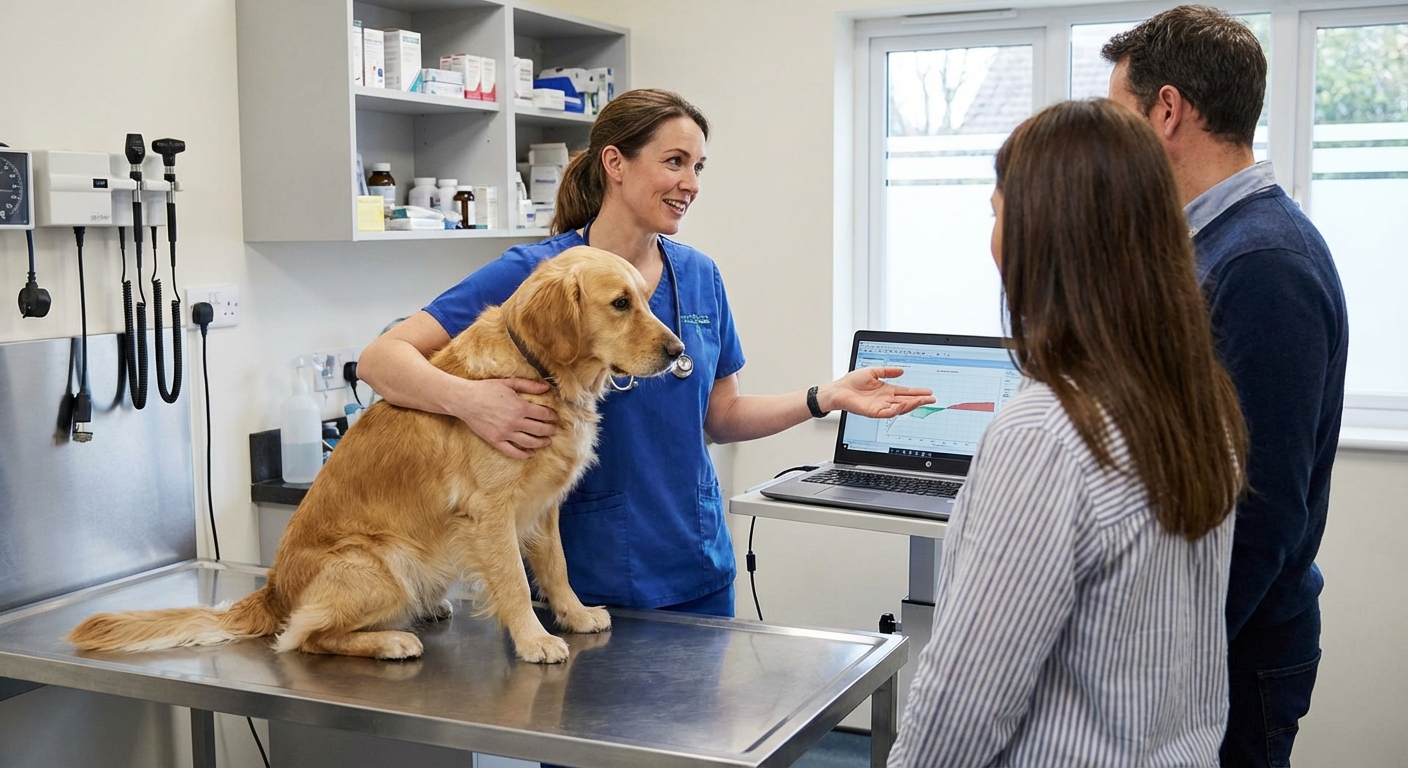
Depending on the situation, your vet may recommend bloodwork, urinalysis, blood pressure checks, imaging, or referral to a veterinary neurologist.
If another seizure happens
Even with great care, some dogs will have another seizure. Having a plan reduces panic.
Quick safety checklist
- Time it with your phone
- Move furniture away and cushion the head area with a folded blanket
- Do not place hands in the mouth
- Do not restrain your dog
- Dim lights and lower noise
- Call your vet if it is a first seizure, lasts over 5 minutes, or repeats
When to follow up
If this was your dog’s first seizure, schedule a veterinary appointment soon, ideally within 24 to 48 hours if your dog is stable, even if they seem normal afterward. If your dog has a known seizure disorder, still contact your veterinarian if the pattern changes, seizures become more frequent, or recovery takes longer than usual.
You are not being “overly worried.” You are being the calm, observant advocate your dog needs.