Learn vet-approved, low-risk home remedies for mild dog itching—oatmeal baths, cool compresses, allergen rinses, gentle shampoos, and omega-3s—plus urgen...
Article
•
Designer Mixes
Dog Scratching Home Remedies

Shari Shidate
Designer Mixes contributor
If your dog is scratching nonstop, you are not alone. I see this all the time as a veterinary assistant here in Frisco, Texas, especially during allergy season. The good news is that many itchy dogs can get real relief at home once you figure out why they are itchy and you use safe, evidence-based remedies. The key is to go step by step, because constant scratching can quickly turn into hot spots, infections, and sleepless nights for both of you.
Quick note: Home care is best for mild to moderate itch and is not a substitute for veterinary diagnosis and treatment. If your dog is worsening, repeatedly flaring, or you are unsure what you are seeing, your vet visit will be worth it.
First, rule out the urgent stuff
Home remedies are for mild to moderate itch. If you see any of the red flags below, it is time to call your veterinarian. Dogs can go from itchy to infected very fast, and ear infections especially are painful.
- Open sores, oozing, bleeding, or a bad odor
- Hot spots (moist, angry red patches) or rapidly spreading redness
- Head shaking, ear odor, ear discharge, or crying when ears are touched
- Swollen face, hives, vomiting, trouble breathing (possible allergic reaction)
- Hair loss with crusts, scabs, thickened skin, or intense itch that keeps your dog from sleeping
- Puppies, senior dogs, or dogs with chronic disease who suddenly become very itchy
If your dog is itching and also acting “off”, not eating, or seems painful, trust your gut and get help.
Why dogs scratch
Scratching is a symptom, not a diagnosis. Most itchy dogs fall into one or more of these categories:
- Fleas (even one bite can trigger intense itching in sensitive dogs)
- Environmental allergies (pollens, grasses, dust mites, molds)
- Food sensitivities (often show up as year-round itch, ear issues, licking paws)
- Dry skin (low humidity, frequent bathing, harsh shampoos)
- Yeast or bacterial skin infections (often secondary to allergies)
- Mites (some, like sarcoptic mange, are intensely itchy and contagious)
- Contact irritation (new detergent, carpet cleaner, lawn treatments)
And there are a few other issues that can look like “itch” but need different help, such as anal gland discomfort (scooting or licking the rear), ringworm (can spread to people), and certain hormonal diseases. If the pattern is odd or persistent, do not feel bad about getting it checked.
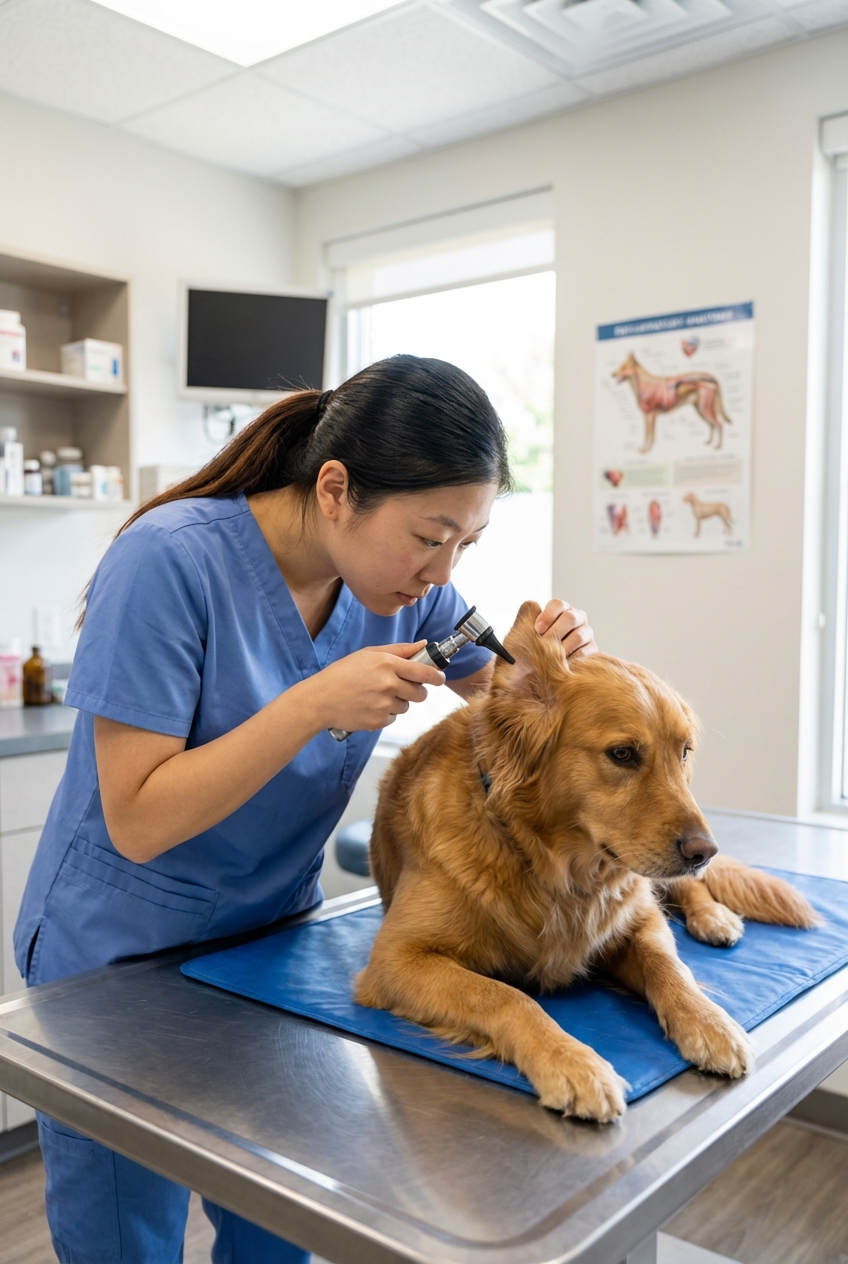
The 10-minute itch check
Before you treat, do a quick check. This helps you choose the right remedy and prevents you from missing something important.
1) Check for fleas and flea dirt
Use a flea comb over the lower back and base of the tail. Look for black specks. Put the specks on a damp white paper towel. If they smear reddish-brown, that can be flea dirt (digested blood).
2) Look at the skin and coat
Part the fur and check places irritation likes to hide: belly, armpits, groin, between toes, and under the collar or harness.
- Is there dandruff or flaking?
- Is the skin pink and irritated, or normal color?
- Are there pimples, scabs, or a greasy feel?
3) Sniff test
A “corn chip” or musty smell can suggest yeast overgrowth, especially on paws and ears. Odor alone is not a diagnosis, though. Your vet can confirm yeast or bacteria with a quick skin or ear cytology test.
4) Find the itch pattern
- Paws, face, belly: often environmental allergy
- Base of tail, rump: fleas are common here
- Ears and paws: food sensitivity or environmental allergy can show up this way
Home remedy toolkit
Think of these as your “calm the skin” tools. You can combine several, as long as you keep things gentle and do not overwhelm irritated skin with too many products at once.
1) Colloidal oatmeal bath or soak
Colloidal oatmeal is one of the best at-home options for soothing itchy skin. It helps support the skin barrier and calm inflammation.
- Choose the right oatmeal: Use a pet-safe colloidal oatmeal shampoo, or a plain, finely ground colloidal oatmeal product intended for topical use. Regular kitchen oats are not the same as colloidal oatmeal, and oat “add-ins” with fragrance can irritate skin.
- How: Use the shampoo as directed, or disperse the colloidal oatmeal into lukewarm bath water until it looks milky.
- Soak time: 5 to 10 minutes.
- Rinse: Follow product directions. In general, a light rinse is fine if your dog seems sticky, but leaving a little residue can be soothing for some dogs.
- How often: 1 to 2 times weekly for flares, then taper as you improve.
Tip: For itchy paws, do a quick paw soak in a small tub with lukewarm water and colloidal oatmeal, then pat dry well between toes.
2) Cool compress
For localized itch, a cool compress reduces heat and inflammation without chemicals.
- Use a clean washcloth dampened with cool water.
- Hold on the itchy area for 3 to 5 minutes.
- Repeat 2 to 3 times daily as needed.
3) Rinse off allergens
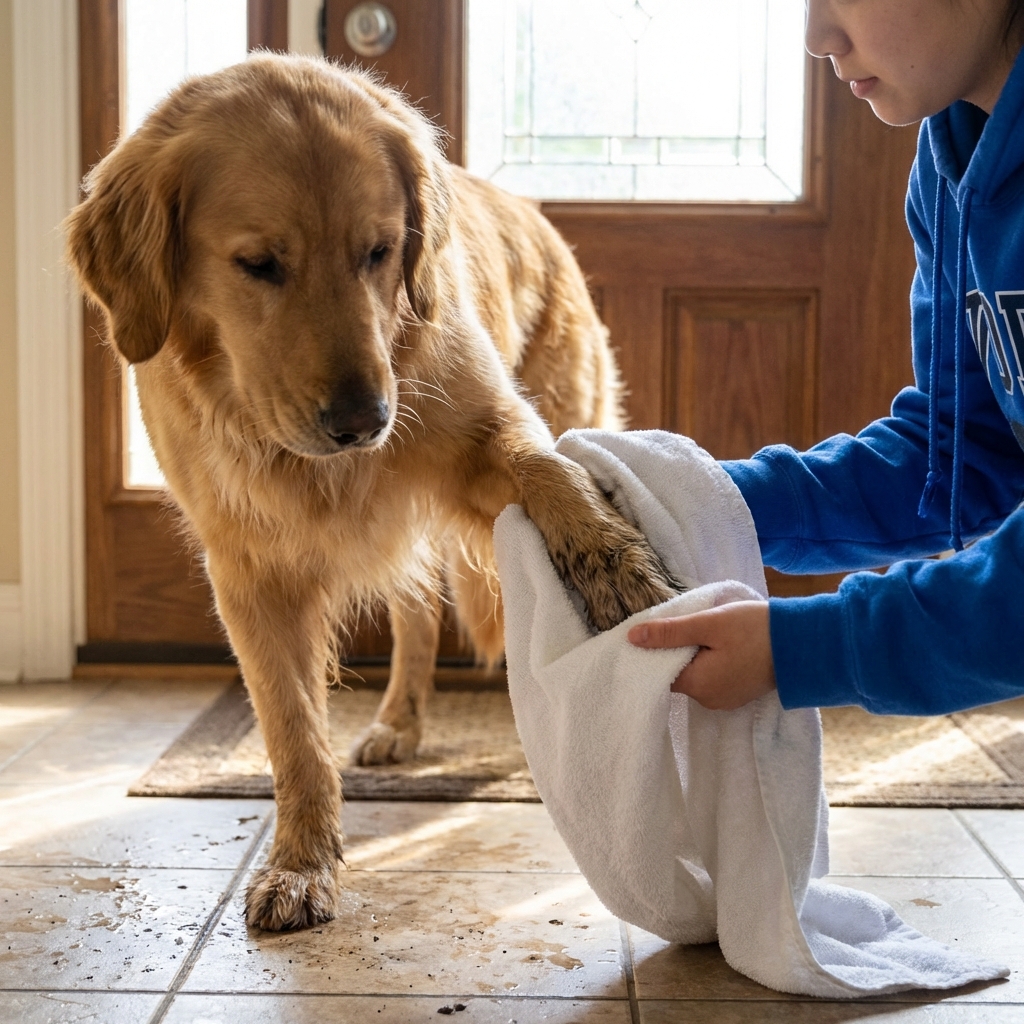
If your dog’s itch spikes after walks, pollen and grass residue may be the trigger.
- Rinse paws and the underside (belly and legs) with lukewarm water after going outside.
- Pat dry thoroughly, especially between toes.
- Use fragrance-free pet wipes if rinsing is not possible.
4) Support the skin barrier
Dry, irritated skin itches more. Your goal is to support the barrier so the skin can heal.
- Choose a fragrance-free, dog-specific conditioner or leave-in spray designed for sensitive skin.
- Avoid essential oils on inflamed skin. Many are irritating, and some are toxic to pets.
5) Omega-3s
Omega-3s from fish oil (EPA and DHA) have evidence for supporting skin comfort in allergic dogs. They do not work overnight, but they can make a real difference over time.
- Timeline: Expect 4 to 8 weeks to see full benefit.
- How dosing is done: Doses are typically based on mg/kg of combined EPA + DHA. Your veterinarian can help you pick a safe, effective target for your dog’s size and health.
- Quality matters: Use a reputable pet fish oil with quality testing.
- Safety note: Too much may cause diarrhea or vomiting and can be risky for some dogs (for example, those with a history of pancreatitis). At higher doses or around surgery, omega-3s may also affect clotting. Ask your vet before starting if your dog takes other medications or has a medical condition.
6) Humidity and grooming
In dry indoor air, itch can flare.
- Run a humidifier during winter or in very dry homes.
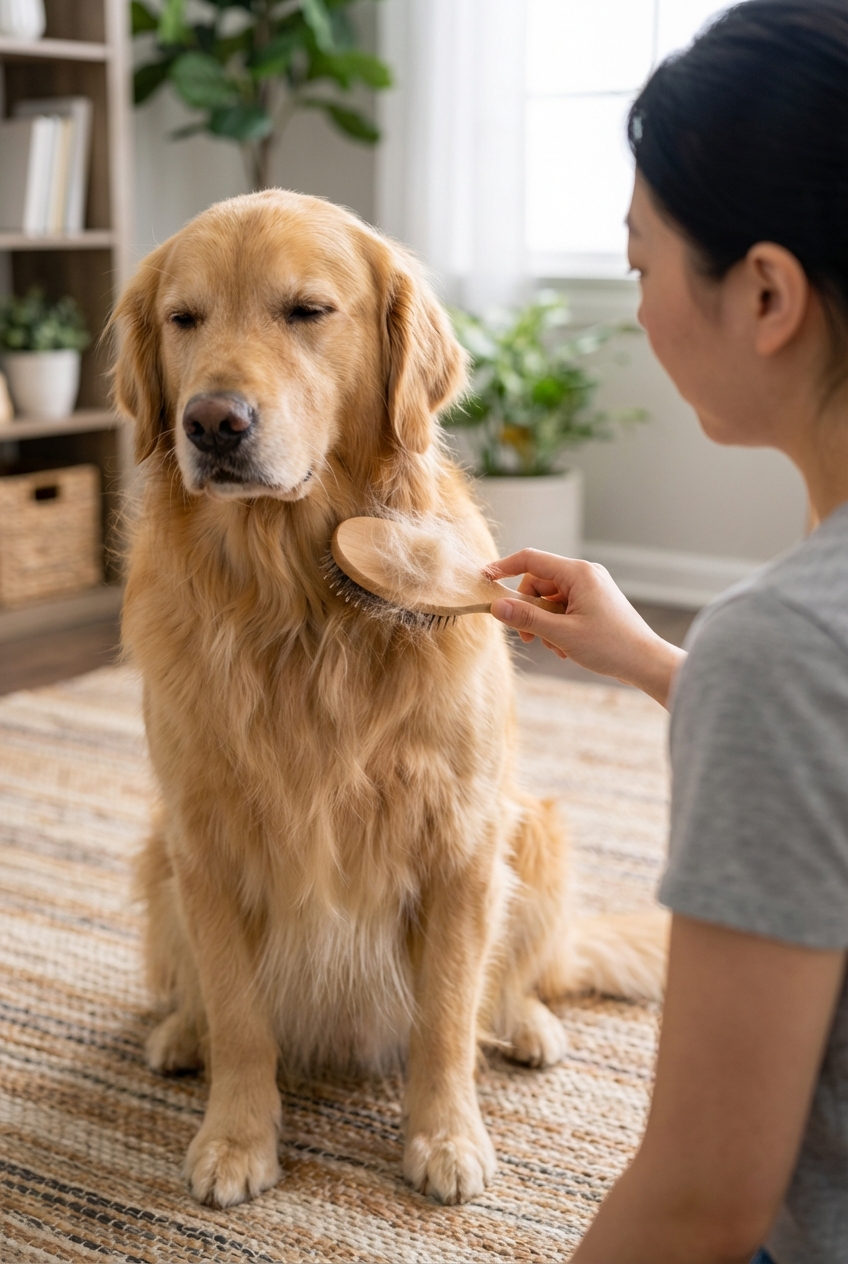
- Brush regularly to remove dander and distribute skin oils.
- Use gentle shampoos. Overbathing can strip oils and worsen itch.
Remedies by cause
Fleas
If fleas are involved, soothing baths are not enough. You need effective flea control for every pet in the home and the environment. Even indoor dogs can get fleas, so do not rule this out just because your dog stays inside.
- Talk to your vet about modern flea preventives. Many are safer and more effective than over-the-counter products when used as directed and chosen for your dog’s age, weight, and health.
- Wash bedding weekly in hot water.
- Vacuum rugs and couches often, then empty the vacuum outside.
Important: Never use a dog flea product on a cat, and do not use random “natural flea oils.” This is a common toxicity scenario.
Environmental allergies
For many dogs, the winning combination is consistent rinse-and-dry routines, gentle skin care, and a plan from your vet if flares keep happening.
- Rinse or wipe paws and the underside after outdoor time.
- Wash beds and blankets regularly.
- Consider a HEPA air filter in sleeping areas.
Food sensitivity
Food reactions are real, but they are not solved by switching proteins every two weeks. The gold standard is a structured diet trial with your veterinarian.
- Use a veterinary-prescribed elimination diet or a properly balanced limited-ingredient plan.
- Commit to 8 to 12 weeks with zero “extras” (no flavored chews, no table bites).
- If it works, re-challenge ingredients with guidance to identify triggers.
Yeast-prone paws and ears
Yeast loves moisture. If your dog licks paws and has a musty smell, focus on drying and gentle hygiene.
- After outdoor time, rinse paws and dry between toes.
- Keep hair between paw pads trimmed for airflow.
- If ears are a repeat issue, ask your vet for an ear cleaner that matches what they see on an ear cytology test.
Please avoid: Putting vinegar, peroxide, or essential oils into ears. Ears are delicate, and if the eardrum is compromised, the wrong product can cause serious harm.
Bathing tip: If you suspect an ear infection (odor, discharge, head shaking, pain), avoid baths unless you can keep ears dry. Use cotton balls loosely in the outer ear (not deep) during the bath and dry the ear flap and outer ear afterward.
What to avoid
I say this with love because I have seen well-meaning families accidentally make itch worse.
- Apple cider vinegar on raw skin: It can sting and inflame broken skin.
- Hydrogen peroxide: Delays healing and irritates tissue.
- Human anti-itch creams: Many contain ingredients dogs should not lick.
- Essential oils: Concentrated, irritating, and some are toxic. Tea tree oil is a big one.
- Benadryl without guidance: Sometimes appropriate, sometimes not, and dose matters. It can also cause sedation and often has limited benefit for canine environmental allergies. Ask your vet.
- Overbathing: More baths are not always better if the shampoo is harsh.
Stop the scratch cycle
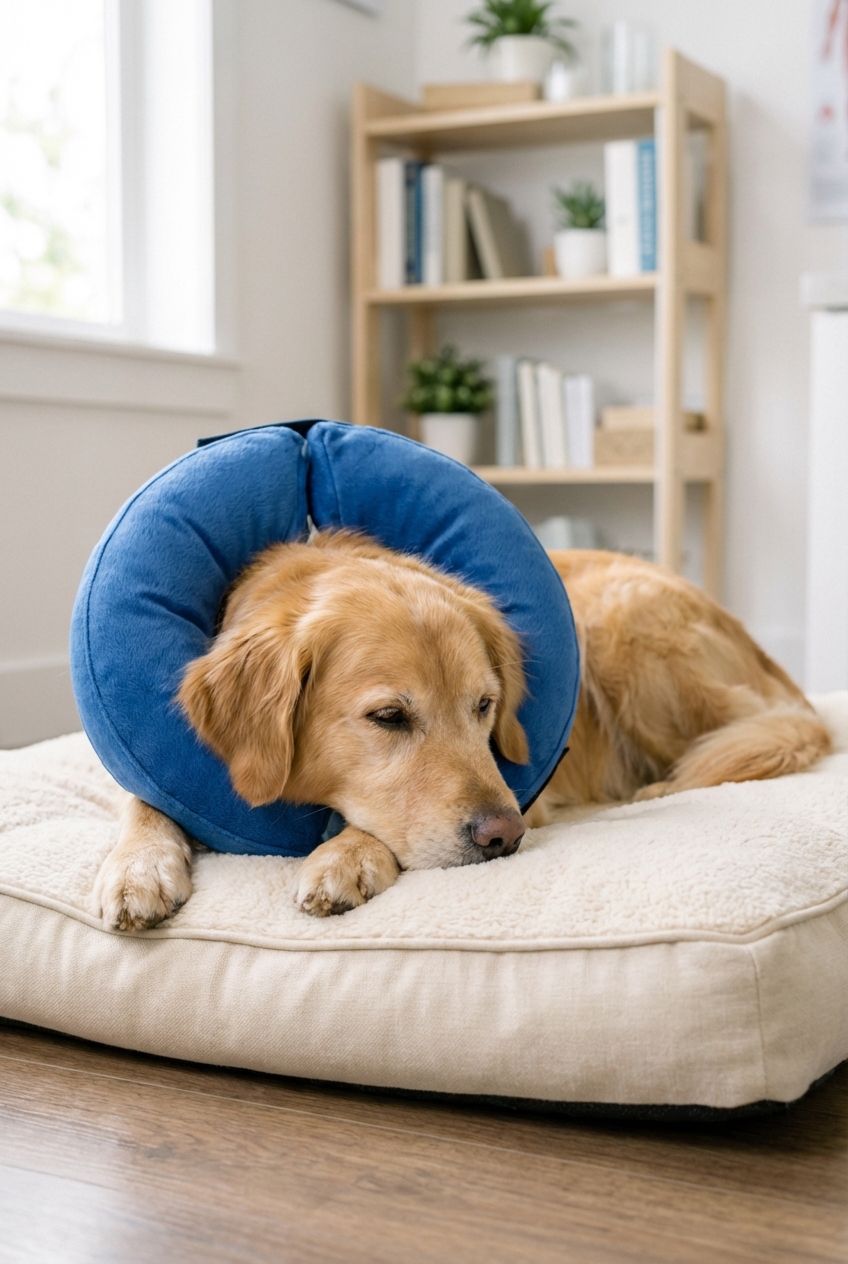
Even the best remedy will struggle if your dog keeps traumatizing the skin. These simple steps protect healing skin.
- Use an e-collar or soft recovery collar for hot spots and intense licking.
- Try a breathable shirt or recovery suit to protect belly and sides.
- Keep nails trimmed to reduce skin damage.
- Clean paws before bed during seasonal flares to reduce nighttime itching.
Simple 7-day plan
If you are not sure where to start, here is a gentle plan that works well for many mild itch cases.
Day 1
- Flea comb check
- Rinse paws and underside after outdoor time
- Start a cool compress on the itchiest spot
Day 2
- Colloidal oatmeal bath or soak
- Wash bedding
- Brush coat gently
Day 3
- Continue rinse and thorough drying
- Re-check belly, armpits, groin, and between toes
Day 4
- Repeat cool compresses as needed
- Consider talking to your vet about omega-3s if itch is recurring
Day 5
- Second oatmeal bath if needed
- Vacuum home areas where your dog rests
Day 6
- Keep up rinse and dry routine
- Check ears for odor or discharge
Day 7
- Re-evaluate: Is itch improved by at least 30 to 50%?
- If no, schedule a vet visit and ask about skin and ear testing (cytology, parasite check, allergy plan)
When home care is not enough
Even without dramatic red flags, it is time to involve your veterinarian if:
- Itching lasts more than 1 to 2 weeks
- Flares keep coming back
- Multiple body areas are involved (ears, paws, belly, face)
- Your dog seems uncomfortable enough that sleep is disrupted
- You see recurring pustules, scabs, or a spreading rash (secondary bacterial infection often needs prescription treatment)
Make the vet visit count
If itching keeps coming back, you will get the fastest relief when you walk in with a few notes.
- When itching started and whether it is seasonal or year-round
- Main itch zones (paws, ears, belly, tail base)
- Diet details and treats
- Flea preventive used and when
- Photos of flare-ups and any hot spots
Ask your vet about simple, high-value diagnostics like skin cytology (checks for bacteria and yeast) and ear cytology. These help match treatment to what is truly happening on the skin.
The bottom line
Dog scratching is miserable, but it is also very workable when you focus on the cause and calm the skin. Start with gentle soothing care, reduce exposure to triggers, and do not hesitate to involve your veterinarian if there are red flags, if symptoms last more than a week or two, or if itch keeps cycling back. Your dog deserves comfort, and you deserve a peaceful night of sleep again.