Chicken and rice can soothe mild stomach upset and help dogs transition back to normal food. Learn safe recipes, portions, how long to feed it, and when to c...
Article
•
Designer Mixes
Dog Scooting Causes Beyond Anal Glands

Shari Shidate
Designer Mixes contributor
Scooting is one of those behaviors that makes pet parents cringe and worry at the same time. Most people immediately think “anal glands,” and yes, that can be part of the story. But in veterinary practice, I’ve seen plenty of dogs who scoot for reasons that have nothing to do with their anal sacs.
The helpful way to think about scooting is this: your dog is telling you something feels itchy, painful, or stuck around the rear end. Let’s walk through the most common causes beyond anal glands, what you can look for at home, and when it’s time to call your veterinarian.
Quick note: This article is for general education and is not a substitute for veterinary care. If your dog seems painful, unwell, or the scooting is frequent, a hands-on exam is the safest path.
What scooting means
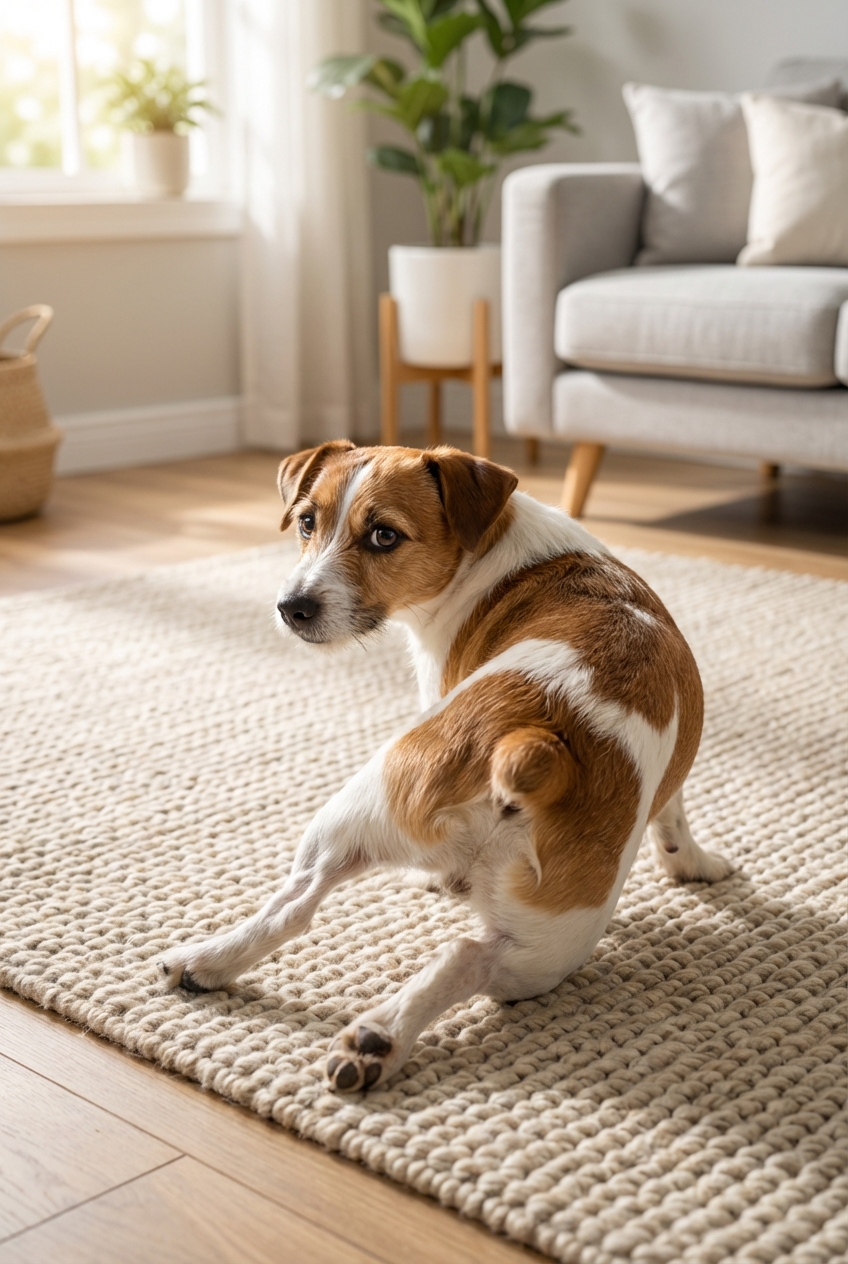
Scooting is a dog’s attempt to relieve irritation around the anus, vulva, or surrounding skin. It can also be a response to rectal discomfort deeper inside.
Scooting is not a diagnosis. It’s a symptom. Treating it effectively means identifying the real trigger, not just assuming anal glands are the issue every time.
1) Allergies and irritation
One of the biggest non-anal gland causes of scooting is plain old itchiness from allergies. Dogs can get allergic inflammation around the rear end just like they can on their paws, belly, or ears.
Common triggers
- Environmental allergens like grasses, weeds, pollens, and dust mites
- Food sensitivities (not always a true allergy, but still inflammatory)
- Contact irritation from lawn products, wipes, fragranced shampoos, or harsh detergents on bedding
Clues it may be allergies
- Licking feet, rubbing face, frequent ear infections, or recurrent itchy skin
- Redness around the anus or under the tail
- Scooting that comes and goes seasonally
What helps: Your vet may recommend targeted itch control (anti-inflammatory meds, allergy meds, immunotherapy), a strict diet trial if food is suspected, and gentle skin care. If you are using scented wipes or shampoos, switch to fragrance-free, vet-approved options.
2) Fleas and parasites
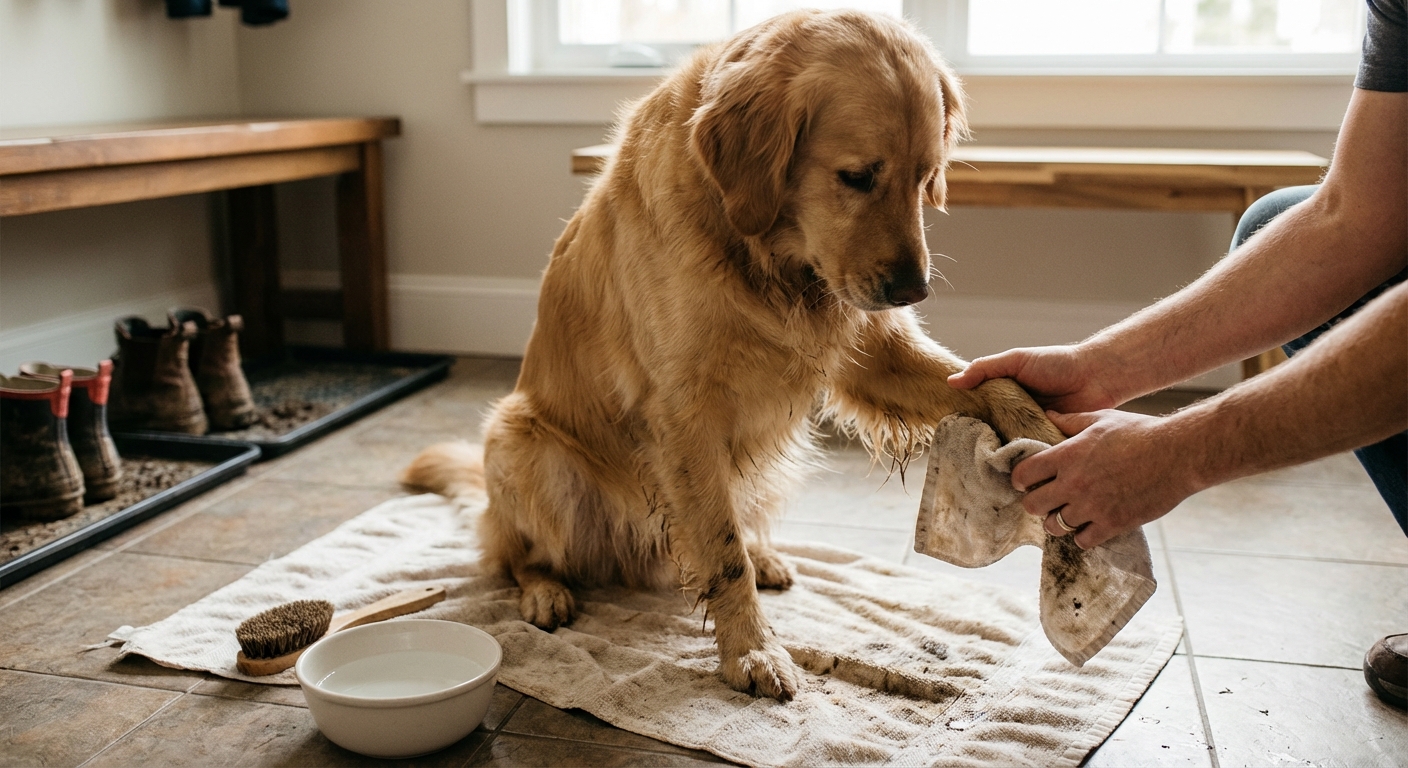
Even a single flea bite can trigger intense itching, especially near the tail base and rear end. This is especially true for dogs with flea allergy dermatitis, where the reaction is disproportionate to the number of fleas you actually see.
Other parasites to consider
- Tapeworms: often seen as small rice-like segments near the anus or in bedding, and a classic cause of rear-end irritation
- Roundworms and hookworms: more likely to cause GI upset and diarrhea, but they can contribute to straining or rectal irritation in some cases
- Mites (less common, but possible): can cause generalized itchiness
What to do: Keep your dog on consistent, vet-recommended parasite prevention. If you notice tapeworm segments, your dog needs specific deworming, and you must address fleas too because fleas commonly transmit tapeworms.
3) Soft stool and residue
Dogs with soft stool often have residue that clings to the fur and skin around the anus. That alone can cause scooting, licking, and discomfort.
Common reasons stool becomes loose
- Diet change too fast
- Rich treats or table scraps
- Stress
- Underlying GI inflammation
- Intestinal parasites
- Antibiotic side effects
What you can look for
- Smearing on the fur under the tail
- Frequent wiping needed after bowel movements
- Increased licking after potty breaks
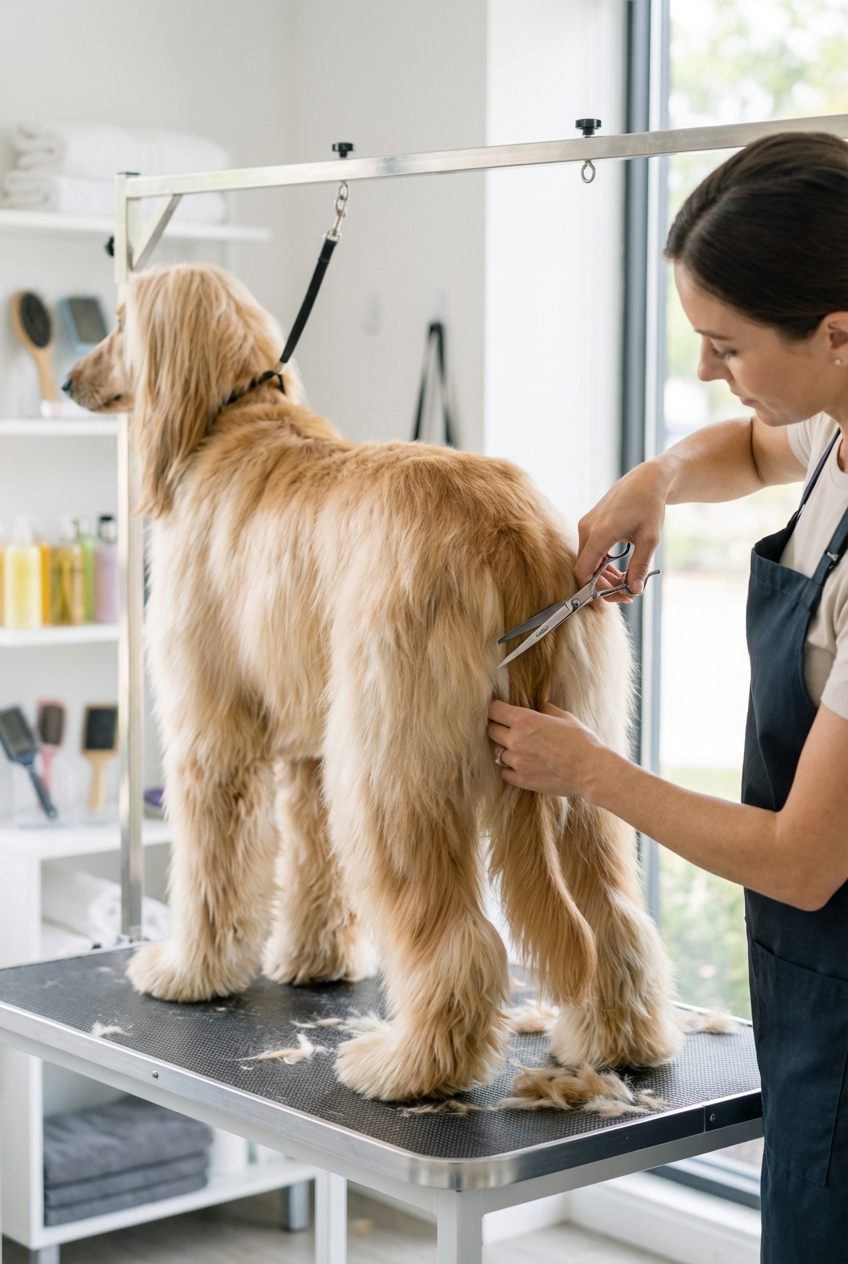
What helps: Call your vet if diarrhea lasts more than 24 to 48 hours, includes blood, or your dog seems unwell. For mild, short-lived soft stool, your veterinarian may recommend a bland diet or a probiotic. If your dog has long hair, a hygienic trim can make a big difference.
4) Constipation and straining
Scooting can also be a sign of constipation or difficulty passing stool. Straining can irritate the rectum and the surrounding tissues, leaving a dog feeling uncomfortable even after they leave the yard.
Clues it may be constipation
- Small, dry, hard stools
- Straining with little result
- Whining when trying to poop
- Reduced appetite or restlessness
What helps: Do not give laxatives meant for humans unless your veterinarian tells you to. Constipation can have underlying causes (pain, dehydration, obstruction, orthopedic issues, enlarged prostate in intact males), and it is safest to get guidance quickly.
5) Urinary or vulvar discomfort
Scooting can sometimes reflect irritation around the vulva or urinary opening, not the anus itself.
Possible causes
- Urinary tract infection (UTI)
- Vaginitis or irritation from licking
- Vulvar skin fold dermatitis in some body shapes
- Urine scald if urine dribbles and irritates skin
Clues: frequent urination, accidents, licking the vulva, strong urine odor, or discomfort when squatting.
What helps: A urinalysis is often the quickest way to sort this out. Prompt treatment matters because discomfort can worsen and infections can ascend into the bladder or kidneys.
6) Mats and debris
This one is more common than people realize, especially in doodles, spaniels, and any dog with a fluffy rear. Mats can tug at the skin, trap stool, and create a moist, irritated environment.
What to check (gently)
- Mats under the tail or around the anus
- Clumps of fur with stool stuck in them
- Foxtails or plant material caught in the coat
What helps: Regular brushing, a sanitary trim, and prompt bathing with a gentle shampoo if soiling happens. If mats are tight or the skin looks raw, have a groomer or vet team handle it to avoid painful pulling.
7) Skin infection and hot spots
Moisture plus bacteria or yeast can create a painful, itchy rash around the anus and under the tail. This can happen after diarrhea, swimming, or in dogs with deep skin folds. Minor trauma, small cuts, and irritation from frequent wiping can also set the stage.
Signs of infection
- Red, moist skin
- Foul odor
- Oozing or crusting
- Sudden intense licking or biting at the area
What helps: Your vet may prescribe topical or oral medications depending on severity. Avoid using human creams unless instructed, because some ingredients are unsafe if licked.
8) Pain in the back or hips
Sometimes scooting is not itch at all. It can be pain. Dogs with lower back discomfort, arthritis, hip dysplasia, tail injuries, or nerve issues may drag their rear or sit and scoot oddly because it briefly changes pressure and sensation.
Clues it may be musculoskeletal
- Stiffness when standing up
- Reluctance to jump or use stairs
- Bunny hopping gait
- Pain when the tail base or hips are touched
What helps: A physical exam is key here. Treatment may include weight management, prescription pain control, physical therapy, and in some cases your vet may discuss joint supplements (evidence and benefit vary by dog and product).
9) Masses or polyps
In older dogs especially, growths in or around the rectum can cause a sensation of fullness, difficulty passing stool, or irritation that leads to scooting.
Red flags
- Blood on stool or dripping after pooping
- Straining that persists
- Ribbon-like stool
- Visible swelling near the anus
What helps: This needs a veterinary exam promptly. Early evaluation can make treatment much simpler.
10) Perianal fistulas
Perianal fistulas (also called anal furunculosis) are painful, draining tracts around the anus. They are less common than allergies or stool issues, but important to recognize, and are seen more often in German Shepherds and related breeds.
Clues
- Painful swelling or open sores around the anus
- Drainage, blood, or strong odor
- Reluctance to sit, tail held oddly, or intense licking
What helps: These require veterinary treatment. Early care improves comfort and outcomes.
11) Habit or behavior
Rarely, scooting becomes a learned behavior after an initial irritation has resolved. This is a diagnosis of exclusion. Your vet will want to rule out medical causes first.
What you can do at home
These steps are safe for most dogs and can give you useful information to share with your veterinarian.
- Check under the tail for redness, stuck stool, matting, swelling, cuts, or rice-like segments that suggest tapeworm.
- Note poop quality for 3 days: firm, soft, watery, or hard and dry. Also note straining.
- Confirm parasite prevention is up to date. If it is not, call your vet and restart with guidance.
- Skip home anal gland expression unless you have been trained by your veterinary team. Done incorrectly, it can cause injury or infection and can also delay the real diagnosis.
When to see the vet fast
Call your veterinarian promptly if you notice any of the following:
- Blood in stool or from the rectum
- Severe pain, crying, or sudden inability to poop
- Vomiting, lethargy, or refusal to eat along with scooting
- Swelling, heat, discharge, or a strong odor around the anus
- Scooting that is frequent, worsening, or not improving after a day or two despite addressing obvious causes (like stuck stool, mats, or lapsed parasite prevention)
- Any scooting in an older dog with new bowel changes
My general rule: if scooting is frequent, new, or paired with changes in stool, appetite, or energy, it deserves a real exam. It is usually fixable, but only if we treat the right cause.
How your vet may find the cause
A good workup is often simple and targeted:
- Physical exam of the skin, rear end, tail base, and sometimes a rectal exam
- Fecal test for parasites
- Skin evaluation for infection or allergies
- Diet history and possibly a diet trial for suspected food sensitivity
- Urinalysis if urinary signs are present
- Imaging if constipation, pain, a foreign body, or a mass is suspected
Anal sacs really are a common cause of scooting, but they are far from the only one. If your dog is telling you something is off, listening early usually makes the fix simpler.