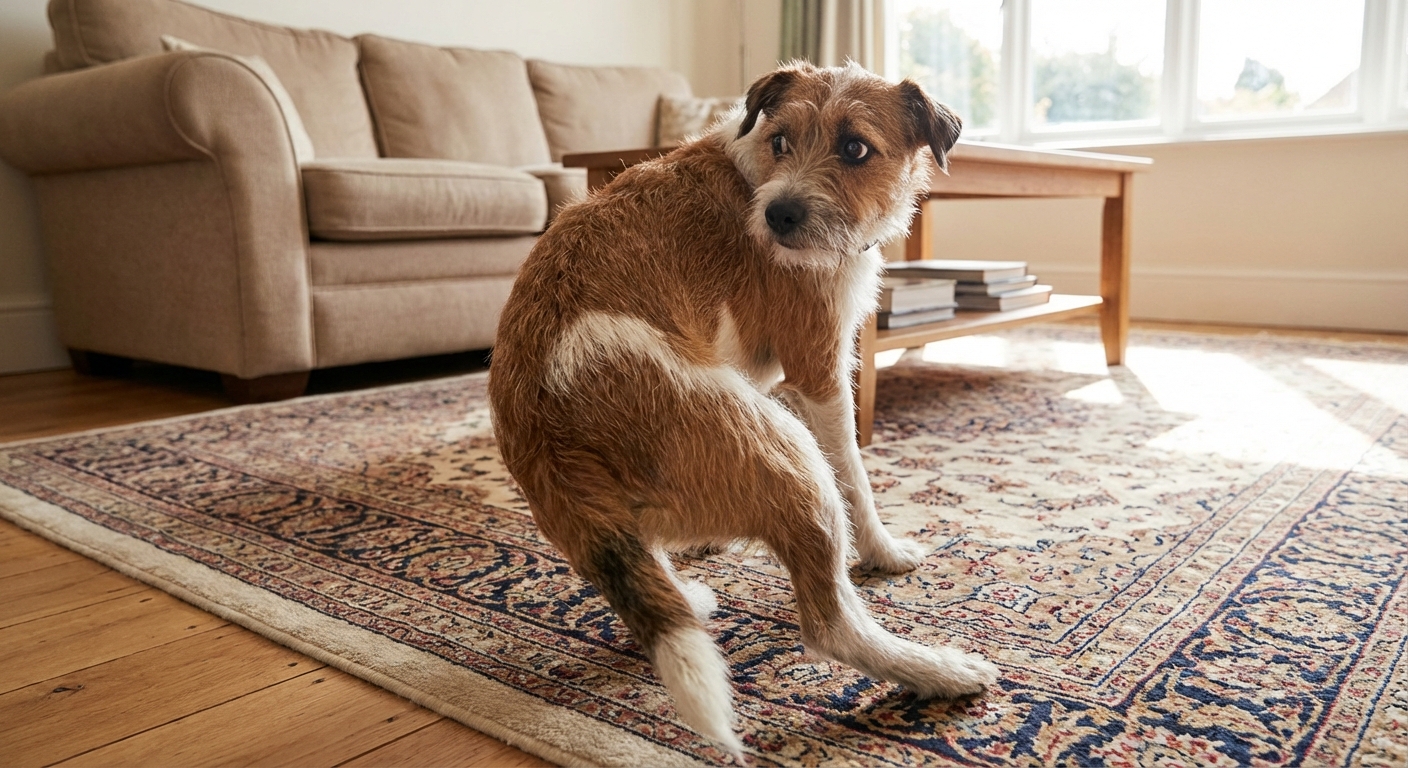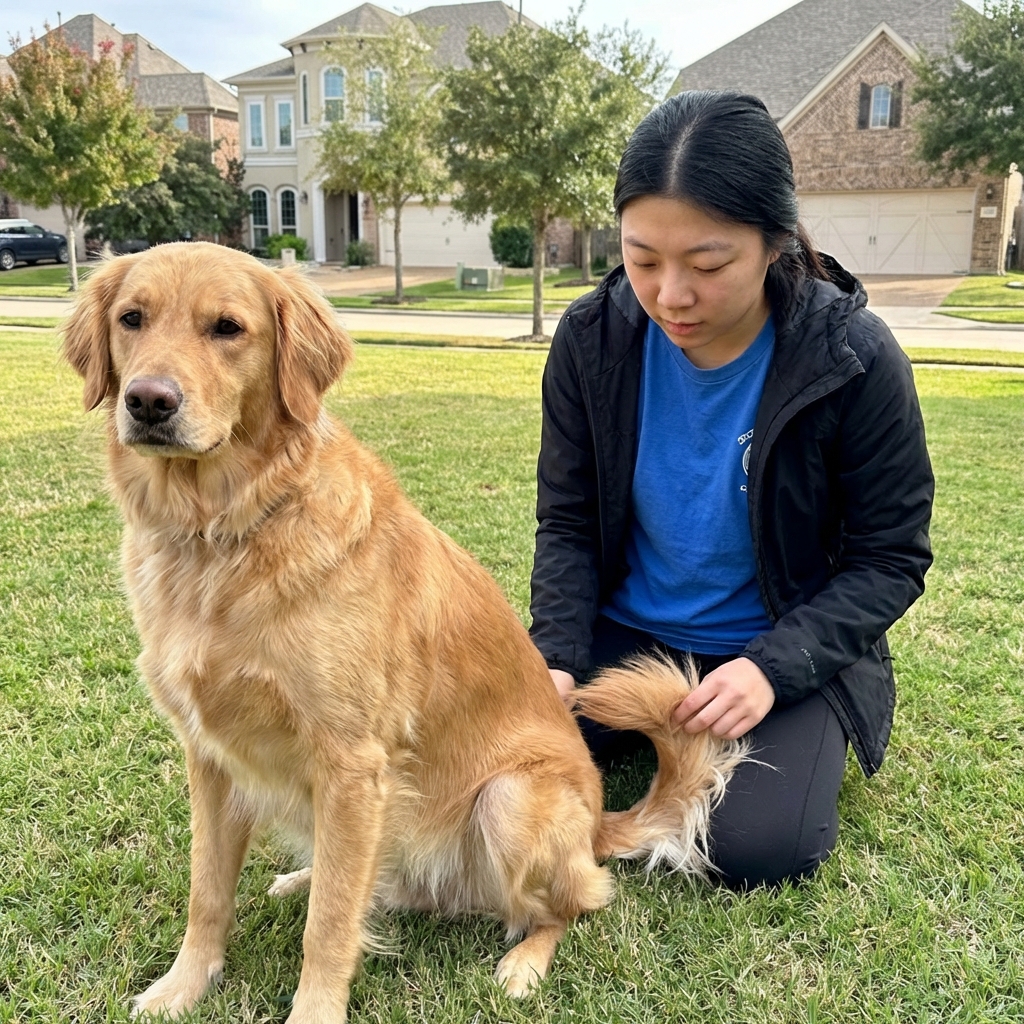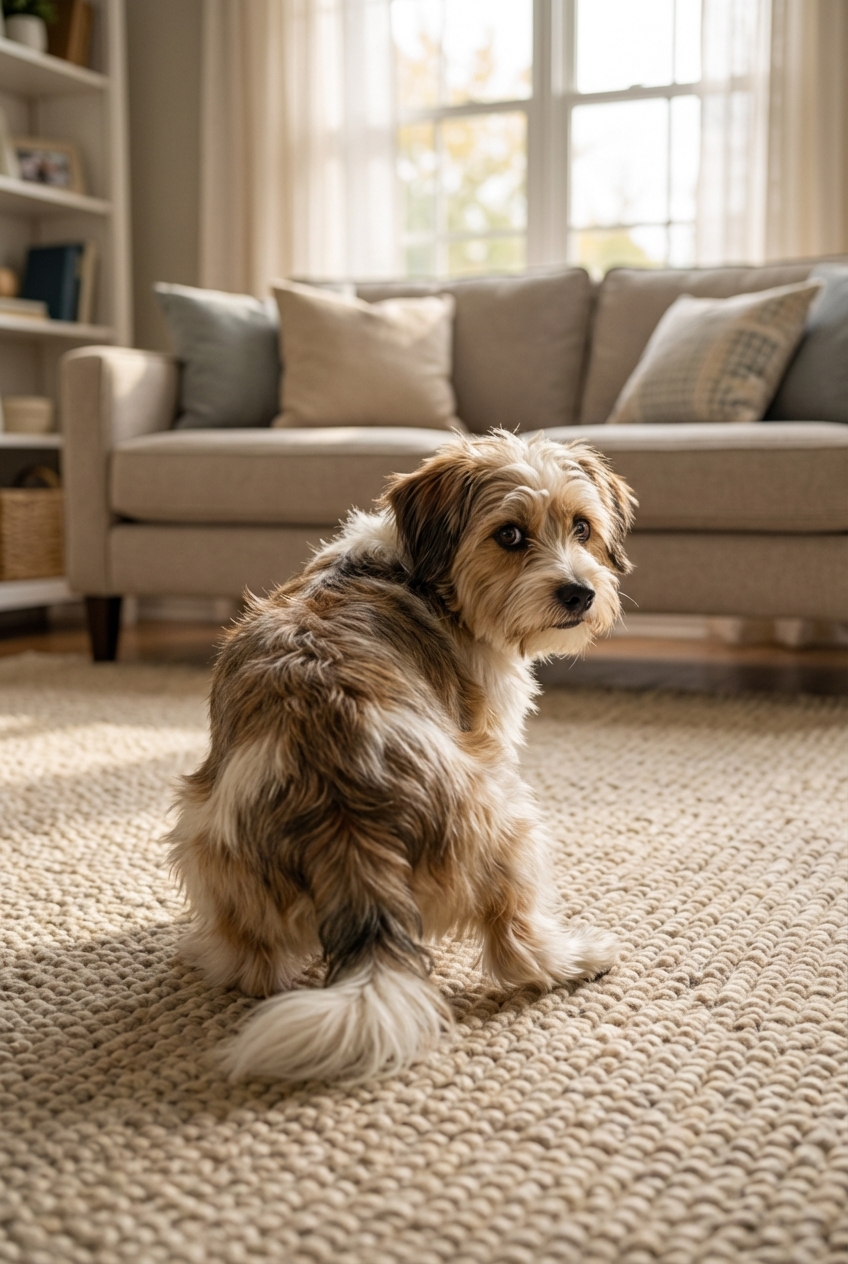
Dog scooting isn’t just funny—it signals itch, pressure, pain, or something stuck. Learn common causes like anal glands, allergies, worms, and stool issu...
Article
•
Designer Mixes
Dog Scooting: Causes and Fixes

Shari Shidate
Designer Mixes contributor
If you have ever seen your dog drag their bottom across the carpet, you know it is equal parts funny and concerning. In the veterinary world, we call this scooting, and it is usually a sign that something is irritating the skin, the anal area, or the lower digestive tract.
The good news is that most causes are very treatable. The important part is figuring out why it is happening, because the right fix depends on the root cause.
Quick note: This article is for education and is not a substitute for a veterinary exam, especially if your dog seems painful or unwell.
What scooting can mean
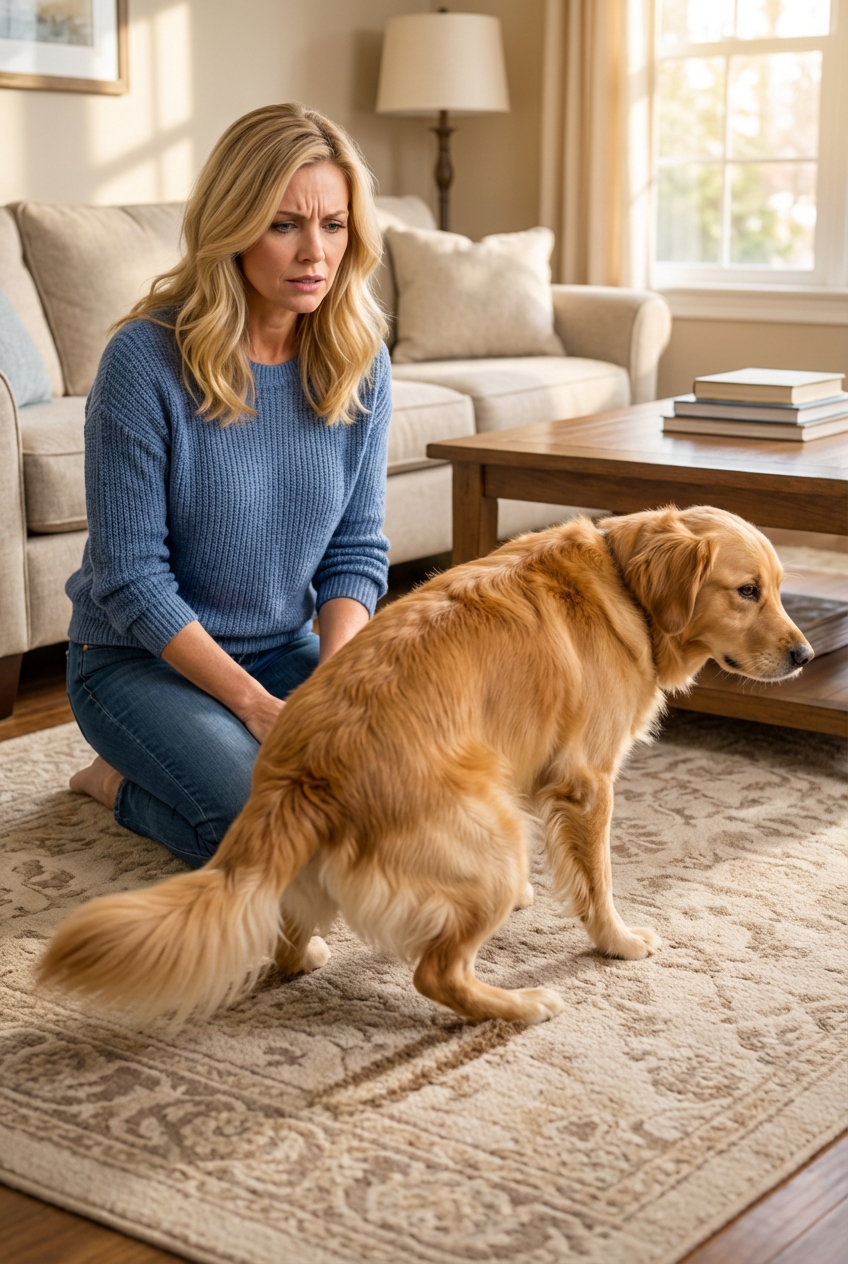
Scooting is a symptom, not a diagnosis. Dogs scoot when they feel:
- Itchy (allergies, irritation, infection, fleas)
- A sense of fullness or pressure near the anal sacs
- Pain (inflamed skin, impacted glands, injuries)
- Something stuck (matted fur, fecal material, foreign debris)
Some dogs scoot once in a while and then stop. Others do it repeatedly, lick at the area, or seem uncomfortable sitting down. Those patterns help you and your veterinarian narrow things down quickly. Occasionally, a one-off scoot really is just transient debris and not an underlying disease.
Common causes
1) Anal sac issues
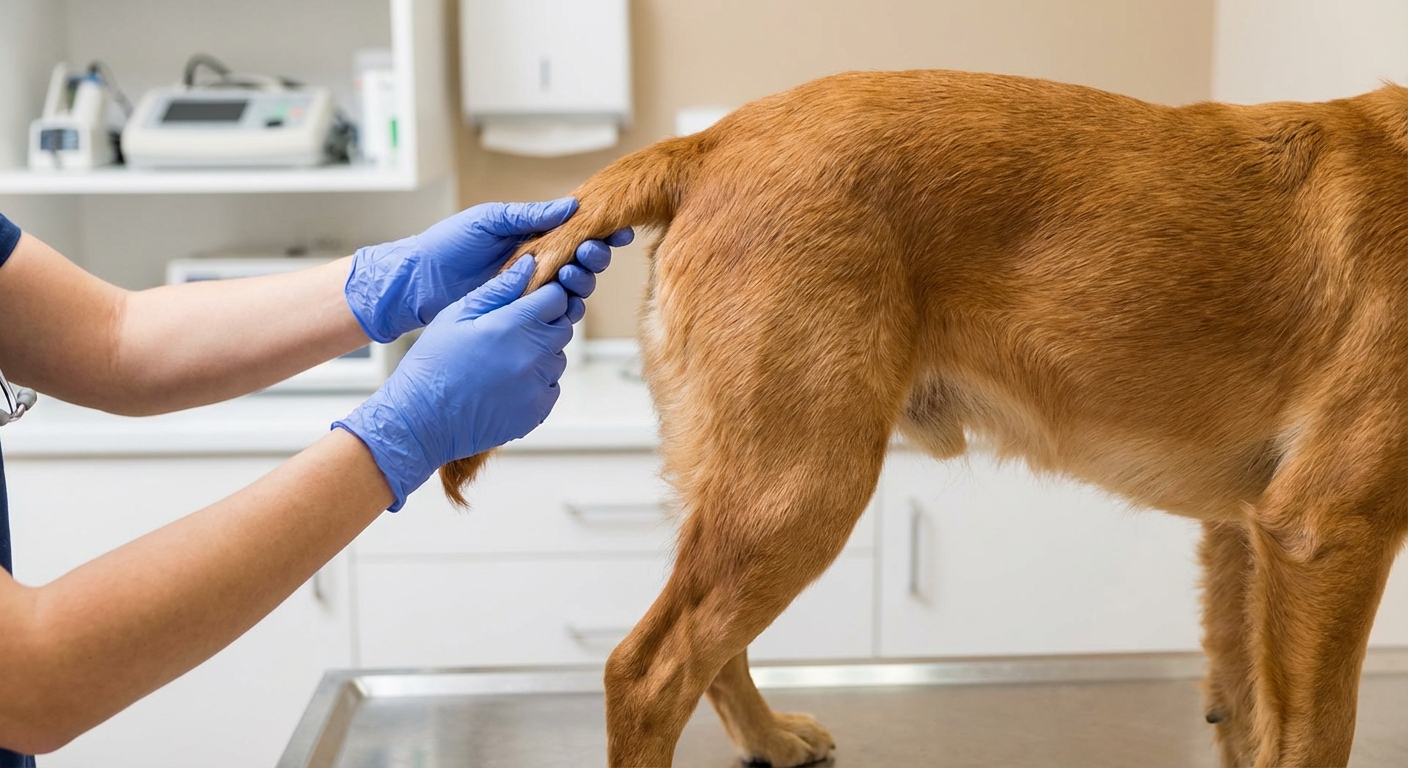
This is one of the most common reasons dogs scoot. Dogs have two small anal sacs that sit beside the anus (often described around the 4 and 8 o’clock positions). Each sac drains through a small duct near the anus and contains a strong-smelling secretion.
Many dogs express a small amount during bowel movements, but emptying can be incomplete and varies from dog to dog. If the sacs do not empty well, they can become overfull, inflamed, or infected.
You might notice:
- Frequent scooting or sudden scooting episodes
- Licking or chewing at the rear
- A fishy or metallic anal-gland odor
- Swelling, redness, or pain around the anus
Why it happens: Soft stool, chronic diarrhea, obesity, and some anatomical factors can reduce normal emptying. Anal sac problems are more commonly reported in smaller dogs, but any dog can be affected.
2) Allergies
Allergies often show up as skin irritation, and the anal area is not exempt. Dogs with allergic skin disease may have inflammation around the rear, leading to itching, licking, and scooting.
Clues that point toward allergies:
- Itchy paws, ear infections, face rubbing, or belly itching
- Seasonal flares (spring and fall are common)
- Recurring anal sac inflammation without a clear stool issue
Food sensitivities can also contribute, especially when they cause soft stool or chronic GI upset.
3) Fleas and tapeworms
Fleas can trigger intense itch, including around the tail base and rear end (flea allergy dermatitis is a big culprit). Tapeworm segments can also cause itching and scooting in some dogs. You may see small, rice-like pieces around the anus or in the stool. Other intestinal parasites can irritate the GI tract and lead to loose stool, which can then make anal sac problems more likely.
What to look for:
- Scooting plus licking the rear
- Visible segments that look like grains of rice
- Increased appetite or weight changes (not always)
- Diarrhea in some cases
Even well-cared-for dogs can pick up parasites. Routine fecal testing and vet-recommended preventatives matter.
4) Soft stool or constipation
Stool quality affects everything back there. When stool is too soft, it may not put enough pressure on the anal sacs to help them empty. When a dog is constipated, straining can irritate tissues and make the area sore.
Take note of:
- Changes in stool consistency
- Frequency of bowel movements
- Mucus, blood, or straining
If scooting started after a diet change, new treats, table scraps, or antibiotics, that is worth mentioning to your veterinarian.
5) Grooming and coat issues
Especially in fluffy designer mixes, scooting can be as simple as:
- Fecal material stuck to fur
- Matting pulling on skin
- Clipper irritation after a groom
- Debris caught near the anus
This is one reason consistent sanitary trims and gentle cleaning after messy stools can make a huge difference.
6) Infection, injury, or growths
Skin infections, anal sac infections or abscesses, rectal inflammation, and growths around the anus can all cause scooting. Less common conditions can also be involved, including deeper skin disease around the anus, orthopedic pain that makes sitting uncomfortable, or other medical issues that mimic scooting.
Important: If you notice bleeding, discharge, swelling, a worsening odor with redness, or your dog yelps when sitting, it is time for a vet visit as soon as possible. These warrant veterinary evaluation rather than home treatment.
Safe first steps at home
Here are practical steps that are usually safe while you are monitoring or waiting for a vet appointment. Choose the options that match what you are seeing.
Check the area
- Look for stuck feces, mats, redness, swelling, fleas or flea dirt, or visible “rice” segments.
- If your dog is painful or will not let you look, stop and call your vet.
Clean gently
- Use a pet-safe wipe or a warm, damp cloth to gently clean the area.
- Keep the fur trimmed and clean, especially for dogs prone to mess.
Do not apply human meds
- Avoid human hemorrhoid creams, essential oils, peroxide, alcohol, or fragranced products.
- If you think your dog needs a topical product, ask your vet what is safe for that specific cause.
Support stool quality
Firm, well-formed stools help many dogs naturally express anal sacs.
- If stools are consistently soft, talk to your vet before making big changes.
- Many dogs benefit from gradual fiber adjustments, but the right amount depends on the dog and the cause.
- Hydration matters, especially for constipation-prone pups.
Stay current on prevention
- Use veterinarian-recommended flea and intestinal parasite prevention.
- Schedule fecal testing as recommended, especially if scooting is frequent.
Scooting that happens repeatedly over a few days is your dog’s way of saying, “Something is bothering me.” It is worth investigating, not just ignoring.
Expressing anal sacs at home
As a veterinary assistant, I always encourage pet parents to be cautious here. “Expressing anal sacs” means applying pressure to help empty the sacs. This is sometimes done externally (from the outside) and sometimes internally (from inside the rectum), and it is easy to make an uncomfortable situation worse if the sacs are inflamed or infected.
External expression can be messy and uncomfortable, and if done incorrectly it can cause irritation or worsen inflammation.
Consider leaving it to a professional if:
- You have never been shown how to do it safely
- Your dog is painful, swollen, or very inflamed
- There is blood, pus, or a strong fishy odor
- Your dog has frequent anal sac issues (they may need a medical plan, not just expression)
A veterinarian can also check whether the sacs are impacted, infected, or abscessed, which changes treatment significantly.
When to see the vet
Schedule a veterinary visit promptly if you notice any of the following:
- Scooting that continues more than 24 to 48 hours or keeps returning
- Swelling, open sores, bleeding, or discharge near the anus
- A painful dog that yelps, snaps, or will not sit
- Strong fishy odor plus redness or irritation
- Diarrhea that lasts more than 24 hours, is worsening, is paired with vomiting or lethargy, or includes any blood
- Puppies, seniors, or immunocompromised dogs: call sooner for any significant diarrhea
- Visible tapeworm segments
Depending on findings, your vet may recommend anal sac expression, stool testing, deworming, flea control, allergy management, diet changes, antibiotics, anti-inflammatories, or additional diagnostics.
Prevention
Better stool
- Feed a consistent, balanced diet and make diet changes slowly.
- Avoid frequent “surprise” treats that trigger soft stool.
- Ask your vet whether fiber, probiotics, or a diet change is appropriate for your dog’s history.
Grooming
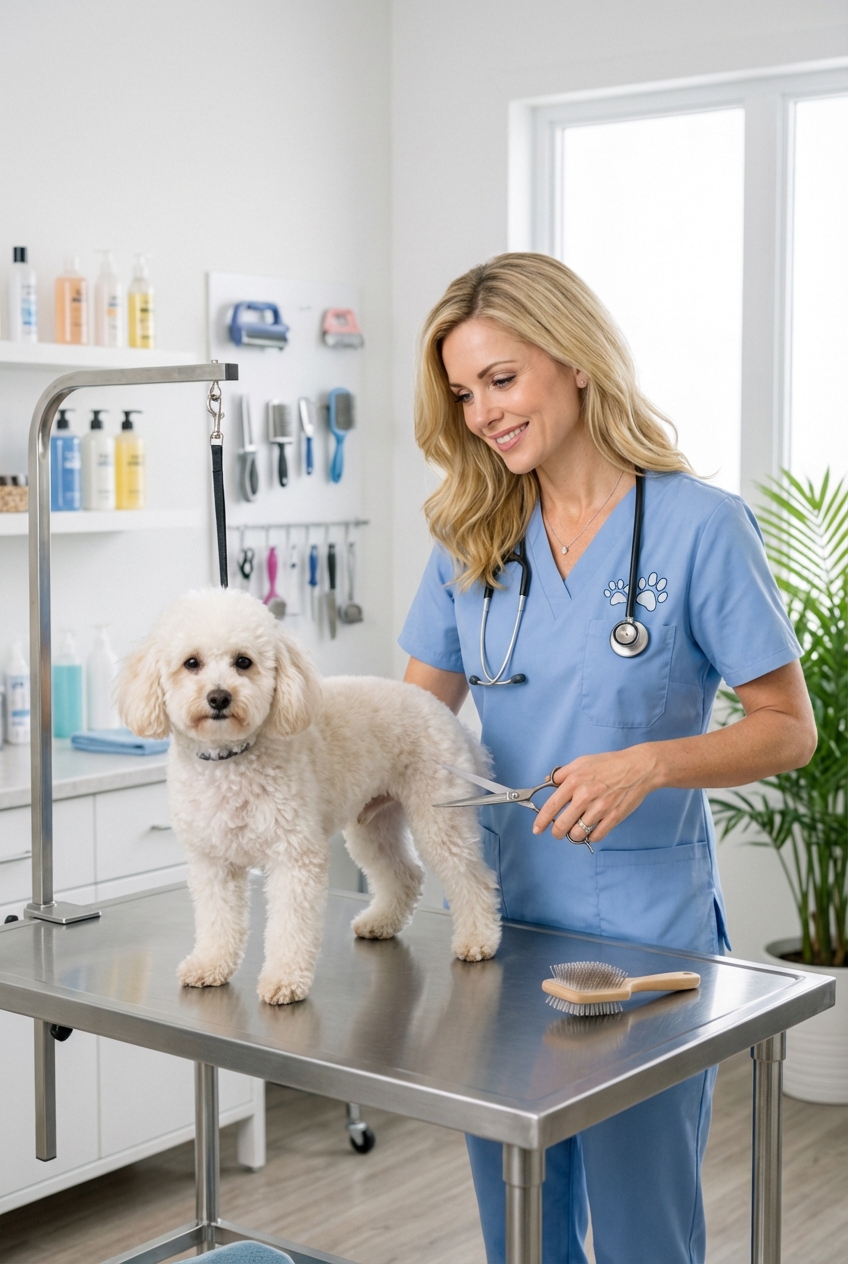
- Maintain a sanitary trim, especially for curly or long-coated mixes.
- Clean the area gently after messy bowel movements.
Allergy care
- Recurring ear infections, licking paws, or chronic itch are not “normal.”
- Work with your vet on an allergy plan before secondary infections develop.
Parasite control
- Fleas can lead to tapeworms, and both can contribute to itching and scooting.
- Use preventatives consistently, not just seasonally, if your vet recommends it.
Quick checklist
- One-time scoot: Check for stuck debris and monitor.
- Repeated scooting: Look at stool quality and schedule a vet visit.
- Fishy smell or licking: Anal sacs may be involved.
- Rice-like bits: Bring a stool sample to the vet and ask about tapeworm treatment.
- Pain, swelling, blood: Seek veterinary care quickly.
Your dog is not being “weird” or “gross.” They are trying to relieve discomfort. With the right approach, most dogs feel better fast, and your carpet will thank you too.