Dog diarrhea is stressful, but many mild cases improve fast with hydration and a short-term bland diet. Get safe food options, portions, foods to avoid, and ...
Article
•
Designer Mixes
Dog-Safe Vegetables That Help With Diarrhea

Shari Shidate
Designer Mixes contributor
When your dog has diarrhea, it can feel urgent and scary. The good news is that many mild cases improve quickly with a simple plan: steady hydration, a short-term bland diet, and a few gentle, dog-safe foods. In my work as a veterinary assistant here in Frisco, Texas, I’ve seen over and over that the simplest choices are often the most effective.
This article focuses on vegetables that are typically well tolerated and may help firm up stool. I’ll also share how to serve them safely, how much to give, and the red flags that mean it’s time to call your vet. This is general supportive feeding guidance, not a diagnosis for your individual dog.
First, a quick safety check
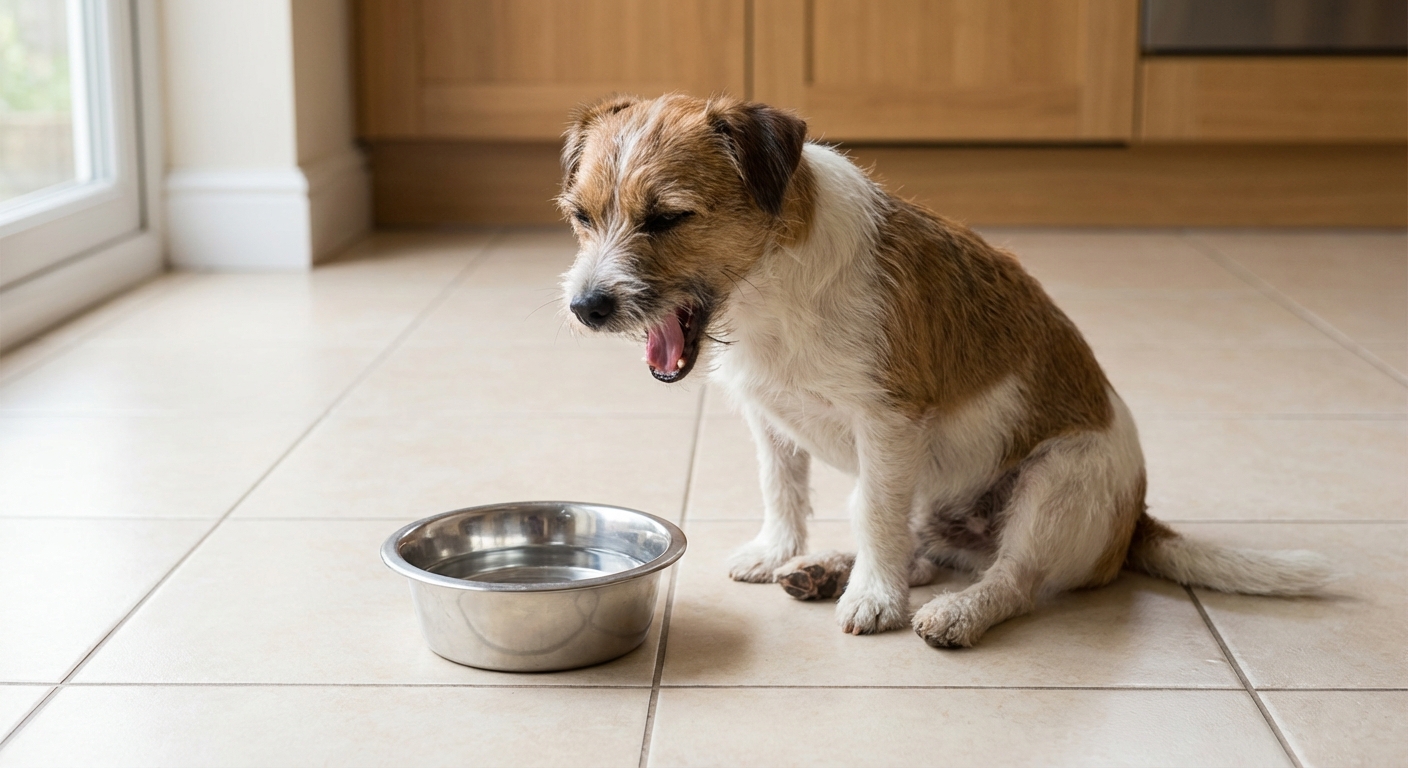
Diarrhea is a symptom, not a diagnosis. Sometimes it is just a minor food upset, but other times it can signal parasites, pancreatitis, toxin exposure, or an intestinal blockage.
What “mild” usually looks like
- A couple of loose stools
- Your dog is still bright, eating, and drinking
- No repeated vomiting
- No blood in the stool
Call your vet promptly if you notice any of these
- Blood in the stool (bright red or black, tarry stool)
- Vomiting repeatedly or your dog cannot keep water down
- Severe lethargy, weakness, collapse, pale gums
- Signs of dehydration (tacky or dry gums, sunken eyes, reduced urination, marked lethargy)
- Suspected toxin exposure, garbage eating, foreign object chewing
- Puppies, seniors, or dogs with chronic disease (kidney disease, diabetes, Addison’s, IBD) with diarrhea
- Diarrhea that lasts more than 24 to 48 hours despite bland feeding
If your dog is otherwise acting normal, gentle dietary support is often reasonable while you monitor closely.
Why certain vegetables can help
Not all fiber is the same. The vegetables that tend to help most contain soluble fiber, which absorbs water and can help form a more normal stool. Some also provide prebiotic fibers that support beneficial gut bacteria.
The key is plain and cooked. Greasy toppings, butter, seasonings, and rich add-ins can make diarrhea worse.
Best dog-safe vegetables for diarrhea
Portion note: Start small and adjust based on your dog’s size and response. A common starting point is about 1 to 2 teaspoons for small dogs, 1 tablespoon for medium dogs, and 1 to 2 tablespoons for large dogs per meal. Too much fiber can worsen diarrhea or cause gas, so more is not better.
1) Pumpkin (plain)
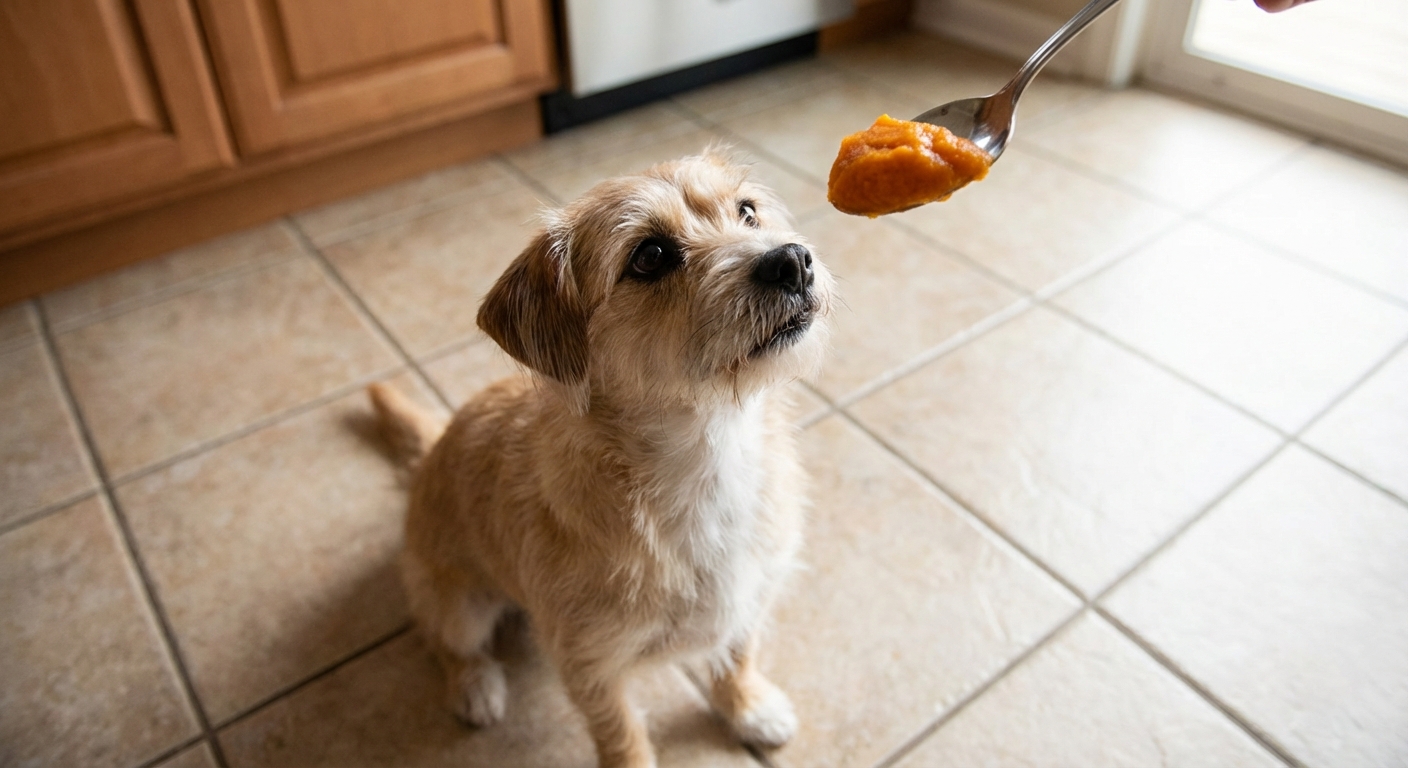
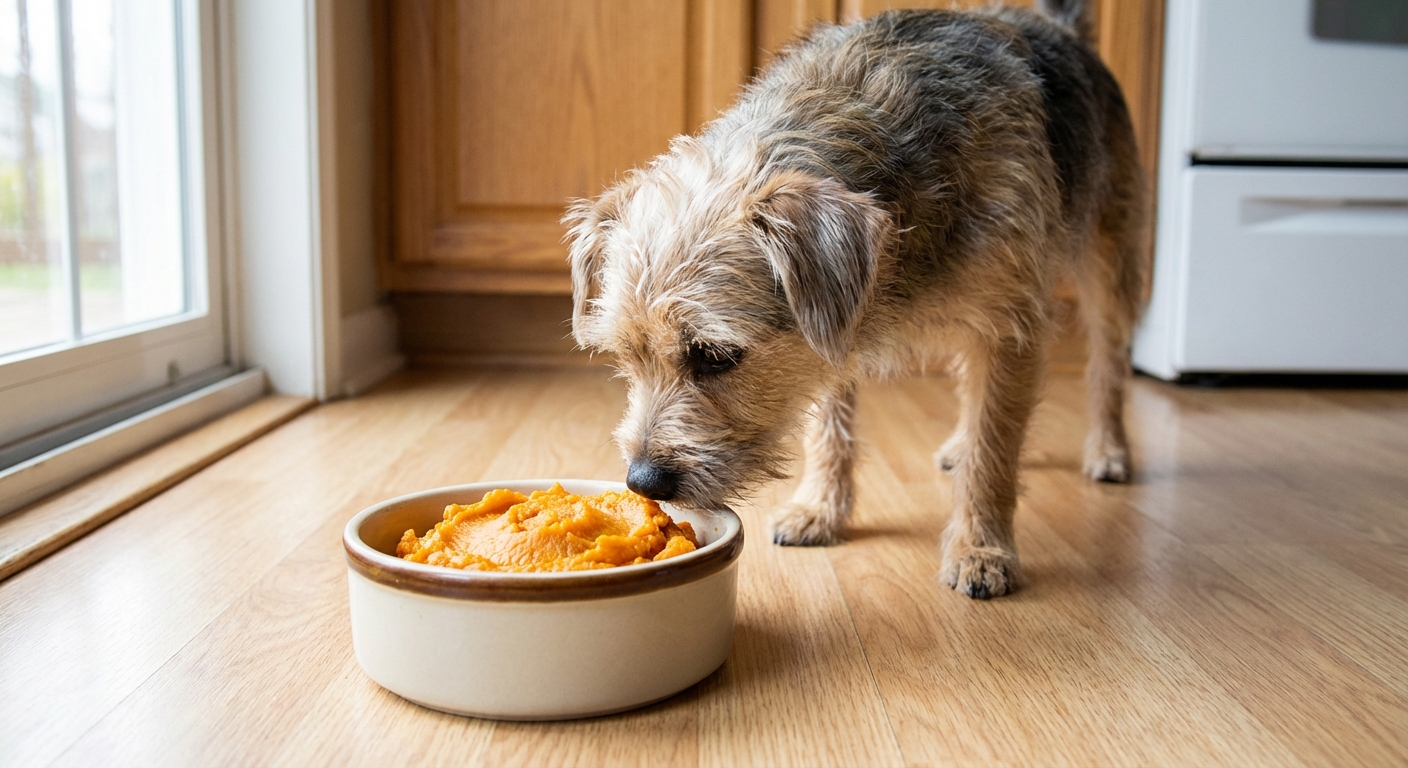
Plain pumpkin is a classic for a reason. It is rich in soluble fiber and is usually gentle on the stomach. Use 100% plain canned pumpkin or cooked plain pumpkin, not pumpkin pie filling (which often contains sugar and spices).
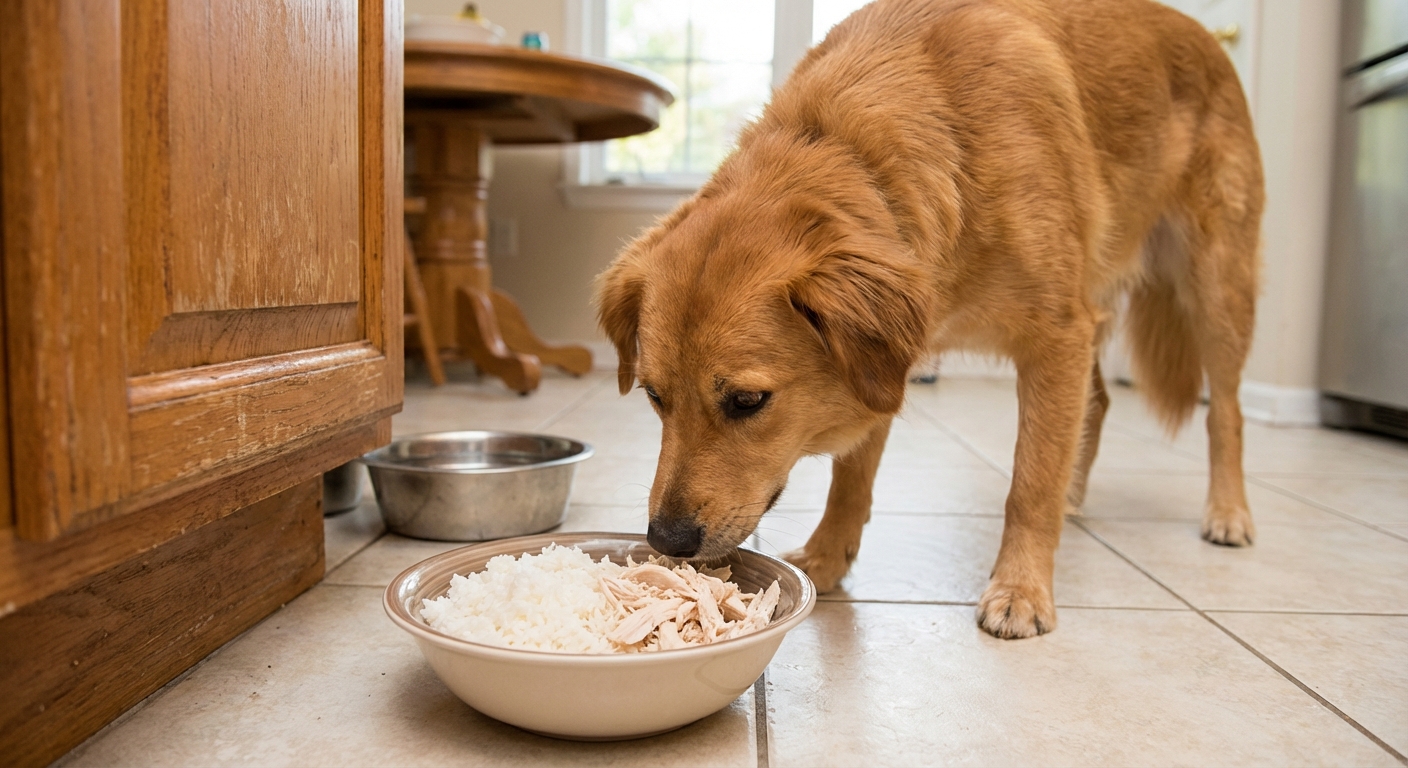
- How to serve: Mix into bland food (like cooked chicken and white rice) or offer as a small side.
- Typical amount: A common starting point is about 1 teaspoon per 10 pounds of body weight per meal. Many medium to large dogs do well with 1 to 2 tablespoons per meal. If stools loosen or your dog gets gassy, reduce the amount.
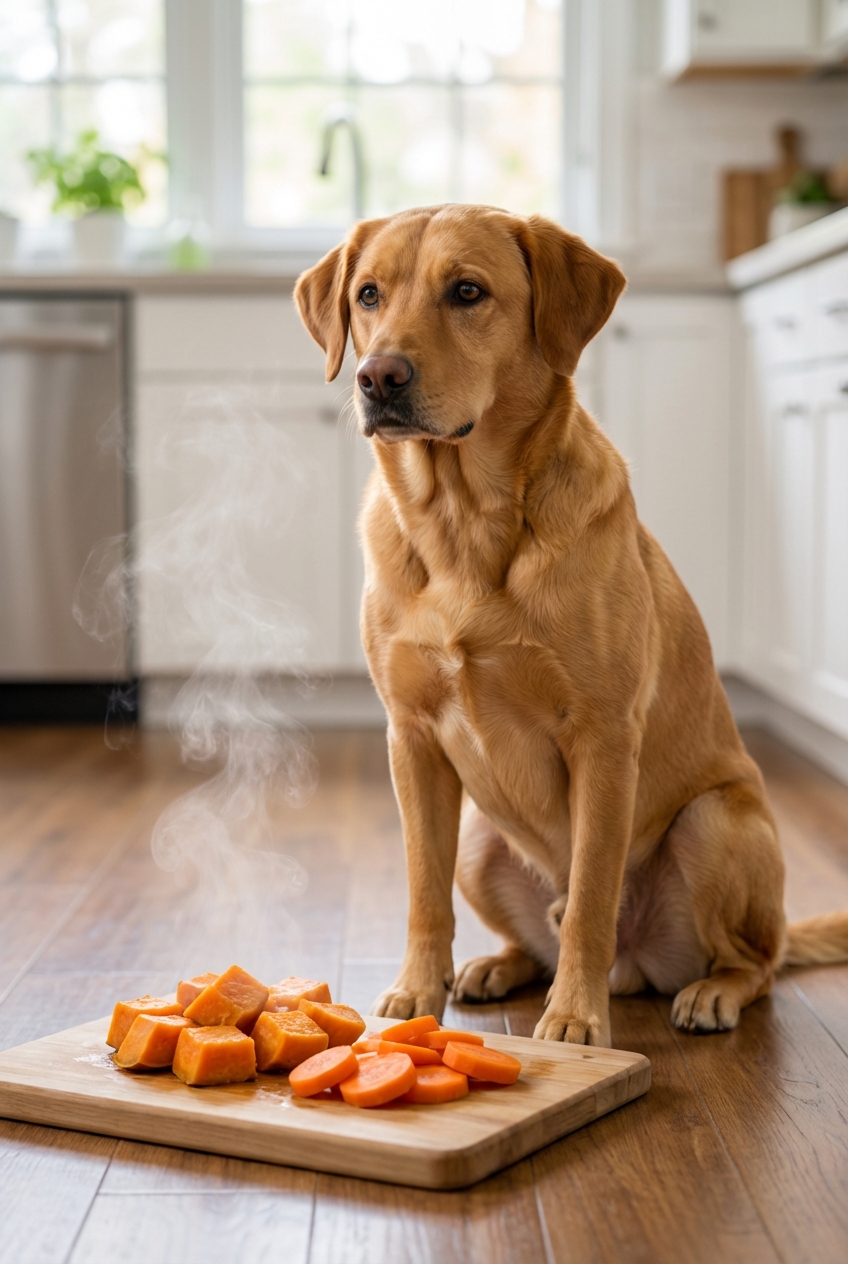
2) Sweet potato (cooked, plain)
Cooked sweet potato is another gentle, fiber-rich option that can help firm up stool. It is also tasty, so picky eaters often accept it.
- How to serve: Baked or steamed, mashed with no butter, oil, salt, or spices.
- Typical amount: Start with 1 to 2 teaspoons (small), 1 tablespoon (medium), or 1 to 2 tablespoons (large) per meal.
3) Carrots (cooked)
Cooked carrots are mild and easy on the gut. They provide fiber and are often used in bland diets.
- How to serve: Steamed until soft, then chopped finely or mashed.
- Typical amount: Start with 1 teaspoon (small), 1 tablespoon (medium), or 1 to 2 tablespoons (large) per meal.
4) Squash (plain, cooked)
Many types of squash, especially winter squash, are gentle and fiber-forward. Like pumpkin, they can support stool quality when served plainly.
- How to serve: Roasted or steamed until very soft, mashed, no oils or seasoning.
- Typical amount: Start with 1 to 2 teaspoons (small), 1 tablespoon (medium), or 1 to 2 tablespoons (large) per meal.
- Avoid: Creamy squash soups or recipes with onion, garlic, or dairy.
5) Green beans (plain, cooked)
Green beans can work well for some dogs, especially if you keep portions small. They can add gentle bulk.
- How to serve: Steamed or boiled, chopped small.
- Typical amount: Start with 1 teaspoon (small), 1 tablespoon (medium), or 1 to 2 tablespoons (large) per meal.
- Choose: Fresh or frozen, or canned no-salt-added.
How to feed veggies during diarrhea
Keep it bland and short-term
For mild diarrhea, many vets recommend a short bland-diet window while the gut resets. Vegetables are a support, not a complete meal plan.
- Cook everything and serve at room temperature.
- Start with tiny amounts and increase slowly only if stools improve.
- Feed smaller meals more frequently (for example, 3 to 4 small meals).
- Hydration matters. Encourage water intake.
About “resting the gut”
You may hear advice about fasting. A brief fast is sometimes used for certain healthy adult dogs, but it is not appropriate for every dog, especially puppies, small breeds prone to low blood sugar, seniors, diabetics, and dogs with certain medical conditions. If you are considering fasting, follow your veterinarian’s guidance.
A simple bland bowl (example)
If your dog is eating and keeping food down, a common approach is:
- Lean protein (plain cooked chicken or turkey)
- Easy carb (white rice)
- One supportive vegetable (pumpkin or mashed sweet potato)
Use the veggie as a small add-in, not the majority of the bowl.
Broth tip
If your vet approves broth to encourage drinking, choose low sodium and make sure it contains no onion or garlic. Many store-bought broths include them.
Vegetables to avoid
Even dog-safe veggies can backfire when a stomach is upset. During active diarrhea, avoid high-fat preparations and vegetables that tend to cause extra gas or are harder to digest.
- Raw vegetables (often too rough on a sensitive gut)
- Cruciferous veggies in larger amounts (broccoli, cauliflower, cabbage) because they can increase gas and discomfort
- Spicy, oily, buttery, or seasoned vegetables
- Onion, chives, leeks, garlic (toxic to dogs)
Diarrhea can tempt people to try lots of new foods at once. That can make it harder to know what helped and what made things worse. Keep it simple.
How long until stools improve?
For mild dietary diarrhea, you may see improvement within 24 to 48 hours after switching to a bland approach, with more normal stool over the next day or two. Some dogs take longer, especially if stress, parasites, or a sensitive gut are involved.
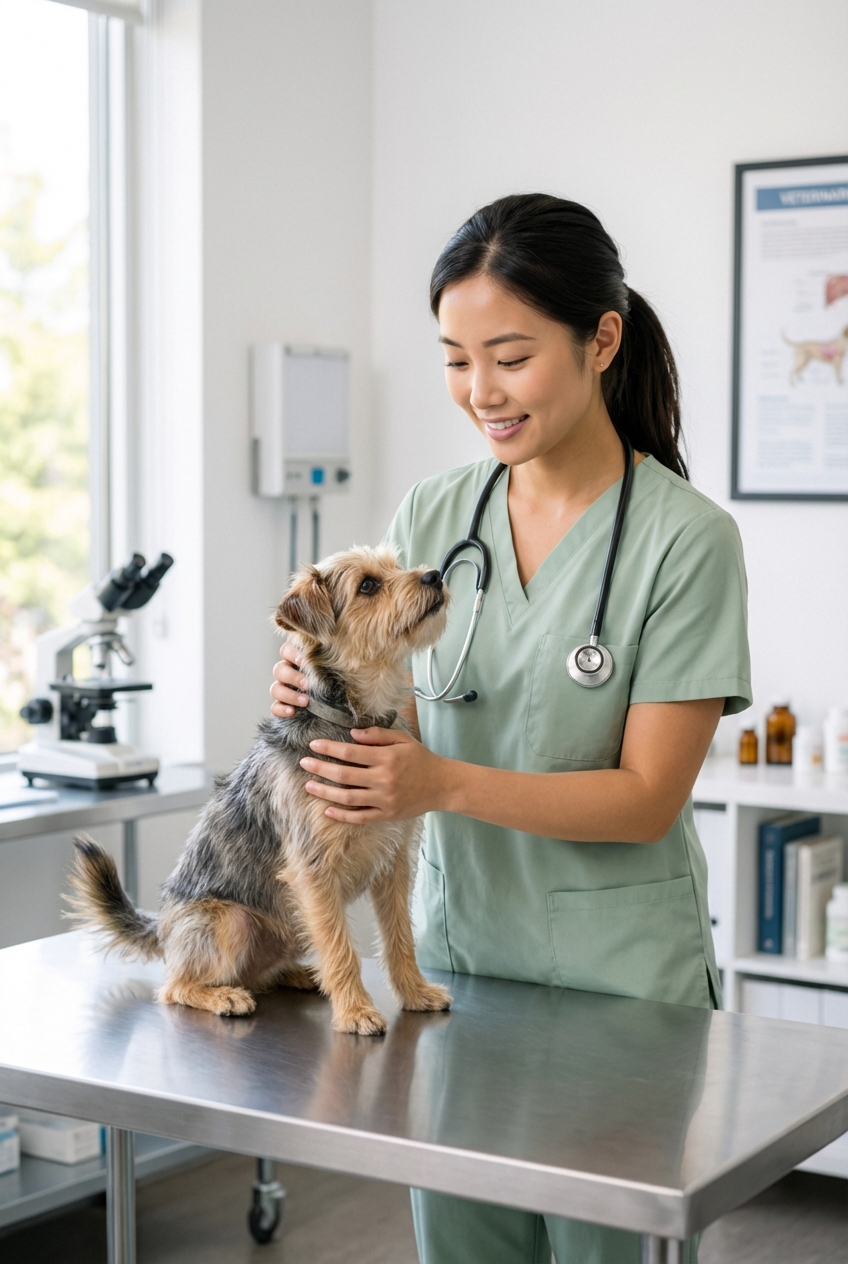
If stool is not improving, or it is worsening, do not push through at home. Your vet may recommend a fecal test for parasites, targeted probiotics, or additional treatment based on your dog’s age, health history, and symptoms.
Helpful extras (ask your vet first)
Vegetables can help, but they are just one piece of gut support. Depending on your dog, your veterinarian might recommend:
- Veterinary probiotics with strains tested for dogs
- Fecal testing if diarrhea is recurrent or there is mucus, urgency, or accidents
- Deworming if parasites are suspected
- A prescription GI diet for sensitive or chronic cases
Also avoid adding new extras that can create their own problems. For example, some peanut butters contain xylitol, which is toxic to dogs.
Bottom line
If your dog has mild diarrhea but is acting normal, plain pumpkin, cooked sweet potato, cooked carrots, cooked squash, and cooked green beans are some of the most reliable dog-safe vegetable options to try in small amounts.
Go slow, keep meals simple, and watch hydration closely. Once stools are normal, transition back to your dog’s regular food gradually over 2 to 3 days to avoid triggering another upset. And if you see blood, vomiting, weakness, or diarrhea that will not resolve, it is absolutely worth calling your vet. You are not overreacting. You are being a good dog parent.