Help your dog feel better with gentle homemade meals for sensitive stomachs. Learn a 3-ingredient bland reset, easy recipes, transition steps, and what signs...
Article
•
Designer Mixes
Dog Safe Vegetables for Sensitive Stomachs

Shari Shidate
Designer Mixes contributor
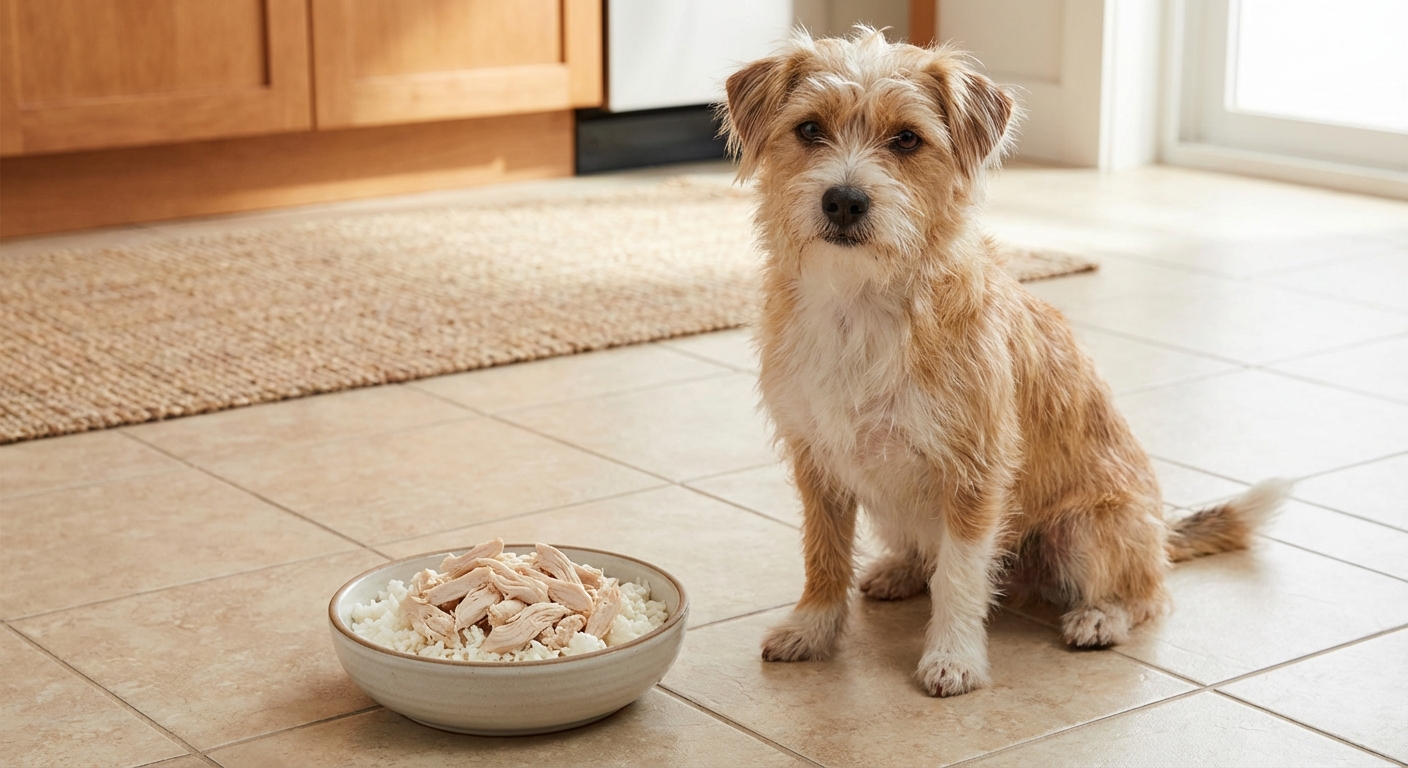
If your dog has a sensitive stomach, vegetables can feel like a risky experiment. The good news is that some vegetables are naturally gentle, hydrating, and full of fiber that can support a healthier gut. The key is choosing the right options, cooking them properly, and introducing them slowly so you can watch how your dog responds.
As a veterinary assistant in Frisco, Texas, I see tummy troubles all the time: soft stool, gassiness, occasional vomiting, and picky eating that often has a digestive cause. When a dog is sensitive, it is rarely about one single ingredient. It is more often about portions, preparation, and how quickly foods are introduced.
What “sensitive stomach” looks like
Dogs with sensitive stomachs can have symptoms that come and go, especially after new treats, table scraps, diet changes, or stressful events. Common signs include:
- Loose stool or inconsistent stool quality
- Gassiness, burping, or audible stomach gurgling
- Occasional vomiting, especially bile early in the morning
- Decreased appetite or “skipping meals”
- Itchy skin or ear issues that may overlap with food sensitivity
If your dog is repeatedly vomiting, has blood in the stool, seems painful, is dehydrated, or is acting lethargic, skip the diet experiments and call your veterinarian. Those can be signs of pancreatitis, intestinal parasites, foreign body obstruction, or other conditions that need medical care.
Gentle vegetables for dogs
For sensitive stomachs, think soft texture, mild flavor, and easy digestibility. In most cases, cooked vegetables are easier on the gut than raw vegetables. Some dogs can handle small amounts of finely chopped raw vegetables, but if your dog is already having GI issues, cooked and soft is usually the safer starting point.
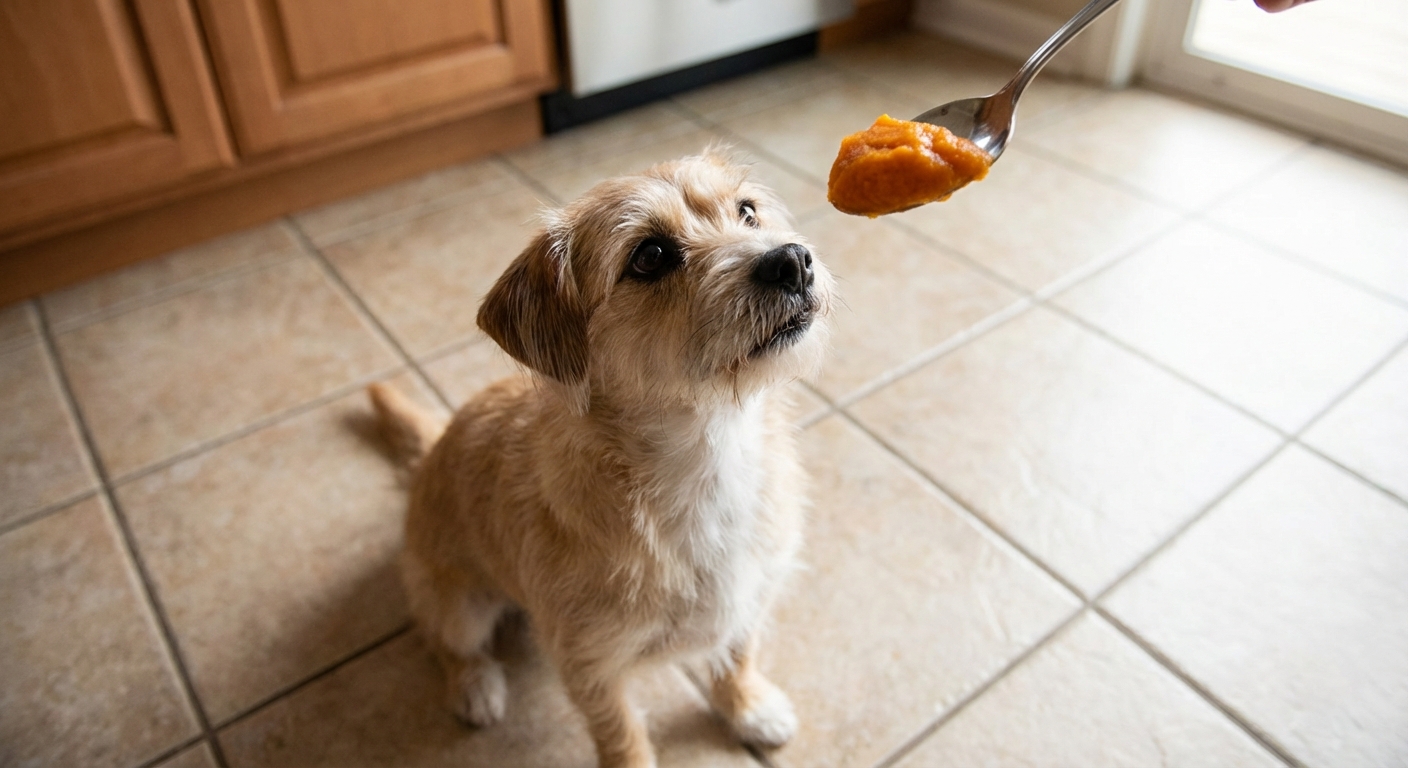
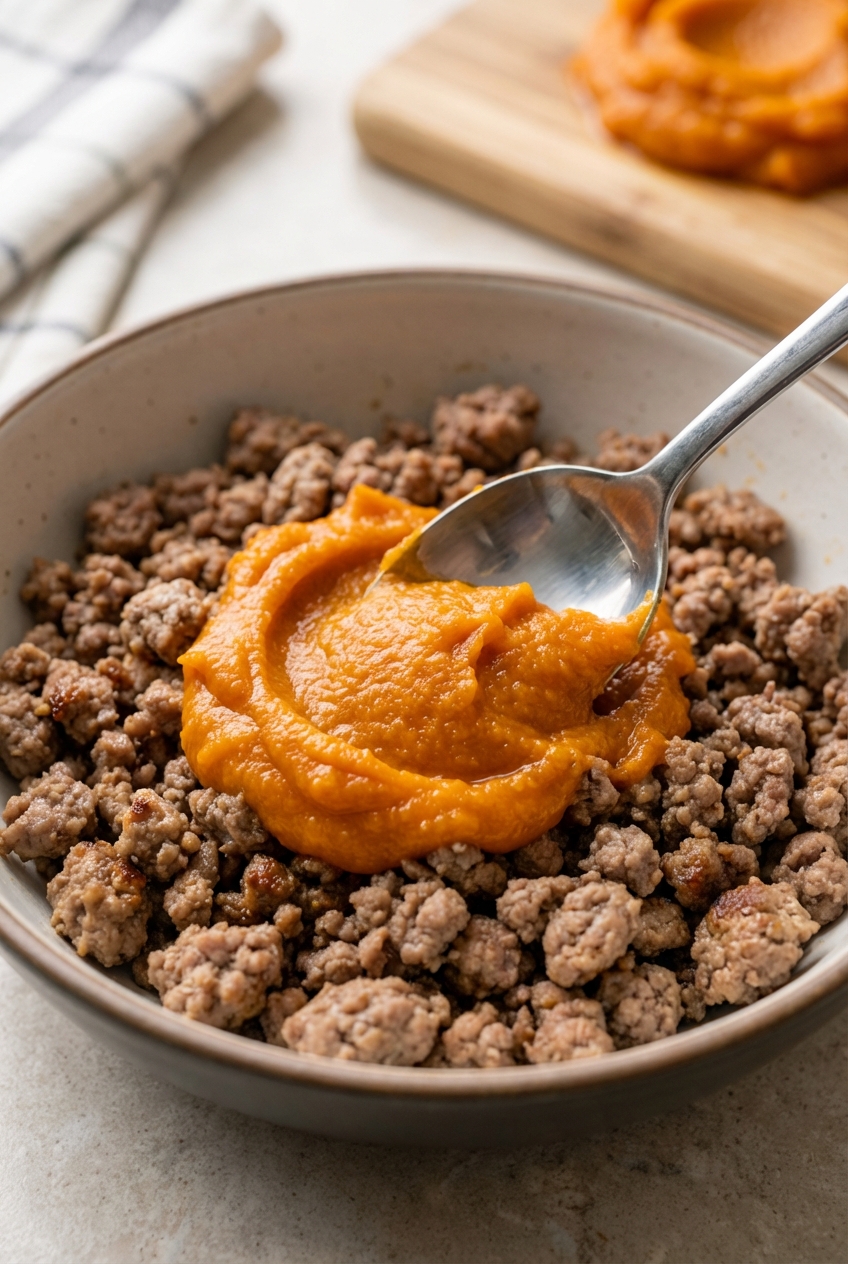
Pumpkin (plain)
Plain pumpkin is one of the most commonly recommended tummy helpers because it contains soluble fiber, which may help normalize stool in some dogs. It is not a guaranteed fix, and too much can worsen diarrhea or cause constipation.
- Best form: 100% pure canned pumpkin (not pumpkin pie filling)
- How to serve: stirred into food
- Portion note: start tiny (see serving guide below)
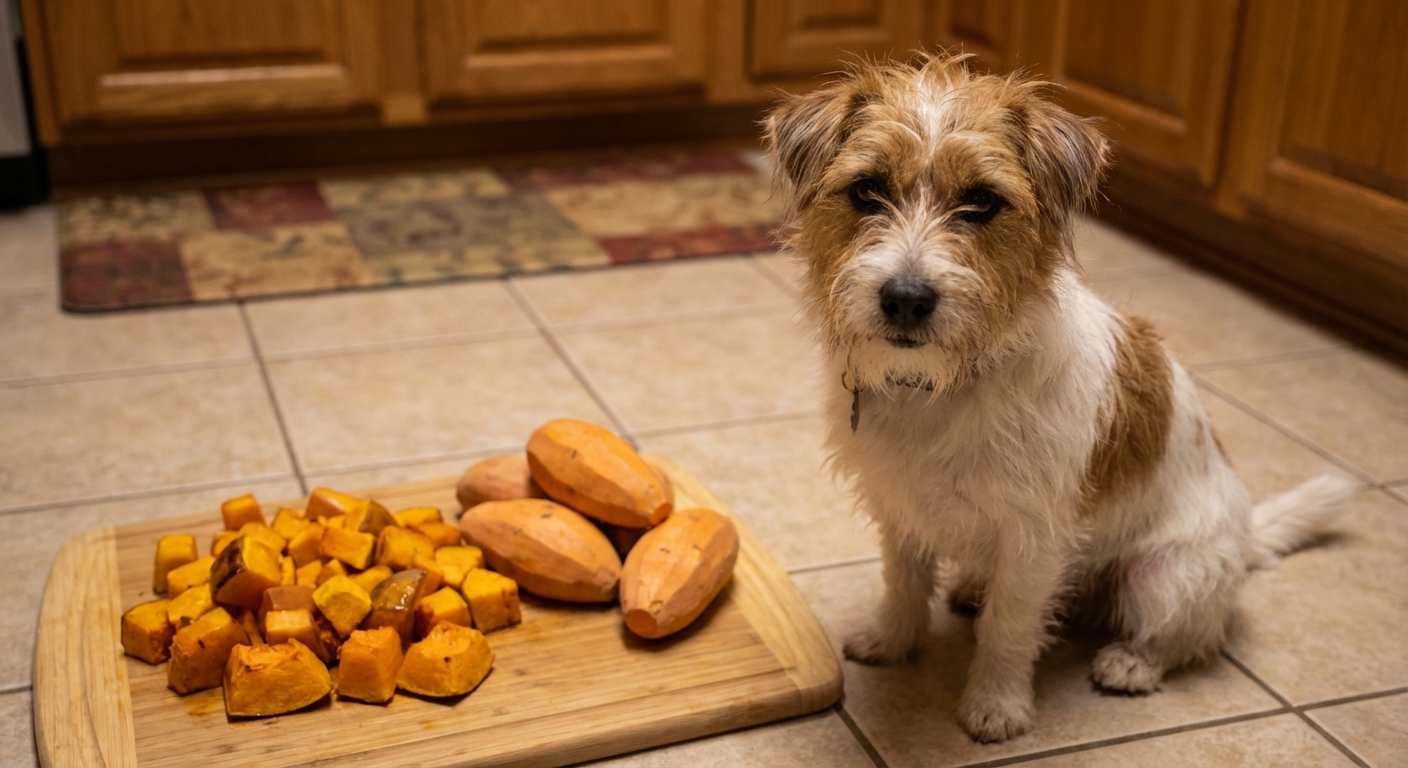
Sweet potato
Sweet potato is gentle, nutrient-dense, and often well tolerated when cooked thoroughly. It is also more starchy than vegetables like zucchini or green beans, so it may not be the best daily topper for dogs who need strict weight or blood sugar management.
- Best form: baked or steamed until very soft
- Note: avoid butter, oils, sugar, seasoning, and skins for sensitive dogs
Carrots
Cooked carrots add mild fiber and are usually easy for dogs to handle.
- Best form: steamed or boiled until tender
- Tip: puree for extra-sensitive dogs or smaller breeds
- Safety: cut small to reduce choking risk, especially for small dogs
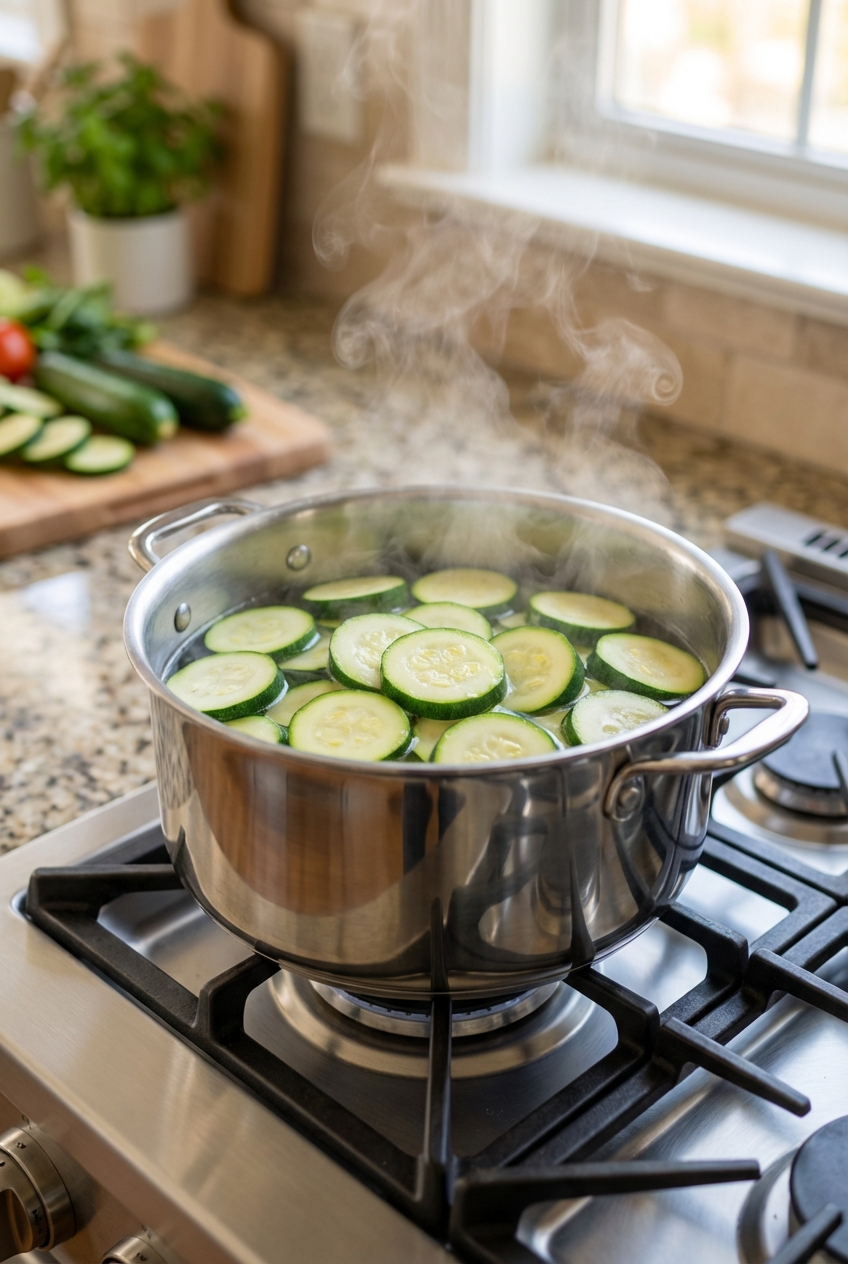
Zucchini
Zucchini is light and watery, which can be helpful when you want something gentle that does not add a lot of calories.
- Best form: lightly steamed or sautéed in a dry pan with a splash of water, no oil
Green beans
Green beans can be a simple, low-fat fiber source. Some sensitive dogs do great with them, especially when they are soft.
- Best form: steamed or boiled, chopped small
- Skip: canned green beans with added salt
Butternut squash
Butternut squash is similar to pumpkin in that it is soft, mildly sweet, and provides soluble fiber.
- Best form: baked or steamed, mashed
Important: If your dog has pancreatitis history or fat-sensitive digestion, focus on vegetables that are naturally low in fat and avoid adding oils, cheese, or rich broths.
Vegetables to use with caution
Even vegetables that are generally considered dog safe can still trigger gas, loose stool, or reflux in sensitive pups. If you are troubleshooting GI upset, keep it simple and introduce only one new vegetable at a time.
Go slow with these gas-makers
- Broccoli (especially stems): can cause gas and stomach upset in some dogs
- Cauliflower: commonly causes bloating and gas
- Brussels sprouts: very gassy for many dogs
- Cabbage: can be tough on sensitive digestion
Avoid these entirely
- Onions (all forms): toxic to dogs
- Chives: toxic to dogs
- Unripe green tomatoes and tomato plant parts: can be harmful
Tomato note: Small amounts of ripe red tomato flesh are typically less risky than green tomatoes or plant parts, but if your dog has a sensitive stomach or tends to reflux, it is reasonable to skip tomatoes entirely and choose a gentler option.
Also avoid any vegetable prepared with garlic salt, onion powder, heavy oils, spicy seasonings, or sauces. The vegetable might be fine, but the extras are where many tummy issues start.
How to prep vegetables
Preparation matters as much as the vegetable itself. For a dog with a delicate gut, your goal is soft texture and simple ingredients.
- Cook it: steaming, boiling, or baking makes many vegetables easier to digest.
- Keep it plain: no butter, oils, salt, pepper, or seasoning blends.
- Go small: chop finely or mash. Pureeing can help if your dog tends to vomit chunks of vegetable.
- Mind the temperature: serve warm or room temperature if your dog seems sensitive to cold foods.
- One change at a time: introduce one new vegetable, then wait a few days before adding another.
If you are mixing vegetables into a complete diet, remember: vegetables are supportive toppers and treats, but they should not replace a balanced food. Dogs still need an appropriately complete and balanced diet for long-term health.
How much is safe?
For many dogs, vegetables do best as a small add-in, not the bulk of the meal. A simple guideline is to keep vegetable toppers at under 10 to 15% of daily calories unless your veterinarian has recommended a different amount for weight management or a specific medical plan.
Start tiny and build slowly
- Small dogs: start with 1 teaspoon once daily
- Medium dogs: start with 1 tablespoon once daily
- Large dogs: start with 2 tablespoons once daily
Stay at that amount for 3 to 5 days. If stool stays normal, appetite stays good, and there is no gas or nausea, you can slowly increase.
Stop rules
- Stop the new vegetable if you notice worsening diarrhea, straining or constipation, increased gas, vomiting, or itching.
- If symptoms last longer than 24 to 48 hours, or your dog seems unwell, call your veterinarian.
Simple veggie toppers
These are gentle, quick options you can keep in your rotation.
Pumpkin mash topper
- 1 to 2 teaspoons (small dogs) or 1 to 2 tablespoons (medium to large dogs) 100% pure pumpkin
- Mix into your dog’s regular meal
Sweet potato spoonful
- Bake sweet potato until very soft
- Scoop out the inside, mash, and add a small spoonful to food
Carrot and zucchini puree
- Steam carrot and zucchini until tender
- Blend with a small splash of water until smooth
- Freeze in teaspoon portions for easy use
Always introduce one new vegetable at a time. If you add three new foods and your dog has diarrhea, you will not know what caused it.
When vegetables are not the answer
If your dog has ongoing digestive upset, vegetables may not fix the root cause. Talk with your veterinarian if symptoms persist more than a few days, or if you notice patterns like:
- Diarrhea that keeps coming back
- Weight loss or poor appetite
- Frequent vomiting
- Itching, ear infections, or scooting alongside GI signs
Your vet may recommend a fecal test, a prescription gastrointestinal diet trial, a parasite prevention check, or a carefully planned elimination diet. Sensitive stomachs can overlap with food allergies, inflammatory bowel disease, pancreatitis, and other conditions.
Gentle vegetables can be wonderful support for a sensitive stomach, but the real win is consistency: simple ingredients, slow changes, and careful observation.
Quick checklist
- Choose gentle vegetables like pumpkin, sweet potato, carrots, zucchini, green beans, or butternut squash.
- Cook, mash, chop small, and serve plain.
- Start with small portions and increase slowly.
- Avoid onions, chives, rich oils, and seasonings.
- Use extra care with starchy toppers (like sweet potato) for dogs with weight or blood sugar concerns.
- Call your vet for red-flag symptoms or ongoing issues.