A vet assistant’s guide to safe fruit treats for dogs: 20 dog-friendly fruits, simple prep rules (no pits/seeds), portion tips by size, and a quick list of...
Article
•
Designer Mixes
Dog-Safe Fruits: Portions, Prep, and Warnings

Shari Shidate
Designer Mixes contributor
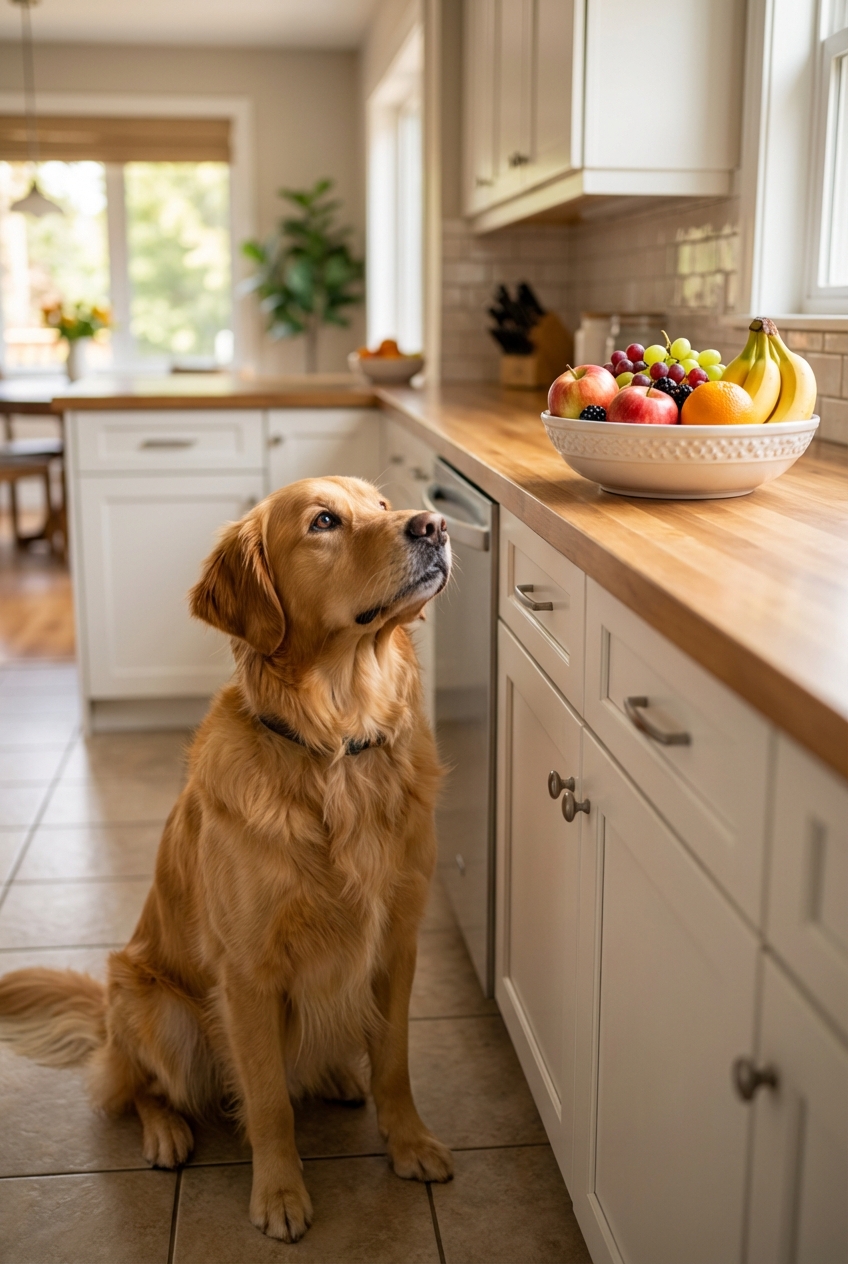
Fruit can be a wonderful “sometimes” treat for dogs. It adds hydration, fiber, and phytonutrients, and many dogs genuinely love the taste. The key is portion size and smart prep, because some fruits are unsafe and even safe ones can cause tummy upset if we overdo it.
As a veterinary assistant here in Frisco, Texas, I tell families this simple guideline: many veterinarians recommend keeping treats (including fruit) under 10 percent of your dog’s daily calories. This is general education, not a substitute for veterinary advice. If your pup has diabetes, pancreatitis, kidney disease, urinary stones, or is on a prescription diet, check with your veterinarian before adding fruit.
Quick fruit safety checklist
- Wash thoroughly to remove pesticides and dirt.
- Remove pits, seeds, stems, and rinds unless noted as safe.
- Cut bite-sized pieces to prevent choking, especially for small dogs.
- Start small and watch stool quality over the next 24 hours.
- Avoid fruit “products” like canned fruit in syrup, fruit snacks, and juices. They are usually too sugary and may include unsafe sweeteners like xylitol.
Portion guide
These are conservative starting amounts for fresh fruit. If your dog tolerates it well, you can offer a little more, but keep fruit as a treat, not a meal.
- Tiny dogs (under 10 lb): 1 to 2 teaspoons total (or 1 to 3 very small pieces)
- Small dogs (10 to 25 lb): 1 to 2 tablespoons total (or 2 to 4 small pieces)
- Medium dogs (26 to 60 lb): 2 to 4 tablespoons total (up to 1/4 cup)
- Large dogs (over 60 lb): 1/4 cup total (up to 1/3 cup if well tolerated)
Tip: If your dog is trying fruit for the first time, cut the above amounts in half for the first serving. For toy breeds and senior dogs, mashing soft fruit (like banana) can be safer than offering round, slippery pieces.
Dog-safe fruits
Below are fruits that are generally considered safe for healthy dogs when properly prepared and served in small amounts.
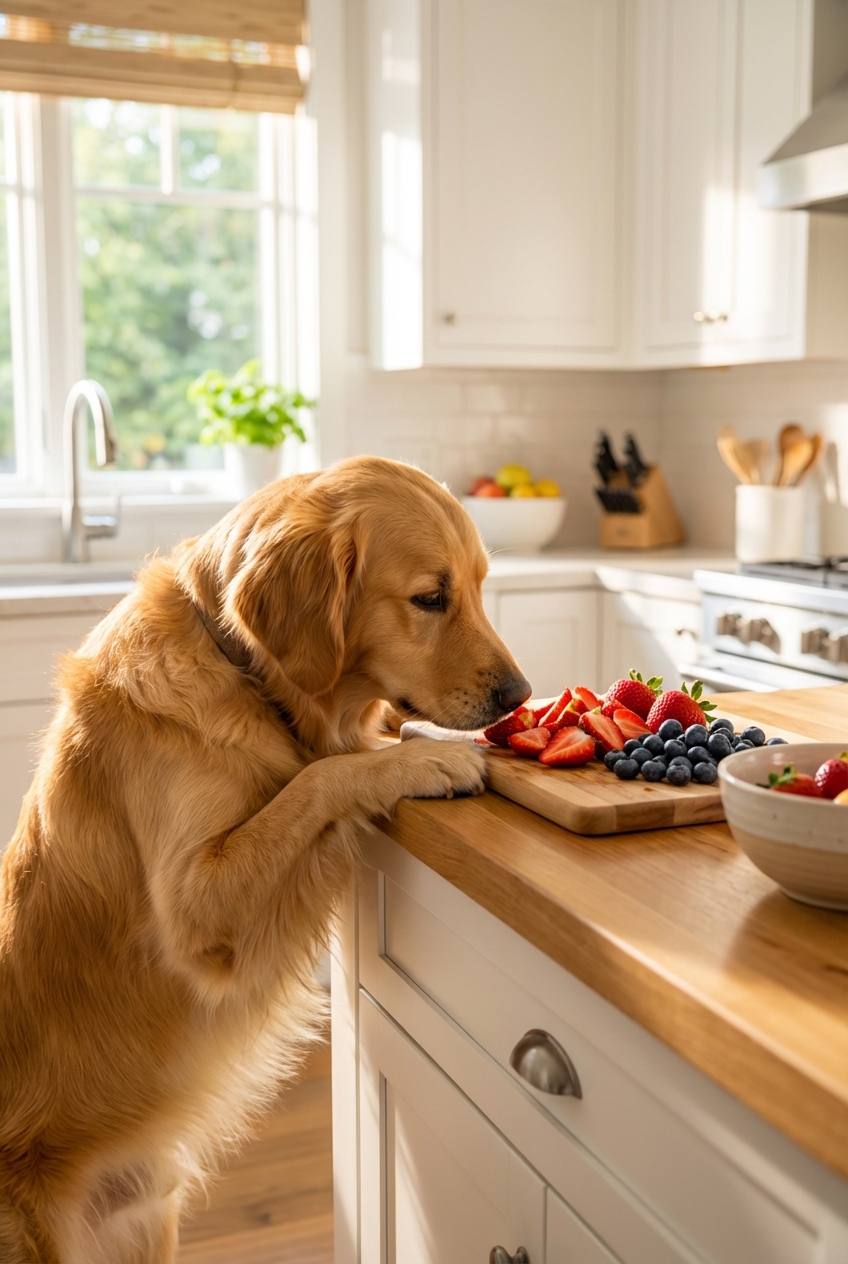
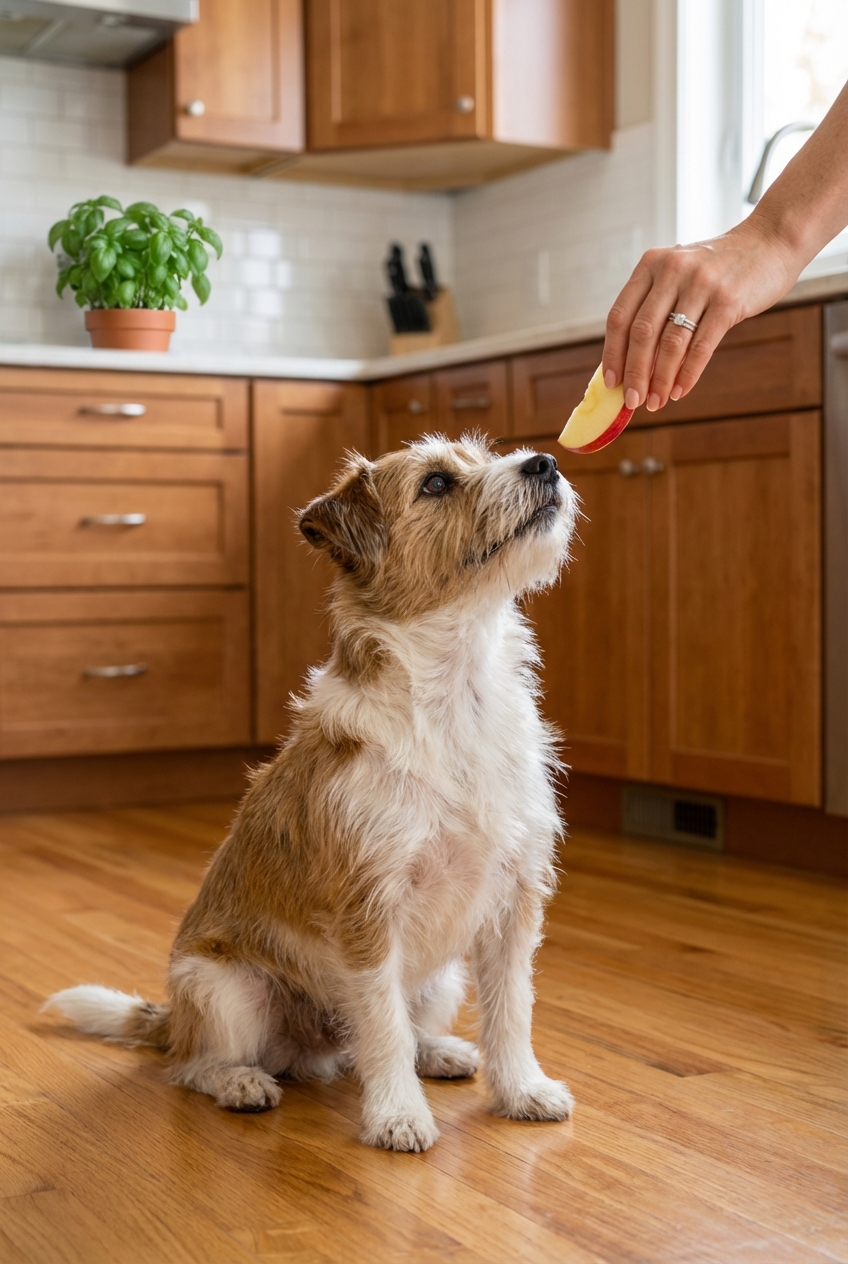
Apples
- Why they are nice: Crunchy, hydrating, and a gentle source of fiber.
- How to serve: Sliced, no seeds, no core.
- Portion: A couple of thin slices for small dogs, a few slices for medium and large.
- Warnings: Apple seeds contain cyanogenic compounds, so always remove seeds and core.
Bananas
- Why they are nice: Soft texture, potassium, easy training treat.
- How to serve: Small coins or mashed into a lick mat.
- Portion: 1 to 3 small coins for small dogs, a few coins for medium and large.
- Warnings: Higher in sugar. Great as an occasional treat, not daily for many dogs.
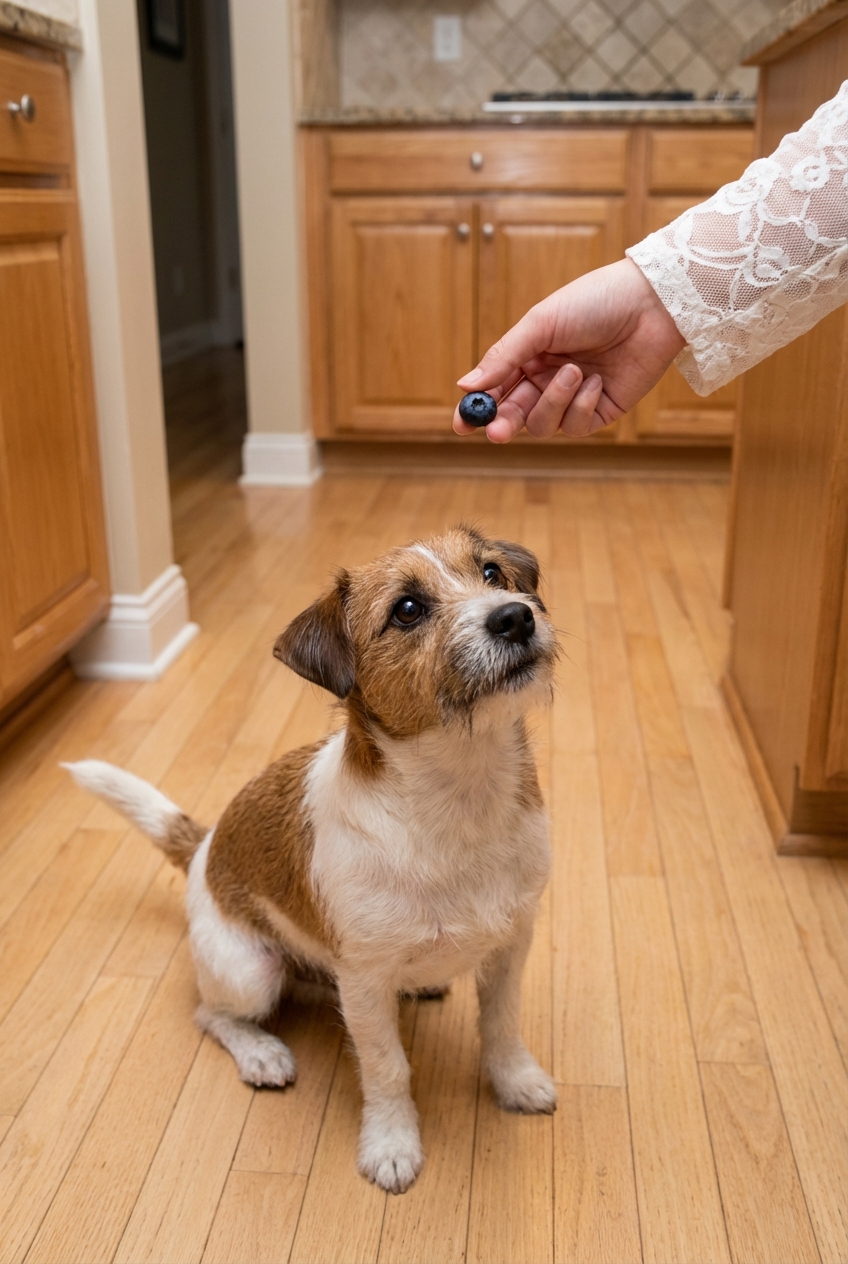
Blueberries
- Why they are nice: Bite-sized, lower calorie, antioxidant-rich.
- How to serve: Fresh or frozen. For tiny dogs, consider slicing or lightly mashing.
- Portion: 1 to 3 berries for tiny dogs, a small handful for bigger dogs.
- Warnings: Too many can cause loose stool due to fiber.
Cantaloupe
- Why they are nice: Very hydrating.
- How to serve: Remove rind and seeds, cube the flesh.
- Portion: A few small cubes depending on dog size.
- Warnings: Sugar content can add up quickly.
Cranberries
- Why they are nice: Tart little bites, can add variety.
- How to serve: Fresh or frozen, plain.
- Portion: A few berries.
- Warnings: Avoid sweetened dried cranberries. Many are heavily sugared.
Mango
- Why they are nice: Soft, aromatic treat that many dogs love.
- How to serve: Remove skin and the pit, dice the flesh.
- Portion: A few small cubes.
- Warnings: Pit is a choking hazard and can cause blockage if swallowed.
Oranges and mandarins
- Why they are nice: Small amounts can be refreshing.
- How to serve: Peeled, no seeds.
- Portion: One to two segments for small dogs, a few for larger dogs.
- Warnings: Some dogs get stomach upset from the acidity. Skip peels and pith.
Peaches
- Why they are nice: Juicy, tasty in small amounts.
- How to serve: Remove pit, slice the flesh.
- Portion: A couple of small slices.
- Warnings: The pit is dangerous. Avoid canned peaches in syrup.
Pears
- Why they are nice: Gentle fiber and hydration.
- How to serve: Remove seeds and core, slice.
- Portion: Similar to apple portions.
- Warnings: Seeds should not be eaten.
Pineapple
- Why they are nice: Bright flavor, high water content.
- How to serve: Fresh only, remove tough core and spiky skin.
- Portion: A few small chunks.
- Warnings: Too much can cause diarrhea due to sugar and acidity.
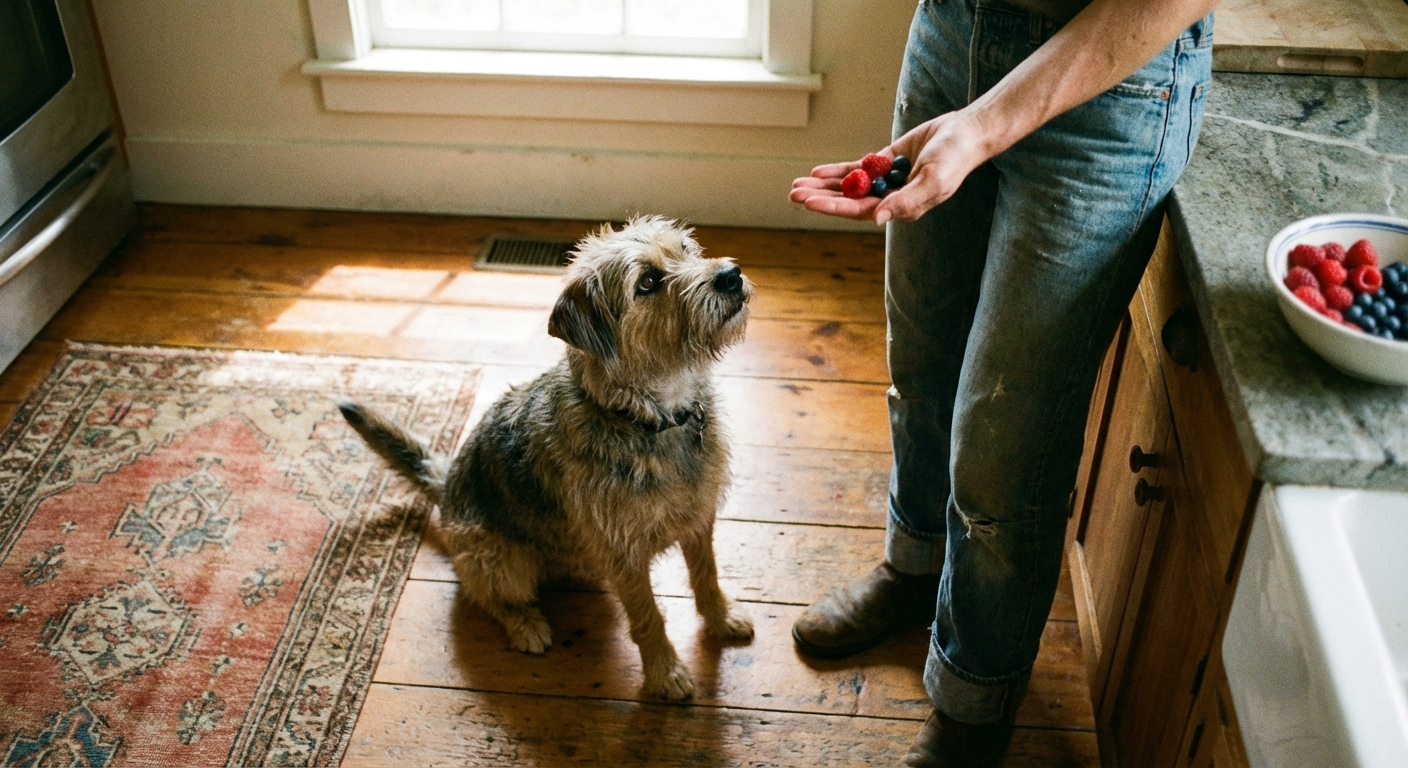
Raspberries
- Why they are nice: Lower sugar than some fruits and very aromatic.
- How to serve: Fresh or frozen.
- Portion: A few berries.
- Warnings: Like any berry, excess can loosen stools.
Strawberries
- Why they are nice: Easy to slice, fun treat for many dogs.
- How to serve: Wash, remove stems, slice.
- Portion: 1 small strawberry sliced for small dogs, a few for bigger dogs.
- Warnings: Avoid strawberries with whipped cream or sugar.
Watermelon
- Why they are nice: One of the best hydrating summer treats.
- How to serve: Remove rind and seeds, cube the flesh. Even “seedless” watermelon can have a few seeds, so do a quick check.
- Portion: A few cubes.
- Warnings: Rind can cause gastrointestinal blockage and stomach upset.
Fruits to avoid
These are the big ones I want every dog family to remember. If your dog eats any of these, call your veterinarian, an emergency clinic, or pet poison guidance right away.
- Grapes and raisins: Can cause acute kidney injury in dogs. No known safe amount. (Whole grapes are also a choking hazard, especially for small dogs.)
- Currants (including Zante currants): Treated like grapes and raisins due to similar risk.
- Cherries: The pits, stems, and leaves contain cyanogenic compounds, and pits are a blockage risk. The flesh is generally less concerning, but it is not worth the risk if any pit material could be swallowed.
- Avocado: Best avoided. Dogs may tolerate small amounts of the flesh, but the pit and skin are a serious obstruction risk, and the high fat content can trigger pancreatitis in susceptible dogs.
- Star fruit (carambola): Not well-studied in dogs. To be safe, avoid it, especially for pets with kidney disease.
- Fruit with xylitol: This sweetener is sometimes found in “sugar-free” products and can be life-threatening for dogs.

Other common questions
Plums and apricots
Like peaches, these are stone fruits. The flesh is not the main concern, but the pits can cause choking or intestinal blockage and contain plant compounds that can be harmful when chewed. If you choose to offer a tiny amount of flesh, be meticulous about pit removal and keep portions small.
Tomatoes
Ripe tomato flesh in small amounts is usually tolerated, but green tomatoes and the plant parts (stems, leaves) can cause stomach upset and other issues. I recommend skipping tomatoes as a “treat fruit,” especially if your dog likes to grab things off the vine or counter.
Lemons and limes
These are not toxic in the way grapes are, but they are very acidic and can trigger vomiting and diarrhea. The peel and oils are also irritating. In real life, it is best to avoid.
Coconut
Not a go-to treat. Coconut meat and coconut oil are high in fat and can cause diarrhea, and high-fat snacks are a pancreatitis concern for some dogs.
Special warnings
Pits and seeds
Pits from stone fruits (peach, plum, apricot, cherry) are a double hazard: choking or intestinal blockage, plus plant compounds that can be toxic when chewed. Seeds from apples and pears should also be removed.
Rinds, peels, and tough skins
Rinds and thick peels are common causes of vomiting, diarrhea, and obstruction. Watermelon rind and citrus peels are classic examples.
Dried fruit
Dried fruit is concentrated sugar and calories. Even when not toxic, it can upset stomachs and contribute to weight gain. And any dried fruit that is a grape product (raisins, currants) is unsafe.
When to call the vet
Contact your veterinarian if your dog shows any of the following after eating fruit:
- Repeated vomiting or diarrhea
- Lethargy, weakness, trembling, or collapse
- Signs of abdominal pain such as whining, hunching, or restlessness
- Not eating, not drinking, or reduced urination
- Any chance they ate grapes, raisins, currants, or xylitol
If you are ever unsure what your dog got into, it is absolutely okay to call for guidance. Early advice can prevent a scary situation from turning into an emergency.
Easy ways to serve fruit
- Frozen berries as quick training treats (slice for very small dogs if needed).
- Fruit “sprinkles” where you chop a teaspoon of fruit and scatter it over food for aroma.
- Lick mat snack with mashed banana and a spoon of plain yogurt, then freeze.
- Hydration cubes using blended watermelon (no rind, remove any seeds you find) frozen in an ice tray.
One last gentle reminder: fruit is a treat. Your dog’s main diet should be complete and balanced for their life stage, and treats are there to add joy and variety.