A vet-assistant guide to end-of-life signs in dogs—appetite, breathing, pain, mobility, confusion, and emergencies—plus comfort-at-home steps and quality...
Article
•
Designer Mixes
Dog Refusing Food at End of Life: What to Do

Shari Shidate
Designer Mixes contributor
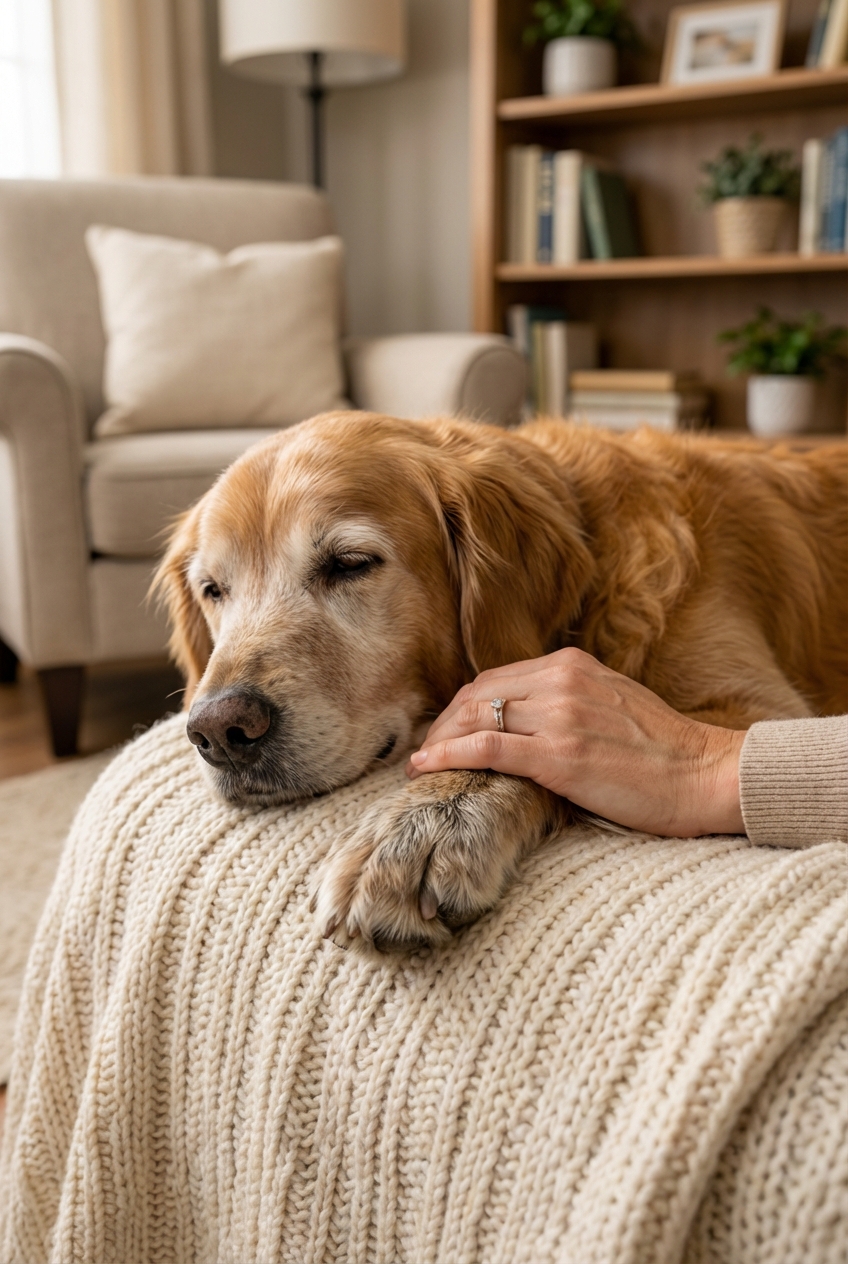
Watching a beloved dog turn away from food near the end of life is heartbreaking. As a veterinary assistant here in Frisco, Texas, I want you to know this is also very common. In many cases, appetite fades because the body is slowing down, nausea is increasing, pain is present, or a serious illness is changing how your dog feels day to day.
This page will help you sort out what is normal, what is urgent, and what you can do at home to keep your dog comfortable while you work closely with your veterinarian.
Why dogs stop eating
Loss of appetite is not a single problem. It is usually a signal that something else is going on. Near the end of life, the most common contributors include:
- Nausea or upset stomach from kidney disease, liver disease, cancer, infections, or medications.
- Pain from arthritis, dental disease, cancer, or abdominal discomfort.
- Trouble breathing, which can make eating exhausting.
- Constipation or diarrhea that makes food feel unappealing.
- Mouth pain from dental disease, oral tumors, ulcers, or severe dryness.
- Changes in smell and taste, especially in advanced kidney disease or with certain medications.
- Weakness and fatigue as the body conserves energy.
- Dehydration, which can worsen nausea and reduce appetite.
- Medication side effects (for example some opioids, NSAIDs, antibiotics, and chemo drugs). Do not stop prescribed meds without your veterinarian’s guidance.
In hospice situations, it can help to reframe the goal: instead of “getting calories in,” we often shift toward “keeping comfort high and stress low.” Your veterinarian can guide you on what makes sense for your dog’s specific diagnosis.
Check for emergencies first
Some dogs stop eating because they are in immediate trouble, not only declining. Call your veterinarian or an emergency clinic right away if your dog has any of the following:
- Repeated vomiting or inability to keep water down
- Bloated abdomen, retching without producing vomit, or sudden severe restlessness
- Labored breathing, blue or pale gums, or collapse
- Suspected toxin exposure (including human medications)
- Signs of severe pain such as crying out, panting hard at rest, or refusing to move
- Black tarry stool, bloody diarrhea, or vomiting blood
- No urination, straining to urinate, or signs of urinary blockage
If none of these are present, you can usually take a calmer, step-by-step approach while still updating your veterinarian promptly.
Quick questions
All food, or just their usual food?
If a dog turns down kibble but will take something soft and fragrant, nausea, mouth discomfort, and smell changes are common culprits. This can sometimes be helped.
Are they drinking water?
Not drinking can quickly worsen weakness and nausea. For many dogs, refusing water for a full day should be discussed with your veterinarian. Contact your veterinarian sooner if your dog is small, has kidney disease, diabetes, heart disease, or cancer, or if you notice dehydration signs like tacky gums, sunken eyes, marked lethargy, or weakness.
What does their poop look like?
Constipation is a sneaky reason dogs stop eating. If your dog is eating very little, they may poop less. What concerns me more is straining, discomfort, hard or dry stool, or no stool for more than 48 hours, especially if your dog is on pain medication.
Do they seem nauseated?
Look for lip licking, drooling, swallowing repeatedly, turning away after sniffing food, grass eating, or vomiting. Nausea is treatable, and addressing it can improve comfort even if appetite does not fully return.
What you can do at home
These steps are gentle and low-stress. They are meant to support comfort, not force eating.
Important: If your dog is on a prescription diet, has pancreatitis, kidney disease, or heart disease, confirm food choices with your veterinarian before offering new foods.
1) Offer small, soft, high-smell foods
Warmth and smell matter. Try tiny portions and let your dog choose.
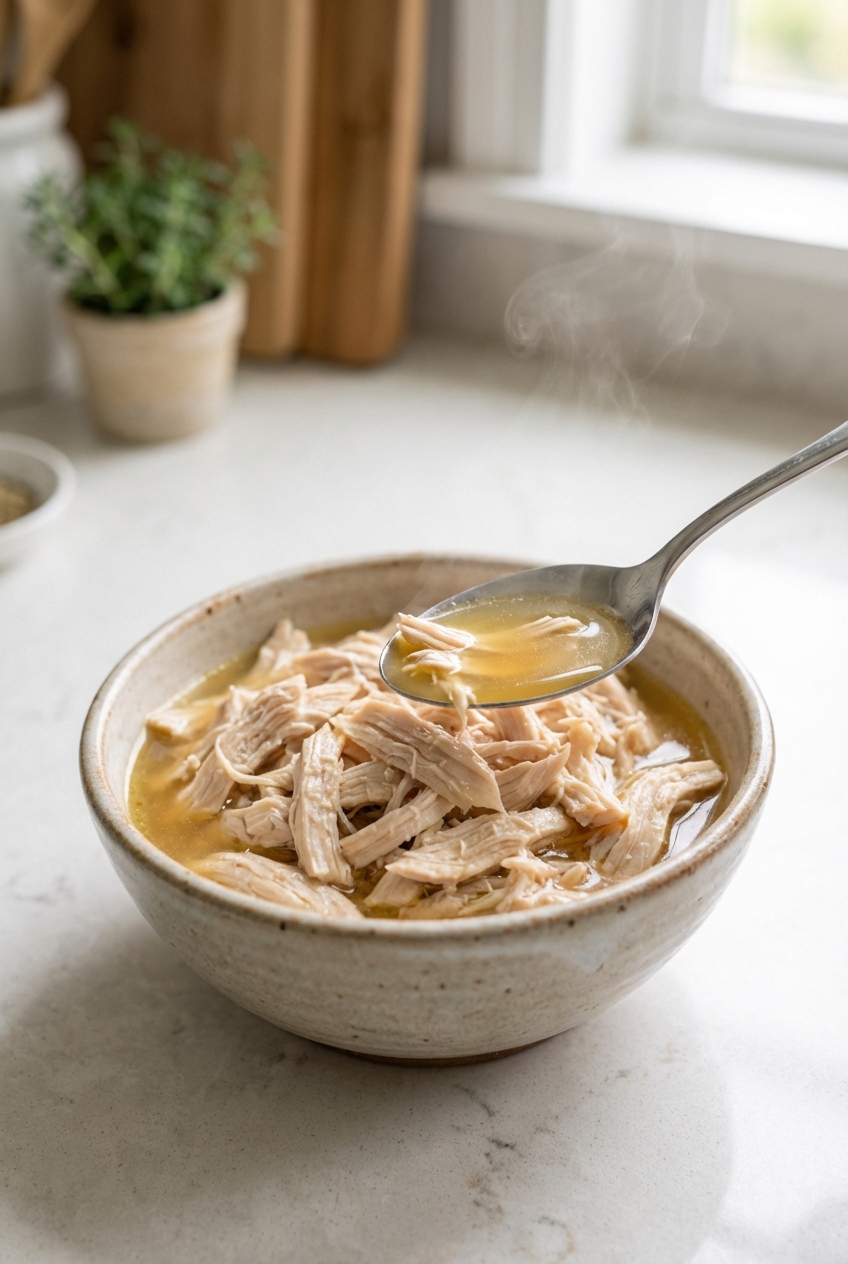
- Warm (not hot) shredded chicken or turkey
- Meat baby food that contains only meat and broth (check labels carefully, since many contain onion or garlic powder)
- Plain scrambled egg
- Plain canned pumpkin (small amount) if constipation is suspected
- Low-sodium broth to moisten food (check labels and avoid any onion, garlic, or added seasonings)
Avoid forcing food, chasing your dog with the bowl, or hand-feeding if it clearly increases stress, nausea, or food aversion. Gentle hand-feeding can be comforting for some dogs, so let your dog’s body language lead.
If you warm food in the microwave, stir well and test the temperature with your finger first. For dogs with cancer or advanced disease, toss uneaten wet food promptly and wash bowls often to reduce the risk of foodborne illness.
2) Adjust texture for mouth pain
If chewing seems hard, switch to soft foods, add warm water or broth, and consider a wide, shallow plate. If your dog paws at the mouth, drops food, or chews on one side, schedule a veterinarian exam. Dental pain is common and can be severe.
3) Make meals calm
- Offer food in a quiet room, away from other pets
- Use non-slip mats so your dog feels secure standing
- Raise bowls slightly for dogs with neck pain or breathing trouble
- Try brief, frequent offers rather than one big meal
4) Support hydration safely
If your veterinarian agrees, you can encourage fluids by offering:
- Fresh water in multiple locations
- Ice chips if your dog likes them
- Broth diluted with water (label-checked and onion and garlic free)
- Wet food or home-cooked food with extra moisture
Do not syringe water into your dog’s mouth unless your veterinarian has shown you how and has advised it. Aspiration is a real risk in weak dogs.
When to call your veterinarian
In hospice care, we still treat symptoms. Please call your veterinarian if any of these apply:
- Your dog has eaten almost nothing for 24 hours
- Your dog refuses water, drinks far less than usual, or cannot keep water down
- Vomiting, diarrhea, or constipation appears or worsens
- You see signs of pain, anxiety, confusion, or breathing changes
- Your dog suddenly stops eating after a medication change
Your veterinarian may recommend an exam and may adjust the care plan with options such as anti-nausea medication, pain control changes, appetite stimulants, acid reducers, constipation support, or fluids. These interventions can improve comfort and sometimes restore interest in food.
Stimulants and feeding tubes
Appetite stimulants
Appetite stimulants can help some dogs, but they are not a cure-all. If nausea or pain is the main problem, treating those issues first is often more effective than stimulating hunger. Your veterinarian will decide what is appropriate based on diagnosis and medications already in use.
Assisted feeding and feeding tubes
Feeding tubes can be a wonderful, temporary bridge in some situations, especially when the underlying condition is treatable and the goal is recovery. In end-of-life hospice, the kindest choice is not always “more intervention,” but feeding tubes can still have a place in select cases if they reduce stress and your dog is otherwise comfortable (for example when there is a reversible component like medication-related nausea or a painful mouth issue being treated).
In many end-of-life situations, the goal shifts from maximizing calories to maximizing comfort and dignity.
Knowing when it is time
Families often ask: “If my dog is not eating, does that mean it is time for euthanasia?” Not always, but it can be one important piece of the picture.
Consider your dog’s overall quality of life, including:
- Comfort: Are pain and anxiety controlled most of the day?
- Breathing: Can your dog rest comfortably without struggling?
- Hydration: Are they able to drink enough to feel okay?
- Mobility: Can they get up, reposition, and go potty with reasonable help?
- Connection: Do they still enjoy gentle affection, fresh air, or favorite people?
- More bad days than good: Are the difficult days clearly taking over?
Some families find a simple quality-of-life tool helpful, like the HHHHHMM scale (Hurt, Hunger, Hydration, Hygiene, Happiness, Mobility, More good days than bad). Your veterinarian can also help you score what you are seeing at home.
If your dog is refusing food and also cannot be made comfortable, cannot rest, or seems distressed, a compassionate euthanasia conversation is appropriate. Many veterinarians offer in-home euthanasia, which can be calmer for both dogs and families.

What not to do
- Do not force-feed unless your veterinarian has given you a specific plan. It can cause aspiration and increase stress.
- Do not give human pain medications like ibuprofen, naproxen, or acetaminophen unless explicitly directed by a veterinarian. Many are toxic to dogs, and even the ones that are sometimes used require strict dosing and monitoring.
- Do not change multiple things at once. If you try five new foods in a day, it is hard to know what helped or hurt.
- Do not assume it is “just old age”. Nausea, constipation, dental pain, and medication side effects are common and often treatable.
Plan for the next 24 hours
- Track the basics: water intake, any vomiting, stool and urination, and energy level.
- Offer 3 to 4 small food trials: warm, soft, fragrant foods in tiny portions.
- Prioritize comfort: quiet space, soft bedding, easy access to potty breaks.
- Call your veterinarian: share what changed, what your dog accepted, and any red-flag symptoms.
- Talk about goals: ask what “comfort success” looks like for your dog and what signs would mean it is time.
You are not failing your dog if they are not eating. You are loving them through a hard transition, and your steady presence matters more than any one meal.
Quick FAQ
How long can a dog go without eating at the end of life?
It varies by the dog and their medical condition. Some dogs eat very little for days in hospice, but a sudden change or complete refusal for 24 hours should prompt a call to your veterinarian, especially if your dog is also not drinking.
Is it cruel to let my dog refuse food?
Not necessarily. In many terminal illnesses, appetite naturally fades. The key is whether your dog is comfortable. If nausea or pain is present, treating those symptoms is often the kindest next step.
Should I switch to “people food” right now?
Sometimes a temporary switch to soft, simple, highly palatable foods can reduce stress and encourage intake. Avoid toxic ingredients like onions, garlic, grapes, raisins, and xylitol. If your dog has pancreatitis or other conditions, ask your veterinarian before offering high-fat foods.