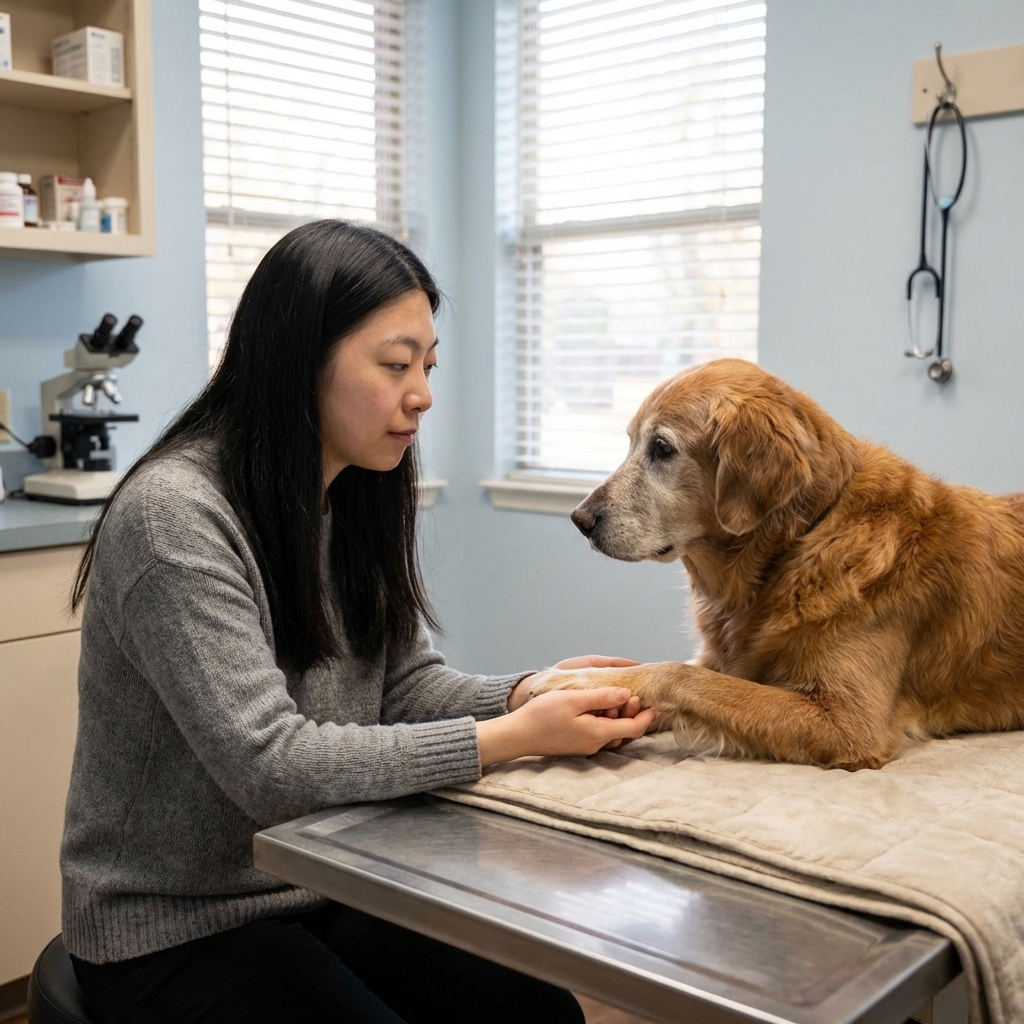
A compassionate, vet-informed guide to deciding when it’s time: key suffering signs, Hurt-Hunger-Hydration-Hygiene-Happiness checklist, QOL scoring, hospic...
Article
•
Designer Mixes
Dog Quality of Life Checklist Before Euthanasia

Shari Shidate
Designer Mixes contributor
Deciding when it is “time” is one of the hardest, most loving decisions you will ever make for your dog. As a veterinary assistant here in Frisco, Texas, I have seen families wrestle with the same questions: Are they still enjoying life? Am I keeping them here for me? How do I know I am not waiting too long?
A quality of life checklist gives you something steady to hold onto when emotions are running high. It does not replace your veterinarian’s guidance, but it can help you notice patterns, track good days versus hard days, and make a decision based on your dog’s comfort and dignity.
Note: This article is educational and based on what I see in practice as a veterinary assistant. It is not a substitute for veterinary diagnosis or medical advice for your individual pet.
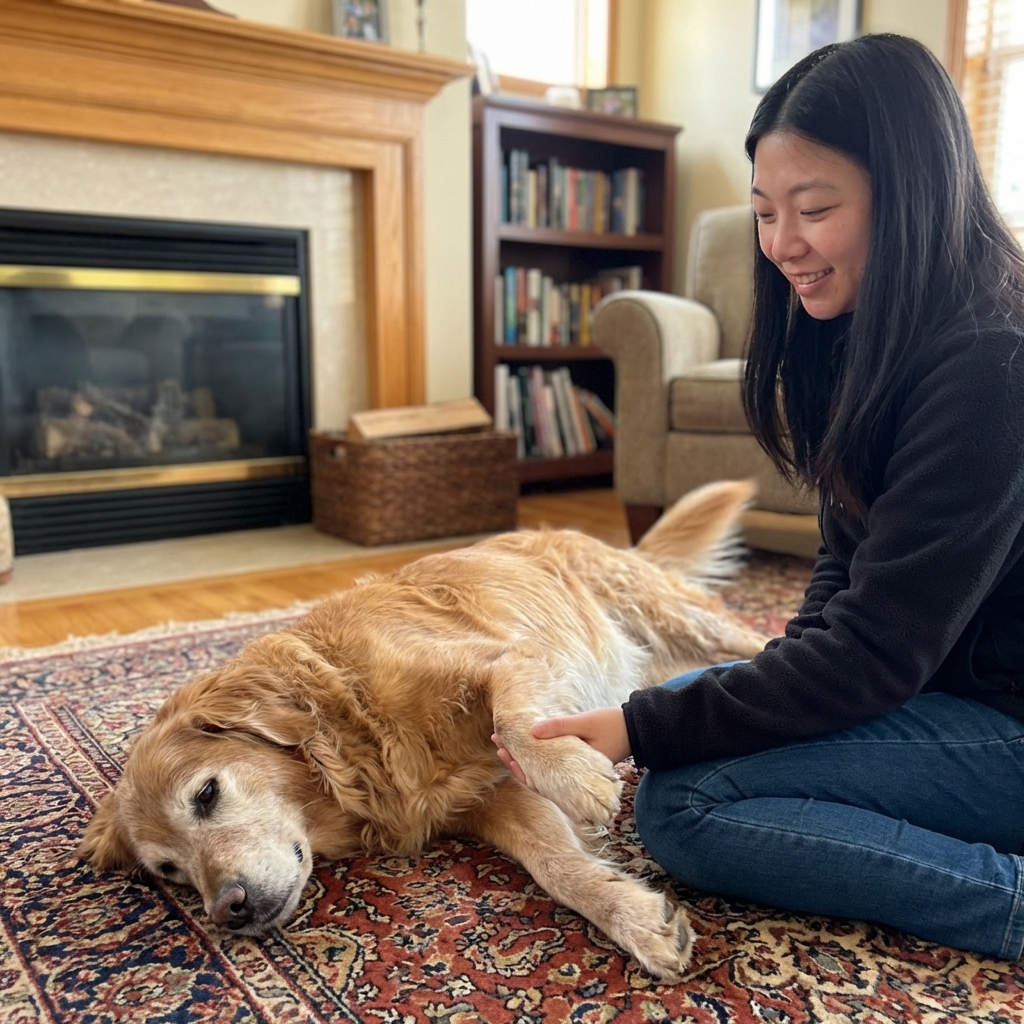
How to use this checklist
- Pick a time of day when your dog is usually most comfortable and check in daily.
- Write it down for 7 to 14 days, or shorter if things are changing quickly. Memory gets fuzzy when you are exhausted and worried.
- Score each area on a simple scale: 0 (poor), 1 (fair), 2 (good).
- Look for trends, not one-off days. Everyone can have a rough day, including dogs.
- Share it with your vet. Your notes help your veterinarian understand what you see at home.
Safety note: If your dog is in severe distress, cannot breathe comfortably, cannot get up, is crying out, or has uncontrolled bleeding or seizures, contact an emergency veterinarian immediately.
Dog quality of life checklist (0 to 2 points each)
1) Pain and comfort
Comfort is the foundation. A dog can be ill and still have a good quality of life if pain is controlled.
- Relaxed face, soft eyes, more “normal” posture
- Can rest and sleep without frequently shifting, whining, or panting
- Moves without obvious pain signals most of the time
- Pain medications are helping consistently
Red flags: trembling, hiding, hunched posture, guarding a body part, yelping, or restless pacing at night.
2) Appetite and hydration
Many dogs eat less as disease progresses, but a complete loss of interest in food and water is an important signal to take seriously.
- Eats enough to maintain strength (even if it is a smaller, frequent-meals plan)
- Drinks normally, or hydration is supported as directed by your veterinarian
- No repeated vomiting or uncontrolled nausea
Red flags: not eating for 24 hours (or sooner for puppies, toy breeds, diabetic dogs, or dogs with certain chronic conditions), repeated vomiting, or signs of dehydration (sticky gums, sunken eyes, extreme lethargy). If you are unsure, call your veterinarian.
3) Mobility and independence
Mobility affects everything: toileting, appetite, social time, and your dog’s sense of confidence.
- Can get up and lie down with minimal struggle
- Can walk to food, water, and potty area with help that is realistic for your household
- Moves safely in the home most of the time (not constantly slipping or falling)
- Can find a comfortable position to sleep
Red flags: falling repeatedly, crying when moved, pressure sores, or inability to get up even with assistance.
4) Elimination and cleanliness
Accidents happen, especially with senior dogs. The key question is whether your dog can eliminate without fear, pain, or ongoing mess that causes distress.
- Can urinate and defecate without significant pain
- Accidents are manageable and not constant
- Stays reasonably clean and dry with normal care
Red flags: straining, crying to urinate, repeated diarrhea that is not improving, or frequent soiling that leads to skin irritation.
5) Joy and connection
This section matters more than many people realize. When dogs feel better, you often see little sparks of “them” again.
- Shows interest in favorite things (walks, sniffing, treats, toys, sunbathing)
- Seeks comfort or closeness, or responds positively when you offer it
- Has moments of tail wags, bright eyes, or curiosity
Red flags: withdrawn most of the day, no interest in anything they used to enjoy, or signs of fear and confusion that are escalating.
6) Breathing, anxiety, and confusion
Some conditions affect the brain, lungs, or heart. Anxiety and air hunger are particularly tough on dogs.
- Breathing looks easy and calm while resting
- Can settle and relax for long stretches
- Disorientation is mild and manageable
Red flags: open-mouth breathing at rest, blue or pale gums, repeated panic episodes, or getting “stuck” in corners. Open-mouth breathing at rest can be a sign your dog is struggling to get enough oxygen and should be treated as urgent.
7) Medical stability and crises
Quality of life is often less about a diagnosis and more about how often you are battling emergencies.
- Symptoms are controlled most days
- Medication schedule is sustainable for your household
- Emergency visits are rare
Red flags: frequent collapses, repeated seizures that are not controlled, ongoing bleeding, repeated nights where your dog cannot get comfortable, or episodes of a suddenly distended abdomen with unproductive retching (possible bloat). If you see possible bloat signs, seek emergency care immediately.
8) Good days versus bad days
Many veterinarians use a simple question: Are the good days still clearly outnumbering the bad days?
- In the past 7 days, good days are the majority
- Bad days are not becoming more frequent or more intense
- Your dog can recover from a tough day with rest and medication
Quick scoring guide
If you score 8 areas from 0 to 2 points each, the maximum is 16.
Important: These cutoffs are an informal, at-home guide, not a universal veterinary standard. Many clinics also use established quality-of-life tools (for example, the HHHHHMM scale by Dr. Alice Villalobos) to support these conversations. Your veterinarian’s guidance matters most.
- 13 to 16: generally stable quality of life. Keep monitoring and adjust care with your veterinarian.
- 9 to 12: borderline. This is a good time for a frank conversation with your veterinarian about comfort, likely progression, and a plan for “if X happens.”
- 0 to 8: suffering may outweigh comfort. Consider whether humane euthanasia may be the kindest option, and talk through timing so it is not forced by a crisis.
These numbers are not a rulebook. They are a flashlight. If your dog scores “good” in a few areas but is struggling to breathe or cannot get comfortable, that single issue can still be decisive.
Questions when you feel stuck
- If my dog could talk, what would they ask for today? More relief? More rest? Less fear?
- What are we treating right now? The disease, or the suffering?
- What does a good day look like for my dog? Can we still reach that day reliably?
- What are my non-negotiables? For example: no air hunger, no uncontrolled pain, no repeated panic.
- Am I waiting for a sign that may not come? Many families hope for a clear moment, but often the kindest choice is made before a crisis.
- What help is truly sustainable for us? Loving care includes what you can safely do day after day. If the level of lifting, monitoring, or nighttime care is more than your household can manage, tell your vet. It helps guide a safer, kinder plan.
Loving your dog means protecting them from suffering, even when it breaks your heart.
Preparing for a peaceful goodbye
If you are nearing a decision, planning ahead can reduce stress for both you and your dog.
Ask your veterinarian about
- Hospice or palliative care options (if available) to focus on comfort and support at home
- In-home euthanasia versus clinic euthanasia, and what is available in your area
- Comfort medications for the final days
- Aftercare options, including cremation and private versus communal arrangements
- What the process looks like step-by-step, so there are no surprises

What euthanasia is usually like
While every clinic has its own routine, euthanasia is typically peaceful. Many veterinarians give a sedative first so your dog is relaxed and sleepy. Then a medication is given that allows them to pass gently. You may see a deep breath, small muscle movements, or the eyes remain open. Your veterinary team can tell you what to expect and will help you through it.
Simple comfort ideas for the final days
- Non-slip rugs or yoga mats to prevent falls
- Extra bedding, and turning your dog gently if they cannot reposition themselves
- Raised food and water bowls if neck or back pain is present
- Warm, smelly foods approved by your veterinarian if appetite is low
- A calm routine with soft lighting and fewer visitors if anxiety is rising
When to call your vet today
- Labored breathing, constant coughing, open-mouth breathing at rest, or your dog seems unable to catch their breath
- Uncontrolled pain despite medication
- Repeated vomiting, black stools, or signs of significant bleeding
- Collapse, repeated seizures, or sudden inability to stand
- A suddenly swollen belly with retching or trying to vomit without bringing anything up (possible bloat)
- Your gut tells you your dog is suffering and you need help
You do not have to carry this alone. Your veterinary team has walked with many families through this moment, and we truly want your dog’s last chapter to be gentle.